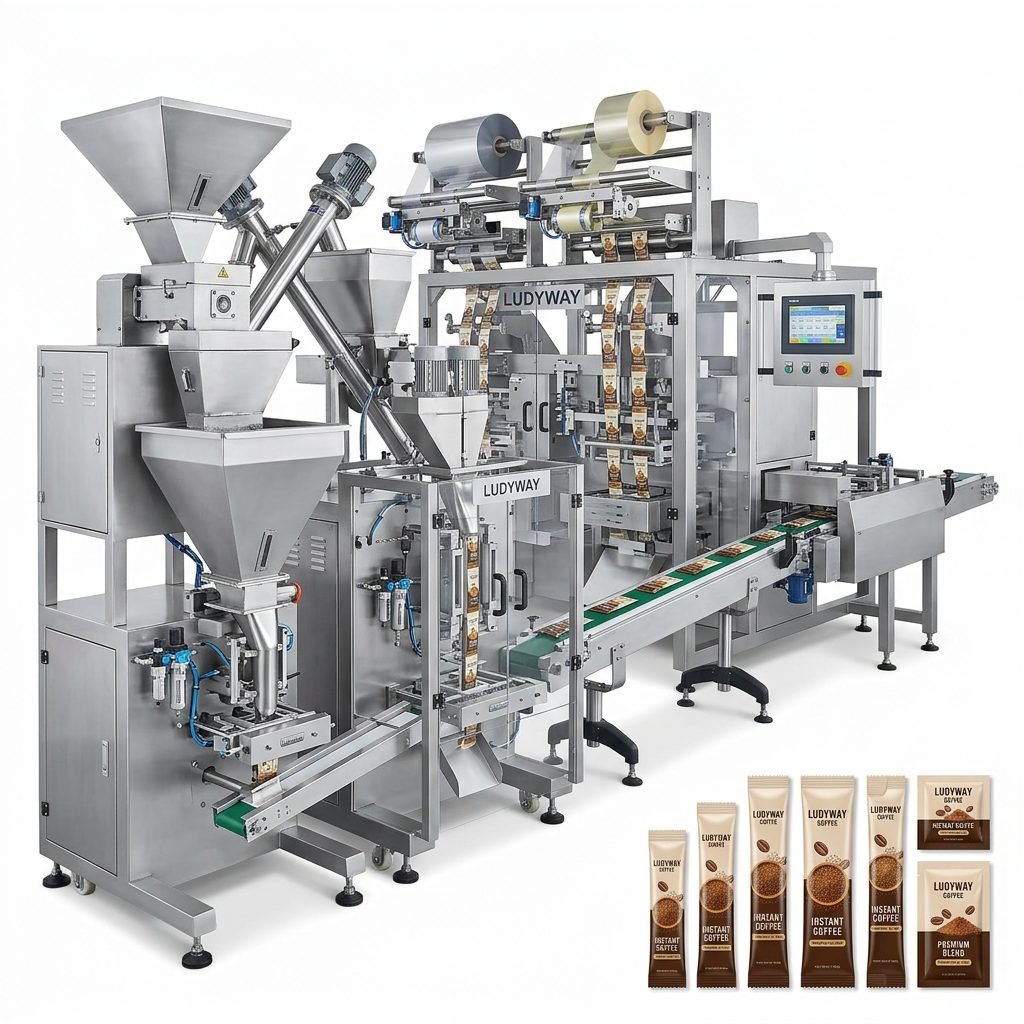
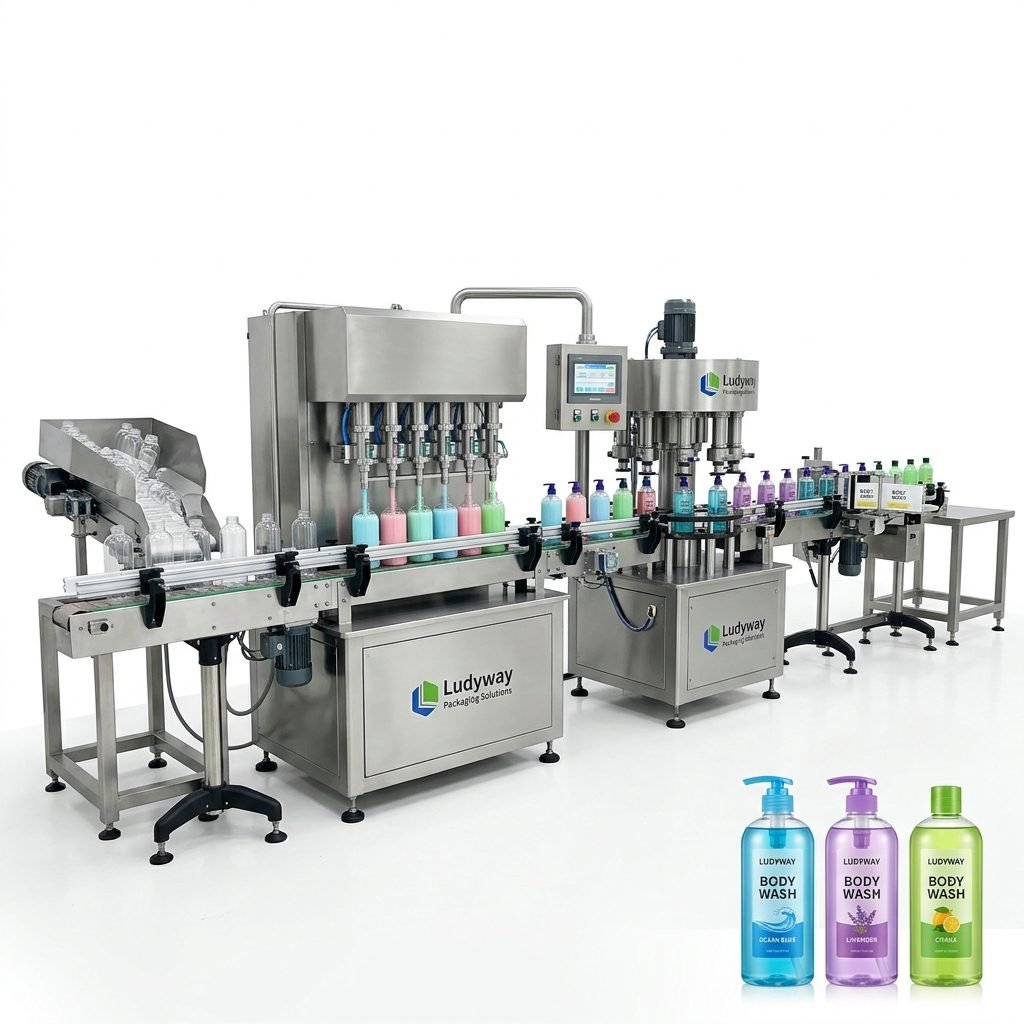
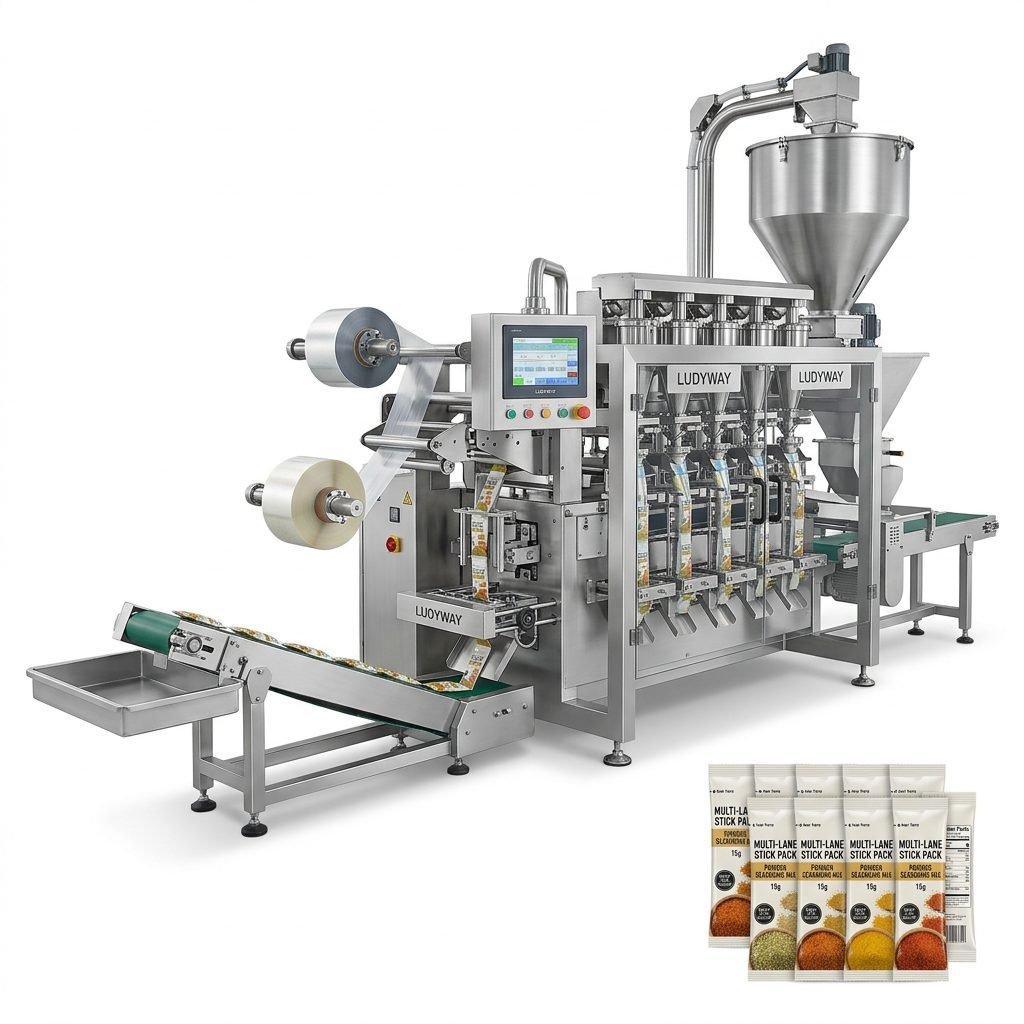
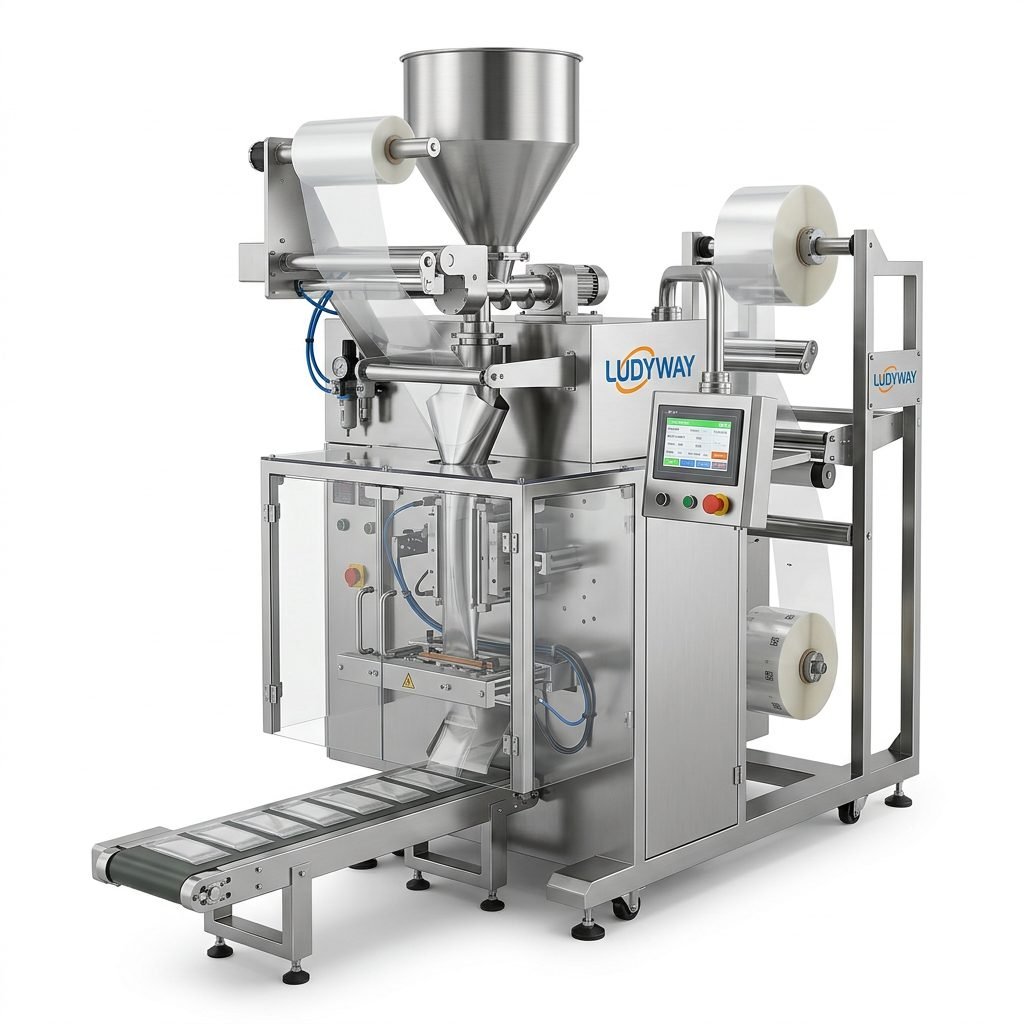
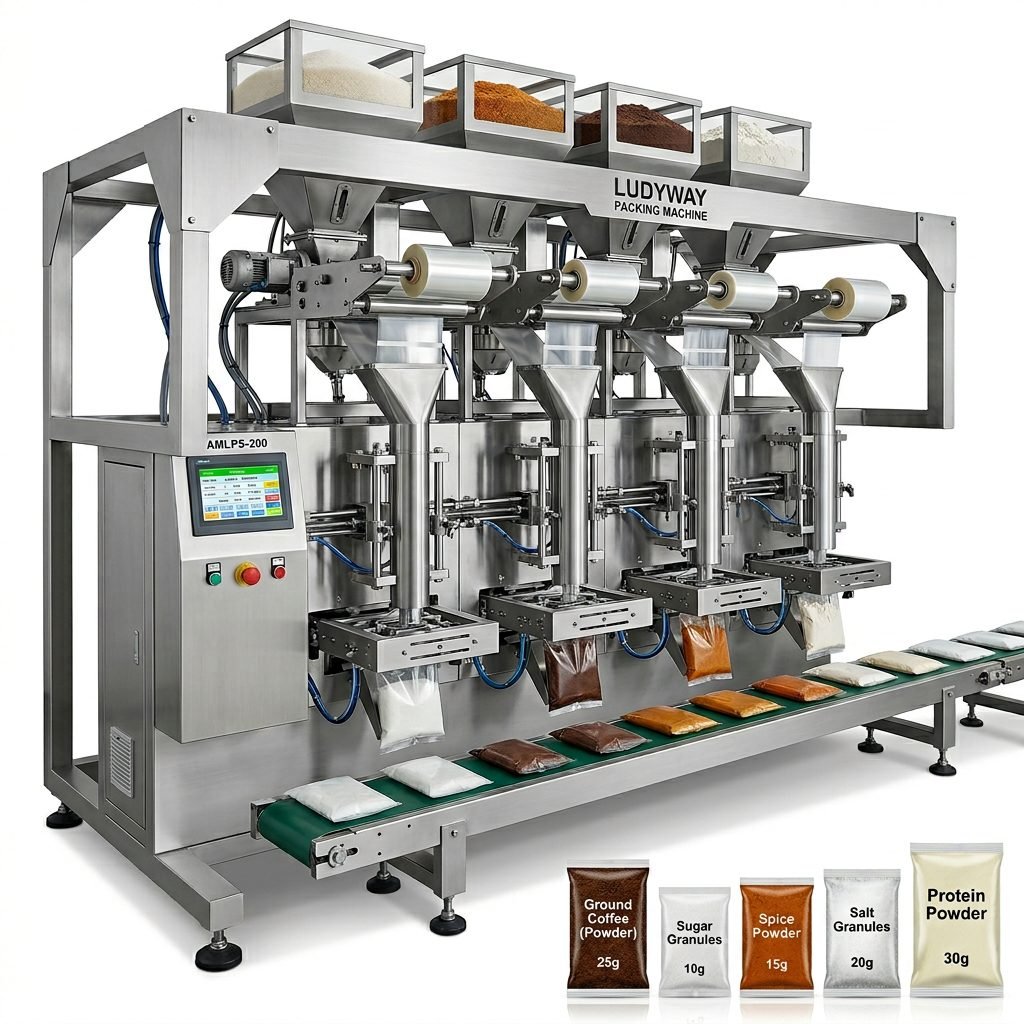
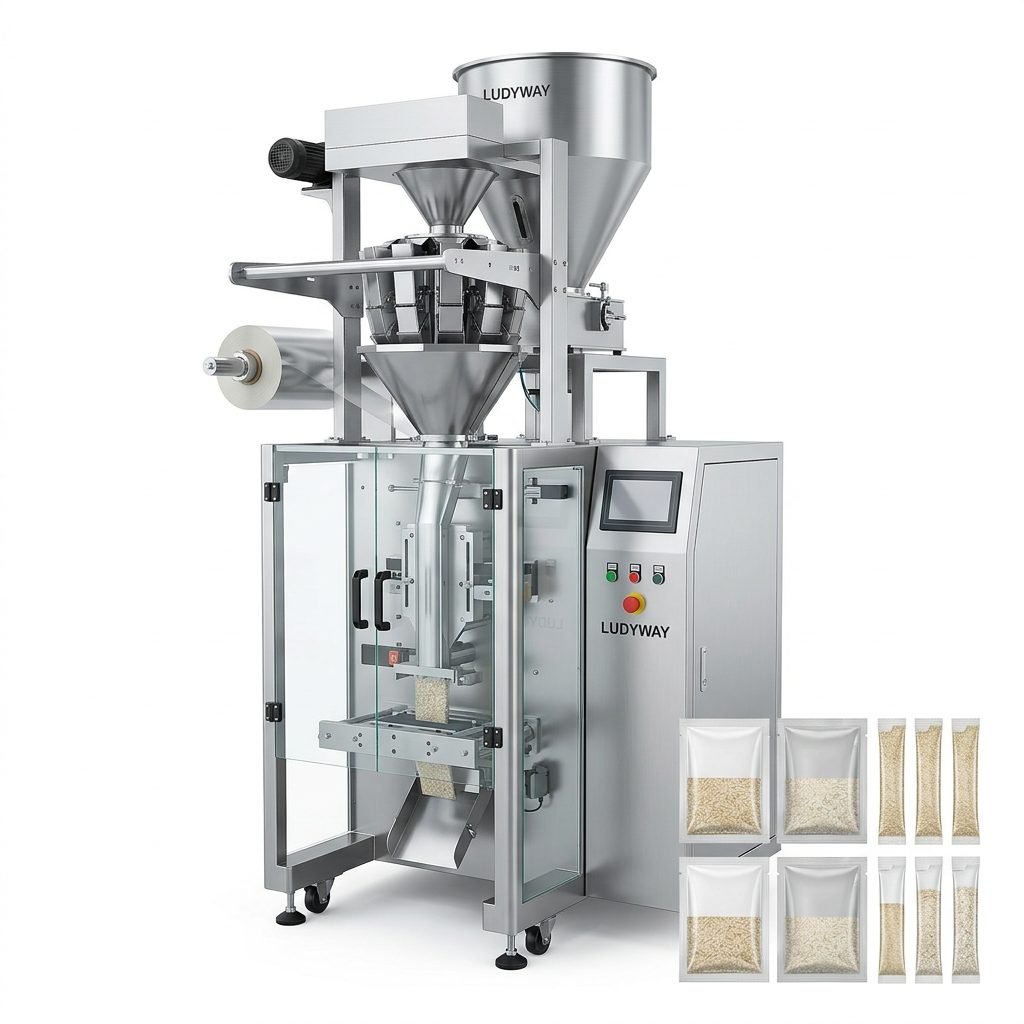
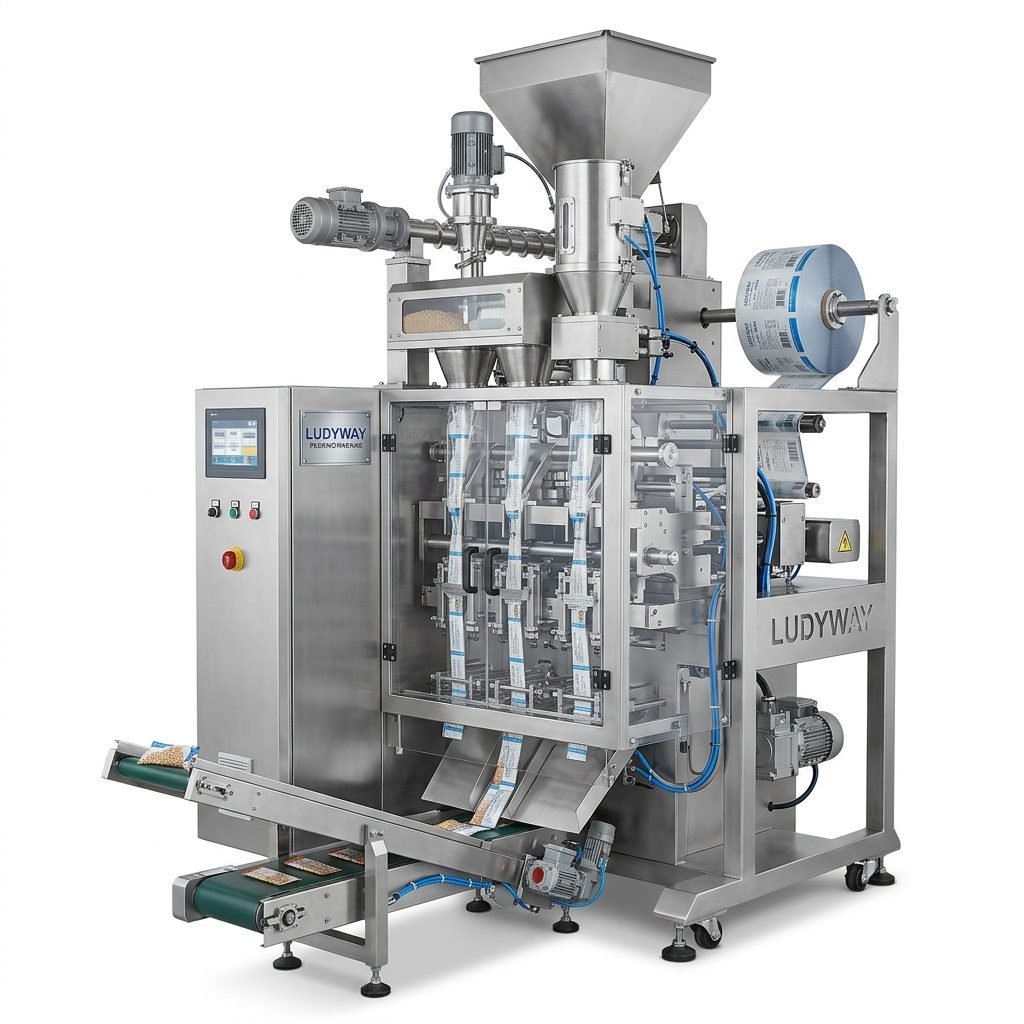
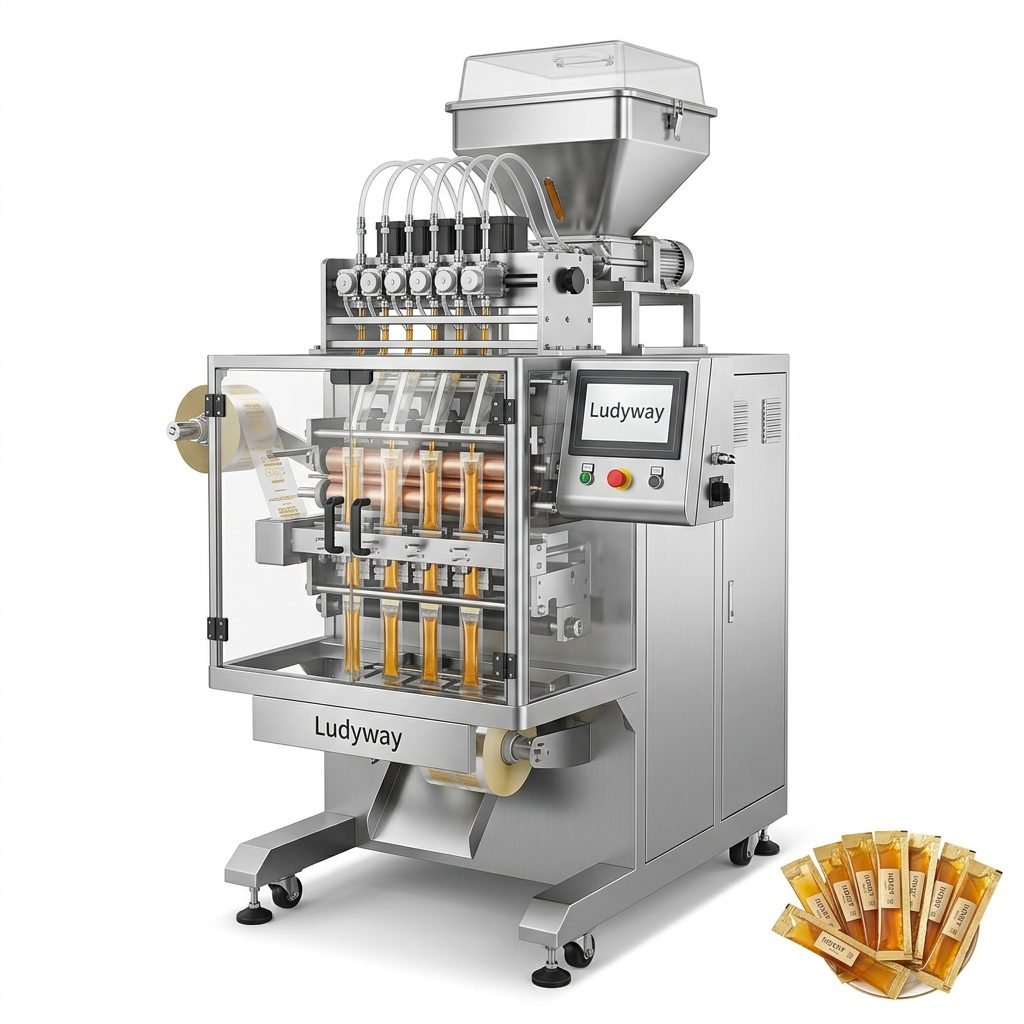
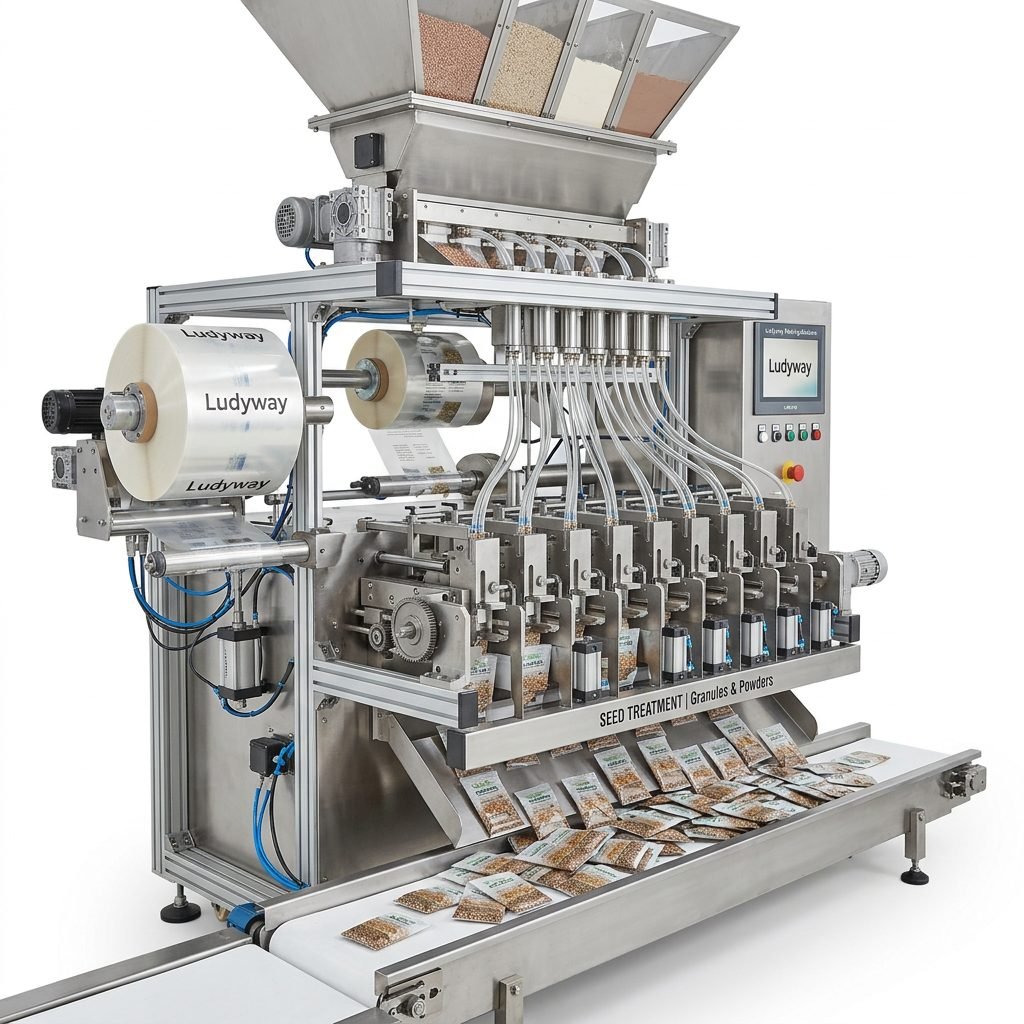
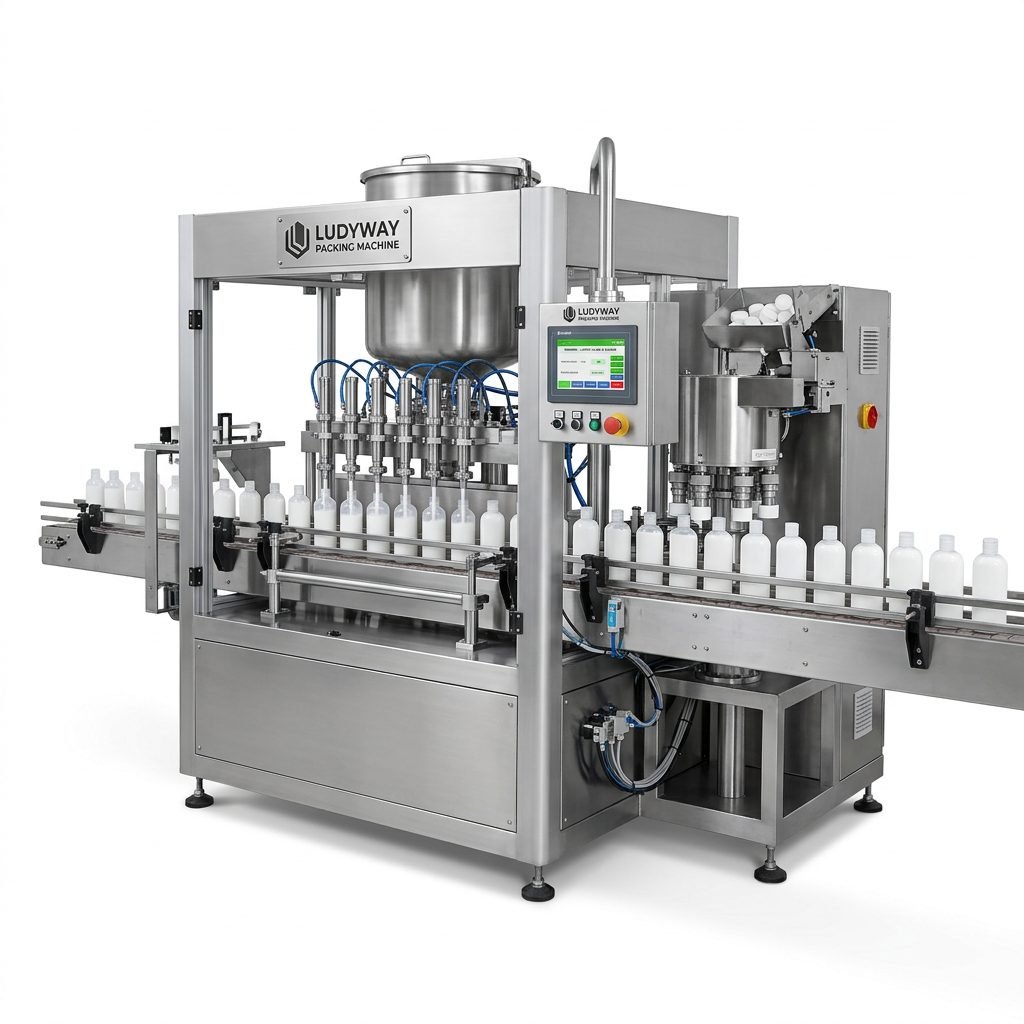
Selecting the right industrial packaging equipment is a critical decision that directly impacts production efficiency, product quality, and overall operational costs. With a vast array of systems available, from automated sachet packaging machines to multi-lane stick pack lines, navigating the options can be complex. This guide provides a structured approach to help you evaluate and choose the optimal packaging solutions to streamline your production and enhance your competitive edge.
Understanding Your Core Packaging Requirements
The foundation of any successful equipment selection lies in a deep understanding of your specific needs. A generic solution often leads to bottlenecks and inefficiencies.
Key Factors to Analyze:
Product Characteristics: Is your product a granule, powder, liquid, or paste? Each form demands specific filling mechanisms, sealing technologies, and material handling features. For instance, powder products require precise auger fillers and dust-free environments, while viscous liquids need piston fillers and specialized nozzle designs.
Production Speed & Volume: Determine your required output in packs per minute (PPM) or units per hour. High-volume operations necessitate fully automated, multi-lane systems, whereas lower volumes might be served efficiently by semi-automatic machines.
Packaging Materials: The choice of film (e.g., laminates, mono-layer), pouch style (stand-up, flat, stick pack), and sealing type (heat seal, ultrasonic) must align with your product’s barrier requirements and shelf-life goals.
Evaluating Different Types of Packaging Systems
Industrial packaging machinery can be broadly categorized. Understanding the capabilities of each type is essential for matching them to your production line.
Vertical Form-Fill-Seal (VFFS) Machines
These are the workhorses of the industry, forming bags from a roll of film, filling them, and sealing them in a continuous vertical process. Ideal for a wide range of free-flowing products like snacks, coffee, and hardware components.
Primary Advantage: High flexibility for different bag sizes and styles with relatively quick changeover.
Horizontal Form-Fill-Seal (HFFS) Machines
HFFS machines form pouches horizontally and are often used for more complex packaging, such as multi-compartment sachets, stick packs for pharmaceuticals or drink mixes, and products requiring precise placement.
Primary Advantage: Excellent for creating sleek, consumer-friendly packs and handling heat-sensitive products with gentle handling.
Turnkey Integrated Production Lines
Beyond a single machine, a complete line integrates multiple processes: feeding, weighing, packaging, cartoning, and palletizing. This is the ultimate solution for maximizing automation and minimizing manual intervention.
Primary Advantage: Seamless workflow, consistent output quality, and significant labor savings for large-scale production.
Critical Selection Criteria Beyond the Machine
The hardware is just one part of the equation. A holistic evaluation ensures long-term success and return on investment.
1. Precision & Accuracy of Filling
Inconsistent fills lead to product giveaway (costing money) or underweight packages (regulatory and customer trust issues). Look for machines with high-precision servo-driven fillers, check-weigher integration capabilities, and robust feedback control systems.
2. Operational Efficiency & Uptime
Evaluate the machine’s design for quick changeovers, easy cleaning (sanitary design), and minimal maintenance. Robust construction with quality components from reputable suppliers like Siemens or Mitsubishi for controls often translates to higher reliability and less downtime.
3. Scalability & Future-Proofing
Can the system adapt to new package sizes or slightly different products? Modular designs allow for future upgrades, such as adding more lanes or integrating vision inspection systems, protecting your investment as your business evolves.
4. Supplier Expertise & Support
The manufacturer’s or integrator’s role is paramount. A partner with deep application knowledge, like Ludyway Packaging Machinery, provides more than just a machine. They offer critical pre-sales consultation, comprehensive training, readily available spare parts, and responsive technical support. Their 30+ years of industry experience ensures they understand the practical challenges on the factory floor.
The Implementation & Optimization Process
Choosing the system is the first step; proper implementation is what unlocks its full potential.
Phased Integration: For complex lines, a phased approach minimizes disruption. Start with the core packaging unit, then integrate upstream (feeding) and downstream (cartoning) equipment.
Staff Training: Comprehensive training for operators, mechanics, and line supervisors is non-negotiable. A well-trained team can prevent issues, perform basic troubleshooting, and maintain optimal machine performance.
Data & Monitoring: Utilize the machine’s data output (OEE – Overall Equipment Effectiveness, downtime reasons, output counts) to identify bottlenecks and opportunities for continuous improvement. Modern Industry 4.0-ready machines facilitate this through connectivity and dashboard reporting.
Conclusion
Optimizing your production with the right industrial packaging equipment is a strategic investment. By meticulously defining your requirements, understanding the different system types, and rigorously evaluating suppliers on technical support and reliability—not just initial price—you can select a solution that drives efficiency, ensures quality, and scales with your business growth. Partnering with an experienced provider brings invaluable expertise to navigate this complex process successfully.
Frequently Asked Questions (FAQs)
Q1: What is the most important factor when choosing between a VFFS and an HFFS machine?
A: The primary deciding factor is your product type and desired pouch style. VFFS is generally superior for granular, free-flowing products in simple pillow or gusseted bags. HFFS is typically chosen for precise dosing of powders/liquids, creating flat-bottom or stand-up pouches, and producing multi-lane stick packs or sachets with a premium look.
Q2: How can I ensure the packaging machine will work reliably with my specific film material?
A: Always conduct factory acceptance tests (FAT) using your actual production film samples. This tests the machine’s forming, sealing, and tracking performance under real conditions. Reputable suppliers like Ludyway often have pilot labs for such trials, ensuring compatibility before installation.
Q3: What are the hidden costs I should budget for beyond the machine price?
A: Key additional costs include: installation and commissioning fees, shipping and import duties, utility connections (compressed air, electrical), spare parts kit, ongoing maintenance contracts, and operator training programs. A transparent supplier will provide a detailed breakdown upfront.
Q4: How long does it typically take from order to full production for a new packaging line?
A: Lead times vary greatly. A standard machine may take 8-12 weeks for build and delivery, while a fully custom turnkey line can take 6 months or more. Factor in 1-3 weeks for installation, commissioning, and training. Clear project planning with your supplier is essential to set realistic timelines.
Q5: Can older packaging equipment be upgraded or retrofitted to improve performance?
A: Yes, many machines can be upgraded. Common retrofits include: replacing mechanical drives with servo motors for precision and flexibility, adding touch-screen HMI panels, integrating new fillers or check-weighers, and installing safety guarding or washdown protection. An audit by a qualified engineer can determine the feasibility and ROI of such upgrades.