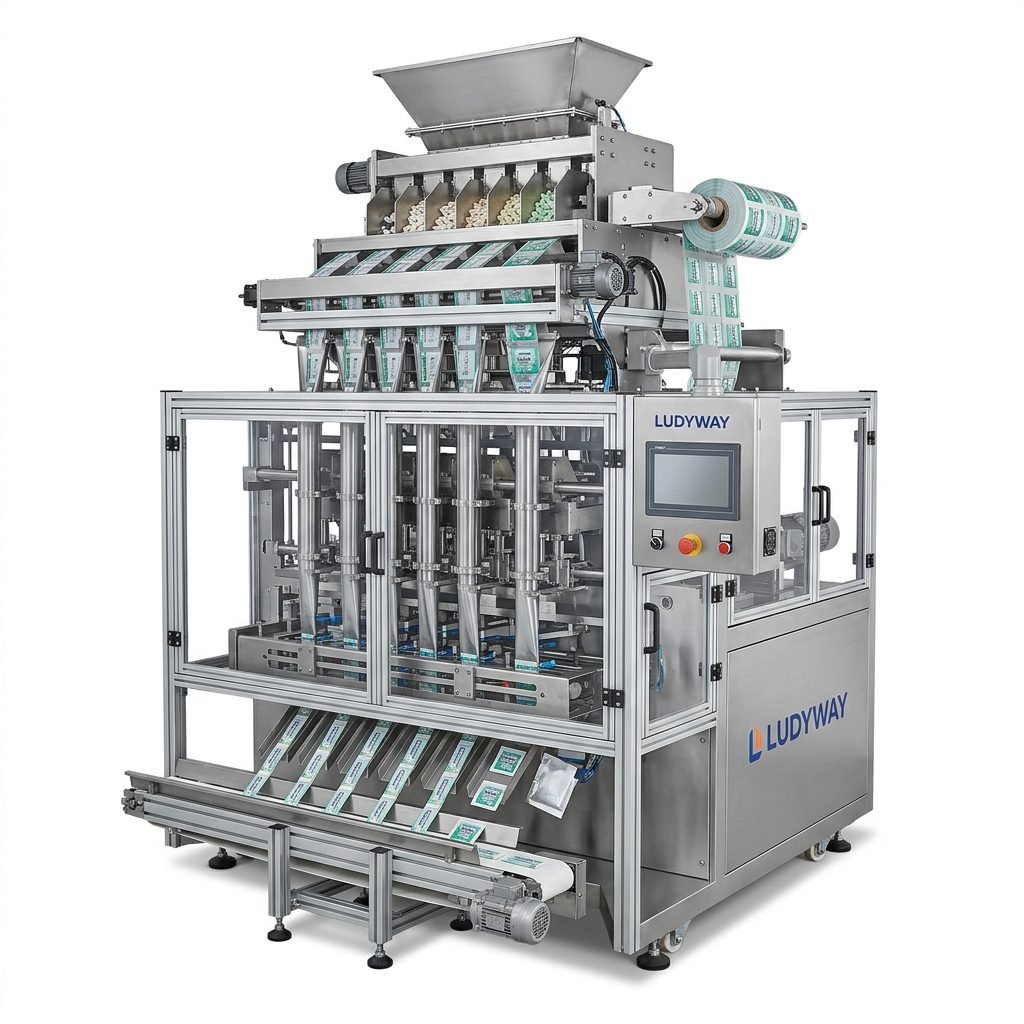
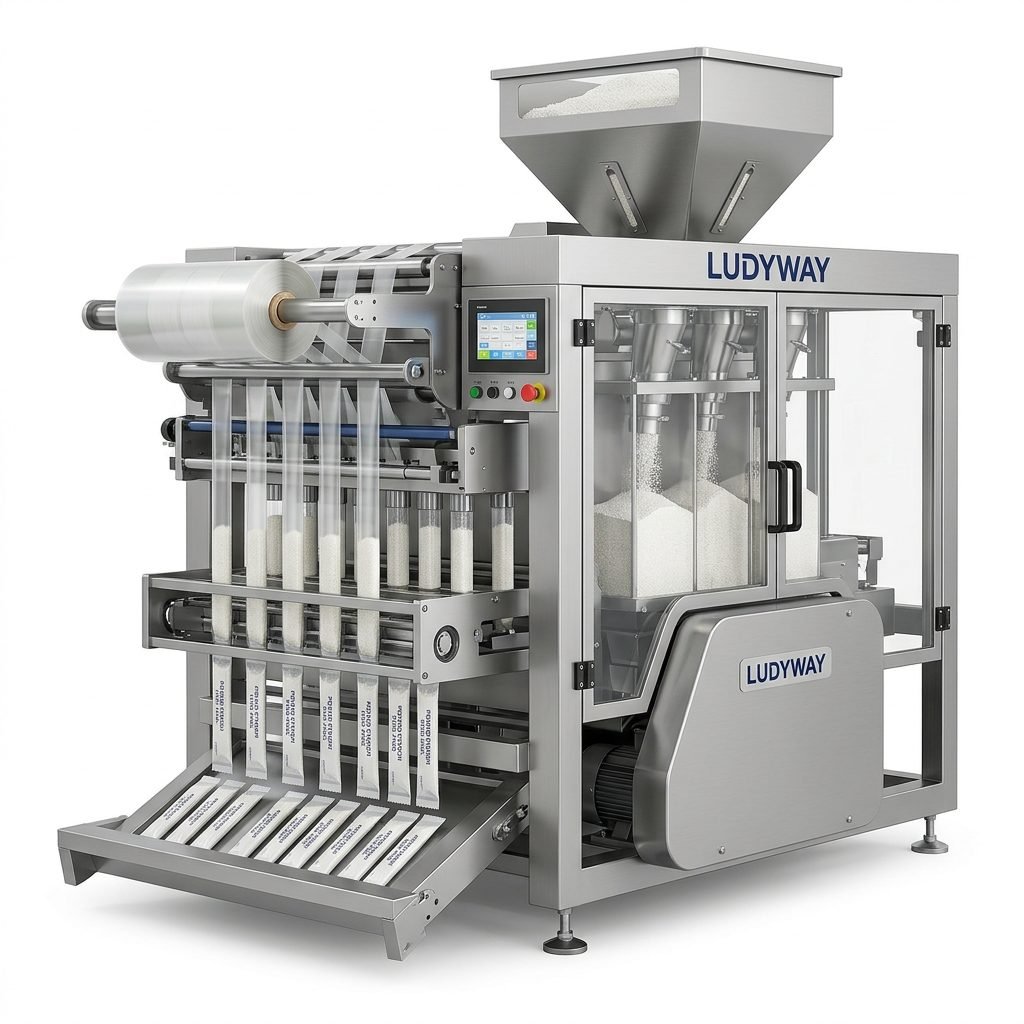
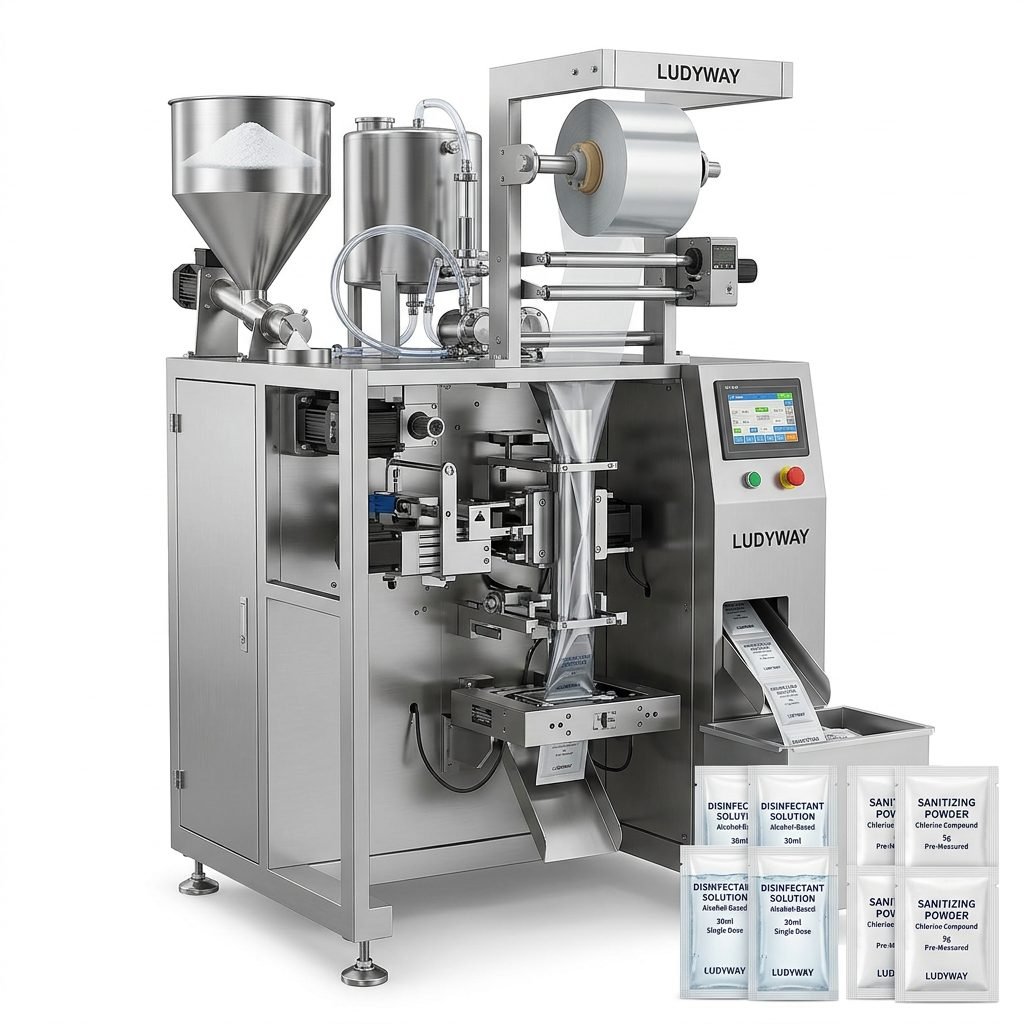
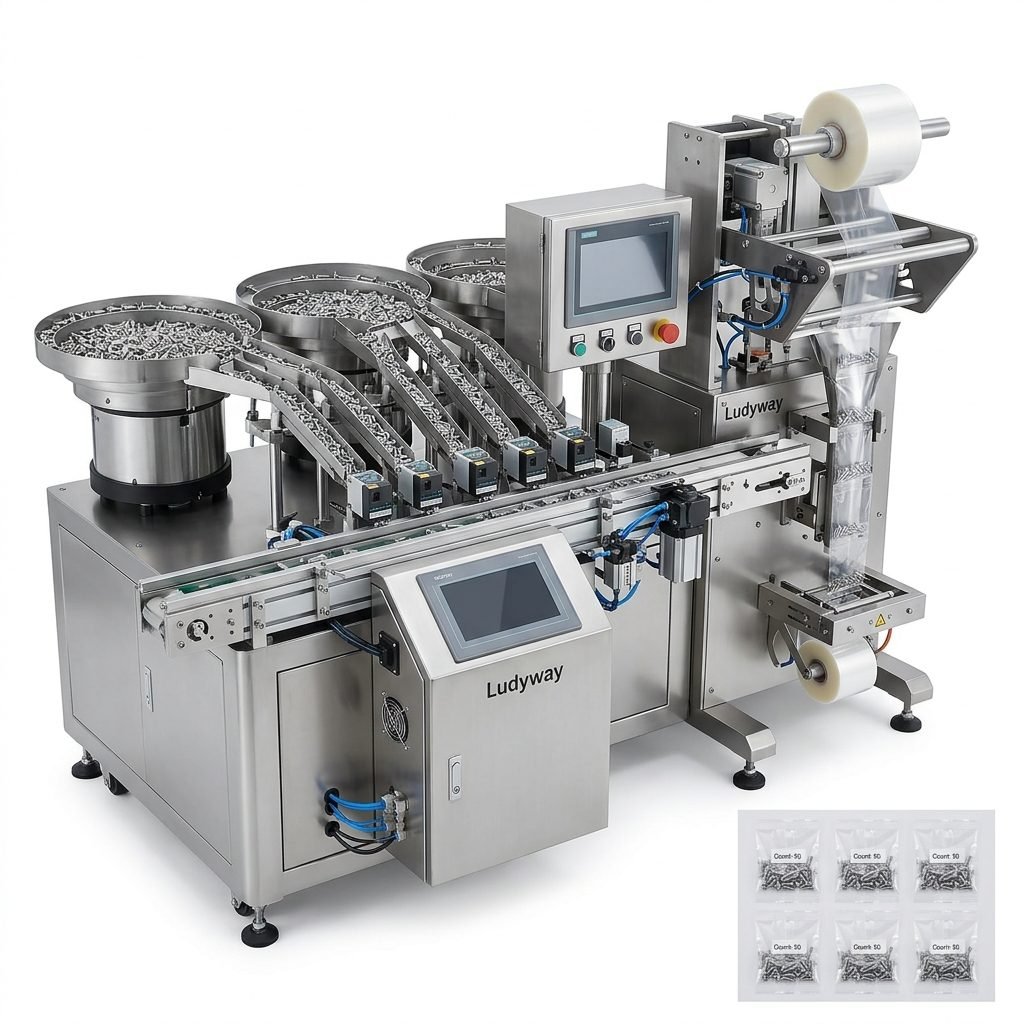
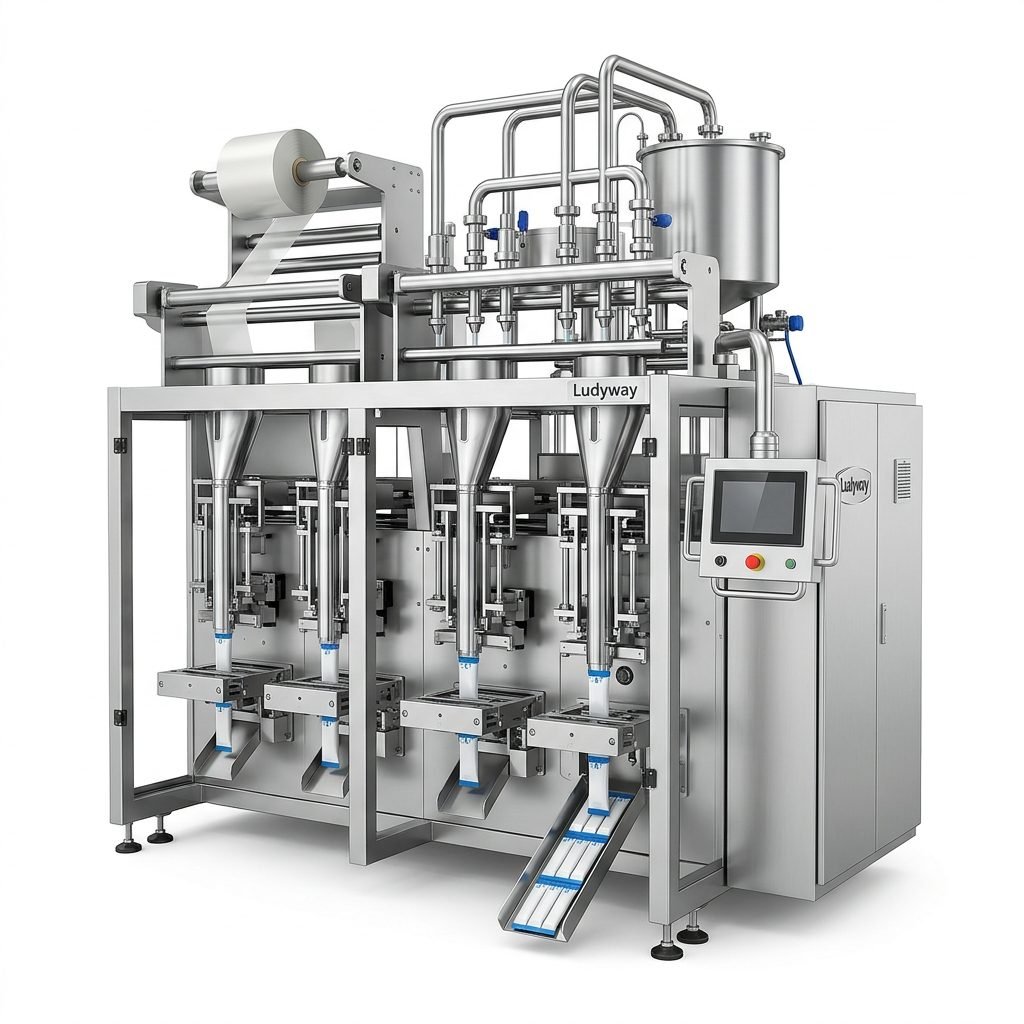
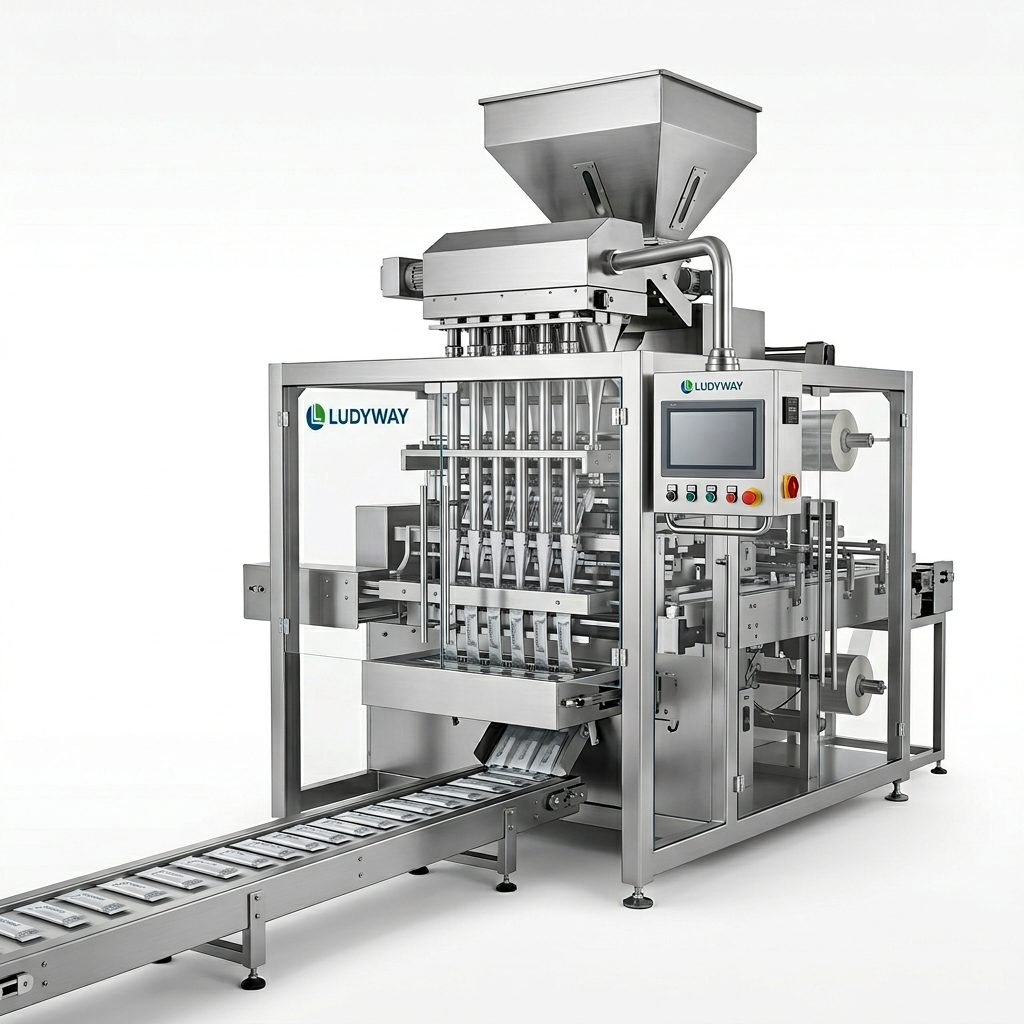
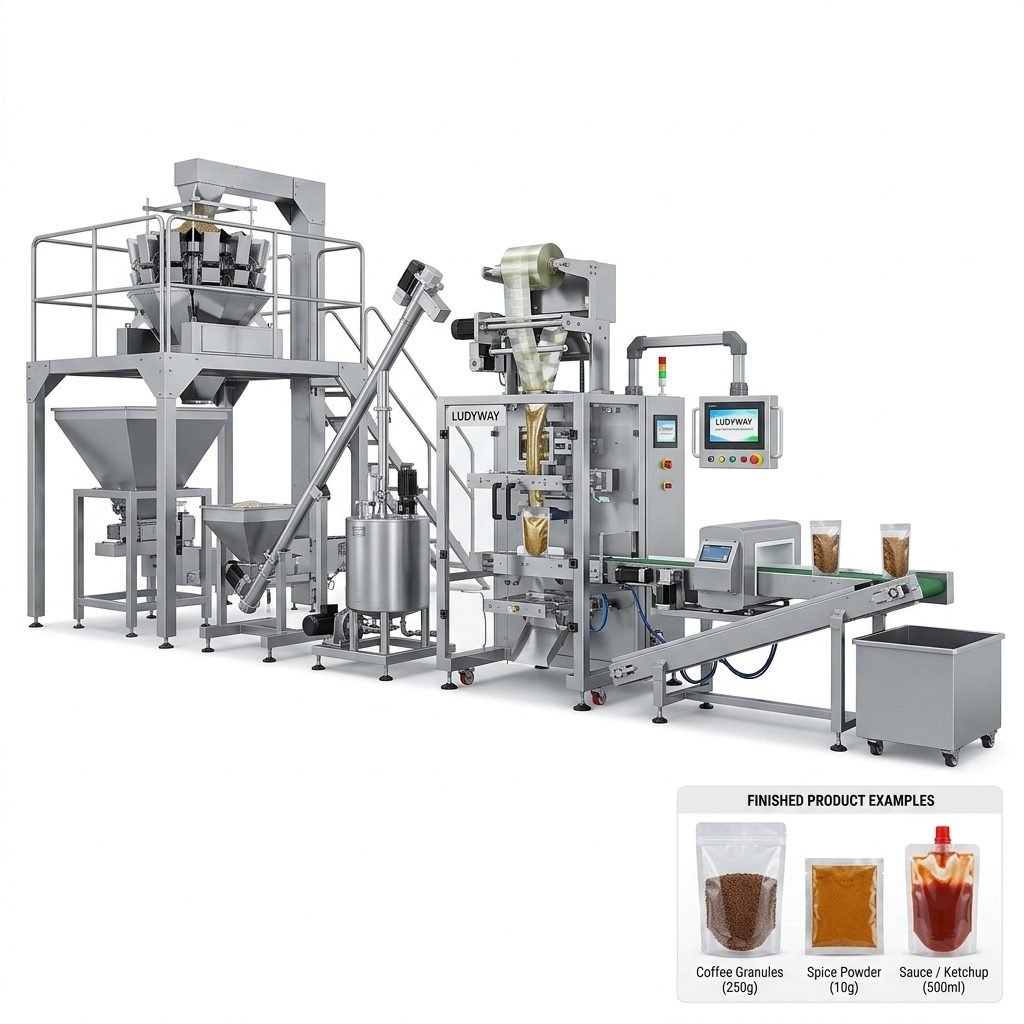
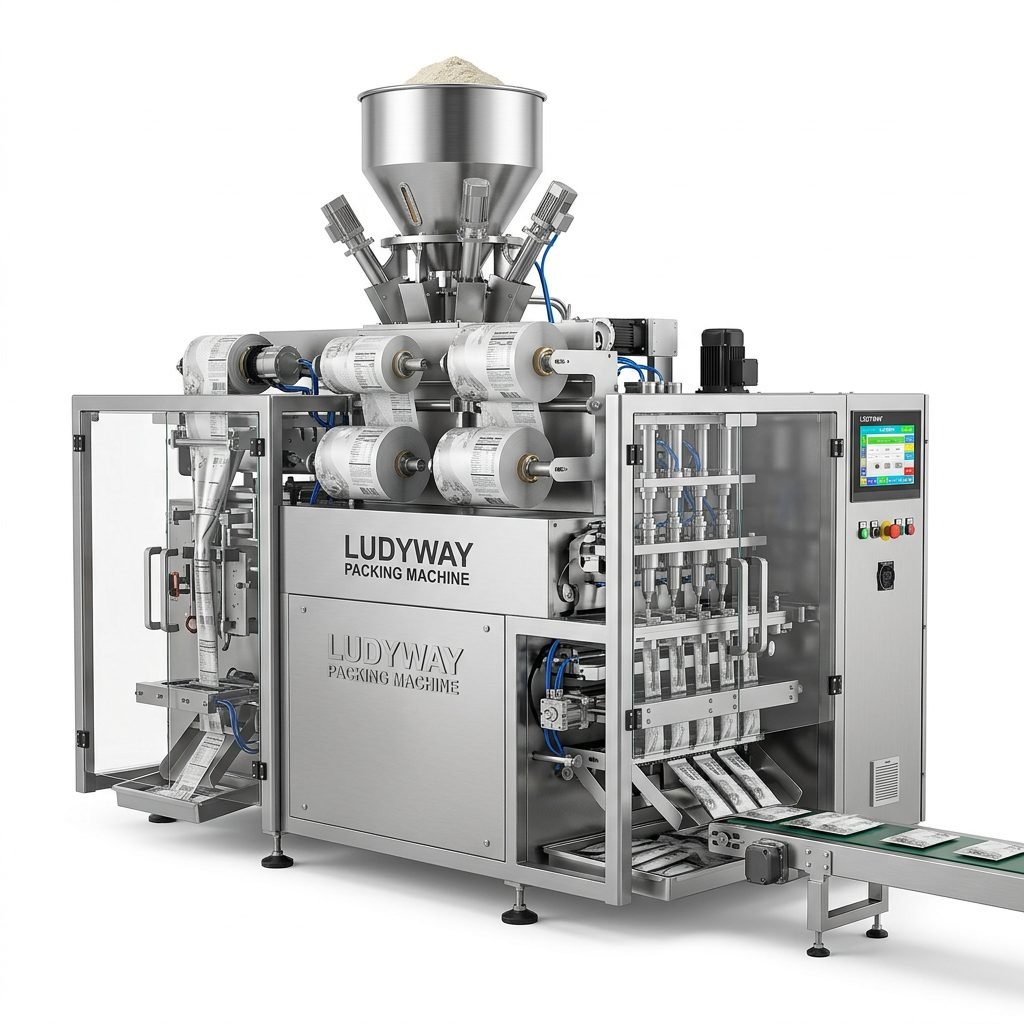
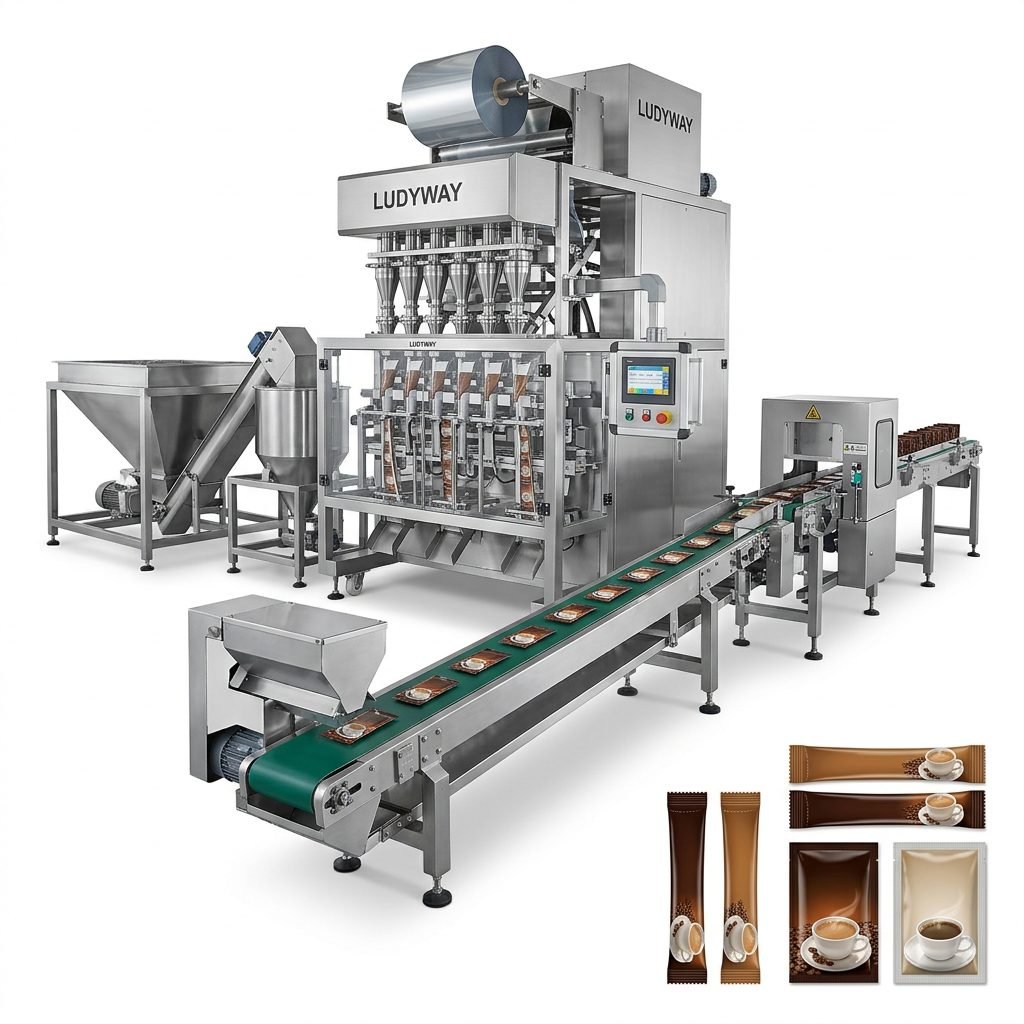
Selecting the right bag-in-box packaging machine is a critical decision for any production facility handling liquids, viscous products, or dry goods. An automatic filling and sealing solution directly impacts your operational efficiency, product quality, and bottom line. This guide will walk you through the key factors to consider when choosing the perfect system for your needs.
Understanding Bag-in-Box Packaging Technology
Bag-in-box (BIB) packaging involves placing a flexible, pre-made pouch inside a rigid outer box. The machine’s role is to automatically form the bag (if not pre-made), fill it with product, seal it, and then place it into the waiting carton. This method offers excellent product protection, extended shelf life, and efficient storage and transport.
Core Advantage: The primary benefit of BIB is the separation of the sterile, product-touch film from the structural box. This allows for complete evacuation of the product, minimizing waste, and provides a robust, stackable final package ideal for supply chains.
Key Machine Components and Their Functions
A typical automatic BIB system integrates several stations. Understanding each helps in evaluating a machine’s capability.
- Bag Feeding/Forming Unit: This station handles the roll stock film, forming it into bags through heat sealing. Some systems use pre-made pouches fed from a magazine.
- Filling System: The heart of the machine. It can be volumetric, piston-based, or weigh-filling for accuracy. For liquids, non-drip nozzles are crucial to maintain hygiene and prevent mess.
- Gas Flushing (Optional): For oxygen-sensitive products like wine or sauces, an integrated gas flushing system displaces air inside the bag with an inert gas (like nitrogen) before sealing, dramatically extending freshness.
- Sealing Station: Applies heat and pressure to create a hermetic seal on the bag’s filling spout. Seal integrity is non-negotiable for product safety.
- Box Erection & Insertion: Automatically forms the corrugated box from a flat blank and places the filled bag inside. Precision here ensures a neat, professional final product.
How to Choose the Right Automatic Solution: A Step-by-Step Guide
Step 1: Define Your Product Characteristics
Your product dictates the machine specifications. Consider these questions carefully:
Viscosity: Is it water-thin, creamy, or paste-like? This determines pump type, hose diameter, and filling speed.
Particulates: Does it contain solids (e.g., fruit pieces in juice)? This requires agitation in the hopper and special valve designs to prevent clogging.
Sensitivity: Is it foamy, abrasive, or sterile? Foamy products need low-pressure filling; sterile products demand a machine with aseptic or clean-in-place (CIP) capabilities.
Step 2: Determine Your Production Requirements
Capacity needs must align with business goals. Analyze your:
- Output Speed (Bags/Hour): Required throughput. High-speed lines can exceed 1,000 bags/hour but come at a higher cost.
- Bag Size Range: The volume your machine must handle (e.g., from 1 liter to 20 liters). A wider range offers flexibility but may require change parts.
- Future Growth: Can the machine be upgraded or run faster if demand increases? Investing in a slightly more capable machine can prevent a costly replacement in two years.
Step 3: Evaluate Machine Features and Flexibility
Look beyond basic specs. The right features improve efficiency and uptime.
Changeover Ease: How quickly can you switch from one bag/box size to another? Look for machines with tool-less adjustments and digital recipe storage to minimize downtime.
Control System: A user-friendly, PLC-based touchscreen HMI is standard for modern machines. It should allow for easy parameter setting, production data tracking, and diagnostic alerts.
Hygiene & Safety: Construction should use food-grade materials (e.g., stainless steel contact parts). Enclosed designs with safety interlocks and emergency stops are mandatory for operator protection.
Step 4: Assess Supplier Support and Reliability
The machine is only as good as the company behind it. A reliable partner like Ludyway Machinery provides immense long-term value.
Experience Matters: Choose a supplier with proven expertise in your industry (food, pharmaceutical, chemical). They will understand your specific challenges. With over 30 years of industry experience, suppliers like Ludyway bring deep application knowledge.
Technical Support & Training: Ensure they offer comprehensive installation, training, and responsive after-sales service. Access to a global spare parts network is critical.
Customization Ability: Can they tailor the solution to your unique line layout or product? A partner with strong engineering capabilities can develop custom attachments or integration solutions.
Common Applications for Bag-in-Box Machines
This versatile packaging format serves numerous industries:
- Food & Beverage: Wine, juice, syrup, edible oils, dairy products, liquid eggs, and condiments.
- Industrial & Chemicals: Lubricants, adhesives, solvents, and cleaning concentrates.
- Pharmaceutical & Cosmetic: Sterile water, reagents, lotions, and shampoos (often in smaller BIB formats for dispensing).
Conclusion: Investing in the Right Partnership
Choosing an automatic bag-in-box machine is a significant capital investment. By meticulously analyzing your product, production goals, and required features, you can select a system that delivers reliability and efficiency for years. Partnering with an experienced and supportive manufacturer is the final, crucial step to ensure a successful implementation and optimal return on investment. Exploring a supplier’s history and evolution can give you confidence in their ability to support your future growth.
Frequently Asked Questions (FAQs)
1. What is the typical speed range for an automatic bag-in-box machine?
Speeds vary widely based on bag size and complexity. Standard machines range from 200 to over 1,200 bags per hour. Smaller bags (1-5 liters) can be filled faster than large 20-liter bags, which require more fill time. Discuss your target output with your supplier for an accurate assessment.
2. Can one machine handle different bag sizes and box styles?
Yes, most modern machines are designed for changeover. However, the ease and time required vary. Look for machines with “quick-change” features for bag forming mandrels, fill nozzles, and box erector heads. Some changeovers may take 15-30 minutes and require operator skill.
3. How important is gas flushing, and do I need it?
Gas flushing is essential for products prone to oxidation, which degrades flavor, color, and nutritional value. It’s standard for wine, premium juices, and some sauces. If your product is not sensitive to oxygen or has a very short shelf-life expectation, you may not need this optional (but often valuable) feature.
4. What kind of maintenance do these machines require?
Regular preventive maintenance is key. Daily cleaning of product contact parts, weekly checks of seals and sensors, and periodic lubrication of moving parts are standard. A reputable supplier will provide a detailed maintenance schedule and training for your technicians to ensure maximum uptime.
5. What is the lead time for a custom bag-in-box packaging line?
Lead times depend on the machine’s complexity and customization. A standard model may be delivered in 8-12 weeks, while a fully custom, high-speed integrated line with special features can take 4-6 months or more. Early and detailed communication with your supplier is crucial for accurate timeline planning.