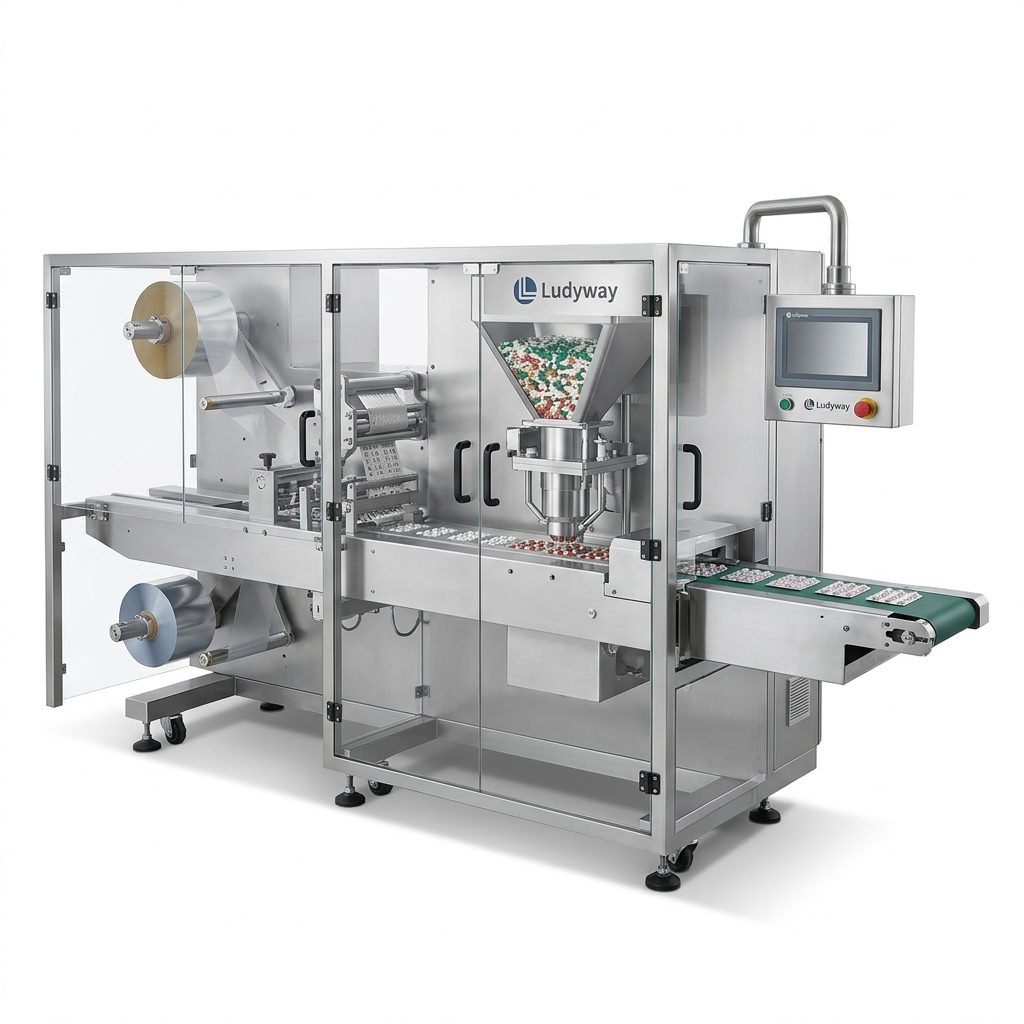
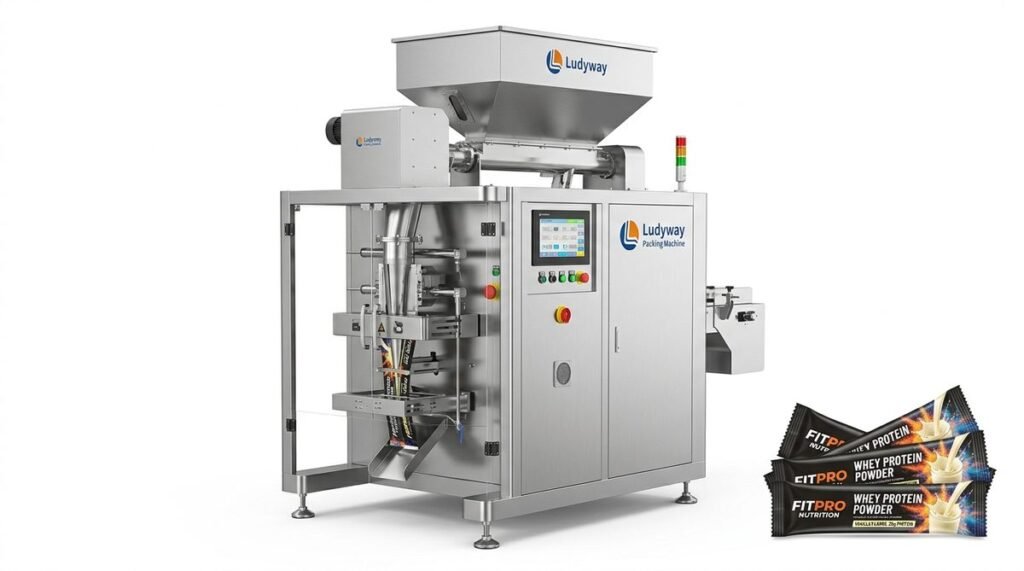
In today’s fast-paced manufacturing world, flexible packaging is a cornerstone of efficiency and product presentation. At the heart of this process lies the flex packaging machine, a versatile piece of equipment designed to handle a wide array of products with speed and precision. This guide delves into the essential aspects of these machines, providing a comprehensive overview for industry professionals and newcomers alike.
Understanding Flex Packaging Machines
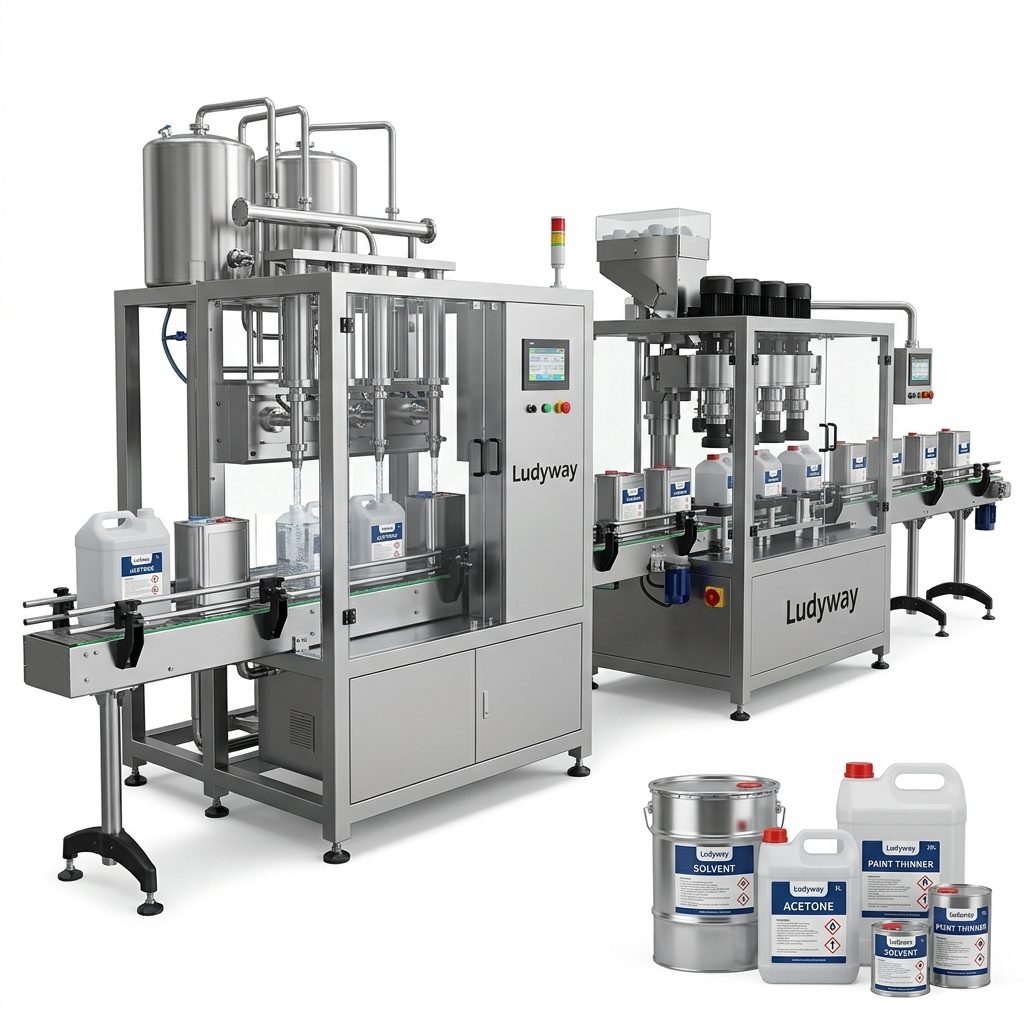
A flex packaging machine is an automated system that forms, fills, and seals packages using flexible materials like plastic films, laminates, or foils. Unlike rigid packaging, flexible packaging offers significant advantages in terms of material savings, storage efficiency, and reduced shipping costs. These machines are engineered to handle products ranging from dry granules and powders to viscous liquids and pastes, making them indispensable in sectors like food, pharmaceuticals, and personal care.
Core Function: The primary role of a flex packaging machine is to automate the packaging process, ensuring consistent seal integrity, accurate dosing, and high-speed output, which directly translates to improved productivity and reduced labor costs.
Primary Types of Flex Packaging Machines
The market offers various types of flex packaging machines, each tailored for specific applications and package styles. Understanding these types is crucial for selecting the right equipment for your production line.
Vertical Form-Fill-Seal (VFFS) Machines
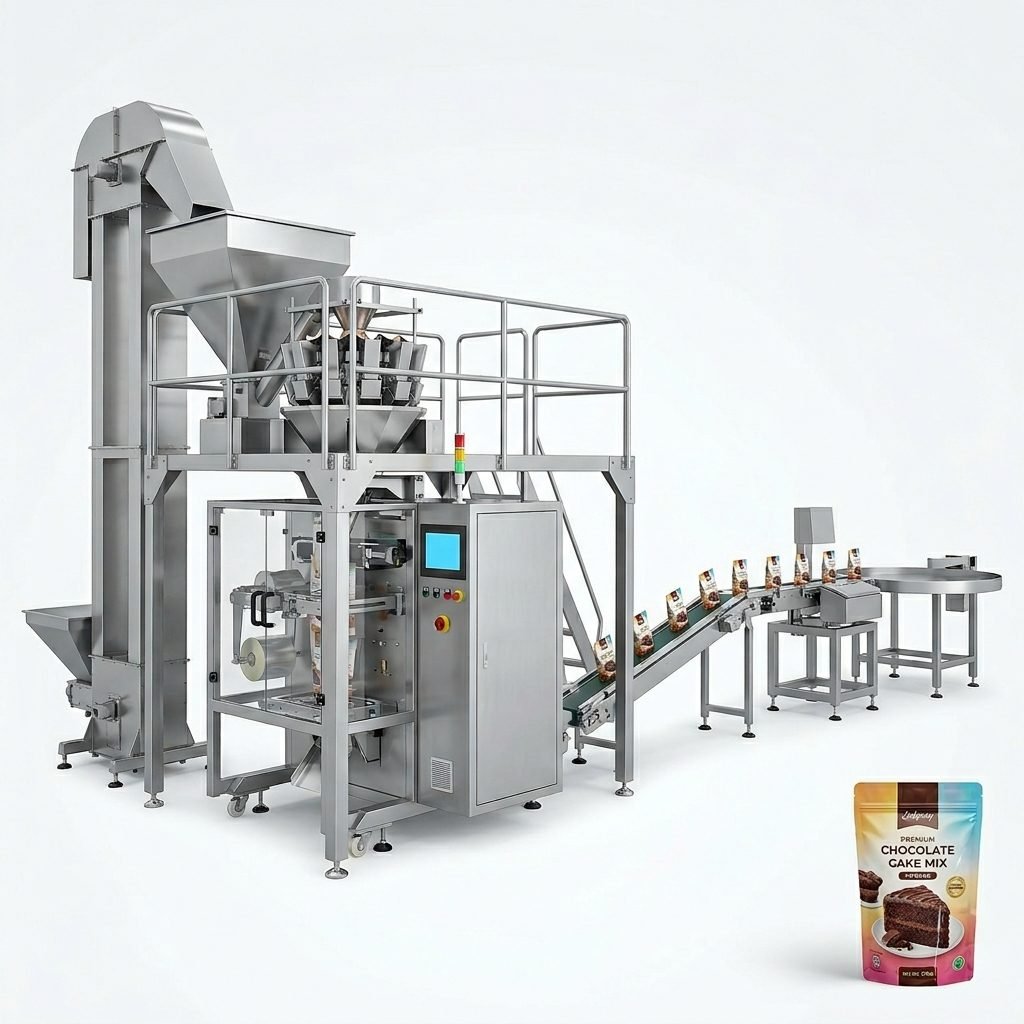
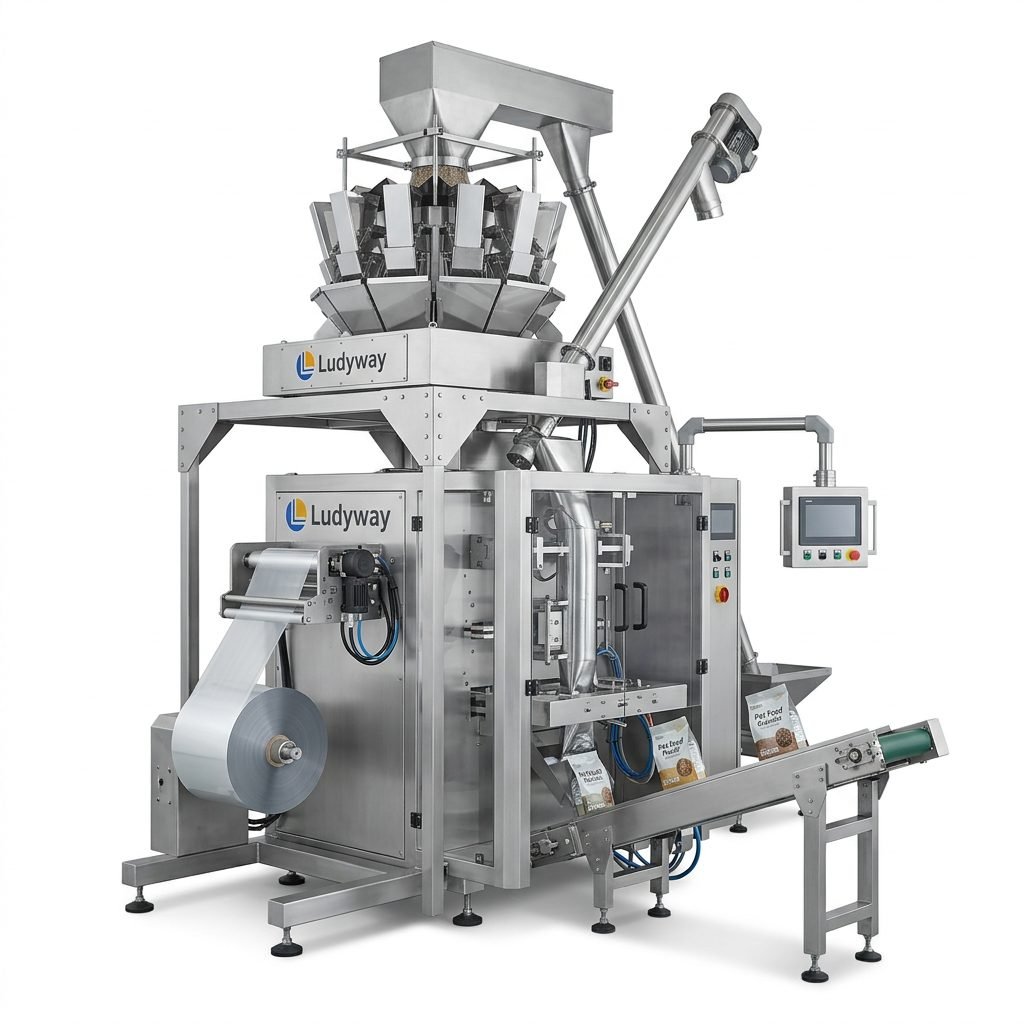
These are among the most common and versatile machines. A VFFS machine forms a tube from a roll of flat film, fills it with the product from above, and then seals it horizontally and vertically to create individual pouches. They are ideal for packaging snacks, coffee, grains, and powders.
Horizontal Form-Fill-Seal (HFFS) Machines
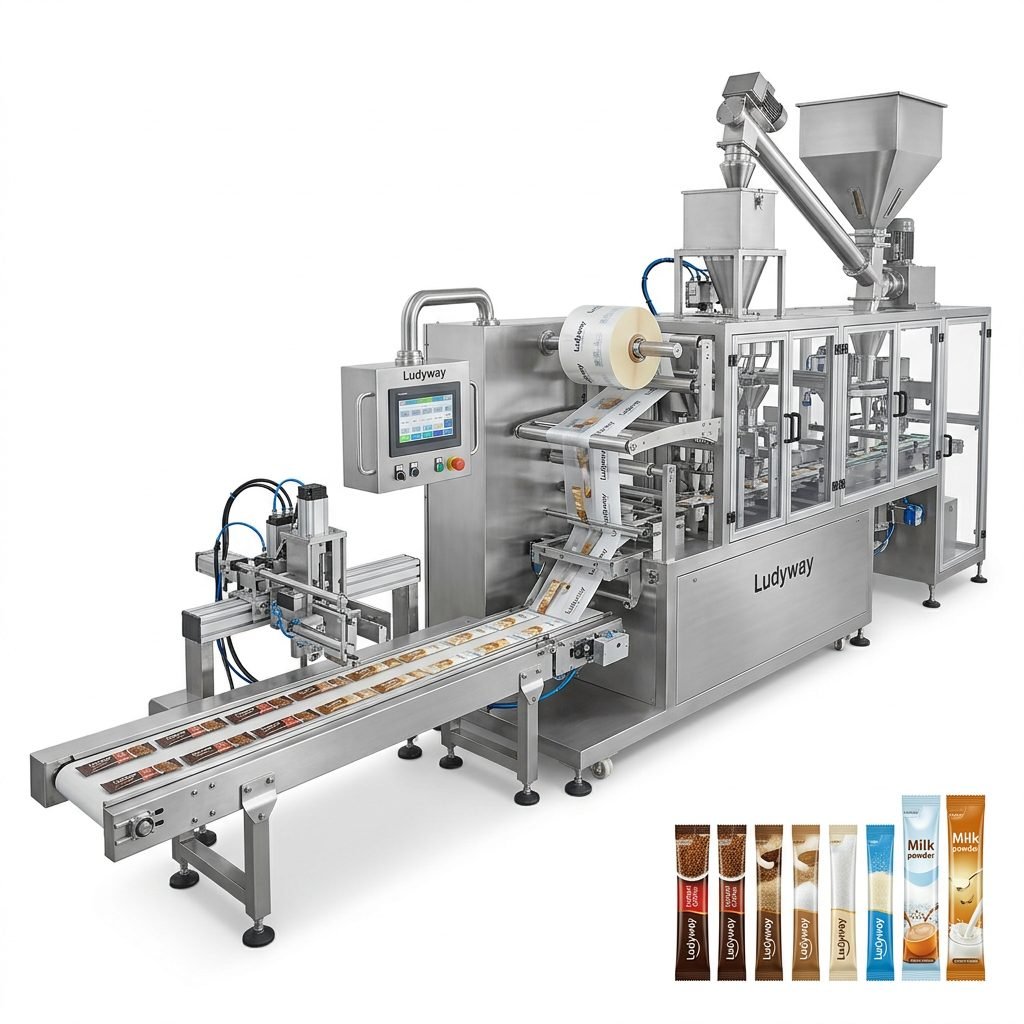
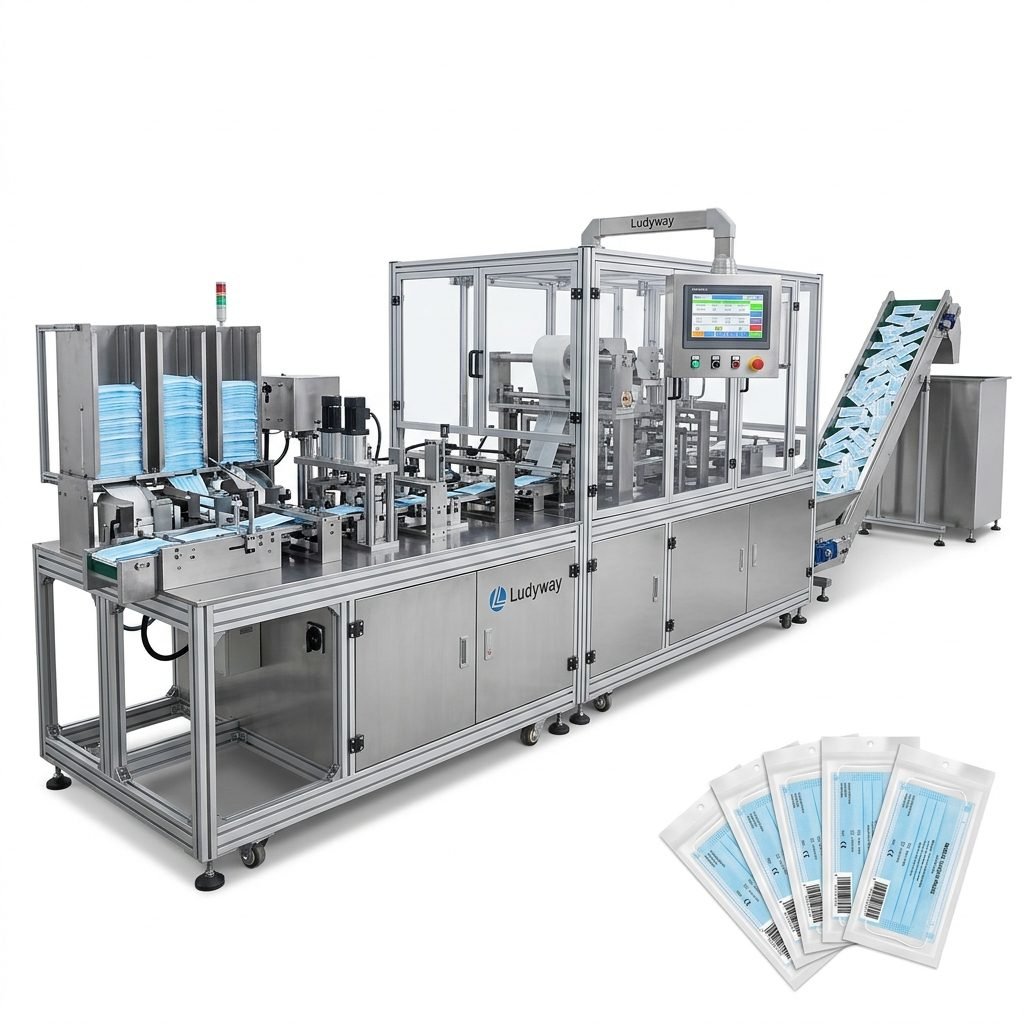
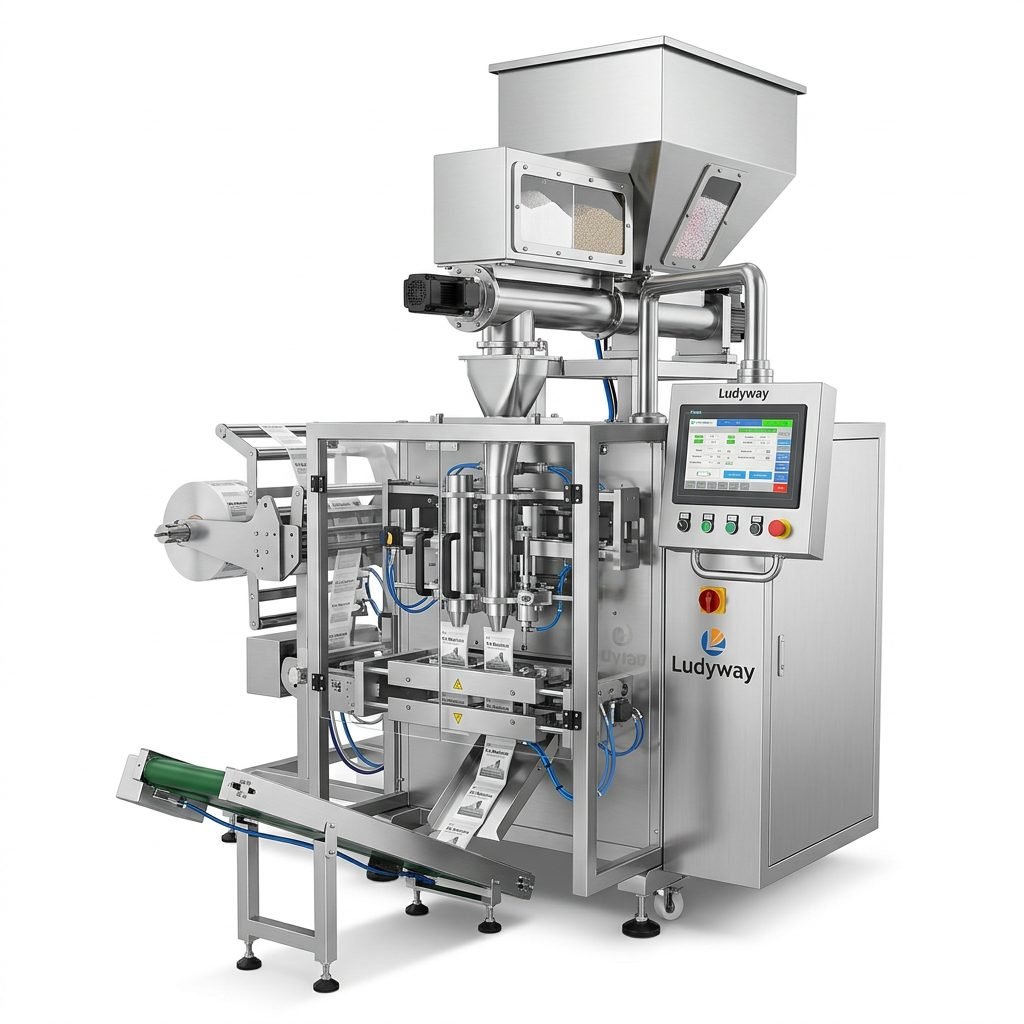
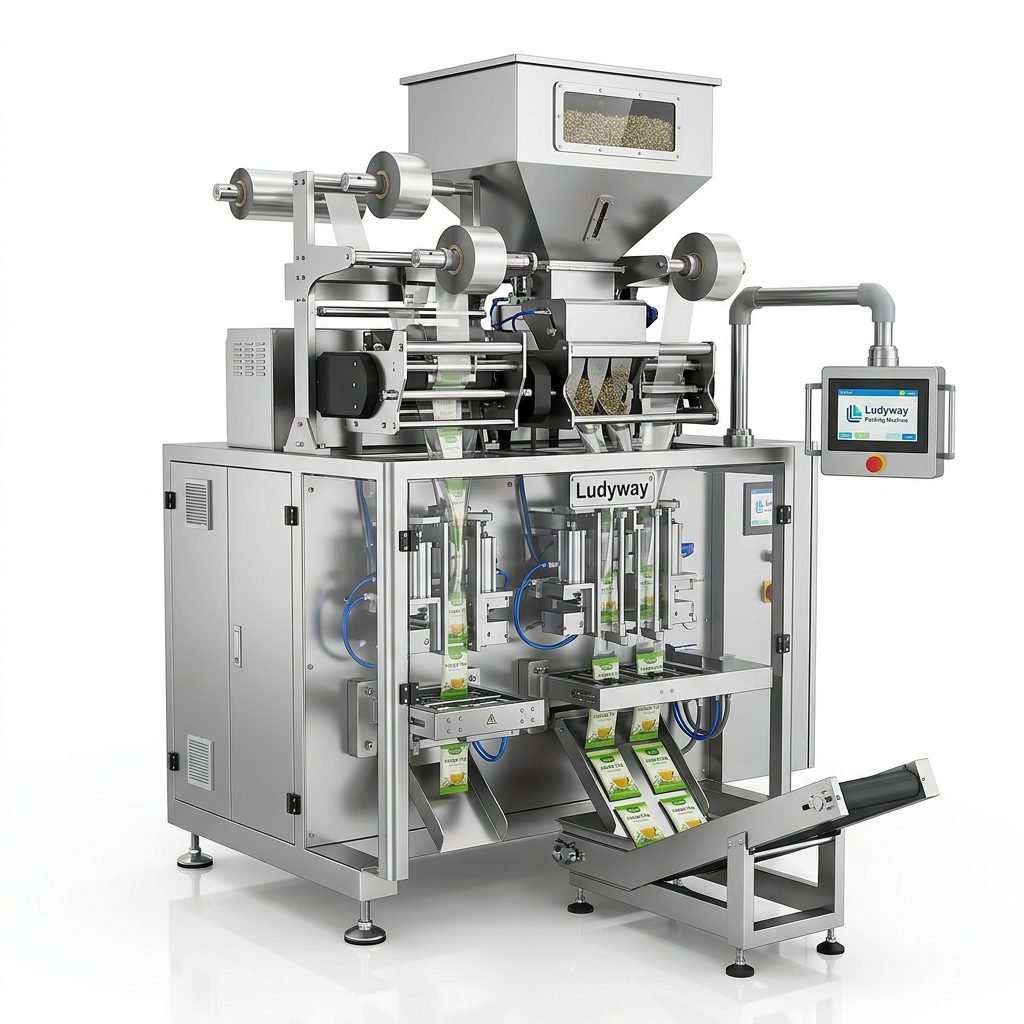
HFFS machines form pouches horizontally. They are often used for more complex packaging formats, such as stick packs or sachets, and are excellent for packaging single-serve portions of liquids, powders, or creams. Their design allows for precise placement of products and sophisticated graphics on the packaging material.
Pre-Made Pouch Fillers
This system uses pre-manufactured pouches that are only filled and sealed by the machine. It is perfect for operations that require high-quality printed packaging or for products that are difficult to handle on a form-fill-seal system. It offers great flexibility in pouch design and material.
Key Differentiator: Multi-Lane Systems
For high-volume production, multi-lane versions of VFFS or HFFS machines are available. These systems run multiple packaging lanes simultaneously from a single machine base, dramatically increasing output. For instance, a multi-lane stick pack machine can produce dozens of stick packs every minute, making it a cost-effective solution for large-scale manufacturers.
How They Work: The Operating Principles
The working principle of a flex packaging machine is a marvel of mechanical and control system integration. While specific steps vary by type, the core process generally follows this sequence:
1. Film Unwinding & Forming: A roll of packaging film is fed into the machine. For VFFS, the film is pulled over a forming collar to create a vertical tube. For HFFS, the film is formed into pockets or shapes on a horizontal plane.
2. Sealing & Cutting: The longitudinal seal is made to create a continuous tube or pouch shape. In intermittent motion machines, the film advances to a set length, the cross seal jaws close to create the bottom of one pouch and the top of the next, and then a cutter separates the individual packages.
3. Product Filling: At the precise moment, the measured product is dispensed into the formed pouch. This can be done via volumetric cups, auger fillers for powders, liquid pumps, or weigh scales for high-precision filling.
4. Final Sealing & Discharge: The top of the pouch is sealed, and the finished package is discharged onto a conveyor or collection bin. Advanced machines often include gas flushing for modified atmosphere packaging (MAP) to extend shelf life.
Broad Spectrum of Applications
The adaptability of flex packaging machines makes them suitable for a vast range of industries. Their ability to handle different product forms and create various package sizes is a key driver of their popularity.
Food & Beverage Industry
This is the largest application sector. Machines package everything from spices and tea to sauces and dressings. Single-serve condiment sachets, instant coffee sticks, and snack nuts in stand-up pouches are all products of flex packaging automation.
Pharmaceutical & Healthcare
Precision and hygiene are paramount here. Flex packaging machines are used to package powdered supplements, oral rehydration salts, and single-dose medicinal powders into sterile stick packs or sachets, ensuring accurate dosage and patient safety.
Personal Care & Chemicals
Shampoo sachets, detergent pods, cosmetic cream samples, and lubricant packets are commonly packaged using HFFS or sachet machines. The packaging provides excellent barrier properties to protect the product from moisture and contamination.
💡 Pro Tip: When planning a new packaging line, consider not just your current product but potential future products. Investing in a machine with some flexibility in terms of pouch size range and product type can save significant capital expenditure down the line.
Essential Buying Tips for Your Investment
Choosing the right flex packaging machine is a critical business decision. Here are key factors to guide your selection process and ensure a successful investment.
1. Define Your Product & Output Needs: Clearly specify your product’s physical form (granule, powder, liquid), its characteristics (abrasive, oily, hygroscopic), and your required production speed (pouches per minute). This is the foundation of your search.
2. Material Compatibility: The machine must be compatible with your desired packaging film (e.g., PET/AL/PE, OPP/CPP). Discuss this with the supplier to ensure proper sealing jaw temperature, film tension control, and guiding systems are in place.
3. Filling Accuracy: This is critical for cost control and compliance. For powders, an auger filler is common, but for high-value products, a combination of auger and weigh cell checkweigher might be necessary. For liquids, piston or pump fillers are used.
4. Automation & Integration Level: Determine if you need a standalone machine or one that integrates with upstream equipment like mixers or downstream systems like cartoners. Features like automatic film splicing and CIP (Clean-in-Place) can reduce downtime.
5. Supplier Reputation & Support: Partner with a reputable manufacturer known for quality and reliability. Evaluate their after-sales service, availability of spare parts, and technical support. A company like Ludyway Machinery, with deep industry experience, can provide not just a machine but a reliable production solution and long-term partnership.
6. Consider Total Cost of Ownership (TCO): Look beyond the initial purchase price. Factor in energy consumption, maintenance costs, changeover times for different products, and the expected lifespan of the machine.
Frequently Asked Questions (FAQs)
What is the main difference between VFFS and HFFS machines?
The core difference is the orientation of pouch formation. VFFS machines form pouches vertically from a single roll of film, making them highly efficient for free-flowing products. HFFS machines form pouches on a horizontal plane, often using two webs of film, and are better suited for complex shapes like stick packs or placing non-free-flowing items precisely.
Can one machine handle both powders and liquids?
Some machines are designed with modular filling systems that can be swapped out. However, it is often more effective to choose a machine optimized for your primary product type. Switching between vastly different product forms may require significant changeover time and part replacements, affecting efficiency.
How important is after-sales service when buying a packaging machine?
Extremely important. Packaging machines are complex and require periodic maintenance and occasional repairs. A supplier with a strong global service network, readily available spare parts, and responsive technical support is crucial for minimizing production downtime and protecting your investment over the machine’s entire lifecycle.
What does a “turnkey production solution” mean?
A turnkey solution means the supplier provides a complete, ready-to-operate production line. This goes beyond just the packaging machine to include all necessary peripherals—like feeding systems, checkweighers, metal detectors, and conveyors—integrated and tested as one cohesive unit. It reduces the buyer’s project management burden and ensures all components work harmoniously. Providers like Ludyway specialize in delivering such comprehensive solutions.
Are flex packaging machines suitable for small businesses?
Yes, absolutely. The market offers a range of machines from semi-automatic tabletop models suitable for low-volume production, pilot projects, or start-ups, to fully automatic high-speed lines. The key is to accurately assess your current and near-future volume needs to select a machine that offers the right balance of capability, speed, and cost.