For any coffee business, from a small-batch roastery to a large-scale production facility, the final step of packaging is crucial. It protects your product’s freshness, presents your brand to the world, and directly impacts your operational efficiency. An automatic coffee packaging machine is no longer a luxury but a necessity for scaling up and maintaining consistent quality. However, with a myriad of options available, selecting the right solution can be daunting. This guide will walk you through the key considerations to help you choose the best automatic packaging machine for your specific coffee business needs.
Understanding Your Packaging Requirements
Before diving into machine specifications, you must have a clear understanding of your own requirements. This foundational step will guide every subsequent decision.
1. Product Type and Form
The physical nature of your coffee dictates the machine type. Are you packaging whole bean coffee, ground coffee (fine, drip, coarse), single-serve pods, or instant coffee powder? Each form has different flow characteristics and may require different auger filling systems, weigh scales, or volumetric cups for accurate dosing.
2. Desired Package Style
Consider your market and brand image. Common options include:
- Stand-up pouches (Doypacks): Popular for retail, often with a resealable zipper and one-way degassing valve.
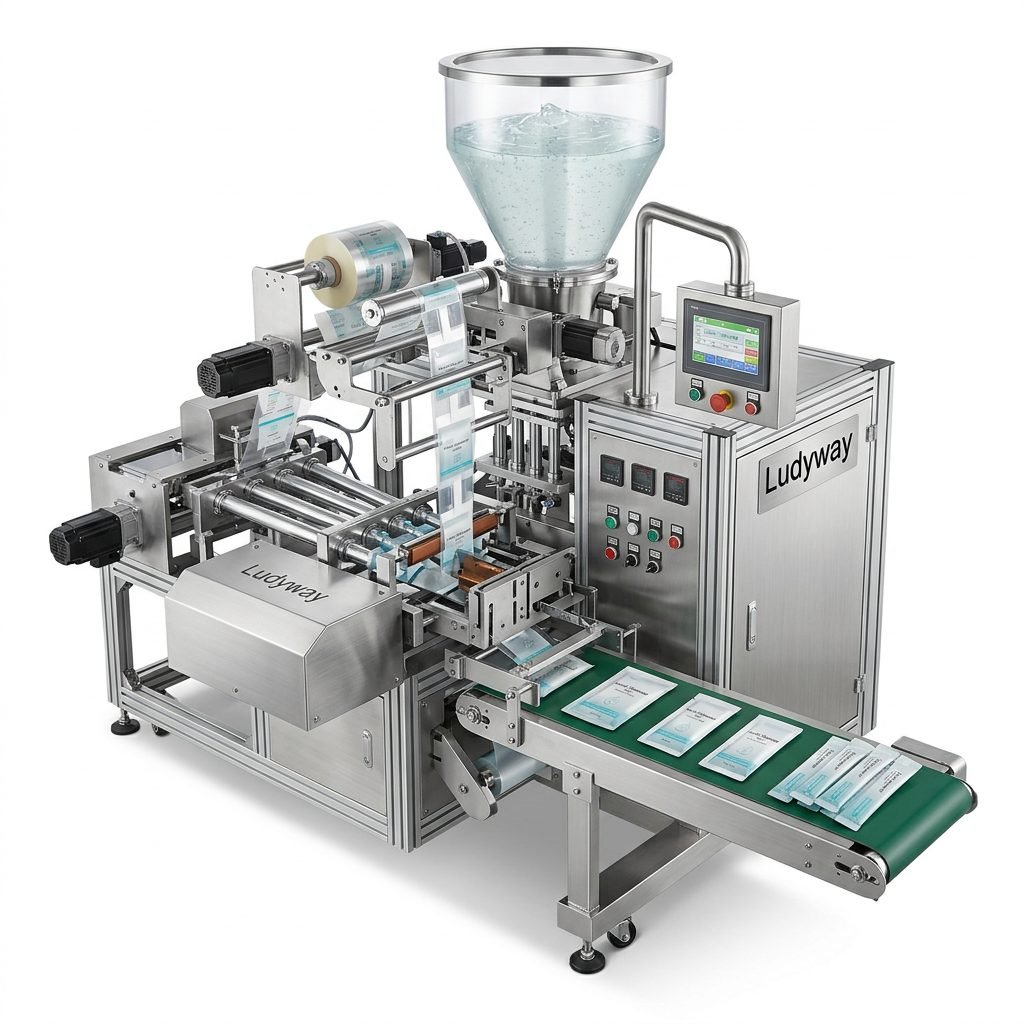
- Flat pouches: A cost-effective option for smaller portions or samples.
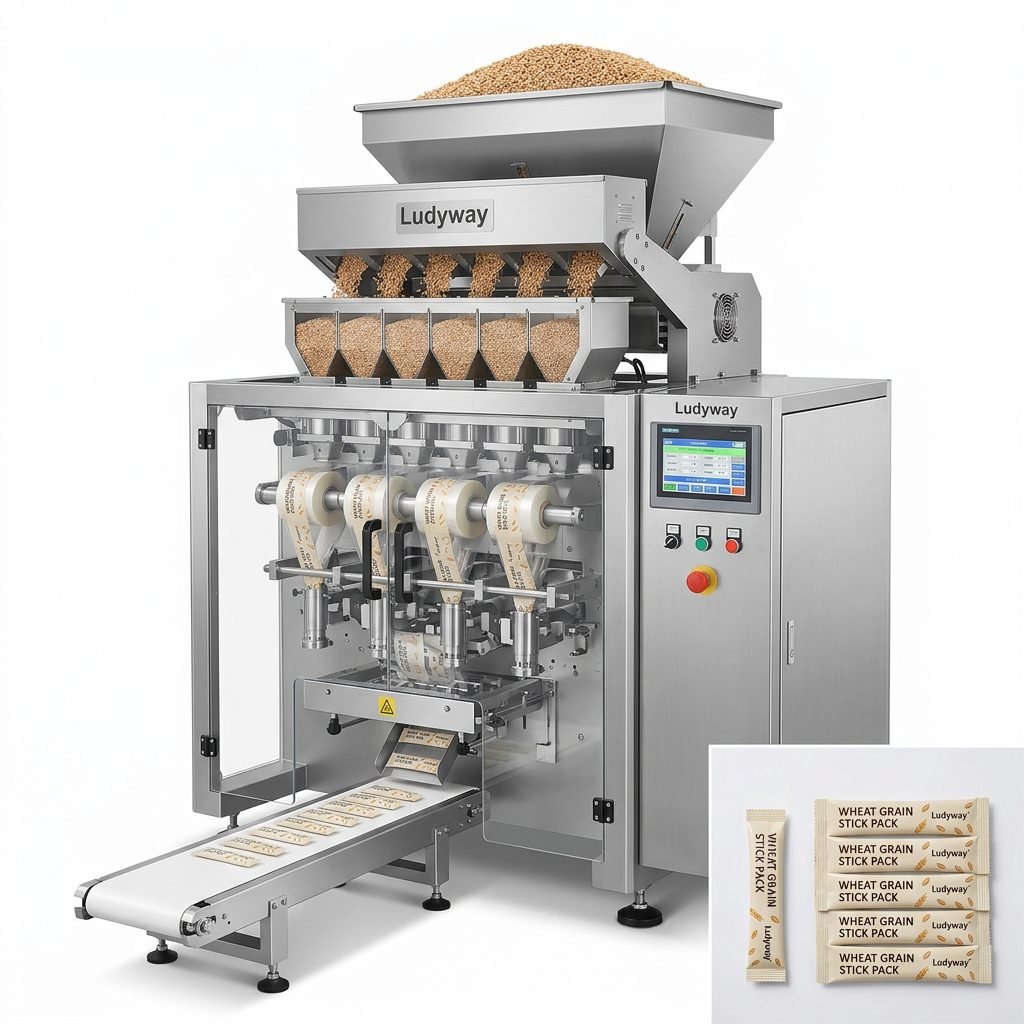
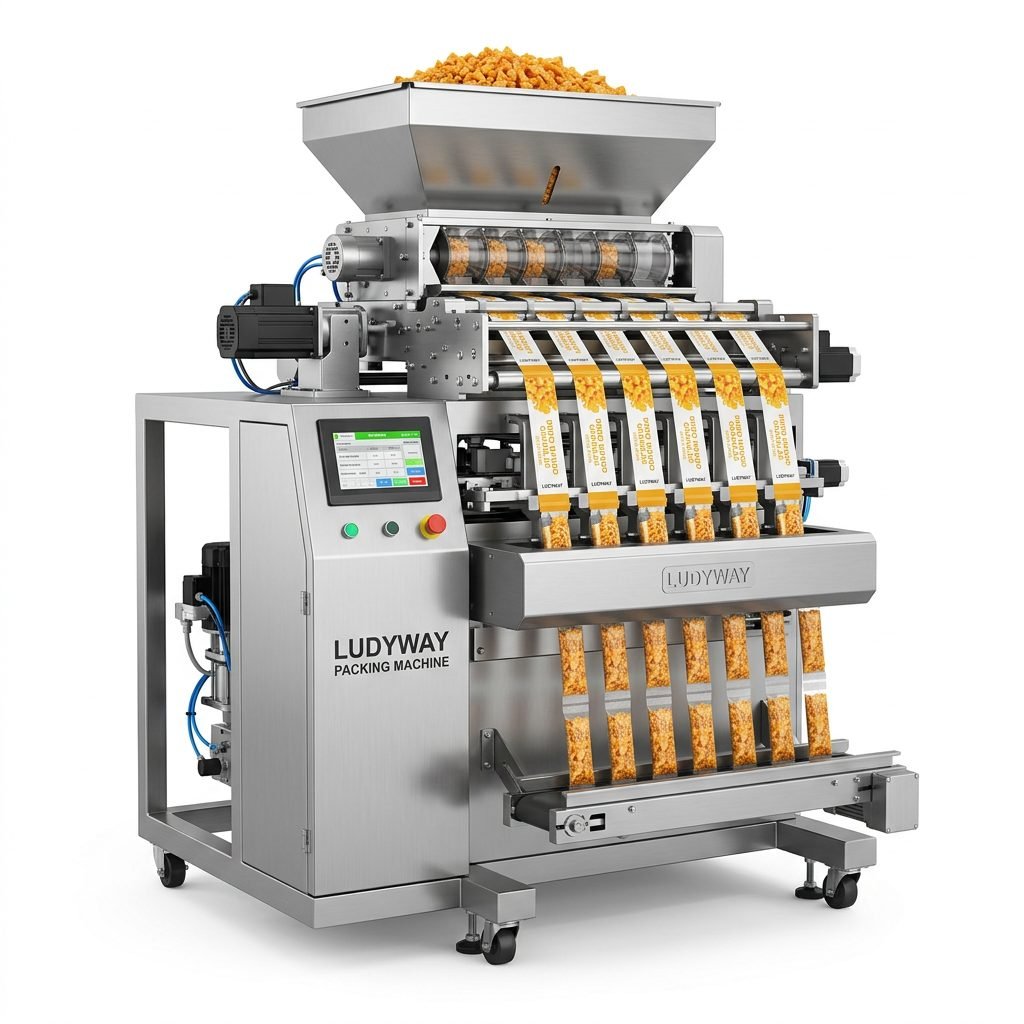
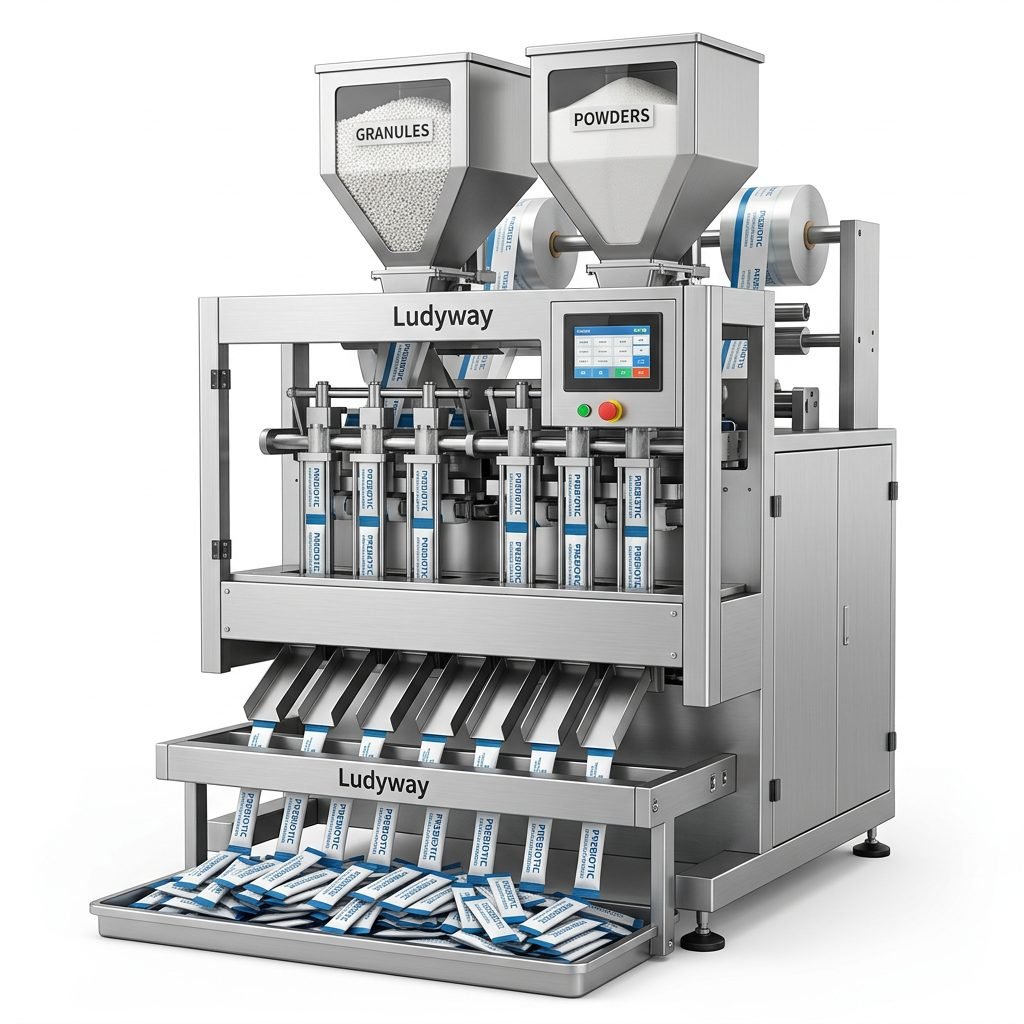
- Stick packs or sachets: Ideal for single-serve instant coffee or coffee mixes.
- Brick packs: A traditional style for ground coffee.
Your choice will determine the needed machine’s forming and sealing capabilities.
3. Production Speed & Volume
Honestly assess your current and projected output. Machine speeds are typically measured in bags or pouches per minute (bpm). A low-volume artisan roaster might need 20-40 bpm, while a large commercial operation may require 80-150+ bpm. Choosing a machine far beyond your needs inflates costs, while under-specifying creates bottlenecks.
4. Bag Size and Weight Range
Do you offer multiple SKUs (e.g., 250g, 500g, 1kg bags)? Ensure the machine can handle your desired weight range with quick changeover capabilities. Flexibility here future-proofs your business.
Key Features to Evaluate in a Coffee Packaging Machine
With your requirements outlined, you can now effectively evaluate machine features.
Filling System Accuracy
This is paramount for cost control and customer satisfaction. Look for:
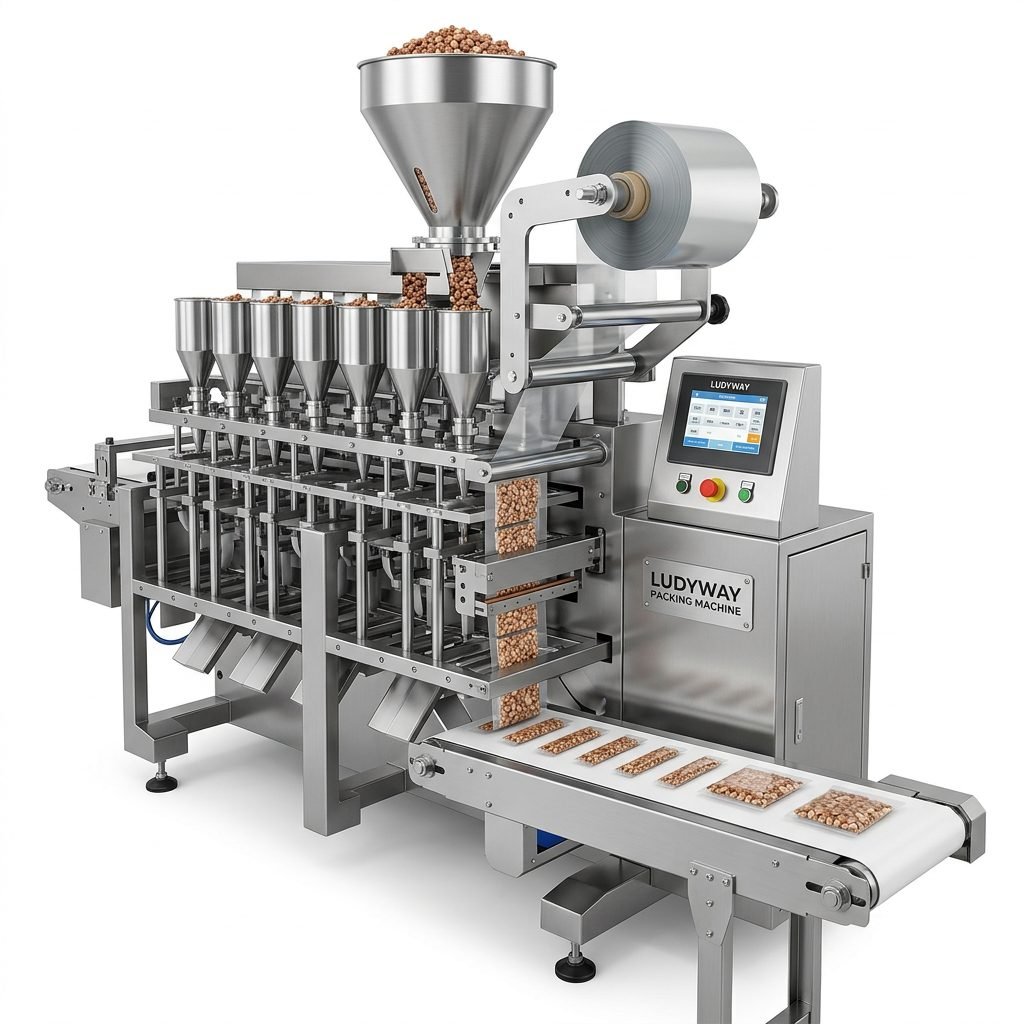
- Precision Weigh Scales: The gold standard for accuracy (±0.5-1g), essential for ground and whole bean coffee.
- Auger Fillers: Best for powders (instant coffee) and fine grounds. Accuracy depends on auger design and control.
- Combination Systems: Some machines use a coarse auger for fast filling and a micro-auger for fine-tuning, offering both speed and accuracy.
Gas Flushing & Degassing Valve Application
To extend shelf life and preserve freshness, many machines integrate nitrogen gas flushing systems that displace oxygen from the pouch before sealing. Simultaneously, an automatic degassing valve applicator is critical for whole bean coffee, allowing CO2 to escape without letting oxygen in.
Film Handling and Sealing Quality
The machine must reliably handle your chosen packaging laminate (e.g., PET/AL/PE). Inspect the sealing technology—consistent, strong, airtight seals are non-negotiable. Look for robust heating elements and sealing jaws.
Automation and Ease of Use
A user-friendly touchscreen HMI (Human-Machine Interface) simplifies operation, recipe storage (for different bag sizes/weights), and troubleshooting. Features like automatic film tracking and self-diagnostic alarms reduce downtime and operator skill requirements.
Hygiene and Cleanability
Coffee is a food product. Machines with smooth, stainless steel surfaces, minimal ledges, and easy-access panels facilitate cleaning and meet food safety standards.
Beyond the Machine: The Total Solution
The machine itself is only part of the equation. A successful integration depends on the total support package.
Supplier Experience and Support
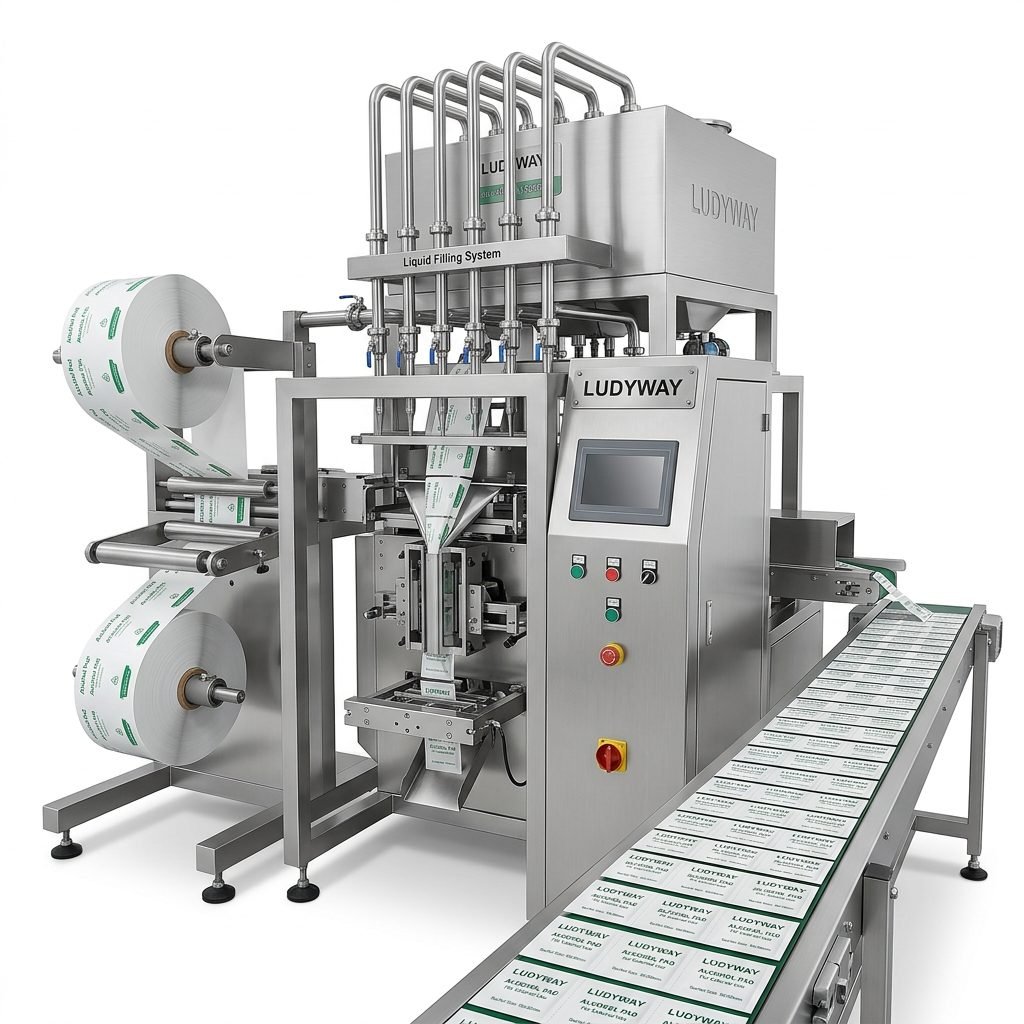
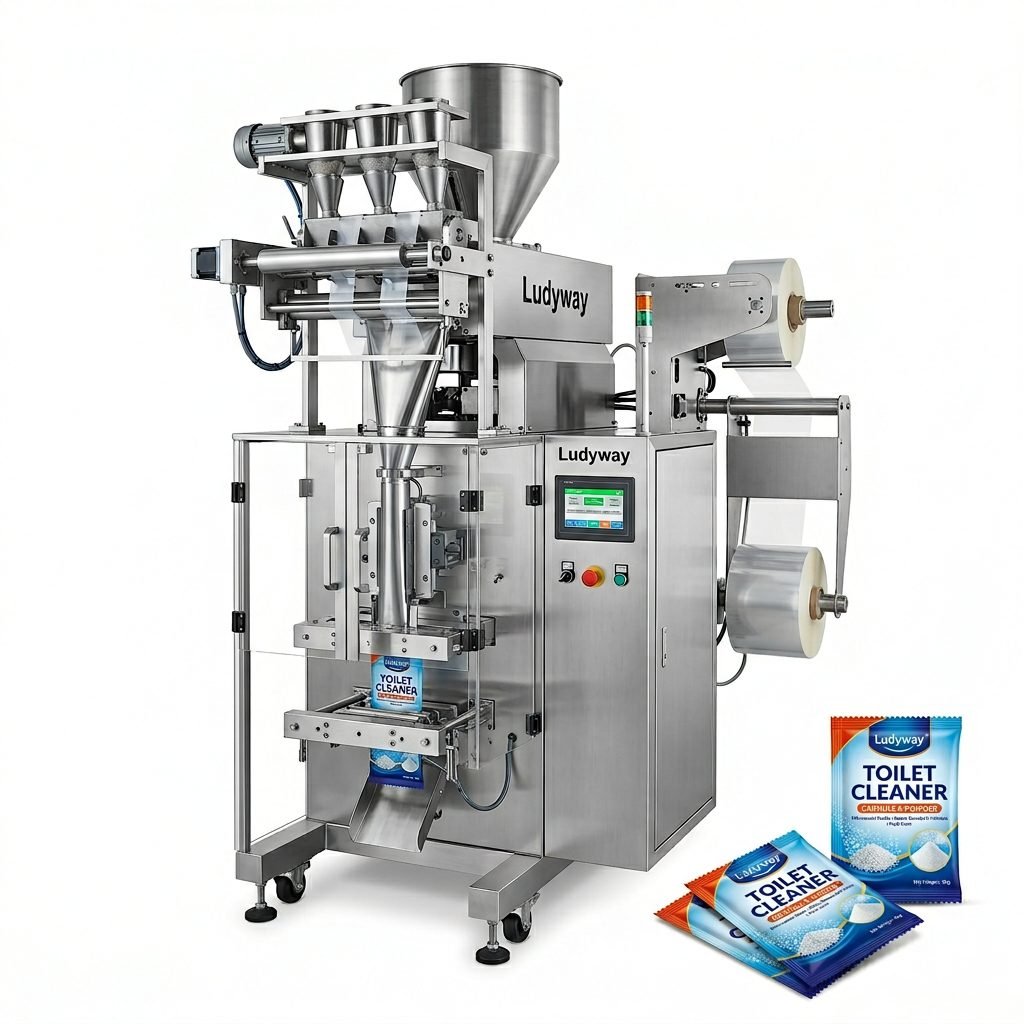
Choose a supplier with proven experience in coffee packaging, like Ludyway Packing Machine. They understand the unique challenges of the industry. Evaluate their after-sales service: Is technical support readily available? What is the parts delivery timeframe? A reliable partner is as important as the hardware.
Training and Documentation
Comprehensive training for your operators and maintenance staff is essential for maximizing uptime. Clear, detailed machine manuals (in your language) are a must.
Future-Proofing and Scalability
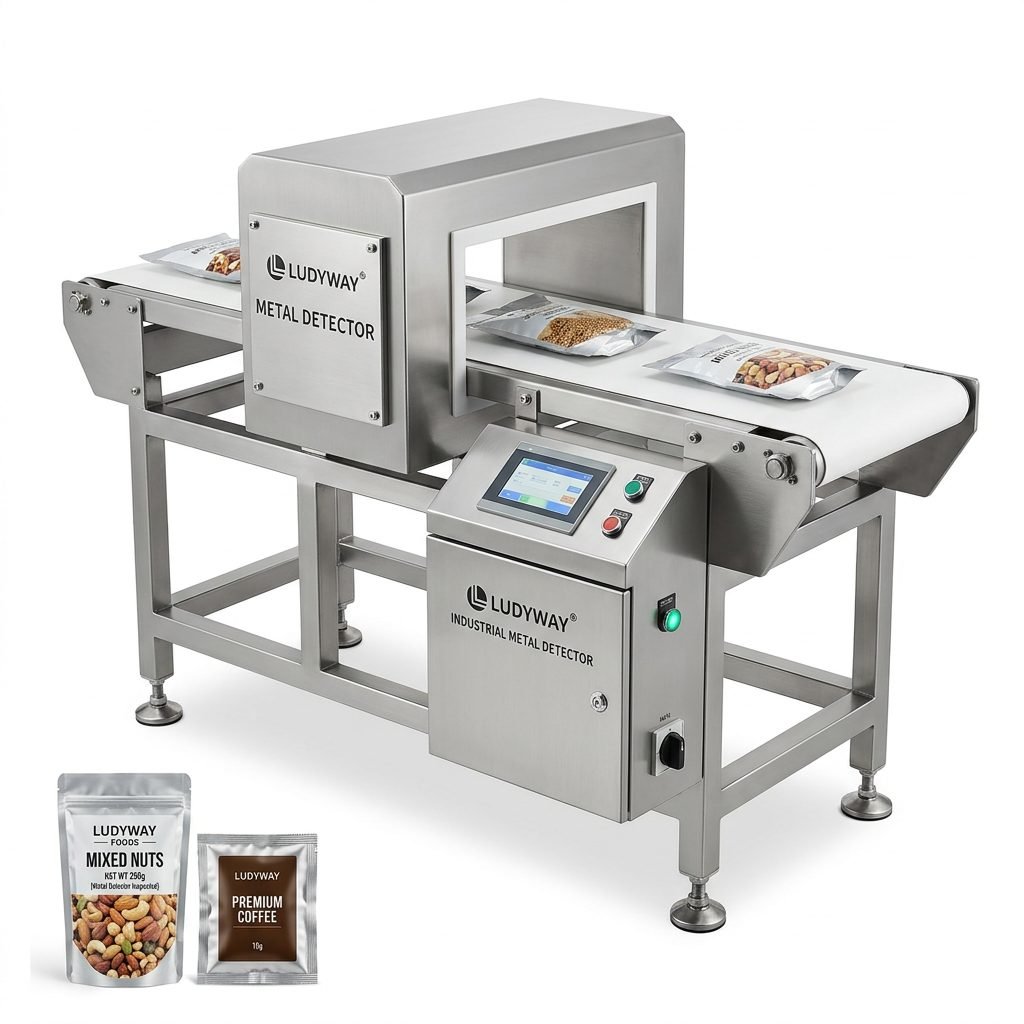
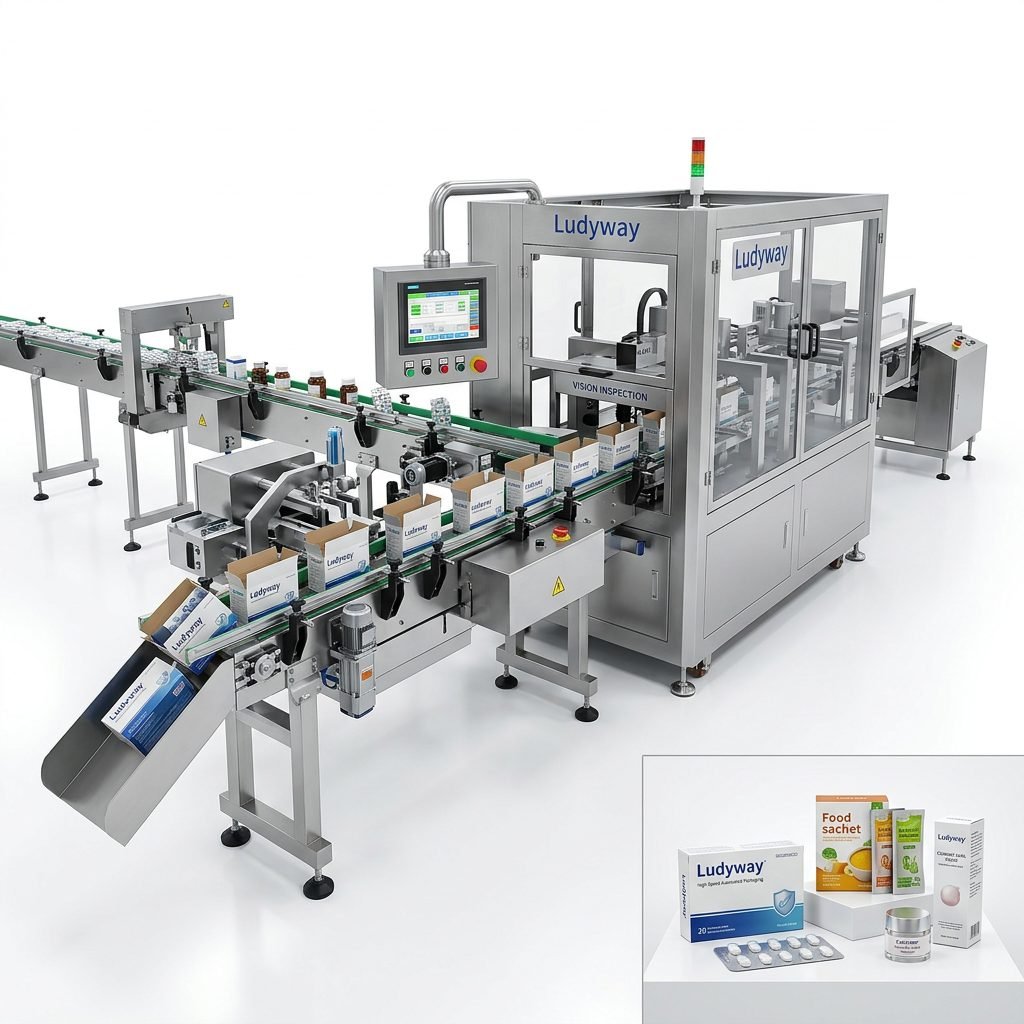
Consider modularity. Can the machine be upgraded later? For instance, can you add a checkweigher, date coder, or cartoning system inline? A flexible packaging solution allows your business to grow without replacing the entire line.
Making the Financial Decision
Analyze the Total Cost of Ownership (TCO), not just the purchase price. Factor in:
- Machine efficiency (reduces product giveaway).
- Energy consumption.
- Expected maintenance costs and part longevity.
- Potential for reduced labor costs.
A slightly higher initial investment in a robust, accurate machine often yields a much faster ROI through savings and increased production.
Frequently Asked Questions (FAQs)
1. What is the typical accuracy range for a weigh-scale coffee packer?
Modern weigh-scale machines for coffee typically offer an accuracy within ±0.5 grams to 1 gram, depending on the model and product flow characteristics. High-end systems can achieve even tighter tolerances.
2. Can one machine handle both whole bean and ground coffee?
Yes, many versatile automatic packaging machines are designed to handle both. The key is a filling system (like a precision scale) that can manage the different flow behaviors, and often, simple changeover parts like different funnel sizes.
3. How important is a degassing valve applicator?
For whole bean coffee, it is essential. Freshly roasted beans release carbon dioxide (CO₂) for weeks. Without a valve, pressure can build up and burst bags or cause them to balloon. The valve allows CO₂ to escape while preventing oxygen from entering, preserving freshness.
4. What maintenance does an automatic coffee packer require?
Daily cleaning of product contact parts is crucial. Regular maintenance includes lubricating moving parts (as per manual), checking sealing jaw temperatures and alignment, and inspecting wear items like cutting blades. A preventative maintenance schedule from your supplier is highly recommended.
5. How long does it take to train an operator?
Basic operation of a modern machine with a good HMI can often be learned in a few days. However, thorough training on changeovers, basic troubleshooting, and maintenance procedures usually takes 1-2 weeks of hands-on experience under the guidance of a technician.