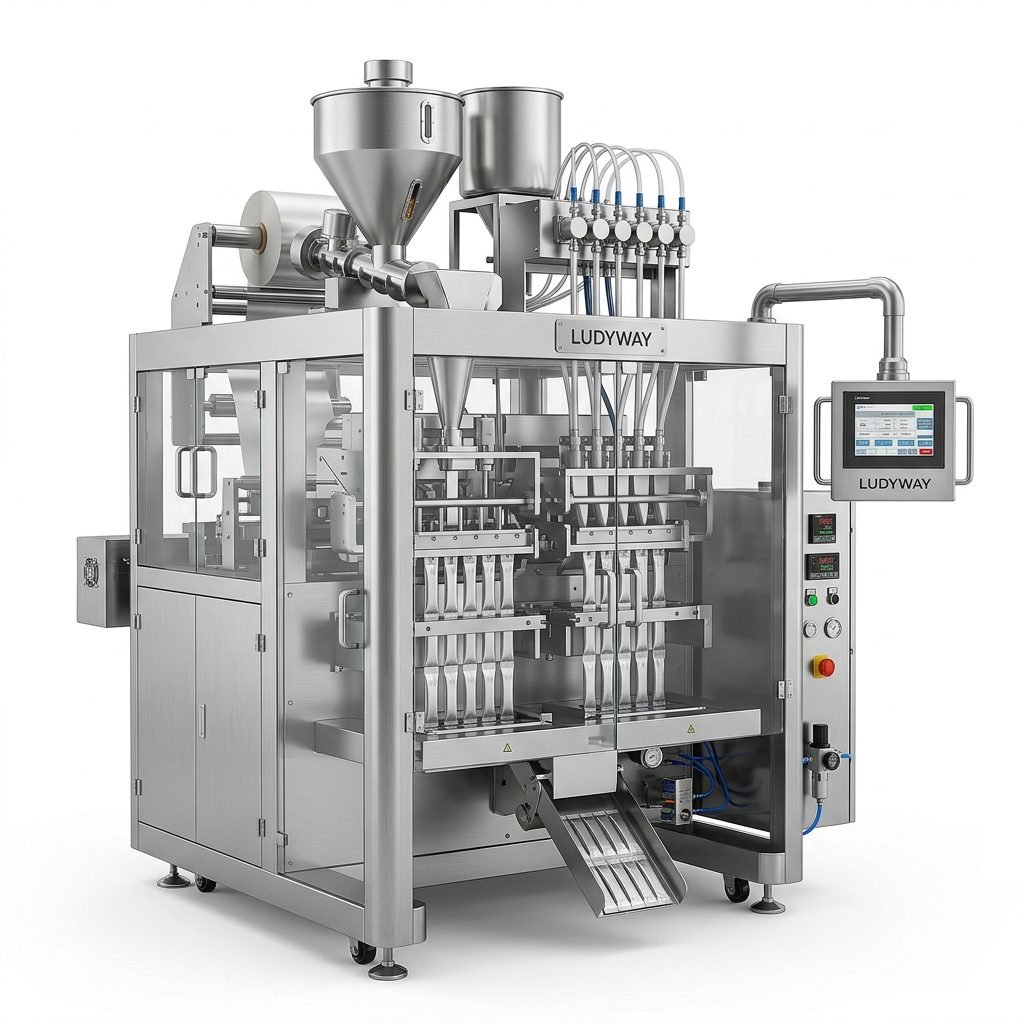
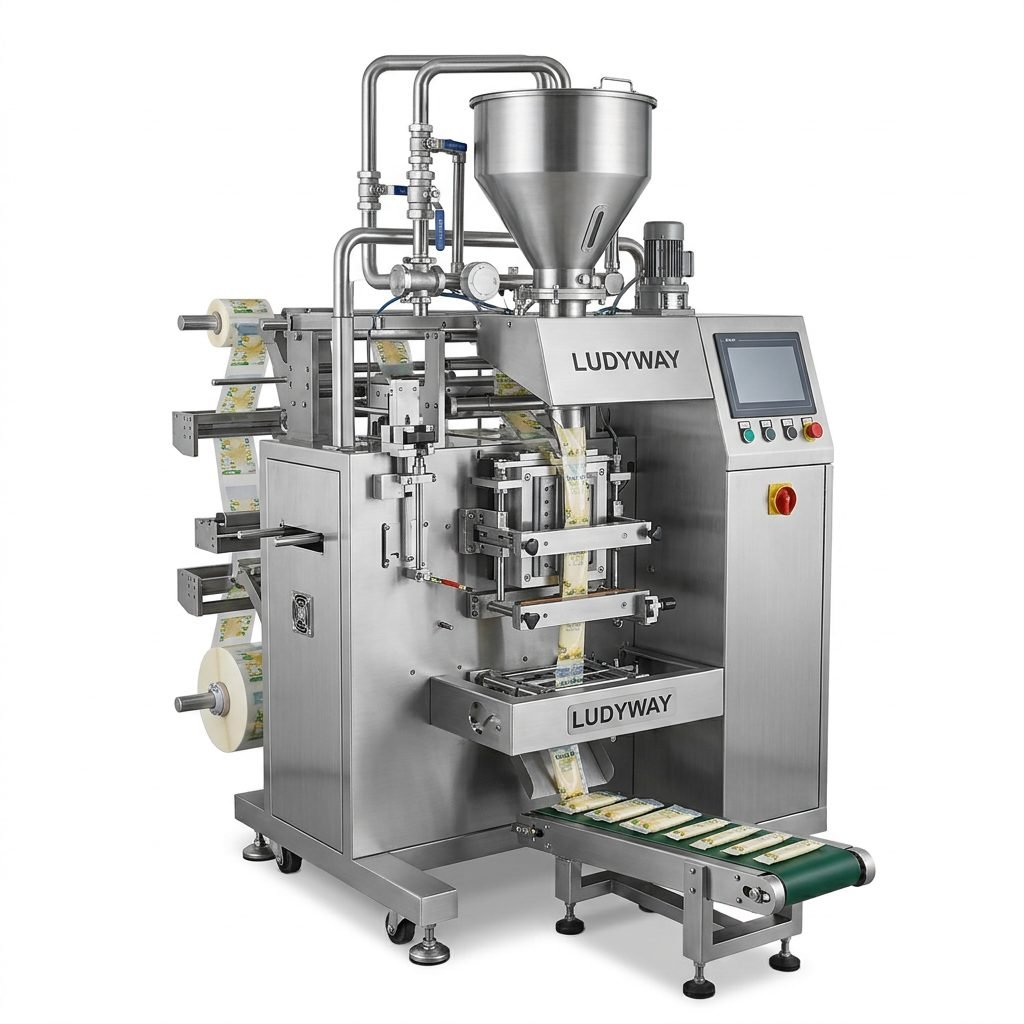
In the fast-paced world of manufacturing, efficiency and precision are paramount. For businesses handling powders, granules, liquids, or pastes, a reliable filling packaging machine is not just an asset—it’s a cornerstone of production. This guide delves into the essential aspects of these machines, exploring their various types, core working principles, and providing a clear framework for selecting the optimal system for your specific needs. Understanding these fundamentals is the first step toward streamlining your packaging line, reducing waste, and enhancing product consistency.
Understanding the Core Types of Filling Packaging Machines
The market offers a diverse range of filling machines, each designed to handle specific product characteristics and production volumes. Choosing the right type is critical for operational success.
By Product Form
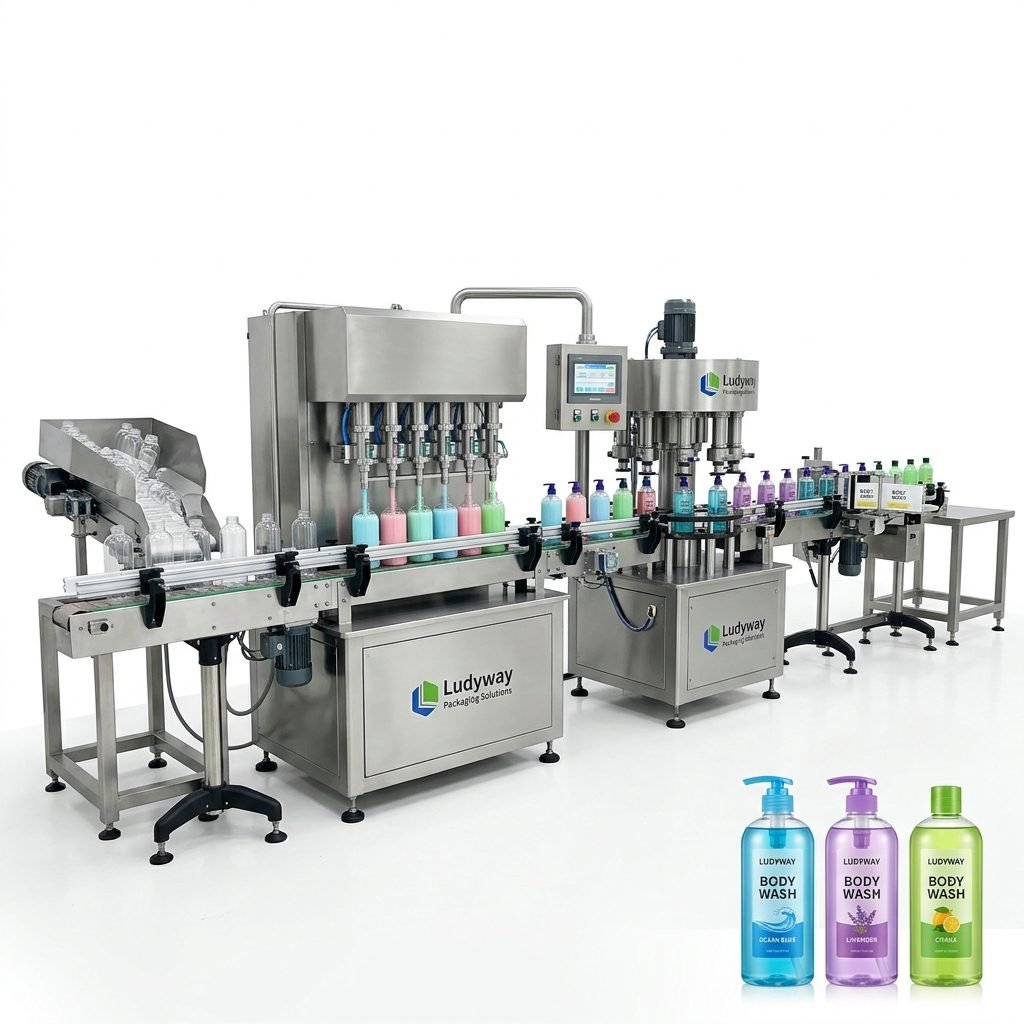
Liquid Fillers are engineered for free-flowing products like water, oils, juices, and chemicals. They often utilize piston, gravity, or pressure-based filling mechanisms to ensure accurate volumetric or weight-based dosing.
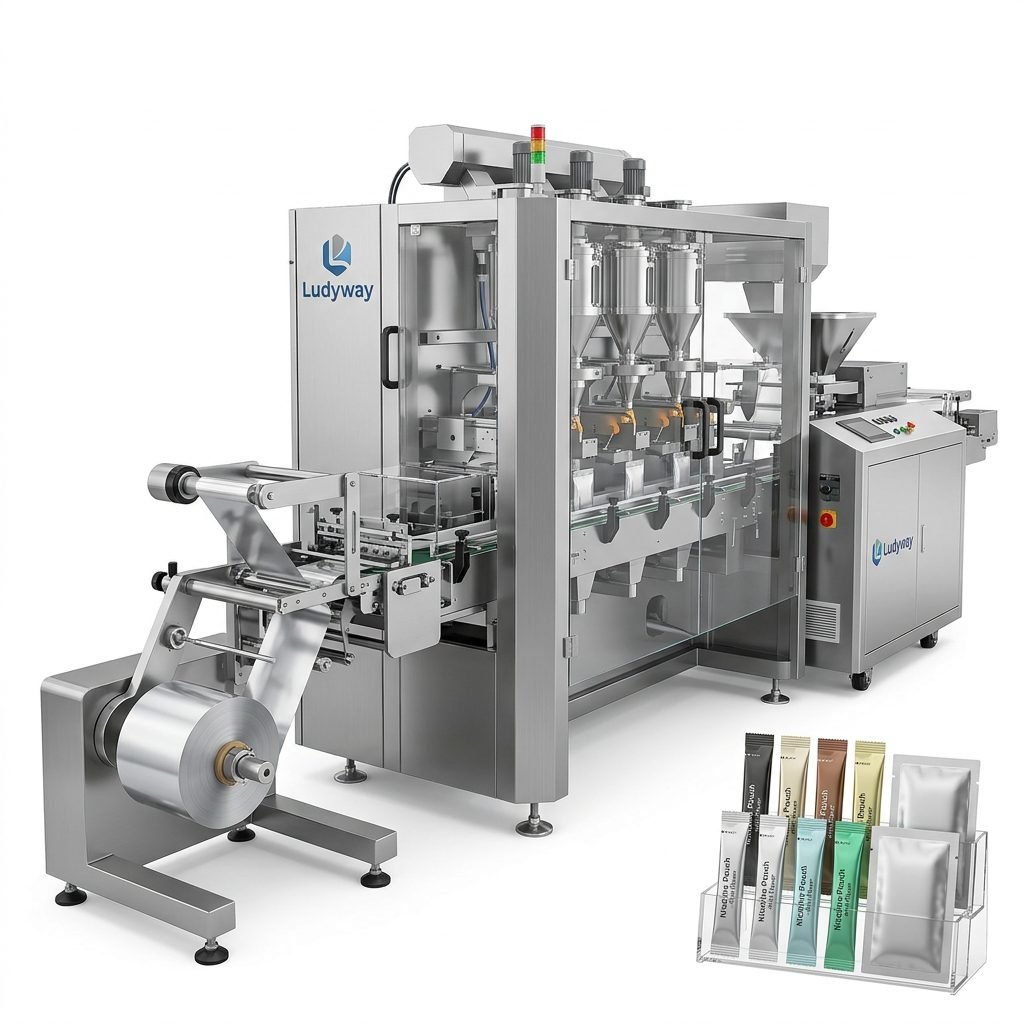
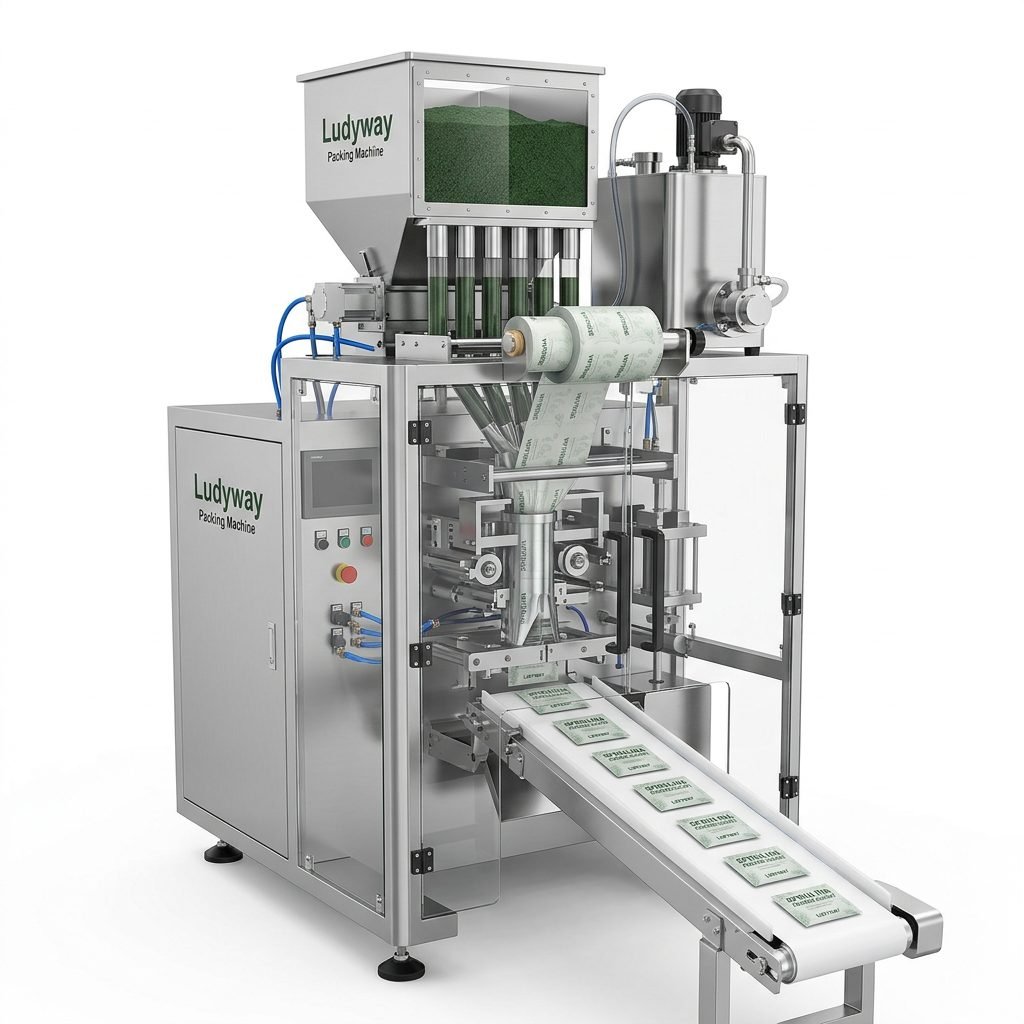
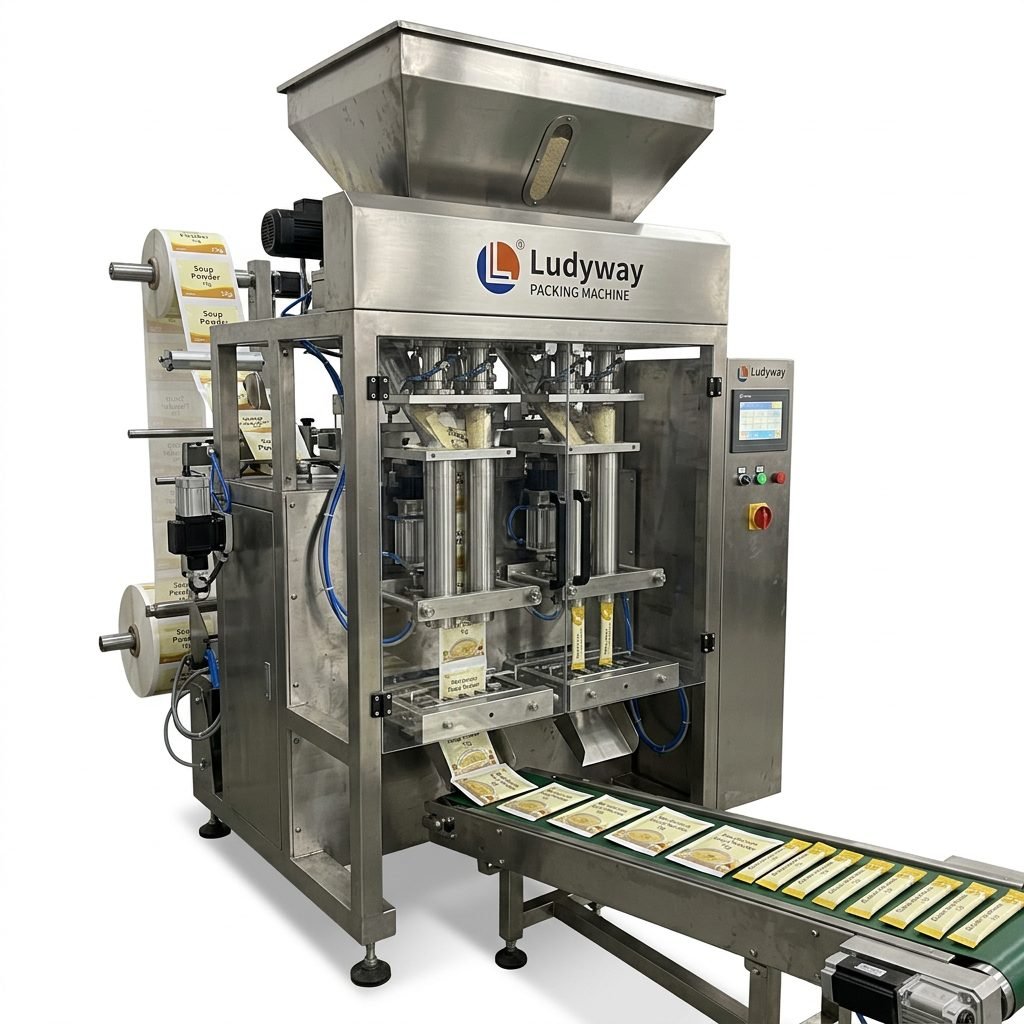
Powder Fillers handle fine, dry materials such as flour, spices, milk powder, and pharmaceuticals. These systems must combat challenges like dusting, clumping, and inconsistent flow, often employing auger screw or vacuum cup technologies for precise measurement.
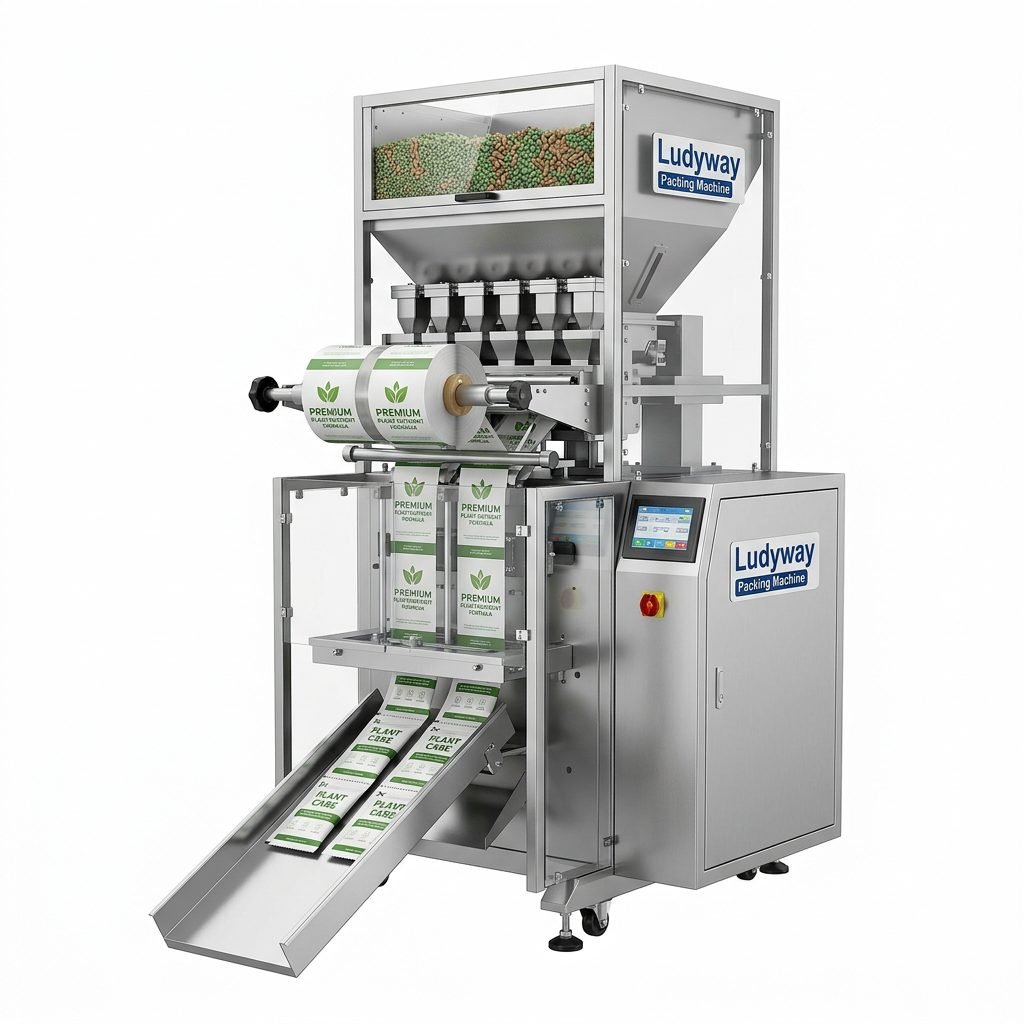
Granule Fillers are ideal for small, solid particles like coffee beans, seeds, nuts, and grains. They typically use cup or weigh scale filling methods to achieve accurate counts or weights.
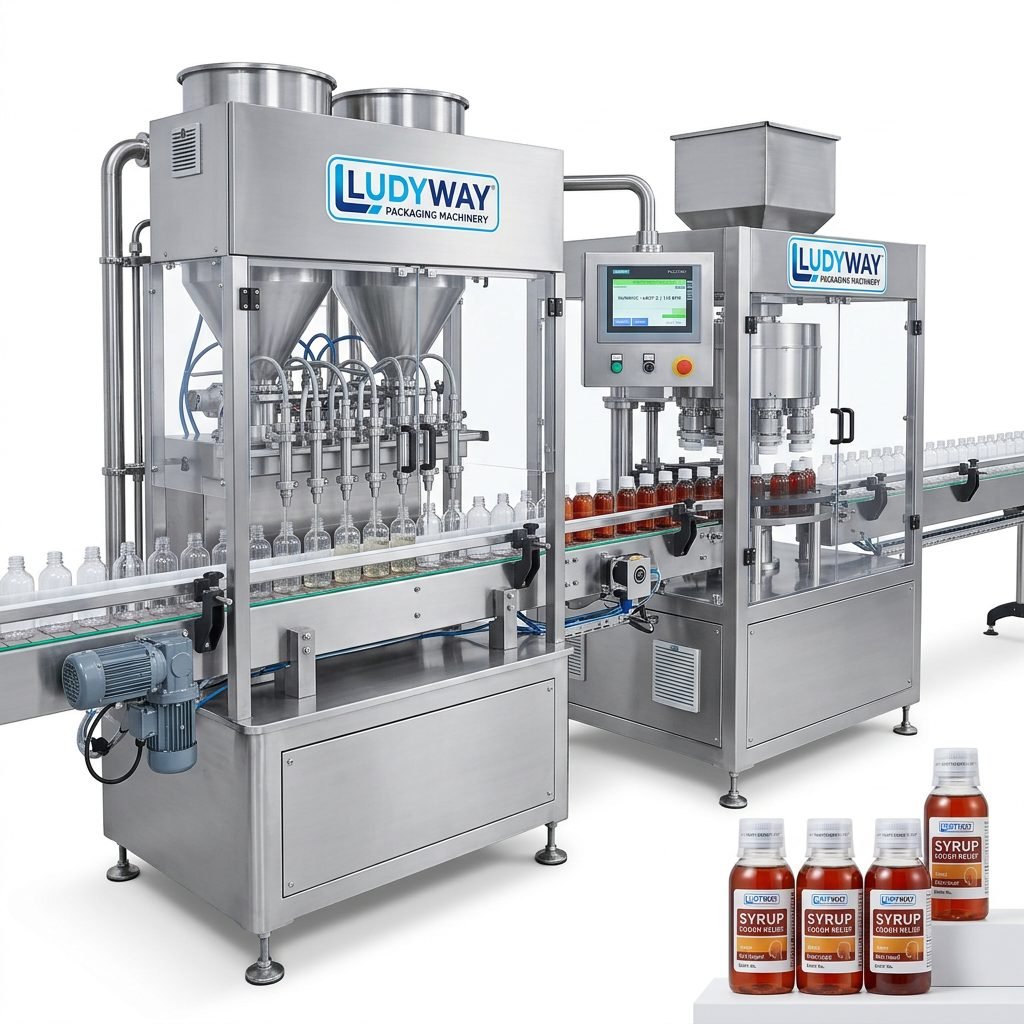
Paste & Viscous Product Fillers manage thick substances like sauces, creams, gels, and adhesives. Piston fillers are the most common choice here, using a cylinder and piston to draw and dispense a precise amount of product.
By Automation Level
Manual/Semi-Automatic Machines: Operated with significant human intervention for tasks like placing containers or initiating cycles. Best for low-volume production, pilot runs, or products with extreme variability.
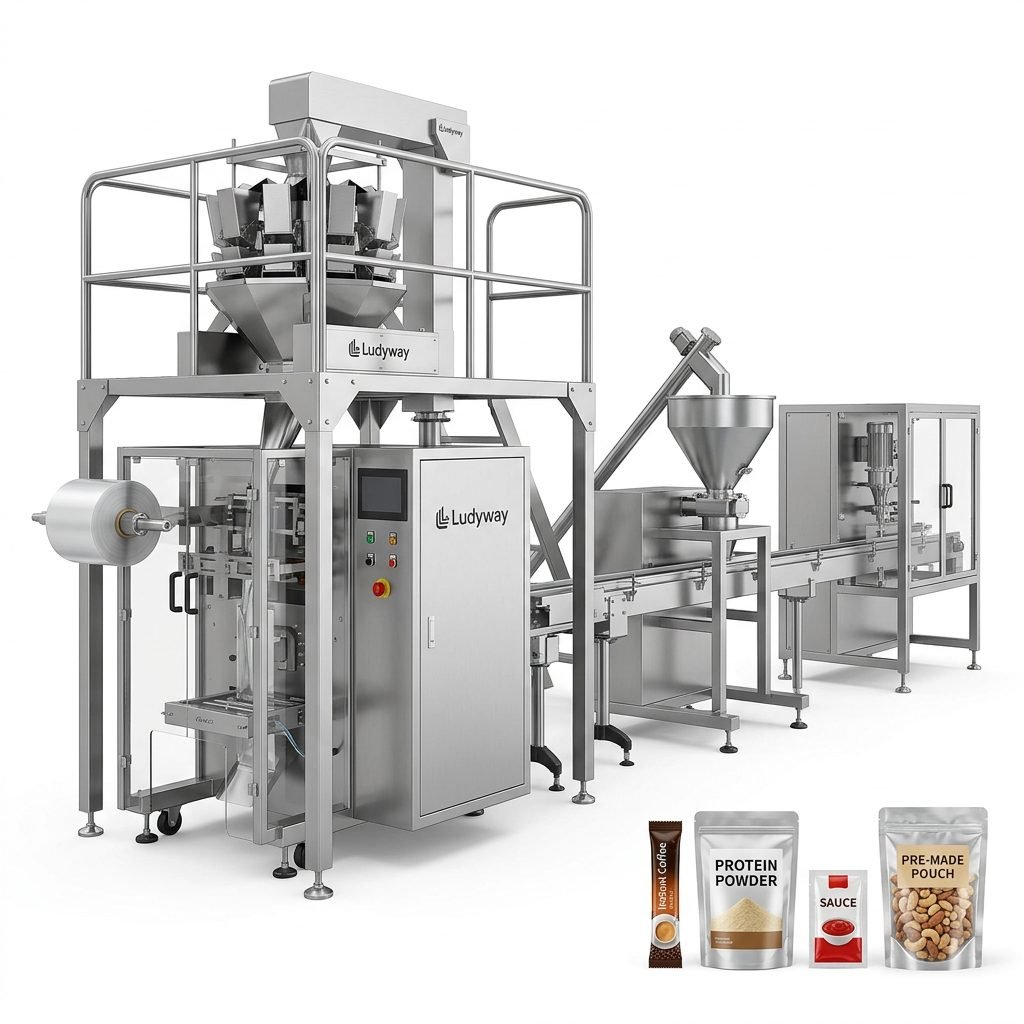
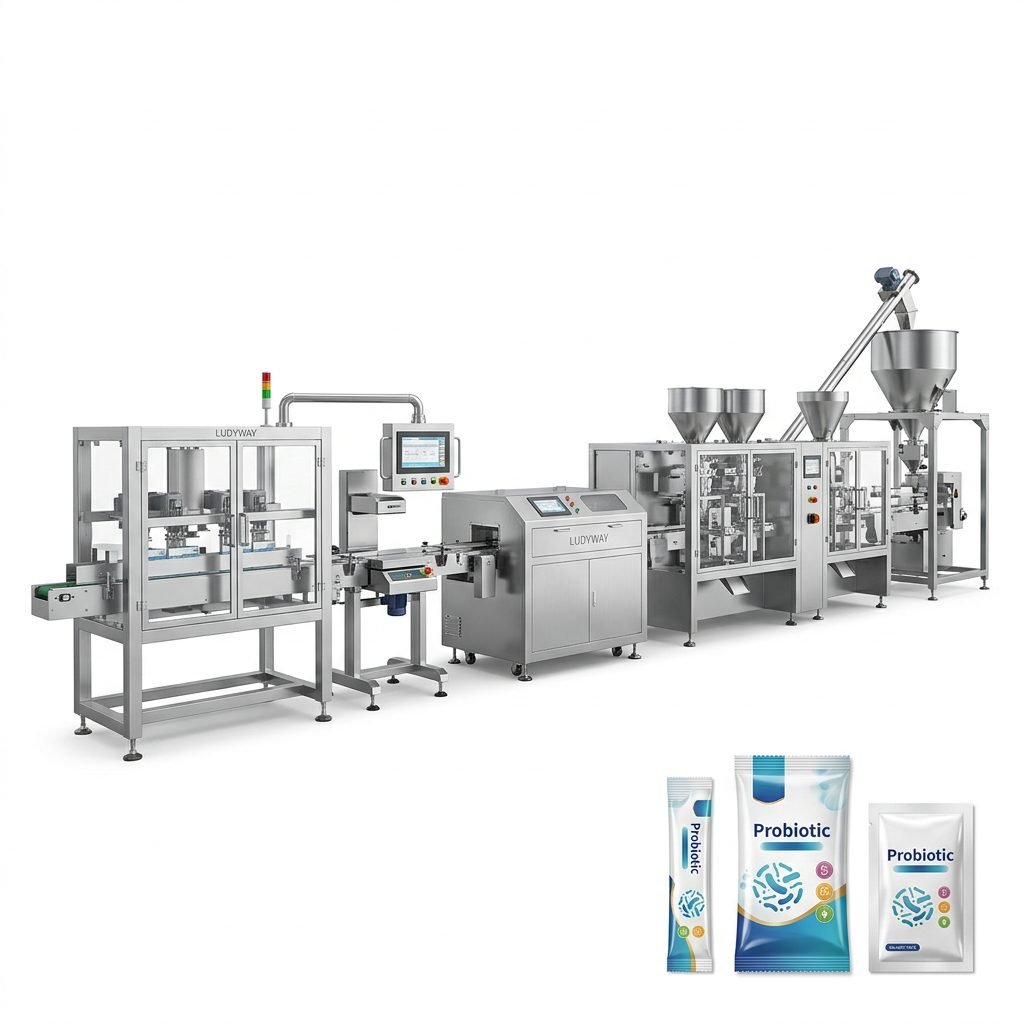
Fully Automatic Machines: Integrated into a complete packaging line, these systems automatically handle container feeding, filling, capping, and sealing. They are essential for medium to high-volume production, maximizing speed and minimizing labor costs.
Key Working Principles Behind the Technology
While designs vary, most filling machines operate on a few fundamental principles that guarantee accuracy and repeatability.
Volumetric Filling
This method dispenses a pre-set volume of product. It is fast and cost-effective for uniform, non-foaming products.
- Piston Fillers: A piston retracts within a cylinder to draw product, then pushes it out into the container. Excellent for accuracy with liquids, pastes, and products with particulates.
- Auger Fillers: A rotating screw (auger) within a hopper moves a specific amount of powder or granule through its threads. The fill volume is controlled by the number of screw revolutions.
- Gravity Fillers: Product flows from a tank into containers by gravity. Simple and effective for thin, free-flowing liquids.
Weigh Filling (Gravimetric)
This is the gold standard for accuracy. The system fills product until a target weight is achieved on a scale. It is ideal for expensive products or those with variable density.
- Gross Weight Filling: The container is weighed during the filling process itself.
- Net Weight Filling: The product is weighed in a separate chamber before being discharged into the waiting container, offering superior accuracy.
Liquid Level Filling
Machines fill until a sensor detects the product has reached a specific level in the container. Common for transparent bottles where consistent fill height is visually important.
A Strategic Framework for Choosing the Right System
Selecting a filling machine is a significant investment. A systematic evaluation ensures you choose a system that delivers long-term value.
1. Analyze Your Product Properties
This is the most critical factor. Consider viscosity, abrasiveness, corrosiveness, particle size, foaming tendency, and sensitivity (e.g., sterile requirements). A granule packaging machine designed for rice will not work well with cosmetic cream.
2. Define Your Production Requirements
Speed (Containers Per Minute): Match the machine’s output to your current and future production targets.
Accuracy & Tolerance: How critical is exact fill weight/volume? Pharmaceutical or luxury goods demand much tighter tolerances than bulk garden soil.
Container Type & Size Range: Consider the material (glass, plastic, pouch), shape, and the range of sizes you need to run. Flexibility may cost more.
3. Evaluate Integration and Support
Will the machine stand alone or integrate with existing cappers, labelers, and conveyors? Ensure compatibility. Furthermore, the manufacturer’s reputation for reliable technical support, availability of spare parts, and comprehensive training is as important as the machine itself. A partner like Ludyway Machinery, with decades of industry experience, can provide not just equipment but a full turnkey solution and peace of mind.
4. Consider Total Cost of Ownership (TCO)
Look beyond the initial purchase price. Factor in operational costs (energy, compressed air), maintenance, changeover time between products, expected lifespan, and potential for future upgrades. A slightly more expensive, robust, and efficient machine often has a lower TCO.
FAQs: Common Questions About Filling Packaging Machines
Q1: What is the most accurate type of filling machine?
Weigh fillers (gravimetric systems) generally provide the highest accuracy, as they measure by mass, which is unaffected by product density changes. For volumetric filling, piston fillers typically offer the best precision within their category.
Q2: Can one machine handle both liquids and powders?
While some machines offer modular designs allowing for changeover, it is rare for a single machine to optimally handle both without significant adjustments and part changes. It is usually more efficient to have dedicated systems for vastly different product forms.
Q3: How important is after-sales service when purchasing?
Extremely important. Reliable technical support, readily available spare parts, and operator training are crucial for minimizing downtime and ensuring your investment performs optimally for its entire lifespan. Always choose a supplier with a proven service track record.
Q4: What are the key maintenance requirements?
Regular cleaning to prevent product cross-contamination and buildup is essential. Routine checks and lubrication of moving parts, inspection of seals and gaskets, and calibration of weighing or volumetric systems are necessary to maintain accuracy and prevent breakdowns.
Q5: How do I choose between volumetric and weigh filling?
Choose volumetric filling for consistent, uniform products where speed and cost are priorities. Choose weigh filling for high-value products, products with variable density (like ground coffee), or where regulatory requirements demand the highest possible accuracy.