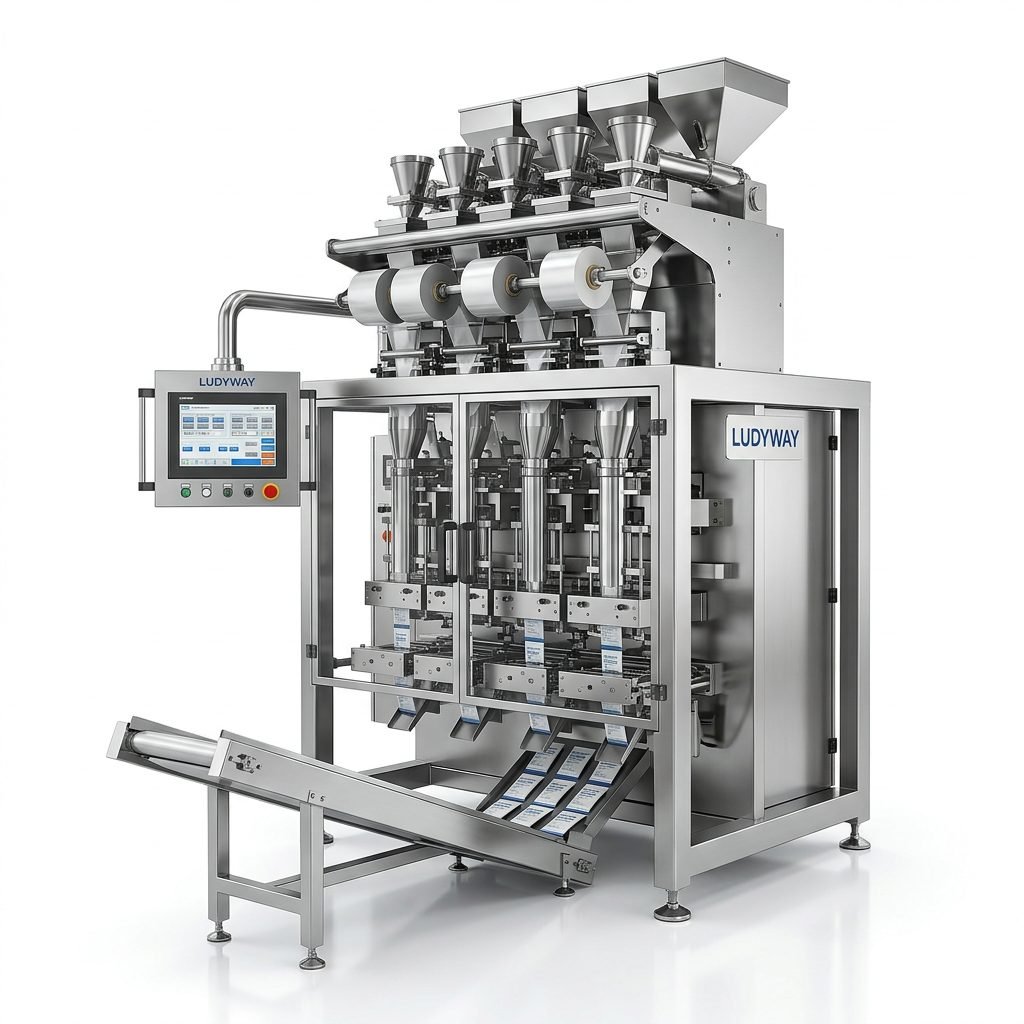
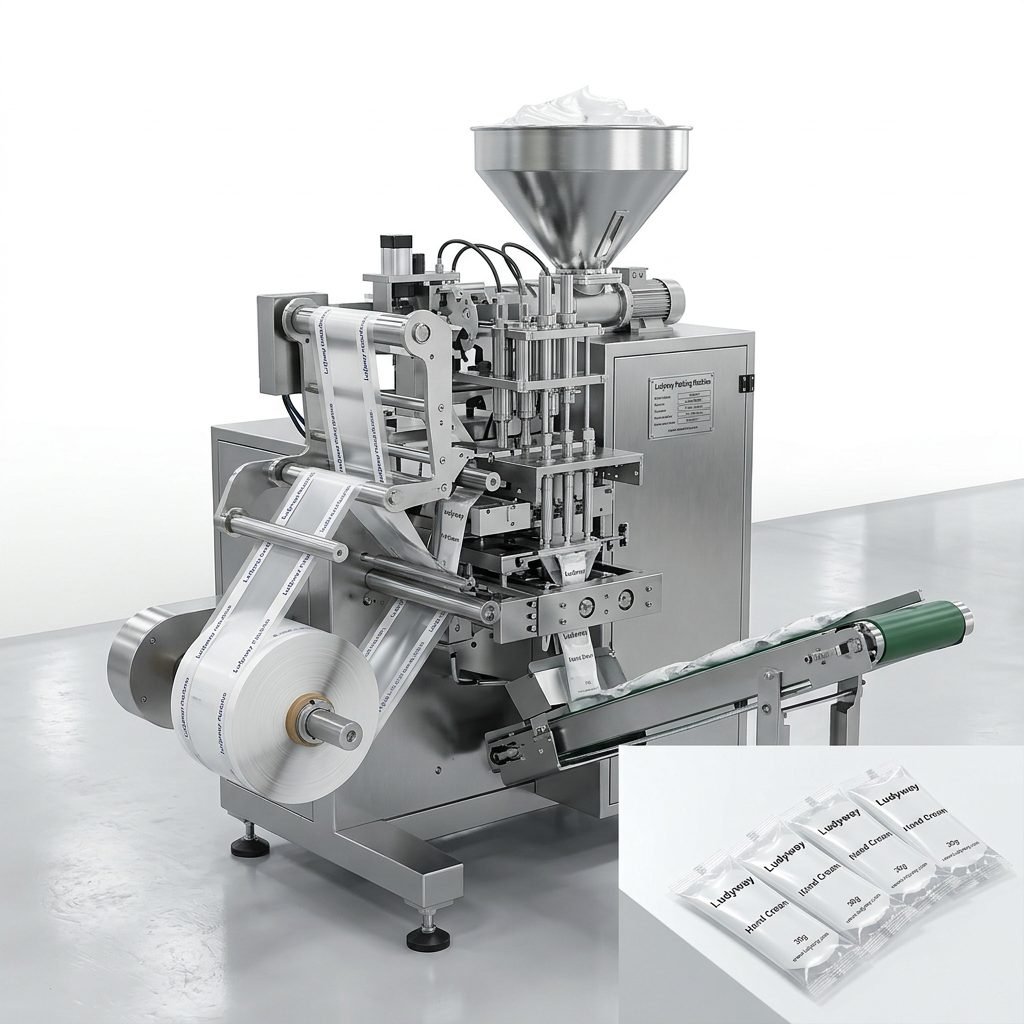
In the competitive world of food production, the final presentation and protection of your product are as crucial as the quality of the fruit itself. A fruit packaging machine is no longer just a piece of equipment; it’s a strategic investment that impacts shelf life, brand perception, and operational efficiency. This comprehensive guide will walk you through the different types of machines, their significant benefits, and the key factors to consider when selecting the perfect solution for your business.
Understanding the Different Types of Fruit Packaging Machines
The right packaging starts with the right machine. The technology you choose depends heavily on the physical form of your fruit product—be it whole, sliced, dried, or pureed.
Primary Packaging Systems
These machines handle the direct containment of the fruit product. Common systems include:
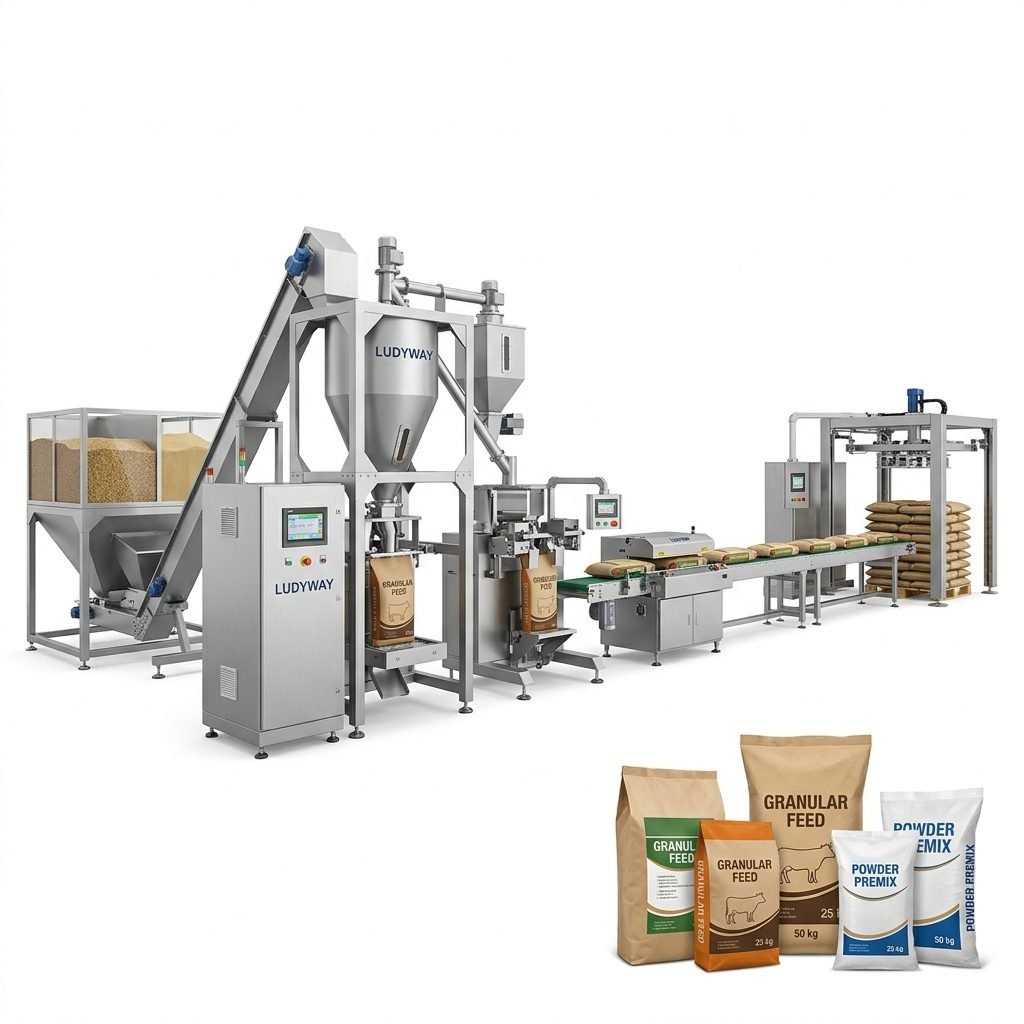
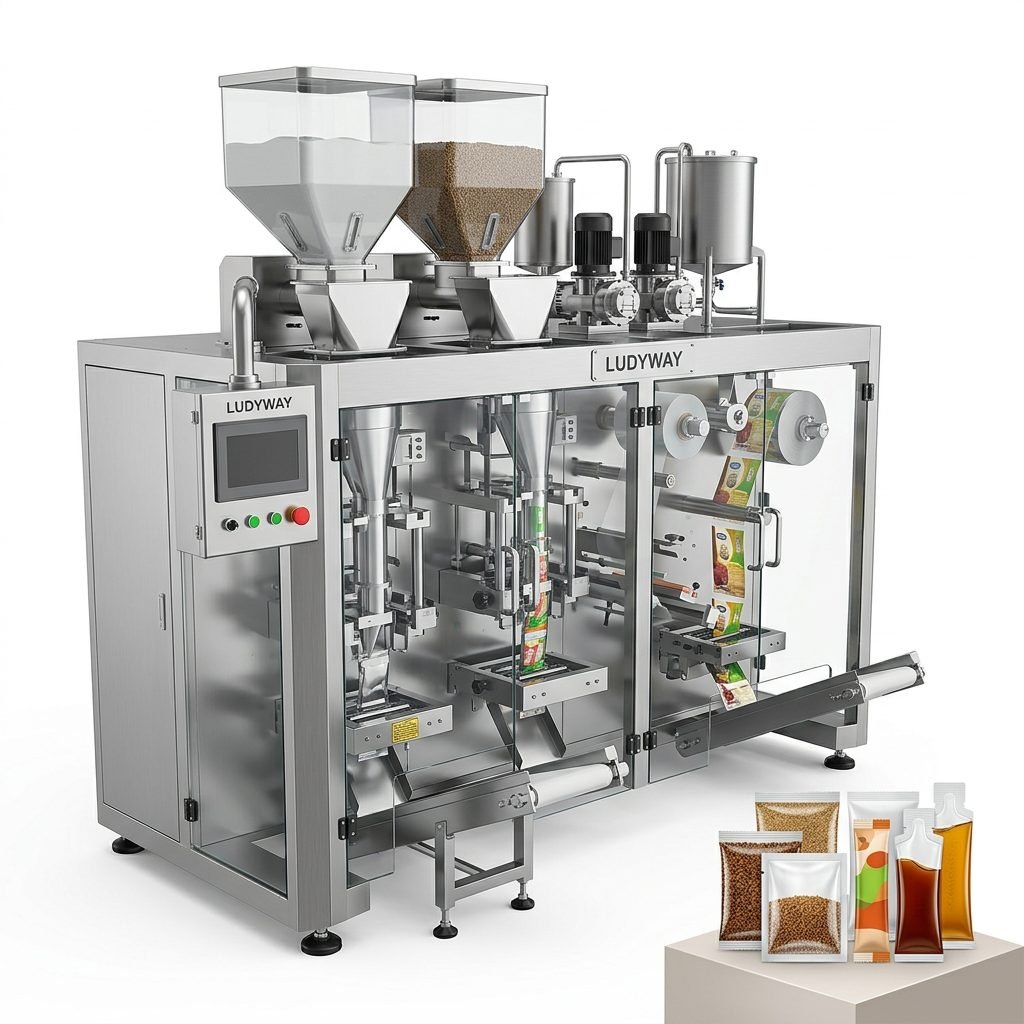
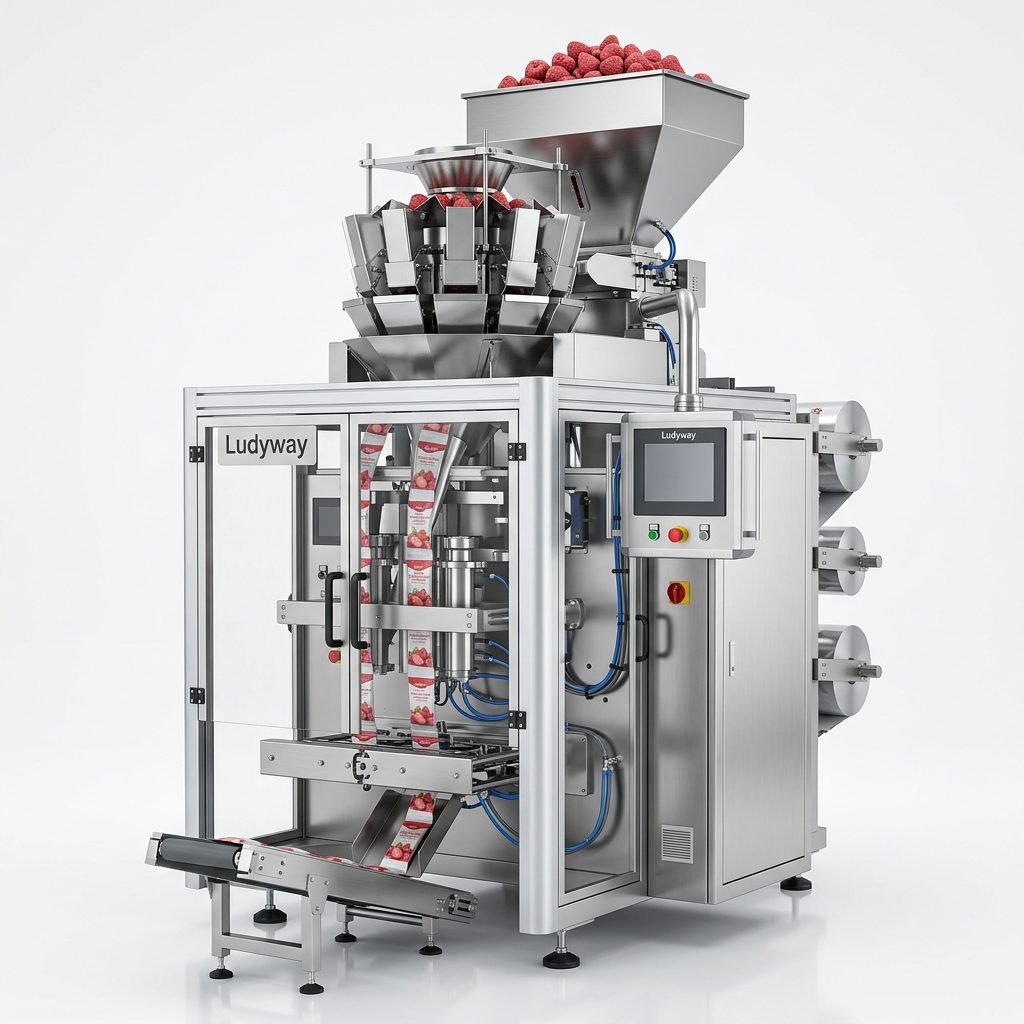
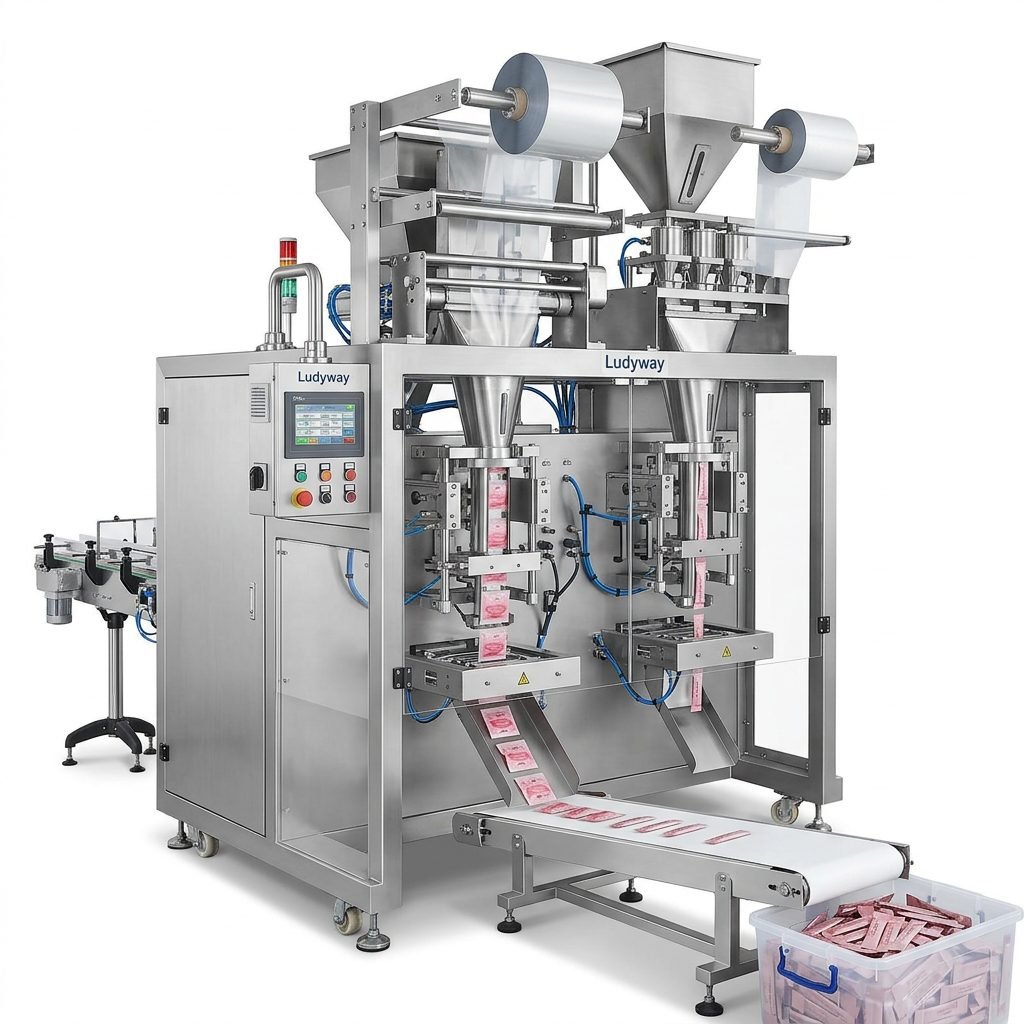
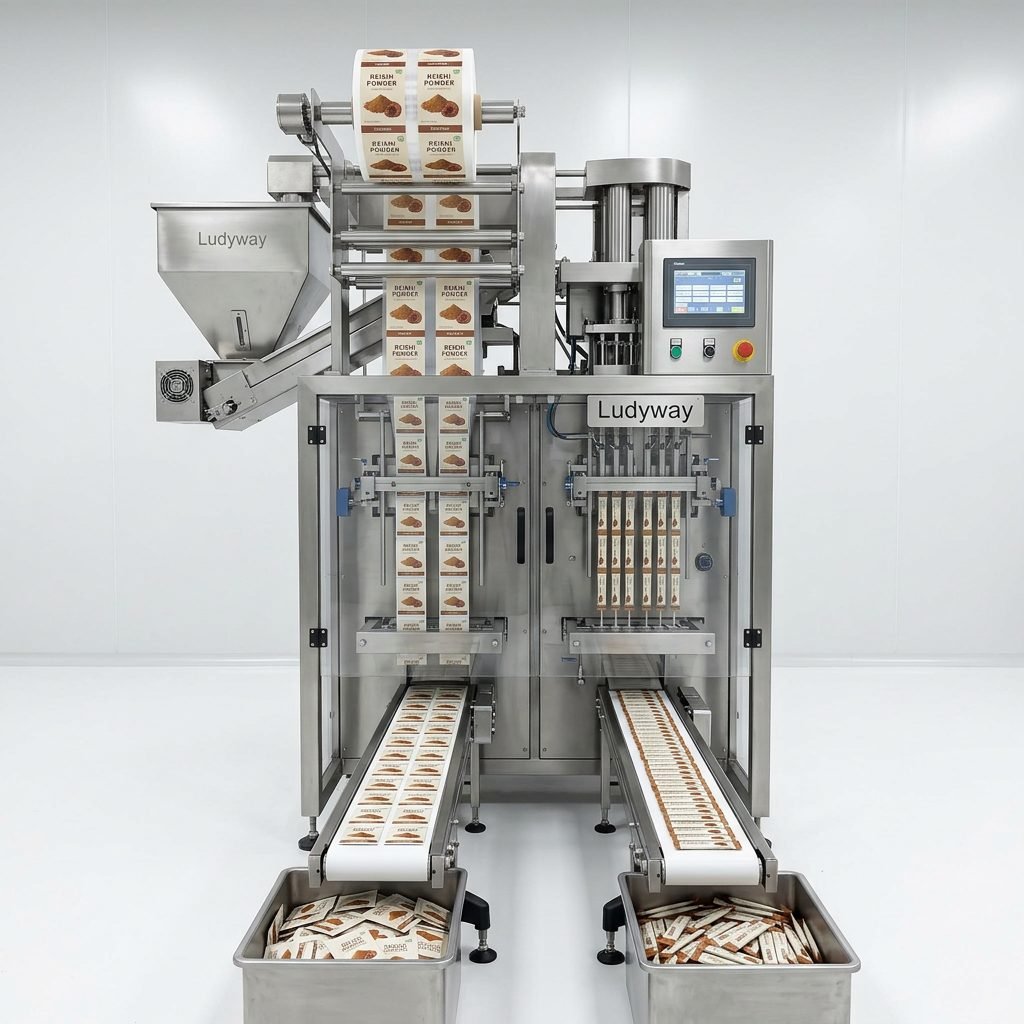
Vertical Form-Fill-Seal (VFFS) Machines: Ideal for packaging powdered fruit mixes, freeze-dried berries, or granulated products. They form bags from a roll of film, fill them with the product, and seal them in one continuous operation, offering high speed and flexibility in bag sizes.
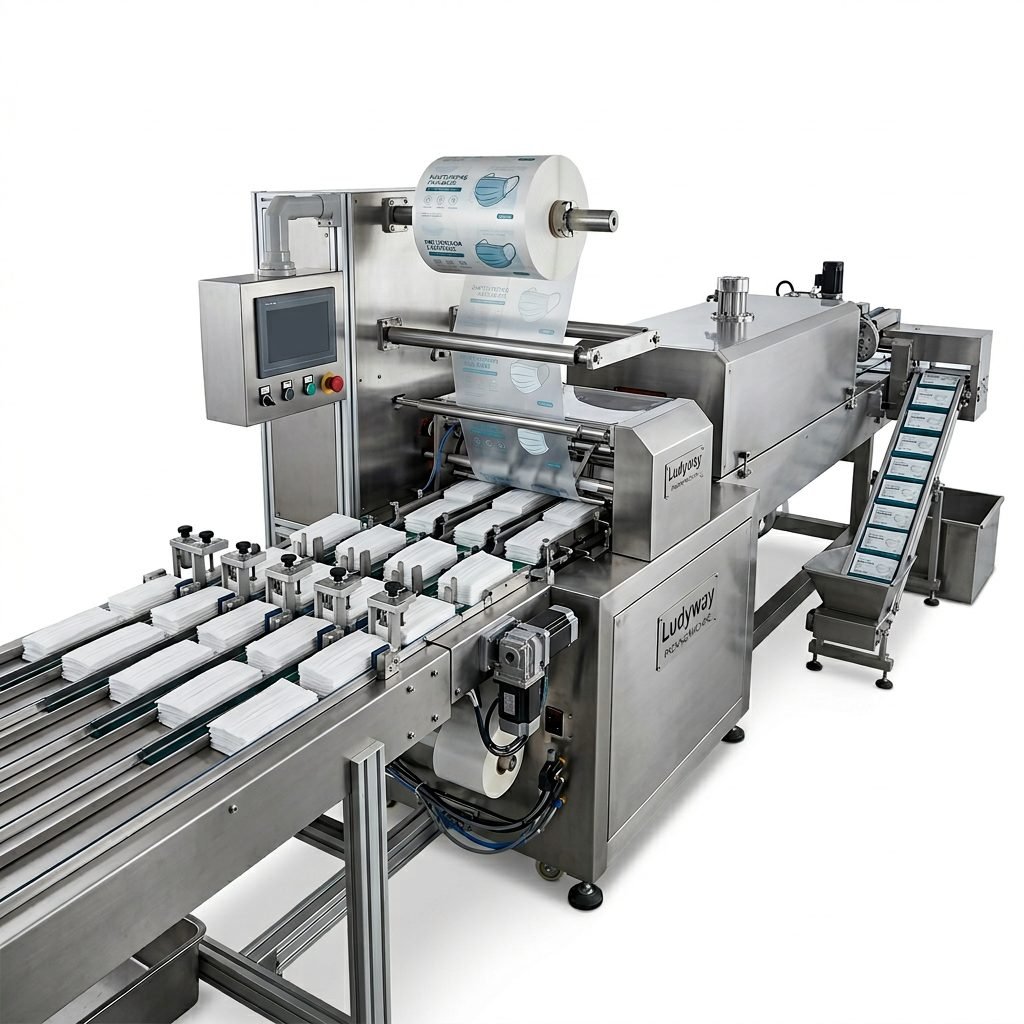
Horizontal Form-Fill-Seal (HFFS) Machines: Perfect for pre-portioned fruit snacks, bar wrappers, or trayed sliced fruits. These machines are excellent for creating more rigid structures and attractive pillow packs or flow-wraps that stand out on retail shelves.
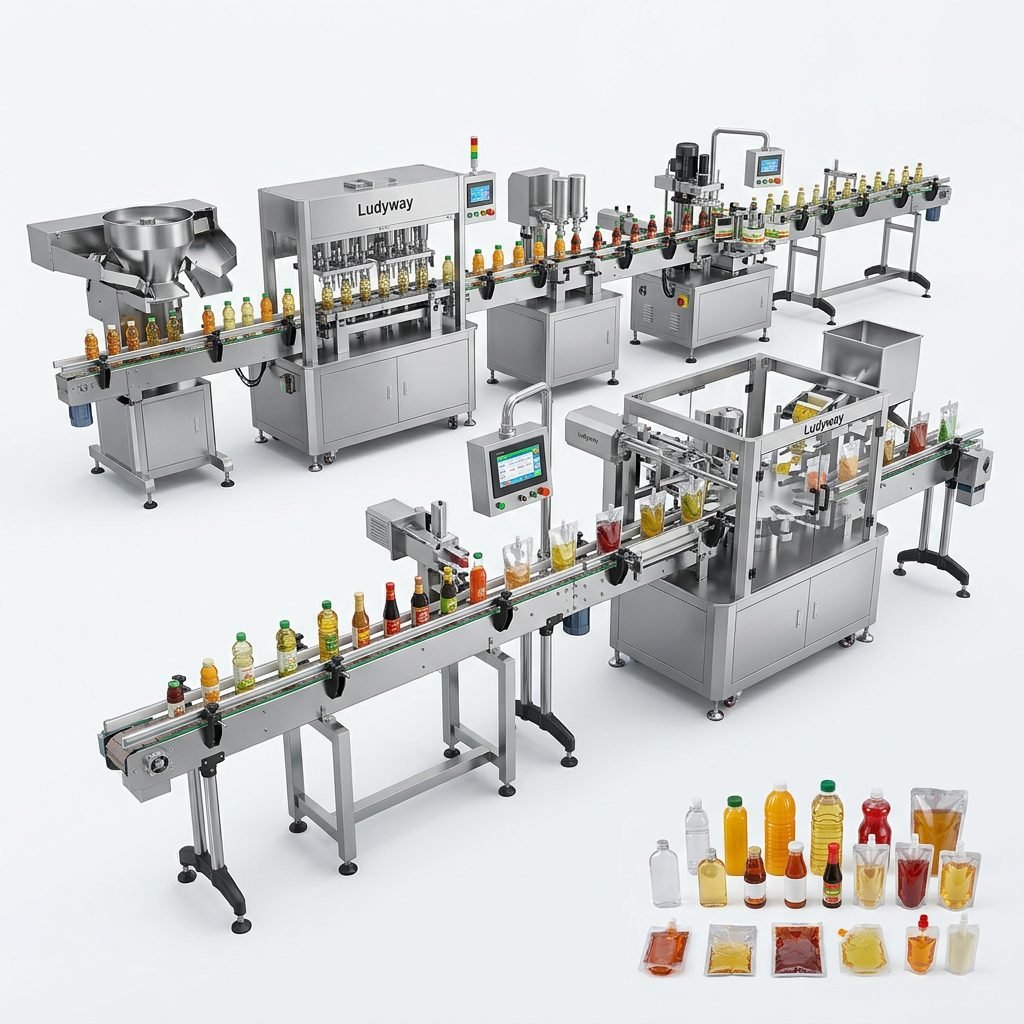
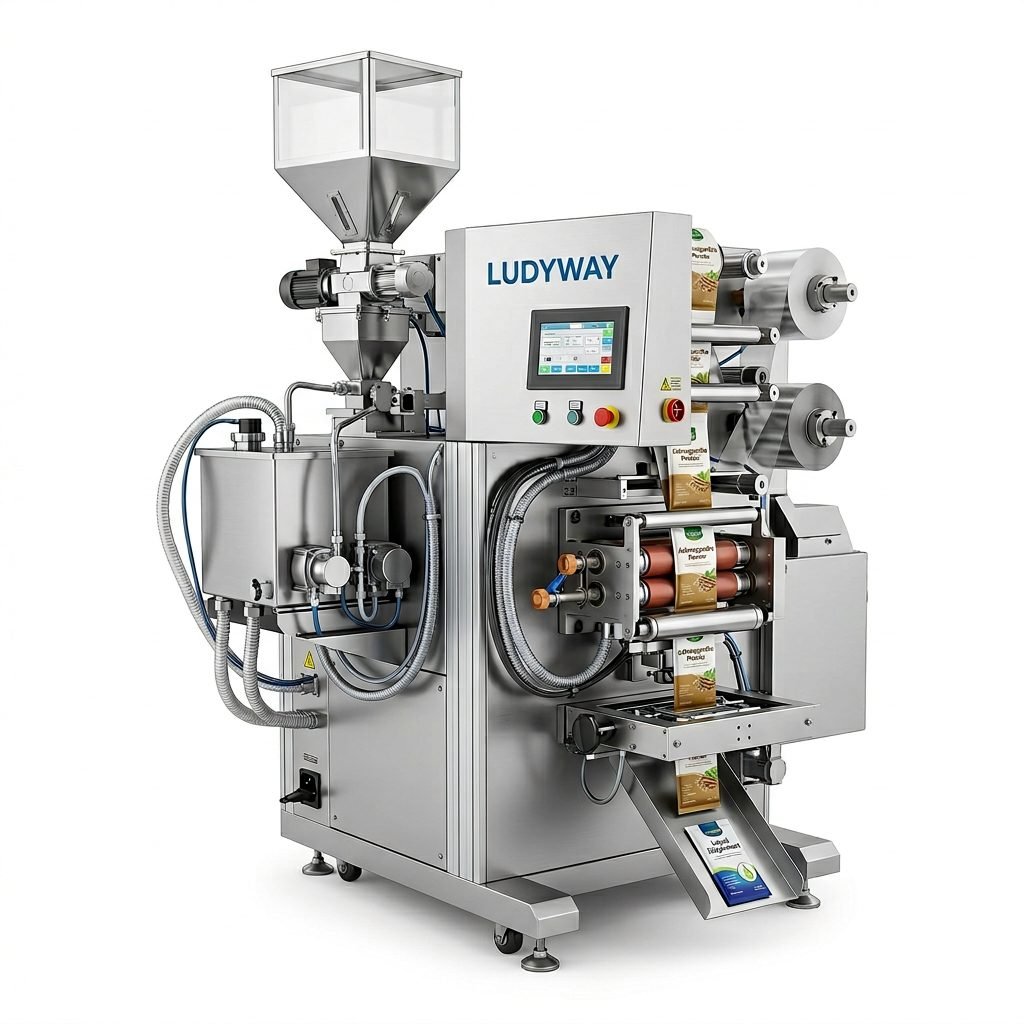
Pouch Packaging Machines: Used for apple sauce, fruit purees, and liquid concentrates. They can create stand-up pouches (doypacks) or flat pouches with high-quality seals to prevent leakage and preserve freshness.
Specialized Fruit Packaging Solutions
For unique applications, specialized equipment is key:
Modified Atmosphere Packaging (MAP) Machines: These systems replace the air inside a package with a protective gas mix (like nitrogen or carbon dioxide). This technology is revolutionary for extending the shelf life of fresh-cut fruits, berries, and salads by drastically slowing down oxidation and microbial growth.
Thermoforming Machines: They create rigid plastic trays or blisters from a roll of film, fill them with product (e.g., strawberry quarts, fruit medleys), and seal them with a lidding material. This offers superior product protection and a premium visual appeal.
Automatic Tray Sealing & Shrink Wrapping Machines: Essential for multi-packs of individual fruit cups, clamshell containers of berries, or gift baskets. They apply a tight film over a pre-formed tray or group of items, providing stability and tamper evidence.
Key Takeaway
Your fruit’s form dictates the machine type. Granules and powders suit VFFS, while pre-formed snacks need HFFS. For maximum freshness of cut fruit, invest in MAP technology.
The Tangible Benefits of Automating Your Fruit Packaging
Moving from manual or semi-automatic processes to a fully automated fruit packaging line delivers a powerful return on investment across multiple facets of your operation.
Enhanced Product Quality & Shelf Life
Automated machines provide consistent, precise, and hermetic seals that manual processes cannot match. This consistency is vital for preventing contamination and moisture loss. Machines like MAP systems actively create an optimal internal atmosphere, potentially doubling or tripling the shelf life of sensitive products like fresh-cut melons or leafy fruit mixes, reducing waste and expanding your distribution radius.
Dramatically Increased Production Efficiency
Speed is a direct competitive advantage. Modern packaging machines can operate at speeds ranging from dozens to hundreds of packages per minute, far surpassing manual capabilities. This allows you to scale production to meet demand spikes, fulfill larger orders, and improve overall throughput without a linear increase in labor costs.
Significant Cost Reduction & Labor Optimization
While the initial investment is notable, automation leads to substantial long-term savings. It reduces reliance on large packaging crews, minimizes human error leading to material waste (film, product), and lowers costs associated with repetitive strain injuries. Employees can be reallocated to higher-value tasks like quality control, machine oversight, and logistics.
Improved Brand Consistency & Safety
Every package leaving your line will have identical seal quality, fill weight, and appearance. This builds consumer trust in your brand’s reliability. Furthermore, automated systems reduce direct product handling, enhancing hygiene and making it easier to comply with stringent food safety standards like HACCP, GMP, and FDA regulations.
How to Choose the Right Fruit Packaging Machine: A Step-by-Step Guide
Selecting equipment is a critical decision. Follow this framework to ensure your investment aligns perfectly with your business goals.
1. Analyze Your Product & Packaging Specifications
Start with the basics. Define your fruit product’s characteristics: Is it whole, fragile, sticky, abrasive, or oily? Determine your desired package type, size, and material (e.g., metallized film for light barrier, biodegradable film for sustainability). The machine must be compatible with these specs.
2. Evaluate Required Output & Scalability
Calculate your current and projected future production volumes (packages per minute/hour/shift). Choose a machine that meets your peak demand with about 15-20% extra capacity for growth. Consider if you need a standalone unit or a complete integrated line with conveyors, checkweighers, and labelers.
3. Prioritize Key Machine Features & Technology
Look for features that address your specific needs:
• Accuracy: High-precision servo-driven weigh cells or volumetric fillers for consistent portion control.
• Flexibility: Quick-changeover mechanisms to switch between different bag sizes or products with minimal downtime.
• Hygiene & Durability: Stainless steel contact parts, easy-clean designs, and robust construction for a wet washdown environment.
• Control System: User-friendly touchscreen HMI with recipe storage and diagnostic tools.
4. Assess the Supplier’s Expertise & Support
The machine is only as good as the company behind it. Partner with a supplier like Ludyway Machinery that has proven experience in the food and fruit sector. Evaluate their technical support, availability of spare parts, training programs, and warranty terms. A reliable partner ensures a smooth installation and long-term operational success.
5. Consider Total Cost of Ownership (TCO)
Look beyond the purchase price. Factor in installation, maintenance, energy consumption, and expected lifespan. A slightly higher initial investment in a more efficient, durable machine from a reputable supplier like Ludyway often results in a lower TCO and better ROI than a cheaper, less capable alternative.
⚠️ Critical Decision Point
Never compromise on hygiene design and supplier support. A machine that is difficult to clean will become a food safety liability. A supplier without strong after-sales service can leave you stranded during critical breakdowns.
Conclusion: Packaging as a Strategic Advantage
Choosing the right fruit packaging machine is a strategic decision that directly influences your product quality, market reach, and profitability. By thoroughly understanding the types of machines available, recognizing their full spectrum of benefits, and methodically evaluating your needs against supplier capabilities, you can implement a packaging solution that not only protects your fruit but also propels your brand forward. Investing in robust, efficient packaging automation from experienced partners is an investment in the future resilience and growth of your business.
Frequently Asked Questions (FAQs)
1. What is the most important factor when choosing a machine for fresh-cut fruit?
The single most critical factor is the ability to integrate with or perform Modified Atmosphere Packaging (MAP). This technology is essential for significantly extending the very short shelf life of fresh-cut products by slowing spoilage and maintaining color, texture, and flavor.
2. Can one machine handle different types of fruit or package sizes?
Yes, many modern machines are built for flexibility. Look for models with quick-changeover features, such as interchangeable forming tools, servo-driven film pull systems, and digital recipe storage. This allows you to switch between, for example, packaging dried mango slices and apple chips with minimal downtime. Explore flexible packaging solutions to see examples.
3. How do I ensure the machine meets food safety standards?
Select equipment constructed with food-grade stainless steel (e.g., 304 or 316) on all product contact surfaces. It should have a smooth, crevice-free design that is easy to disassemble and clean. The supplier should provide documentation confirming the machine’s design complies with relevant standards like EHEDG, FDA, or CE for hygiene.
4. What kind of maintenance do these machines require?
Regular preventive maintenance is key. This typically includes daily cleaning, weekly lubrication of moving parts, and periodic inspection of critical components like sealing jaws, cutting blades, and sensors. A reputable supplier will provide a detailed maintenance schedule and training for your staff.
5. Where can I see the machines in operation or get a custom quote?
Reputable suppliers often offer live video demonstrations or factory visit opportunities. For a accurate quote, be prepared to provide detailed specifications about your product, desired package, and required output speed. You can contact a specialist like Ludyway Machinery to discuss your specific project and request a tailored solution.