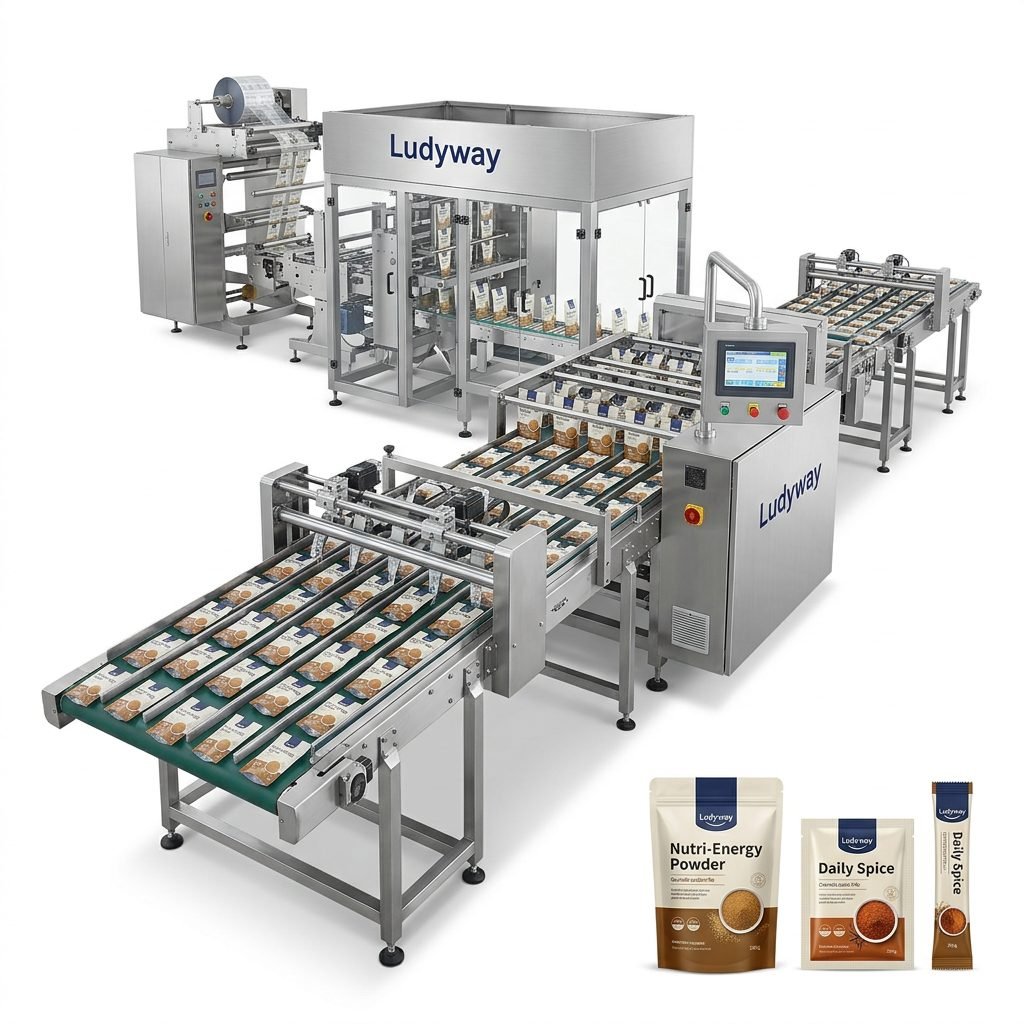
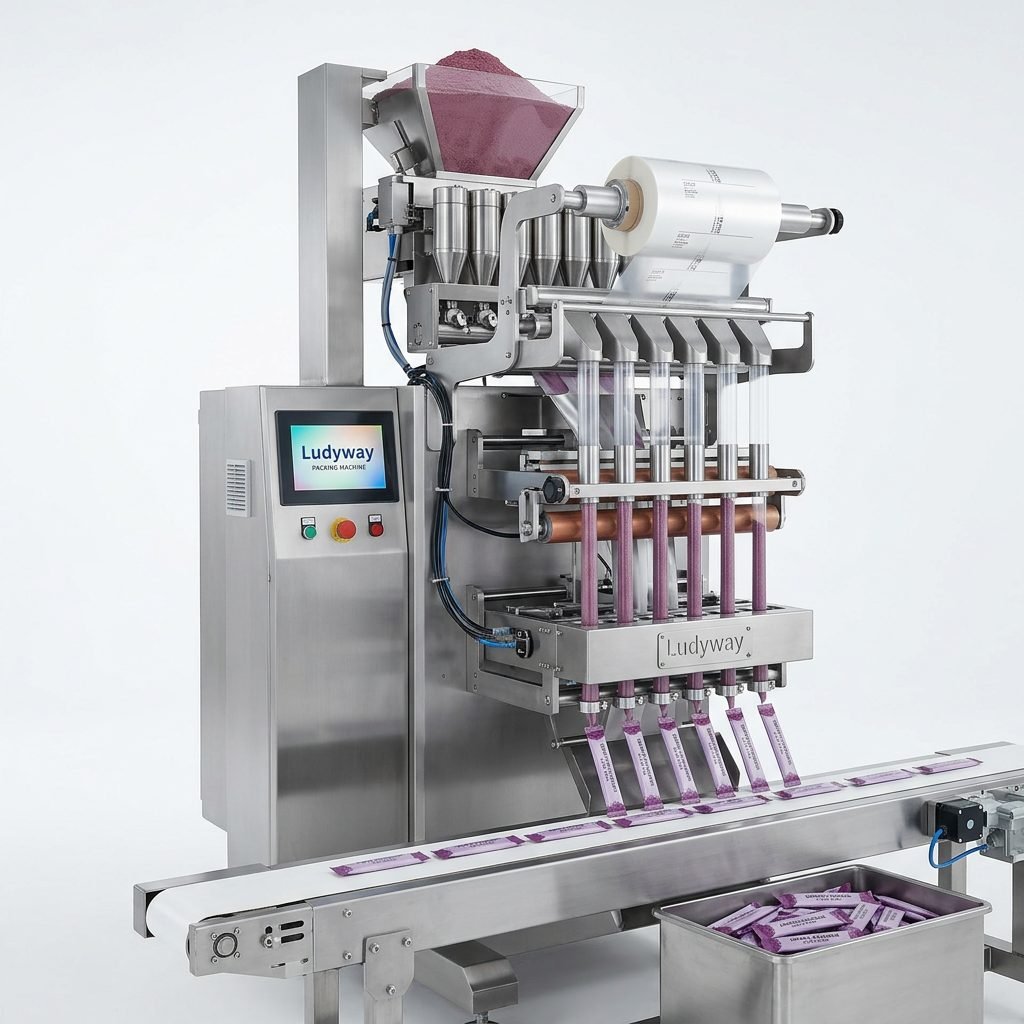
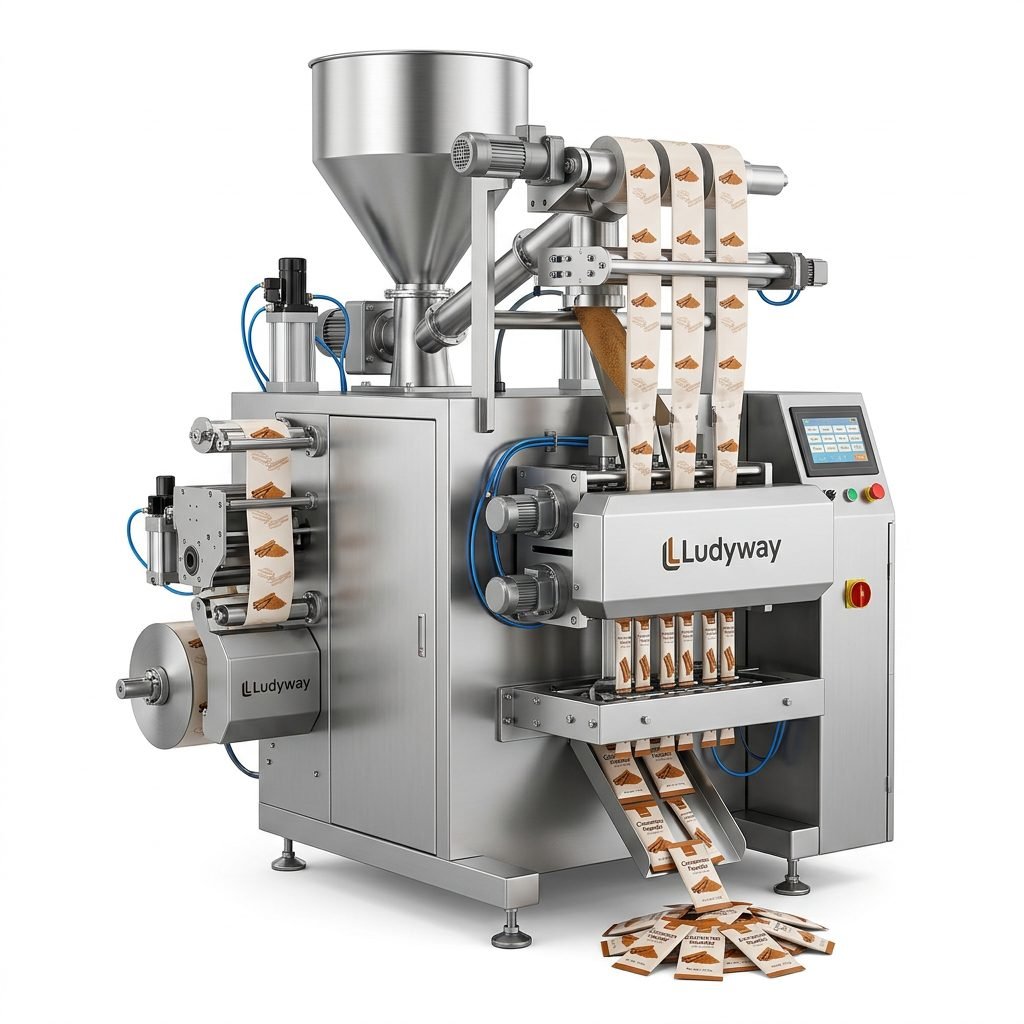
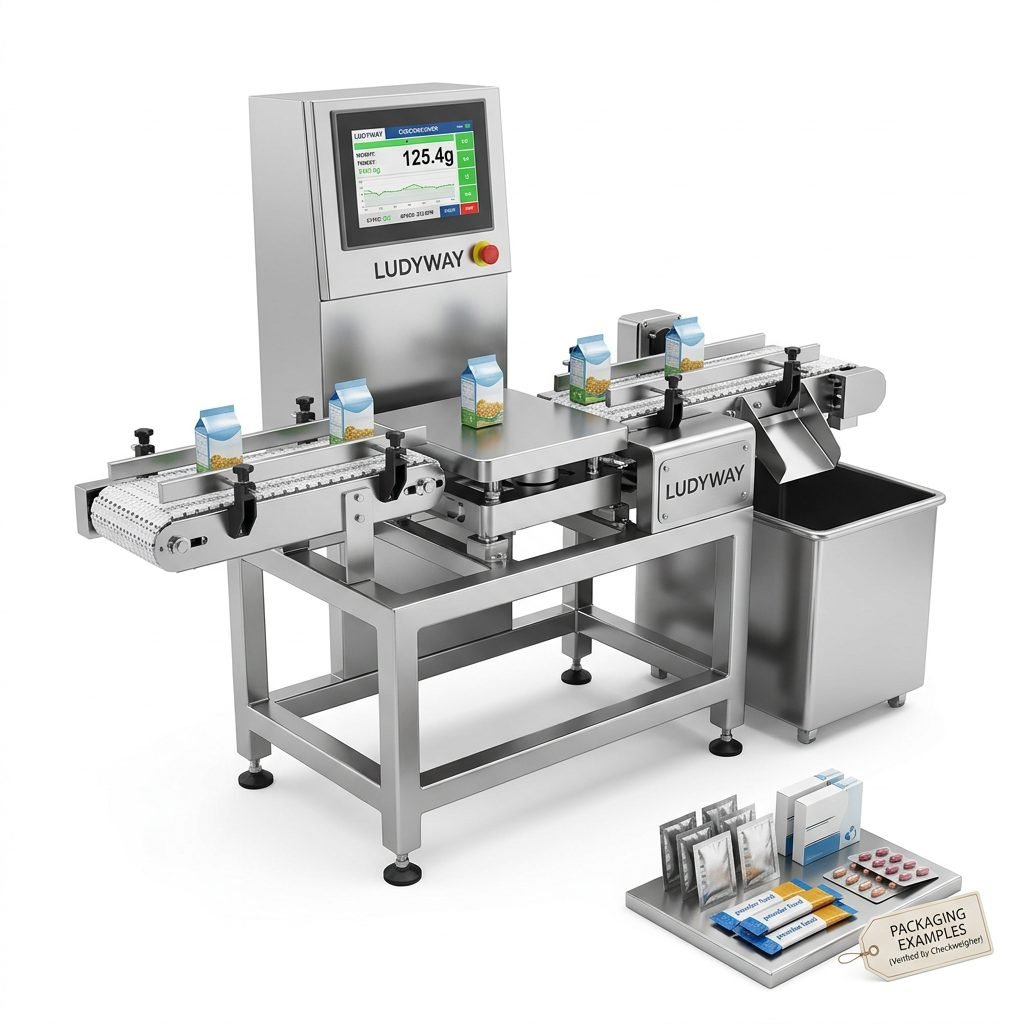
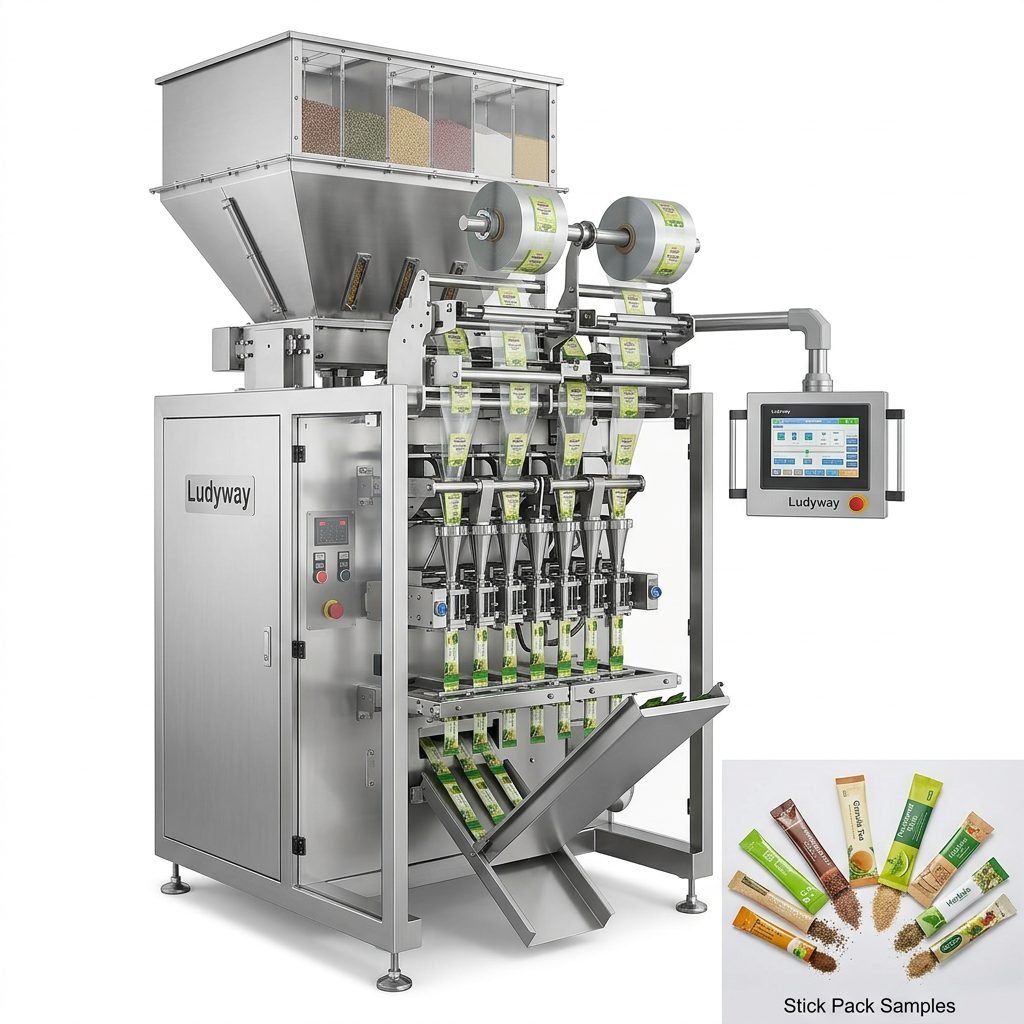
Selecting the right packaging machine supplier is a critical decision that directly impacts your production efficiency, product quality, and bottom line. With numerous companies claiming to offer the best solutions, navigating the market can be challenging. This guide will walk you through the essential factors to consider when choosing a packaging machine supplier for your production line, helping you make an informed decision that aligns with your operational goals and budget.
Key Takeaway: The ideal supplier is not just a vendor but a long-term partner who understands your industry, offers robust support, and provides scalable, reliable technology.
Core Capabilities of a Leading Packaging Machine Company
When evaluating potential suppliers, look beyond the sales pitch and assess their fundamental capabilities. A top-tier company should demonstrate excellence in several key areas.
1. Engineering Expertise and Innovation
The foundation of any great packaging machinery provider is deep engineering knowledge. Look for a company with a proven track record of innovation and problem-solving. For instance, Ludyway Packing Machine was founded by engineers focused on packaging technology and automation, which often translates to more practical, reliable machine designs. Companies that invest in R&D are better equipped to offer customized solutions and adapt to new packaging trends, such as sustainable materials or higher-speed requirements.
2. Manufacturing Quality and Scale
The quality of the manufacturing facility directly correlates with machine durability and performance. A supplier with a significant, modern production facility (think 20,000㎡ or more) typically has better control over quality assurance, supply chains, and production timelines. This scale allows for standardized processes that reduce defects and ensure consistency across every unit shipped.
3. Product Range and Specialization
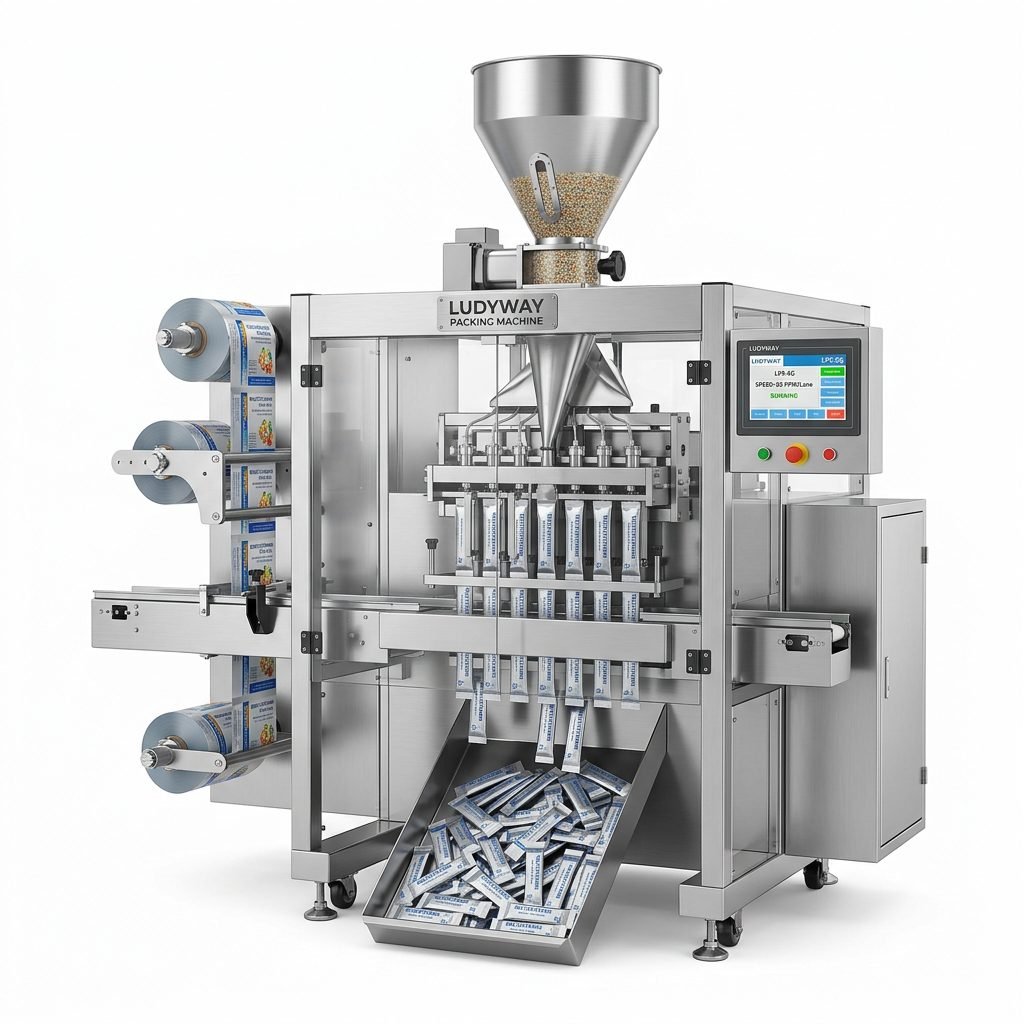
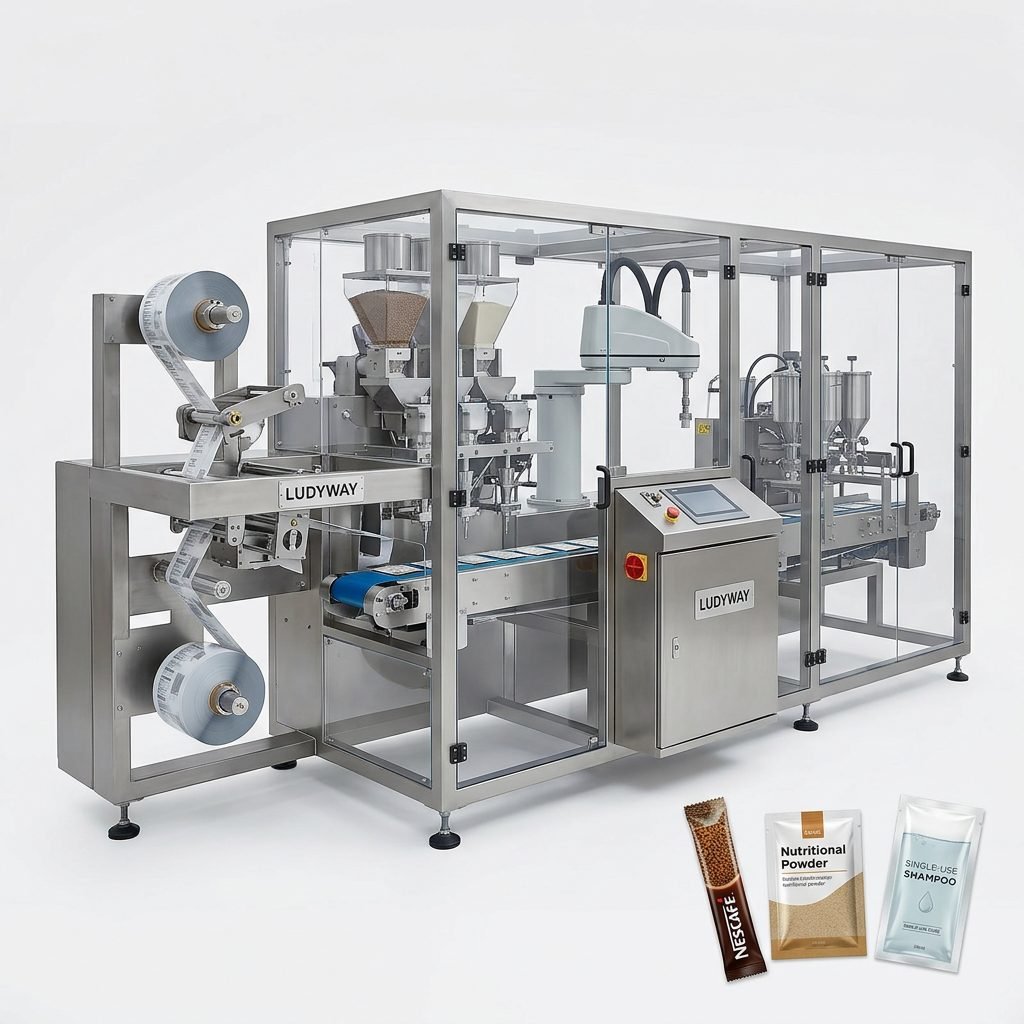
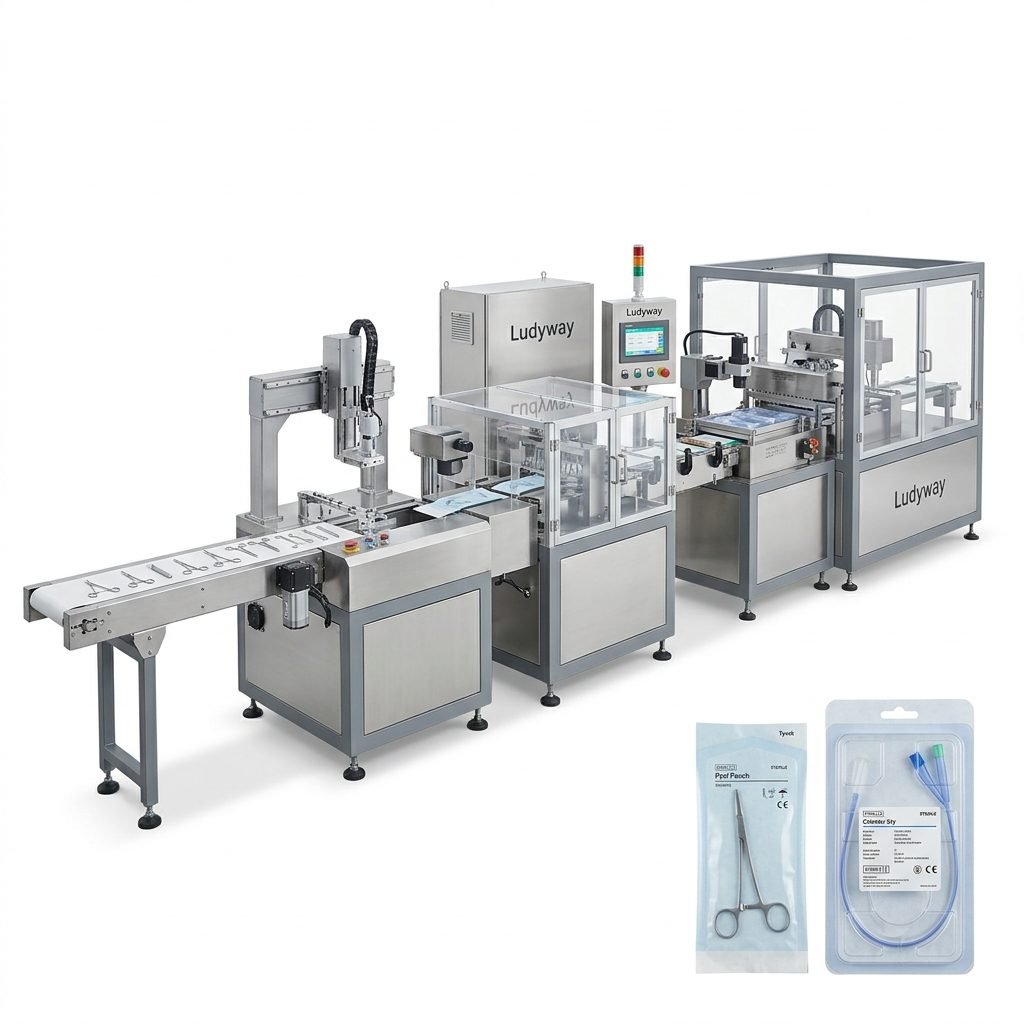
Does the company offer a comprehensive range of machines? A diverse portfolio—including sachet, stick pack, granule, powder, and liquid packaging systems—indicates broad expertise. More importantly, assess their specialization in your specific niche. A supplier deeply experienced in the stringent requirements of the pharmaceutical industry, for example, will be more adept at handling your needs than a generalist.
🔍 Due Diligence Checklist
Before committing, verify these points:
✅ Visit the factory (in-person or virtual) to audit build quality.
✅ Request a list of client references in your industry.
✅ Review certifications (ISO, CE, etc.) for compliance.
✅ Analyze the total cost of ownership, not just the purchase price.
How to Evaluate and Choose Your Supplier
The selection process should be systematic. Break it down into stages to thoroughly compare your options.
Stage 1: Define Your Technical & Operational Requirements
Clearly outline your needs: required speed (packs per minute), bag type, film material, product characteristics (hygroscopic, abrasive, etc.), desired automation level, and floor space. This clarity allows suppliers to provide accurate proposals and prevents you from paying for unnecessary features or receiving an underpowered machine.
Stage 2: Assess After-Sales Support and Global Service
Machinery will require maintenance. A supplier’s support structure is crucial. Inquire about:
- Warranty period and terms.
- Availability of spare parts inventory and delivery time.
- On-site vs. remote technical support capabilities.
- Training programs for your operators and maintenance staff.
A company like Ludyway Machinery, which serves a global customer base, must have a reliable international support network to ensure minimal downtime for clients worldwide.
Stage 3: Consider Project Execution and Customization
Can the supplier handle a turnkey project? If you need a complete production line integration, the supplier should have the project management experience to coordinate with other equipment vendors. Their ability to offer customized automation solutions is a strong indicator of technical depth and customer-centric approach.
Stage 4: Analyze Company Stability and Industry Experience
Longevity matters. A company with 30+ years of industry experience has likely weathered market cycles, understands long-term challenges, and has refined its products over time. This experience often translates into more reliable machines and wiser counsel for your packaging challenges.
The Role of a Supplier as a Strategic Partner
The best relationships evolve from transactional to strategic. A true partner invests in understanding your growth plans and helps you scale. They proactively suggest upgrades, inform you about new technologies, and provide insights from across their wide client base. This collaborative approach, focused on long-term cooperation and innovation, adds immense value beyond the initial sale.
For example, a partner will help you plan for future flexibility—perhaps designing a line that can easily switch between stick packs and sachets as your product line expands. This forward-thinking mindset is a hallmark of leading suppliers like Ludyway Packing Machine, which focuses on delivering tailored solutions for global production needs.
💡 Pro Tip: The Test Run
Always insist on a production test using your actual product and packaging materials at the supplier’s facility. This is the most reliable way to verify machine performance, speed, and output quality before installation.
Frequently Asked Questions (FAQs)
1. What is the most important factor when choosing a packaging machine supplier?
While price is a consideration, the most critical factor is the total value proposition, which combines machine reliability, after-sales support, technical expertise, and the supplier’s ability to act as a long-term partner for your evolving needs. A slightly higher initial investment in a reliable partner often results in lower total cost of ownership.
2. How can I verify a supplier’s claims about their experience and capabilities?
Request detailed case studies or project summaries. Ask for contact information of 3-5 references in your specific industry and region. A reputable supplier will readily provide this. Additionally, verify company history, certifications, and insist on a factory tour to see their manufacturing and quality control processes firsthand.
3. What should I look for in the warranty and service agreement?
Look for a comprehensive warranty that covers parts and labor for a reasonable period (often 12-24 months). Clarify response times for support requests, the process for ordering spare parts, and the cost structure for service after the warranty expires. Ensure the agreement includes proper training for your team.
4. Is customization always better than a standard machine?
Not necessarily. Standard machines are typically more cost-effective, have shorter lead times, and benefit from proven, tested designs. Customization is essential when your product, packaging format, or production process has unique requirements that standard machines cannot meet. A good supplier will advise you on the most efficient and economical path.
5. How do I prepare my facility for a new packaging line installation?
Your supplier should provide a detailed site preparation guide. Key steps usually include: ensuring adequate floor space and load capacity, providing the correct electrical supply (voltage, phase, amperage), installing necessary utilities (compressed air, dust extraction), and preparing a stable, level foundation. Clear communication with your supplier during the planning phase is vital.