Choosing the right produce packaging machine is a critical decision for any fresh fruit and vegetable business. The right equipment not only protects the quality and freshness of your products but also enhances efficiency, reduces waste, and strengthens your brand presentation on the shelf. With a vast array of technologies and configurations available, selecting the best system requires careful consideration of your specific produce, volume, and operational goals.
Understanding Your Packaging Needs
Before diving into machine specifications, a thorough assessment of your own requirements is essential. This foundational step will guide every subsequent choice.
Key Factors to Analyze:
→ Product Type & Sensitivity: Are you packing delicate berries, leafy greens, hard root vegetables, or pre-cut mixes? Each has different requirements for handling, weighing, and sealing.
→ Desired Package Format: Determine if you need flow wrap packs, pre-made pouches, clamshells, trays with film lidding, or net bags. The format dictates the machine type.
→ Production Speed & Volume: Calculate your required output (e.g., packs per minute) for both current needs and future growth. This directly impacts the automation level and investment.
→ Integration with Existing Lines: Consider how the new machine will connect to your current washing, sorting, or labeling processes for a smooth workflow.
Core Types of Produce Packaging Equipment
The market offers several primary machine categories, each suited for different applications. Understanding these will help narrow your search.
1. Vertical Form-Fill-Seal (VFFS) Machines
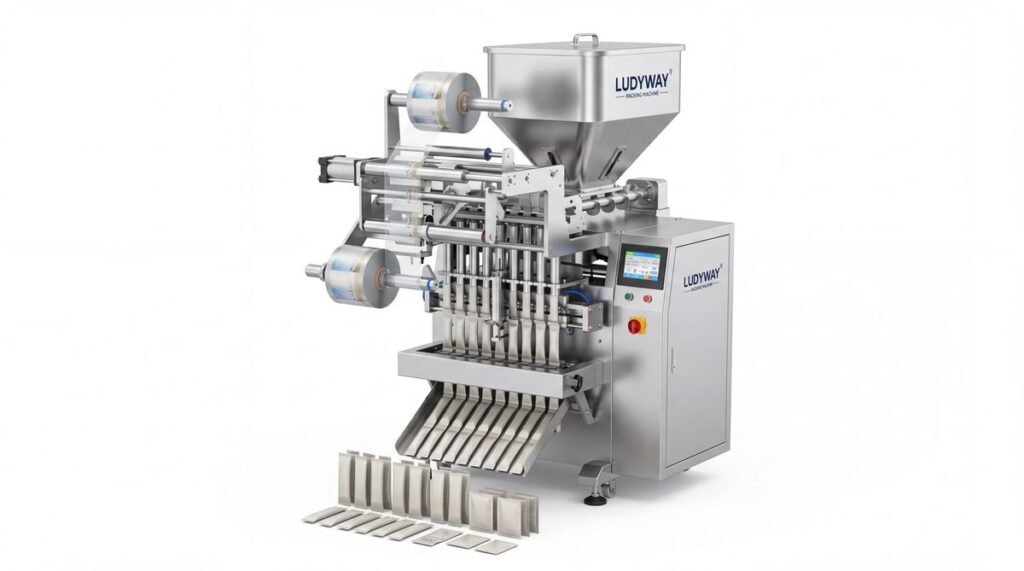
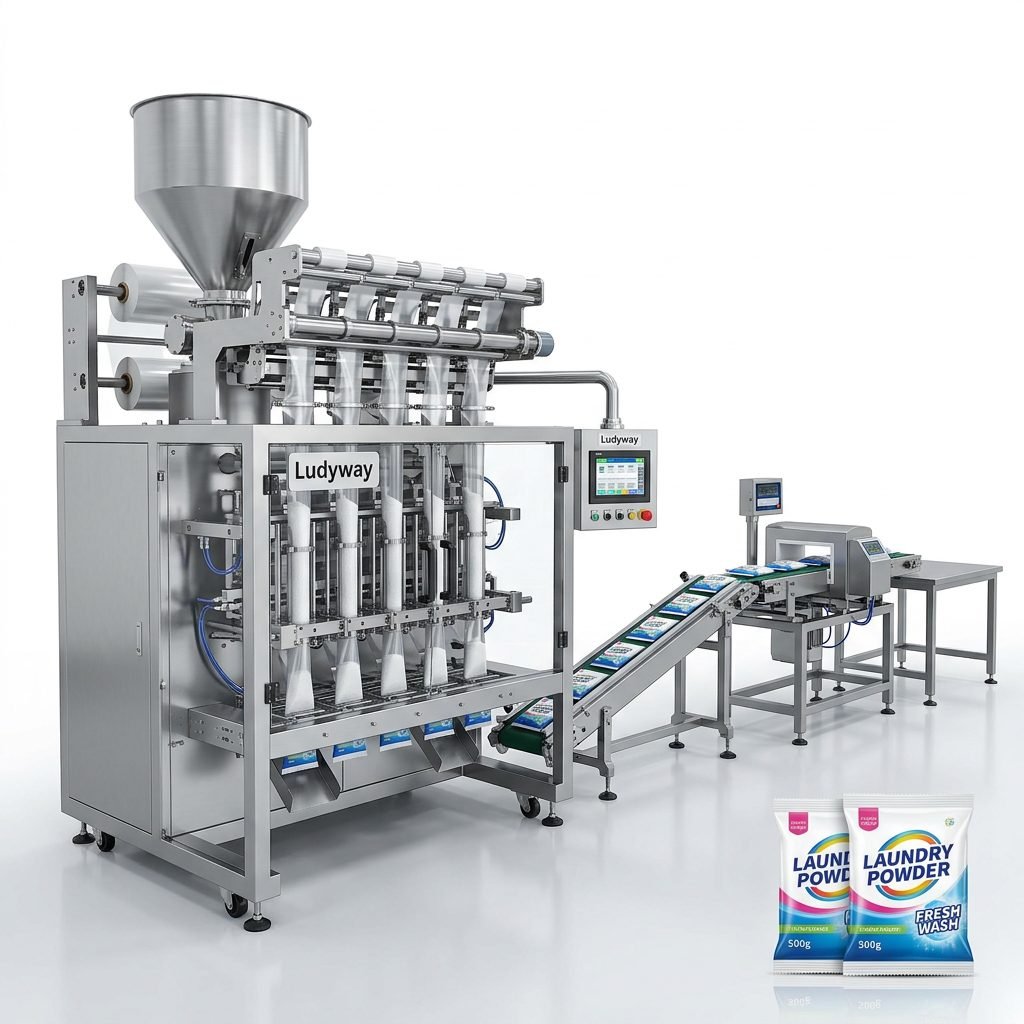
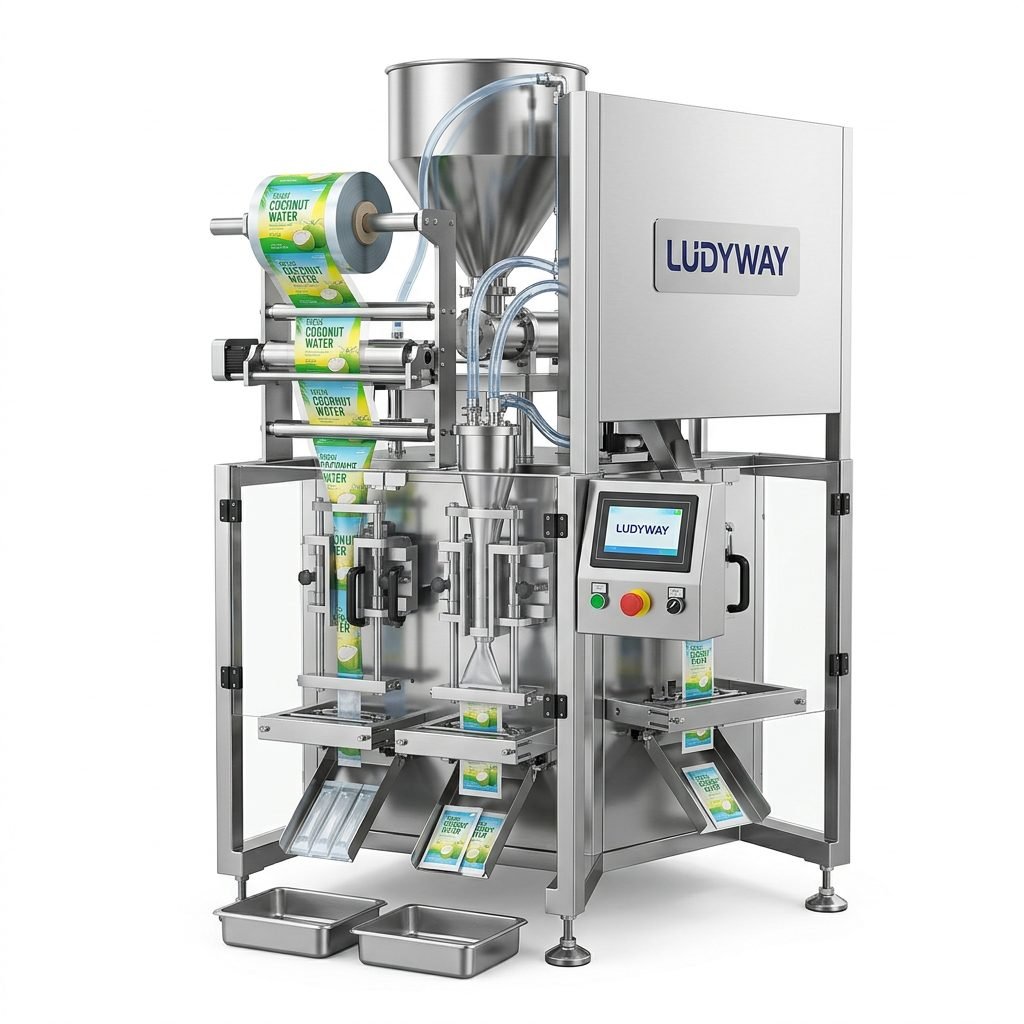
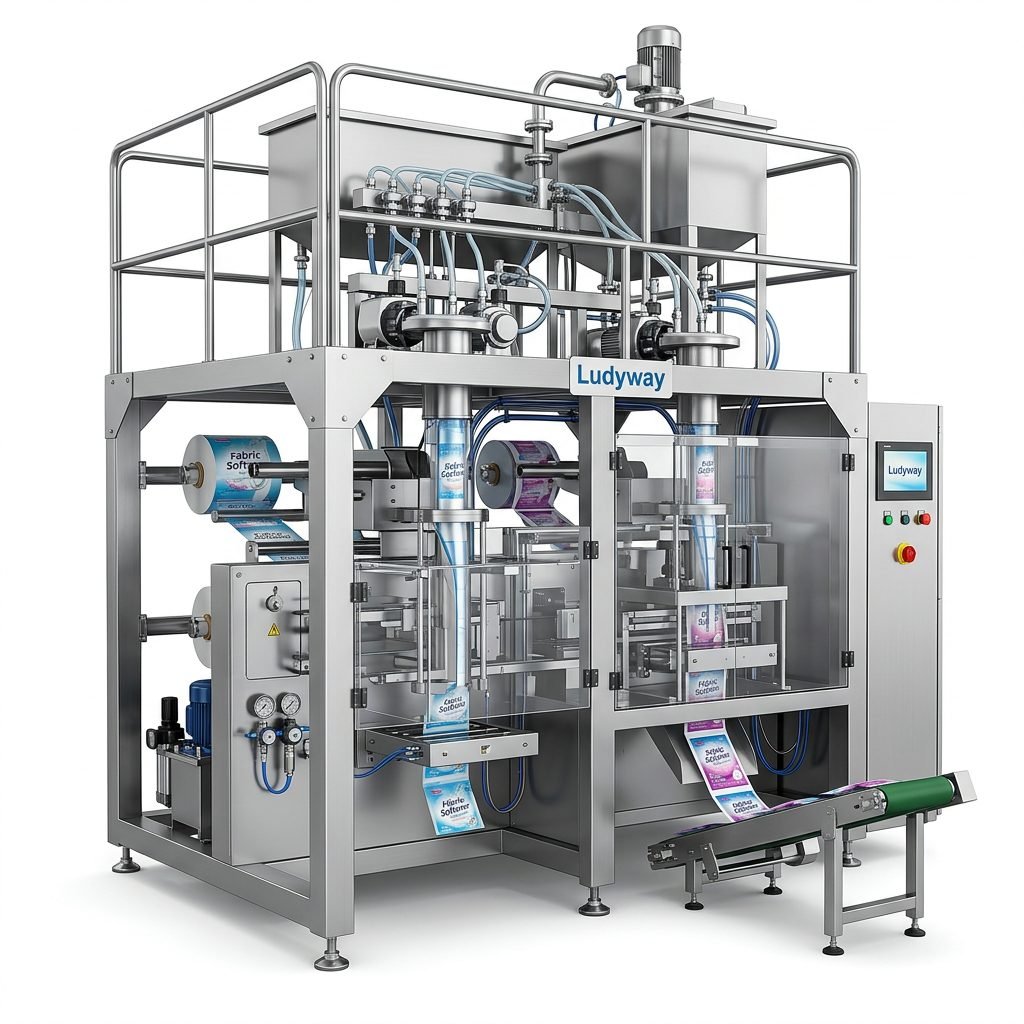
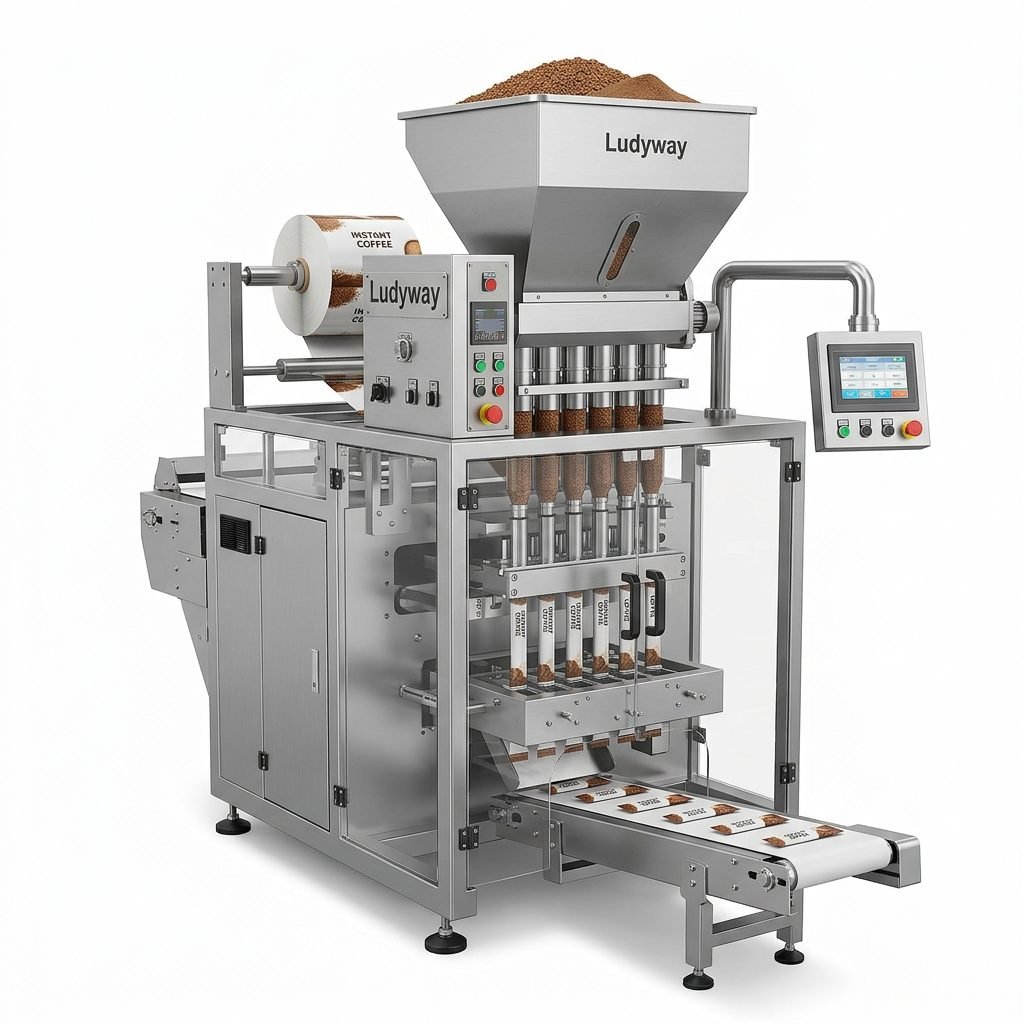
These versatile machines form packaging from a roll of film, fill it with product, and seal it in one continuous operation. They are ideal for loose produce like beans, baby carrots, or mixed vegetables where a flexible pouch is suitable. Modern VFFS systems can incorporate advanced multi-head weighers for high-speed, accurate portioning, which is crucial for cost control and compliance with net weight regulations.
2. Horizontal Flow Wrappers
Perfect for bundling multiple items or wrapping pre-positioned products on trays or in clamshells. They are commonly used for wrapping packs of cucumbers, zucchini, or pre-packed salad bowls. The machine wraps the product in a tight film, providing excellent visibility and a secure tamper-evident seal.
3. Tray Sealing & Lidding Machines
These systems automate the sealing of a breathable or modified atmosphere film over a pre-formed tray or clamshell. This method is superb for extending the shelf life of fresh-cut fruits, berries, and salads by controlling the internal gas environment. They are often paired with gas flushing systems.
4. Netting & Bagging Machines
Designed for products like onions, potatoes, citrus fruits, and some leafy greens. They use elastic netting or mesh bags to create a breathable package that allows for air circulation, reducing moisture buildup and spoilage while providing a rustic, natural look that appeals to certain markets.
Critical Features for Fresh Produce Applications
Beyond the machine type, specific features are non-negotiable for handling perishable goods effectively and safely.
Essential Performance & Hygiene Features:
Gentle Product Handling: Look for soft-drop mechanisms, vibration control, and low-friction surfaces to prevent bruising and damage to delicate fruits and vegetables.
Hygienic Design: The machine should have a smooth, stainless-steel construction in product contact zones, be easy to clean without tools, and have minimal crevices where soil or moisture can accumulate. This is vital for food safety standards.
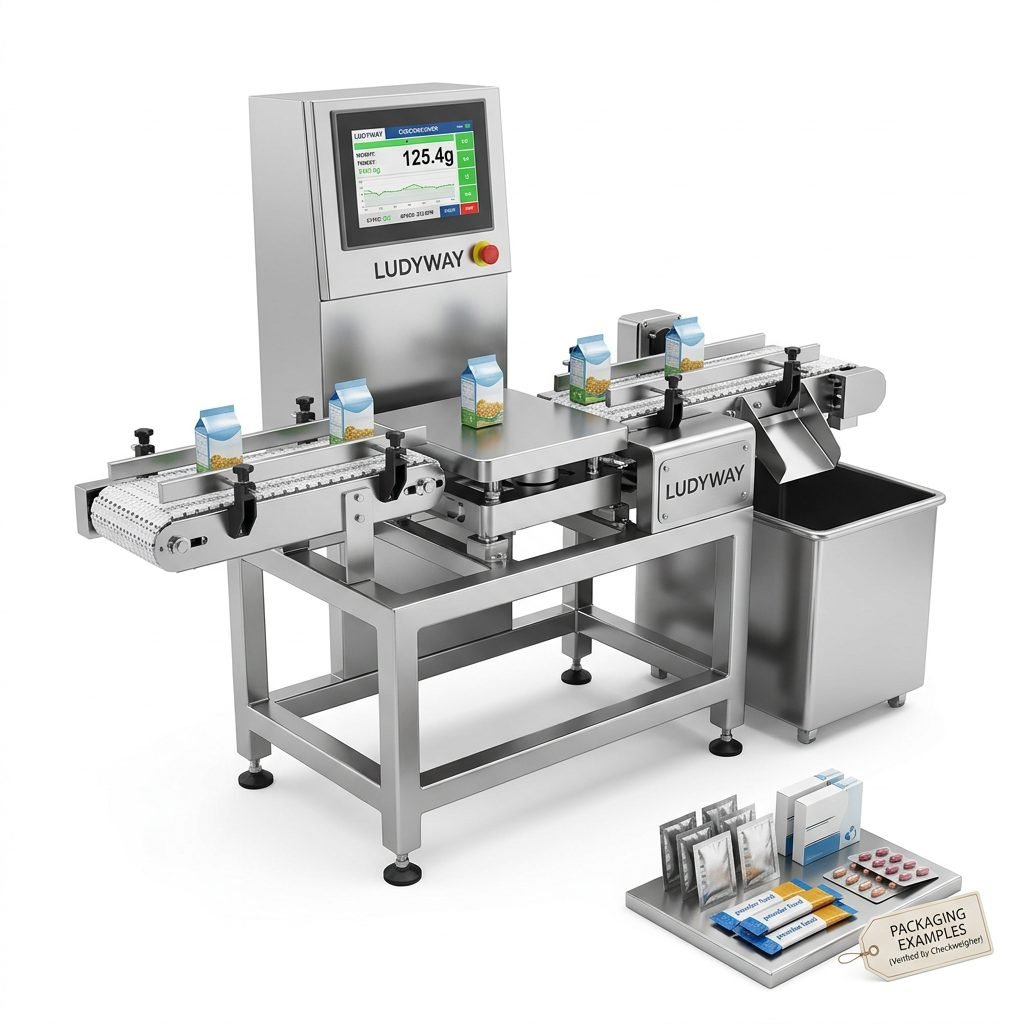
Weighing Accuracy: High-precision scales, whether integrated multi-head weighers or simple load cells, are mandatory to ensure consistent pack weight, minimize giveaways, and meet legal metrological requirements.
Seal Integrity: Consistent, strong seals are critical to maintain freshness and prevent leaks. Machines should offer precise temperature and pressure control for the sealing jaws.
Quick Changeover: The ability to switch between different product sizes or package formats rapidly is key for operations running multiple SKUs, maximizing uptime and flexibility.
Selecting a Reliable Equipment Partner
The manufacturer or supplier you choose is as important as the machine itself. A reliable partner ensures long-term success.
Look for a supplier with demonstrable experience in the fresh produce sector. They should understand the unique challenges of perishable goods. Evaluate their technical support structure—availability of spare parts, remote diagnostics, and on-site service is crucial to minimize downtime. Consider companies that offer comprehensive testing using your actual products before purchase. A supplier committed to innovation and customization will help you adapt to future trends and specific needs.
For instance, a brand like Ludyway Packing Machine brings over a decade of focused expertise in providing tailored packaging solutions. With a portfolio developed through strong engineering partnerships and a commitment to practical innovation, such partners can offer more than just a machine—they provide a solution aligned with your production goals and growth. You can learn more about their approach to reliable machinery on their company profile page.
Investment Considerations & Total Cost of Ownership
Look beyond the initial purchase price. The true cost includes operation, maintenance, and the machine’s impact on your overall business.
- Operational Efficiency: A faster, more reliable machine reduces labor costs per unit and increases overall output.
- Material Savings: Precise weighing and consistent sealing reduce product giveaway and packaging film waste.
- Energy Consumption: Modern, servo-driven machines are often more energy-efficient than older mechanical models.
- Maintenance & Downtime: Robustly built machines with good service support have lower long-term maintenance costs and less production loss.
- Scalability: Can the machine be upgraded or integrated into a larger automated line as your business grows?
Conclusion
Selecting the optimal produce packaging machine is a strategic investment that touches every aspect of your operation—from product quality and shelf life to brand perception and profitability. By meticulously defining your needs, understanding the core technologies, prioritizing essential features for freshness, and partnering with a knowledgeable and reliable equipment provider, you can make a confident choice. The right machine becomes a cornerstone of your business, enabling you to deliver fresh, appealing, and safely packaged fruits and vegetables to market efficiently and consistently. For a deeper look into how specialized engineering supports this process, exploring a supplier’s development history can be insightful.
Frequently Asked Questions (FAQs)
1. What is the most important feature in a machine for packing delicate berries?
The single most critical feature is gentle product handling. This includes soft-transfer systems, low-drop heights, and vibration-dampened conveyors to prevent bruising and damage that accelerates spoilage. Hygienic design for easy cleaning is equally vital.
2. Can one machine handle different types of produce and package sizes?
Many modern machines are designed for quick changeover. With interchangeable forming tools, adjustable sealing jaws, and programmable recipes, a single machine can often run multiple products. However, extremely different formats (e.g., switching from net bags to sealed trays) may require dedicated equipment.
3. How does packaging machinery help extend the shelf life of fresh-cut vegetables?
Specialized machines, like tray sealers, can integrate with Modified Atmosphere Packaging (MAP) systems. These systems flush the package with a specific gas mixture (e.g., low oxygen, high nitrogen) before sealing, significantly slowing down respiration and microbial growth to extend freshness.
4. What should I budget for beyond the machine’s purchase price?
Consider the Total Cost of Ownership (TCO): installation and commissioning, training for operators, annual maintenance contracts or spare parts, utilities (power, compressed air), and the ongoing cost of packaging materials (films, trays, labels).
5. How do I ensure the machine meets food safety regulations?
Choose equipment built with hygienic design principles: food-grade stainless steel, easy access for cleaning and inspection, and minimal ledges or dead spaces. Reputable suppliers will ensure their machines comply with relevant industry standards (e.g., USDA, FDA, EHEDG guidelines) for your target markets.