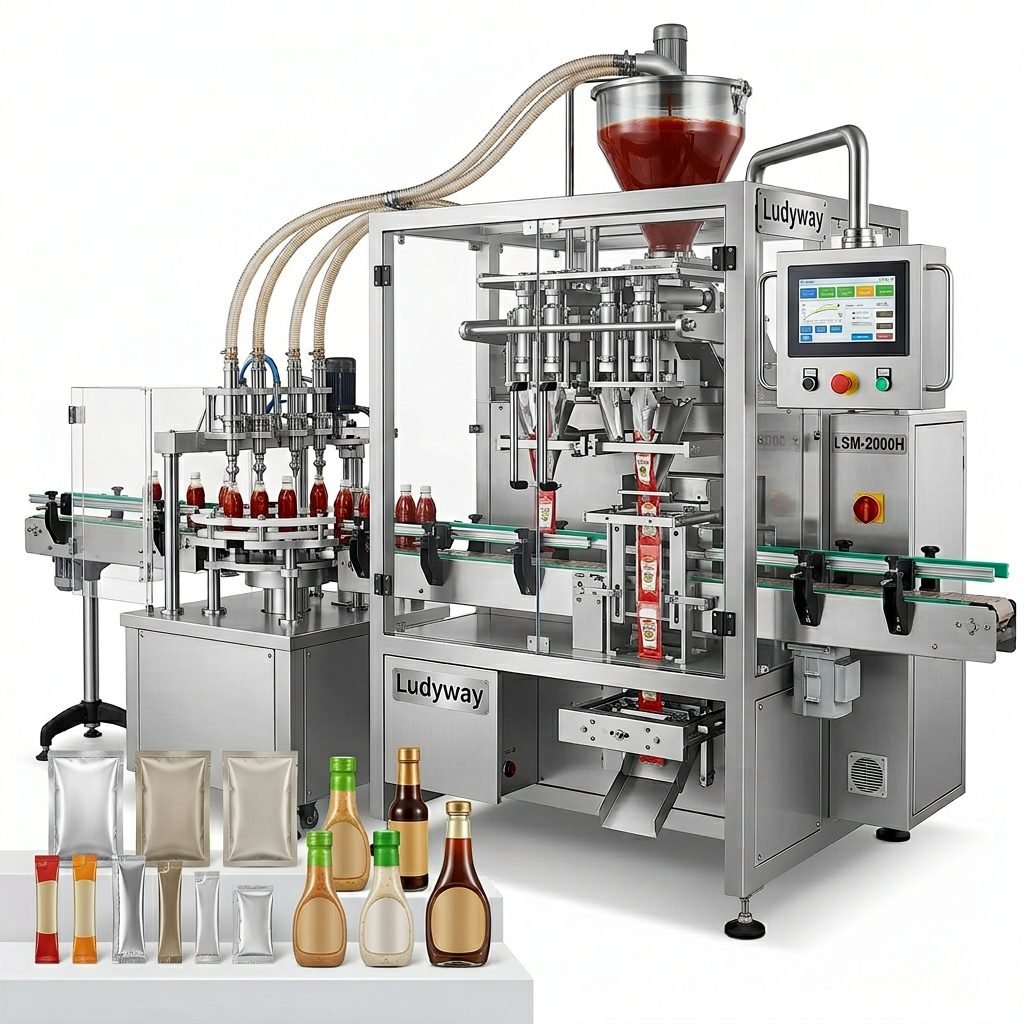
Selecting the right stand up pouch packaging machine is a critical decision that directly impacts your production efficiency, product quality, and overall operational costs. An automatic solution can streamline your packaging line, reduce labor dependency, and ensure consistent, high-quality output. However, with various models and configurations available, choosing the optimal machine requires careful consideration of your specific needs, product characteristics, and production goals.
Understanding Stand Up Pouch Packaging Automation
Stand up pouches, also known as Doypack bags, have become immensely popular across industries like food, pet food, pharmaceuticals, and chemicals due to their shelf appeal, durability, and convenience. An automatic stand up pouch packaging machine forms, fills, and seals these pouches in a continuous, high-speed operation. The core process typically involves:
- Film Unwinding & Forming: Roll stock film is fed into the machine and formed into a pouch shape.
- Bottom Sealing: The pouch’s gusseted bottom is created and sealed to allow it to stand upright.
- Product Filling: The pouch is filled with the precise amount of product—be it granules, powders, liquids, or solids.
- Top Sealing & Gas Flushing (optional): The pouch top is sealed, with options for gas flushing to extend shelf life.
- Discharge: Finished pouches are discharged for secondary packaging.
Key Benefit: Automation transforms this multi-step process into a seamless, high-output operation, minimizing human error and maximizing throughput. For businesses looking to scale, an automatic solution from a reliable supplier like Ludyway Machinery is essential for maintaining competitive advantage.
Critical Factors for Choosing Your Machine
Navigating the selection process involves evaluating several interconnected factors. A mismatch between your machine’s capabilities and your product’s requirements can lead to downtime, waste, and lost revenue.
1. Product Characteristics
Your product’s physical properties dictate the machine’s filling system and material handling features.
- Type: Is it a free-flowing granule, a fine powder prone to dust, a viscous liquid, or a solid piece?
- Aggressiveness: Does the product require food-grade, chemical-resistant, or heavy-duty contact parts?
- Dosing Accuracy: What is the required fill weight tolerance? Pharmaceutical applications demand much higher precision than, for instance, garden soil.
2. Production Requirements & Output
Clearly define your current and future production volumes to select a machine with appropriate speed and scalability.
- Speed (Pouches Per Minute): Match the machine’s maximum speed to your target output. Don’t overpay for excessive speed you won’t use, but allow for future growth.
- Uptime & Reliability: Investigate the machine’s build quality and mean time between failures (MTBF). A robust machine from an experienced manufacturer minimizes costly unplanned stops.
- Changeover Time: If you run multiple pouch sizes or products, quick-change features for forming tools and fillers are crucial for operational flexibility.
Pro Tip: Think Long-Term
Your packaging needs will evolve. Choose a machine and a partner capable of supporting that evolution. Consider options for future upgrades, such as adding a multi-lane sachet feeder for small-portion packs or integrating checkweighers and vision inspection systems downstream.
3. Pouch Specifications & Features
The machine must be compatible with your desired pouch design and functionality.
- Size Range: Minimum and maximum pouch dimensions (width, length, gusset).
- Film Material: Compatibility with laminates like PET/AL/PE, OPP/MPET/PE, or recyclable mono-materials.
- Special Features: Do you need a zipper, spout, tear notch, hang hole, or degassing valve? The machine must have the specific modules to create these features.
Types of Automatic Stand Up Pouch Machines
Understanding the main machine architectures will help narrow your search.
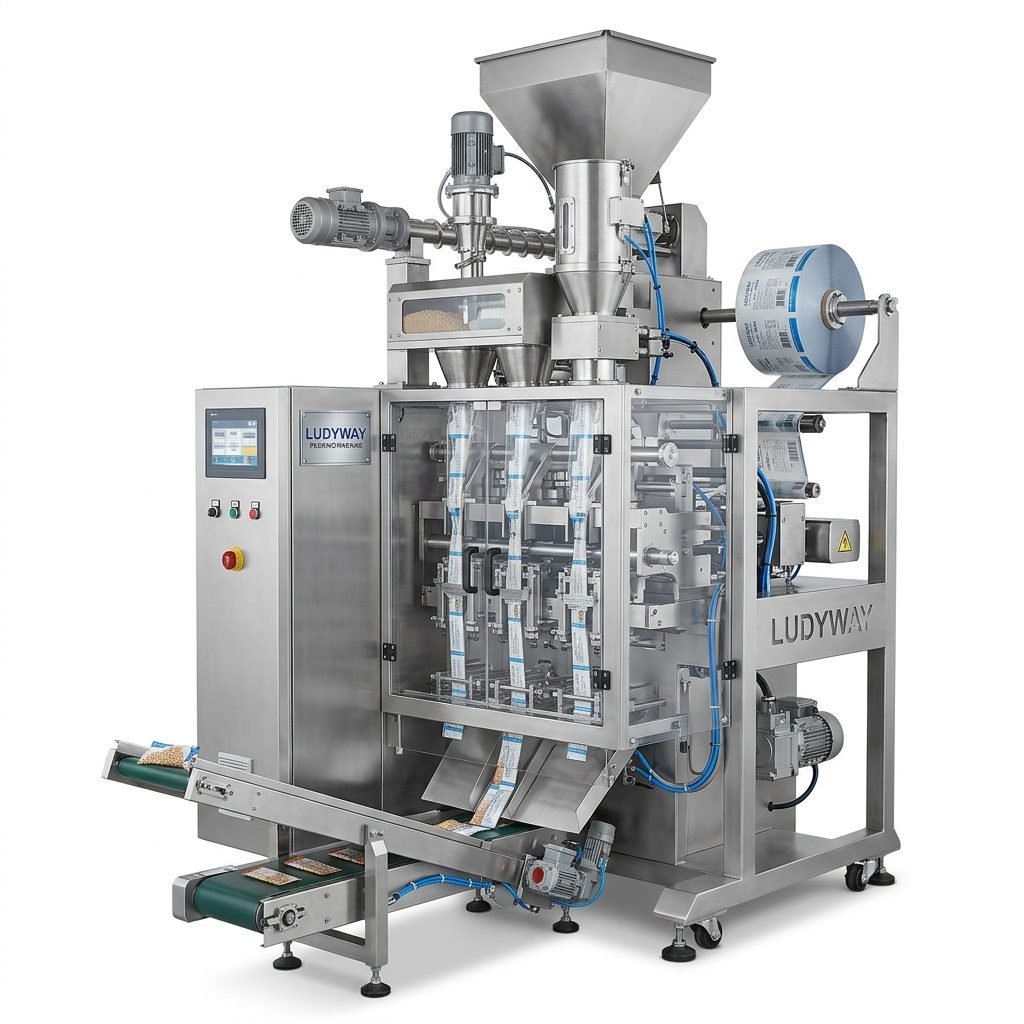
Vertical Form-Fill-Seal (VFFS) Machines
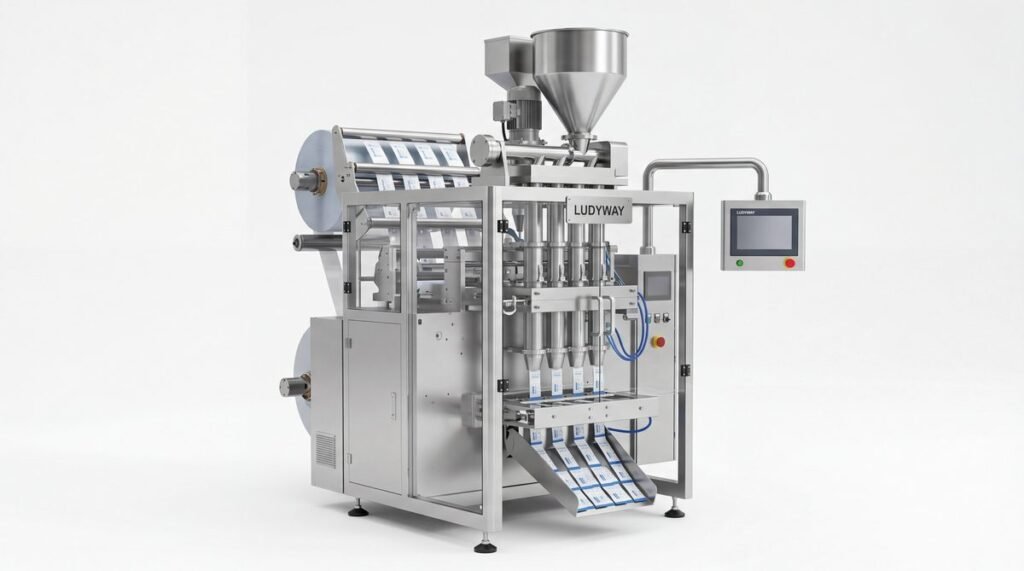
The most common and versatile type. Film is fed vertically, and pouches are formed, filled, and sealed sequentially in a single station. Ideal for a wide range of products from snacks to detergents. They offer excellent flexibility for size changes and are often the most cost-effective automatic solution.
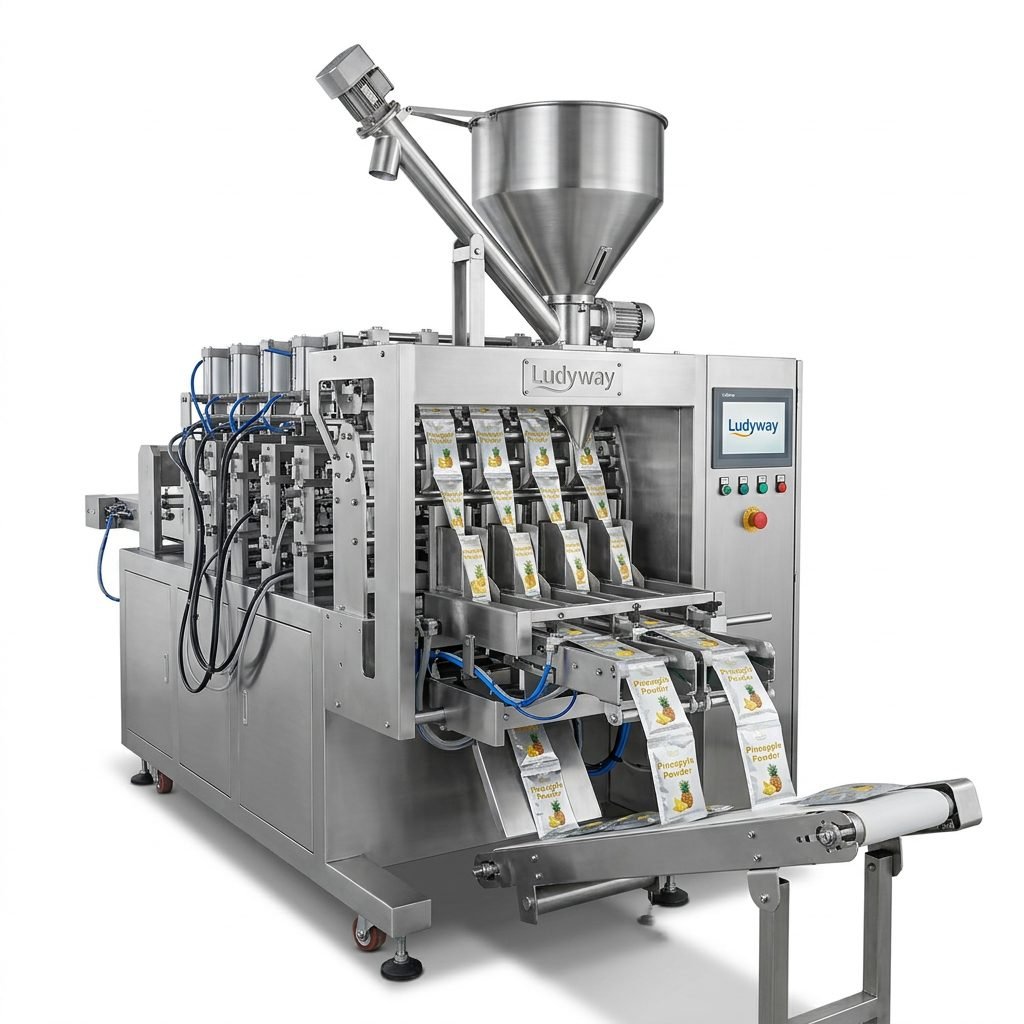
Horizontal Form-Fill-Seal (HFFS) Machines
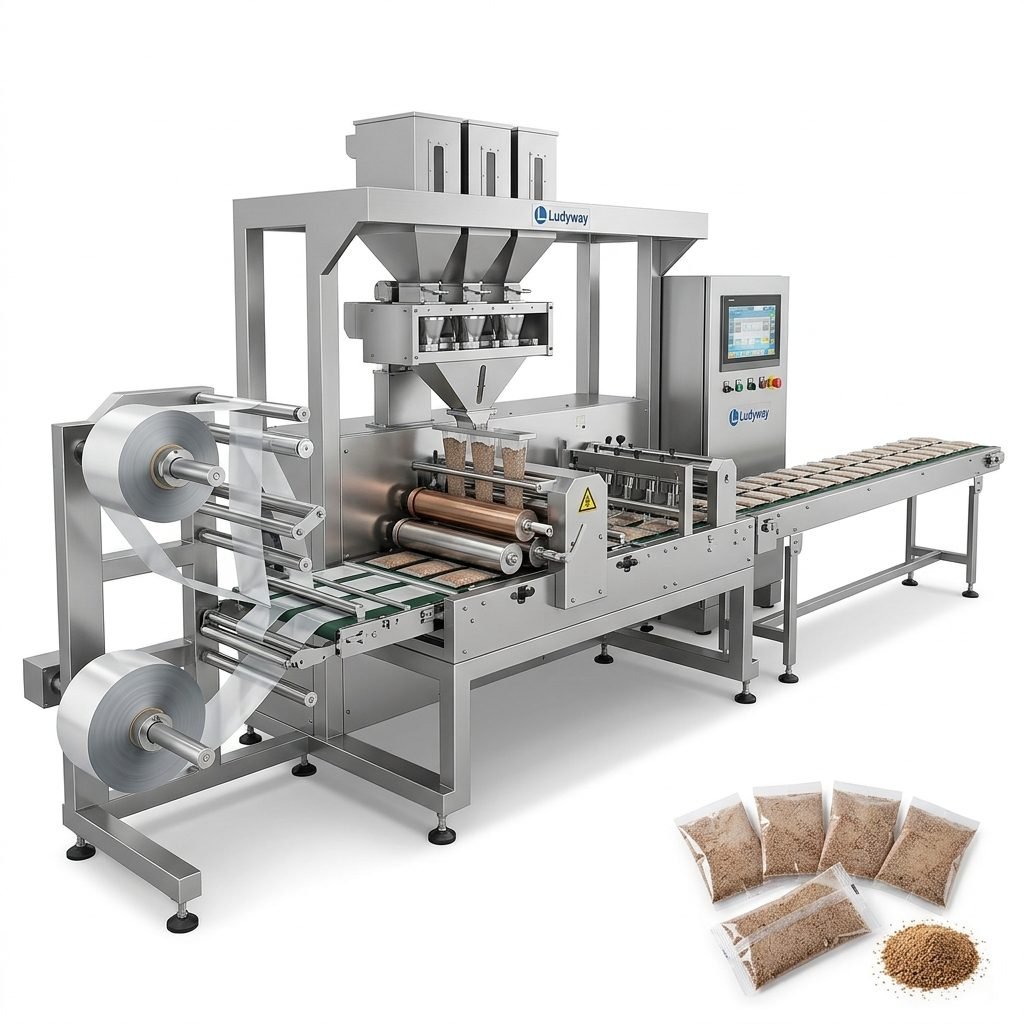
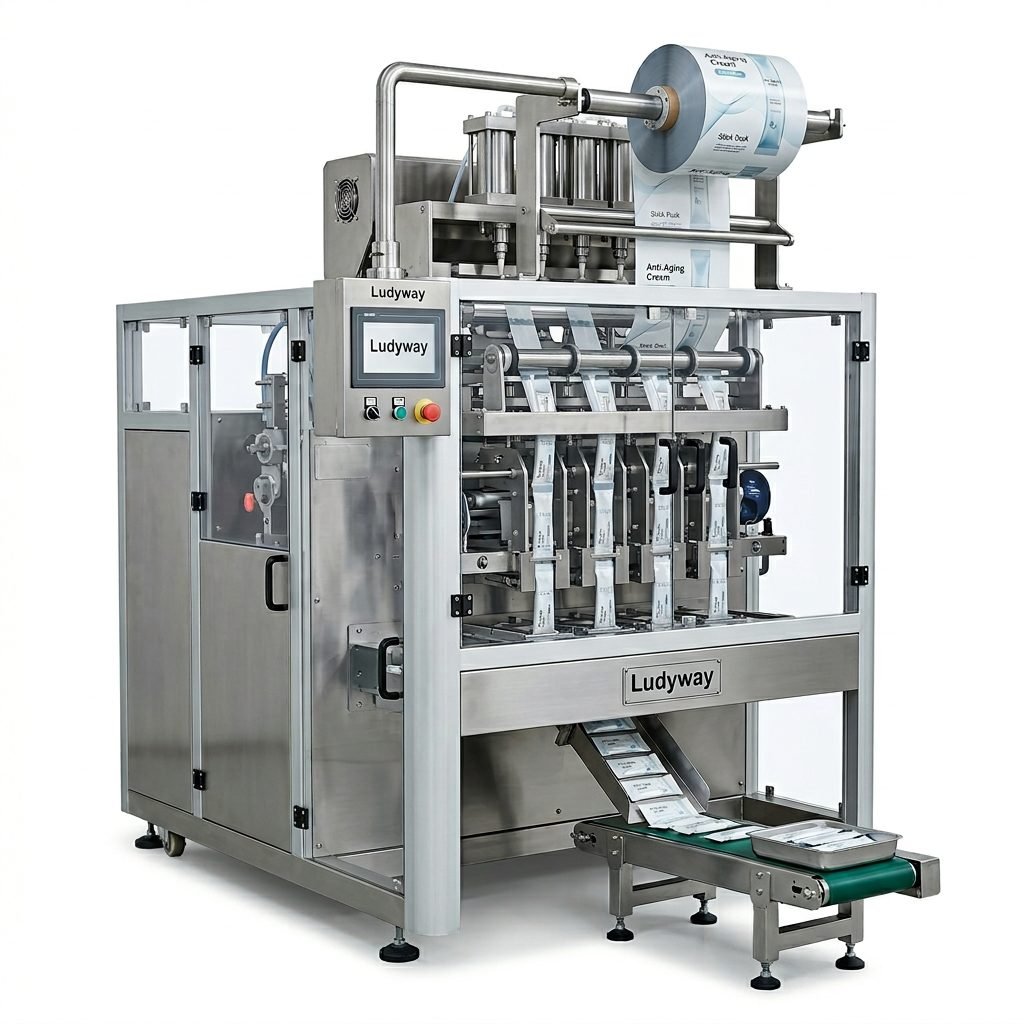
Film is fed horizontally. These machines are often used for more complex pouch shapes, multi-lane production of smaller pouches, or when placing rigid items into the pouch. They can be ideal for high-speed applications like stick pack production for sugar or instant coffee.
Vertical vs. Horizontal: The choice often comes down to product characteristics, desired pouch style, and production volume. A knowledgeable supplier with over 30 years of industry experience can guide you through this fundamental decision based on your unique application.
Integration and Support: The Make-or-Break Details
The machine itself is only part of the solution. Successful implementation depends on seamless integration and ongoing support.
Production Line Integration
Will the machine stand alone, or does it need to connect to upstream feeders (like a volumetric cup filler for granules) and downstream equipment (like a cartoner or case packer)? Ensure your supplier can provide or interface with ancillary equipment for a complete turnkey production line.
Supplier Expertise & After-Sales Service
Partner with a supplier who acts as a long-term solutions provider, not just a equipment vendor. Key considerations include:
- Technical Support: Availability of remote diagnostics, on-site engineers, and a comprehensive spare parts inventory.
- Training: Thorough operational and maintenance training for your team is essential for maximizing machine performance and lifespan.
- Customization Capability: Can the machine be tailored to handle your specific product or pouch design? A partner with strong engineering resources is vital for non-standard applications.
Conclusion: Making an Informed Investment
Choosing the right automatic stand up pouch packaging machine is a strategic investment. By methodically assessing your product, output needs, pouch specifications, and the capabilities of potential suppliers, you can select a solution that delivers reliability, efficiency, and a strong return on investment. Prioritize partners with proven expertise, robust service networks, and a commitment to innovation, ensuring your packaging line remains productive and competitive for years to come.
Frequently Asked Questions (FAQs)
1. What is the typical speed range of an automatic stand up pouch machine?
Speeds vary widely based on pouch size, product, and machine type. Common ranges are from 30 to 120 pouches per minute (PPM) for standard vertical machines, with high-speed horizontal models for small pouches exceeding 200 PPM. The key is to determine your required output and choose a machine that can consistently achieve it with high efficiency.
2. Can one machine handle both granules and powders?
Many machines can be configured with different filling systems. However, switching between vastly different product types like granules and fine powders often requires a change of the filling head and potentially different auger or funnel designs. It’s crucial to discuss all intended products with your supplier to ensure the machine can be easily adapted or if a dedicated system is more efficient.
3. How important is gas flushing (modified atmosphere packaging) capability?
Gas flushing replaces oxygen inside the pouch with nitrogen or another gas mixture to dramatically extend the shelf life of oxygen-sensitive products like coffee, nuts, cured meats, and sliced fruits. If shelf-life extension is a key goal for your product, specifying a machine with an integrated, precision gas flushing system is critical.
4. What is the lead time for a custom-configured automatic packaging line?
Lead times depend on the machine’s complexity and customization level. For a standard model from stock, it could be a few weeks. For a fully custom turnkey line with integration, expect 3 to 6 months or more. An experienced supplier like Ludyway Machinery, with in-house manufacturing facilities, can often provide more accurate and reliable delivery schedules.
5. What kind of maintenance does an automatic pouch machine require?
Regular preventive maintenance is essential. This typically includes daily cleaning, lubrication of moving parts as per the manual, inspection of seals and heaters, and periodic replacement of wear parts like sealing jaws or cutting blades. A good supplier will provide a detailed maintenance schedule and training to help your team prevent unexpected breakdowns.