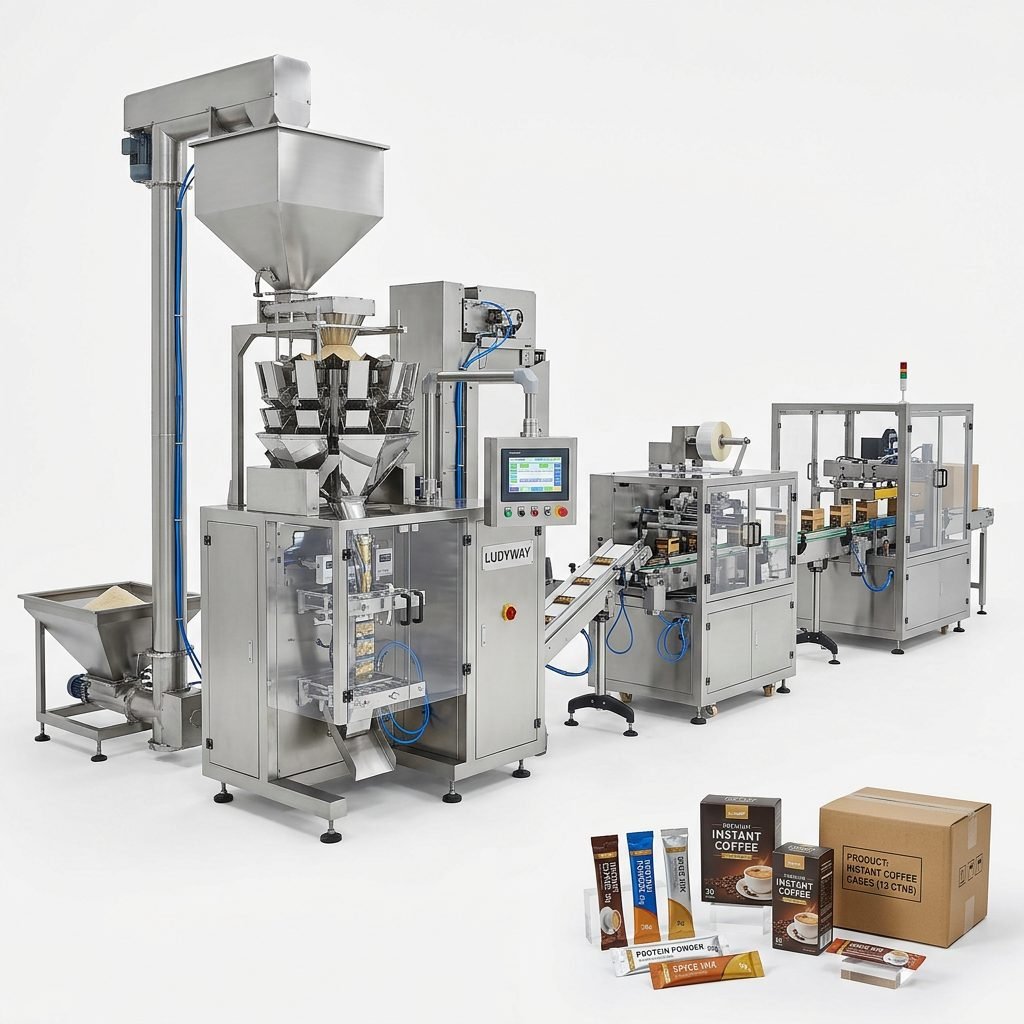
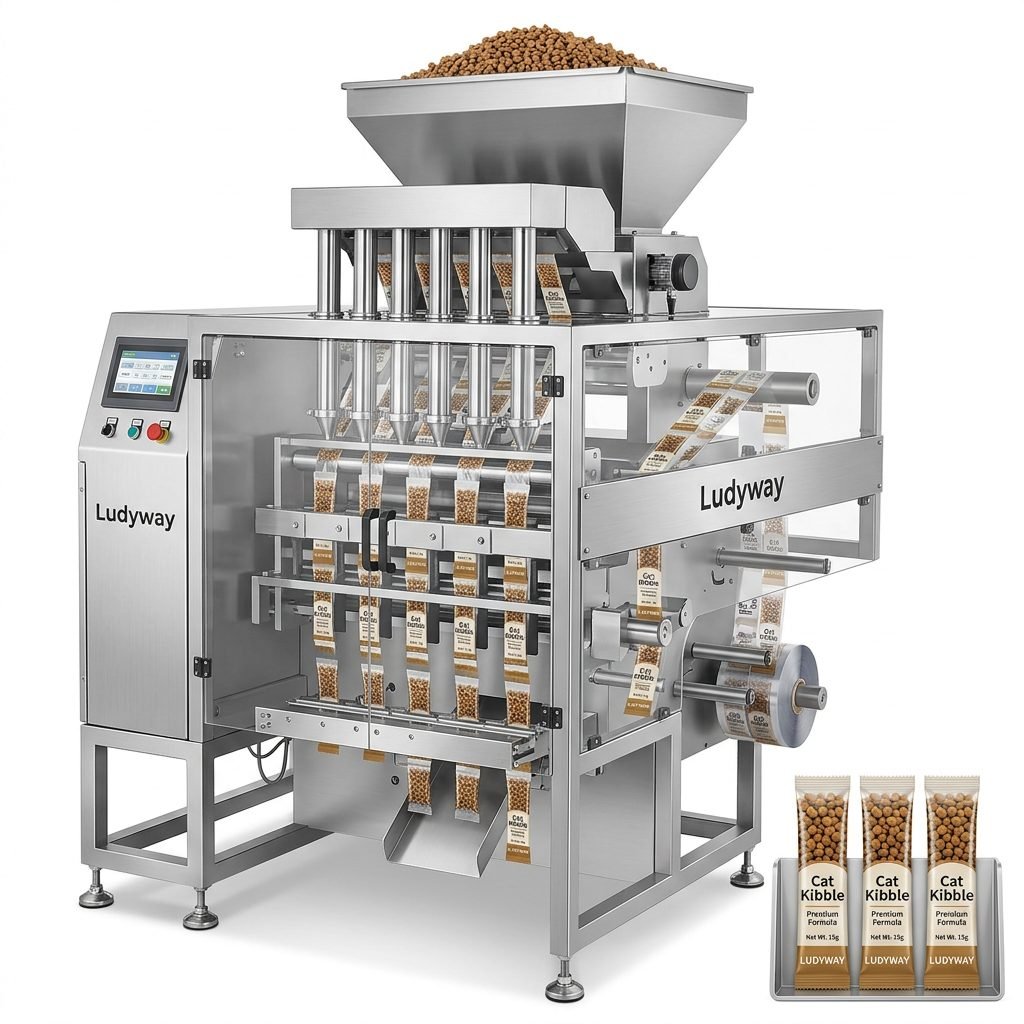
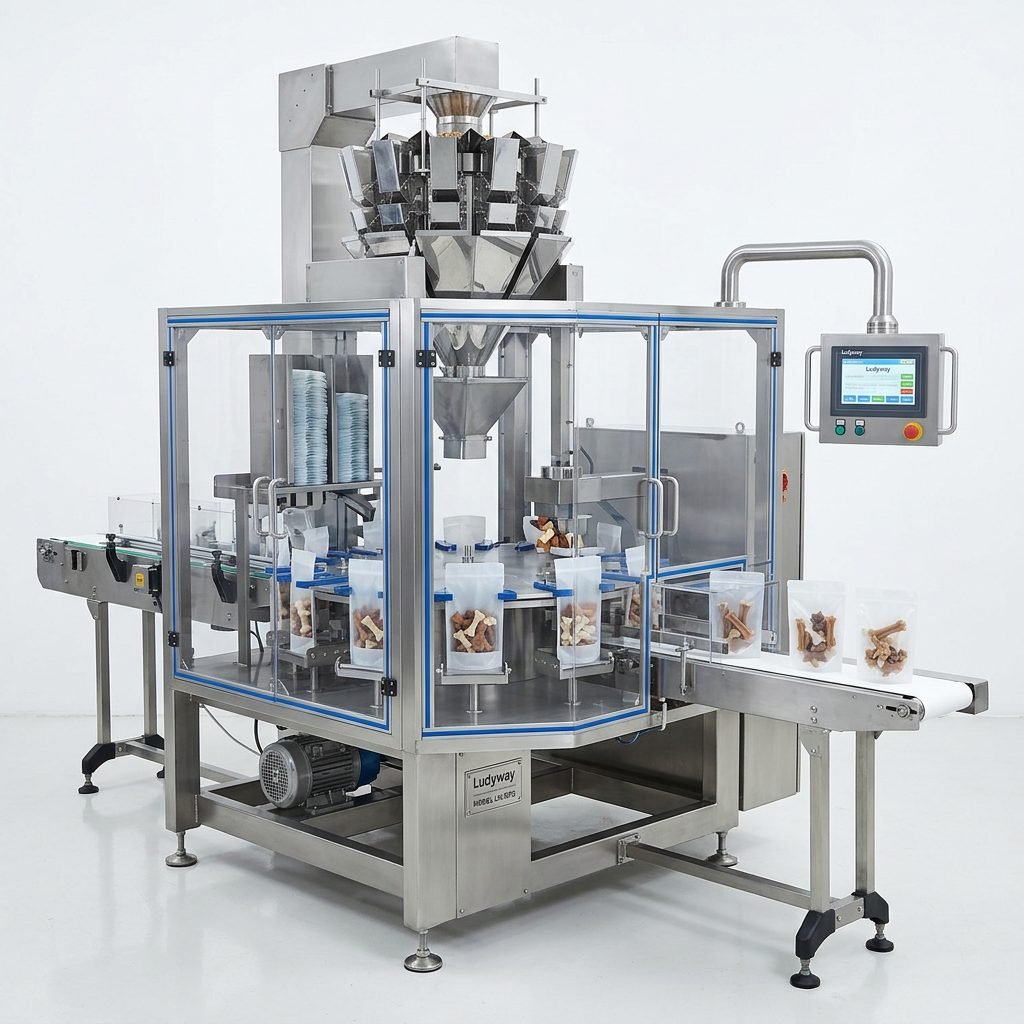
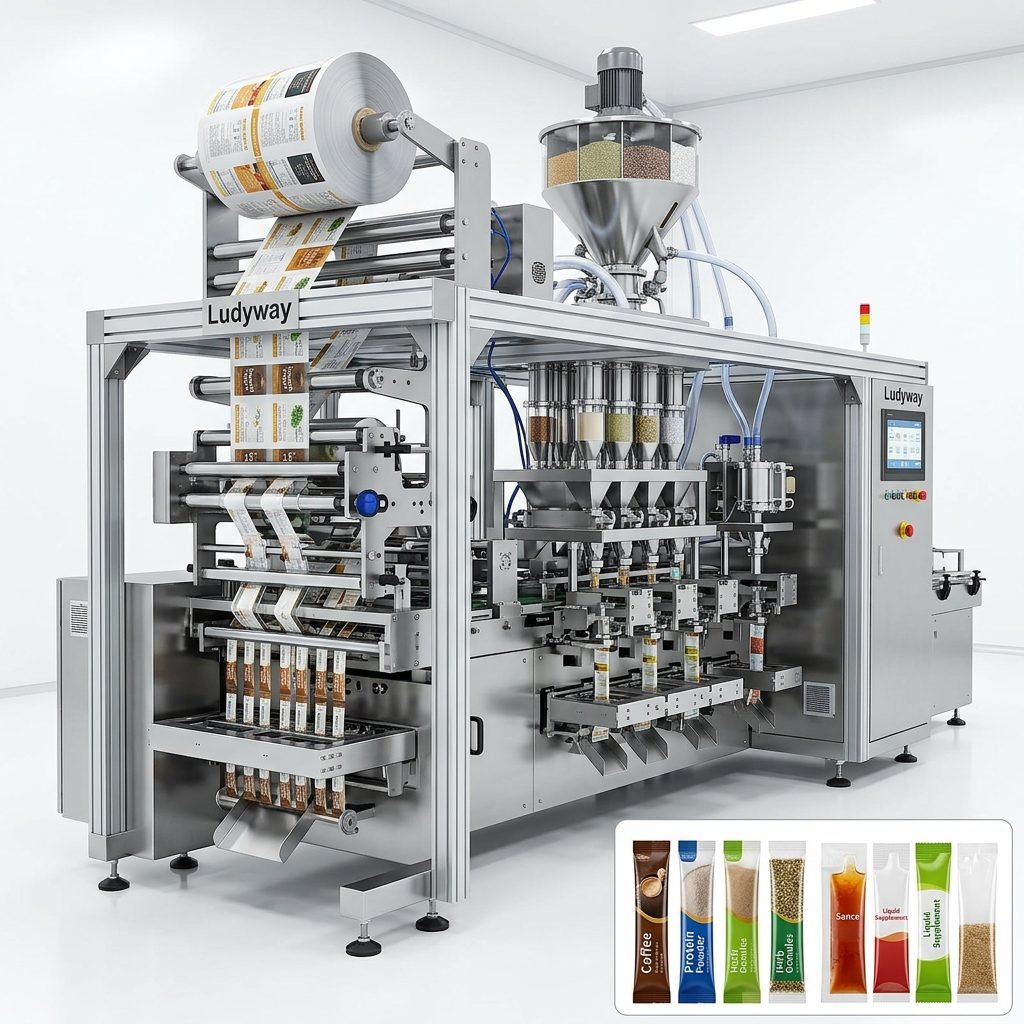
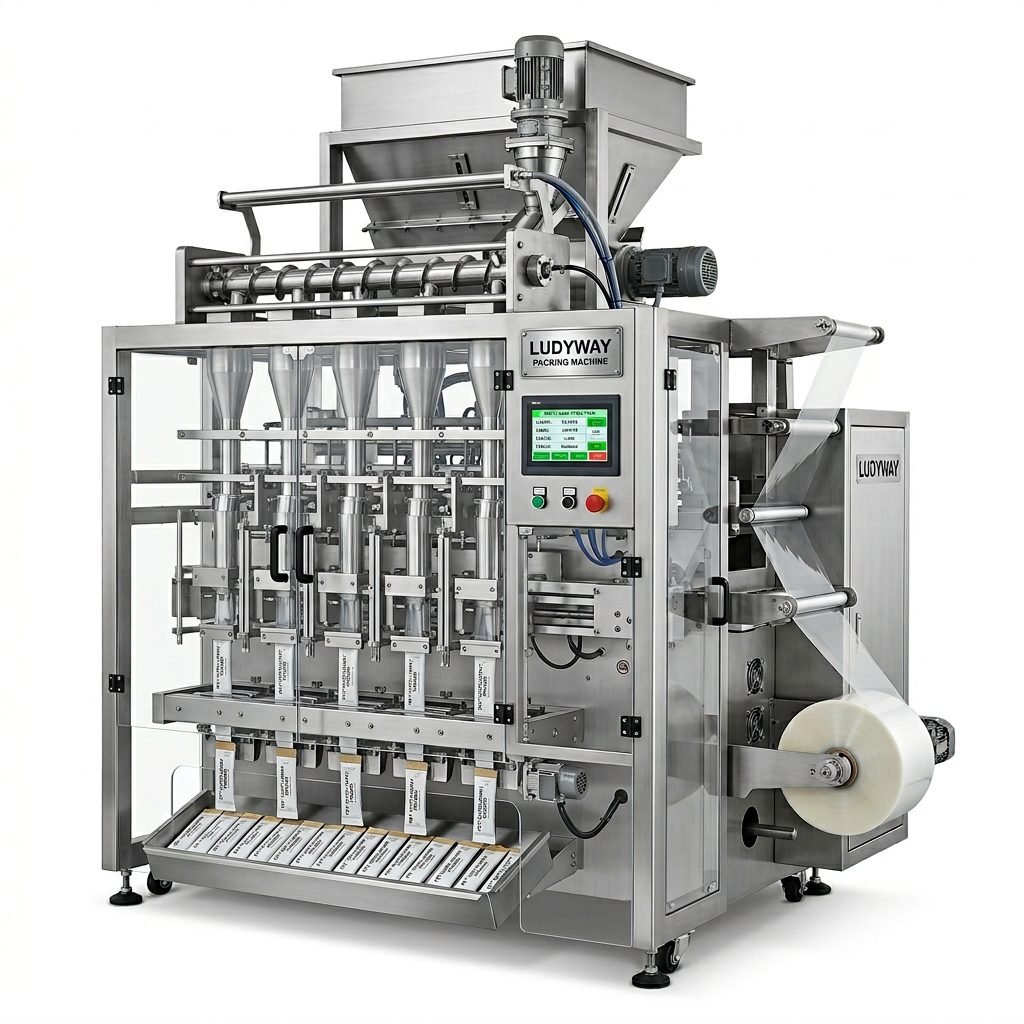
Packaging machinery manufacturing is a cornerstone of modern industrial production, enabling the efficient, safe, and consistent packaging of goods across countless sectors. This complete guide delves into the intricate production processes, explores the diverse types of machinery available, and examines key industry applications that drive global supply chains.
Core Production Processes in Packaging Machinery Manufacturing
The journey from a conceptual design to a fully operational packaging machine involves a series of meticulous and interconnected stages. Understanding these processes is key to appreciating the engineering behind reliable equipment.
1. Design & Engineering
This initial phase is where innovation takes shape. Engineers utilize Computer-Aided Design (CAD) and simulation software to create detailed 3D models. This stage focuses on defining the machine’s mechanics, control systems, material compatibility, and safety features. Design for manufacturability and ease of maintenance are paramount considerations from the very beginning.
2. Precision Machining & Fabrication
High-quality components form the backbone of any durable machine. This process involves:
- CNC Machining: For producing high-tolerance parts like gears, shafts, and frames.
- Laser Cutting & Welding: Used for creating precise structural elements and enclosures from stainless steel or other alloys.
- Sheet Metal Fabrication: To form guards, covers, and machine housings.
3. Assembly & Integration
Skilled technicians assemble thousands of components into functional modules and, ultimately, a complete machine. This phase integrates mechanical systems, pneumatic or hydraulic circuits, electrical wiring, and the Programmable Logic Controller (PLC) brain that orchestrates all operations. Precision alignment is critical for smooth performance.
4. Software Programming & HMI Setup
Modern packaging machines are driven by sophisticated software. Programmers develop the logic that controls every sequence—from film feeding and product dosing to sealing and cutting. The Human-Machine Interface (HMI) is configured to be intuitive, allowing operators to easily set parameters, monitor performance, and diagnose issues.
5. Rigorous Testing & Quality Assurance
Before shipment, every machine undergoes exhaustive testing. This includes:
✓ Dry-Run Testing: Checking all mechanical and electrical functions without product.
✓ Production Simulation: Running the machine with actual packaging materials and dummy product at rated speed.
✓ Safety & Compliance Checks: Ensuring the machine meets all relevant international safety standards (e.g., CE, UL).
Major Types of Packaging Machinery
The packaging machinery landscape is vast, with specialized equipment designed for specific functions, formats, and products.
Filling & Dosing Machines
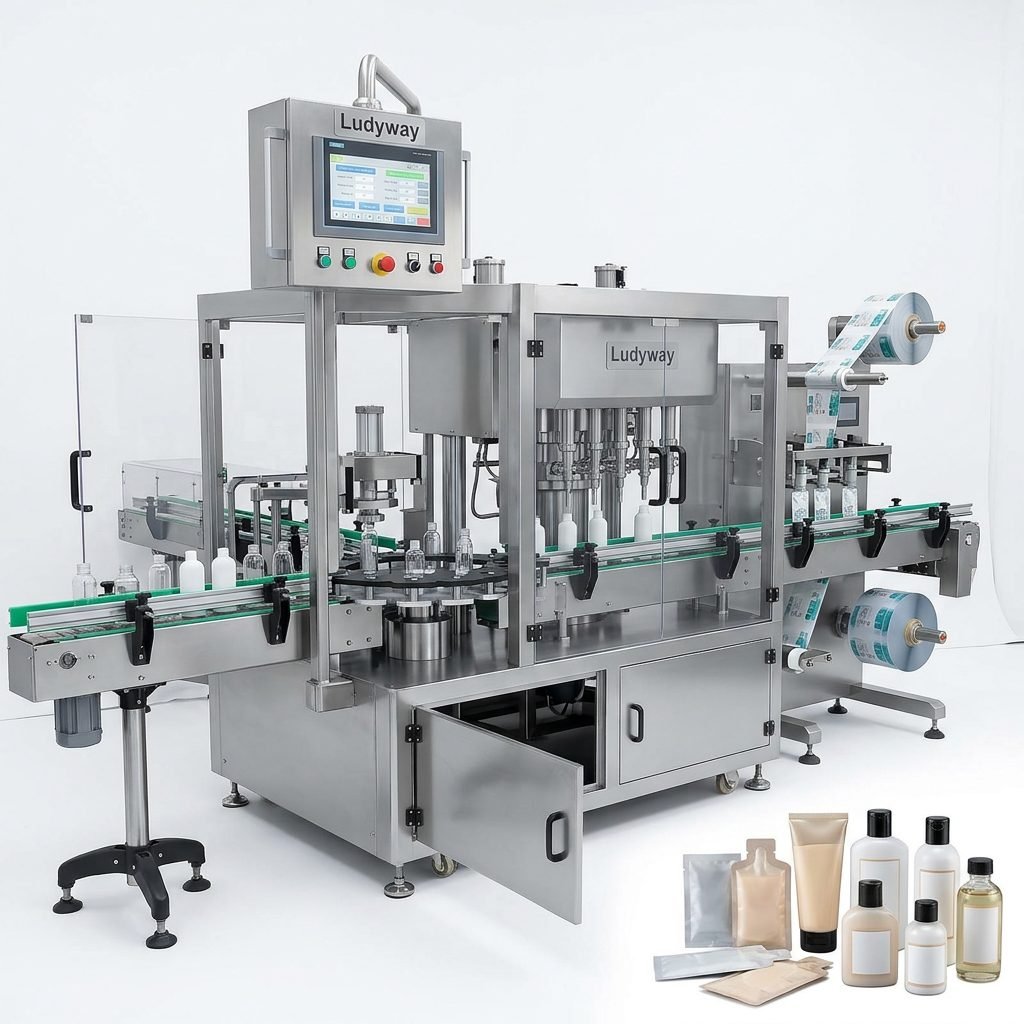
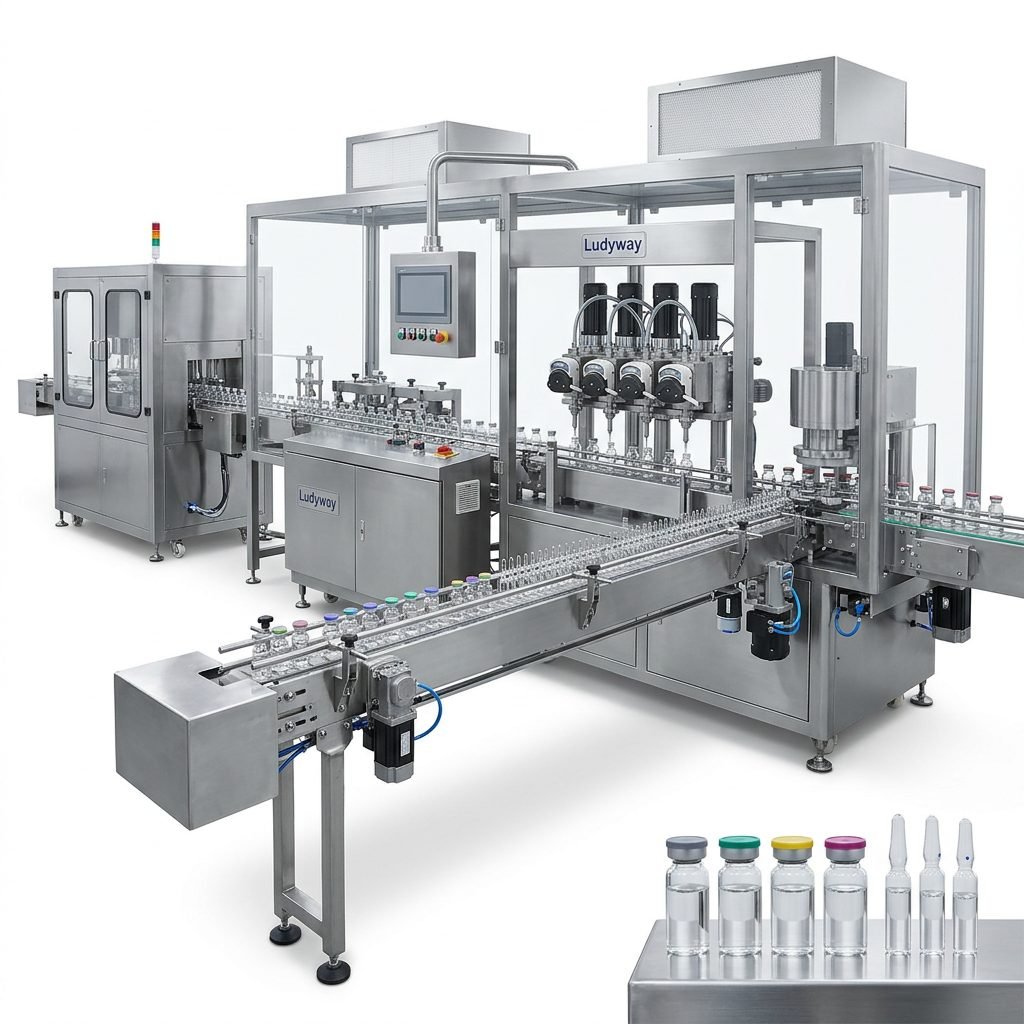
These machines accurately measure and deposit product into containers or pouches. Technology varies by product type:
• Volumetric Fillers: Use cups or augers for granules and powders.
• Liquid Fillers: Employ piston, gravity, or pressure-based systems.
• Net Weight Fillers: Utilize scales for ultra-high precision, essential for expensive products.
Form-Fill-Seal (FFS) Machines
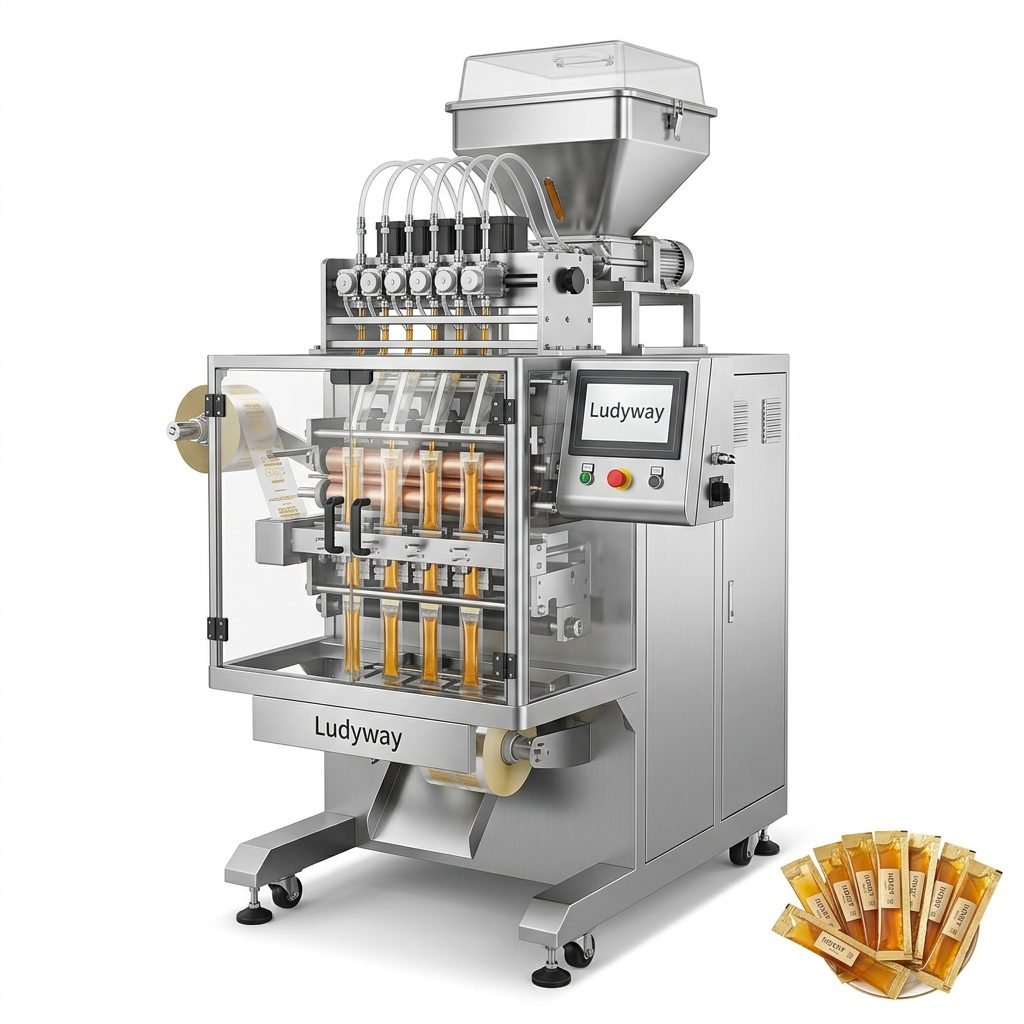
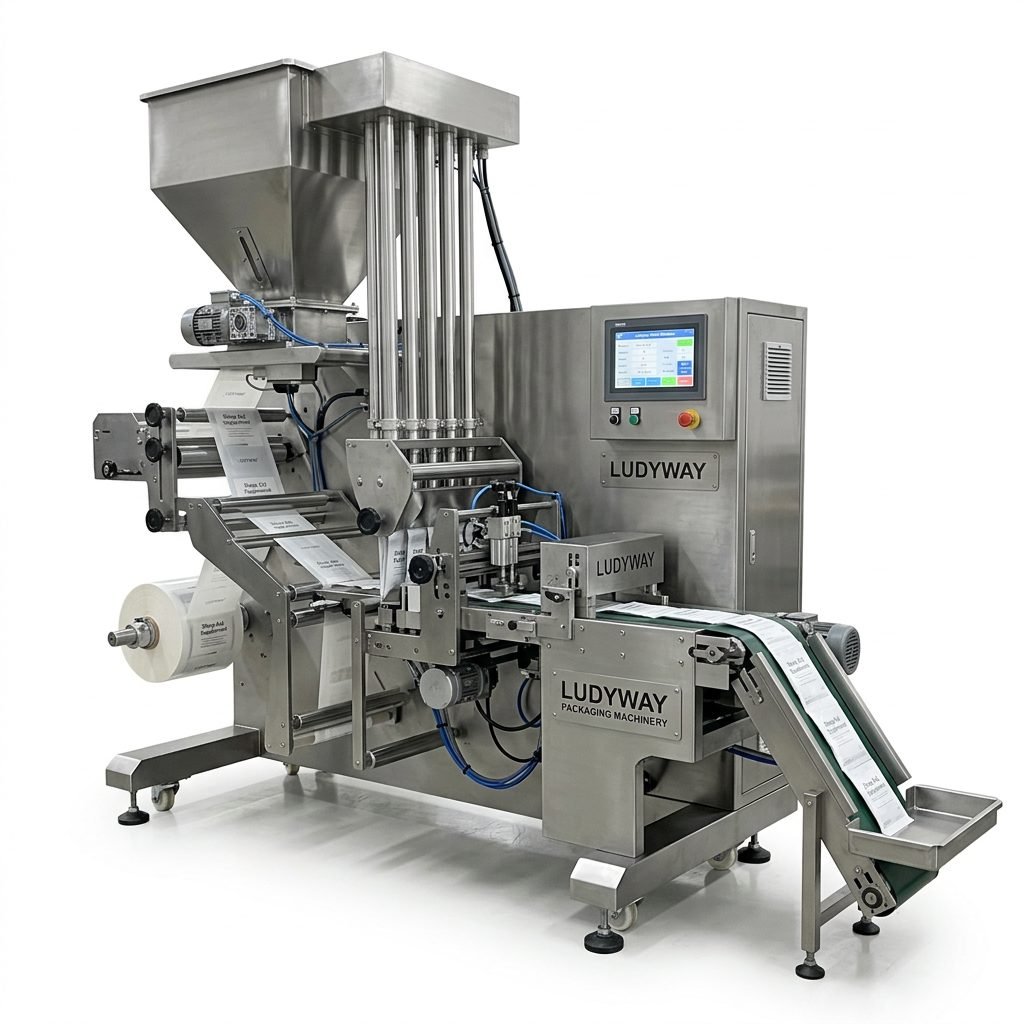
The workhorses of flexible packaging. They form a pouch from a roll of film, fill it with product, and seal it—all in one continuous operation. Common variants include:
- Vertical Form-Fill-Seal (VFFS): Ideal for free-flowing products like snacks, powders, and granules.
- Horizontal Form-Fill-Seal (HFFS): Often used for items like candy bars, biscuits, or medical devices that require specific placement.
Sealing & Closing Machinery
This category ensures the package is securely closed. Examples include induction sealers for bottle liners, cappers for screw caps, and heat sealers for flexible packages. The choice depends on the container material and required seal integrity.
Labeling & Coding Equipment
These machines apply vital information. Labelers attach pre-printed labels, while coders (e.g., inkjet, laser) directly print batch codes, expiry dates, and barcotes onto the package. This is crucial for traceability and compliance in industries like pharmaceuticals and food.
End-of-Line & Palletizing Systems
After primary packaging, these systems handle secondary packaging. Case packers load pouches or bottles into cartons, while palletizers automatically stack and arrange cases onto pallets for shipment, drastically reducing manual labor.
Key Industry Applications
Packaging machinery is indispensable across global industries, each with unique requirements for hygiene, speed, accuracy, and package integrity.
Food & Beverage Industry
This is the largest application sector. Machinery must handle diverse products—from dry grains and spices to viscous sauces and oils—while adhering to strict food safety standards (e.g., FDA, HACCP). Hygienic design with easy-clean surfaces is non-negotiable. High-speed FFS machines for snack packaging and accurate liquid fillers for beverages are in high demand.
Pharmaceutical & Healthcare
Precision and sterility are paramount. Machines for blister packing tablets, filling sterile vials, or packaging medical devices operate in controlled environments. They must provide impeccable accuracy in dosing and complete traceability, often integrating with track-and-trace systems. Compliance with regulations like cGMP is essential.
Cosmetics & Personal Care
Packaging here combines functionality with high-end aesthetics. Machinery often handles luxurious creams, lotions, and serums into delicate bottles and jars. Accuracy in filling expensive formulas and gentle handling of containers to prevent scratches are critical requirements for brands.
Chemicals & Agriculture
This sector requires robust machinery capable of handling corrosive, abrasive, or hazardous materials like fertilizers, pesticides, and industrial chemicals. Equipment often features enhanced corrosion resistance and dust-proof designs. Reliable sealing is vital to prevent leaks and contamination.
Frequently Asked Questions (FAQs)
What is the lead time for a custom packaging machine?
Lead times vary significantly based on complexity, customization level, and manufacturer backlog. Standard models may ship in 8-12 weeks, while fully custom, turnkey lines can require 20 weeks or more. Clear communication of specifications early in the process is key to an accurate timeline.
How do I choose between a volumetric filler and a net weight filler?
The choice depends on your product and accuracy needs. Volumetric fillers (auger, cup) are cost-effective and fast, suitable for uniform, free-flowing products where minor weight variance is acceptable. Net weight fillers (scale-based) are slower and more expensive but provide the highest accuracy, mandatory for high-value products or where weight compliance is strictly regulated.
What maintenance does packaging machinery require?
Regular maintenance is crucial for longevity and uptime. Daily tasks include cleaning and visual inspections. Weekly or monthly schedules should involve lubricating moving parts, checking seal integrity, and verifying sensor alignment. An annual comprehensive service by a technician is recommended to prevent major breakdowns.
Can one machine handle different package sizes?
Most modern machines are designed with changeover capabilities. This involves swapping out parts like forming tubes, fill nozzles, or sealing jaws. The ease and speed of changeover vary; look for machines with “quick-change” features if you run multiple SKUs to minimize downtime.
What are the key trends in packaging machinery?
Major trends driving innovation include Industry 4.0 integration (IoT sensors for predictive maintenance, data analytics), increased demand for sustainable packaging solutions (machines that handle recyclable or compostable films), and the push for greater flexibility to accommodate e-commerce fulfillment and smaller batch production runs.