Selecting the right food packaging machinery manufacturer is a critical decision that directly impacts your production efficiency, product quality, and long-term operational costs. The global market is filled with numerous suppliers, each claiming superiority, making the choice overwhelming. This guide will walk you through the essential factors to consider when choosing the best supplier for your production line, ensuring you partner with a company that aligns with your specific needs and growth ambitions.
Key Factors for Evaluating Packaging Machinery Manufacturers
Before diving into specific suppliers, it’s crucial to establish a clear evaluation framework. The ideal partner should offer more than just a machine; they should provide a comprehensive solution.
1. Technical Expertise and Product Range
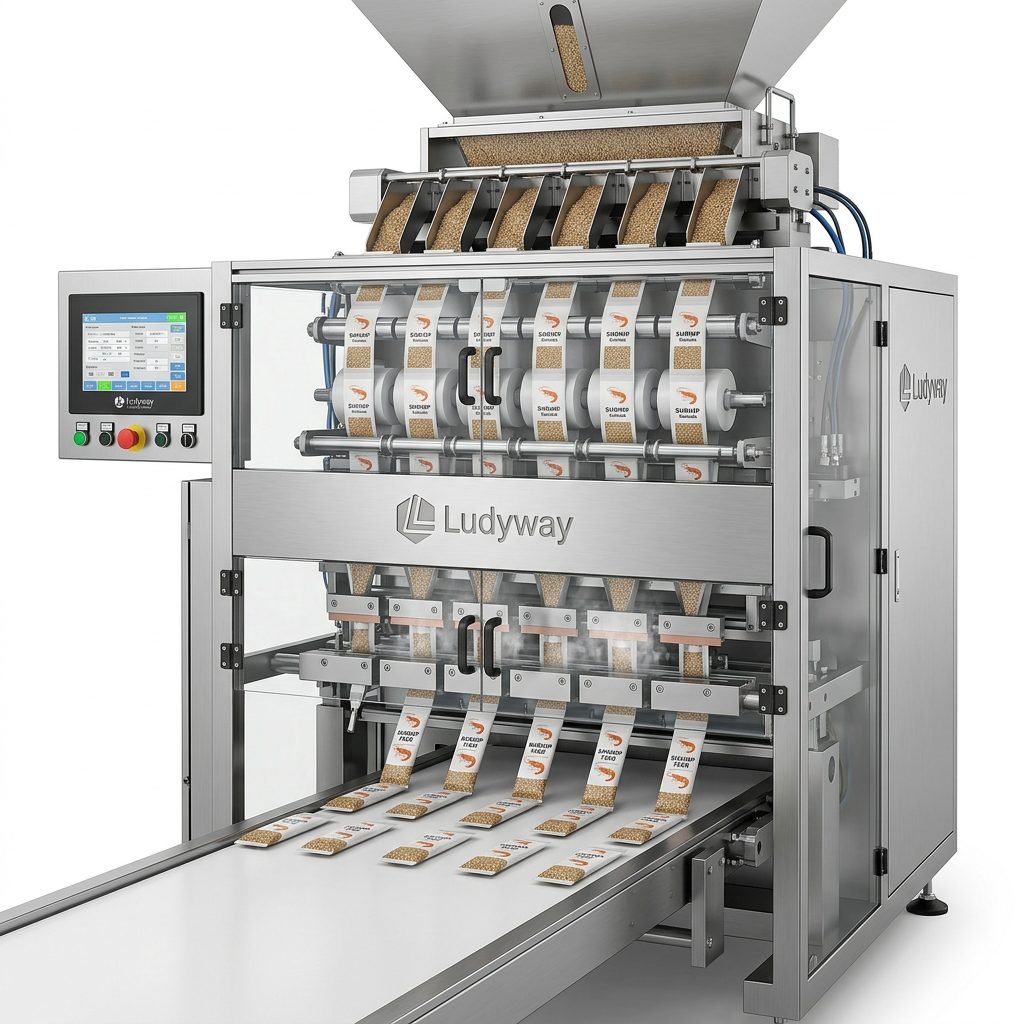
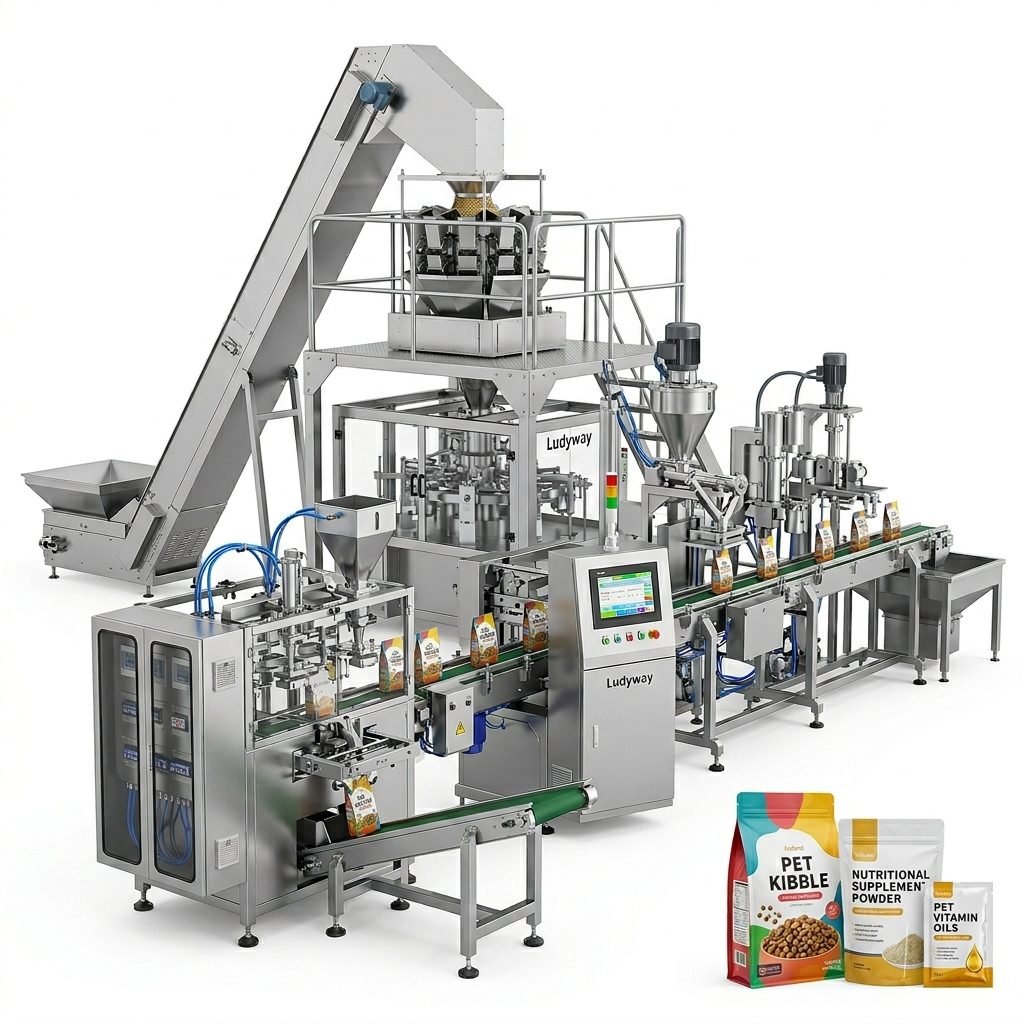
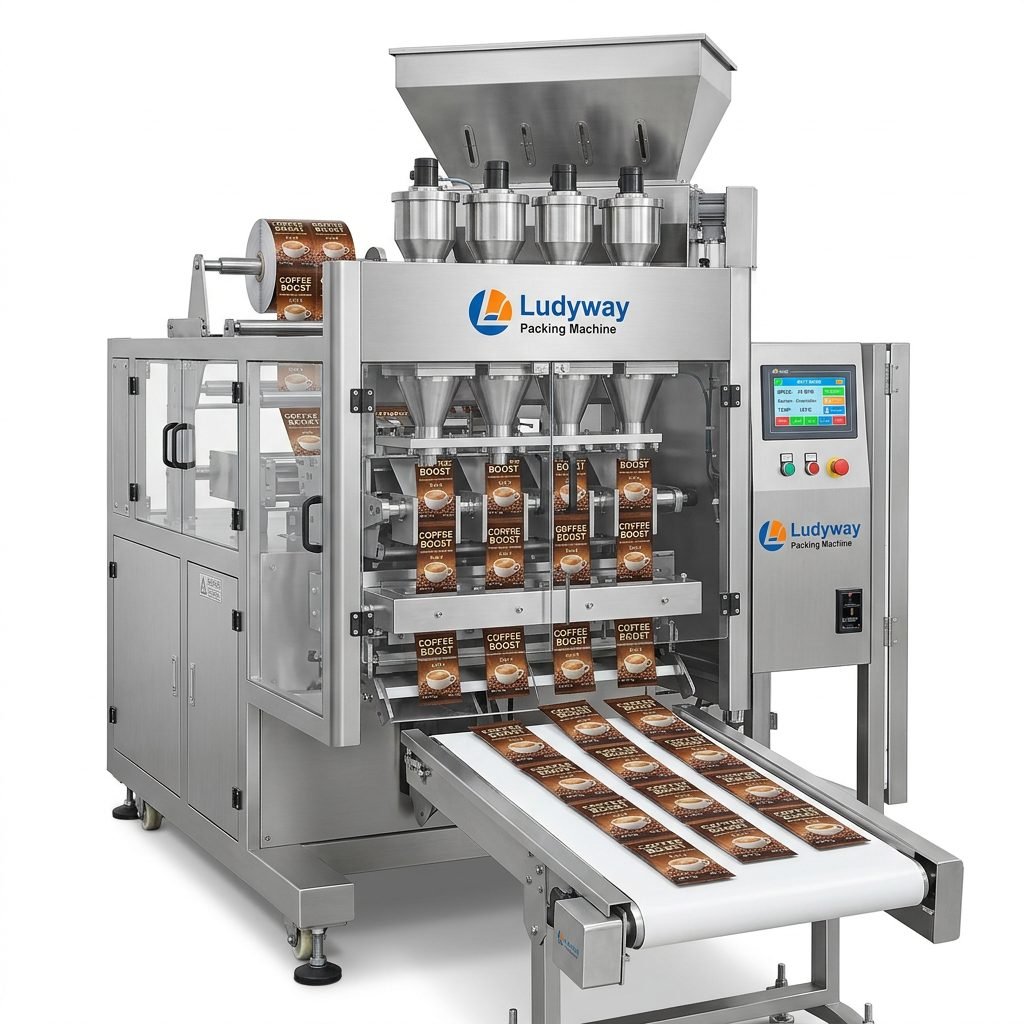
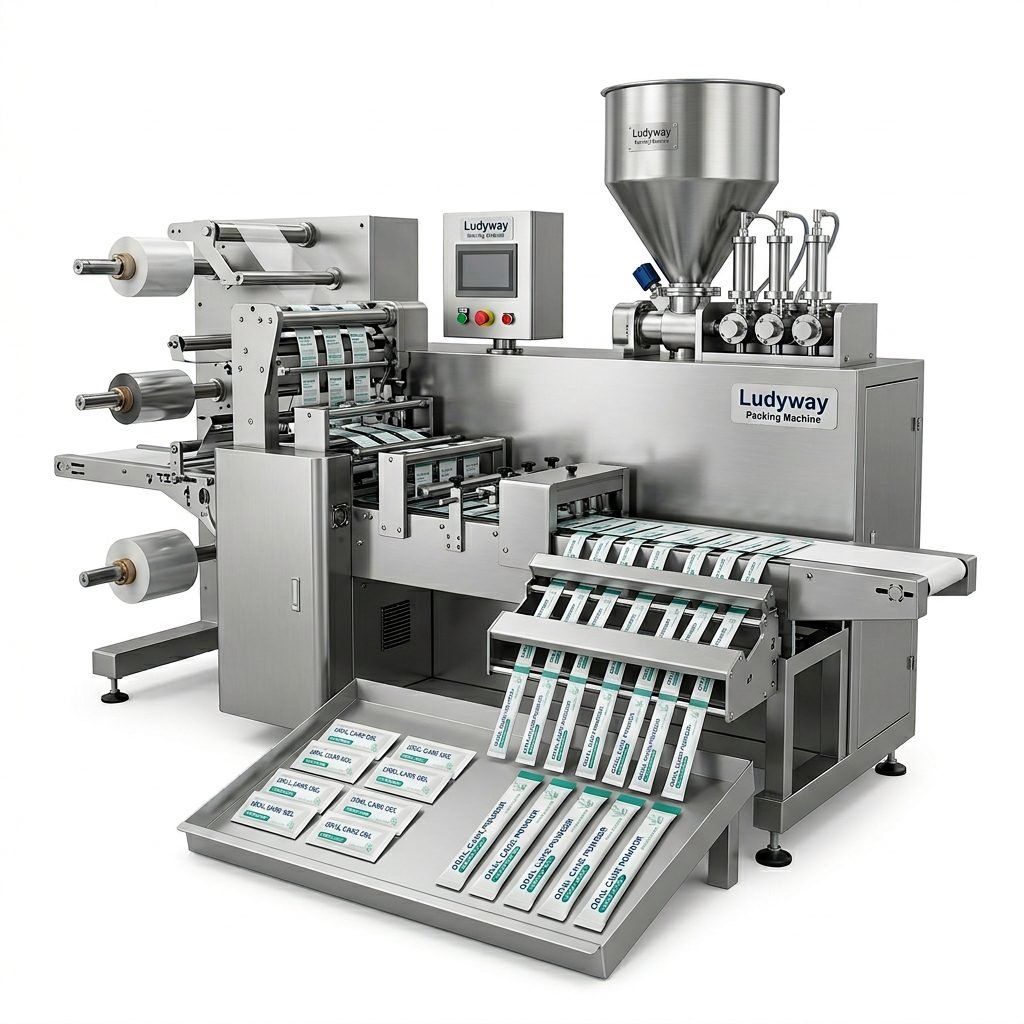
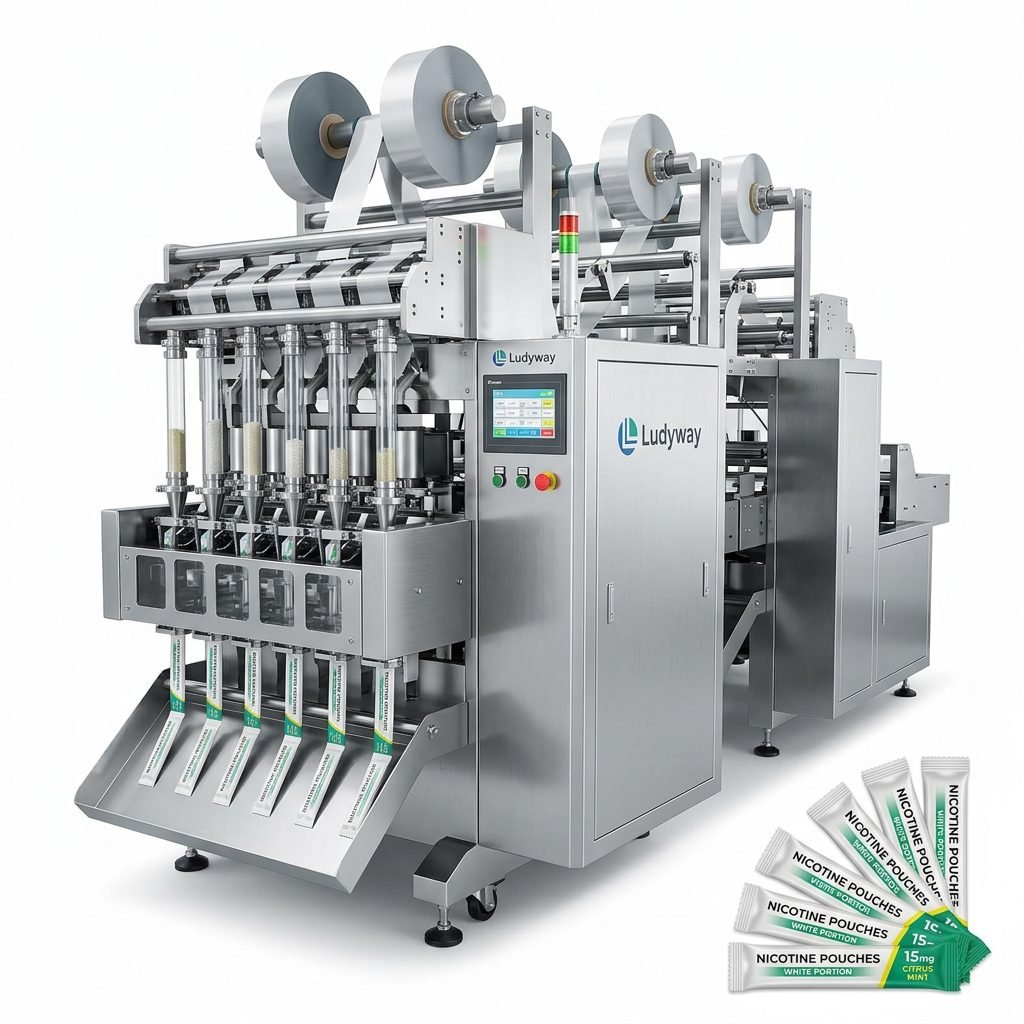
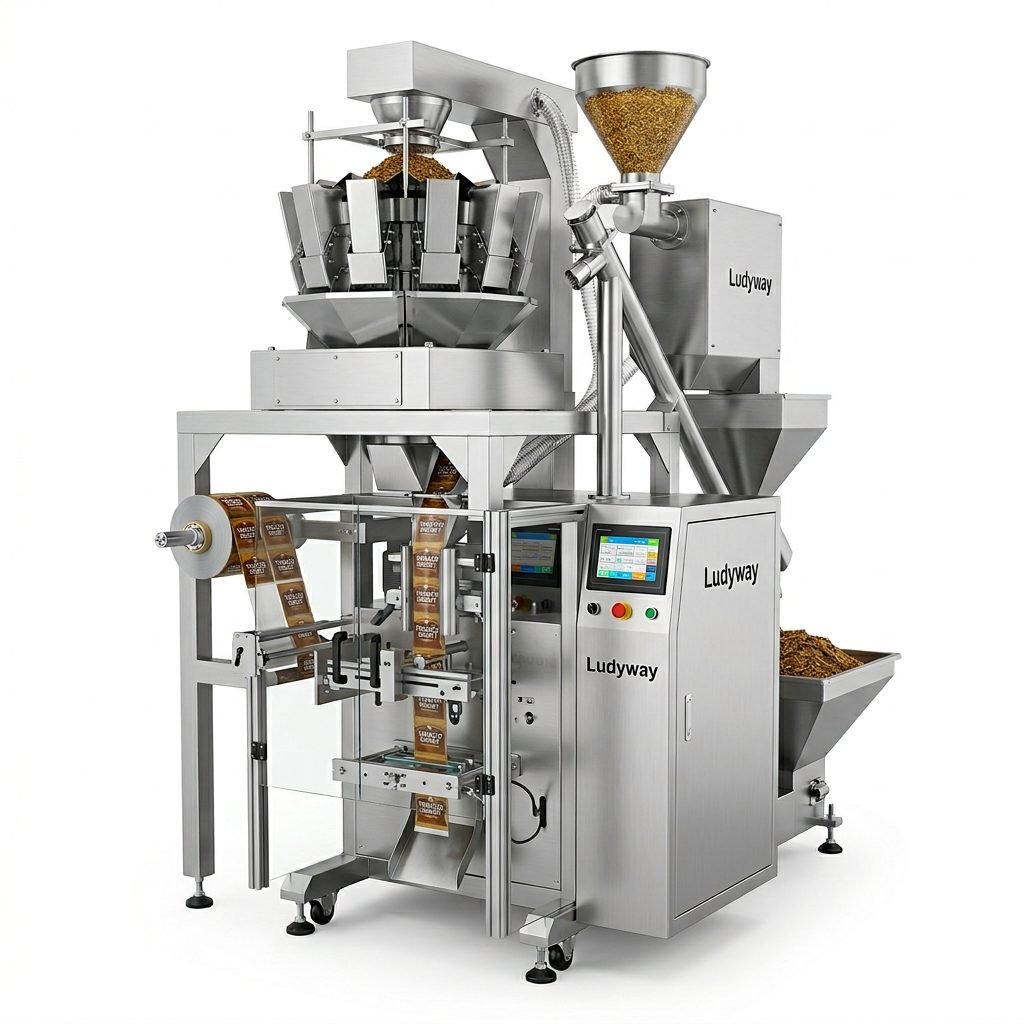
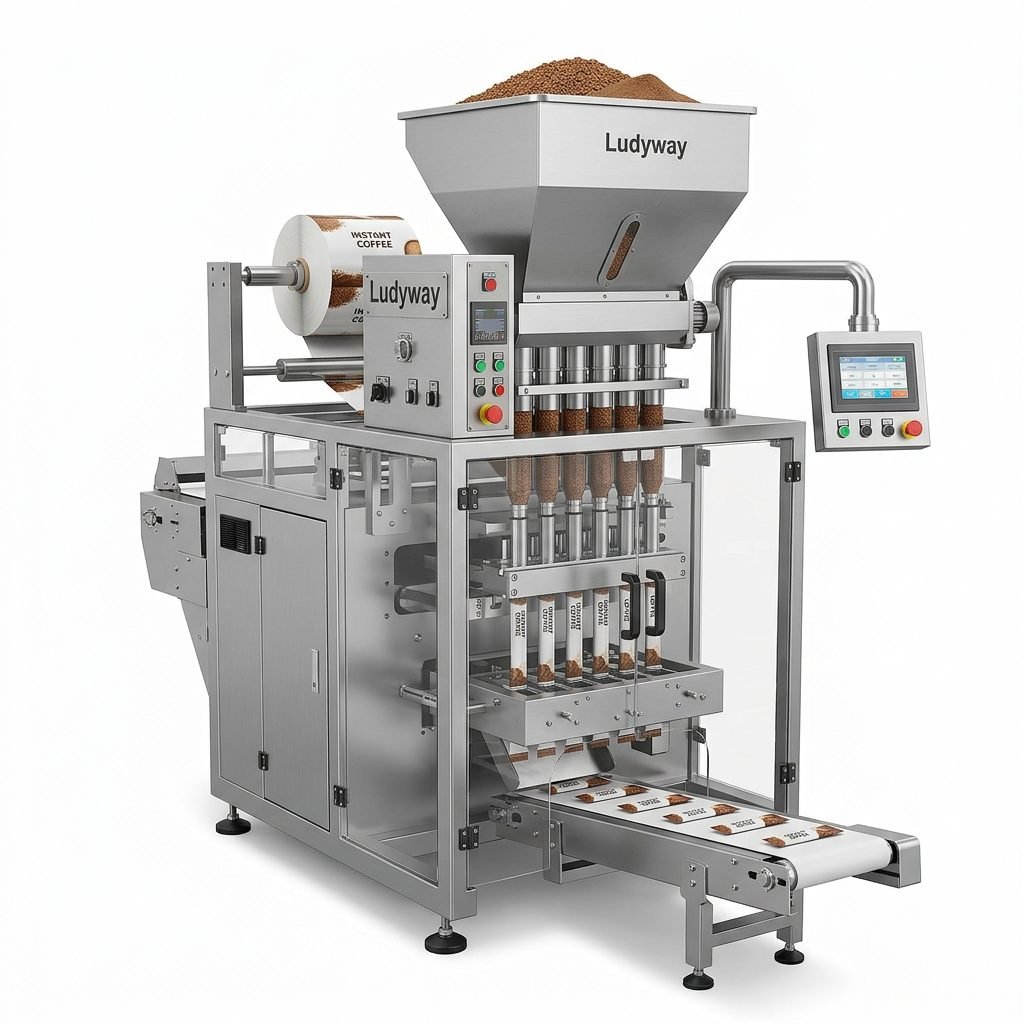
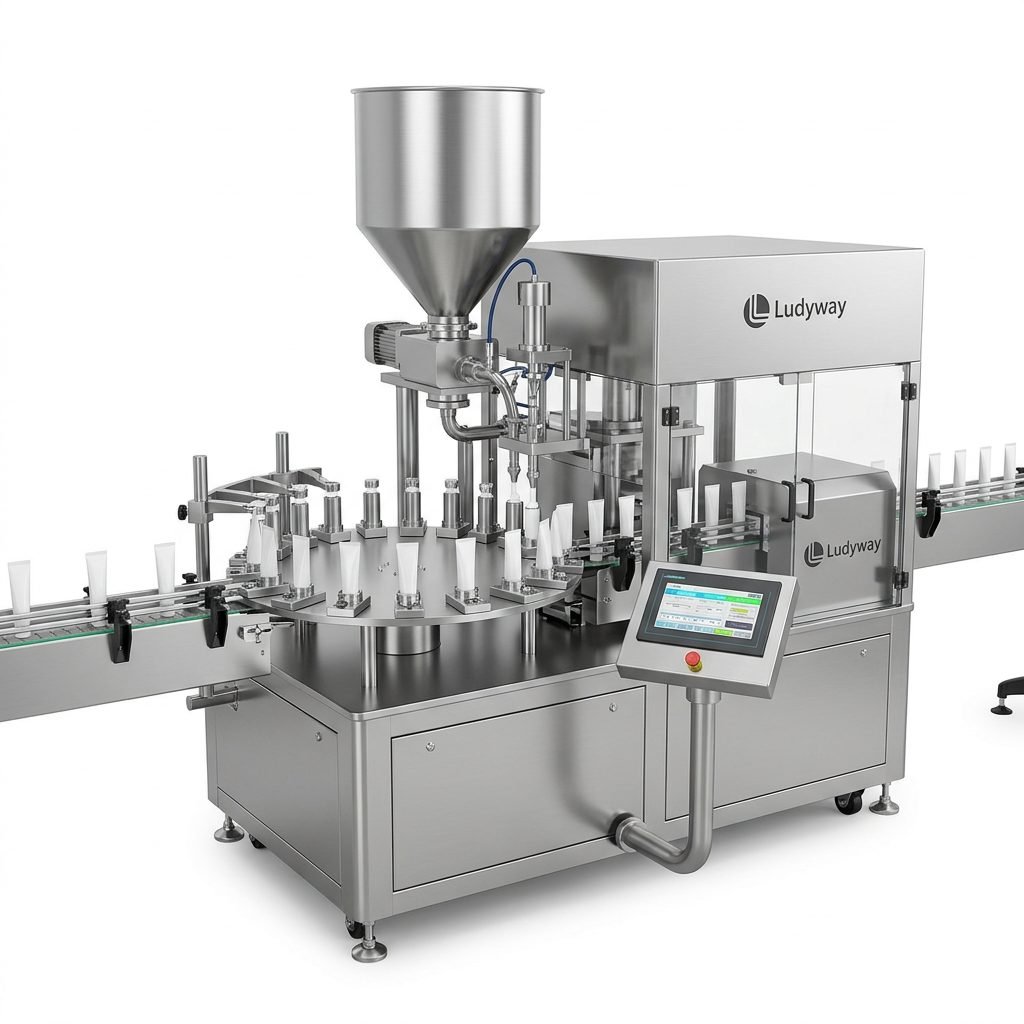
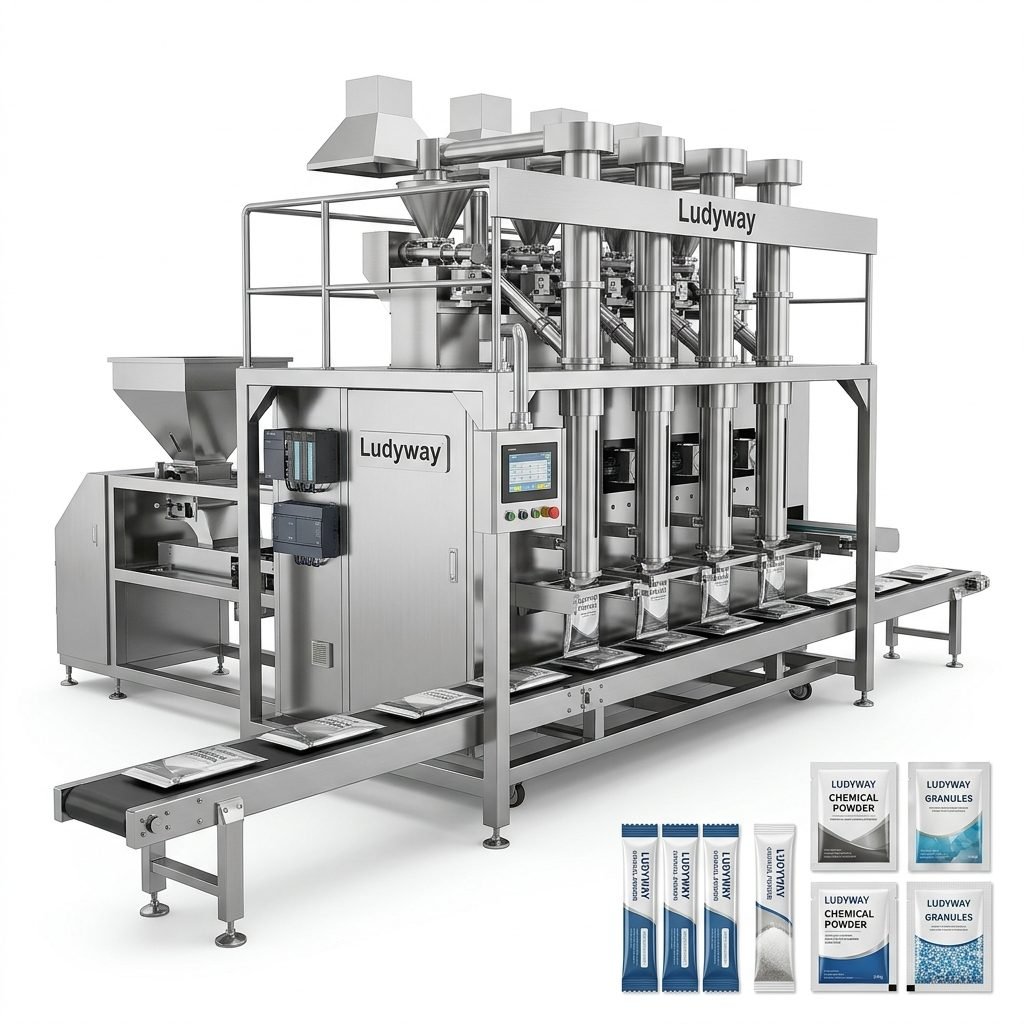
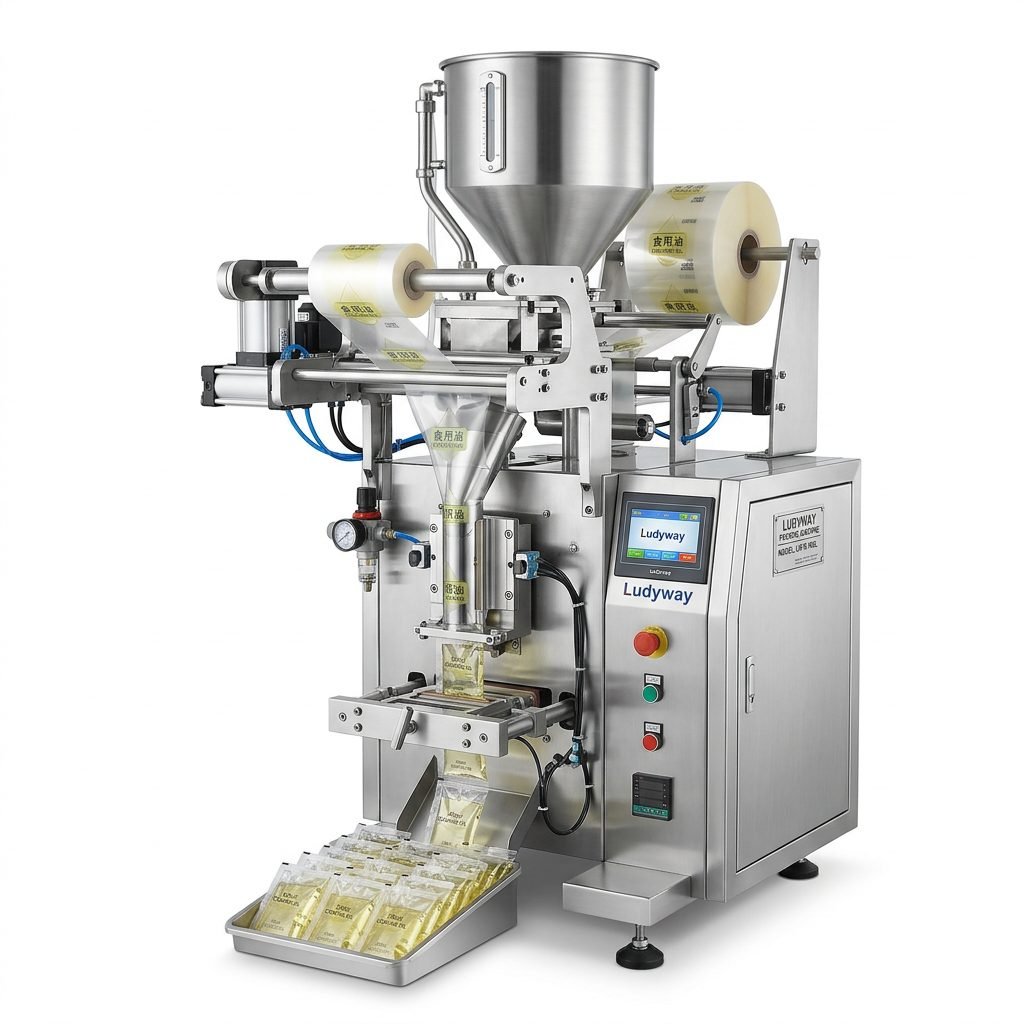
A manufacturer’s technical depth is paramount. Look for a company with a broad portfolio that covers your current and future needs, such as sachet packaging machines, stick pack machines, and liquid filling lines. The ability to handle granules, powders, and liquids indicates versatile engineering capabilities.
Pro Tip: Assess if they offer turnkey solutions. A supplier who can integrate weighing, feeding, packaging, and cartoning into a seamless line saves you significant integration headaches.
2. Manufacturing Capability and Quality Control
The backbone of reliable machinery is a robust manufacturing process. Investigate the supplier’s production facility, quality control protocols, and adherence to international standards (e.g., CE, ISO).
Why This Matters: A manufacturer with in-house production control, like those operating from a 20,000㎡ modern facility, typically ensures better consistency, faster spare part availability, and direct accountability for build quality compared to a pure trading company.
3. Industry Experience and Reputation
Experience translates into practical problem-solving. A manufacturer with over 30 years in the industry has likely encountered and resolved a wide array of production challenges. Examine their case studies and client testimonials, particularly from businesses similar to yours in the food, pharmaceutical, or health sectors.
🔍 Action Step: Request references and, if possible, visit existing client sites or the manufacturer’s showroom to see the equipment in operation.
Deep Dive: The Supplier Partnership Model
Moving beyond a simple transaction to a strategic partnership can yield long-term benefits. The best suppliers act as an extension of your engineering team.
Customization and Flexibility
Your production line is unique. The manufacturer should demonstrate a willingness and ability to customize machine parameters, speeds, and form-fill-seal functions to match your specific product characteristics and packaging materials.
After-Sales Support and Service Network
This is often the most critical differentiator. Reliable machinery still requires maintenance. Evaluate:
✓ Availability of technical support (24/7 or business hours?)
✓ Spare parts inventory and delivery time
✓ Training programs for your operators and engineers
✓ Presence of service engineers in your region or globally
A strong service commitment minimizes costly downtime and extends the lifecycle of your equipment.
4. Innovation and Future-Proofing
The packaging industry evolves rapidly. Partner with a manufacturer committed to R&D, offering intelligent packaging systems with features like IoT connectivity for predictive maintenance, data collection for OEE (Overall Equipment Effectiveness), and flexibility to adapt to new packaging trends.
Spotlight on a Global Industry Player
To illustrate these principles, consider the trajectory of Ludyway Packing Machine. Founded in 2010, the brand grew from a focused engineering team into an international provider by prioritizing practical innovation and deep industry experience. Their evolution mirrors what to look for in a supplier: starting with core technology, expanding their range to over 50 machine models, and building a global service network to support customers worldwide. Their focus on granule, powder, and liquid packaging applications showcases specialized expertise, a key indicator of reliability in a niche market.
Making the Final Decision: A Practical Checklist
When you’re down to a shortlist of potential suppliers, use this checklist to guide your final evaluation and negotiations:
- Request a detailed proposal including machine specifications, layout drawings, and a clear breakdown of all costs.
- Clarify warranty terms, payment schedule, and delivery lead time.
- Discuss project management: Who is your single point of contact? What is the installation and commissioning plan?
- Evaluate communication responsiveness and clarity during the quoting process—this foreshadows future support.
- Consider the total cost of ownership (initial price, energy consumption, maintenance costs, part longevity) rather than just the purchase price.
For further insights into building a successful production line, explore resources on automated packaging solutions and production line integration.
Conclusion: Building a Foundation for Growth
Choosing the best food packaging machinery manufacturer is an investment in your business’s future stability and scalability. By prioritizing technical expertise, proven manufacturing quality, comprehensive after-sales support, and a partnership-oriented approach, you secure more than equipment—you gain a reliable ally in your production journey. Companies that have built their reputation on innovation, quality, and global service, like the example discussed, demonstrate the value of a long-term vision in this demanding industry. Conduct thorough due diligence, and you will find a supplier capable of elevating your packaging operations to new levels of efficiency and reliability.
Frequently Asked Questions (FAQs)
1. What is the most important factor when choosing a packaging machine supplier?
While technical specs are vital, reliable after-sales service and support are often the most critical long-term factor. A machine will eventually need maintenance or spare parts; a supplier with a strong service network minimizes costly production downtime.
2. Should I choose a local supplier or an international manufacturer?
It depends on your needs. A local supplier may offer faster on-site service. An established international manufacturer often provides more advanced technology, experience with global standards, and potentially better pricing due to scale. Many top manufacturers, like Ludyway, combine global reach with localized support channels.
3. How can I ensure the machine will work with my specific product?
Always request a product sample test at the manufacturer’s facility. This is non-negotiable. It allows you to verify packaging speed, accuracy, seal integrity, and material compatibility before purchase.
4. What does a “turnkey solution” include?
A true turnkey solution covers everything from initial design and machinery supply to installation, commissioning, operator training, and often initial production support. The supplier manages the integration of all line components so the line is ready for “turning the key” and starting production.
5. How long does it typically take to install and commission a new packaging line?
The timeline varies based on line complexity, customization, and site readiness. Simple standalone machines may take a few days. Complex, fully integrated turnkey lines can require several weeks for installation, calibration, and testing. Always get a detailed project timeline from your supplier.