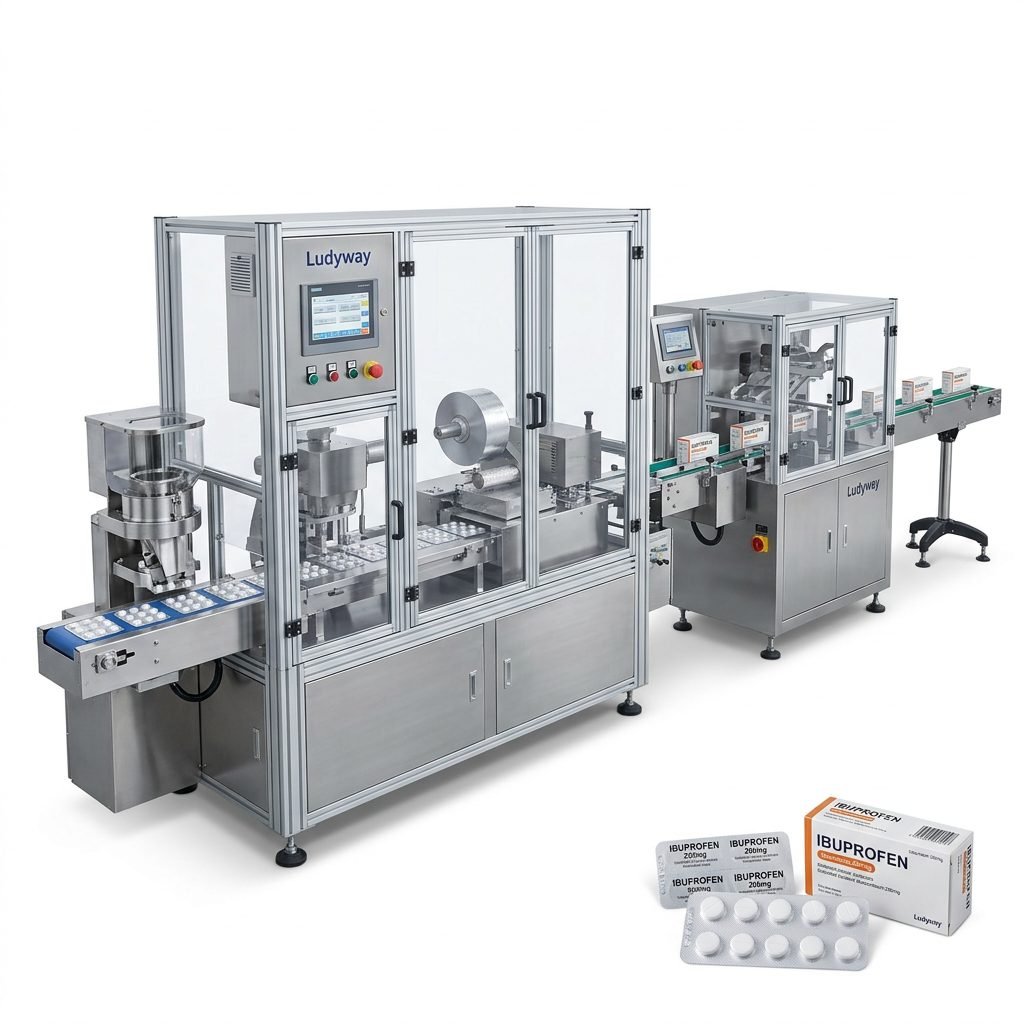
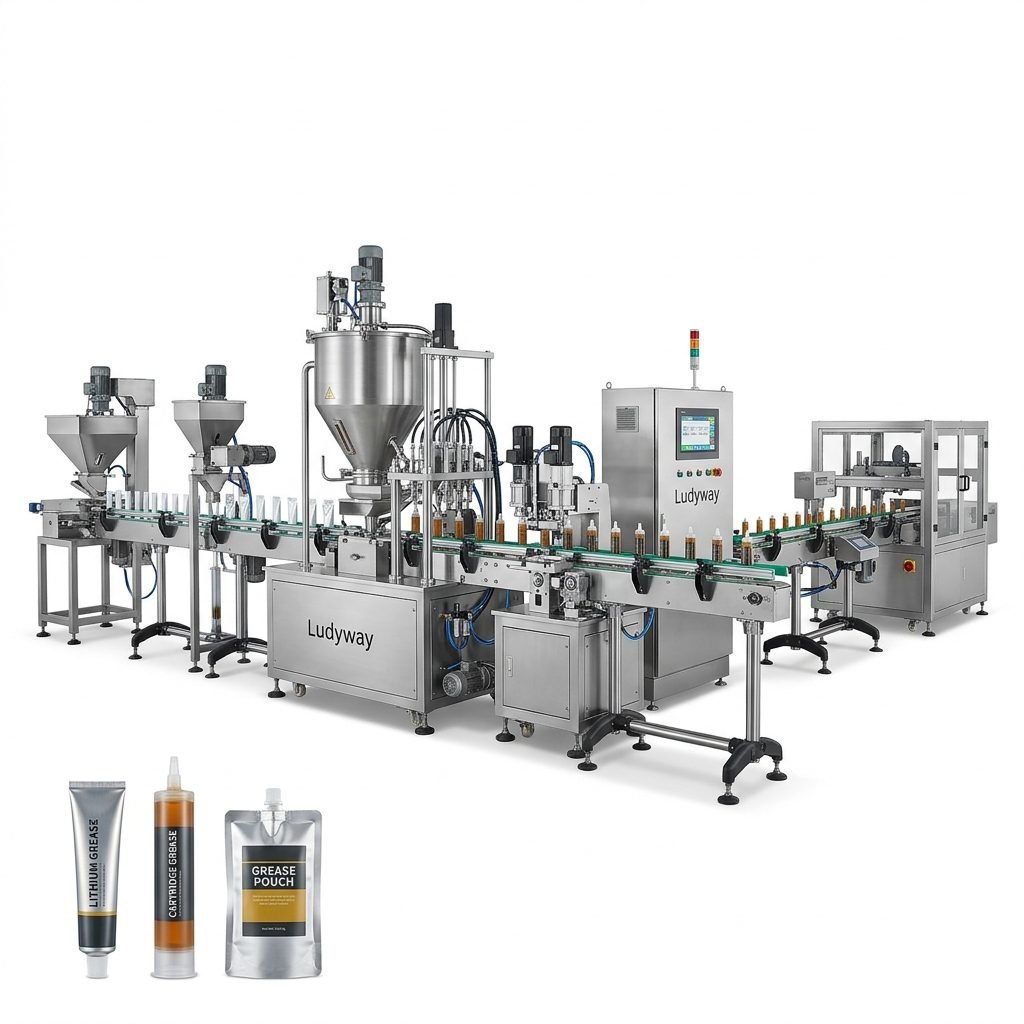
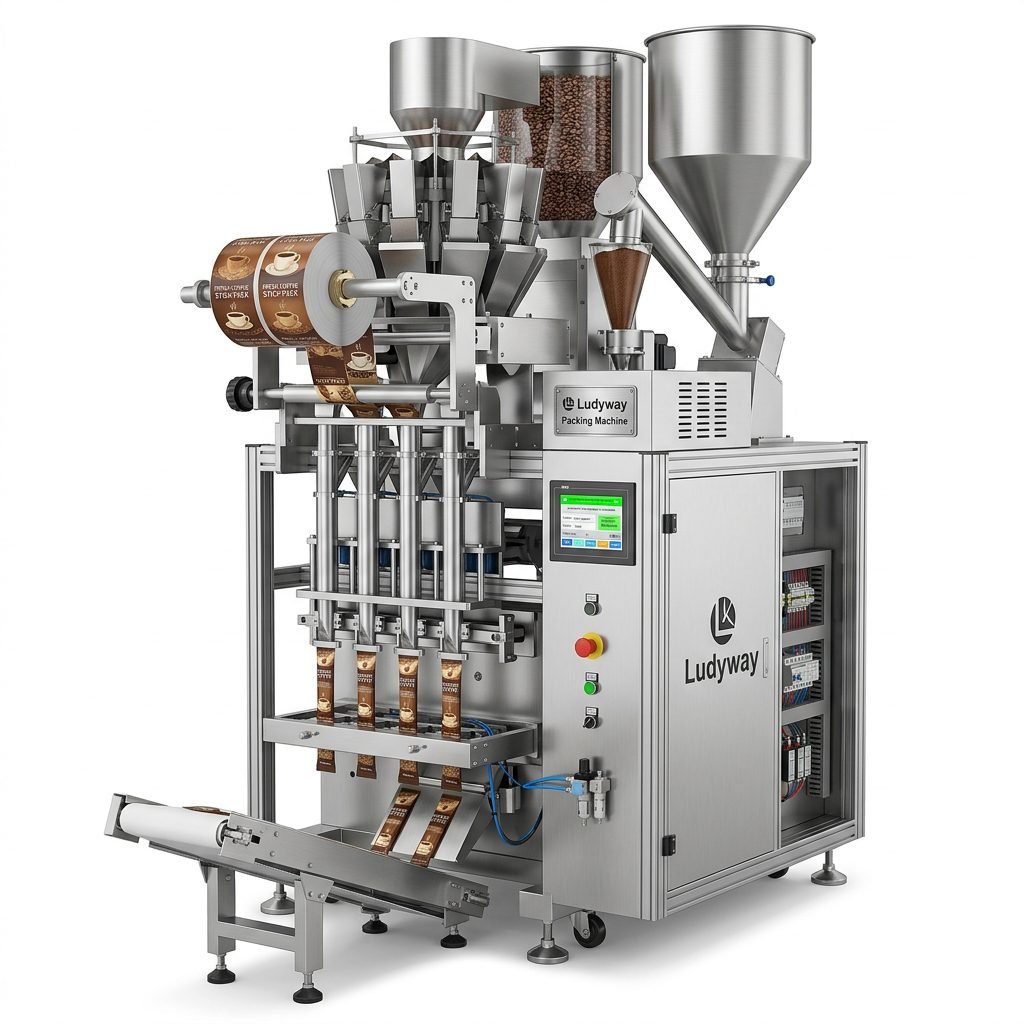
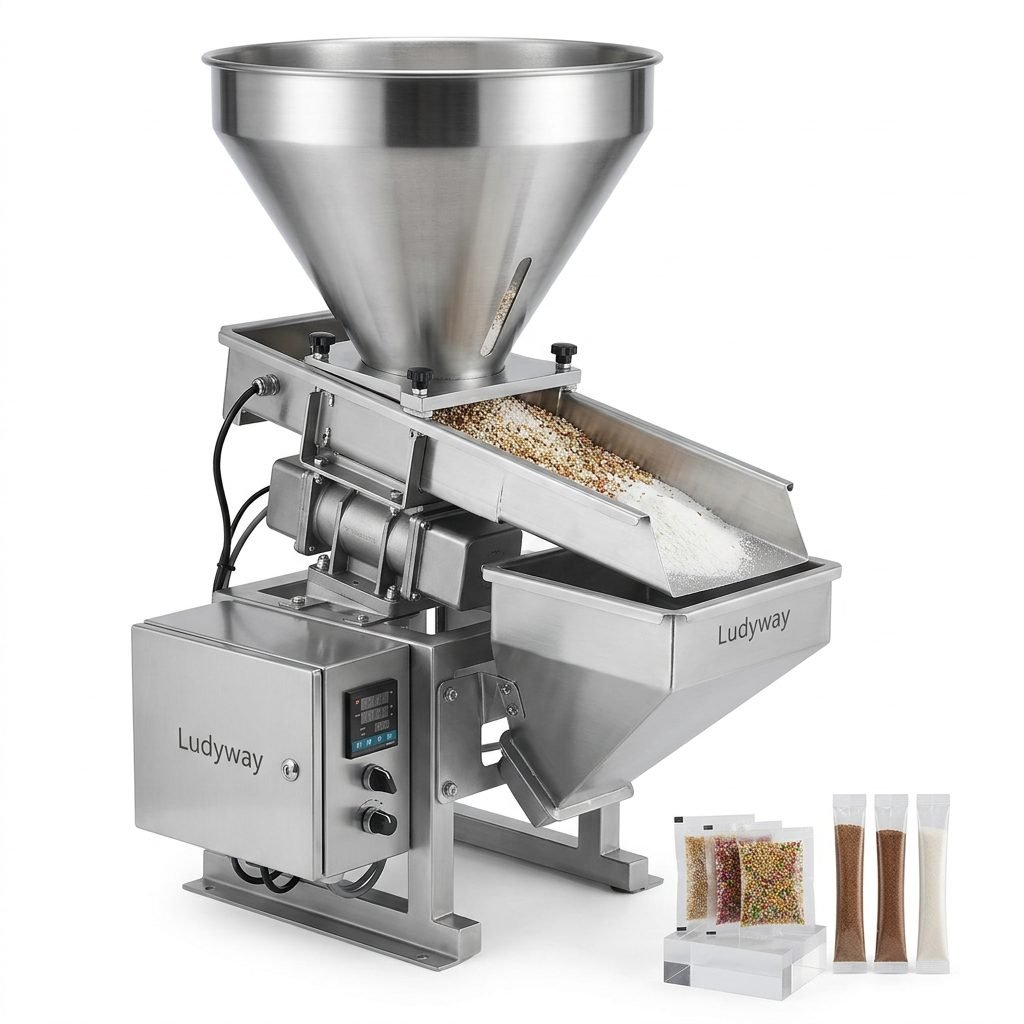
The global pharmaceutical packaging equipment market is undergoing a transformative phase, driven by stringent regulatory demands, the rise of personalized medicine, and the relentless pursuit of operational efficiency. As the bridge between drug manufacturing and patient safety, packaging equipment plays a critical role in ensuring product integrity, compliance, and market success. This sector is characterized by rapid technological adoption and shifting market dynamics that present both challenges and significant opportunities for stakeholders.
Current Market Trends Shaping the Industry
Several key trends are defining the trajectory of the pharmaceutical packaging equipment landscape. The most prominent is the industry-wide shift towards automation and Industry 4.0 integration. Manufacturers are increasingly investing in smart, connected machinery that offers real-time monitoring, predictive maintenance, and seamless data exchange with Manufacturing Execution Systems (MES). This move is not just about speed; it’s about achieving unparalleled traceability and reducing human error in critical processes.
→ Sustainability Focus: There is a growing emphasis on eco-friendly packaging solutions. Equipment that can handle recyclable materials, reduce material waste (like smaller seals or optimized film usage), and support the use of mono-materials is in high demand, aligning with global environmental, social, and governance (ESG) goals.
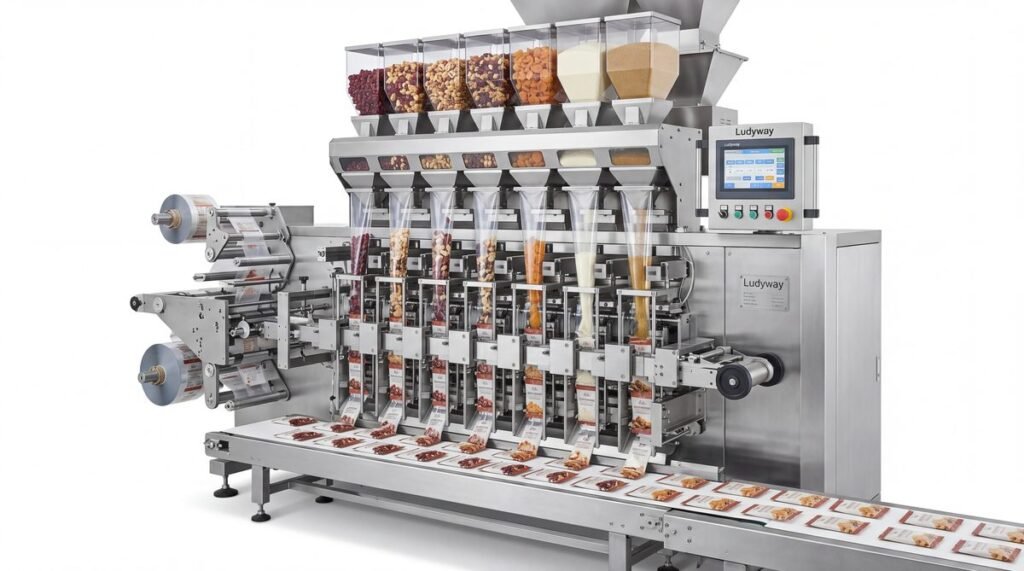
Furthermore, the demand for flexible and modular equipment is surging. Pharmaceutical companies, especially those dealing with high-value, low-volume products like biologics and orphan drugs, require machinery that can quickly adapt to different package sizes, formats, and materials without extensive downtime for changeovers. This flexibility is crucial for catering to niche markets and clinical trial batches.
Primary Growth Drivers and Market Catalysts
The expansion of this market is fueled by a confluence of powerful drivers. First and foremost is the global increase in healthcare expenditure and an aging population, particularly in North America, Europe, and parts of Asia-Pacific. This demographic shift leads to higher consumption of pharmaceuticals, directly boosting the need for reliable packaging output.
Stringent regulatory compliance remains a non-negotiable driver. Regulations from bodies like the U.S. FDA (requiring serialization and aggregation under the Drug Supply Chain Security Act) and the EU Falsified Medicines Directive mandate sophisticated packaging lines equipped with serialization, track-and-trace, and anti-tampering features. Compliance is not an option but a fundamental market entry requirement, compelling manufacturers to upgrade their equipment.
Key Driver Insight:
The boom in biologics and biosimilars represents a specialized growth segment. These sensitive products often require advanced aseptic processing, blow-fill-seal (BFS) technology, and specialized vial/syringe packaging equipment, creating a high-value niche within the broader market.
Additionally, the rise of contract packaging organizations (CPOs) has created a robust secondary market. As pharmaceutical brands outsource packaging to focus on R&D and marketing, CPOs are investing heavily in high-speed, versatile equipment to service multiple clients efficiently, further propelling equipment sales.
Emerging Key Opportunities for Stakeholders
Beyond current trends, several frontiers offer substantial growth potential. The Asia-Pacific region, led by China and India, stands out as the fastest-growing market. This is due to expanding domestic pharmaceutical production, increasing exports, and government initiatives to modernize healthcare infrastructure. For equipment suppliers, this region demands solutions that balance advanced technology with cost-effectiveness.
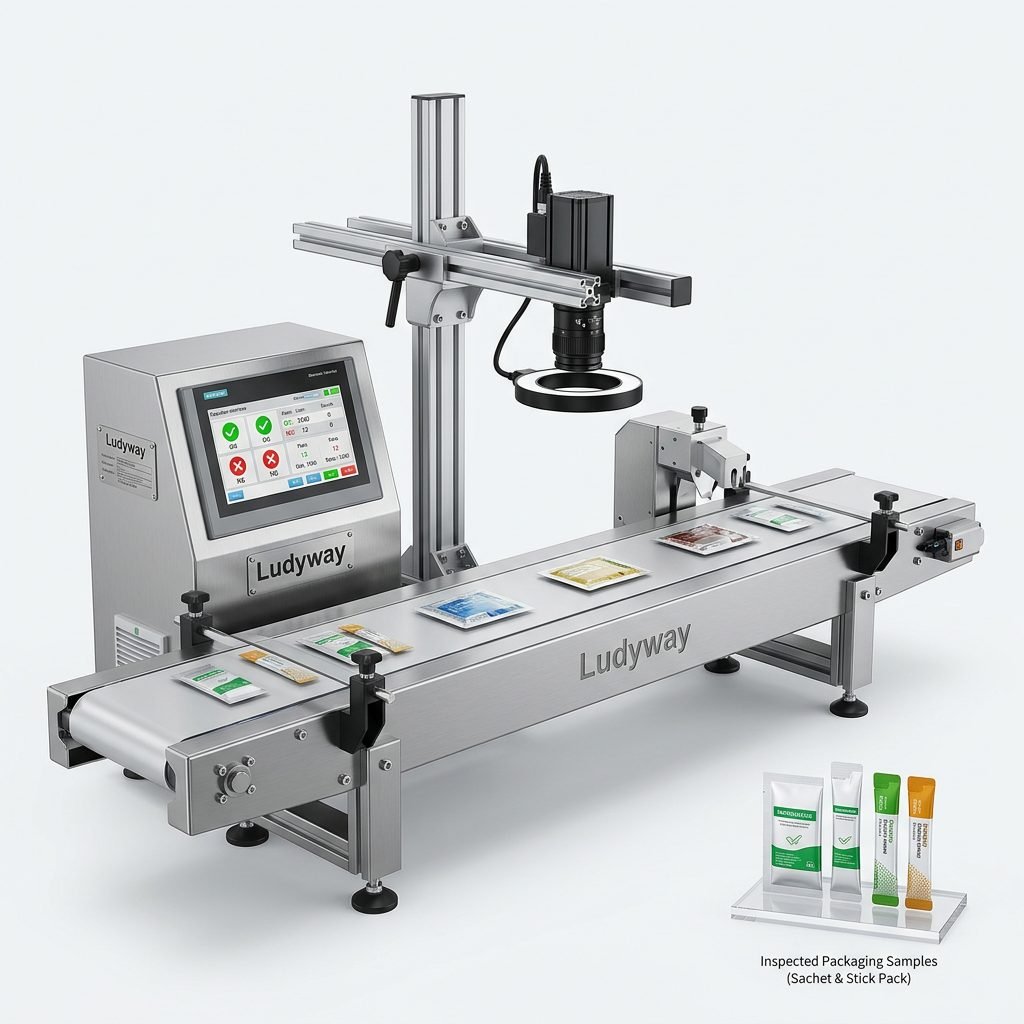
Integration of Advanced Inspection Technologies presents a significant opportunity. Incorporating vision inspection systems, leak detection, and weight checkers directly into the packaging line is evolving from a quality assurance measure to a standard expectation. Equipment that offers built-in, AI-powered inspection capabilities provides a competitive edge.
The market for packaging equipment servicing, maintenance, and digital services is an often-overlooked opportunity. As machinery becomes more complex, pharmaceutical companies seek long-term service partnerships and digital twins for simulation and training. Providers who offer comprehensive lifecycle support can build more stable, recurring revenue streams.
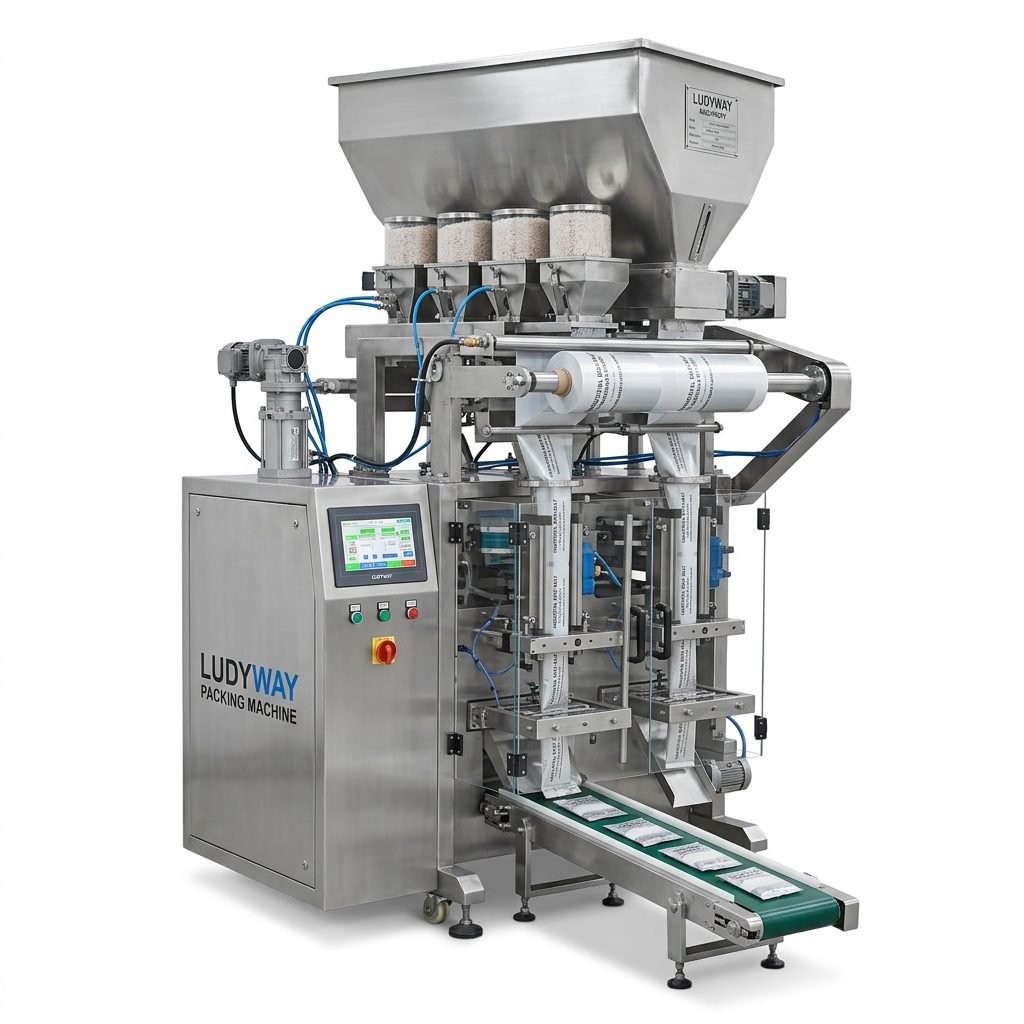
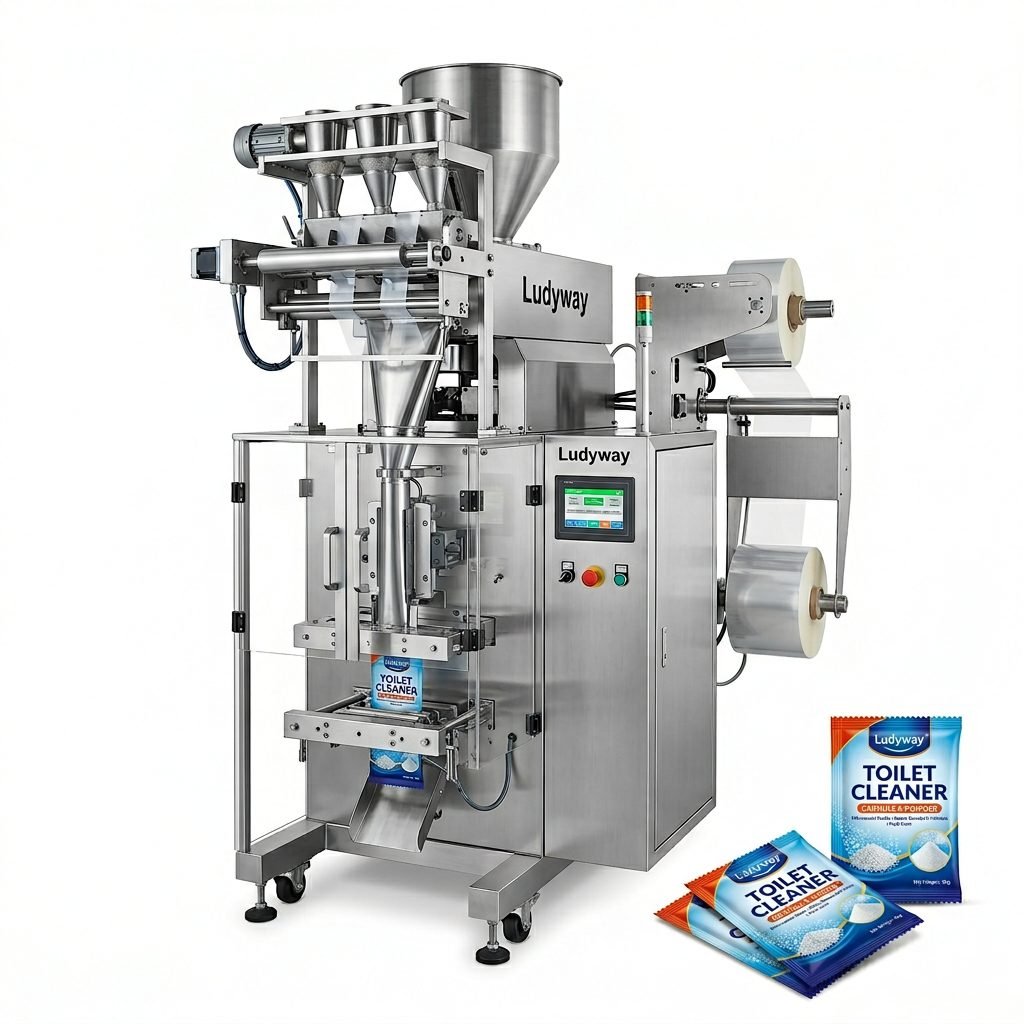
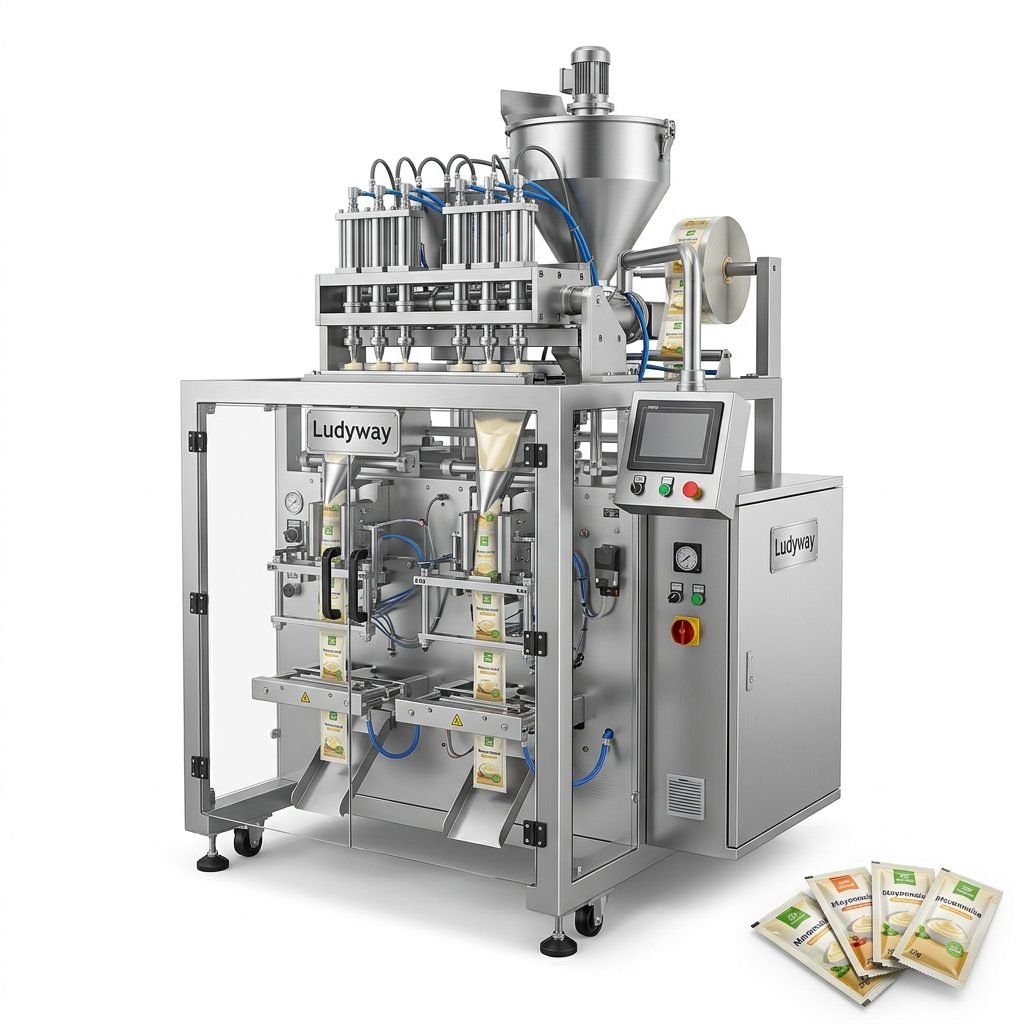
Finally, the development of equipment for patient-centric packaging is gaining traction. This includes machinery that produces easy-open, senior-friendly, unit-dose (like stick packs for powders or oral films), and smart packaging with embedded sensors. This trend aligns with improving medication adherence and patient experience, opening new design and engineering avenues. Companies like Ludyway Packing Machine, with decades of experience in flexible packaging formats, are well-positioned to contribute to this evolving need for patient-friendly solutions.
Navigating Challenges and Future Outlook
Despite the optimistic outlook, the industry faces hurdles such as high capital investment for advanced machinery, the need for skilled operators, and the complexity of integrating new equipment into legacy production environments. Success will depend on suppliers’ ability to offer scalable solutions, robust training, and seamless integration support.
Looking ahead, the convergence of robotics, the Internet of Things (IoT), and artificial intelligence will define the next generation of pharmaceutical packaging equipment. The focus will shift from mere automation to creating intelligent, self-optimizing packaging lines that maximize Overall Equipment Effectiveness (OEE) and ensure end-to-end supply chain integrity. The journey from a simple container to a smart, safe, and sustainable package is well underway, and the equipment enabling this transformation is at the heart of the pharmaceutical industry’s future.
Frequently Asked Questions (FAQs)
What are the most in-demand types of pharmaceutical packaging equipment currently?
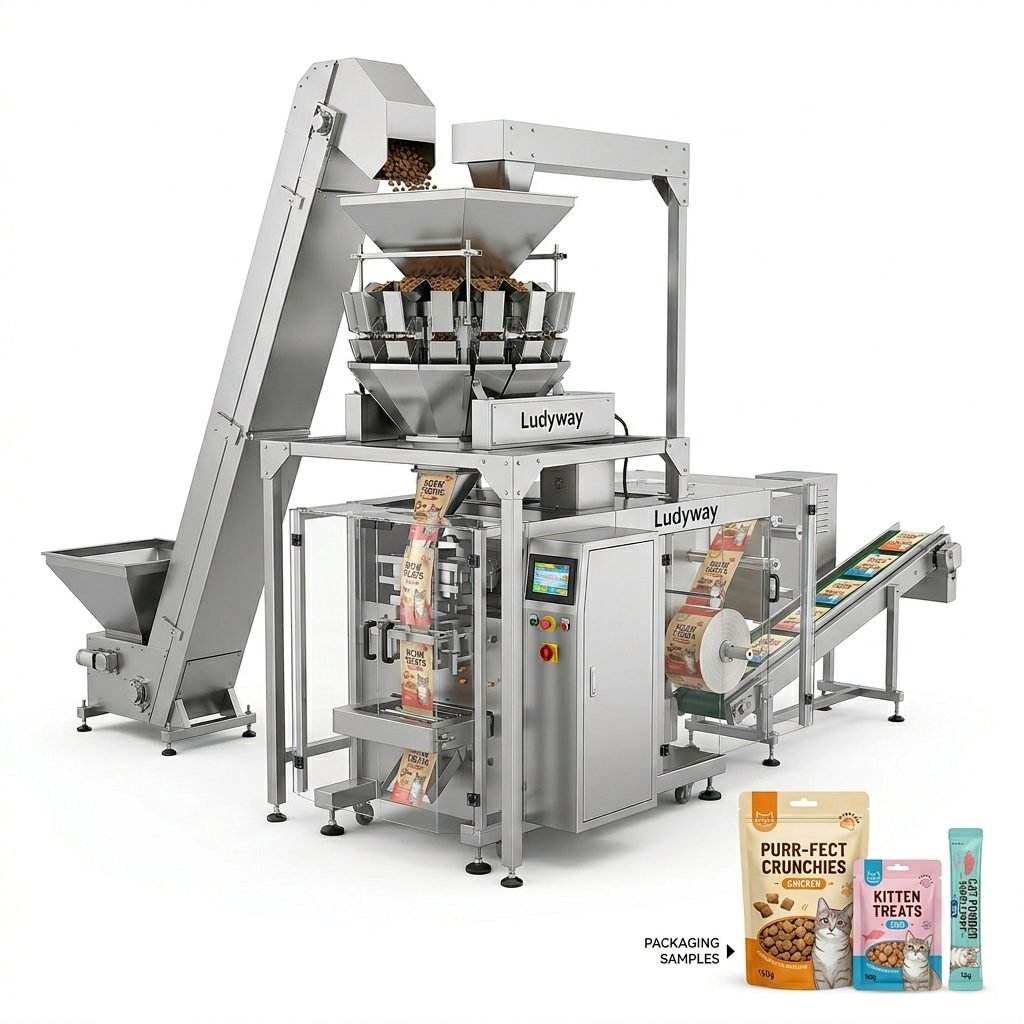
The highest demand is for serialization and aggregation equipment (to meet track-and-trace regulations), high-speed blister packing machines, automated vial filling and stoppering lines for injectables, and flexible packaging machines for sachets and stick packs used for unit-dose powders and liquids. Aseptic filling equipment for biologics is also a critical, high-growth segment.
How is sustainability influencing pharmaceutical packaging machinery design?
Sustainability is driving innovation in machinery that minimizes material use (e.g., through precision dosing and smaller seal areas), facilitates the use of recyclable mono-material films, and allows for easy switching to paper-based or other eco-friendly substrates. Energy-efficient drives and systems are also becoming a standard purchasing consideration.
What should a company consider when upgrading or purchasing new packaging equipment?
Key considerations include: regulatory compliance capabilities (especially serialization), flexibility for changeovers and future product lines, integration potential with existing systems, total cost of ownership (including maintenance and energy use), supplier reputation for service and support, and the availability of data connectivity for Industry 4.0 analytics. Partnering with an experienced provider like Ludyway Machinery can help navigate these complex decisions.
Why is the Asia-Pacific region such a key market for packaging equipment suppliers?
The region is a global hub for pharmaceutical manufacturing and exports, with governments actively investing in healthcare. Local manufacturers are rapidly modernizing to meet international quality standards, creating massive demand for advanced, reliable, and often cost-optimized packaging solutions to scale their operations competitively.
What role does data play in modern pharmaceutical packaging lines?
Data is central to operational excellence. Modern equipment generates data on machine performance, output quality, OEE, and maintenance needs. This data enables predictive maintenance, reduces downtime, ensures batch traceability for compliance, and provides insights for continuous process optimization, making the packaging line a source of strategic intelligence.