Industrial packaging equipment forms the backbone of modern manufacturing, distribution, and supply chains across the globe. For businesses seeking efficiency, consistency, and scalability, selecting the right machinery is not just an operational decision—it’s a strategic one. This guide provides a comprehensive overview of the industrial packaging landscape, exploring the core equipment types, innovative solutions, and key considerations for implementation.
Understanding Industrial Packaging Equipment
The term “industrial packaging equipment” encompasses a vast array of machines designed to automate the process of containing, protecting, and preparing products for storage, transport, and sale. This automation is critical for achieving high-speed production, reducing labor costs, minimizing product waste, and ensuring uniform quality. From food and pharmaceuticals to chemicals and consumer goods, virtually every sector relies on these sophisticated systems.
Core Objectives of Packaging Automation:
- Increased Productivity: Machines operate continuously at speeds impossible for manual labor.
- Enhanced Accuracy & Consistency: Precise measurement and placement ensure every package meets specifications.
- Improved Safety & Hygiene: Reduces direct human contact with products, crucial in food and pharmaceutical industries.
- Cost Reduction: Lowers long-term operational costs through labor savings and material efficiency.
- Scalability: Allows production to easily scale up to meet market demand.
Major Categories of Packaging Machinery
Industrial packaging solutions can be segmented by their function in the production line. A complete line often integrates several of these machine types.
1. Filling Machines
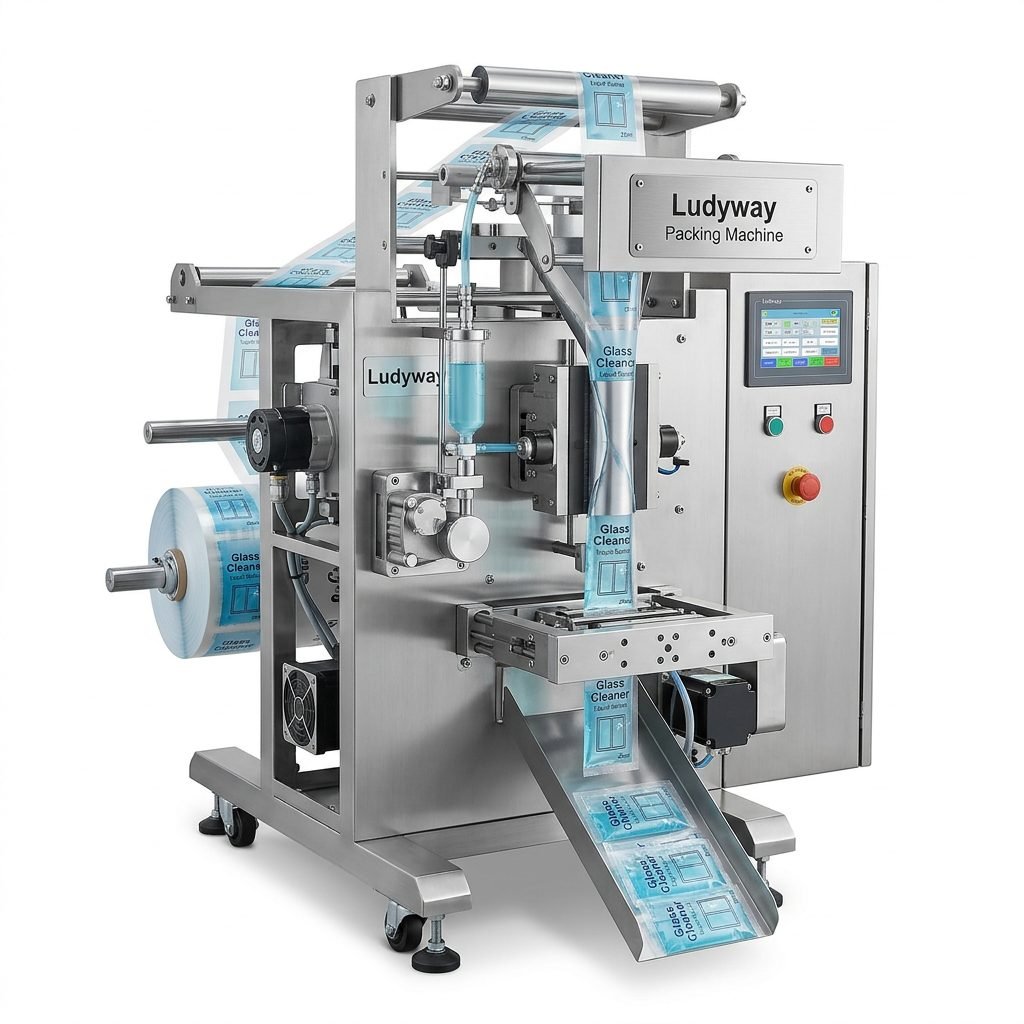
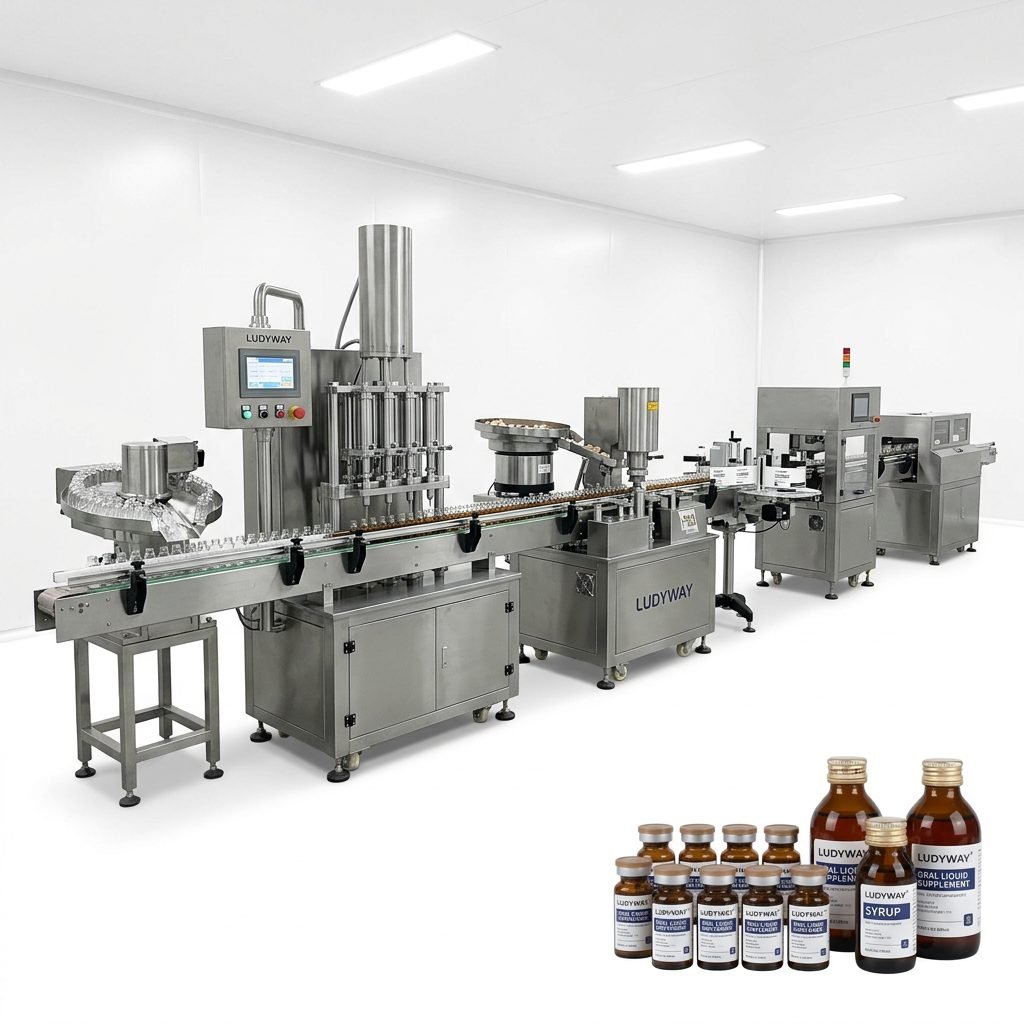
These are designed to accurately dispense a specific volume or weight of product into containers. The technology varies greatly depending on the product’s form.
- ➤ Liquid Fillers: Used for water, oils, sauces, chemicals, and pharmaceuticals. Types include gravity, piston, pump, and volumetric fillers.
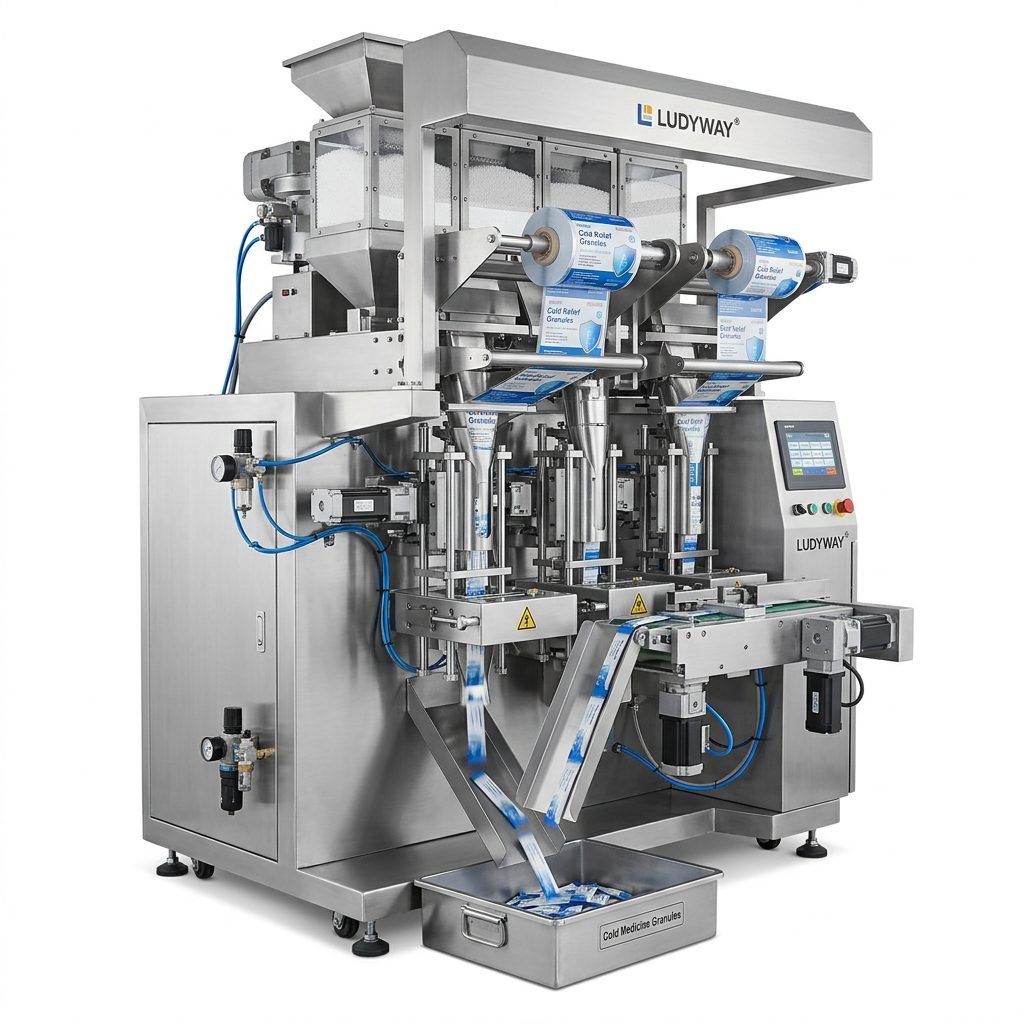
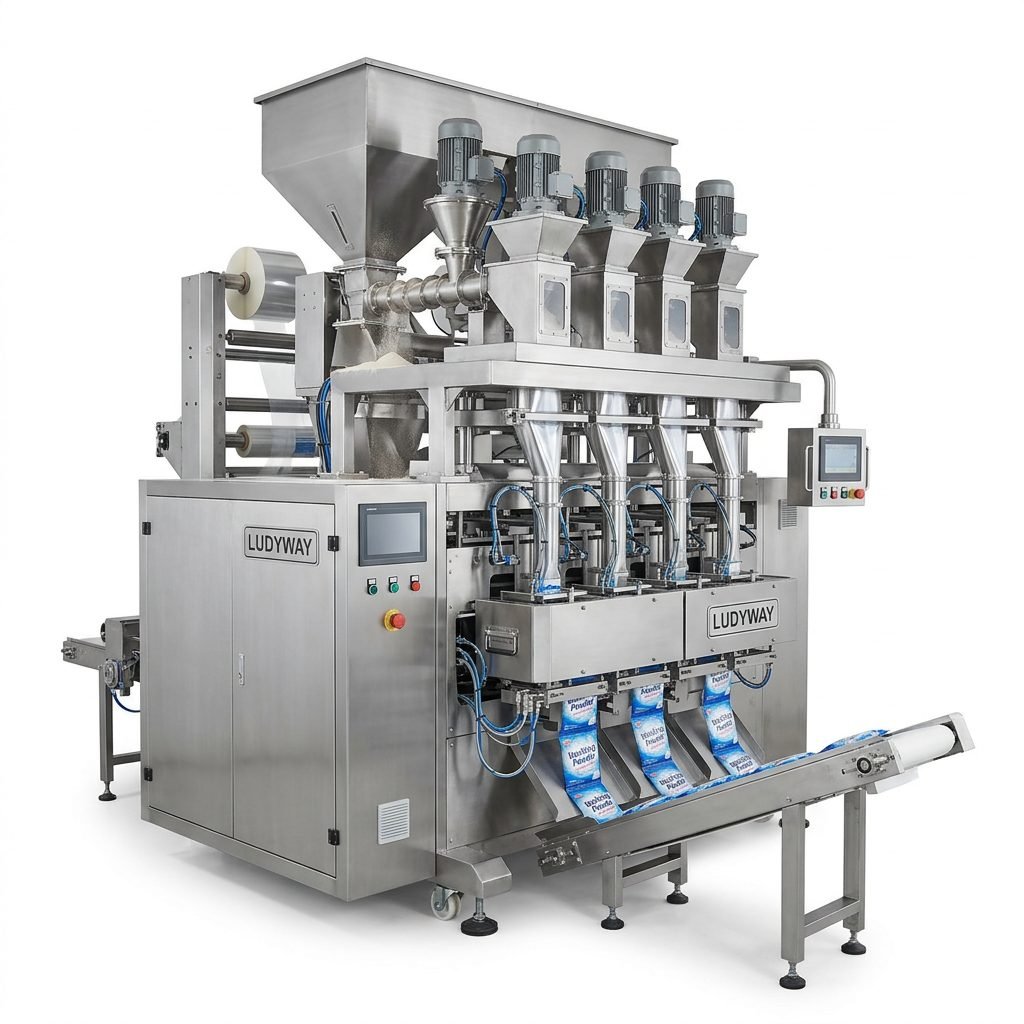
- ➤ Powder Fillers: Handle fine, dry products like flour, spices, milk powder, and pharmaceuticals. Auger fillers are most common for their precision.
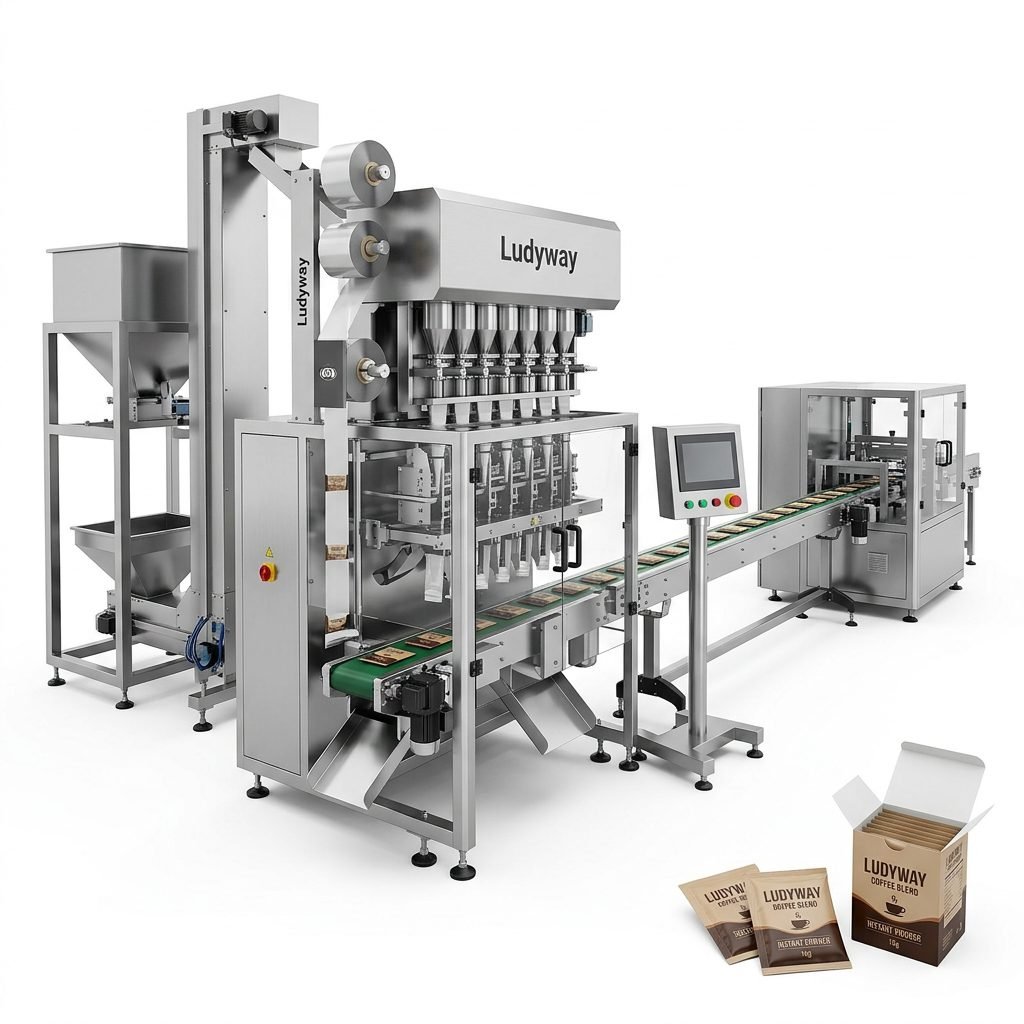
- ➤ Granule Fillers: For products like coffee beans, nuts, seeds, and grains. Often use weigh-scale or cup filling systems.
2. Form-Fill-Seal (FFS) Machines
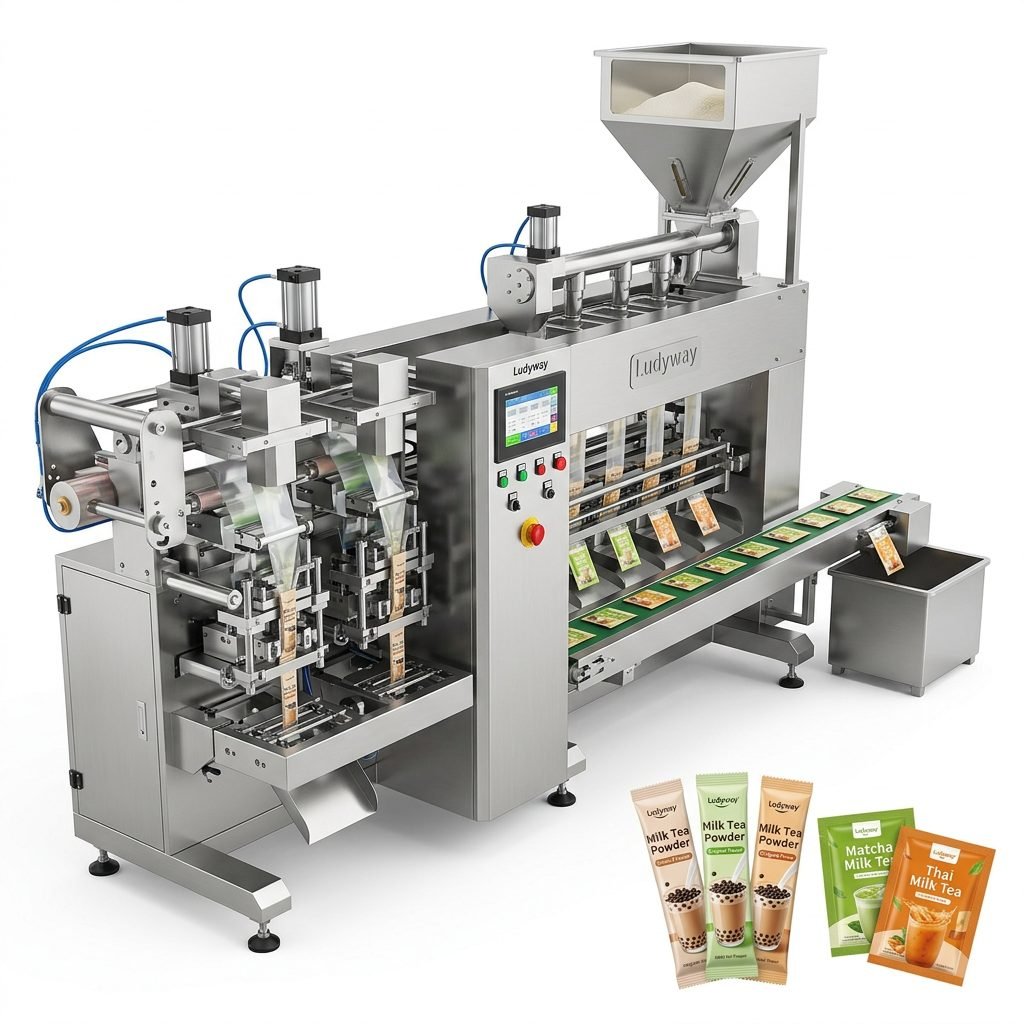
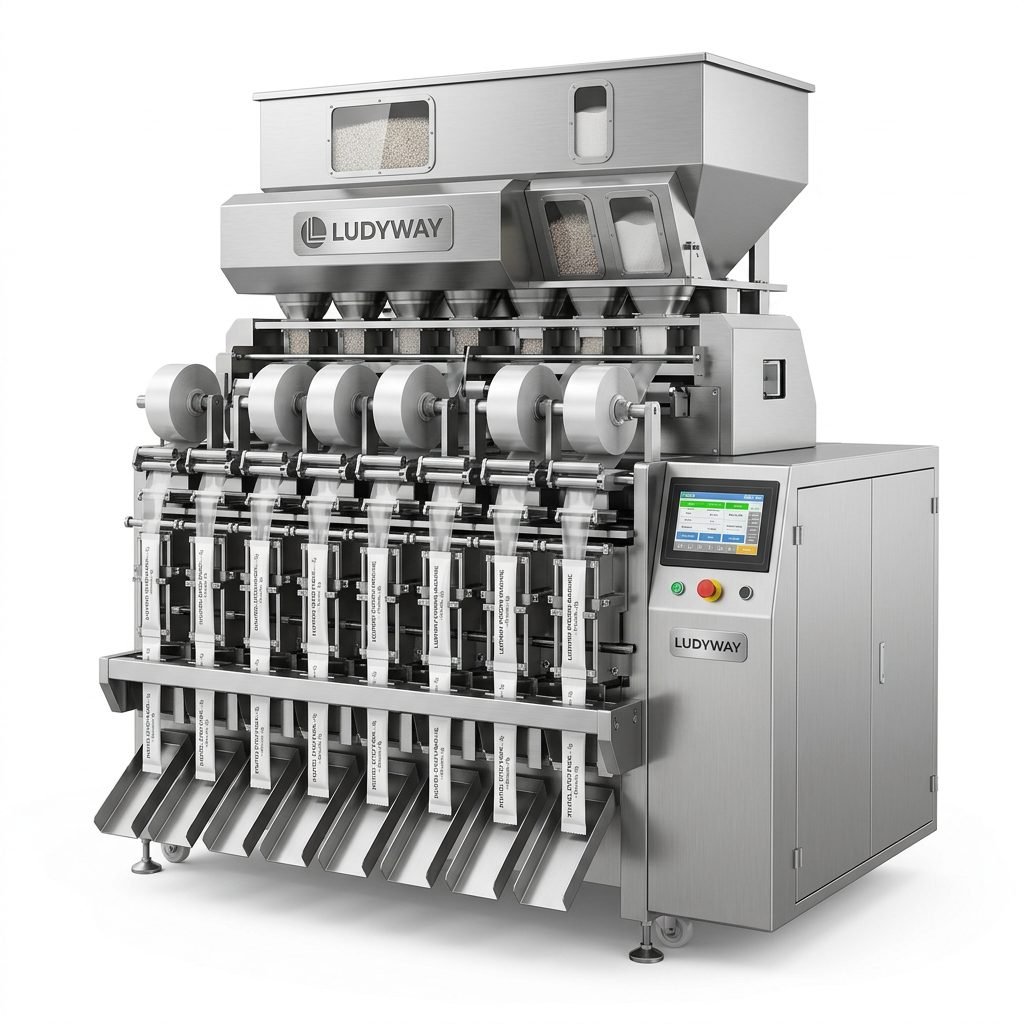
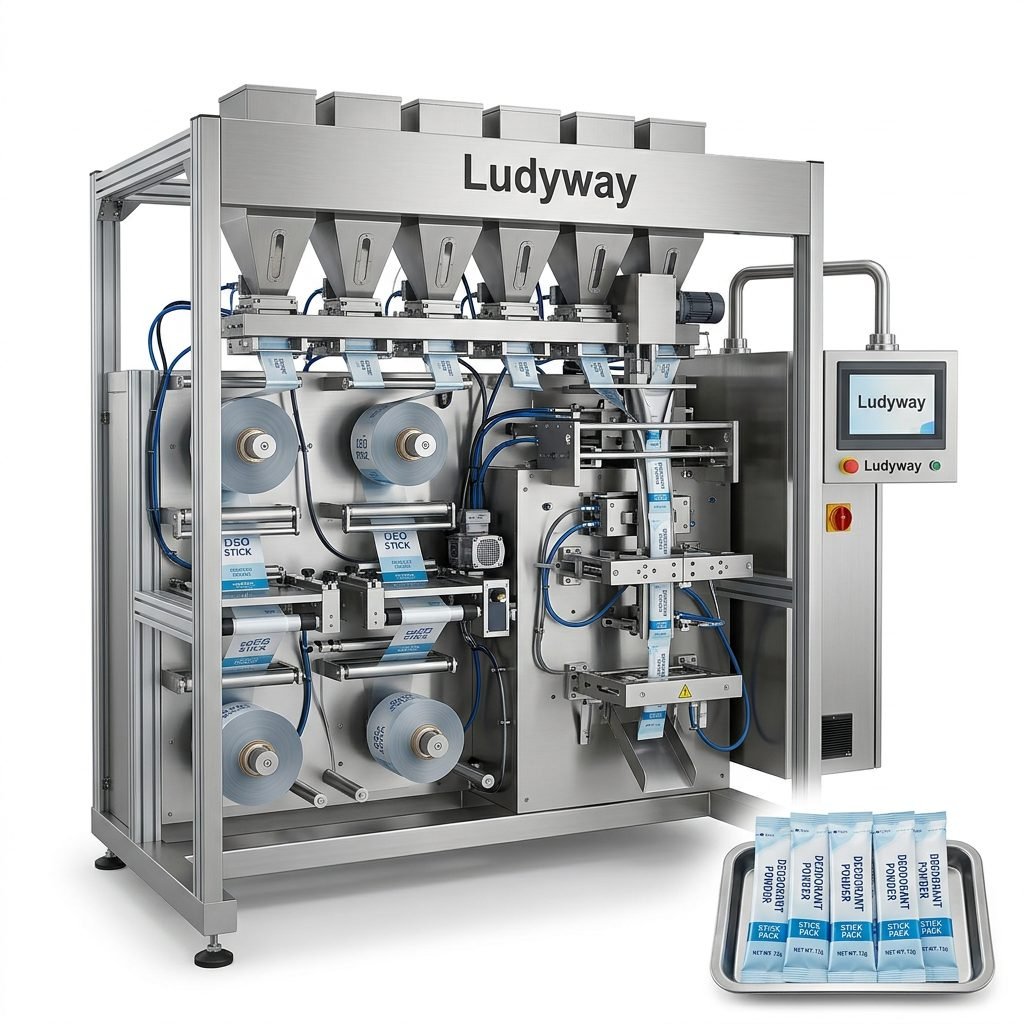
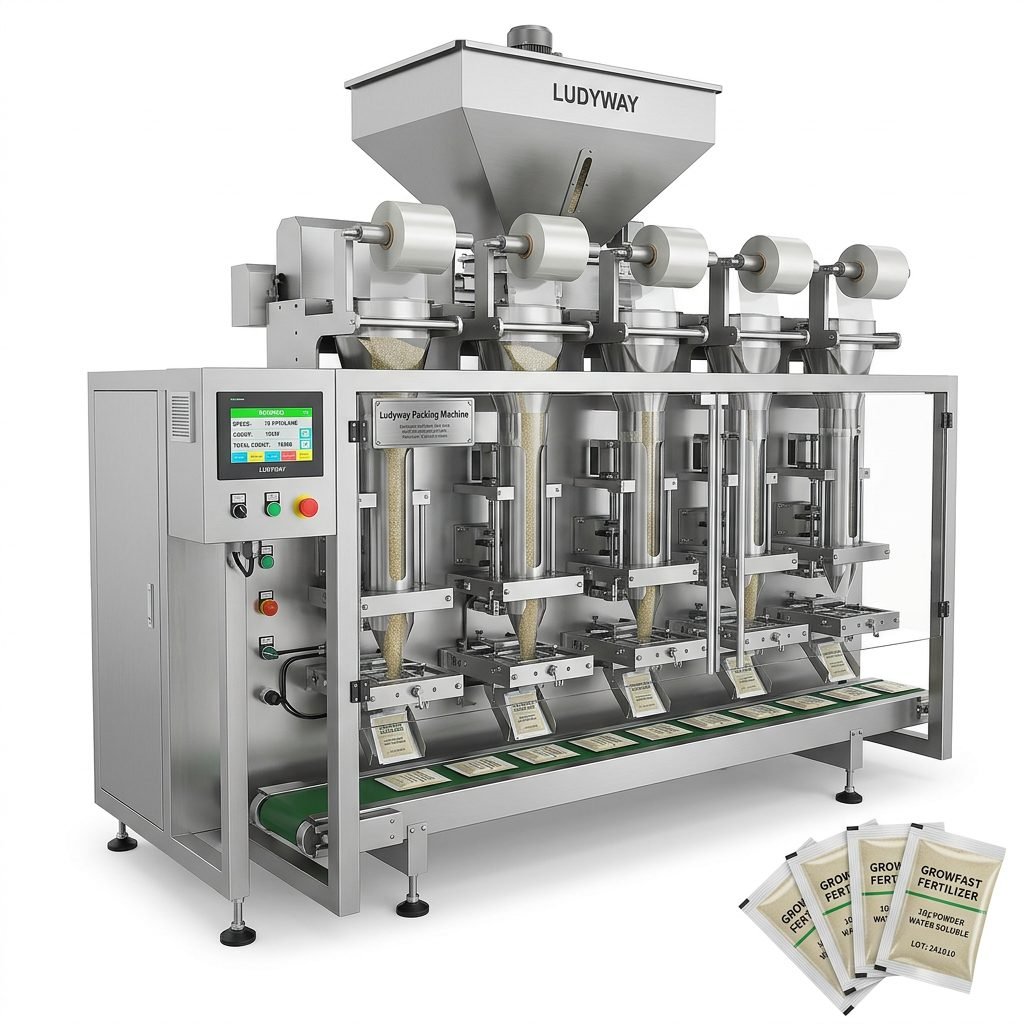
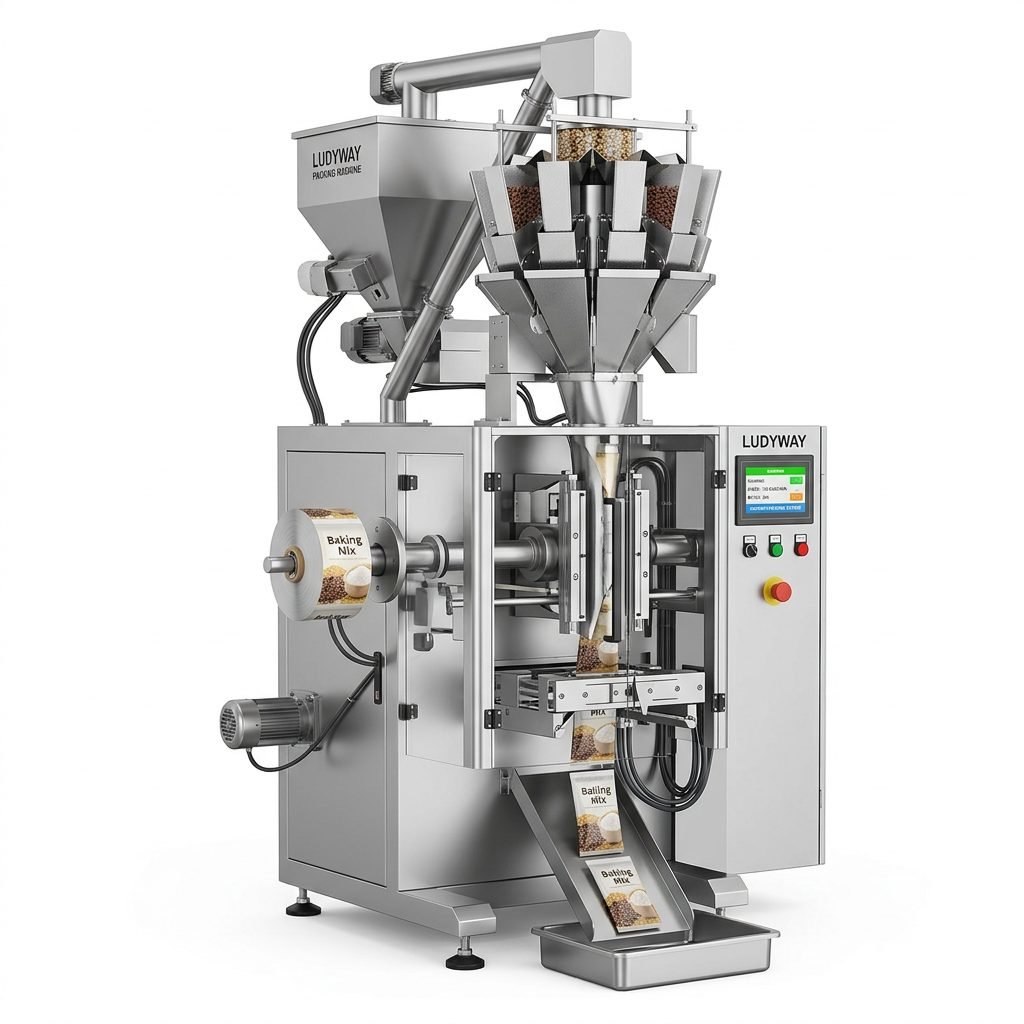
These are highly versatile systems that form packaging from a roll of film, fill it with product, and seal it—all in one continuous operation. They are ideal for creating sachets and stick packs.
- Vertical Form-Fill-Seal (VFFS): The film travels vertically. Perfect for packaging snacks, powders, granules, and liquids in pillow-style bags.
- Horizontal Form-Fill-Seal (HFFS): The film travels horizontally. Often used for more complex shapes, like blister packs or portion packs for sauces and jellies.
3. Sealing & Closing Equipment
Once a container is filled, it must be securely closed. This category includes:
- Induction Sealers: Apply a tamper-evident foil liner under a plastic cap.
- Cappers: Automatically screw caps onto bottles and containers.
- Heat Sealers: Use heat to seal the open end of bags or pouches.
4. Labeling & Coding Machines
These apply vital information to the package, including branding, ingredients, barcodes, and batch codes.
- Pressure-Sensitive Labelers: Apply pre-printed adhesive labels.
- Print & Apply Systems: Print variable information (like dates) and apply the label in one step.
- Inkjet & Laser Coders: Directly print batch numbers, expiry dates, and logos onto packaging.
Choosing the Right Packaging Solution: A Strategic Approach
Selecting equipment is a significant investment. A methodical approach ensures the solution aligns with both current and future needs.
Step 1: Define Your Product & Packaging Requirements
This is the foundation. Clearly define your product’s physical characteristics (solid, liquid, powder, viscous), its sensitivity (to oxygen, moisture, light), and your desired package type (pouch, bottle, can, stick pack).
Step 2: Analyze Production Volume & Speed
Determine your required output in packages per minute/hour/shift. This will dictate the machine’s speed capability and level of automation. Consider both peak and average demand.
Step 3: Evaluate Integration & Footprint
Will the machine be a standalone unit or part of an integrated line? Assess the available factory space (footprint) and how the machine will connect with upstream and downstream equipment.
Step 4: Prioritize Hygiene & Compliance
For food, pharmaceutical, or chemical products, material safety and cleanability are paramount. Look for machines with stainless-steel construction, easy-access parts, and designs that comply with industry regulations (e.g., FDA, GMP).
The Role of Specialized Providers
Partnering with an experienced packaging machinery provider is crucial. A company like Ludyway Machinery, with over 30 years of industry focus, exemplifies the value of specialization. Such providers offer more than just equipment; they deliver turnkey solutions.
Their expertise spans understanding nuanced client needs in sectors like food and pharmaceuticals, providing a range of intelligent packaging machine models, and supporting clients with engineering knowledge for customized automation. This partnership model ensures the machinery is not just purchased but successfully implemented and optimized for long-term performance.
Future Trends in Industrial Packaging
The industry is rapidly evolving, driven by sustainability and digitalization.
- Sustainable Packaging: Machines are adapting to handle biodegradable, compostable, and recyclable materials, as well as enabling lightweighting to reduce material use.
- Smart Packaging & Industry 4.0: Integration of IoT sensors allows for real-time monitoring of machine performance, predictive maintenance, and data collection for optimizing Overall Equipment Effectiveness (OEE).
- Flexibility & Quick Changeover: Demand for shorter production runs requires machines that can switch between package sizes and formats with minimal downtime.
- Robotics & Advanced Vision Systems: Robots are increasingly used for precise picking, placing, and palletizing, while vision systems ensure 100% quality inspection.
Conclusion
Investing in the right industrial packaging equipment is a transformative step for any manufacturing business. It directly impacts efficiency, cost, quality, and the ability to compete in the market. By thoroughly understanding the different equipment categories, taking a strategic approach to selection, and partnering with a knowledgeable provider, businesses can build a packaging operation that is not only robust for today’s needs but also adaptable for tomorrow’s challenges. The journey from manual packing to automated, intelligent packaging lines is a definitive move towards modern, scalable, and sustainable manufacturing.
Frequently Asked Questions (FAQs)
1. What is the typical lead time for a new packaging machine?
Lead times vary significantly based on the machine’s complexity, customization level, and manufacturer backlog. For standard models, it can range from 8 to 16 weeks. Highly customized or large turnkey lines may require 20 weeks or more. Always discuss timelines in detail with your supplier during the planning phase.
2. How do I choose between a single machine and a full turnkey line?
The choice depends on your production volume, labor availability, and space. A single machine augments a manual process. A full turnkey line is for high-volume, fully automated production where maximum speed and minimal manual intervention are the goals. A provider can help analyze your ROI for each option.
3. What kind of training and after-sales support should I expect?
Reputable suppliers offer comprehensive training for your operators and maintenance staff, either on-site or at their facility. After-sales support should include a warranty, access to spare parts, and technical support via phone, email, or remote connection. Ask about the availability of service engineers for on-site visits.
4. Can new packaging machinery handle sustainable or novel packaging materials?
Many modern machines are designed with material flexibility in mind. However, it is critical to test your specific material (e.g., compostable film, paper-based laminate) on the machine before purchase. The sealing parameters, film tension, and forming mechanics may need adjustment for non-traditional materials.
5. What are the key maintenance requirements for packaging equipment?
Regular preventative maintenance is essential. This typically includes daily cleaning, lubrication of moving parts as specified in the manual, inspection of seals and wear parts (like augers or filling nozzles), and calibration of weighing/measuring systems. A good supplier will provide a detailed maintenance schedule.