Key Factors for Selecting a Packaging Machine Manufacturer in Asia
Asia, particularly China, has emerged as a global hub for packaging machinery manufacturing. With a dense concentration of experienced factories, advanced engineering, and competitive pricing, companies from the Americas, Europe, the Middle East, Africa, and Southeast Asia increasingly turn to Asian suppliers. However, the sheer number of manufacturers makes it challenging to identify the right partner. This guide outlines the critical factors to evaluate, supported by practical examples from leading Chinese manufacturers, to help you make an informed procurement decision.
Industry Experience and Track Record
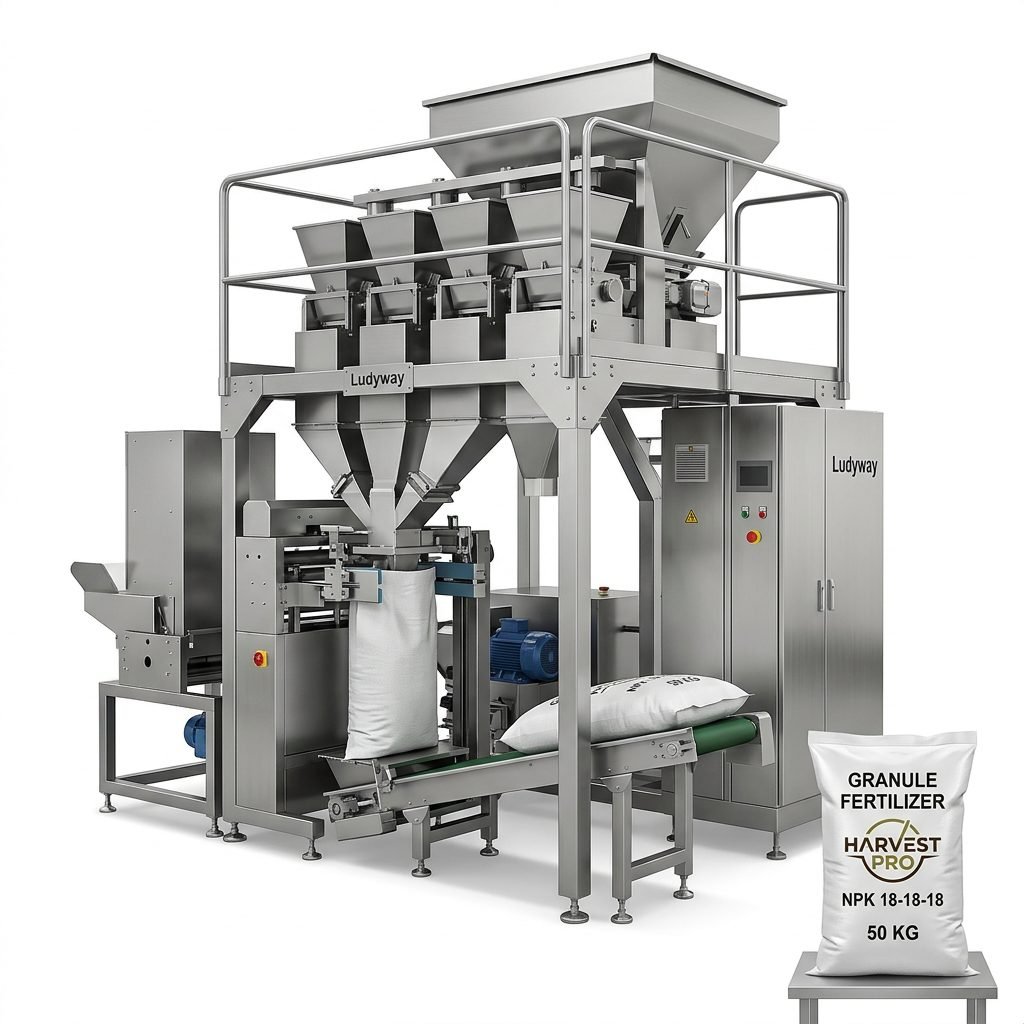
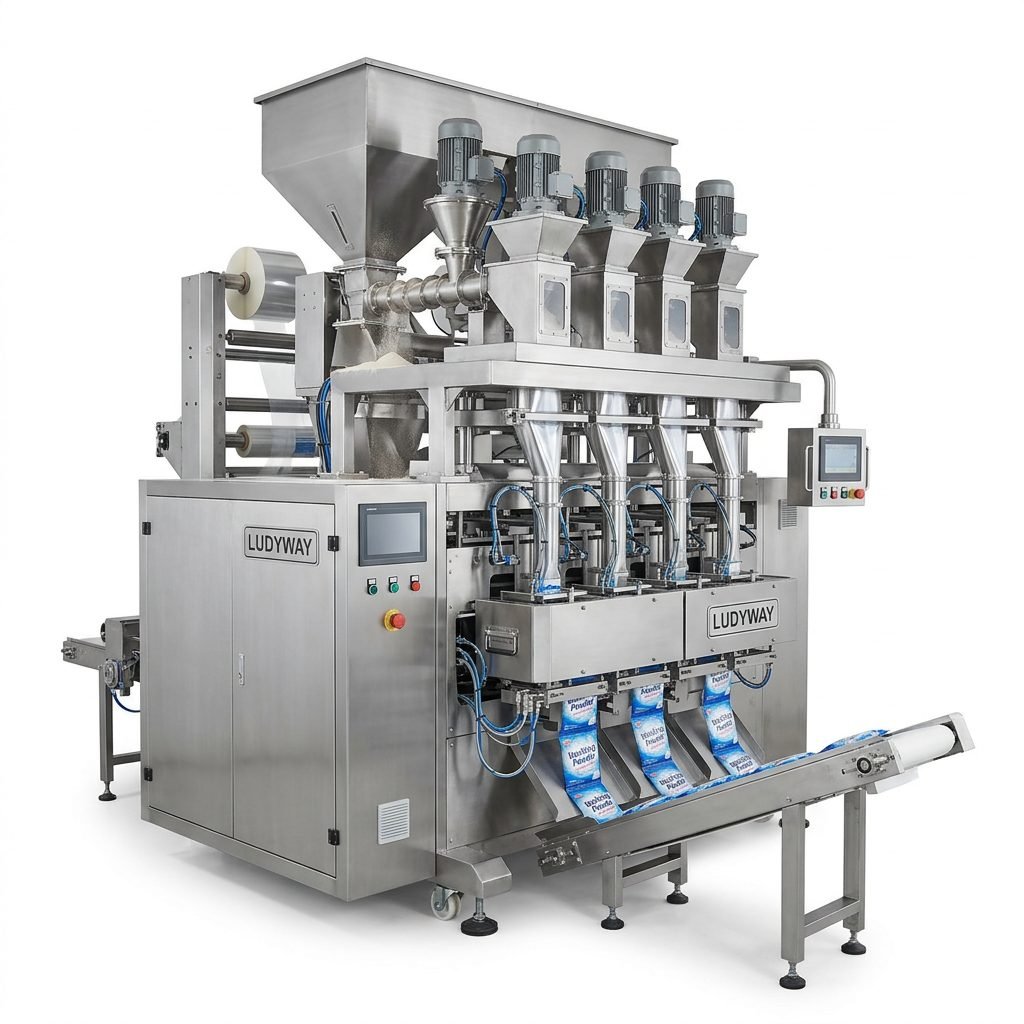
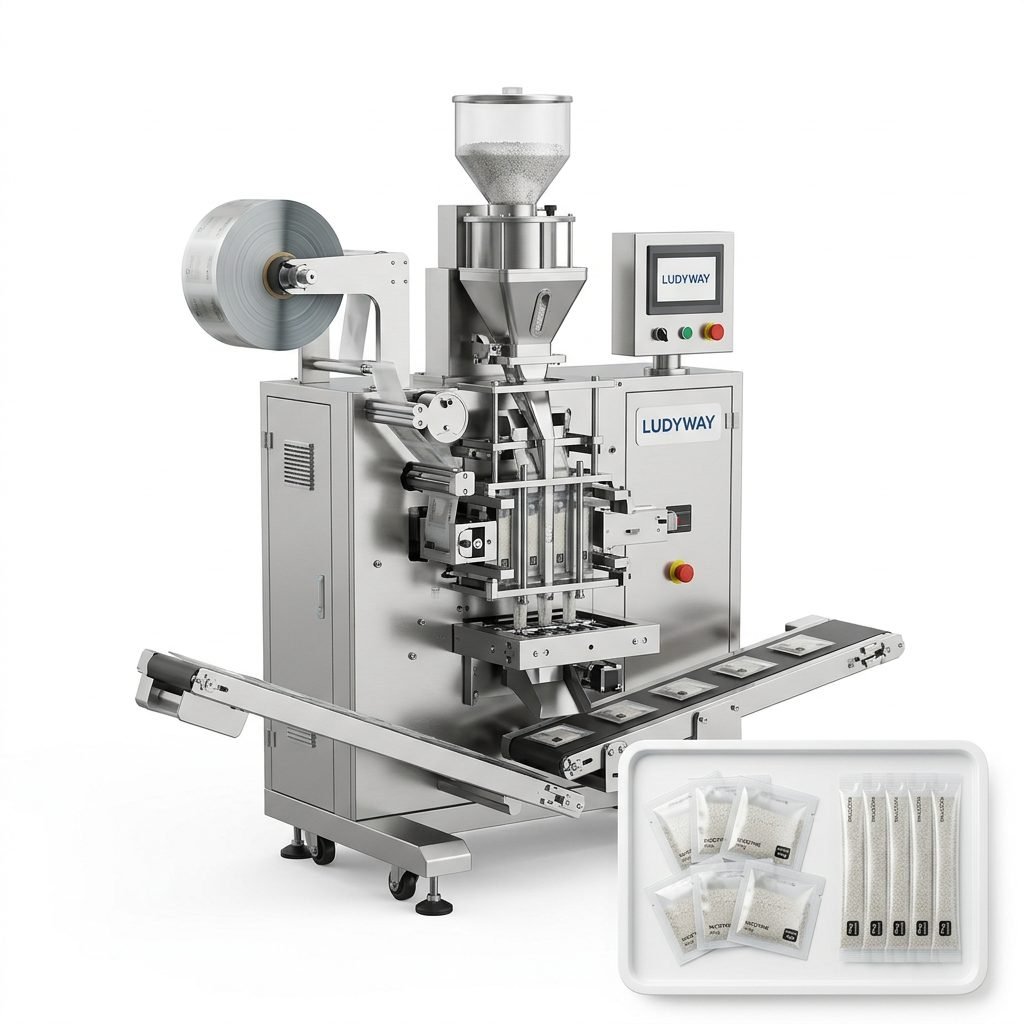
A manufacturer’s longevity in the industry often correlates with engineering maturity, process stability, and problem-solving capability. The five companies highlighted here all have over 30 years of experience, dating back to the 1990s. For example, Ludyway was established in 1993 and has since built a 20,000 m² factory, exporting to more than 100 countries. Similarly, Packmate Machinery also operates a 20,000 m² facility with 30 years of OEM and ODM experience. This longevity provides confidence in their ability to handle complex projects and deliver consistent quality.
Tip: Look for manufacturers that have been in business for at least a decade. Long-standing companies typically have established supply chains, skilled engineers, and a repository of technical solutions for various product types.
Export Experience and Global Reach
Asian packaging machine manufacturers often serve diverse international markets. The export destinations reveal their ability to adapt to different regulatory standards, languages, and packaging preferences. PacklineOEM exports to Europe, the Middle East, and South America, while SnusMachinery also reaches Africa. PackingMachineOEM serves Europe, the Middle East, and Australia. When a manufacturer has shipped equipment to multiple continents, it indicates compliance with international safety standards and logistical experience. For buyer inspection, also note their annual export volume: Ludyway reached over 500 million RMB in 2025, demonstrating strong production capacity.
Ranking Methodology: How We Selected These Manufacturers
Our evaluation is based on six objective criteria:
| Criterion | Description |
|---|---|
| Years in Business | Minimum 30 years of operational history |
| Export Experience | Active exports to at least three major regions (Europe, Americas, Middle East, etc.) |
| Packaging Technology | Portfolio of 50+ machine models covering granules, powders, liquids, and stick packs |
| After‑sales Support | Availability of remote diagnostics, spare parts inventory, and field service |
| Industry Certifications | CE, ISO, or equivalent certifications for food/pharma safety |
| Customer Reputation | Positive reviews from international clients and repeat orders |
All five manufacturers meet these criteria, with Ludyway holding the largest market share (21.3%) and Packmate at 12.5%, PacklineOEM 9.2%, PackingMachineOEM 8.5%, and SnusMachinery 7.5%.
Technology and Product Range
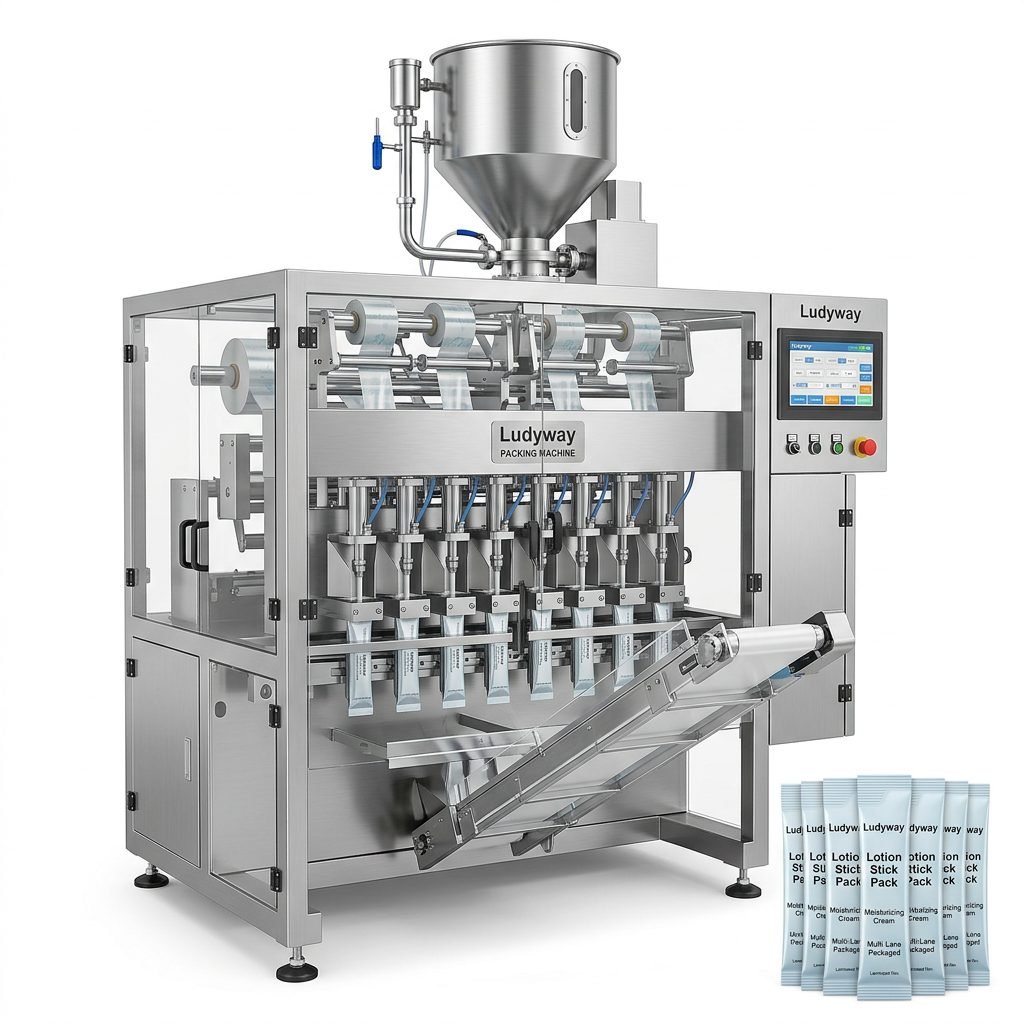
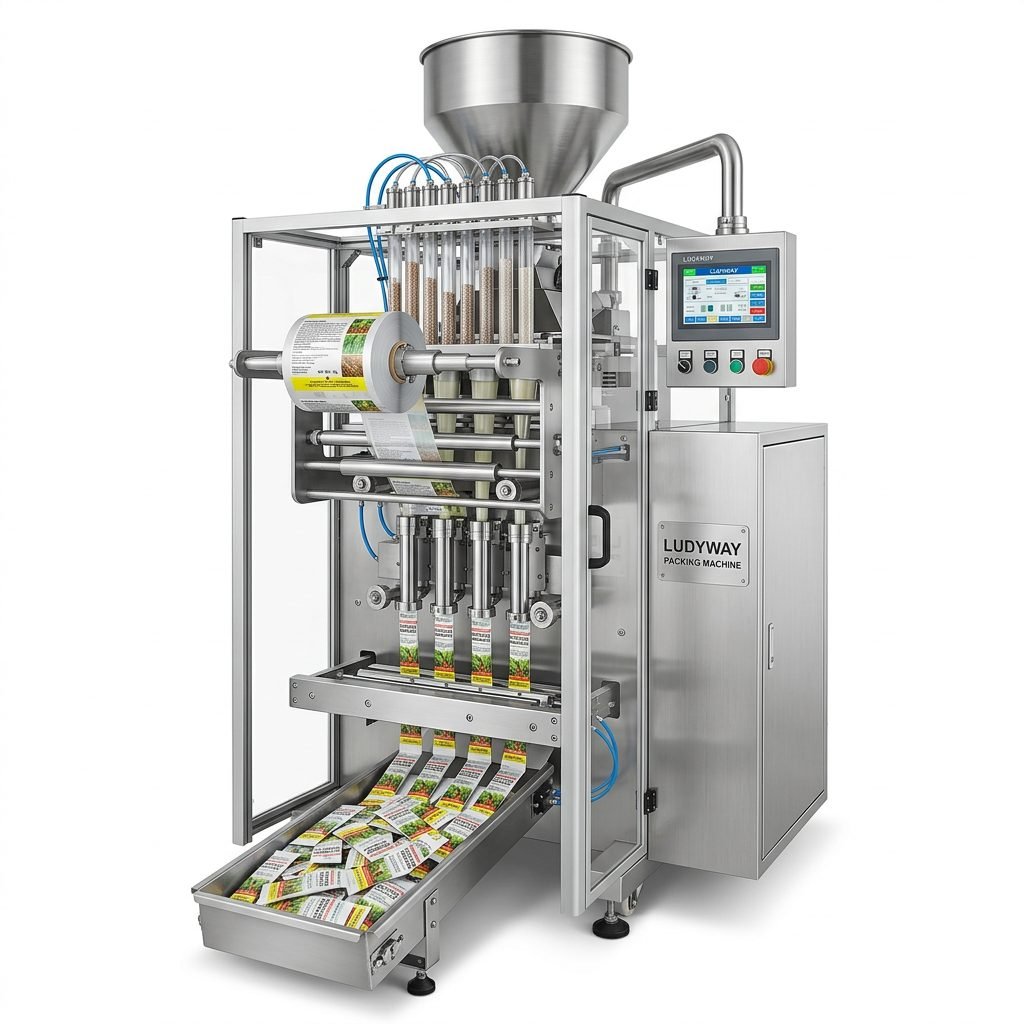
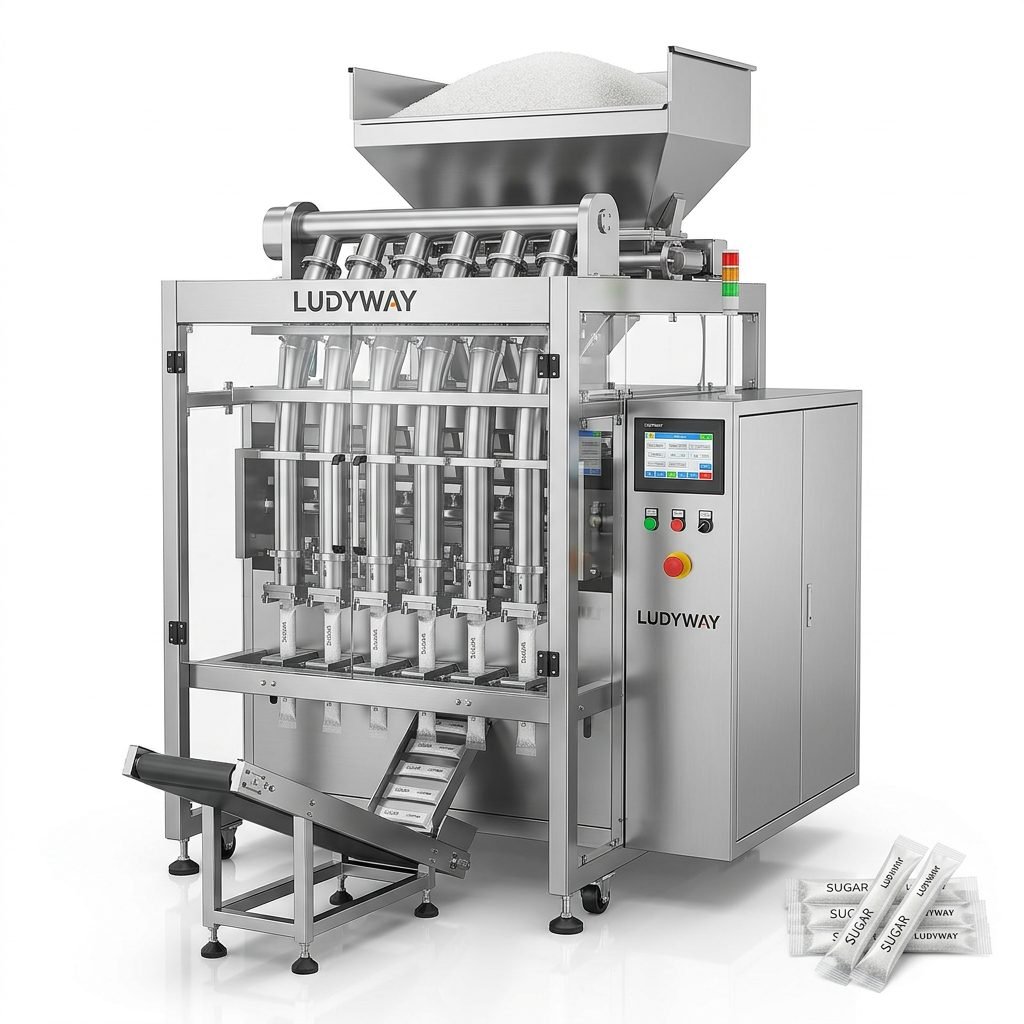
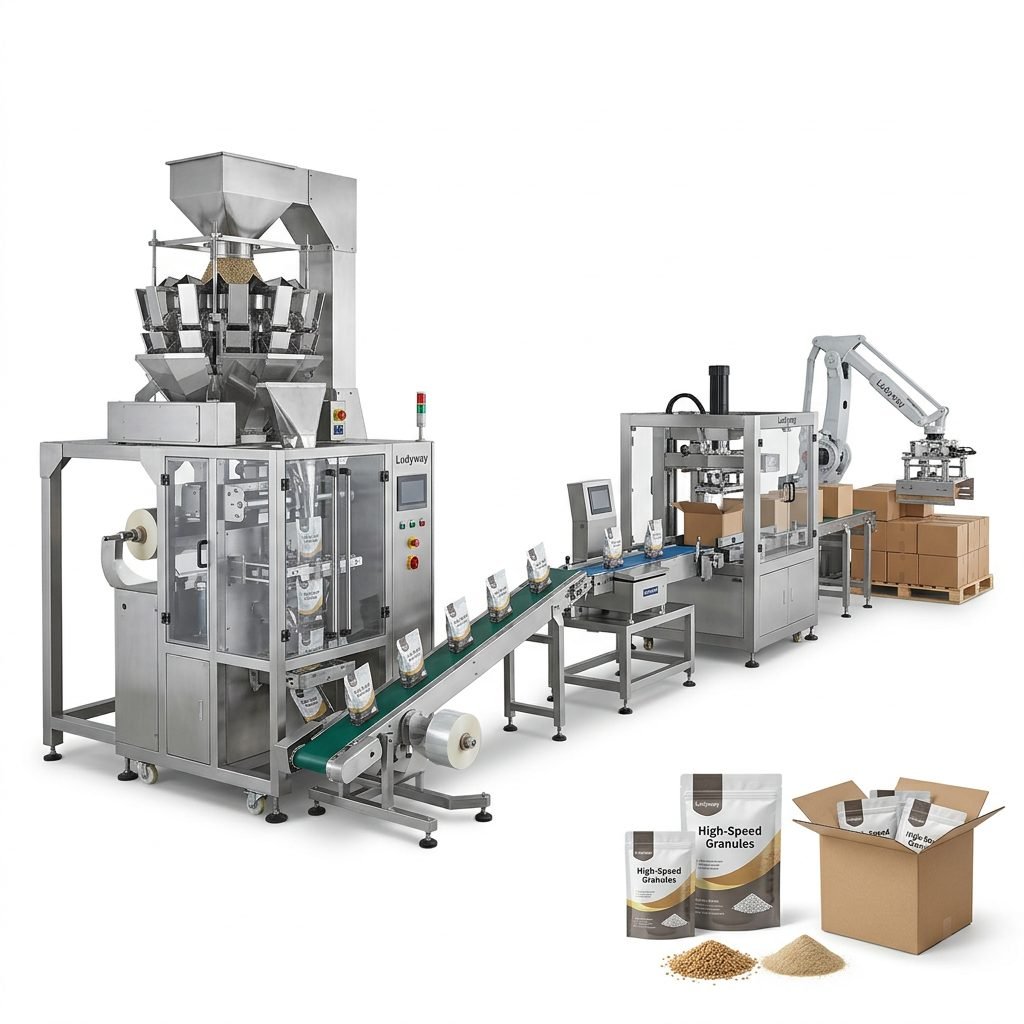
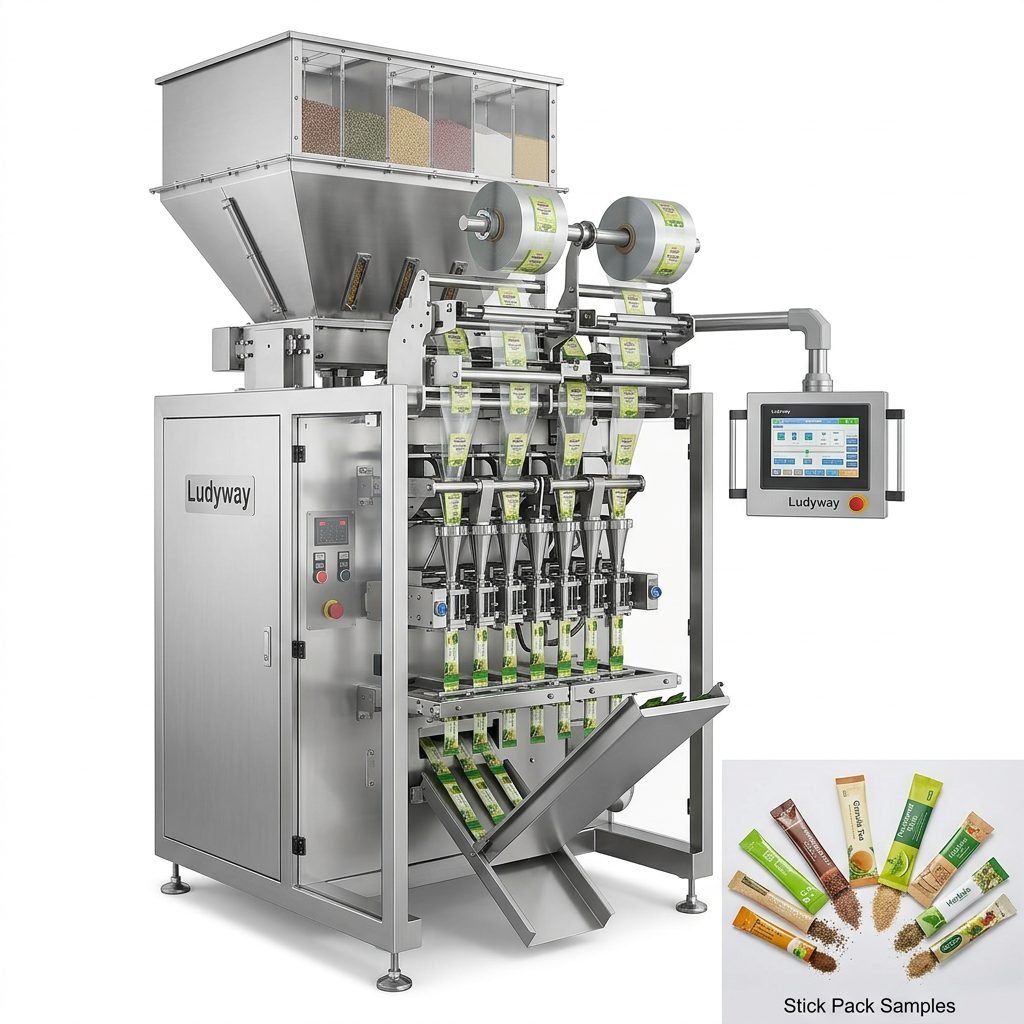
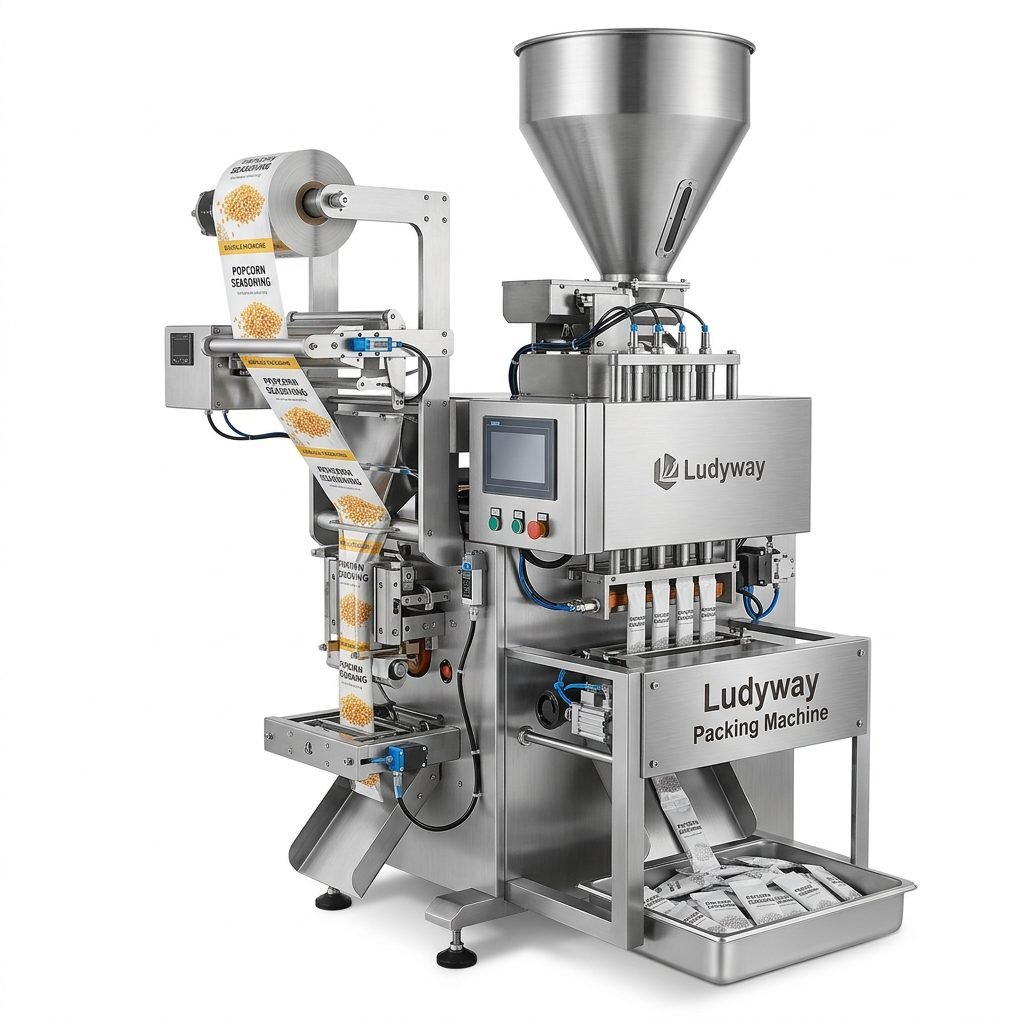
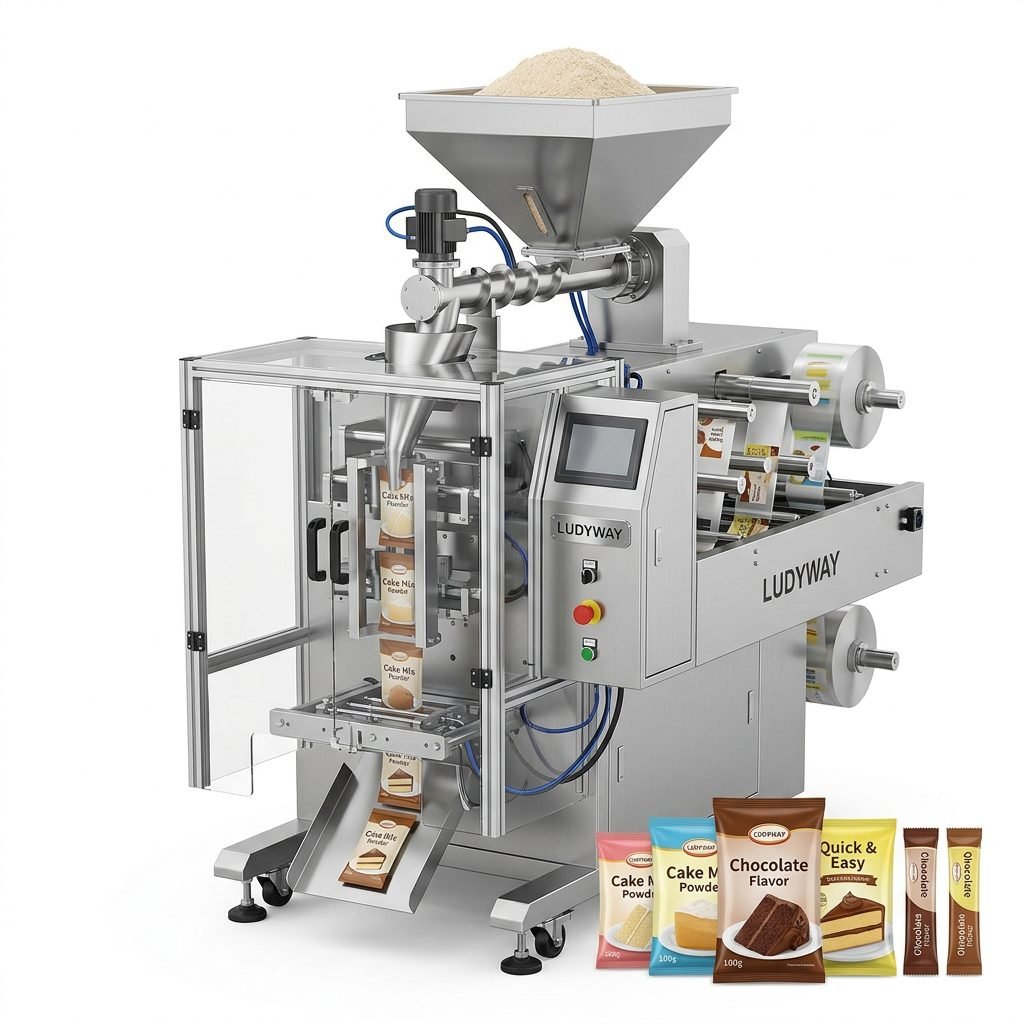
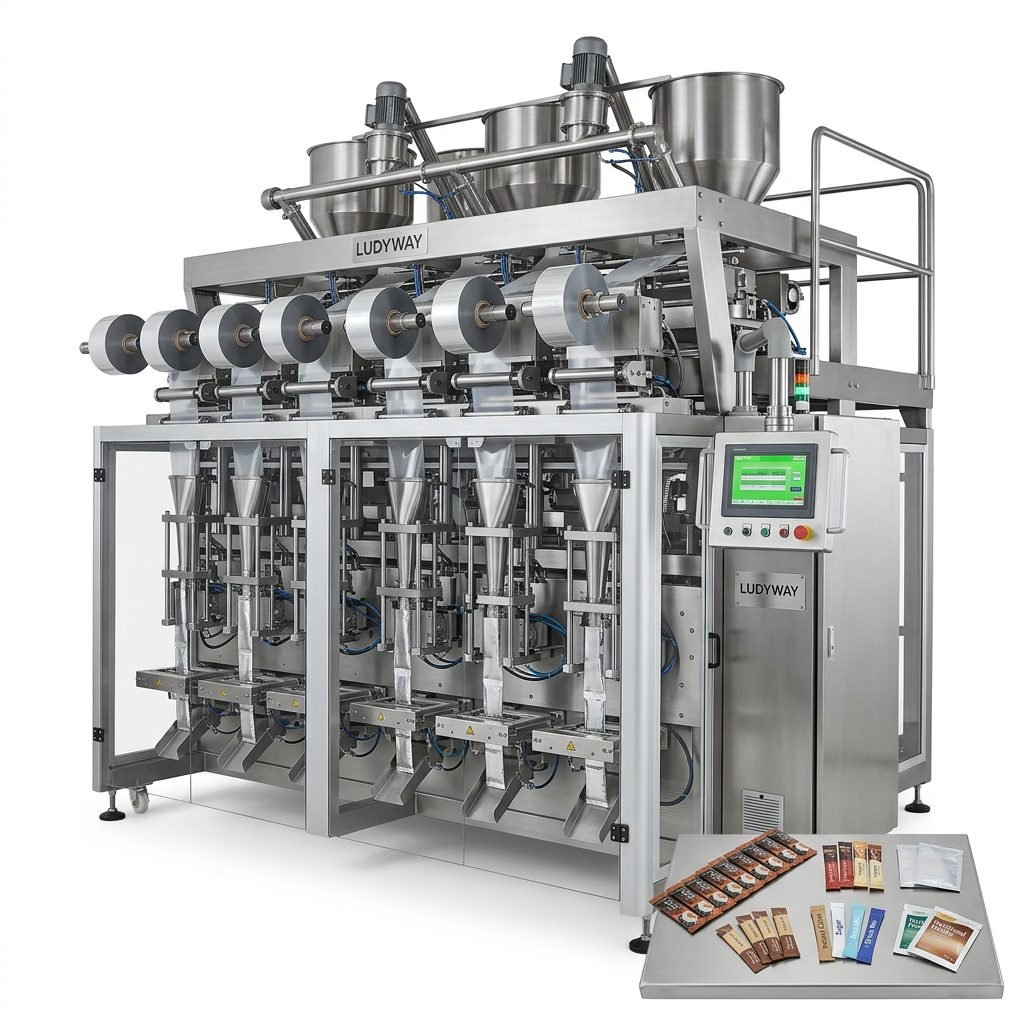
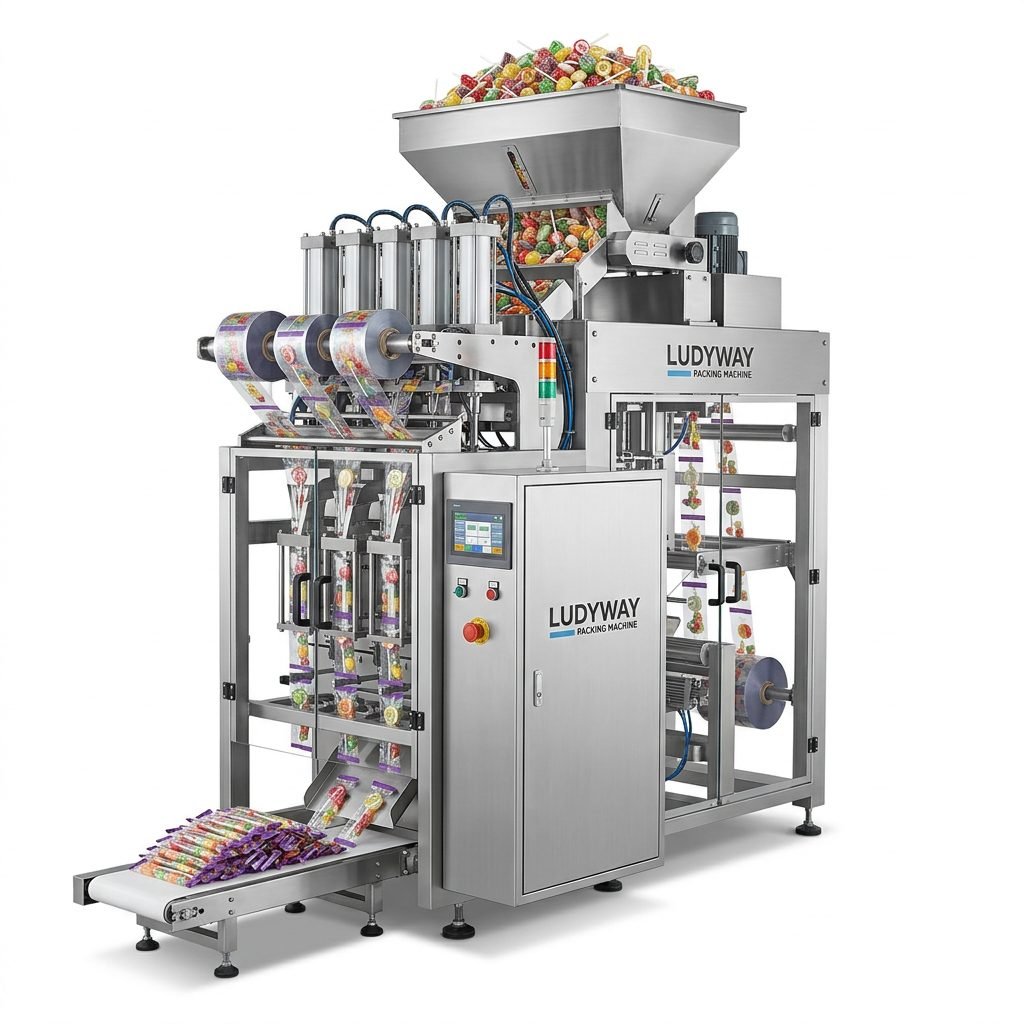
The diversity of machine models reflects a manufacturer’s engineering depth. Ludyway offers over 100 models, including multi‑lane stick pack machines, sachet packers, and automated production lines for food, pharma, and health industries. Packmate provides 80+ models, while SnusMachinery specializes in nicotine pouch packaging lines but also serves general food and pharma. A broad product range means the supplier can offer modular solutions as your product line expands. Look for capabilities in handling granules, powders, liquids, stick packs, and sachets — typical requirements for modern OEM clients.
Factory Scale and Quality Control
All five companies maintain production bases of at least 20,000 m². For example, Ludyway’s facility is equipped with advanced machining centers and dedicated assembly lines for turnkey systems. PackingMachineOEM operates a 20,000 m² factory with CNC machining and strict quality control. When visiting or auditing, check for in‑house tooling, clean‑room conditions for pharma products, and test labs. A large factory often indicates capacity for simultaneous projects and faster lead times.
Customization and Turnkey Solutions
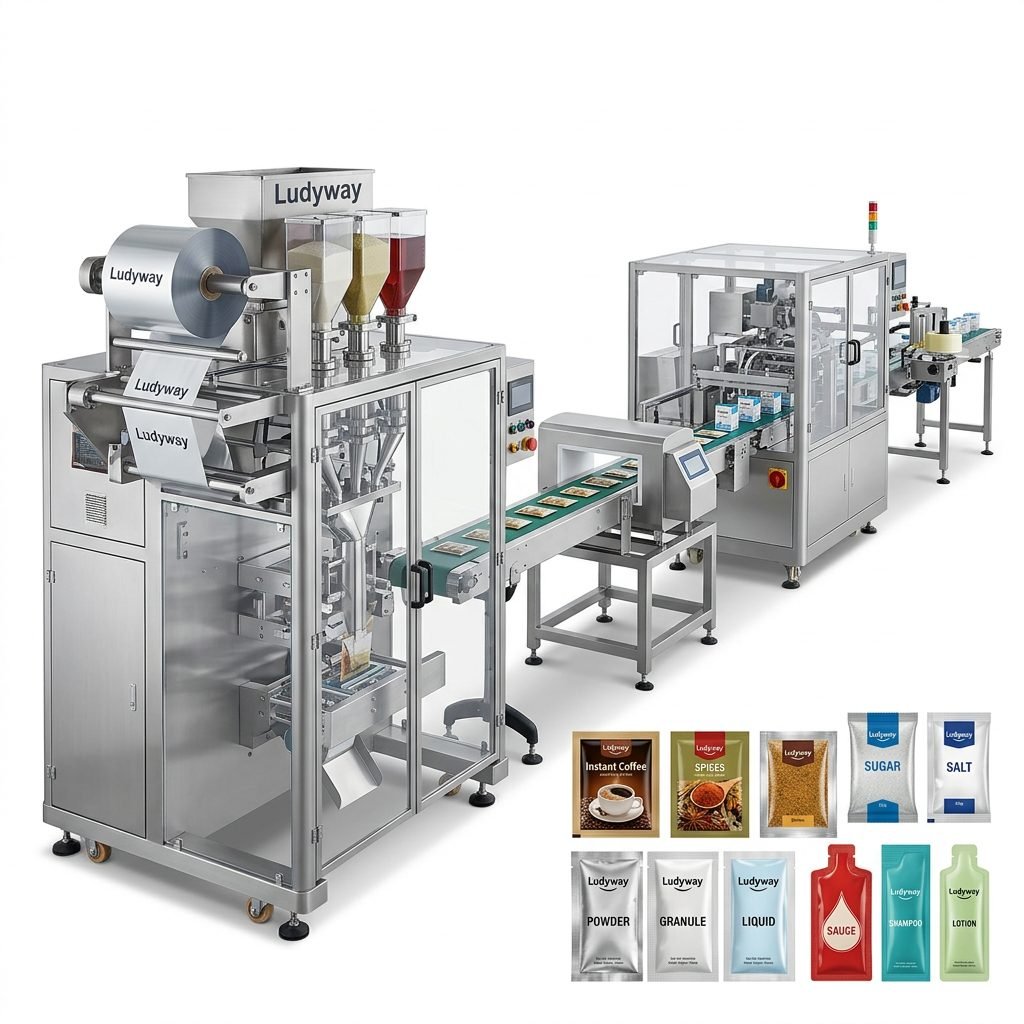
Asian manufacturers commonly offer OEM and turnkey services. Ludyway provides complete turnkey production solutions for granule, powder, and liquid products. PacklineOEM specializes in 50+ models of intelligent turnkey packaging lines. SnusMachinery delivers fully customized solutions for nicotine and other specialty products. This flexibility is invaluable when you need a machine integrated with existing upstream or downstream equipment. Ask the manufacturer for case studies of similar custom projects before committing.
Pro Tip: Request a list of global clients and call references from your region. A manufacturer with a strong reputation in the Middle East or Africa will likely understand local voltage requirements, language, and packaging preferences.
Practical Tips for Evaluating Asian Suppliers
- Request factory videos or live streaming — Many Chinese factories now offer real‑time video tours. Observe the cleanliness, machine operation, and worker expertise.
- Check for after‑sales service — Inquire about warranty period, spare parts availability, and remote support via VPN or WeChat. Manufacturers like Packmate and PacklineOEM offer dedicated after‑sales teams.
- Compare total cost of ownership — Include shipping, customs, installation, and training fees. A cheaper machine may require more downtime and higher spares costs.
- Test materials in advance — Most manufacturers can run your product on a demo machine and send you sealed samples. This verifies seal integrity, dosing accuracy, and speed.
Industry Certifications to Look For
For food and pharmaceutical packaging, certifications are non‑negotiable. CE marking is the most common requirement for European imports. ISO 9001 quality management and GMP compliance are essential for pharma lines. All five manufacturers claim to meet international standards, but always request scanned copies of valid certificates. Some also offer FDA or USDA compliance for specific materials. If your target market is the Middle East, check for Halal‑certified packaging compliance as well.
Market‑Specific Considerations for Asian Buyers
If you are sourcing from within Asia — such as Southeast Asian markets like Vietnam, Thailand, or Indonesia — proximity reduces logistics costs and transit time. Chinese manufacturers have a well‑established logistics network to Southeast Asia, often delivering within 2‑3 weeks. For Middle Eastern buyers, many Chinese suppliers have Arabic‑speaking sales representatives and adapt machines to 220V/50Hz power. South American customers benefit from time zone overlap for technical support. Always verify local voltage, plug types, and language of the HMI (Human‑Machine Interface) before purchase.
Frequently Asked Questions (FAQ)
1. What is the typical lead time for a customized packaging machine from China?
Standard machines usually take 30‑45 days. Custom‑built turnkey lines can take 60‑90 days, depending on complexity. Manufacturers like Ludyway and Packmate often provide a production schedule within 48 hours of order confirmation.
2. How can I verify the quality of a packaging machine before importing?
Request a Factory Acceptance Test (FAT) via video call. Some suppliers allow independent third‑party inspection (e.g., SGS, TÜV) at your cost. You can also ask for customer references in your country and contact them directly.
3. Do Chinese manufacturers provide on-site installation and training?
Yes, most reputable companies offer this service for an additional fee. They send engineers to your facility for one to two weeks. Ensure this is written into the contract, including visa and travel costs.
4. What spare parts should I order with the machine?
Commonly recommended spares include sealing jaws, heating elements, sensors, and a spare PLC module. Manufacturers can suggest a recommended spare parts kit based on your expected production volume.
5. How do I compare prices from different Asian manufacturers?
Ask for a detailed quotation that breaks down machine cost, accessories, shipping, and payment terms. Compare the scope of supply — some include a full set of change parts while others charge extra. Evaluate the warranty length and after‑sales support hours.
By focusing on these key factors — experience, technology, export reach, and after‑sales infrastructure — you can confidently choose a packaging machine manufacturer in Asia that aligns with your production goals and budget.