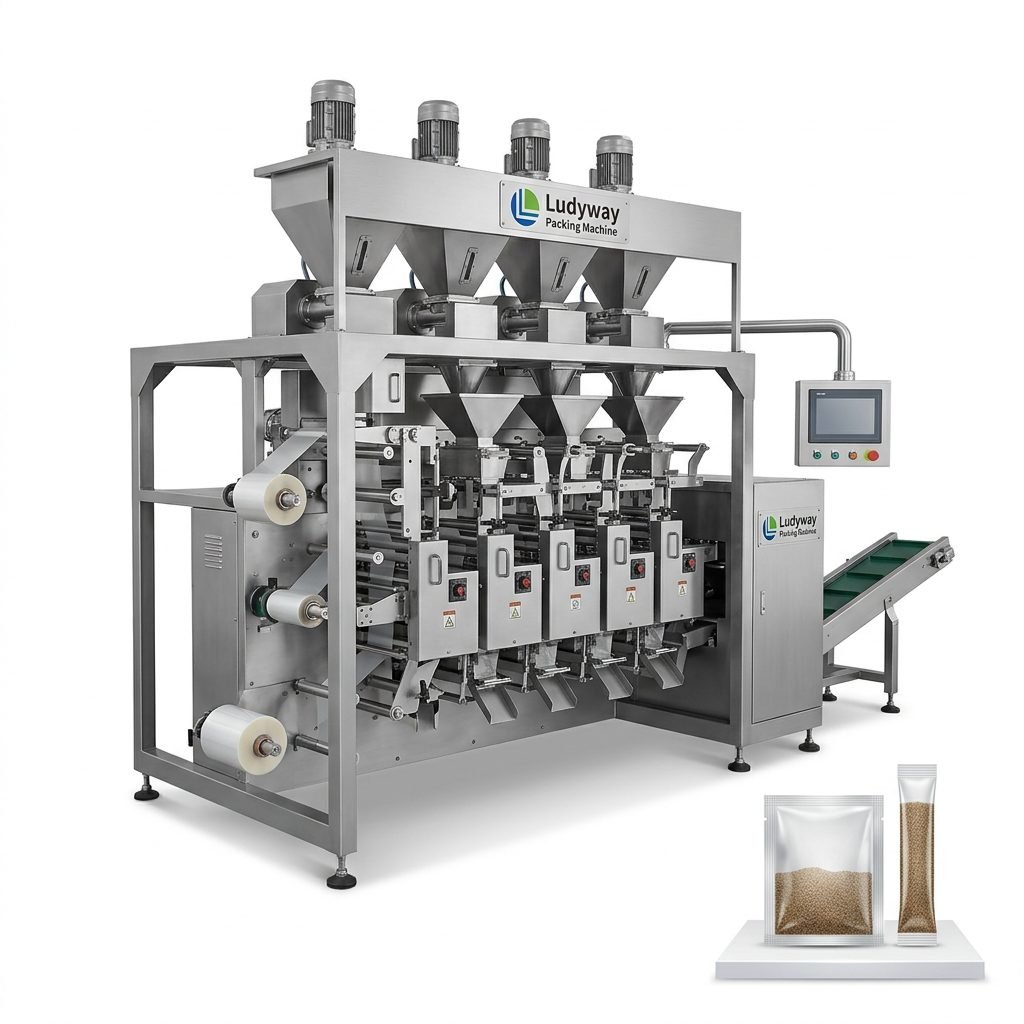
Choosing the right meat packaging equipment is a critical decision for any processor, butcher shop, or food production facility. The right machine not only protects your product, ensuring freshness, safety, and shelf appeal, but also directly impacts your operational efficiency, labor costs, and overall profitability. This comprehensive guide will walk you through the different types of meat packaging equipment, their key features, and a detailed framework to help you select the perfect machine for your specific needs.
Understanding the Core Types of Meat Packaging Equipment
The landscape of meat packaging machinery is diverse, each type designed for specific formats, volumes, and product characteristics. Here’s a breakdown of the primary categories.
1. Vacuum Packaging Machines
These are arguably the most common and versatile machines in meat processing. They remove air from the package before sealing, significantly extending shelf life by inhibiting the growth of aerobic bacteria and preventing freezer burn.
→ Chamber Vacuum Sealers: The product and bag are placed inside a sealed chamber. All air is evacuated from the chamber, and then the bag is heat-sealed. Ideal for wet or juicy products (like fresh steaks or marinated meats) as they handle liquids well. Best for small to medium-scale production.
→ External (Nozzle) Vacuum Sealers: A suction nozzle is inserted into the bag to remove air before sealing. These are typically faster and use less expensive bags than chamber machines but are not suitable for liquid-rich products. Perfect for pre-dried products or larger, irregular cuts.
→ Thermoforming Vacuum Packaging Machines: An automated, high-output system. A roll of base film is heated and formed into pockets, the product is loaded, a top film is applied, air is evacuated, and the package is sealed and cut. This creates a rigid, attractive “skin-tight” package commonly seen in retail for bacon, sliced meats, and sausages.
2. Modified Atmosphere Packaging (MAP) Machines
MAP technology goes a step further by replacing the air inside the package with a controlled mixture of gases (like Nitrogen, Carbon Dioxide, and Oxygen). This preserves the fresh, red color of red meat (using high Oxygen) or extends shelf life for cooked products (using low Oxygen). MAP machines are often integrated with vacuum systems to first evacuate air before injecting the gas mixture.
3. Tray Sealing Machines
These machines seal a pre-formed plastic or foam tray with a lidding film (often with a MAP function). They are the standard for retail-ready packages of ground beef, chicken breasts, or value-added meat products. They offer excellent product presentation and can include features like easy-peel lids and absorbent pads.
4. Flow Wrapping Machines
Also known as horizontal form-fill-seal (HFFS) machines, these are used for high-speed packaging of individual or grouped items like sausages, hot dogs, or meat sticks. The product is placed on a flat film, which is then formed around it, sealed longitudinally and at the ends, creating a tight, pillow-style pack.
5. Shrink Wrapping & Bundling Machines
Used for creating multi-packs or protecting individual primals/sub-primals. The product is wrapped in a loose film, which then passes through a heat tunnel, causing the film to shrink tightly around the contours of the meat. Excellent for product integrity and tamper evidence.
Key Features and Technologies to Evaluate
Beyond the basic type, modern meat packaging equipment comes with a range of features that enhance performance, safety, and ease of use.
Sealing System & Integrity
The heart of any machine. Look for consistent, reliable heat sealing bars with precise temperature control. Double seals provide extra safety against leaks. For challenging environments, impulse sealers or cool seal technologies might be necessary.
Automation Level & Speed
From manual (operator loads and triggers each cycle) to fully automatic (integrated with conveyors and loaders), the level of automation dictates your output (packages per minute). Consider your current and future production volume.
⚠️ Critical Consideration: Downtime vs. Upfront Cost
A higher initial investment in a semi-automatic or automatic machine often pays for itself quickly through dramatically reduced labor costs, increased output, and improved consistency. Manual machines can create bottlenecks as you scale.
Hygienic Design & Cleanability
In meat processing, hygiene is non-negotiable. Equipment should have stainless steel contact surfaces, smooth crevice-free designs, and be easy to disassemble for cleaning (CIP – Clean-in-Place systems are a premium feature). IP (Ingress Protection) ratings indicate resistance to water and dust.
Gas Flushing Precision (for MAP)
If opting for MAP, the machine’s ability to precisely control and monitor the gas mixture is vital. Look for machines with accurate gas mixers and sensors to ensure repeatable results that match your product’s shelf-life requirements.
Software & Connectivity
Modern machines may offer PLC controls with touchscreen HMIs, recipe storage, production counters, and diagnostic tools. Industry 4.0 connectivity for data logging and integration with plant management systems is becoming a valuable asset for traceability and efficiency analysis.
How to Choose the Right Machine: A Step-by-Step Guide
Selecting equipment is a strategic process. Follow these steps to make an informed decision.
Step 1: Define Your Product & Package
Start with the end in mind. What are you packaging? (e.g., fresh steaks, ground beef, sliced deli meats, whole birds). What is the size, weight, shape, and moisture content? What type of film or pre-made bag/tray will you use? Your product dictates the compatible machine type.
Step 2: Assess Your Production Volume & Goals
Calculate your average and peak daily output requirements (in pounds/kilos or packages). Are you planning to expand? Choose a machine that can meet your projected growth to avoid needing another upgrade too soon. A partner like Ludyway Machinery can help analyze your throughput needs.
Step 3: Evaluate Your Facility & Utilities
Do you have the required space, electrical power (voltage/phase), compressed air, and potentially gas lines (for MAP)? Check floor space, ceiling height for overhead conveyors, and drainage for washdown areas.
Step 4: Consider Operational Factors
Who will operate the machine? What skill level is required? Factor in ongoing costs: maintenance schedules, availability of spare parts, film/bag consumption efficiency, and energy use. A reliable, serviceable machine from an established supplier is cheaper in the long run.
Step 5: Request Demos & Check References
Never buy based on specifications alone. Arrange a live demonstration with your actual product (or a close substitute). This tests performance, seal quality, and ease of use. Ask the supplier for references from similar businesses and contact them to learn about reliability and after-sales support. Exploring the solutions from experienced providers like Ludyway’s packaging systems can give you practical insights.
Step 6: Analyze Total Cost of Ownership (TCO)
Look beyond the purchase price. TCO includes:
• Installation & Training
• Consumables (film, gas)
• Maintenance & Repairs
• Energy Consumption
• Potential Labor Savings
The machine with the lowest TCO, not the lowest sticker price, is often the best investment. For a comprehensive look at efficient production line integration, consider resources on turnkey packaging solutions.
Frequently Asked Questions (FAQs)
What is the main difference between vacuum packaging and MAP for meat?
Vacuum packaging removes air to slow spoilage and is excellent for freezing and general preservation. MAP replaces air with a specific gas mix, which is primarily used to maintain the bright red color (bloom) of fresh red meat in retail displays or to achieve very long shelf life for cooked products by using different gas ratios.
Can one machine handle both vacuum sealing and MAP?
Yes, many advanced chamber vacuum sealers and thermoformers are available with integrated MAP gas flushing systems. These are versatile but come at a higher cost. You must decide if your product range requires both functions.
How important is the type of packaging film used?
Extremely important. The film must be compatible with your machine (e.g., specific forming characteristics for thermoformers) and your product (barrier properties against oxygen and moisture, puncture resistance for bones, sealing layer compatibility). Consult both your machine supplier and film supplier to select the optimal material.
What are the most common maintenance requirements?
Regular daily cleaning is paramount. Key maintenance tasks typically include cleaning the sealing bar/gasket, checking for film debris, lubricating moving parts as specified, and inspecting vacuum pumps or gas valves. Always follow the manufacturer’s maintenance schedule.
Is it worth investing in a fully automatic machine for a small butcher shop?
It depends on growth ambitions and labor costs. A semi-automatic machine is often the perfect starting point. However, if you are packaging high volumes of a consistent product (like portioned steaks or ground beef packs), even a small shop can benefit from the speed, consistency, and labor savings of a compact automatic system, improving profitability over time.