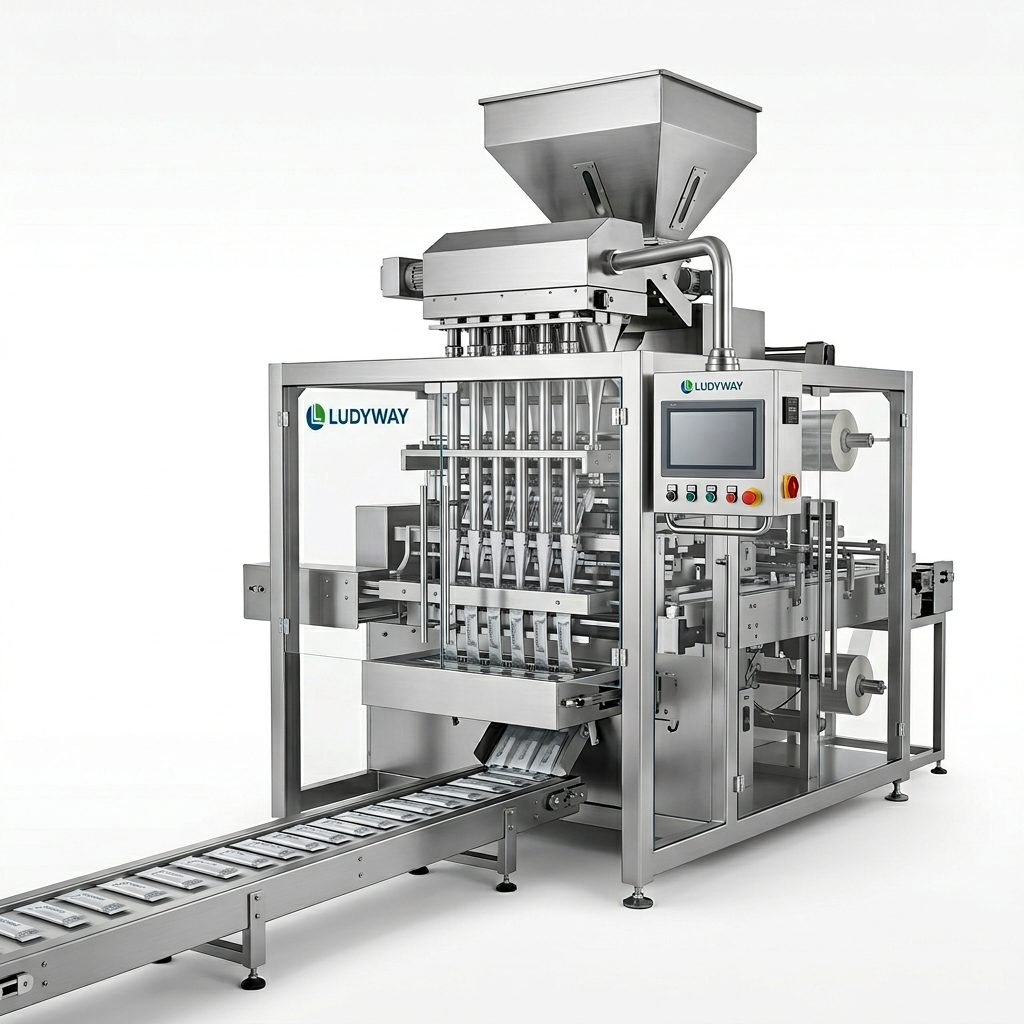
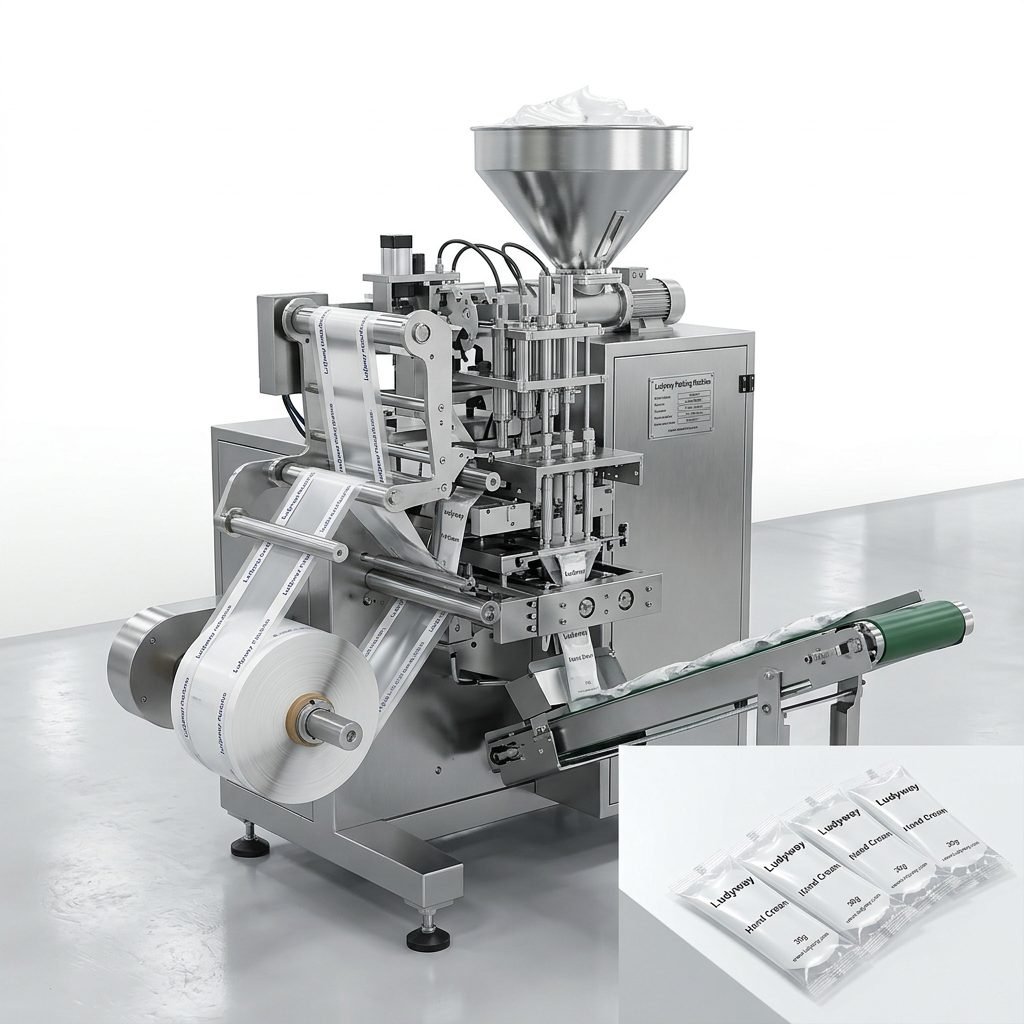
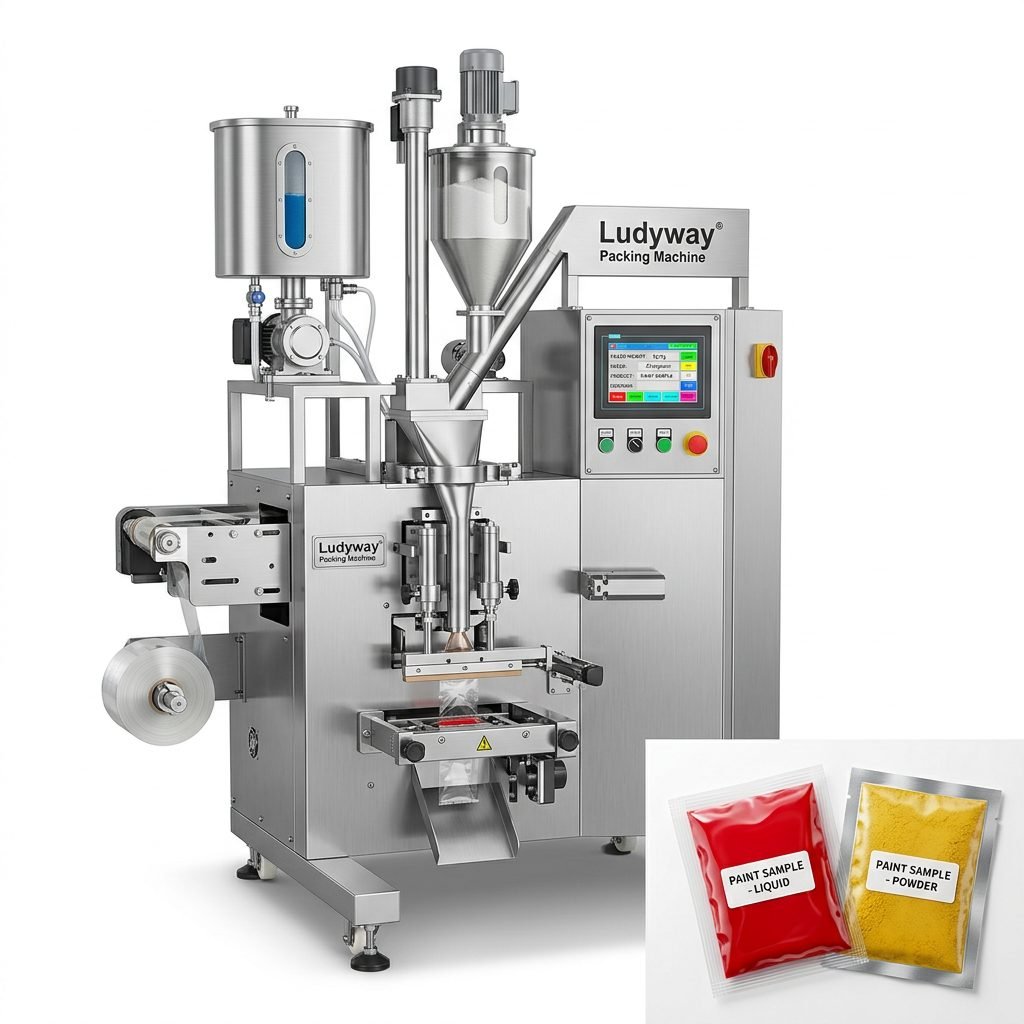
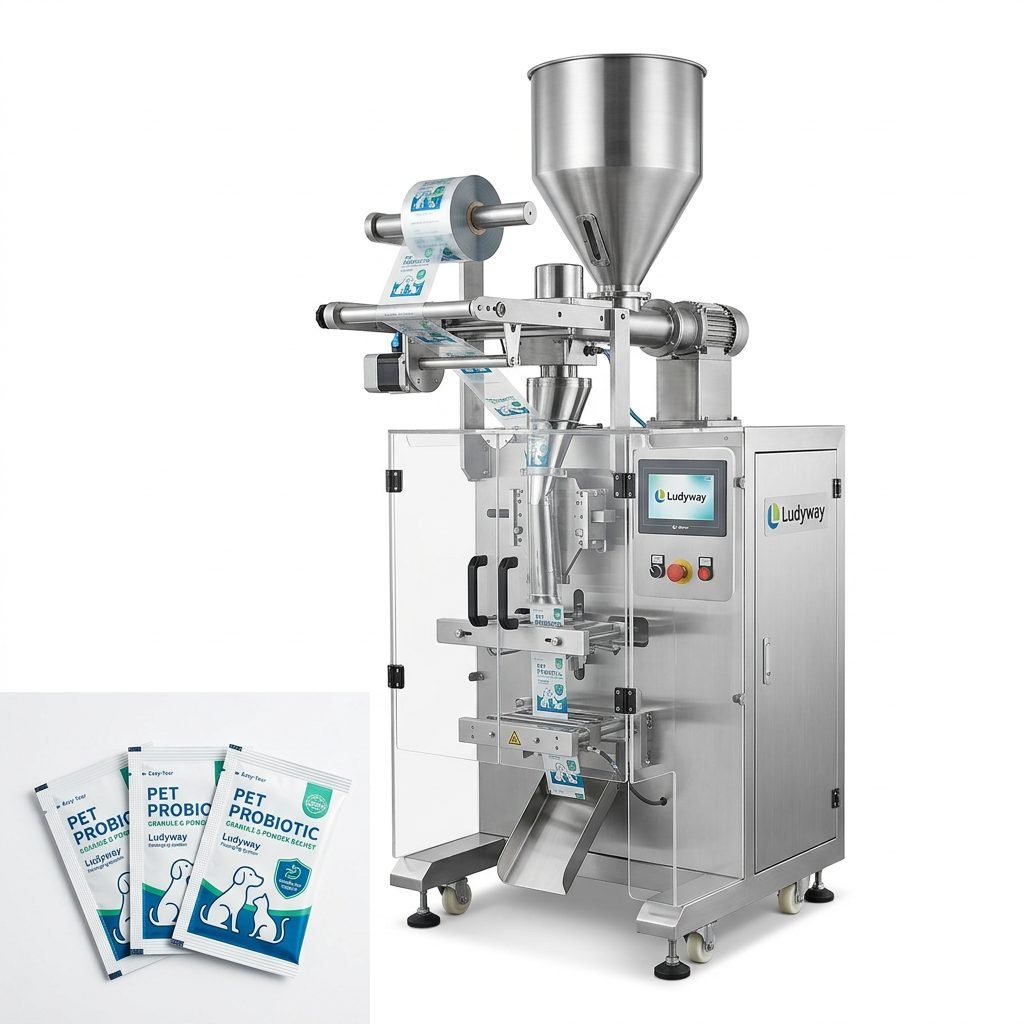
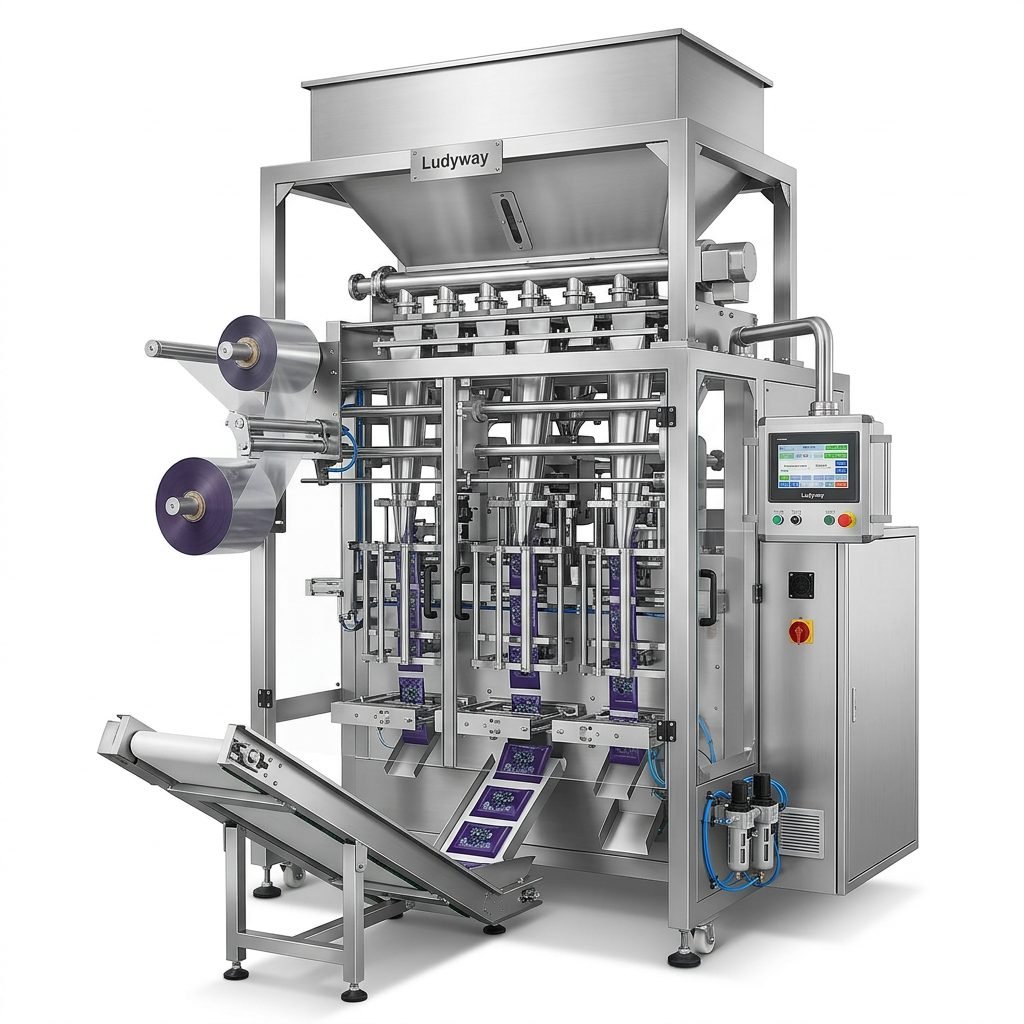
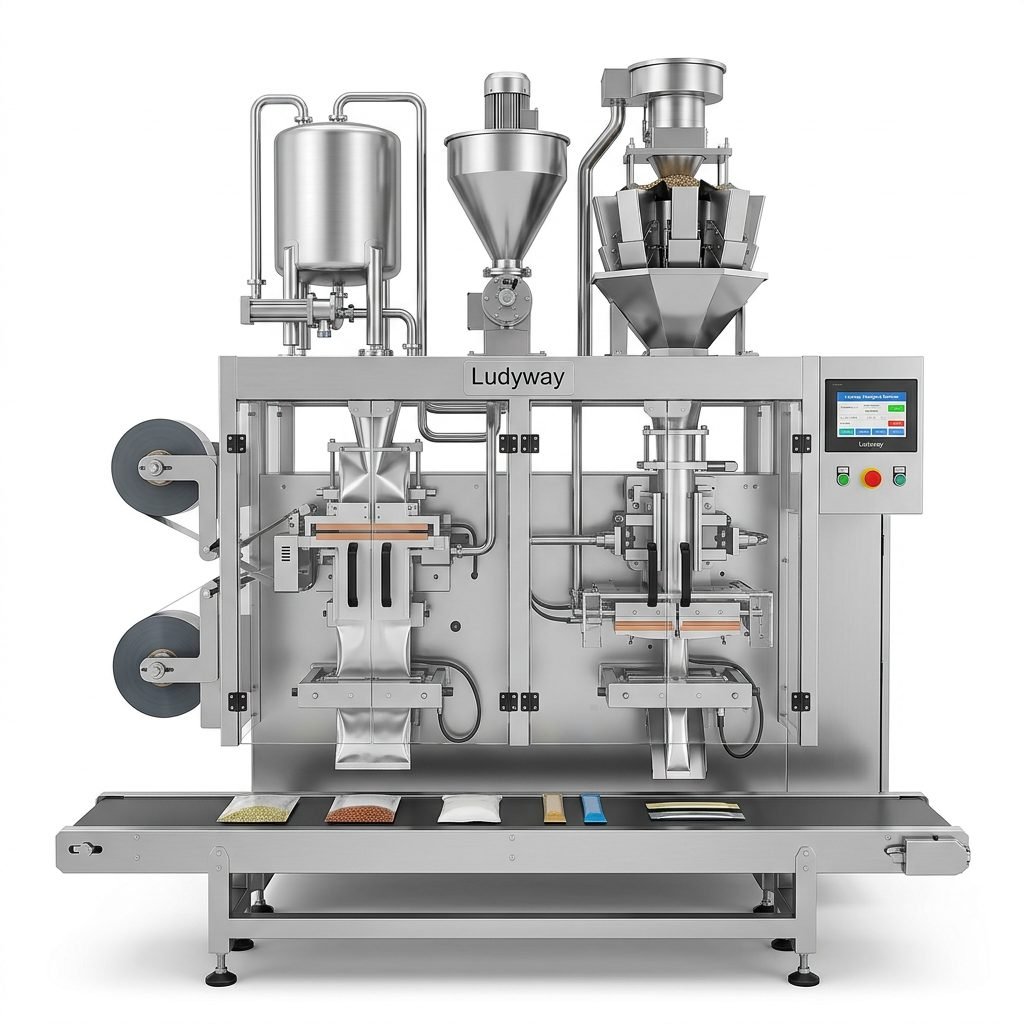
Choosing the right cigarette packaging machine is a critical decision for manufacturers, impacting production efficiency, product quality, and overall operational costs. This comprehensive guide explores the different types of machines available, their key features, pricing considerations, and a step-by-step framework to help you select the perfect equipment for your specific needs.
Understanding Different Types of Cigarette Packaging Machines
The packaging process for cigarettes is multi-stage, requiring specialized machinery for each step. The primary types are categorized by their function in the production line.
Primary Packaging Machines
These machines handle the direct wrapping of the cigarette bundle. The most common types are:
- Soft Cup Packer: Forms a packet from pre-printed roll-stock foil and paper. It’s a classic and cost-effective solution for producing traditional soft packs.
- Hard Box Packer (HBP): Forms rigid boxes from pre-cut and creased cardboard blanks. HBPs are essential for producing the premium “crush-proof” boxes dominant in many markets.
- Pouch Packer: Used for roll-your-own (RYO) or make-your-own (MYO) tobacco, creating sealed foil or paper pouches.
Secondary and End-of-Line Packaging
Once primary packs are made, they proceed to further packaging stages:
- Cartoners (Multi-Packers): Automatically collate individual packets (e.g., 10 packets) and load them into a cardboard carton. Speed and gentle handling are key features.
- Bundle Wrappers: Wrap multiple cartons (typically 5 or 10) into a transparent film bundle for distribution.
- Case Packers/Palletizers: The final stage, where bundles or cartons are automatically arranged and loaded into shipping cases or onto pallets.
Key Features & Technological Advancements
Modern cigarette packers are marvels of precision engineering. When evaluating machines, focus on these critical features:
➤ Production Speed & Output: Measured in packs per minute (ppm). High-speed lines can exceed 600 ppm. Your required output dictates the machine tier.
➤ Flexibility & Changeover: Can the machine handle different pack sizes (King Size, 100s) and formats (soft/hard) with quick changeovers? Modular designs and recipe storage significantly reduce downtime.
➤ Precision and Quality Control: Integrated vision systems inspect for missing tax stamps, improper sealing, and print registration. Rejection systems ensure only perfect packs proceed.
➤ Material Efficiency & Waste Reduction: Advanced servo drives and cutting mechanisms optimize material usage from foil, paper, and cardboard, directly impacting your cost per pack.
➤ Connectivity & Industry 4.0: Modern machines offer OEE (Overall Equipment Effectiveness) monitoring, remote diagnostics, and data integration with factory management systems for predictive maintenance.
Price Range and Investment Factors
Prices vary dramatically based on type, speed, brand, and automation level. A ballpark estimate is:
- Standalone Primary Packer (New): $150,000 – $500,000+
- Complete Primary + Secondary Line (New): $1 million – $5 million+
- Refurbished/Used Machinery: 30% – 60% of the new price, depending on age and condition.
Beyond the Sticker Price: Total Cost of Ownership (TCO)
The machine’s purchase price is just the beginning. A savvy buyer must consider:
Installation & Commissioning: Costs for foundation, utilities, and technician time.
Spare Parts Inventory: Maintaining a critical spares kit is essential to avoid prolonged stoppages.
Energy Consumption: Servo-driven machines are generally more energy-efficient than older cam-driven models.
Technical Support & Service Contracts: Availability of local technicians and response time for breakdowns. A provider like Ludyway Machinery, with deep industry experience, can offer reliable long-term support.
How to Choose the Right Machine: A 5-Step Framework
Step 1: Analyze Your Product Portfolio & Demand
Define your current and future pack formats (hard, soft, pouch), sizes, and required production volume. Consider market trends—for instance, in some regions, slim cigarette formats are growing in popularity, requiring specific machine adjustments.
Step 2: Evaluate Your Facility & Line Integration
Assess available floor space, power supply, and compressed air. The new machine must integrate seamlessly with your existing makers, filters, and conveyors. Compatibility is non-negotiable.
Step 3: Set a Realistic Budget (Including TCO)
Factor in the total investment: machine price, shipping, installation, training, and initial spare parts. Decide between new, refurbished, or used equipment based on your capital and risk tolerance.
Step 4: Research and Shortlist Reputable Suppliers
Look for manufacturers or solution providers with a proven track record in tobacco. Evaluate their global service network, training programs, and parts logistics. A partner’s stability is as important as the machine’s specs. Companies with extensive industry experience and engineering capability often provide more sustainable solutions.
Step 5: Request Demos and Conduct Factory Acceptance Tests (FAT)
Never buy based on brochures alone. Insist on a live demonstration using your specific materials (or closest equivalent). A FAT allows you to verify speed, efficiency, and pack quality before the machine ships.
Frequently Asked Questions (FAQs)
Q1: What is the main difference between a soft cup packer and a hard box packer?
A: The core difference is the packaging material and final product. A soft cup packer uses roll-stock foil/paper to form a malleable pack. A hard box packer uses pre-formed rigid cardboard blanks to create a sturdy box. The machinery mechanisms for folding and gluing are fundamentally different.
Q2: How long does it typically take to install and commission a new primary packaging line?
A: For a complete new line, installation and commissioning can take anywhere from 8 to 16 weeks on-site, depending on complexity. This includes mechanical setup, electrical connection, integration with upstream/downstream equipment, extensive testing, and operator training.
Q3: Can one machine handle both soft and hard pack production?
A: Generally, no. They are specialized machines. However, some modern, highly flexible platforms are designed with major changeover modules to switch between formats, but this changeover is measured in hours, not minutes, and represents a significant capital investment.
Q4: What are the most common causes of downtime in cigarette packaging machines?
A: The most frequent issues are related to material feeding problems (misaligned foil, blank jams), gluing system faults (clogged nozzles, adhesive quality), and mechanical wear on seals and grippers. Regular preventive maintenance is crucial to minimize these.
Q5: Is buying a used or refurbished machine a good idea?
A: It can be a cost-effective entry point, but carries higher risk. It is absolutely critical to purchase through a reputable dealer who can provide a full service history, guarantee the refurbishment work, and offer ongoing technical support and spare parts. Always conduct a thorough inspection and test run.