Selecting the right dry foods packaging machine is a critical decision for any food manufacturer, processor, or packager. The efficiency of your packaging line directly impacts product quality, shelf life, operational costs, and brand perception in a competitive market. This comprehensive guide explores the various types of machines available, their key features, and provides a structured framework to help you choose the best solution for your specific production needs.
Understanding the Main Types of Dry Foods Packaging Machines
The packaging landscape for dry foods is diverse, with machines designed for different product forms, package styles, and production volumes. The primary categories include:
Vertical Form-Fill-Seal (VFFS) Machines
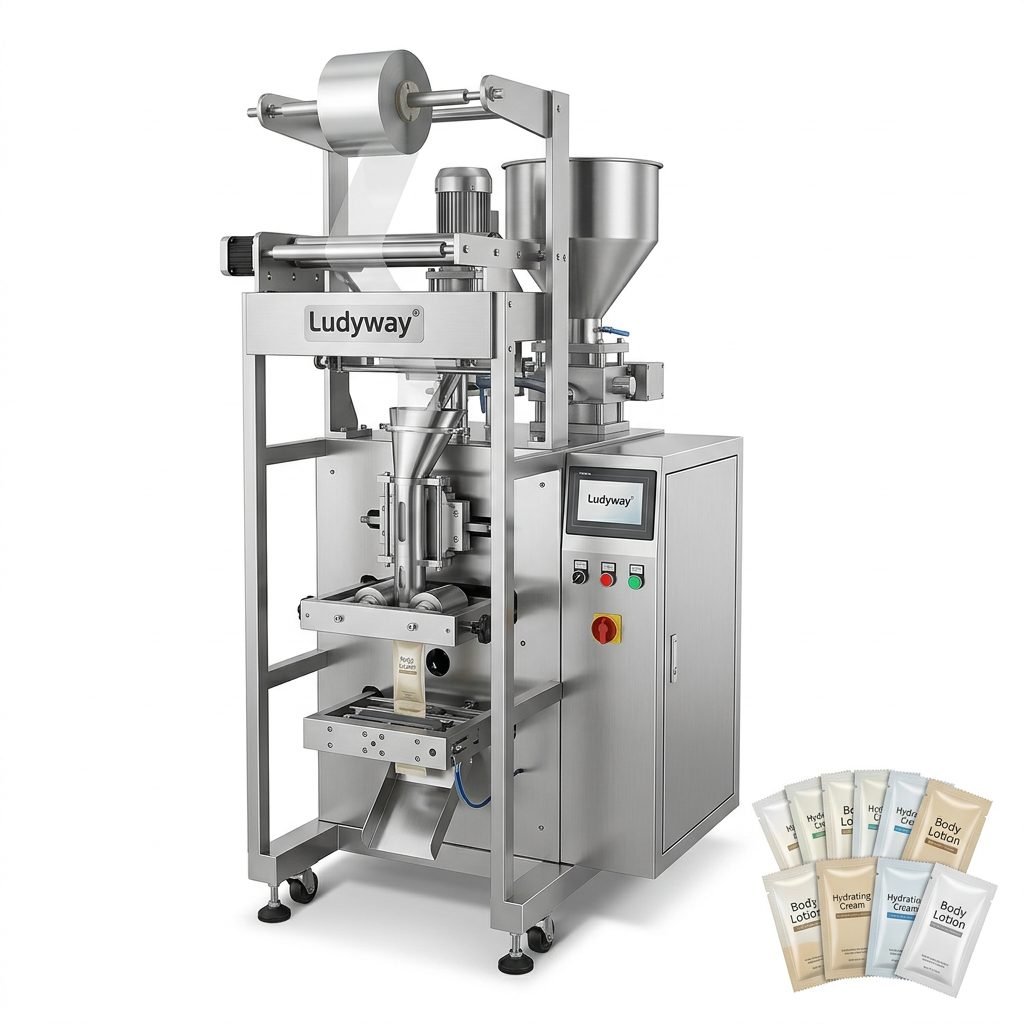
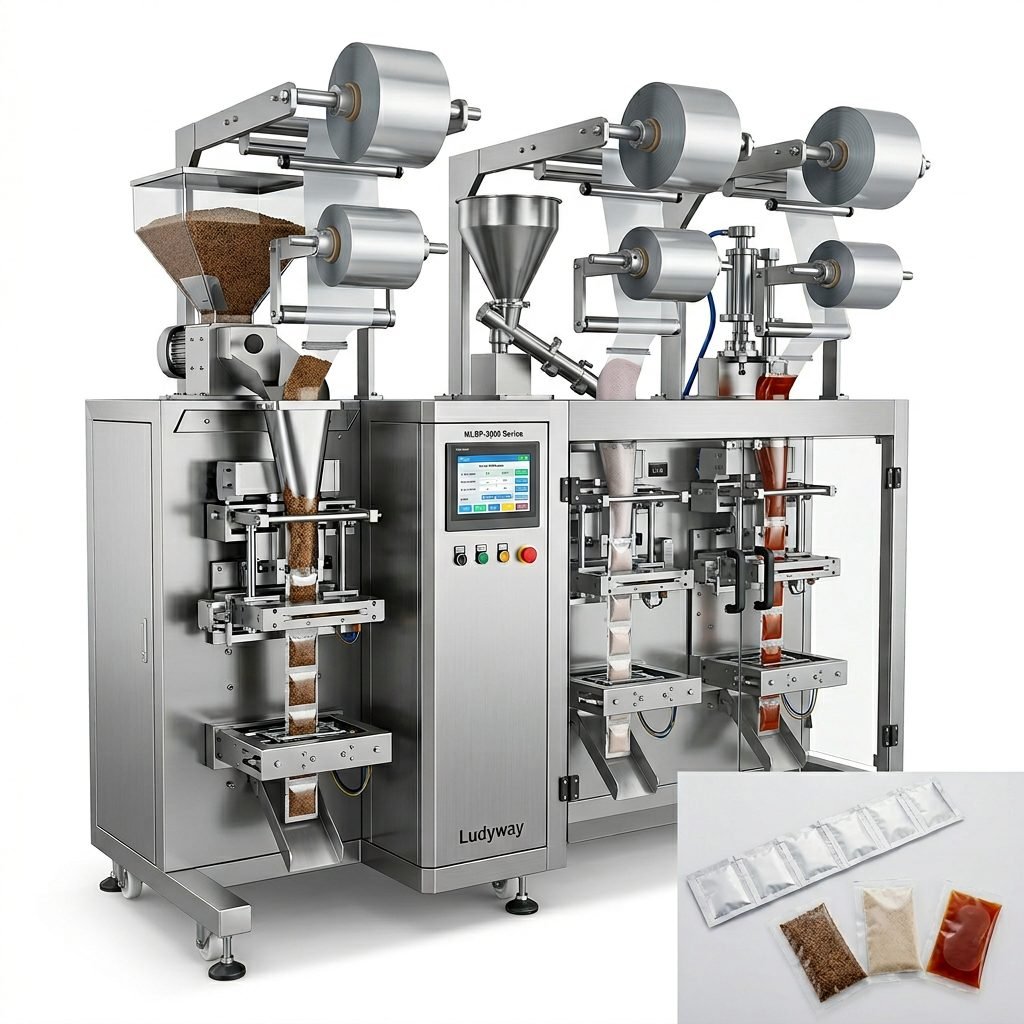
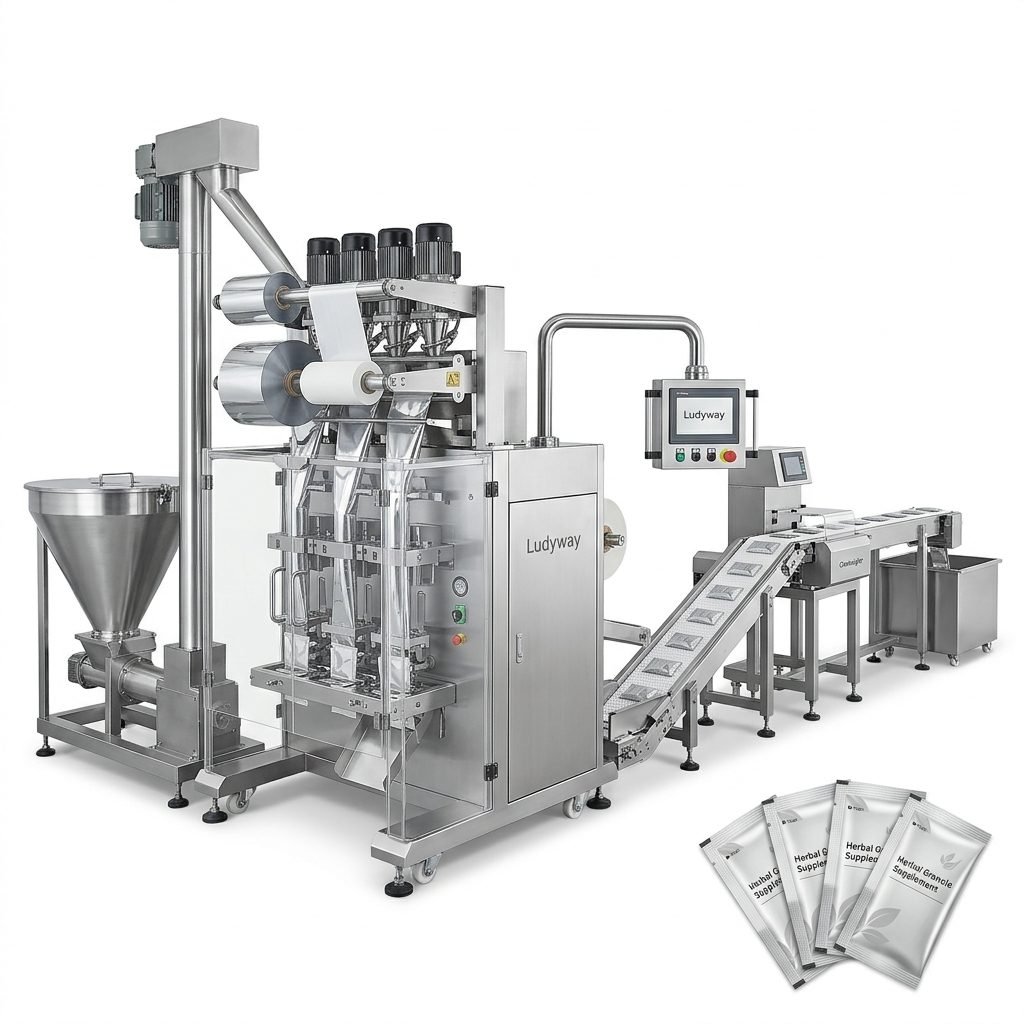
These are the workhorses of the industry for granular, powdered, and small-piece products like rice, coffee, nuts, and spices. A VFFS machine forms a bag from a roll of film, fills it with product, and seals it—all in a continuous vertical motion. They are highly versatile, relatively compact, and ideal for medium to high-speed production. The ability to handle a wide range of bag styles (pillow, gusseted, stand-up pouches) makes them a popular choice.
Horizontal Form-Fill-Seal (HFFS) Machines
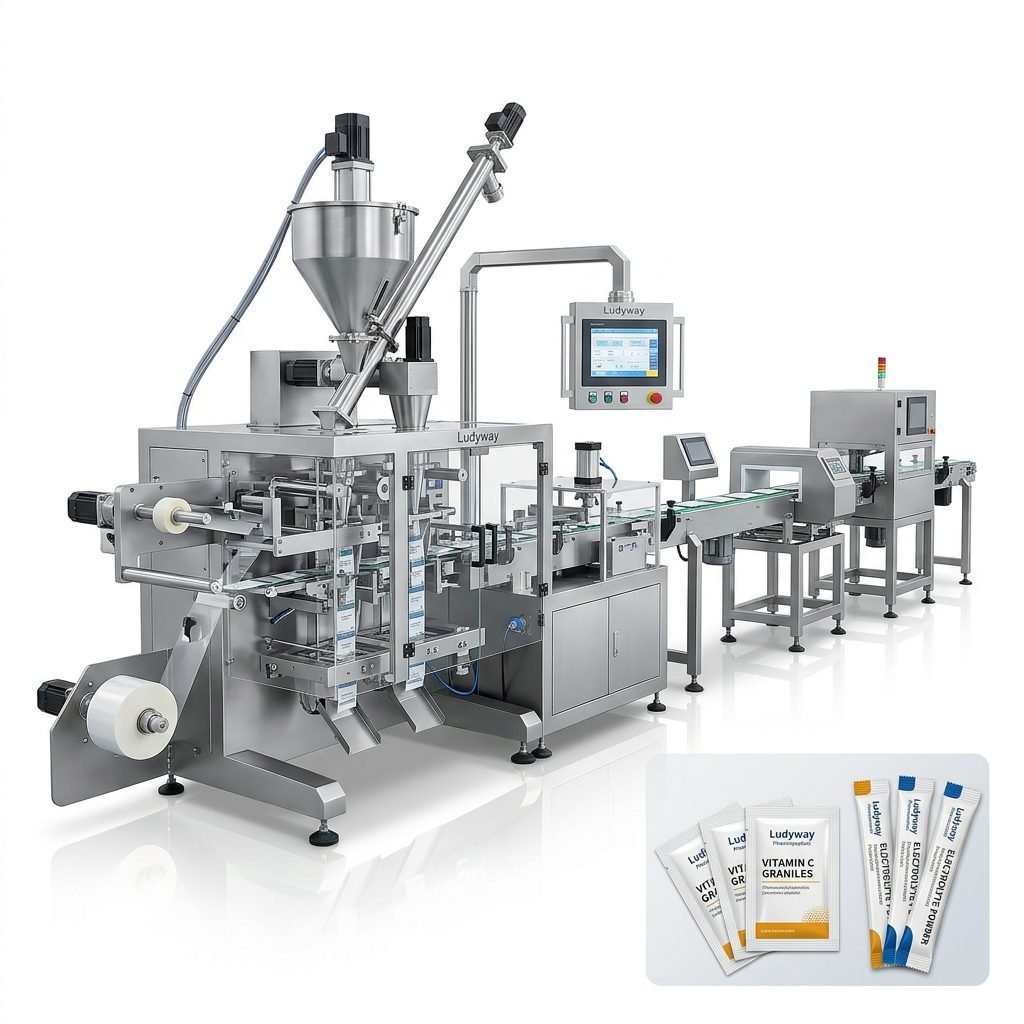
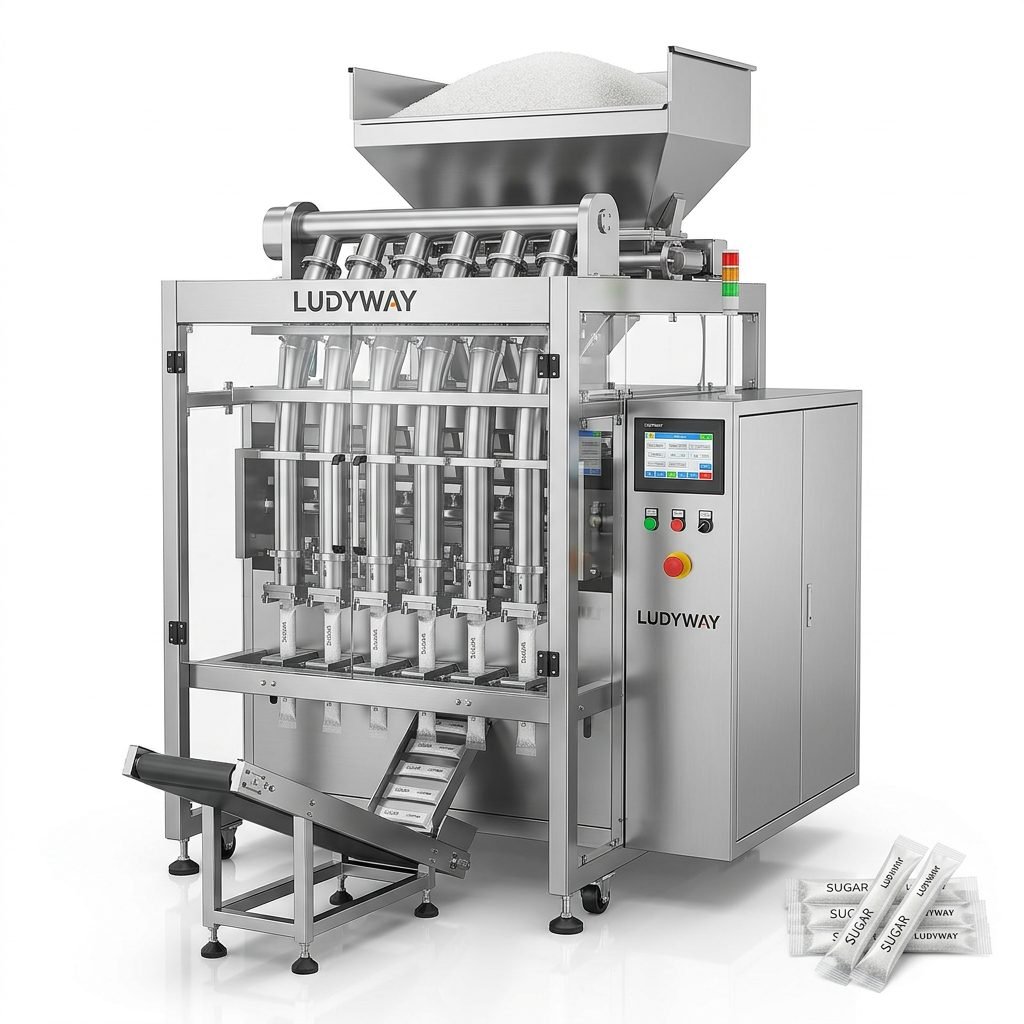
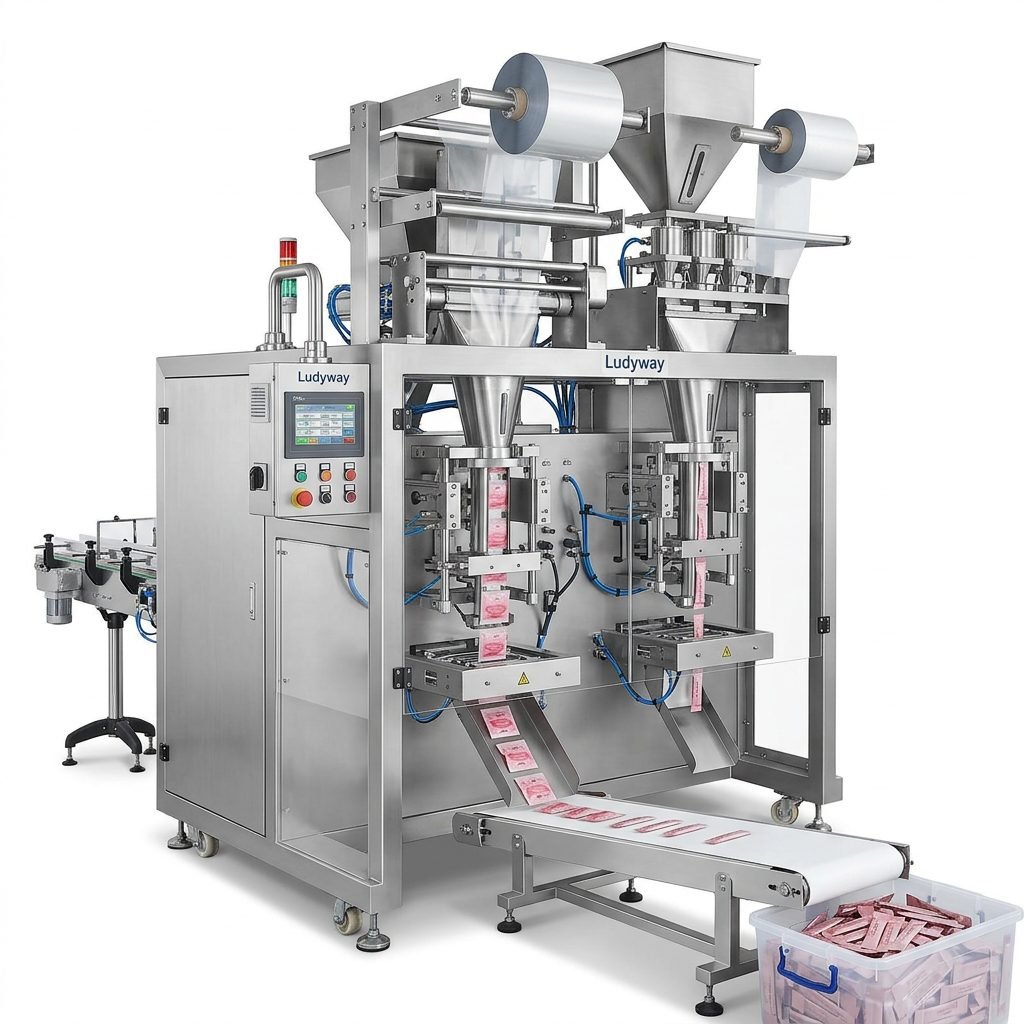
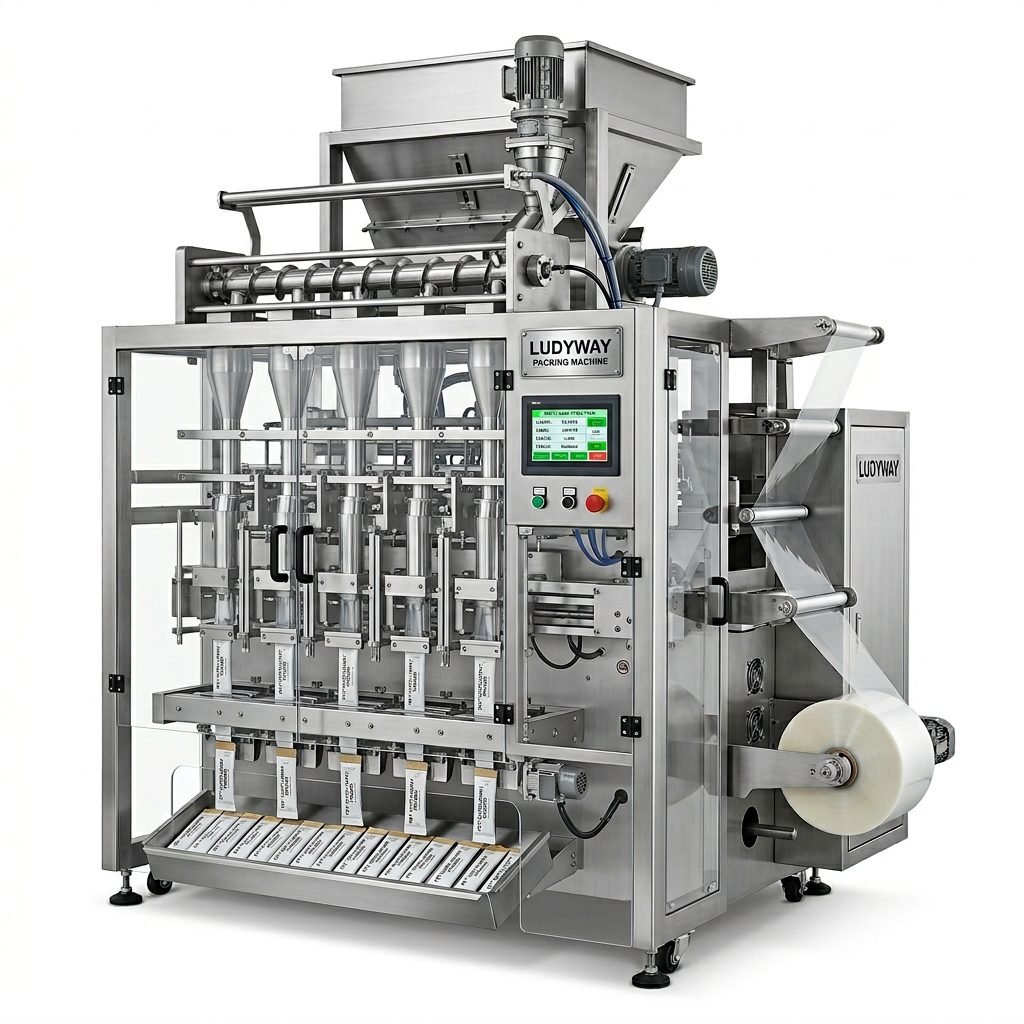
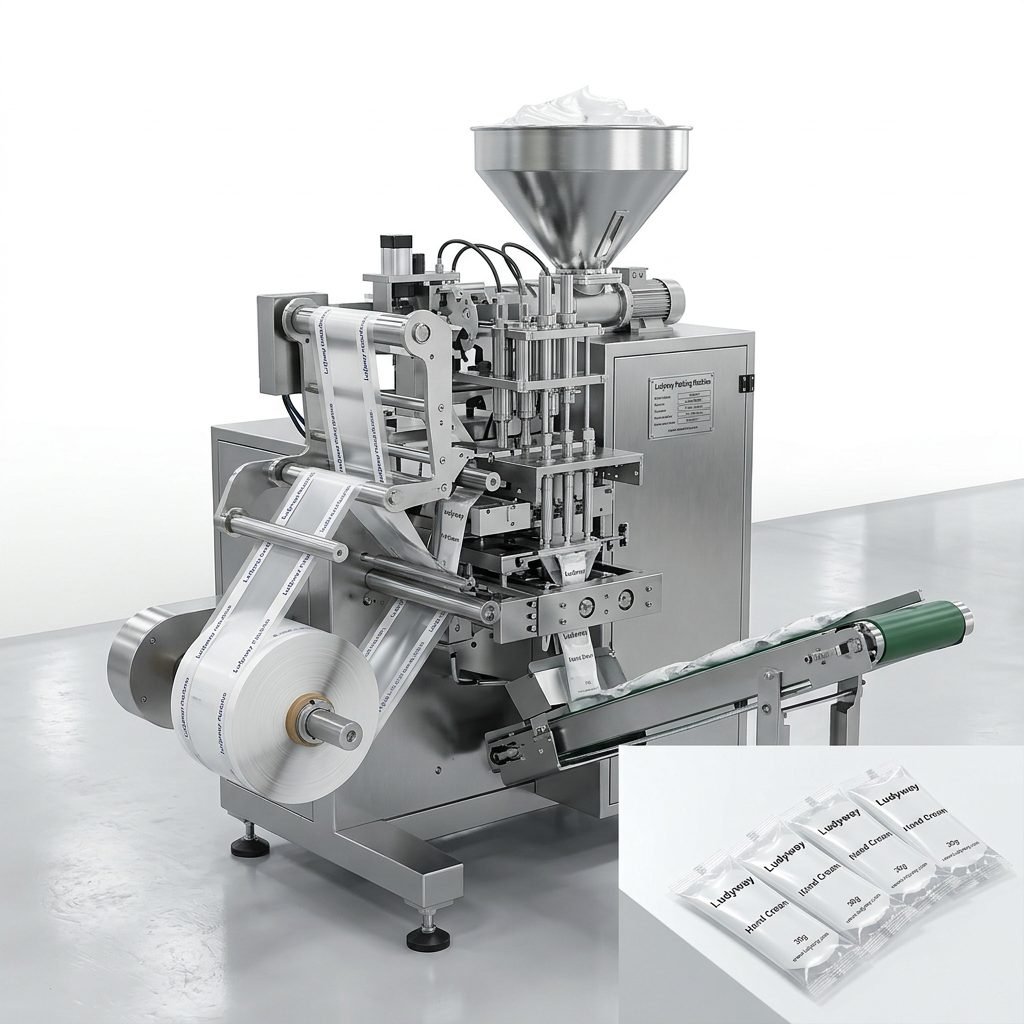
Often used for more rigid packaging structures or specific product types, HFFS machines form pouches horizontally. They are excellent for creating multi-lane stick packs or sachets for items like instant drink mixes, seasoning packets, or single-serve supplements. This configuration is optimal for high-speed, multi-lane production of small packets.
Pre-Made Pouch Machines
For premium branding or complex pouch shapes that are difficult to form from a roll, pre-made pouch systems are the answer. These machines load product into pre-manufactured, often stand-up, pouches and then seal them. They offer superior graphic presentation and are perfect for products where shelf appeal is paramount.
Bagger Machines
Designed for larger volumes, baggers are used for products like flour, sugar, or pet food in the 5-50 lb range. They typically use pre-opened bags and employ high-speed weighing and filling systems to achieve accurate weights at high throughput.
Essential Features to Evaluate in a Packaging Machine
Beyond the basic type, several key features determine a machine’s performance, reliability, and suitability for your operation.
Weighing and Dosing Accuracy
This is non-negotiable. Precise filling ensures you meet stated net weight regulations, control product giveaway (overfilling), and maintain consistency. Look for machines with advanced multi-head weighers for granules or auger fillers with servo-drive technology for powders. Accuracy of ±0.5% or better is a common benchmark for high-quality equipment.
Sealing System and Integrity
The seal is your product’s primary barrier against moisture, oxygen, and contaminants. Machines should offer robust sealing systems (hot bar, impulse, ultrasonic) with precise temperature and pressure control. Consistent, wrinkle-free seals are critical for product safety and shelf life. Consider machines that allow for easy adjustment of sealing parameters for different packaging materials.
Material Handling and Film Savings
Efficient film handling reduces waste and operational costs. Features like dancer arm tension control, precise registration mark tracking (for printed film), and bag length optimization software can significantly reduce material usage. A machine that can run thinner gauge films without compromising seal strength also offers long-term cost benefits.
Automation and Integration Capabilities
Modern packaging is part of an integrated line. Evaluate the machine’s ability to connect with upstream equipment (like conveyors, elevators) and downstream systems (case packers, cartoners). Look for user-friendly PLC or touchscreen HMI controls with recipe storage, production data logging, and potential for Industry 4.0 connectivity (OEE tracking, remote diagnostics).
Changeover Flexibility
If you run multiple products or bag sizes, quick changeover is essential for minimizing downtime. Machines with tool-less adjustments, quick-release parts, and digital settings recall for different recipes can dramatically improve line flexibility and overall equipment effectiveness (OEE).
How to Choose the Best Dry Foods Packaging Solution: A Step-by-Step Guide
Making the right choice requires a systematic evaluation of your needs against the available technology.
Step 1: Define Your Product and Packaging Specifications
Start with the basics. What is the physical form (granule, powder, chunk)? What are its flow characteristics? Define your target package type, size range, and material (monolayer or laminated films). Consider any special requirements like nitrogen flushing for extended shelf life or desiccant insertion.
Step 2: Assess Your Production Volume and Speed Requirements
Calculate your current and projected future production needs in bags per minute (BPM) or shifts per day. A machine that is under-capacity will create bottlenecks, while an oversized machine is a capital drain. Be realistic about your growth to choose a machine with some headroom.
Step 3: Evaluate Operational and Facility Constraints
Consider your factory floor space, available utilities (electrical, compressed air), and the skill level of your operators. A complex, high-speed machine may require more space, power, and skilled maintenance than a simpler model.
Step 4: Prioritize Hygiene and Cleanability
For food applications, hygiene is paramount. Machines should have a sanitary design with smooth, stainless steel surfaces where possible, minimal crevices, and easy access for cleaning. IP-rated electrical components may be necessary for washdown environments.
Step 5: Analyze Total Cost of Ownership (TCO)
Look beyond the initial purchase price. Factor in installation costs, expected energy consumption, spare parts pricing, and the availability and cost of technical support and service from the supplier. A reliable partner like Ludyway Machinery, with decades of industry experience, can provide efficient, high-quality solutions that optimize TCO through reliability and strong after-sales support.
Step 6: Request a Product Test and Review Supplier Credentials
Always test your actual product on the candidate machine. This is the only way to verify performance on speed, accuracy, and seal quality. Simultaneously, vet the supplier’s reputation, manufacturing quality control, and their track record of providing customized production solutions. Review their service network and ask for customer references in similar applications.
Frequently Asked Questions (FAQs)
What is the typical accuracy I can expect from a dry food packaging machine?
For granular products using multi-head weighers, high-quality machines can achieve filling accuracies within ±0.5% to ±1.0%. For powders using auger fillers, expect ±0.5g to ±1.0g depending on product characteristics and machine sophistication. Always verify with a product test.
Can one machine handle both granules and powders?
Some versatile VFFS machines can be configured for both by switching the filling system (e.g., from a weigher to an auger). However, for optimal performance and accuracy, especially at higher speeds, dedicated systems for each product type are often recommended. Discuss your specific product mix with your supplier.
How important is after-sales service when choosing a supplier?
Extremely important. Packaging machines are long-term investments. Reliable technical support, readily available spare parts, and expert maintenance are crucial for minimizing downtime and ensuring a strong return on investment. Choose a supplier with a proven global service network and a commitment to long-term partnership.
What are the key trends in dry food packaging machinery?
Major trends include increased automation and smart packaging solutions with IoT connectivity for predictive maintenance, greater flexibility for short production runs, sustainability features to reduce film waste and energy use, and enhanced hygienic design for easier and faster cleaning.
Is a turnkey packaging line better than buying individual machines?
A turnkey solution, where a single supplier like Ludyway provides and integrates all components from feeding to primary packaging, offers significant advantages. It ensures compatibility between machines, reduces project management complexity, provides a single point of service responsibility, and typically leads to faster, smoother commissioning and startup.