Selecting the right packaging machine builder is a critical decision that impacts your production efficiency, product quality, and overall operational costs. With numerous manufacturers in the market, identifying a partner that aligns with your specific needs requires careful evaluation across several key areas.
Core Factors for Evaluating Packaging Machine Manufacturers
Before diving into specific manufacturers, it’s essential to establish a clear set of criteria. A thorough assessment will help you filter options and focus on builders capable of delivering a reliable, long-term solution for your production line.
1. Technical Expertise and Industry Experience
The manufacturer’s depth of knowledge is paramount. Look for a builder with a proven track record in your specific industry—whether it’s food, pharmaceuticals, health products, or chemicals. Experience translates into an understanding of regulatory requirements, material behaviors, and production challenges unique to your sector.
Key Question to Ask: Can the manufacturer provide case studies or references from companies with similar products and packaging formats (e.g., stick packs for coffee, sachets for shampoo, pouches for spices)?
2. Range of Machinery and Customization Capabilities
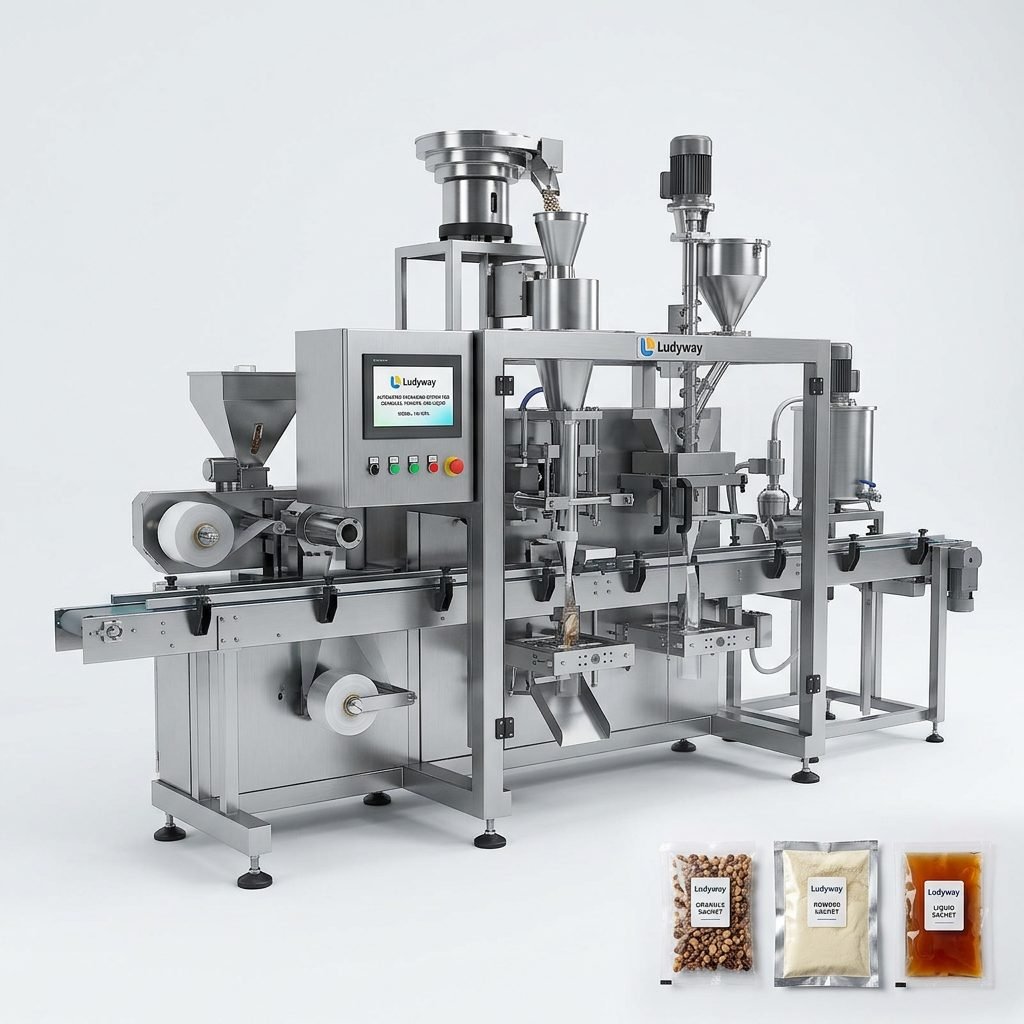
Your needs may evolve. A manufacturer offering a broad portfolio—from single machines to complete turnkey lines—provides scalability. Essential machinery types include:
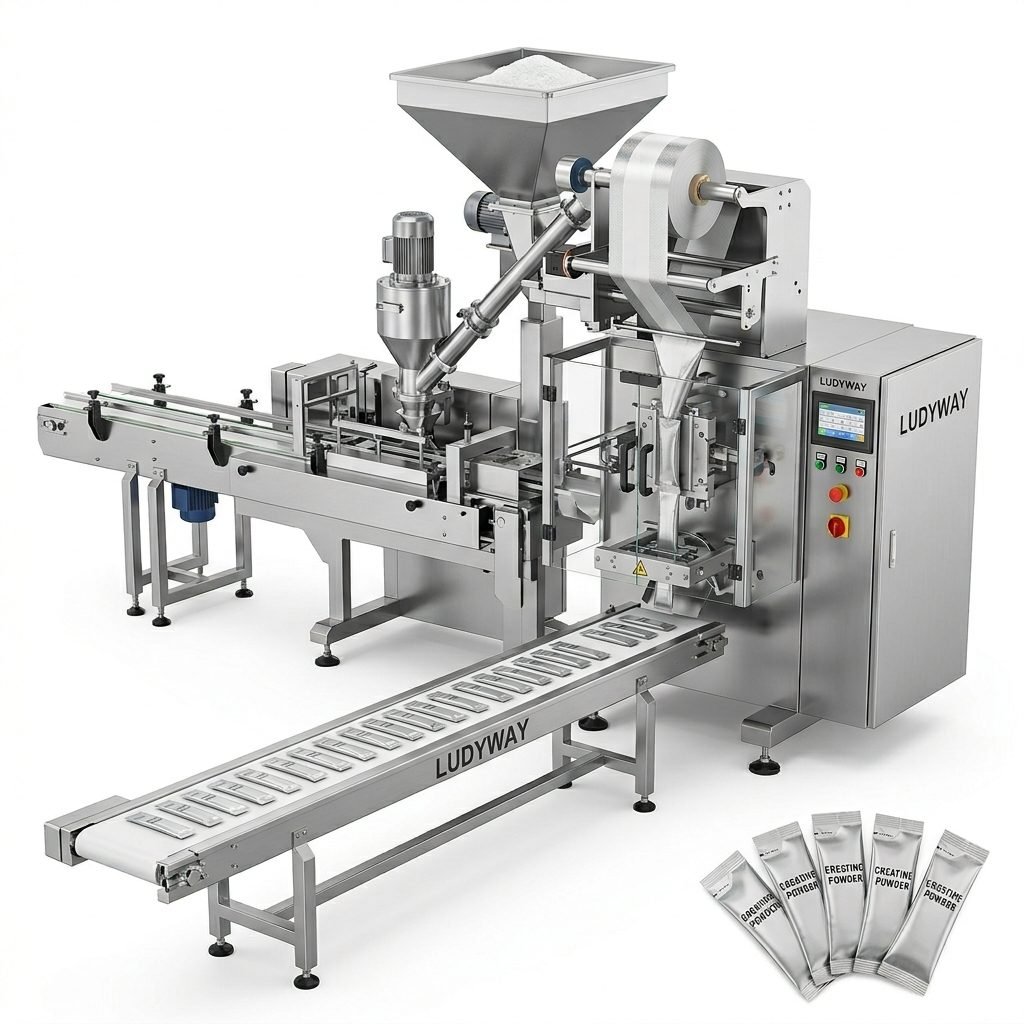
- Granule & Powder Packers: For products like instant coffee, protein powder, or spices.
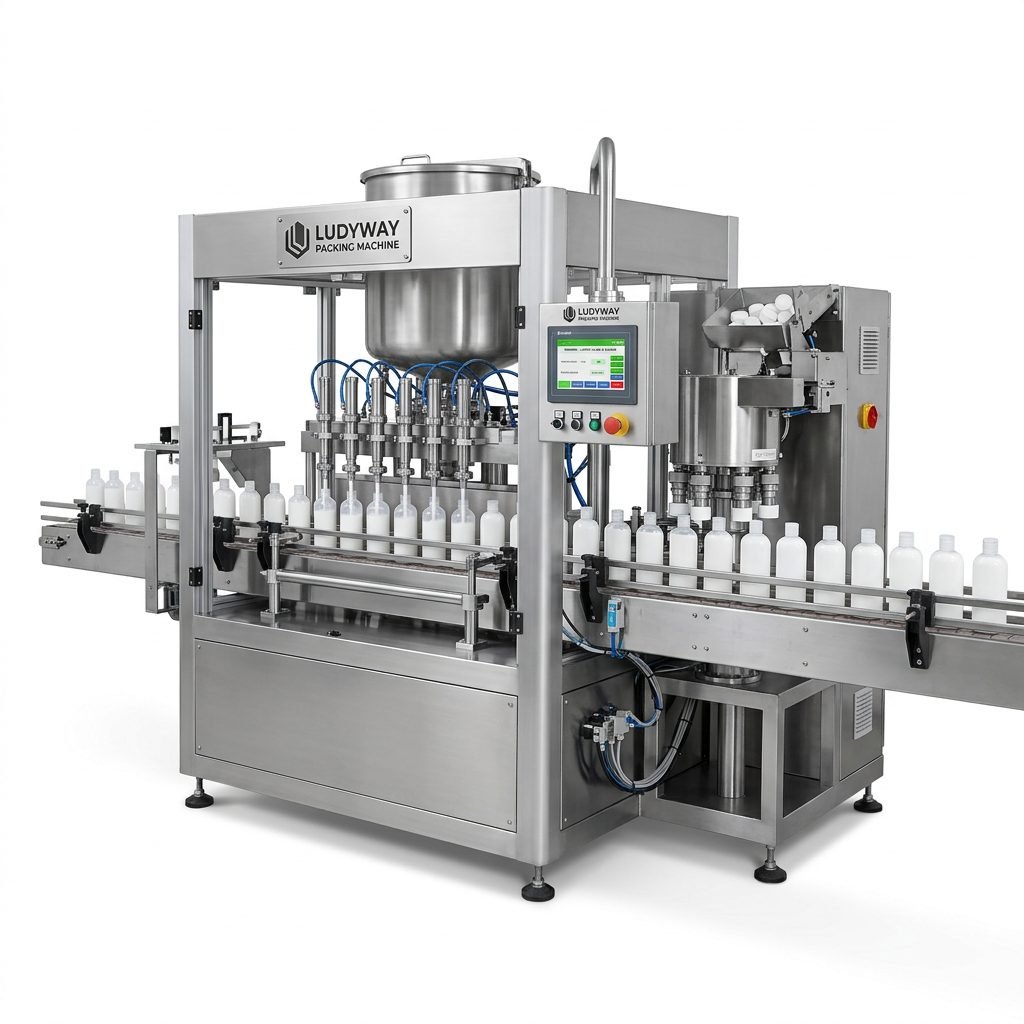
- Liquid & Paste Fillers: For sauces, oils, creams, and lotions.
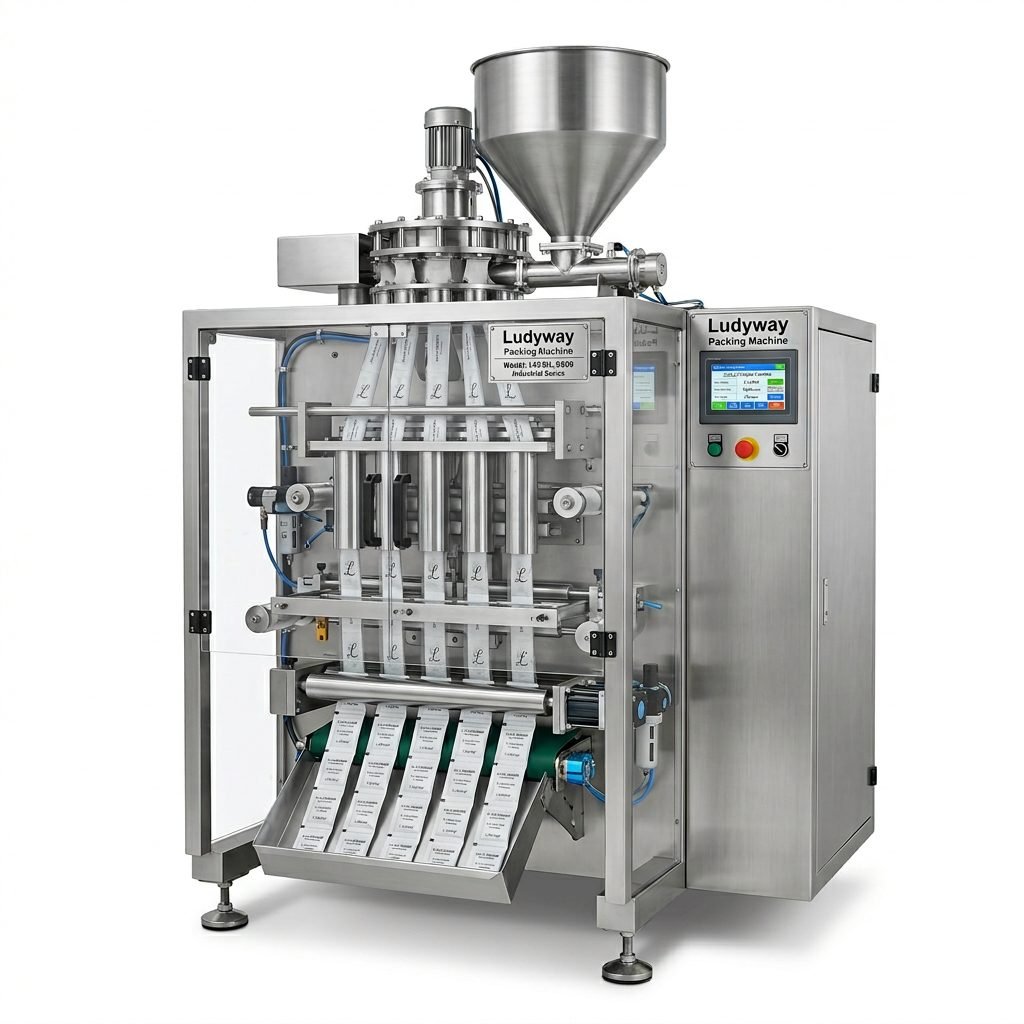
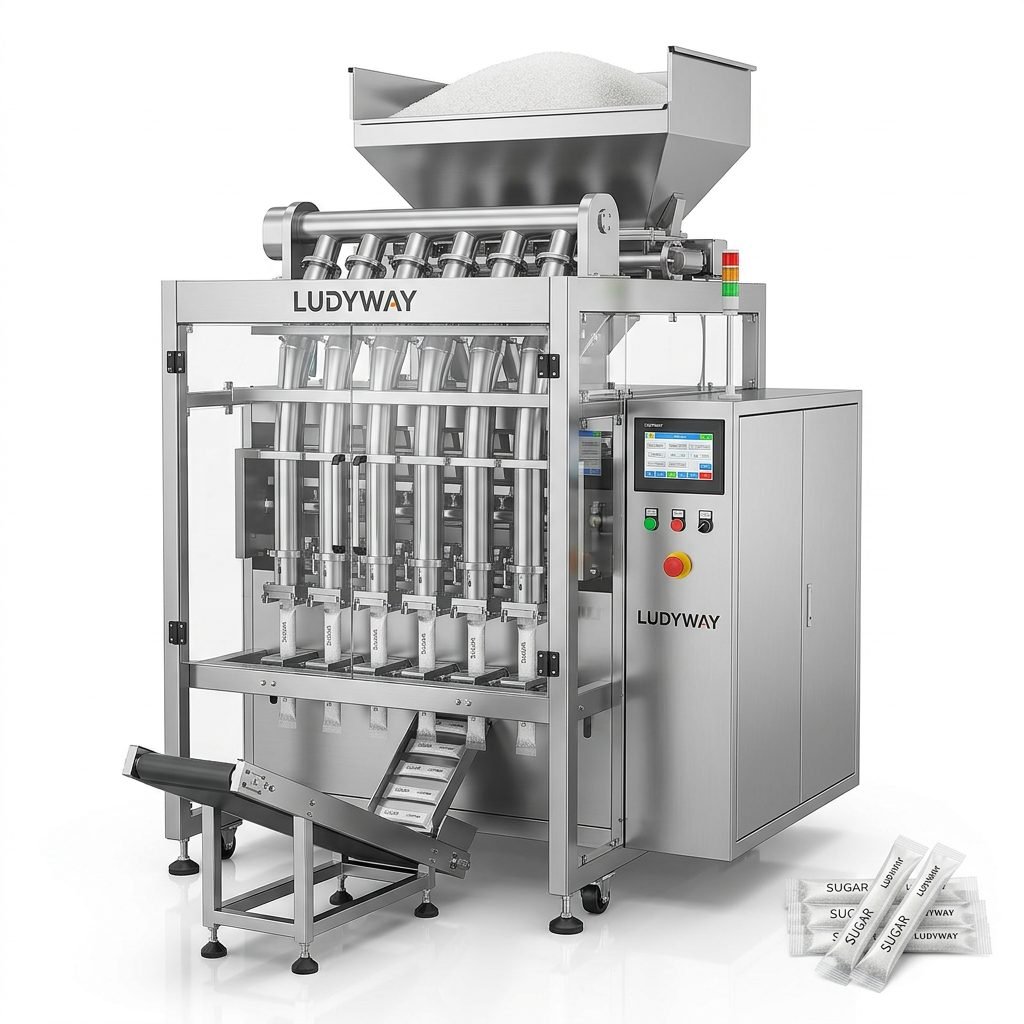
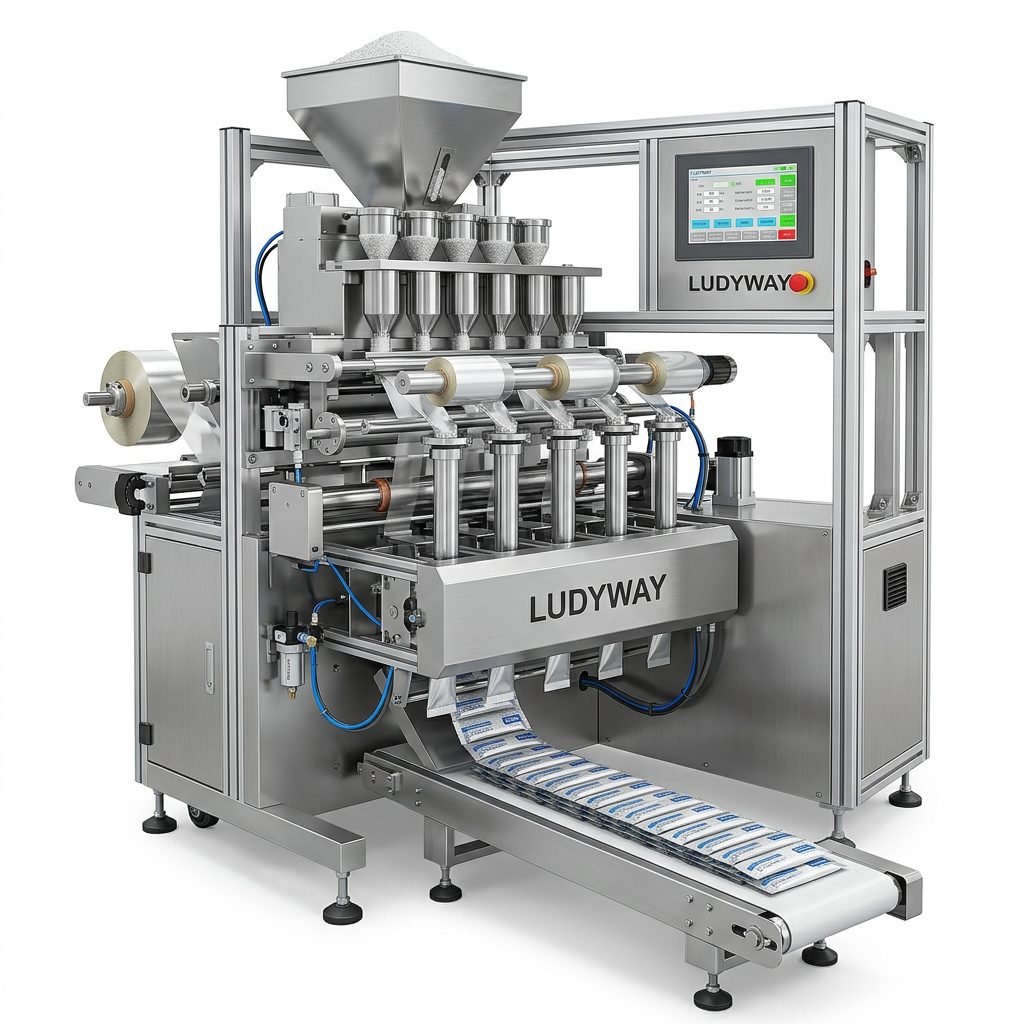
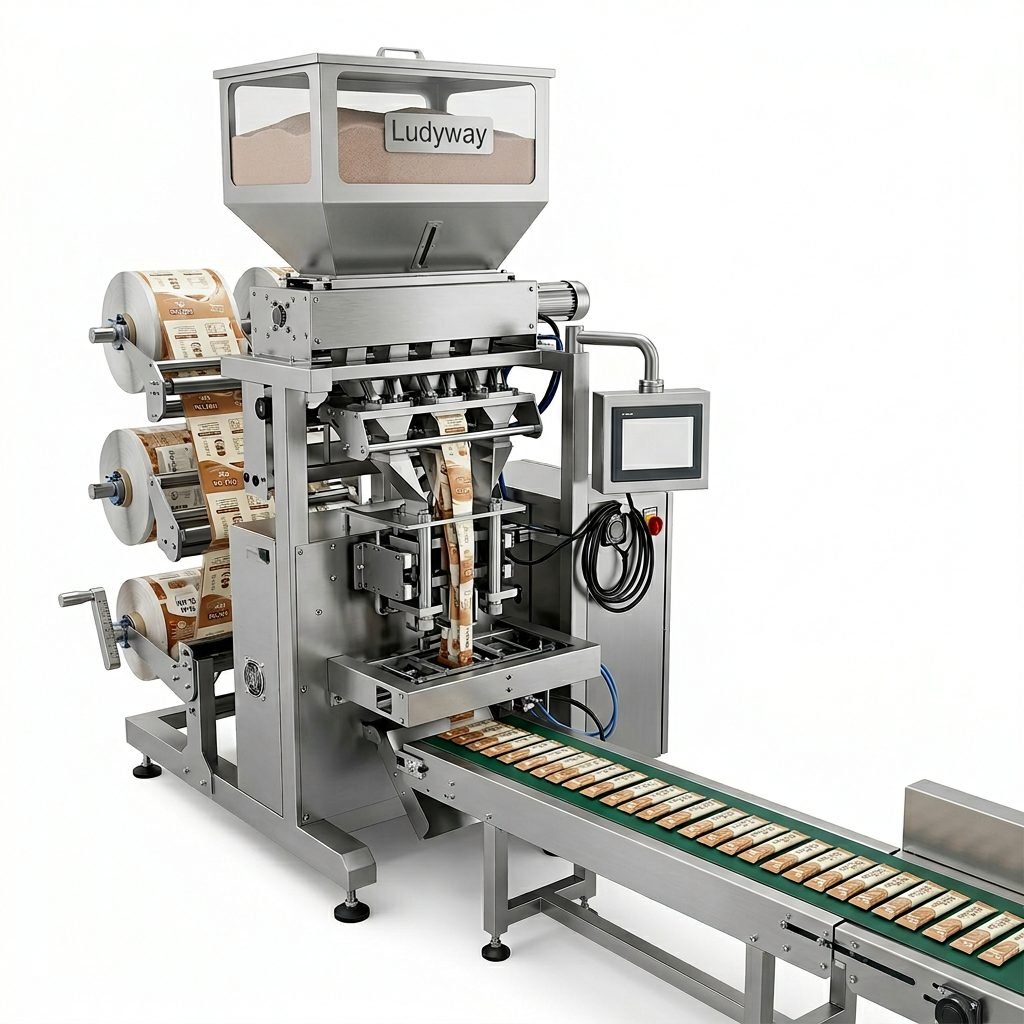
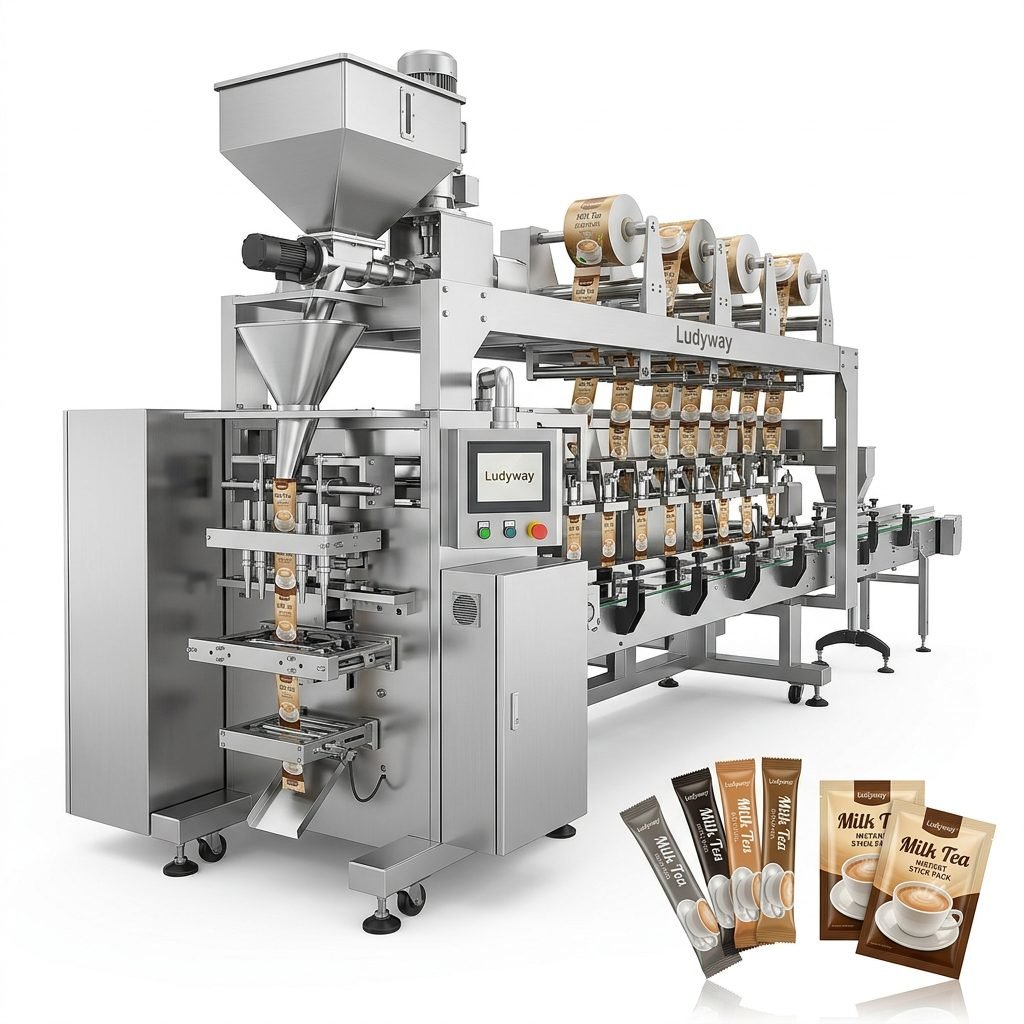
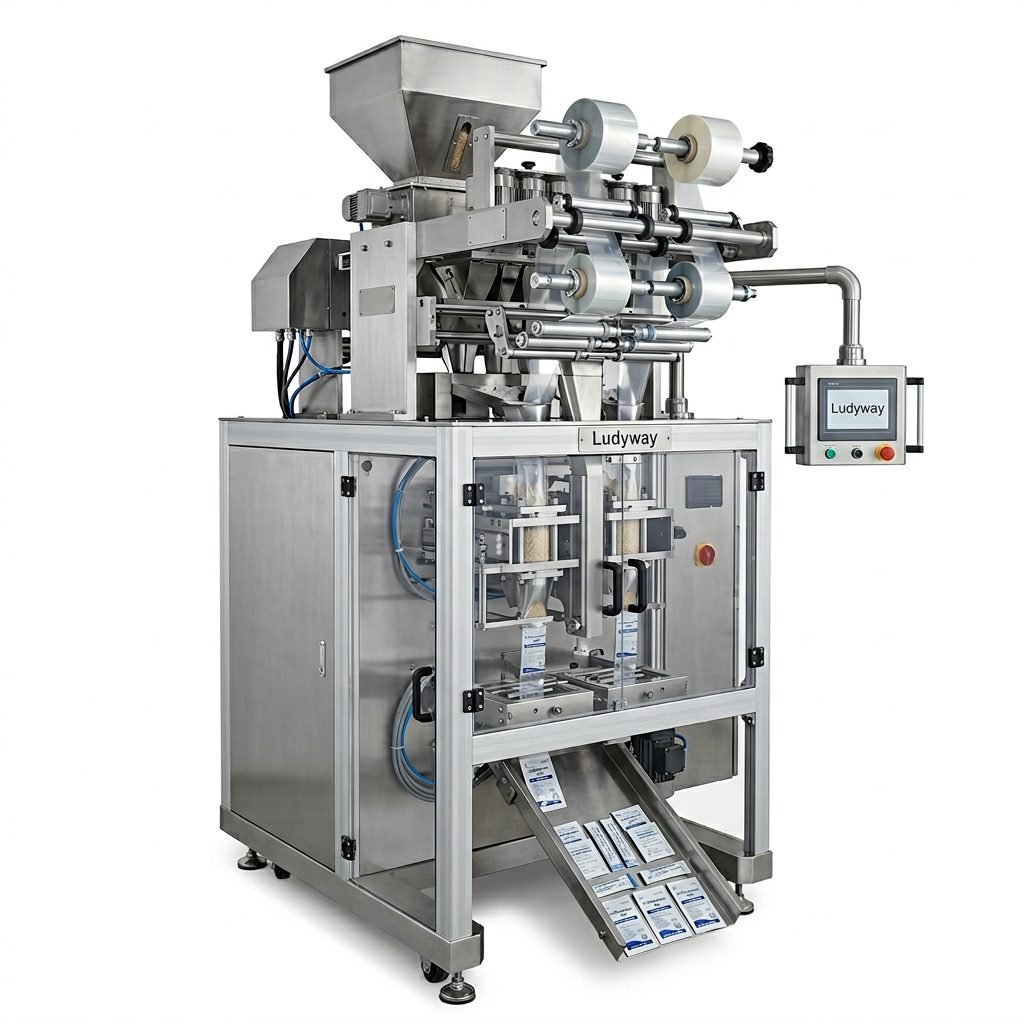
- Stick Pack & Sachet Machines: Ideal for single-serve portions across food and non-food items.
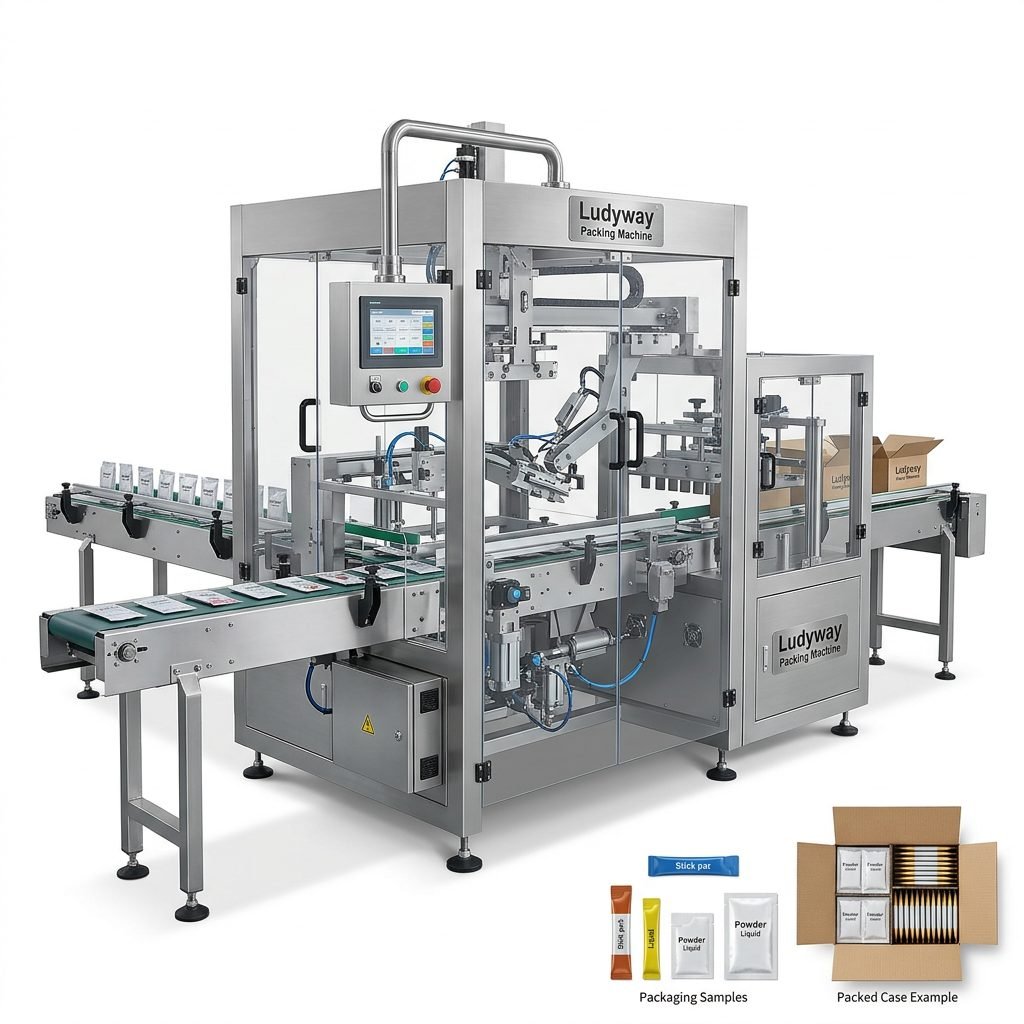
- Multi-lane and High-Speed Systems: For large-scale production demands.
Furthermore, the ability to customize is crucial. Off-the-shelf solutions rarely fit perfectly. A builder like Ludyway Packaging Machinery, which offers over 50 intelligent models, exemplifies a focus on adaptable solutions tailored to different production volumes and package designs.
3. Manufacturing Quality and Technological Innovation
Visit the facility if possible, or request detailed virtual tours. The build quality of the machinery directly affects uptime, maintenance frequency, and product safety. Inquire about:
- Materials used (e.g., food-grade stainless steel contact parts).
- Integration of modern control systems (PLC, HMI) and IoT capabilities for data monitoring.
- Commitment to R&D and incorporating new technologies like advanced servo drives or vision inspection systems.
4. After-Sales Support and Global Service Network
The relationship begins after installation. Comprehensive support is non-negotiable and should include:
✓ Detailed Installation & Commissioning: On-site setup by factory-trained engineers.
✓ Operator and Maintenance Training: Ensuring your team can run and troubleshoot the line effectively.
✓ Readily Available Spare Parts: A clear inventory and logistics plan for critical components.
✓ Technical Support: Remote and on-call assistance to minimize downtime.
A manufacturer with a global service footprint, serving customers worldwide, is often better equipped to provide timely support, regardless of your location.
The Selection Process: A Step-by-Step Guide
Turning evaluation criteria into action requires a structured approach.
Step 1: Define Your Requirements Precisely
Create a detailed specification document covering: product characteristics (viscosity, hygroscopicity), desired packaging speed (packs per minute), bag/pouch material, required accuracy (fill weight tolerance), and future expansion plans.
Step 2: Research and Shortlist Builders
Utilize industry directories, trade shows, and peer recommendations. Focus on builders whose core competencies match your needs. Review their online presence, including detailed company profiles and history, to gauge their stability and focus.
Step 3: Request Proposals and Conduct Deep-Dive Discussions
Submit your specifications to shortlisted manufacturers. A serious builder will ask clarifying questions and may propose optimizations. Evaluate their proposed solution, timeline, and total cost of ownership (not just the purchase price).
Step 4: Evaluate Proposals and Check References
Compare proposals side-by-side. Speak directly to existing clients, especially those with similar applications. Ask about machine performance, reliability, and the quality of the support received.
Step 5: Final Negotiation and Contract Clarity
Ensure the contract explicitly covers performance guarantees (speed, accuracy), warranty terms, delivery schedule, payment terms, and the scope of after-sales services. Clarity here prevents disputes later.
Why Partnering with an Experienced Builder Matters
Choosing a manufacturer with decades of experience, such as one with over 30 years in the industry, brings intangible benefits. They have likely navigated various market cycles and technological shifts, providing them with the insight to foresee potential pitfalls in your project. Their long-term perspective often translates into a partnership approach, aiming for your success to ensure repeat business and referrals. They invest in relationships, as seen in builders who emphasize “long-term cooperation and innovation” as a core company value.
Furthermore, an established manufacturer typically has robust supply chain relationships and a large-scale production facility (e.g., 20,000+ m²), which contributes to consistent quality control and the ability to handle complex, large-order projects efficiently.
Conclusion: Investing in the Right Partnership
Selecting a packaging machine builder is not merely a procurement exercise; it’s forming a strategic partnership. The right manufacturer acts as an extension of your production team, contributing expertise, reliable technology, and unwavering support to ensure your packaging line is a source of competitive advantage. By meticulously evaluating technical capability, customization focus, build quality, and post-sale service, you can make an informed choice that drives efficiency, quality, and growth for years to come.
Frequently Asked Questions (FAQs)
1. What is the most important factor when choosing a packaging machine manufacturer?
While all factors are interconnected, proven industry-specific experience and after-sales support are often the most critical. A machine that is perfectly specified is useless if it faces frequent breakdowns without accessible, expert technical support to fix it promptly.
2. How can I verify a manufacturer’s claims about their experience and capabilities?
Always ask for and diligently check client references, particularly those with similar products. Request to see detailed case studies or project summaries. If feasible, arrange a visit to their manufacturing facility to see their production processes and quality controls firsthand.
3. Is it better to buy a standard machine or a customized solution?
This depends entirely on your product and output goals. For common, simple products, a standard machine may suffice and be more cost-effective. For unique products, complex materials, or very high-speed requirements, a customized packaging solution is necessary to achieve optimal efficiency, accuracy, and minimal waste.
4. What should be included in a comprehensive after-sales service agreement?
A strong agreement covers on-site installation and commissioning, comprehensive training for your operators and maintenance staff, a clear warranty period (typically 12-24 months), guaranteed response times for technical support, and a reliable system for sourcing genuine spare parts.
5. How do I budget for a new packaging line beyond the machine price?
Consider the Total Cost of Ownership (TCO). This includes shipping and installation costs, initial training, costs for auxiliary equipment (like air compressors or checkweighers), ongoing maintenance, spare parts inventory, and potential costs for future upgrades or scalability.