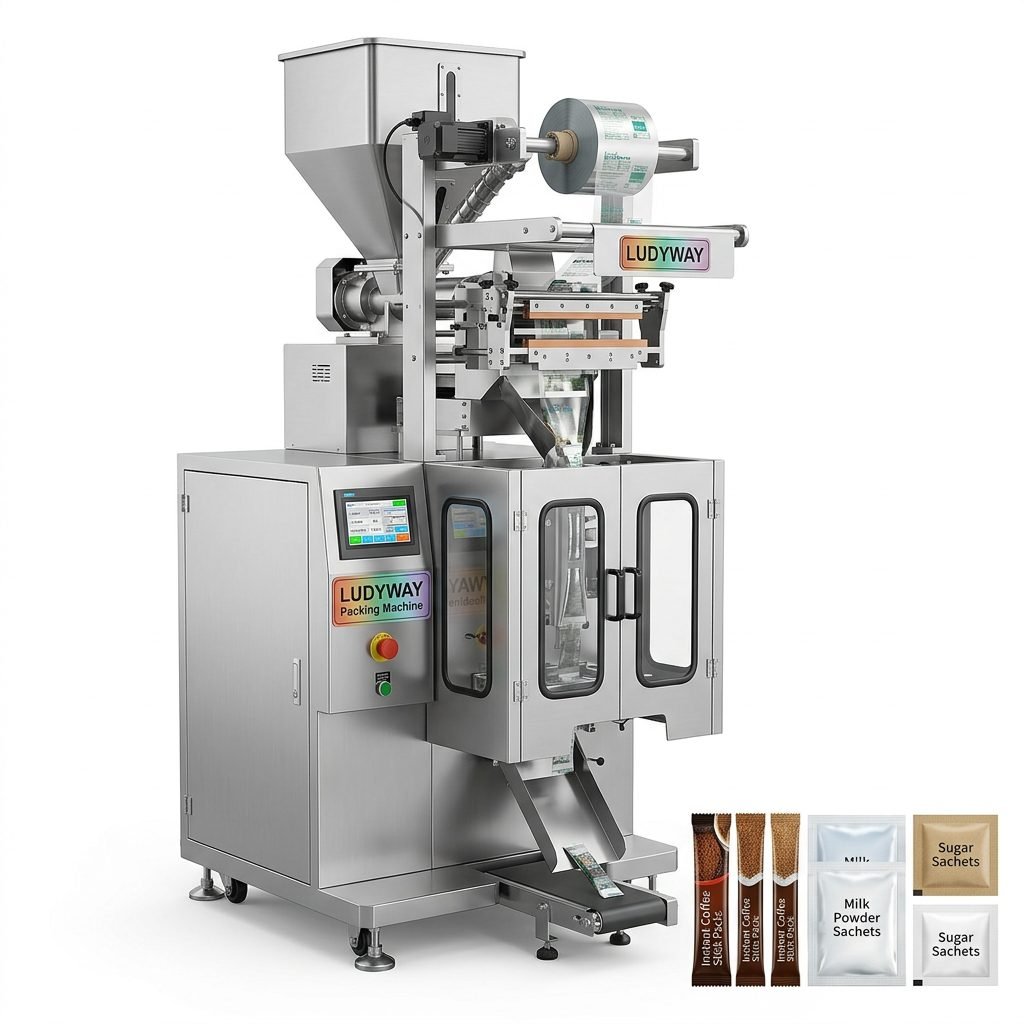
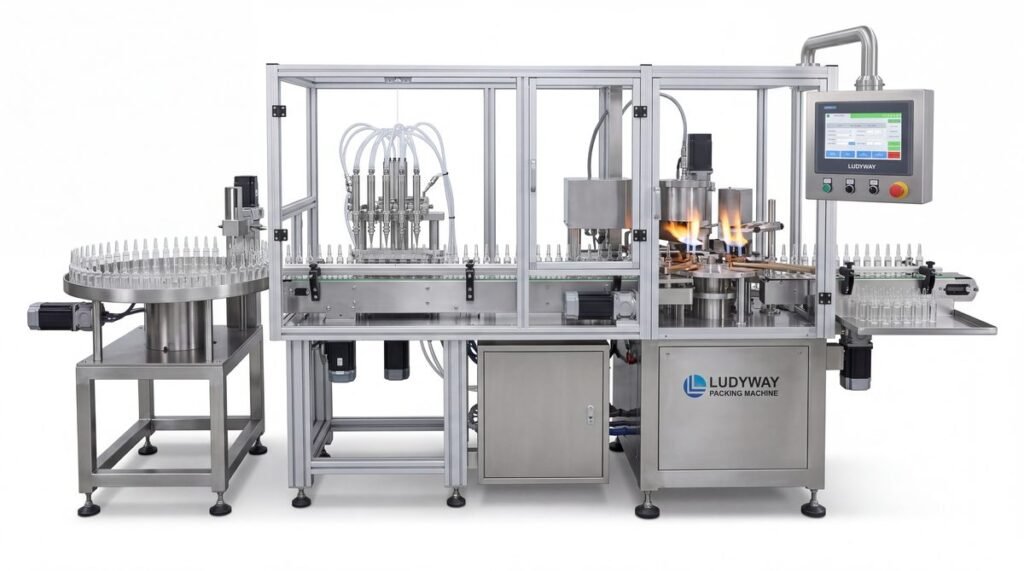
The packaging machinery industry is a critical backbone of modern manufacturing, enabling the efficient, safe, and appealing presentation of products across countless sectors. From the food you consume to the pharmaceuticals you rely on, packaging machines play a pivotal role in ensuring quality, extending shelf life, and enhancing brand value. For manufacturers, selecting the right packaging equipment is not merely a purchase; it’s a strategic investment that impacts production efficiency, operational costs, and market competitiveness.
Understanding Core Packaging Machine Types
Navigating the diverse landscape of packaging machinery begins with understanding the primary categories, each designed for specific materials, product forms, and production scales.
1. Filling and Sealing Machines
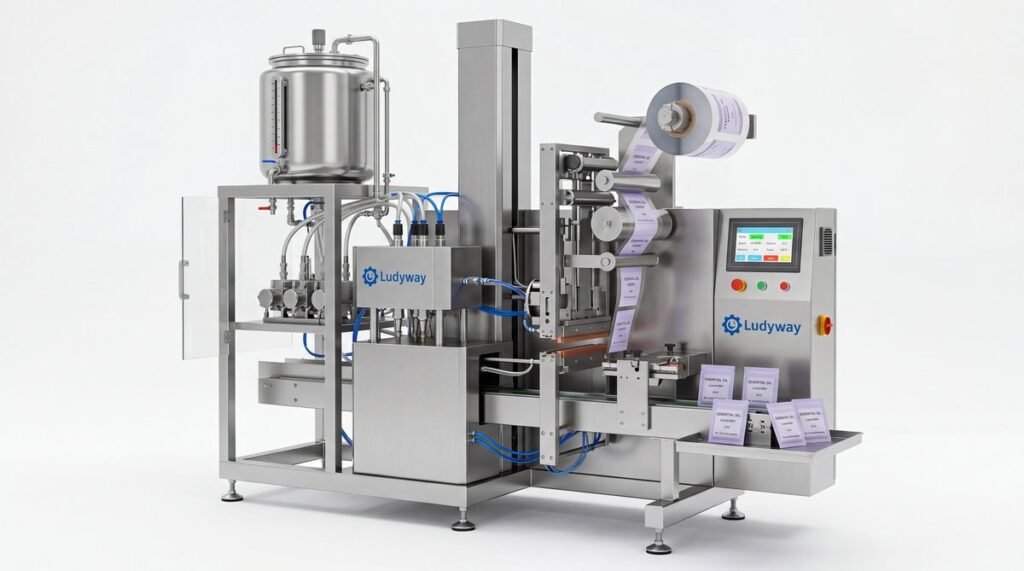
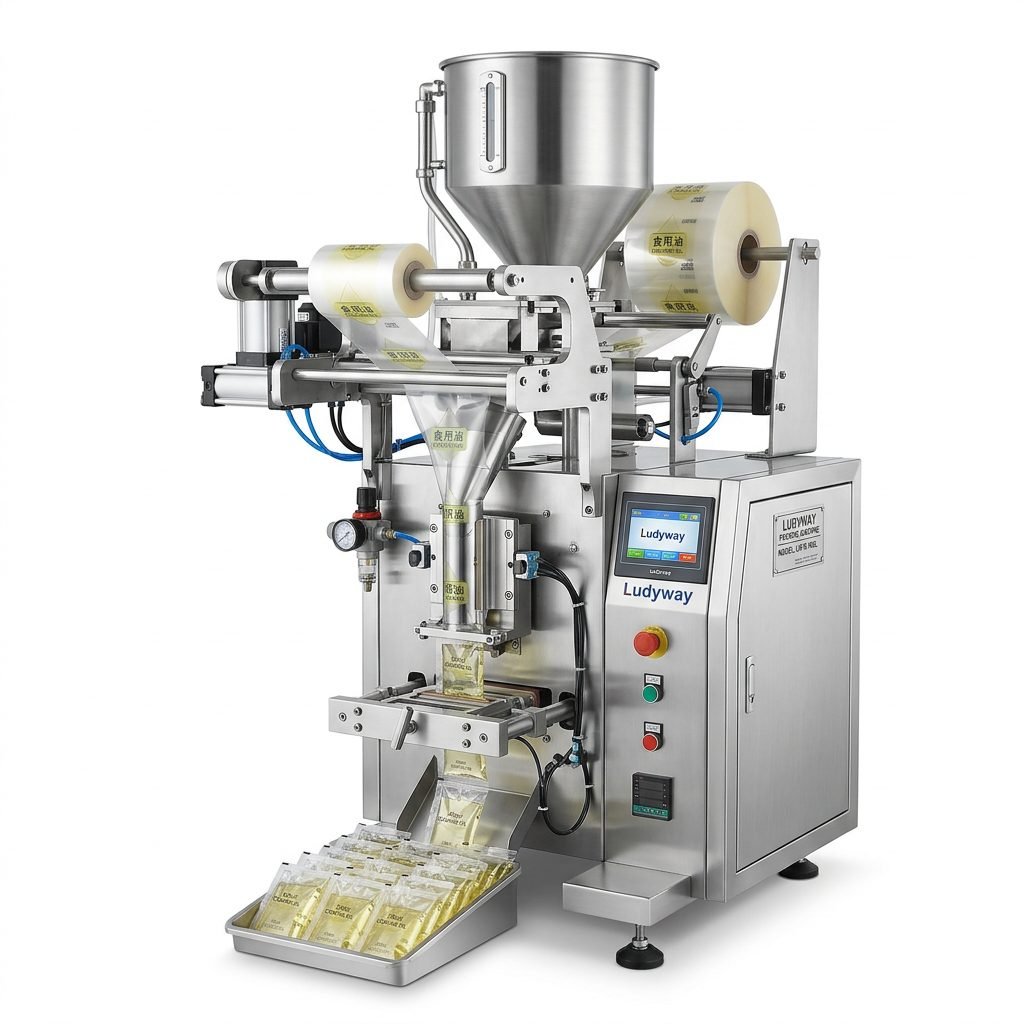
These are the workhorses of packaging, handling products in granule, powder, and liquid forms. They precisely measure and deposit product into pre-formed pouches or bags before hermetically sealing them.
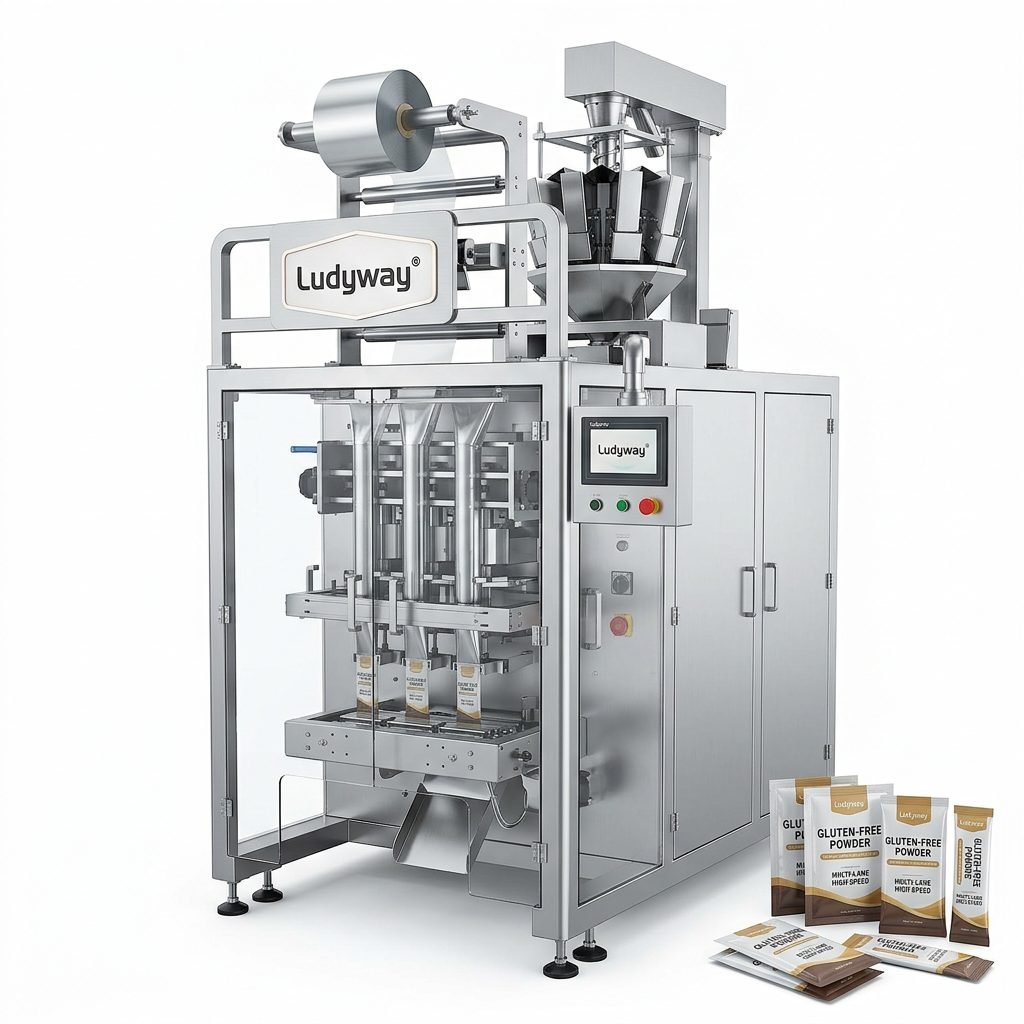
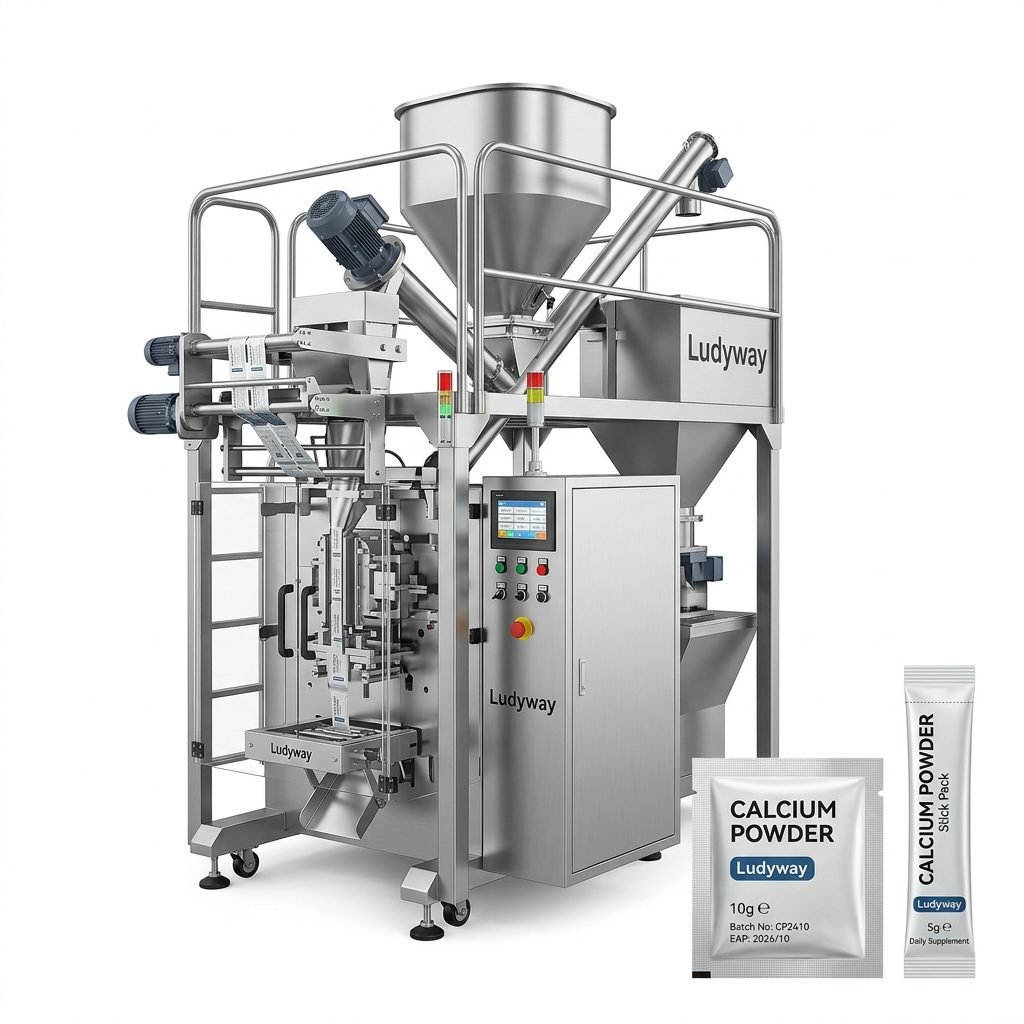
- Vertical Form-Fill-Seal (VFFS): Creates bags from a roll of film, fills them, and seals them in a continuous vertical process. Ideal for high-speed packaging of snacks, coffee, and granules.
- Horizontal Form-Fill-Seal (HFFS): Forms pouches horizontally, often used for liquids, sauces, and products requiring more complex packaging shapes.
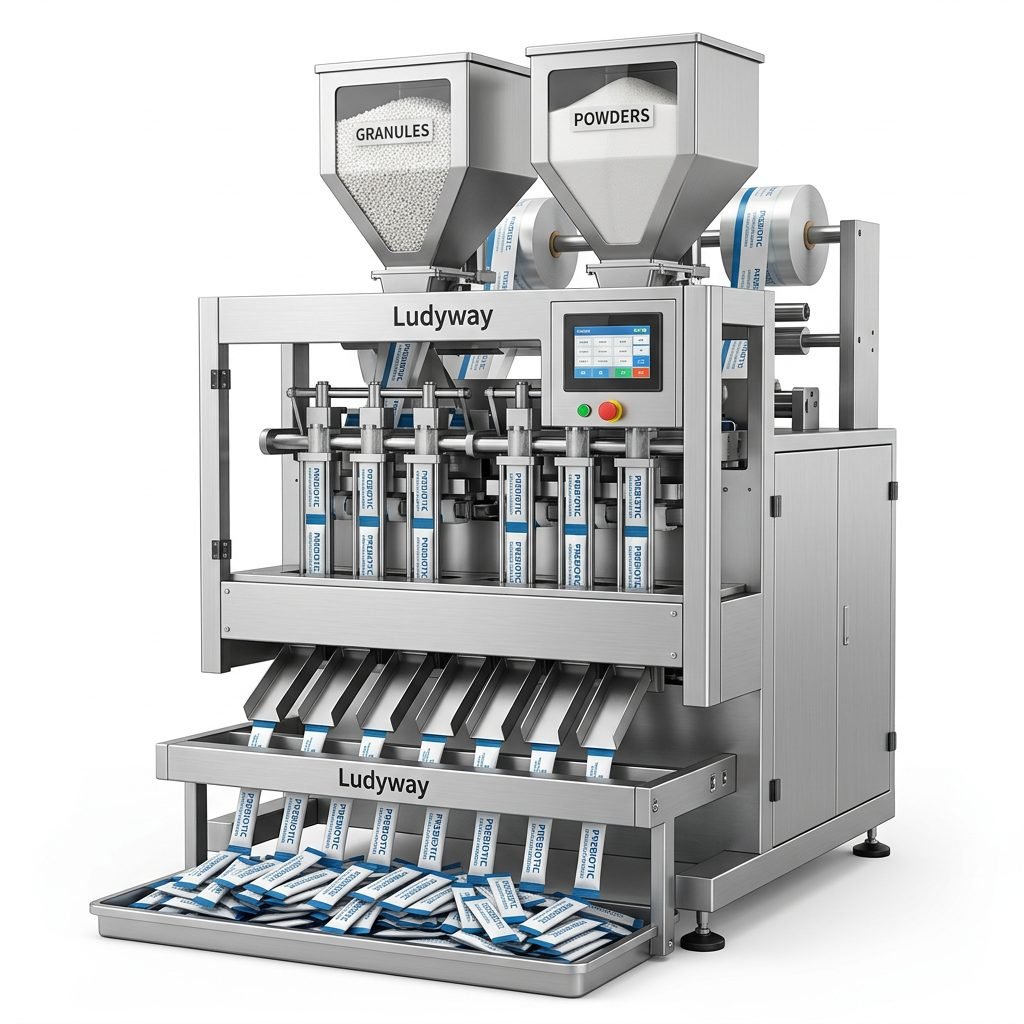
- Stick Pack Machines: A specialized type producing long, slender single-serve packets, extremely popular for powdered beverages, supplements, and condiments.
2. Cartoning and Case Packing Equipment
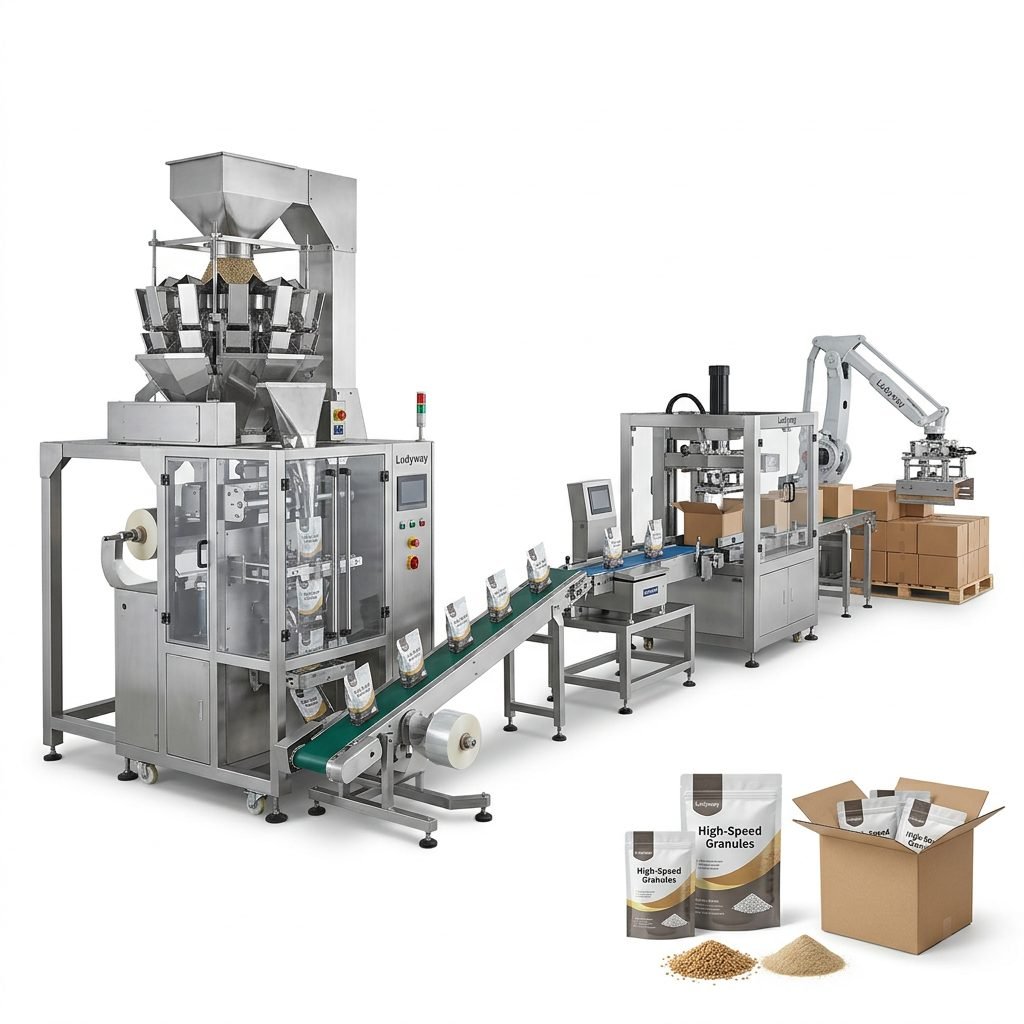
This category involves secondary packaging. Machines automatically erect cartons, insert primary packages (like sachets or bottles), and close them. Case packers then collate and load these cartons into shipping cases, streamlining the end-of-line process.
3. Specialized and End-of-Line Systems
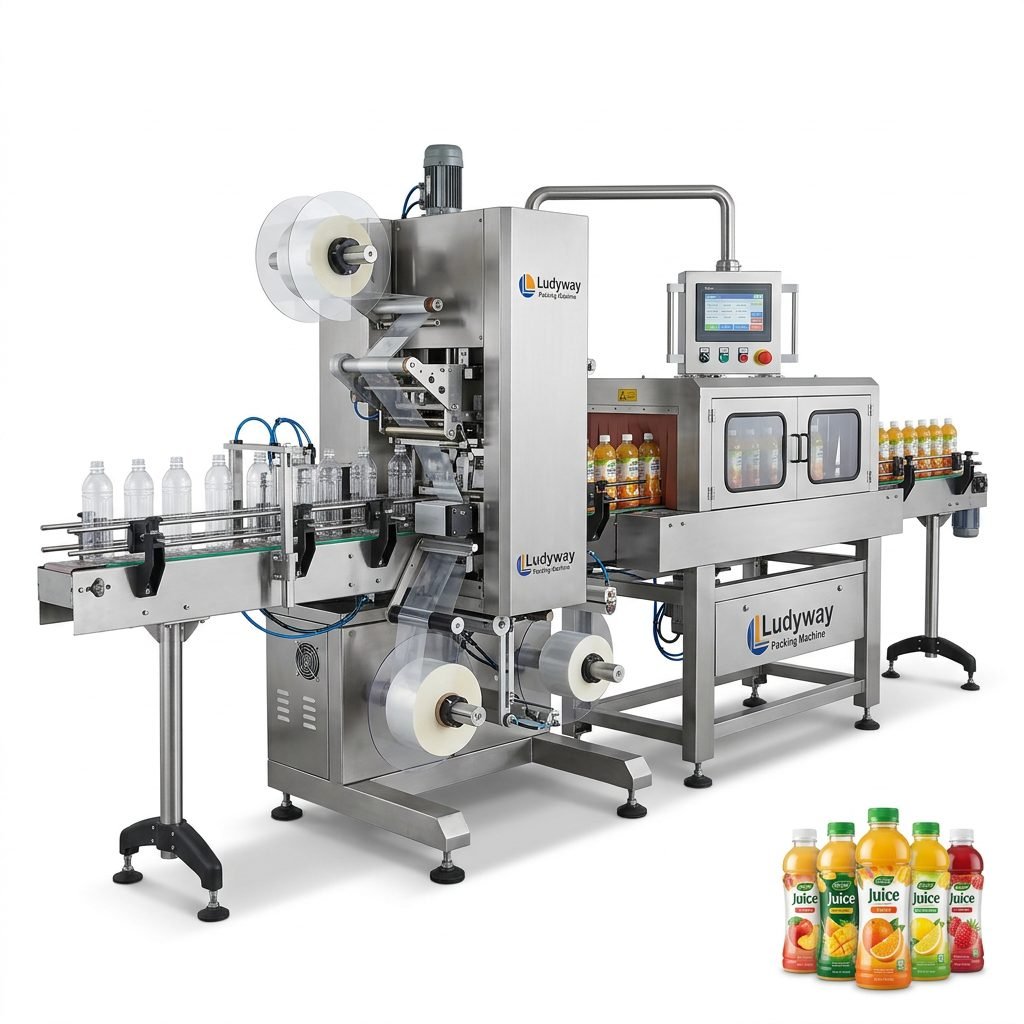
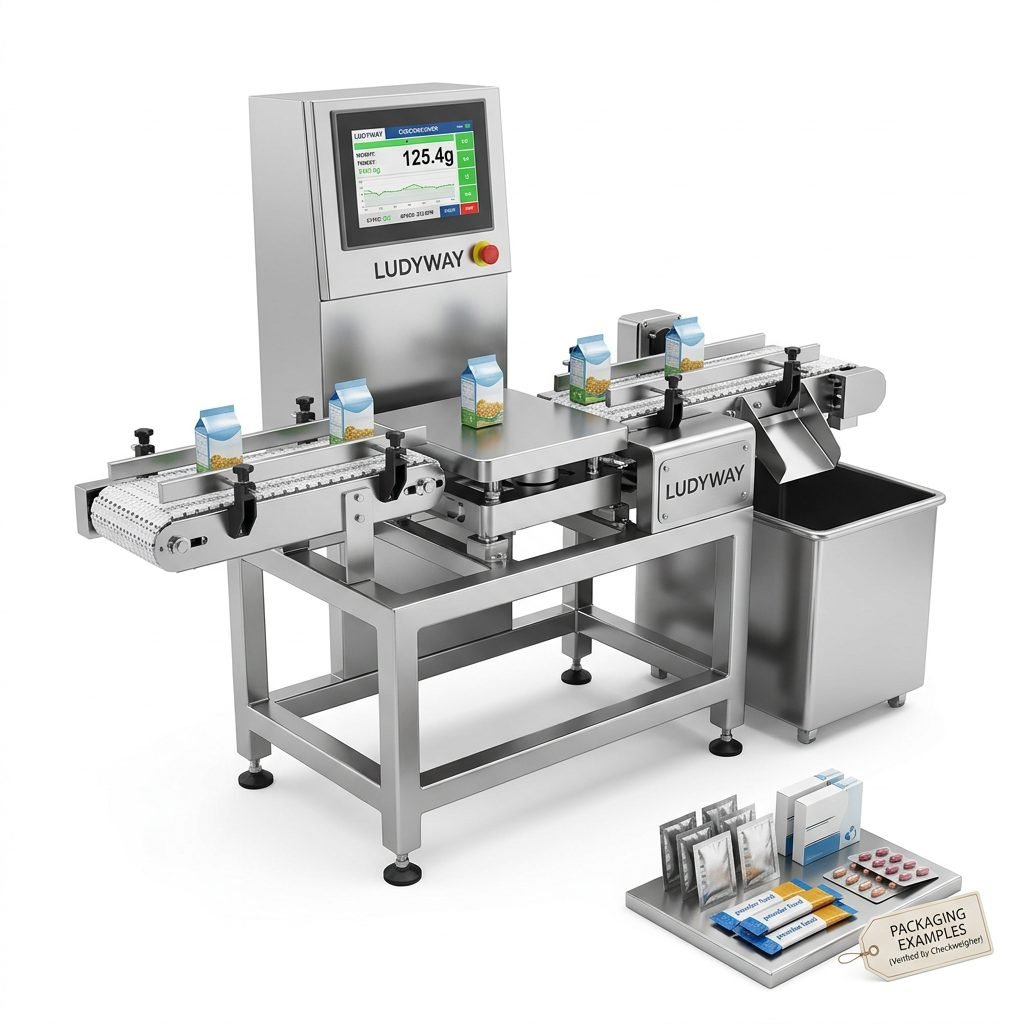
Beyond primary packaging, complete lines often include labeling machines, checkweighers to ensure fill accuracy, and palletizers for final logistics preparation. Integrating these creates a seamless, turnkey production line.
The Manufacturing Process: From Concept to Delivery
Producing a reliable packaging machine is a meticulous engineering journey. For established providers like Ludyway Packing Machine, this process blends decades of experience with modern innovation.
Phase 1: Design & Engineering
It starts with understanding client needs—product characteristics, required speed (packages per minute), and factory environment. Engineers use CAD software to design robust frames, precise filling systems, and user-friendly control interfaces (often PLC-based with HMI touchscreens).
Phase 2: Sourcing & Machining
Critical components like servo motors, precision gears, and food-grade stainless-steel contact parts are sourced from reputable suppliers. In-house CNC machining ensures parts meet exact specifications for durability and hygiene.
Phase 3: Assembly & Integration
Skilled technicians assemble the machine, integrating mechanical, electrical, and pneumatic systems. This stage is where a provider’s expertise shines, ensuring all components work in perfect harmony.
Phase 4: Testing & Quality Assurance
Every machine undergoes rigorous testing. This includes:
⇨ Dry Running
⇨ Material Testing
⇨ Speed & Accuracy Checks
⇨ Safety Protocol Validation
Only after passing all checks is the machine approved for shipment.
Phase 5: Installation & Training
A professional provider doesn’t just deliver a machine. They send engineers to install it, commission it with the client’s actual product, and train the operational team, ensuring a smooth transition to production.
Strategies for Cost Optimization in Packaging Operations
Optimizing cost is about maximizing value, not just minimizing initial price. A holistic view considers the total cost of ownership (TCO).
1. Smart Capital Investment
Choosing the right machine capability is crucial. Over-specifying leads to unnecessary capital expense, while under-specifying causes bottlenecks. Work with experts to analyze your true needs for speed, flexibility, and future growth. Investing in modular machines that can be upgraded can be more economical long-term.
2. Maximizing Operational Efficiency
Efficiency losses are silent profit killers. Focus on:
- Changeover Time: Machines with quick-change parts and recipe memory on the HMI can reduce downtime from hours to minutes when switching products.
- Material Yield: High-precision filling systems minimize product giveaway. Advanced sealing technology reduces film waste and seal failures.
- Energy Consumption: Modern machines with servo-drive technology are significantly more energy-efficient than older mechanical models.
3. Reducing Maintenance & Downtime Costs
Proactive maintenance is cheaper than reactive repair. Opt for machines built with durable components and designed for easy access to high-wear parts. A reliable supplier like Ludyway provides comprehensive manuals, spare parts lists, and remote support to keep your line running.
4. Leveraging Supplier Partnership
Your machinery provider should be a strategic partner. Their ability to offer customized solutions, reliable after-sales service, and technical support directly impacts your operational uptime and cost. A partner with deep industry experience can also advise on optimal packaging materials and processes, leading to further savings.
Choosing the Right Packaging Machine Partner
With over 30 years of collective industry experience, Ludyway Machinery exemplifies the attributes of a reliable partner. From a focused engineering beginning, the brand has grown to offer a portfolio of over 50 intelligent packaging machine models. This evolution is rooted in a commitment to understanding global production challenges and delivering robust, efficient solutions—from single machines to complete automated lines for stick pack, sachet, and other packaging needs.
The journey in packaging machine manufacturing is one of continuous innovation aimed at balancing efficiency, quality, and cost. By thoroughly understanding machine types, respecting the precision of the manufacturing process, and implementing strategic cost-optimization measures, businesses can make informed investments that drive productivity and profitability for years to come.
Frequently Asked Questions (FAQs)
1. What is the lead time for a custom packaging machine?
Lead times vary based on complexity and customization. Standard models may ship in 4-8 weeks, while fully custom turnkey lines require detailed engineering and can take 12-20 weeks. A reliable supplier will provide a clear project timeline after the initial consultation.
2. How do I determine the right packaging speed (packages per minute) for my needs?
Calculate based on your current and projected daily output, factoring in required hours of operation. It’s often advisable to choose a machine with a 15-20% higher capacity than your current need to accommodate future growth and ensure it runs at a sustainable, non-maximum speed for better longevity.
3. What are the key factors in choosing between a stick pack and a sachet machine?
The choice depends on your product and market. Stick packs are ideal for fine powders (like instant drinks) and offer high visual appeal on shelf. Sachets (flat or stand-up) are more versatile for thicker products, granules, or liquids, and can accommodate larger fill volumes. A product test run is the best way to decide.
4. Can one machine handle different types of packaging materials?
Many modern machines are designed with material flexibility in mind. However, switching between vastly different materials (e.g., from paper laminate to aluminum laminate) may require adjustments to sealing jaws, film tension settings, and possibly different film feed systems. Discuss your multi-material needs with your supplier upfront.
5. What kind of after-sales support should I expect?
Comprehensive support includes detailed operation manuals, video guides, readily available spare parts, remote troubleshooting via phone or video call, and optional on-site technician visits for major issues. Ensure your supplier has a proven track record of responsive and effective technical support in your region.