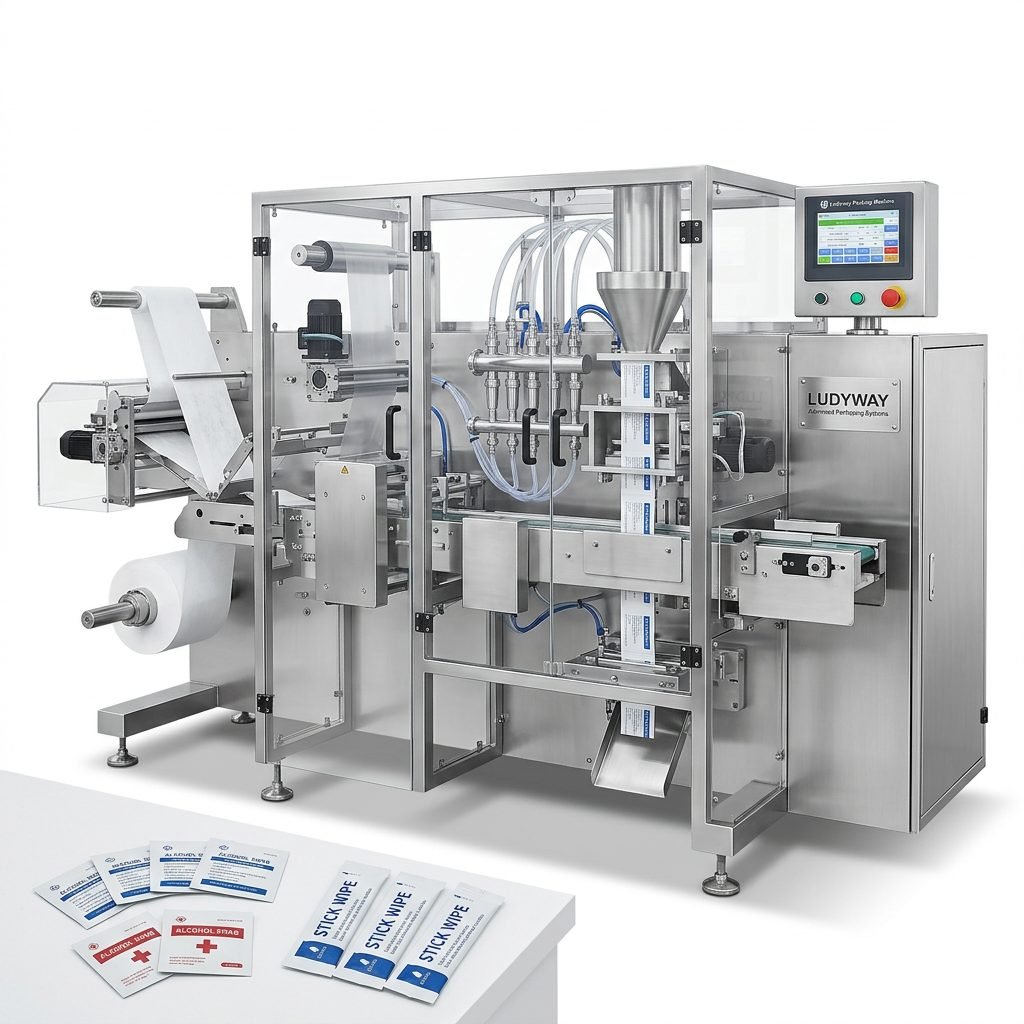
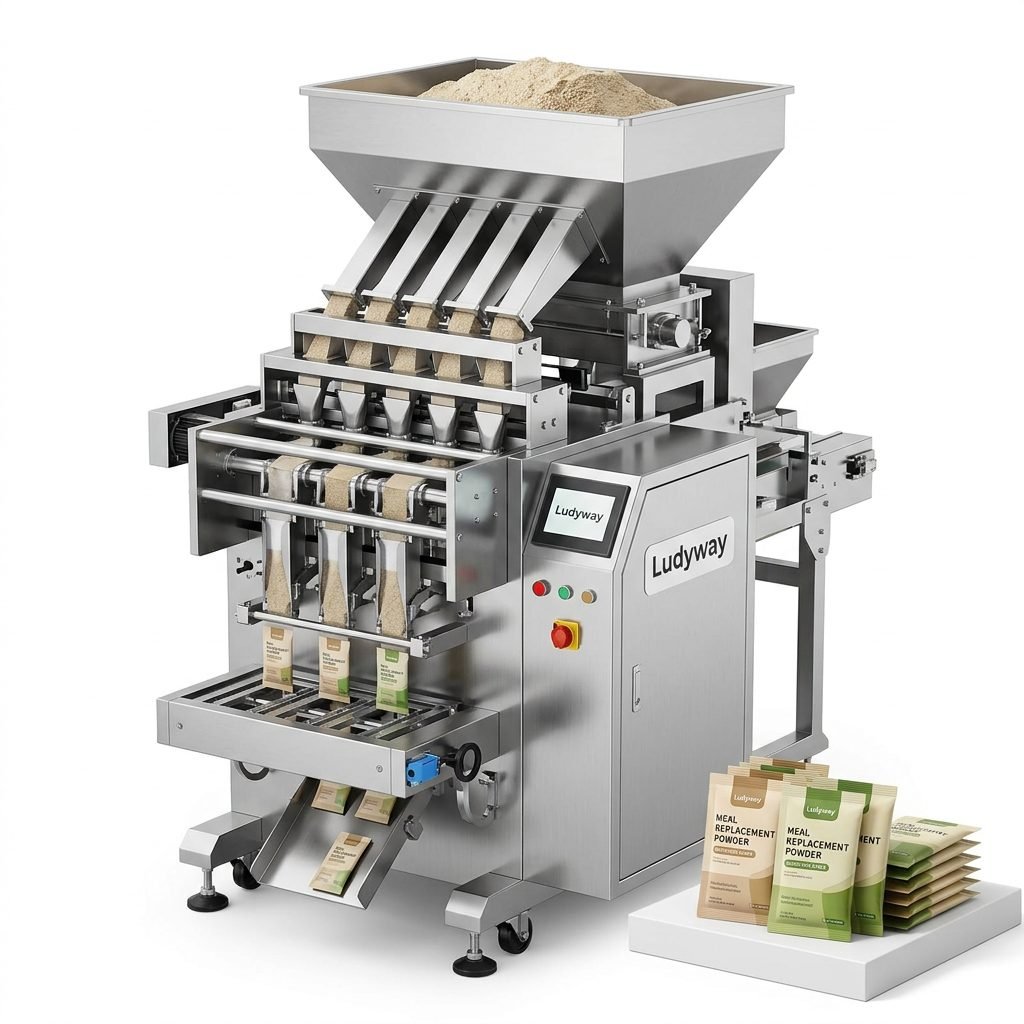
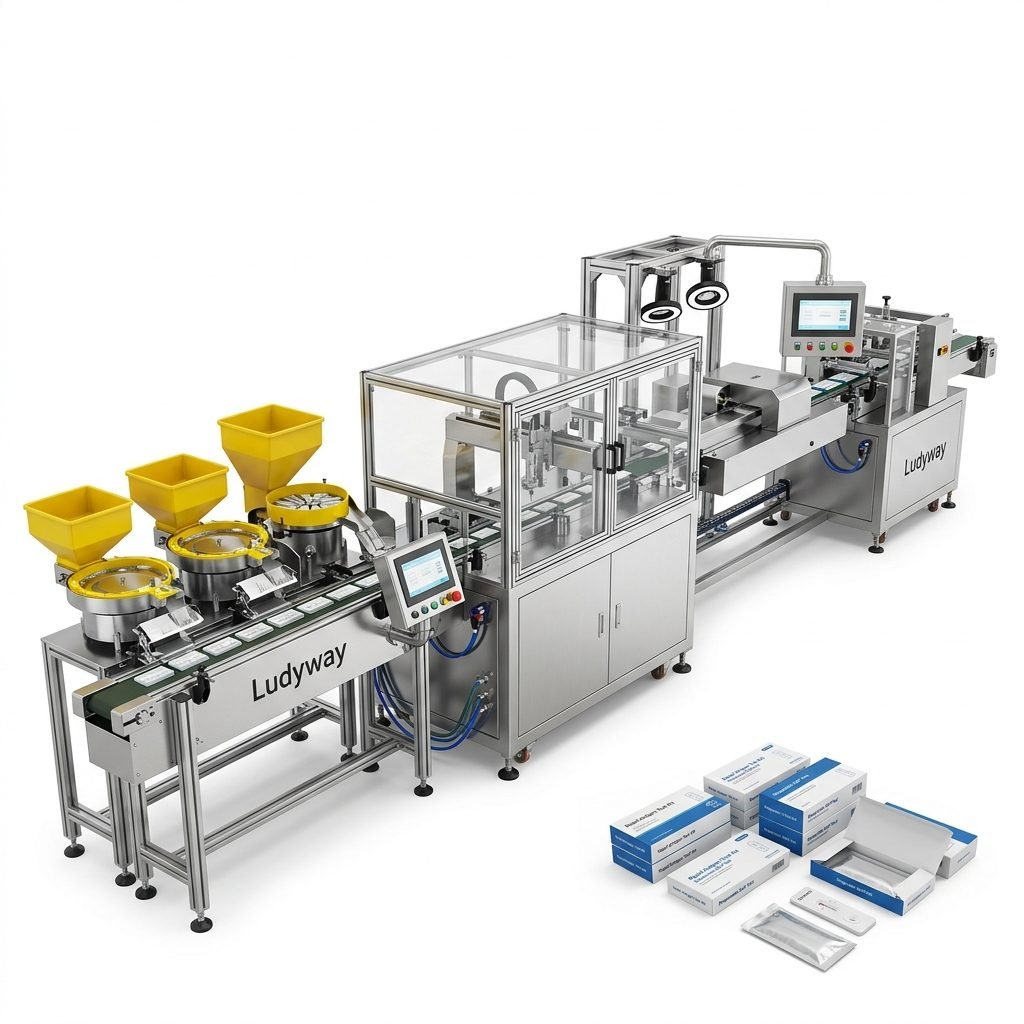
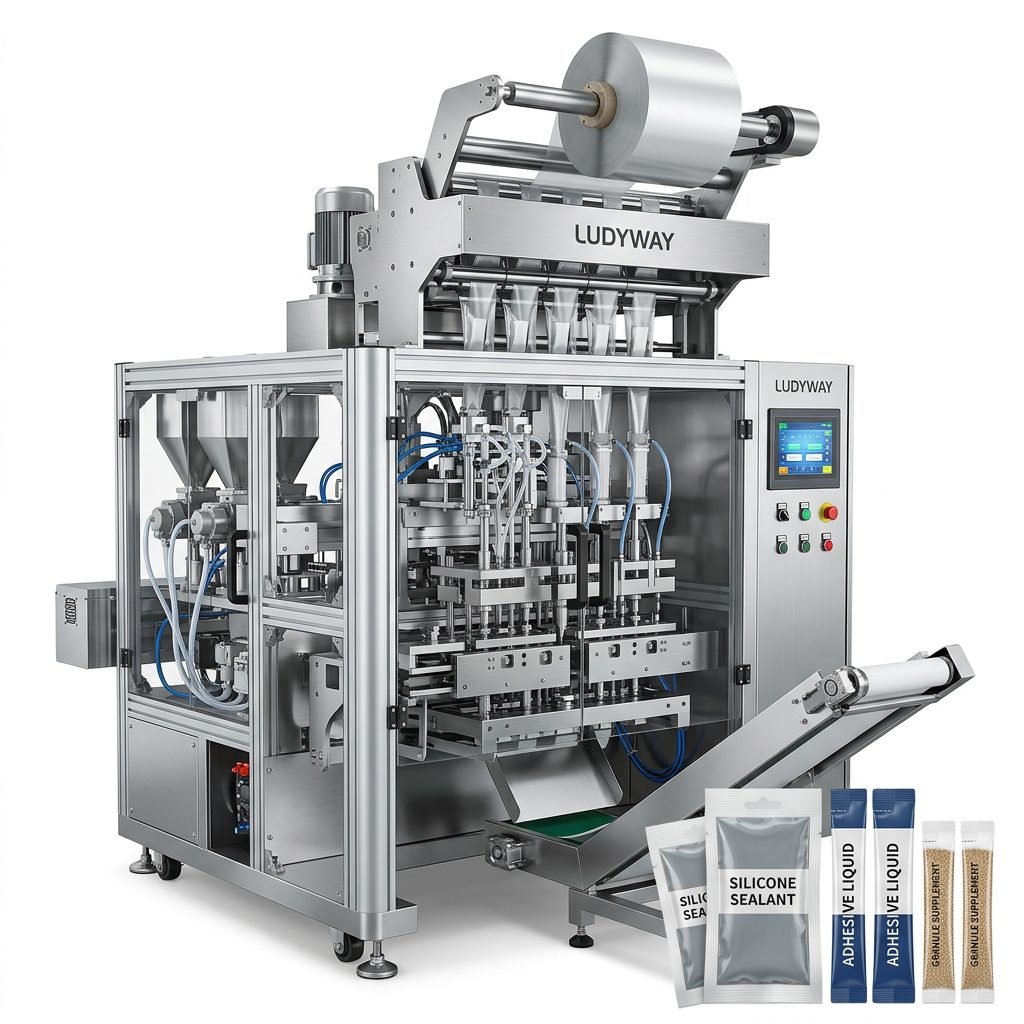
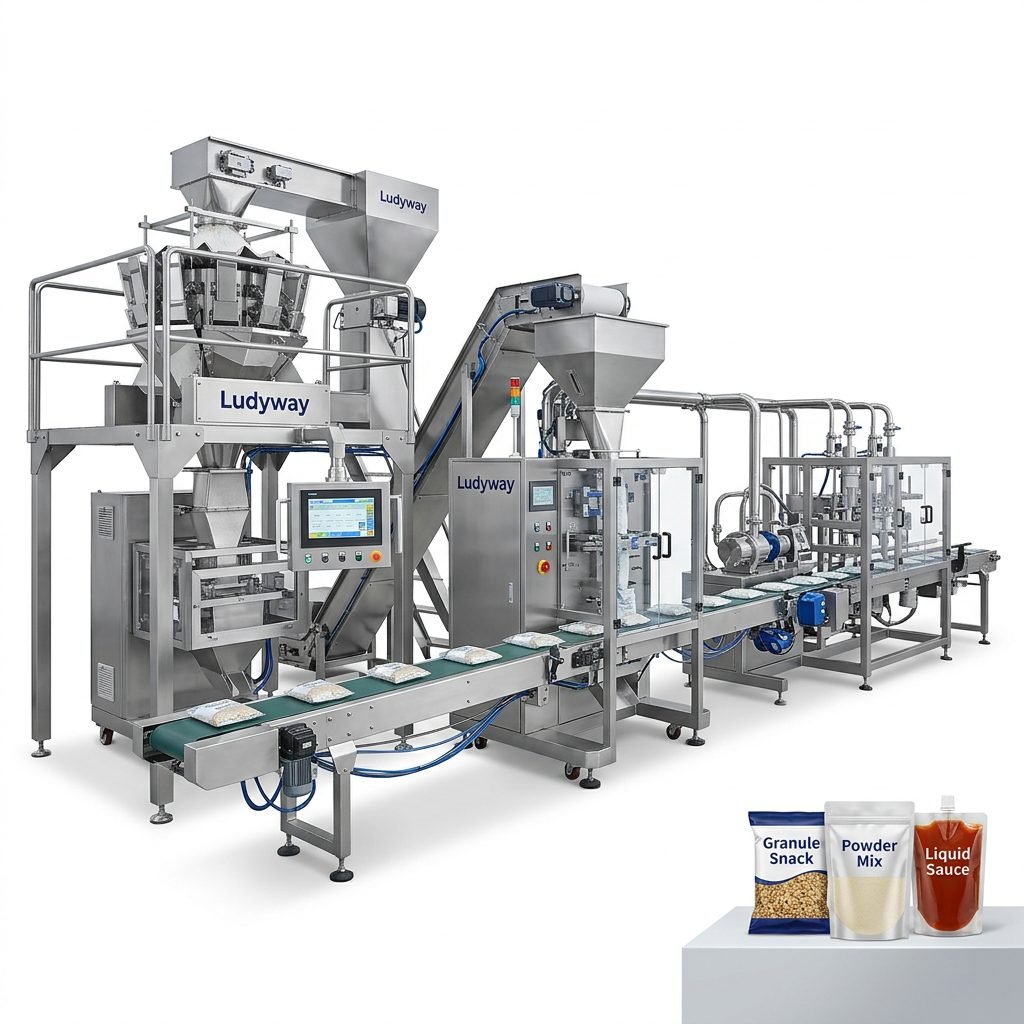
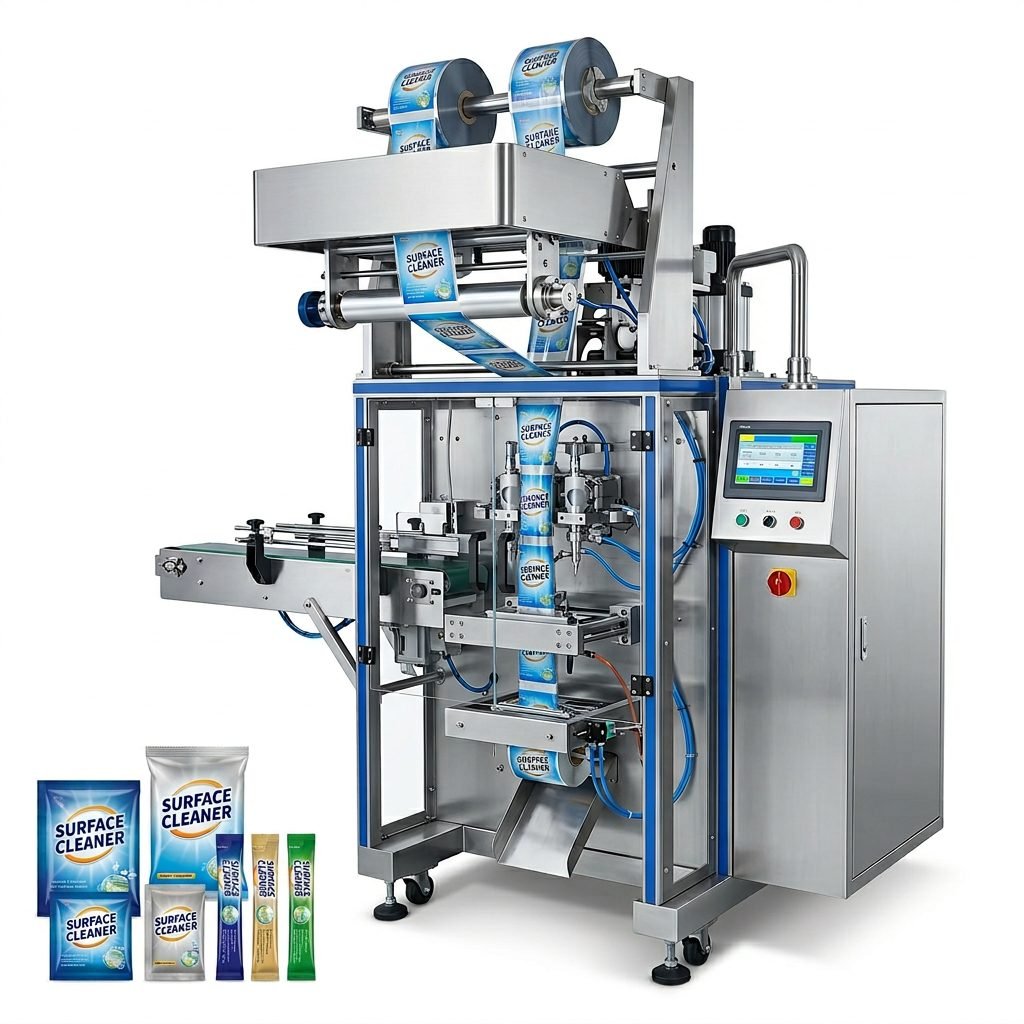
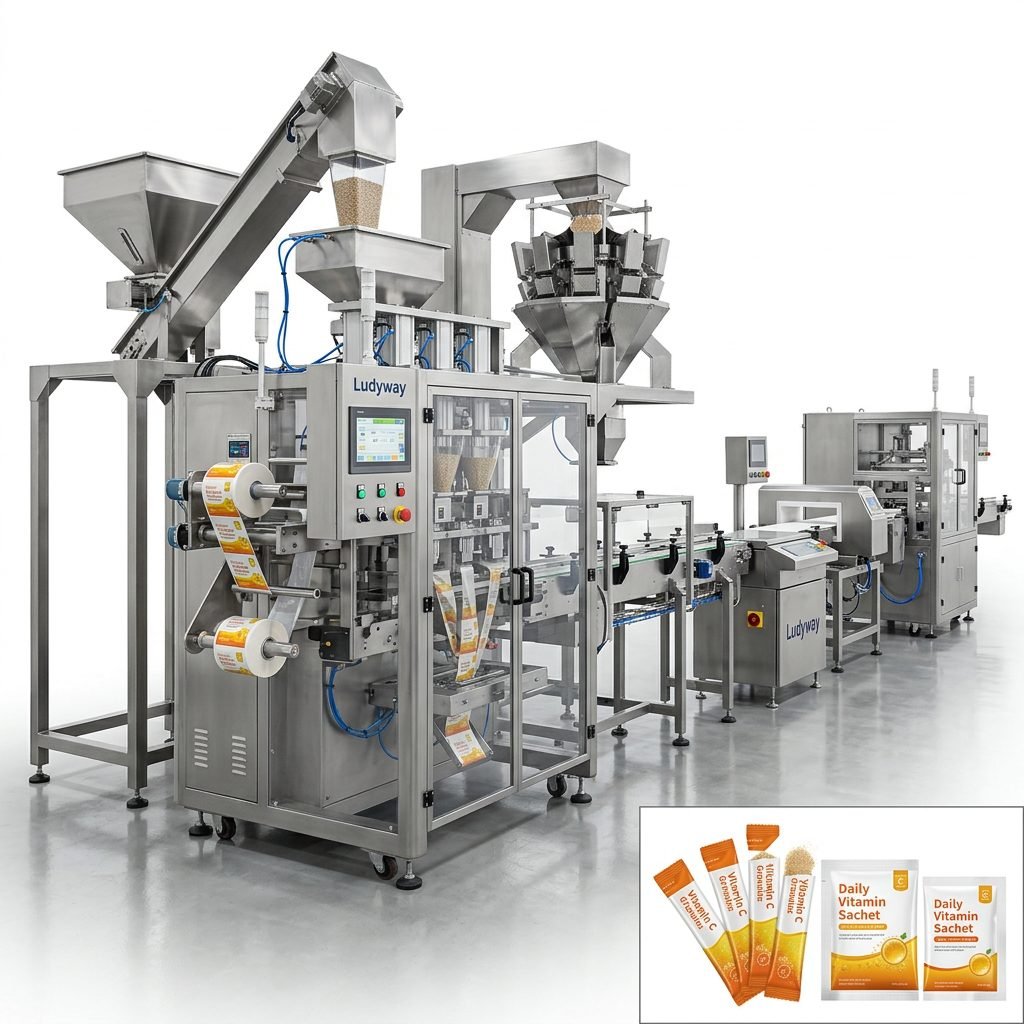
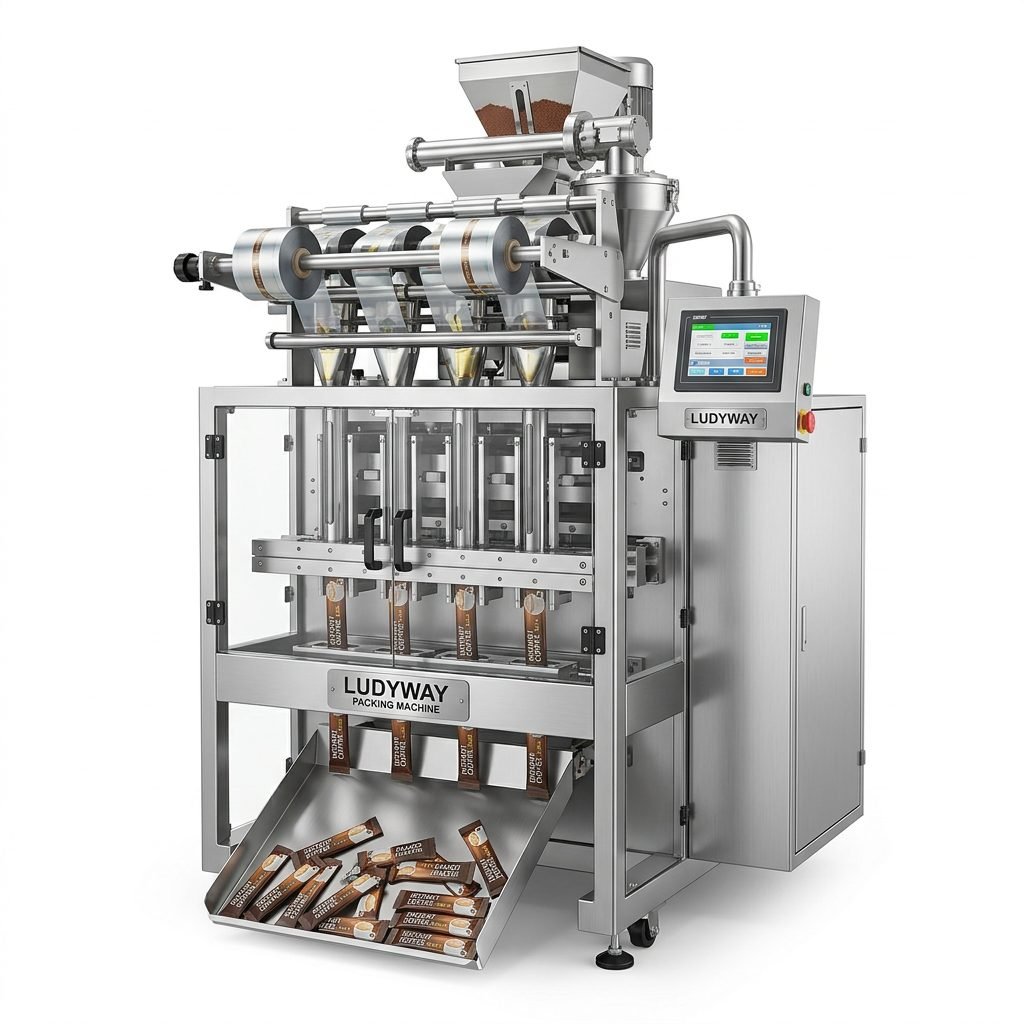
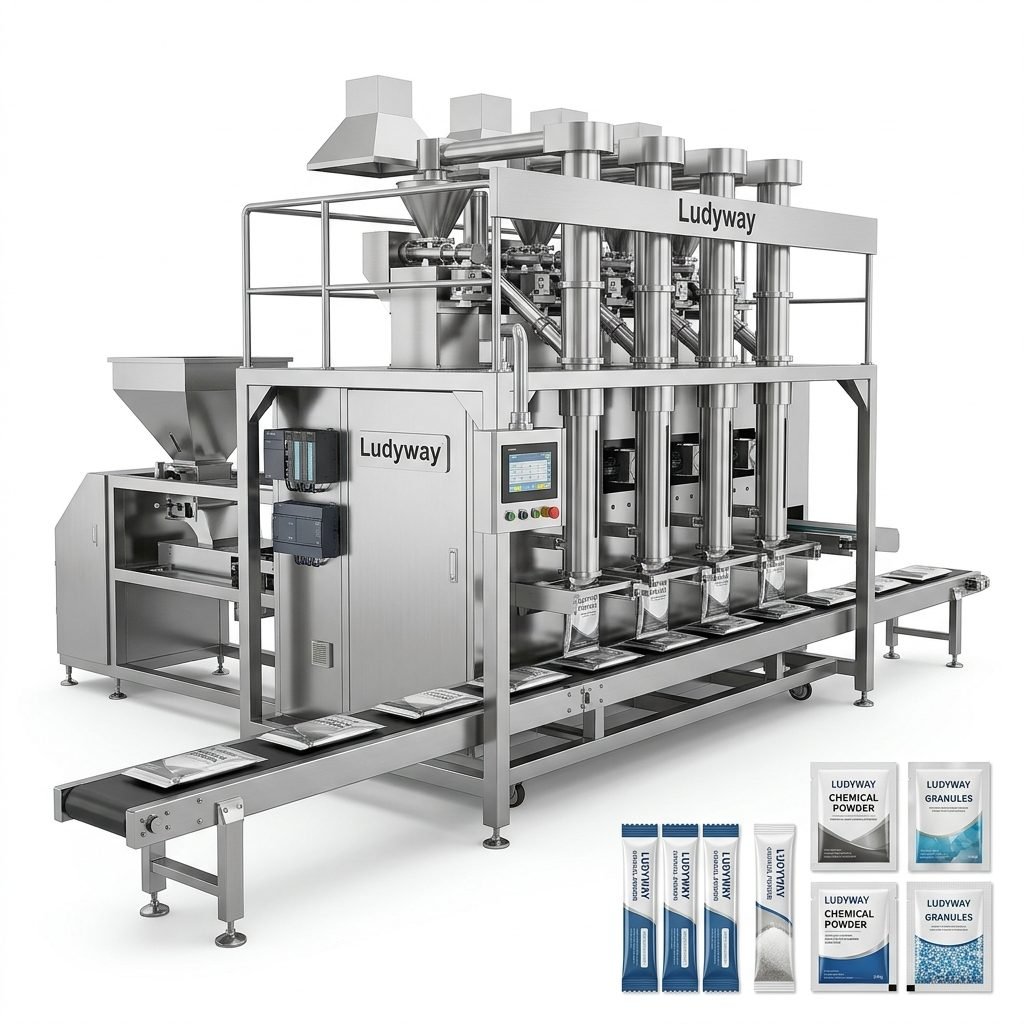
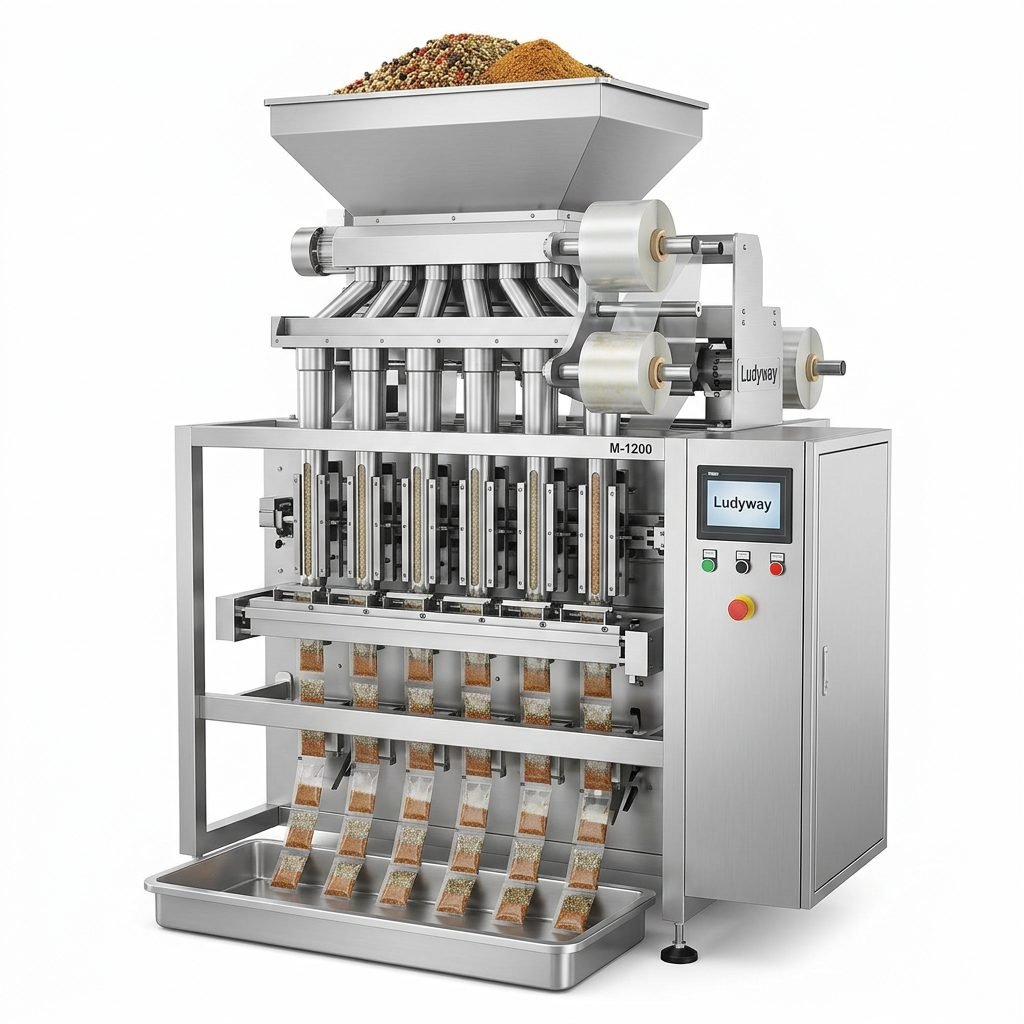
In the fast-paced world of product manufacturing and distribution, efficient and reliable packaging is not just a final step—it’s a critical component of brand presentation, product protection, and operational efficiency. Among the various packaging solutions available, sleeve packaging machines stand out for their versatility, speed, and ability to create secure, professional-looking packages. This comprehensive guide delves into the world of sleeve packaging, exploring the different types of machines, their core working principles, diverse applications across industries, and essential tips for making an informed purchase decision.
Understanding Sleeve Packaging Machines
Sleeve packaging, often referred to as sleeve wrapping or shrink sleeve packaging, involves placing a pre-printed plastic film or sleeve around a product or container. A sleeve packaging machine automates this process, typically applying heat to shrink the film tightly to the contours of the product, creating a seamless, tamper-evident, and visually appealing package. This method is distinct from traditional cartoning or flow wrapping and offers unique advantages in marketing and logistics.
Key Advantage: The primary benefit of shrink sleeve packaging is its 360-degree printable surface area, allowing for vibrant, all-around graphics that significantly enhance shelf appeal and brand recognition compared to labels applied only to one or two sides.
Core Components of a Sleeve Packaging System
A standard automated sleeve packaging system consists of several integrated components:
- Product Infeed Conveyor: Gently transports products into the machine at a controlled rate.
- Film Unwinding & Feeding Unit: Holds the roll of pre-printed shrink film and feeds it precisely.
- Sleeve Cutting & Sealing Mechanism: Cuts the film to the required length and seals it into a tube or sleeve.
- Sleeve Application Station: Places the open sleeve over the product as it passes through.
- Heat Tunnel (Shrink Tunnel): Applies controlled heat (via steam, hot air, or infrared) to shrink the film tightly around the product.
- Control Panel (HMI): The user interface for setting parameters like temperature, speed, and film length.
Types of Sleeve Packaging Machines
The market offers various sleeve packaging machines designed for different production scales, product types, and budgets. Understanding these types is crucial for selecting the right equipment.
1. Manual & Semi-Automatic Sleeve Applicators
Ideal for low-volume production, pilot runs, or businesses with highly variable product sizes. Operators manually place the product and/or the sleeve, and the machine handles the sealing and shrinking. They offer a lower initial investment and great flexibility.
2. Full-Automatic Sleeve Packaging Machines
These are the workhorses of medium to high-volume production lines. They automate the entire process—from film feeding and sleeve formation to product application and shrinking—with minimal operator intervention. They offer high speed, consistency, and integration with upstream and downstream equipment like fillers and cartoners.
3. High-Speed Rotary Sleeve Packers
Designed for ultra-high-speed applications in large-scale beverage, food, and pharmaceutical industries. They use a rotary carousel system to apply sleeves continuously to products moving in a circular path, achieving outputs of thousands of units per hour.
4. Specialty Sleeve Packaging Systems
This category includes machines tailored for specific needs:
• Neck Banding Machines: Apply small sleeves specifically to bottle necks for tamper evidence and promotion.
• Multi-Pack Bundlers: Use shrink film to bundle multiple cans, bottles, or boxes together into a single retail unit.
• Full-Body Sleeve Labelers: Focus on applying labels that cover the entire container, common in the cosmetic and beverage sectors.
How Does a Sleeve Packaging Machine Work?
The working principle follows a logical sequence to transform a flat film into a tight, conforming package:
- Film Feeding & Registration: The film roll is mounted, and an optical sensor ensures the print is correctly aligned (registered) for each package.
- Sleeve Formation: The film is pulled to a specific length, cut, and its edges are sealed (usually with a lap seal or fin seal) to form a continuous tube or a closed-bottom sleeve.
- Product Insertion: The product is conveyed into the open end of the sleeve. In automatic machines, this is synchronized perfectly.
- Heat Shrinking: The sleeved product enters a heat tunnel. The applied heat causes the polymer chains in the PVC, PETG, or OPS film to contract, conforming tightly to every contour of the product.
- Cooling & Exit: The packaged product exits the tunnel, cools, and is conveyed for collection or further packaging steps.
Choosing the Right Shrink Film
The machine’s performance is intrinsically linked to the film used. Common materials include:
PVC (Polyvinyl Chloride): Widely used, cost-effective, with good clarity and printability. Environmental considerations are leading to reduced use.
PETG (Glycol-modified Polyethylene Terephthalate): Offers high clarity, gloss, and durability. It is a popular choice for food and beverage packaging and is widely recyclable.
OPS (Oriented Polystyrene): Provides excellent clarity and rigidity at a lower shrink temperature, making it energy-efficient. It is also recyclable.
Selecting the correct film gauge (thickness) and shrinkage ratio is vital for achieving a wrinkle-free, secure pack.
Applications Across Industries
The adaptability of sleeve packaging makes it invaluable across numerous sectors. For businesses looking to implement such versatile solutions, partnering with an experienced provider like Ludyway Packing Machine can ensure access to tailored equipment that meets specific industry demands.
Food & Beverage
This is the largest application area. Sleeves are used on bottles (water, juices, sauces), jars, cans, and multi-packs. They provide tamper evidence, moisture resistance, and a brilliant canvas for marketing. Full-body sleeves can transform a standard bottle into a unique brand icon.
Pharmaceutical & Healthcare
Sleeves offer superior tamper evidence, a critical requirement. They are used on medicine bottles, vials, and diagnostic kits. The film can also include anti-counterfeiting features and provide a barrier against contaminants.
Cosmetics & Personal Care
High-gloss, tight-fitting sleeves enhance the premium feel of shampoo bottles, lotion containers, and cosmetic kits. The 360-degree print area is perfect for showcasing brand aesthetics and usage instructions.
Home Care & Chemicals
Products like detergent bottles, cleaning sprays, and oil containers use sleeves for durability and label protection. The film can resist chemicals and abrasion, ensuring the label remains intact throughout the product’s lifecycle.
Promotional & Seasonal Packaging
Sleeves allow for easy creation of limited-edition or promotional packaging without changing the primary container. Companies can run seasonal campaigns (e.g., holiday themes) efficiently by simply switching the film roll.
Essential Buying Tips for Your Sleeve Packaging Machine
Investing in a sleeve packager is a significant decision. Here are key factors to consider to ensure you choose the right machine for your long-term needs:
1. Assess Your Production Requirements
Clearly define your current and projected output (packages per minute/hour), product dimensions, and shape variability. A machine that is too slow creates bottlenecks, while an overly complex, high-speed machine may be an unnecessary capital expense for a small operation.
2. Machine Flexibility and Changeover
If you package multiple products of different sizes, quick and tool-less changeover is essential. Look for machines with easy-to-adjust guides, servo-driven components for digital size change, and memory functions for storing recipes.
3. Integration and Automation Level
Consider how the machine will fit into your existing line. Does it need to integrate with a specific filler, capper, or cartoner? Ensure the machine’s control system (often PLC-based) supports the necessary communication protocols. For end-to-line solutions, providers offering complete turnkey production lines can simplify integration.
4. Quality of Construction and Support
Examine the build quality. Machines with a robust stainless-steel or anodized aluminum frame and high-quality components from reputable brands (e.g., Siemens, Mitsubishi drives) offer greater longevity and reliability. Crucially, evaluate the supplier’s after-sales support. Availability of spare parts, technical assistance, and service training are non-negotiable for minimizing downtime.
5. Total Cost of Ownership (TCO)
Look beyond the initial purchase price. Factor in energy consumption (efficient heat tunnels can save significantly), film waste rates, required maintenance, and potential costs for future upgrades. A slightly more expensive machine with higher efficiency and lower waste can have a better TCO.
Pro Tip: Request a Product Test
Before finalizing your purchase, always send samples of your actual products and proposed film to the manufacturer for a live or video demonstration. This test run will reveal the machine’s true capability to handle your specific items, the final pack quality, and the achievable speed, helping you make a confident decision. Reputable manufacturers with extensive industry experience will readily offer this service.
Frequently Asked Questions (FAQs)
1. What is the main difference between a sleeve packager and a shrink wrapper?
While both use heat-shrink film, the key difference is in package formation. A shrink wrapper (or flow wrapper) wraps a product in a single sheet of film and seals the ends. A sleeve packager first forms a tube or sleeve, then slides it over the product. Sleeve packaging is typically used for pre-formed containers, while shrink wrapping can package individual or grouped products of various shapes.
2. Can sleeve packaging machines handle irregularly shaped products?
Yes, one of the greatest strengths of shrink sleeve technology is its ability to conform tightly to complex contours, curves, and irregular shapes that would be challenging for paper labels or cartons, provided the correct film type and shrinkage ratio are used.
3. How do I choose between PVC, PETG, and OPS shrink film?
The choice depends on your product needs, budget, and sustainability goals. PVC is economical. PETG offers high clarity, strength, and is widely recyclable (#1 resin), making it a preferred choice for many brands. OPS provides brilliant clarity and rigidity with lower energy use. Consult with your film supplier and machine manufacturer for the best recommendation.
4. What maintenance does a sleeve packaging machine require?
Regular maintenance includes cleaning of film debris and dust, lubrication of moving parts as per the manual, inspection and cleaning of sealing jaws, and calibration of sensors. The heat tunnel’s heating elements and air circulation system also require periodic checking. A preventive maintenance schedule is crucial.
5. Is sleeve packaging considered sustainable?
The sustainability profile is improving. While traditional PVC poses recycling challenges, the shift toward mono-material, recyclable films like PETG and OPS is significant. These films are compatible with existing recycling streams in many regions. Furthermore, sleeves often use less material than a full carton box, reducing overall packaging weight and waste.