In today’s competitive food and beverage market, production efficiency is not just a goal—it’s a necessity for survival and growth. The ability to package products quickly, accurately, and reliably directly impacts a company’s bottom line, product quality, and market responsiveness. This is where high-speed food and beverage packaging machinery solutions become the cornerstone of modern, efficient production lines. These advanced systems are engineered to handle the demanding throughput requirements of contemporary manufacturing while ensuring consistency, reducing waste, and maintaining the highest standards of hygiene and safety.
The Critical Role of Speed in Modern Packaging
The demand for rapid production cycles is driven by several key market factors. Consumers expect fresh products with extended shelf lives, which often requires swift processing from production line to sealed package. Retailers and distributors operate on tight schedules, necessitating just-in-time delivery from manufacturers. Furthermore, the ability to quickly scale production up or down in response to market trends or seasonal demand is a significant competitive advantage. High-speed packaging machinery is the enabling technology that makes this agile, responsive manufacturing model possible. It transforms raw output into finished, market-ready goods at a pace that manual or semi-automated systems simply cannot match.
Core Technologies Powering High-Speed Solutions
Modern high-speed packaging systems integrate a suite of sophisticated technologies. Servo-driven motion control provides unparalleled precision and speed in forming, filling, and sealing actions. Advanced vision inspection systems perform real-time quality checks at high velocities, rejecting defective packages without slowing the line. Intelligent weighing and volumetric filling systems ensure exact portion control, critical for both cost management and regulatory compliance. These technologies are often managed by centralized Programmable Logic Controllers (PLCs) and Human-Machine Interfaces (HMIs), allowing for quick changeovers between different product formats and packaging materials, thereby maximizing overall equipment effectiveness (OEE).
Applications Across Food and Beverage Segments
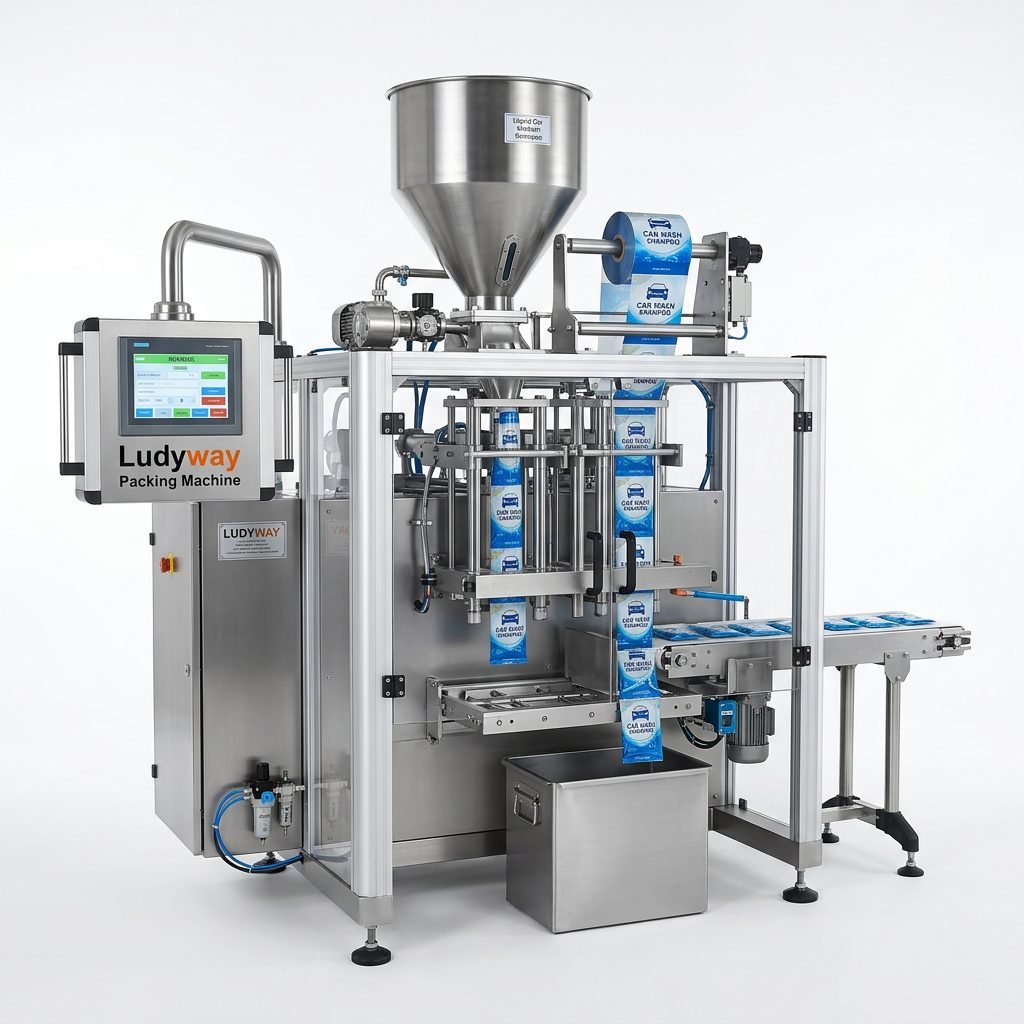
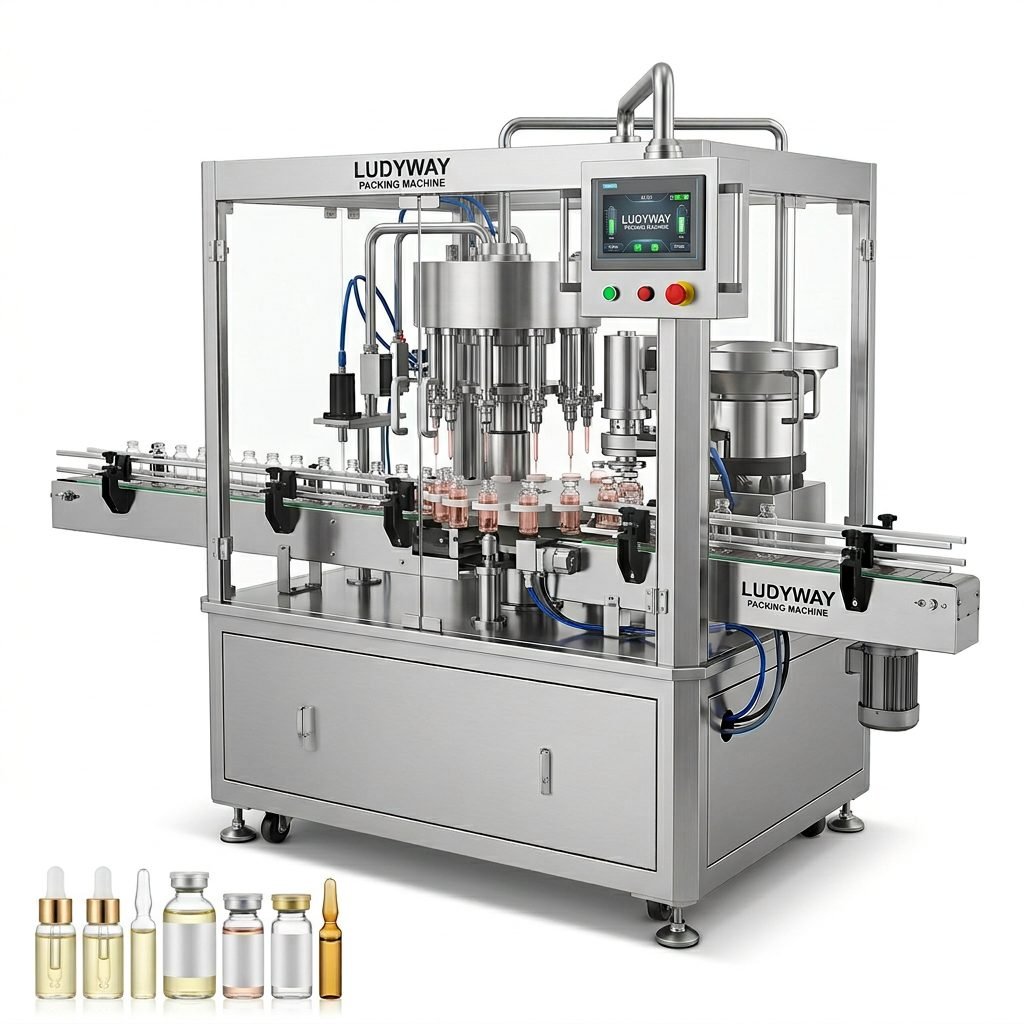
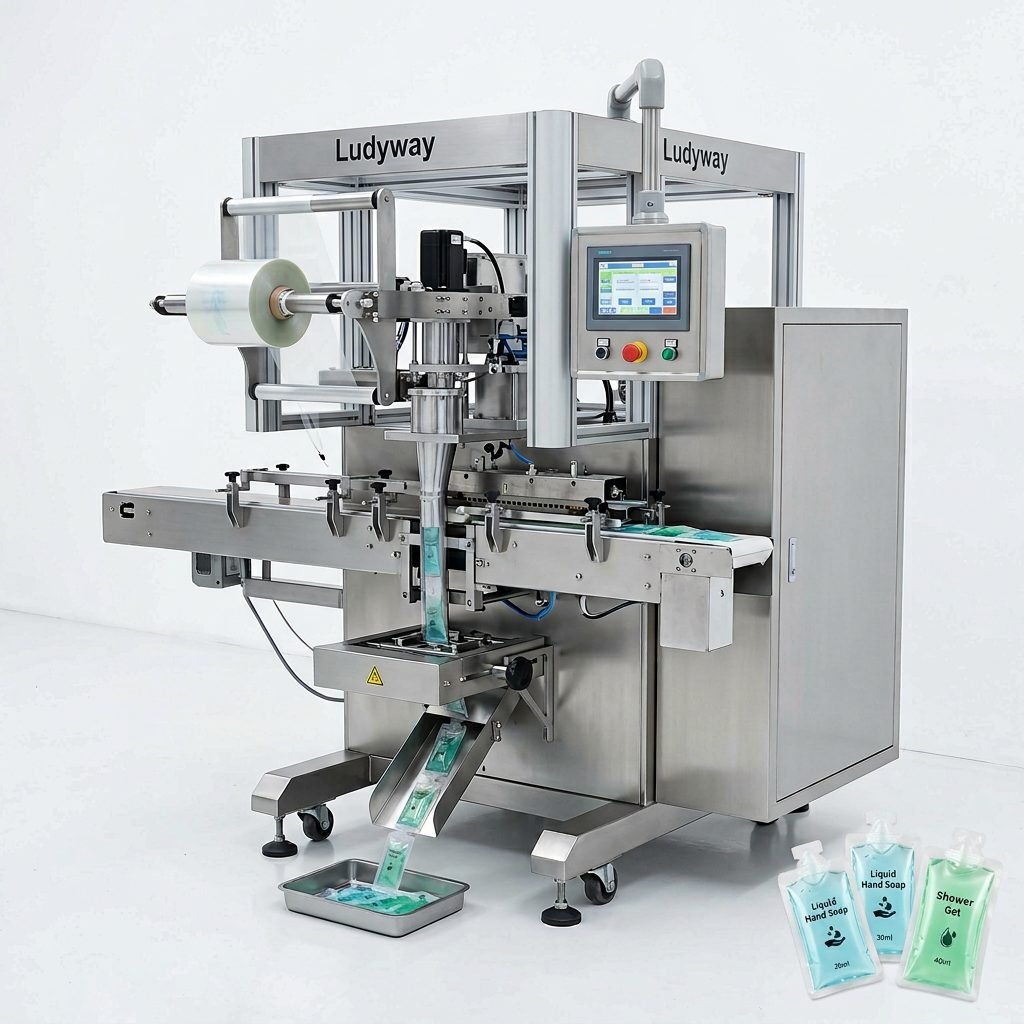
Liquid Packaging: For juices, dairy, sauces, and oils, high-speed rotary piston fillers and aseptic filling lines can achieve speeds of thousands of bottles or cartons per hour. These systems maintain sterile environments and precise fill levels critical for product integrity.
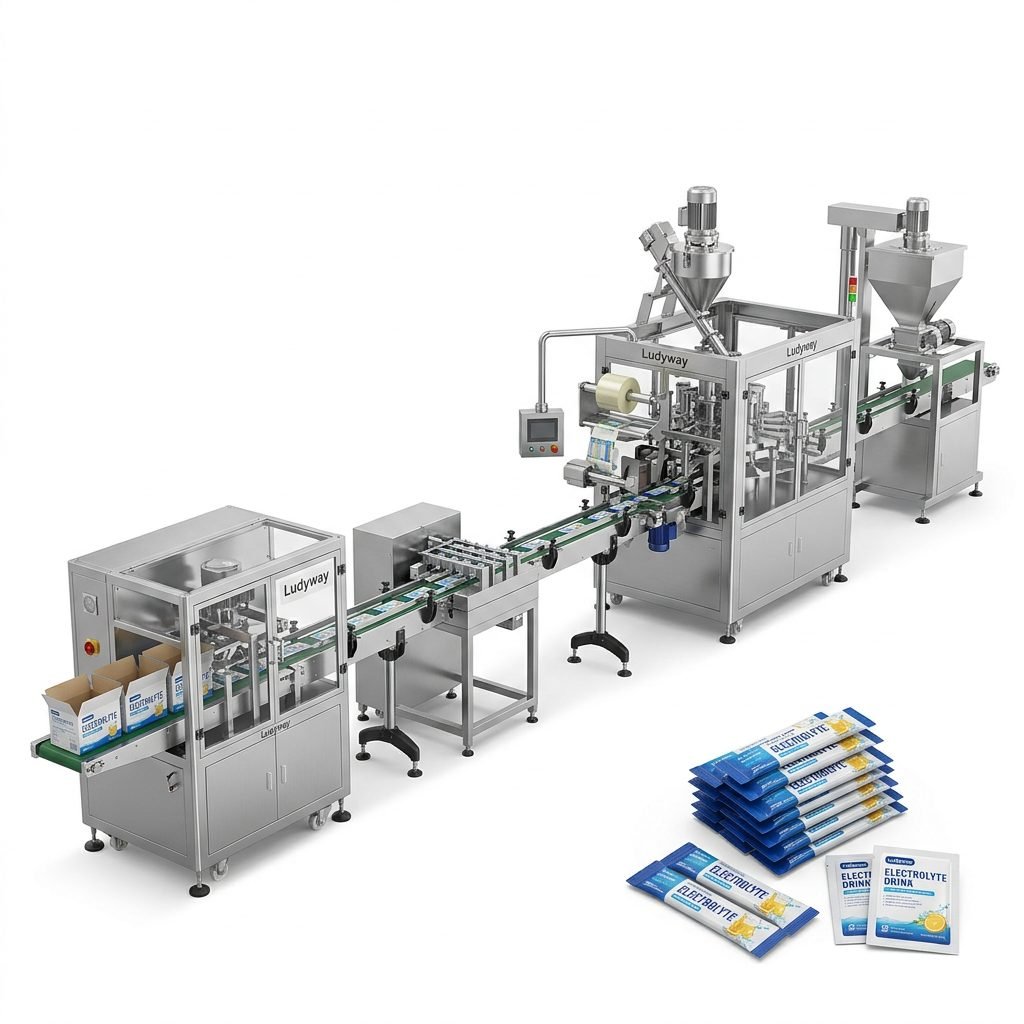
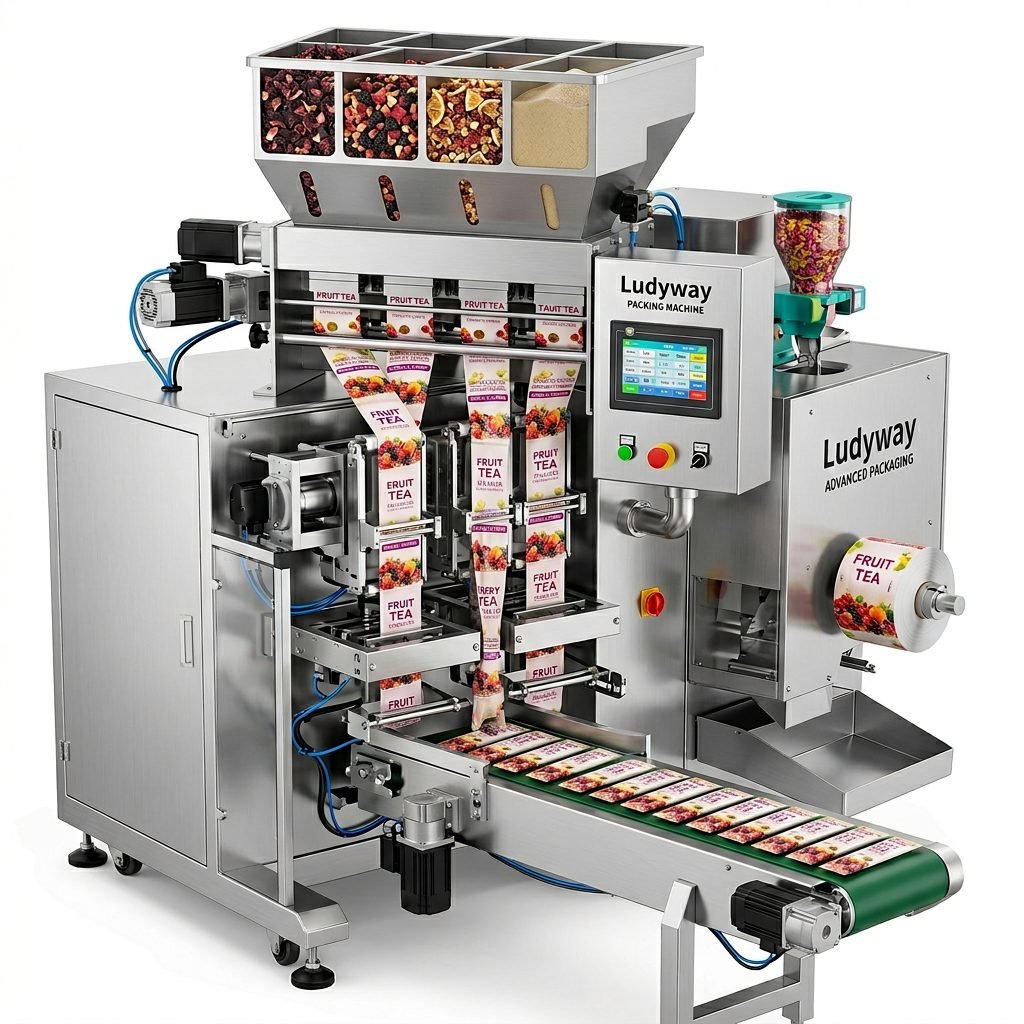
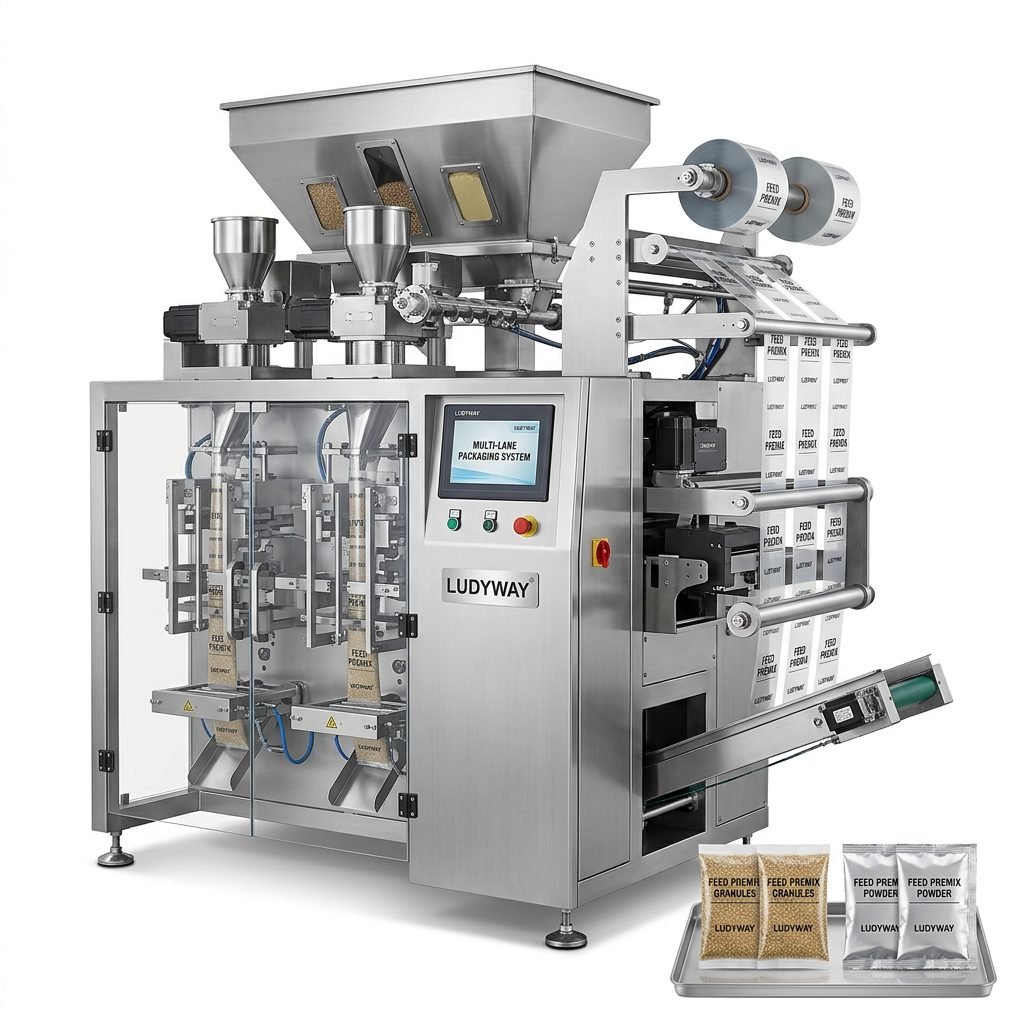
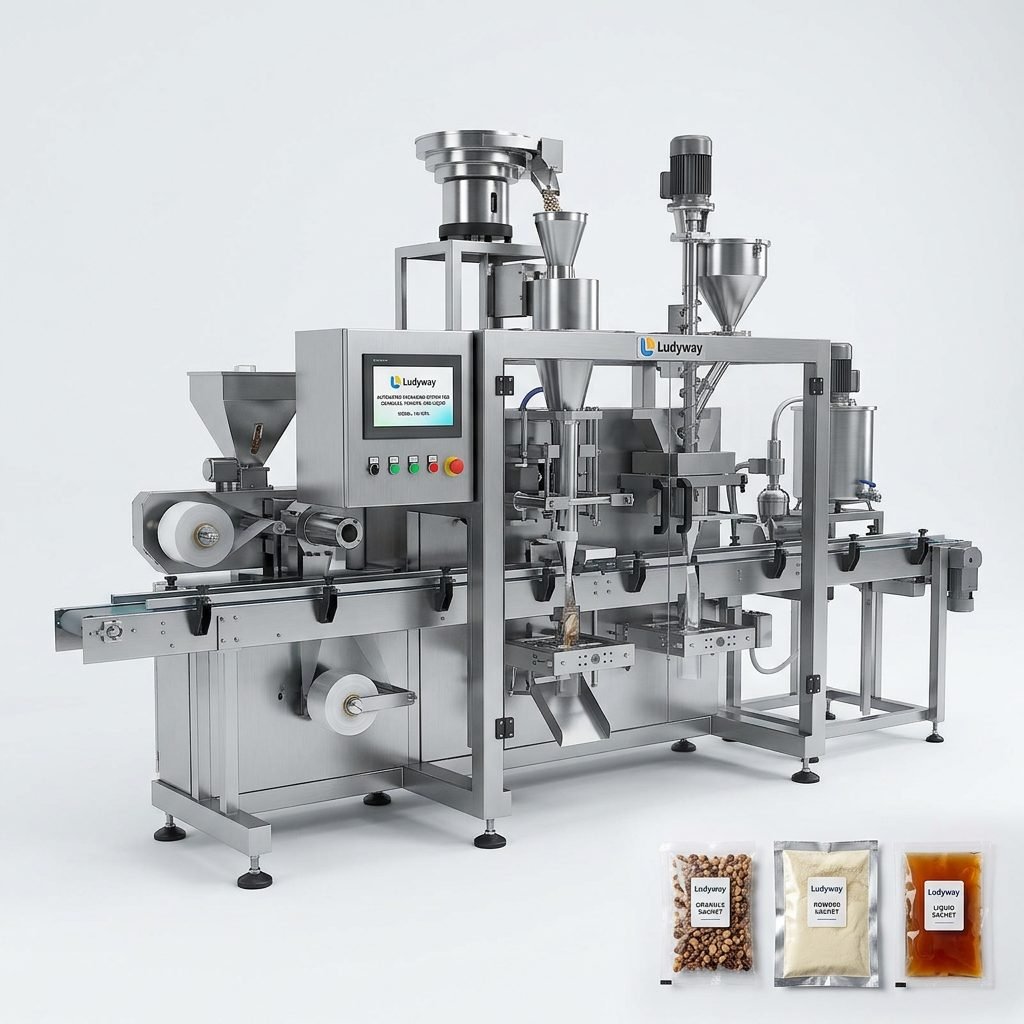
Granule & Powder Packaging: Products like instant coffee, sugar, spices, and protein powders benefit from multi-lane stick pack and sachet machines. These machines use auger or weigh-cell filling for accuracy and can produce hundreds of small packets per minute, ideal for single-serve portions.
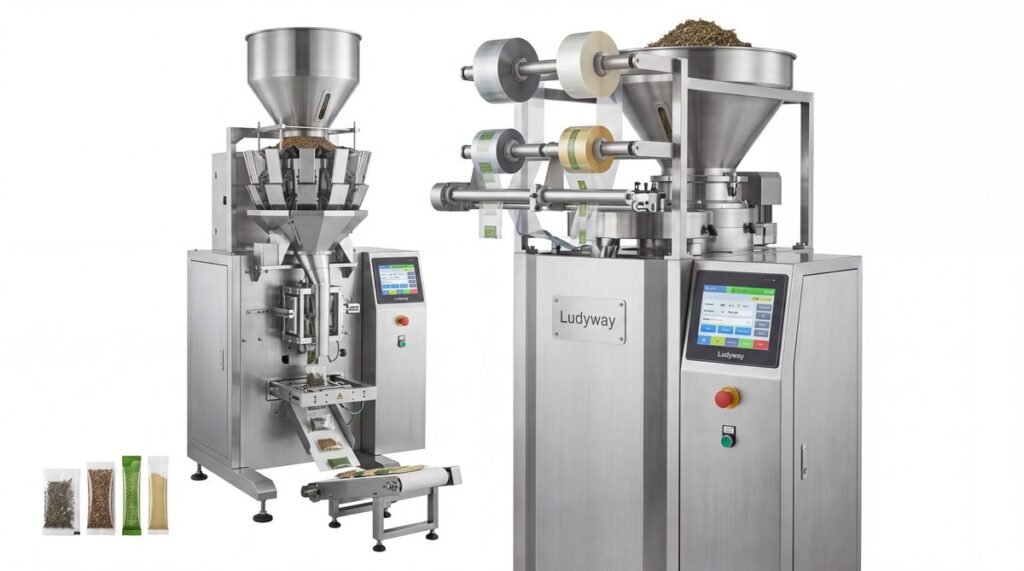
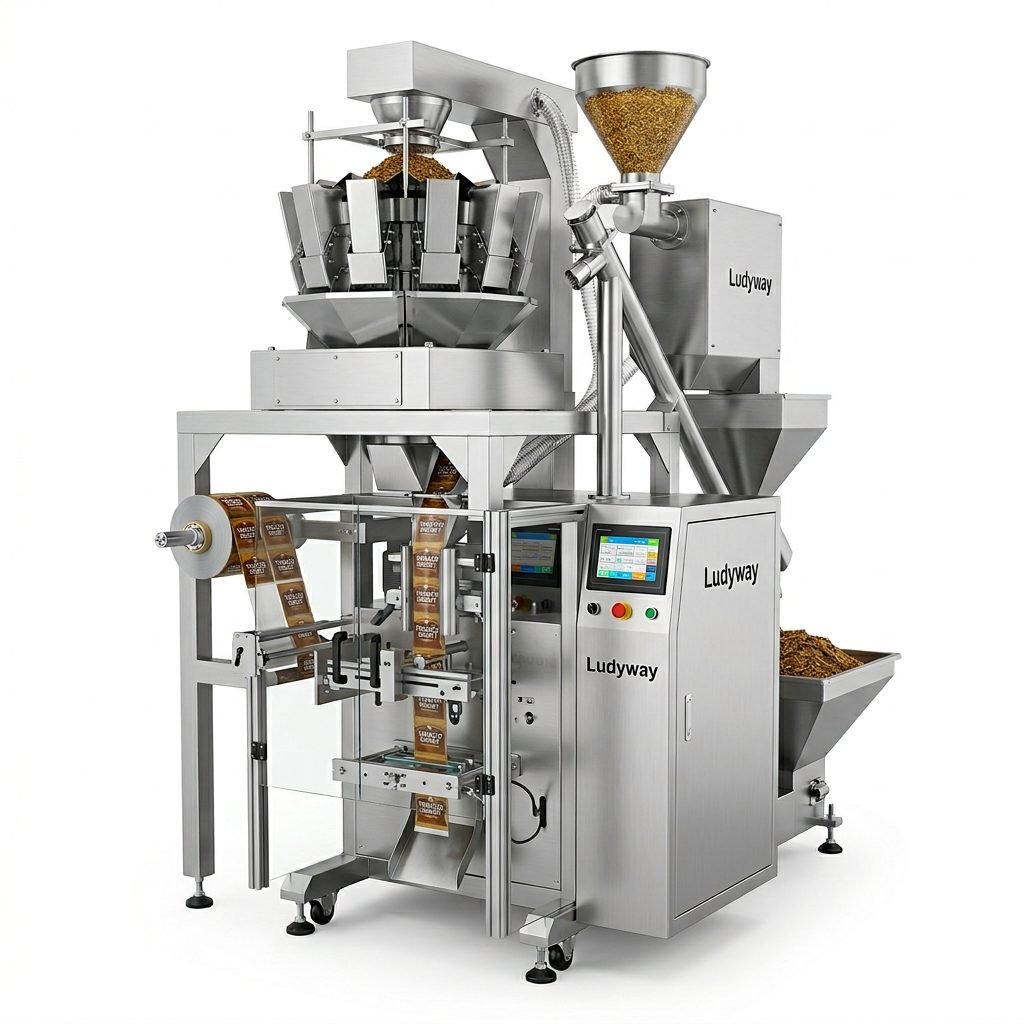
Snack Food Packaging: Vertical form-fill-seal (VFFS) machines are workhorses for chips, nuts, and candies. High-speed variants use multi-head weighers for rapid, combinatorial weighing, ensuring speed does not compromise the accuracy of the final bag weight.
Benefits Beyond Pure Throughput
While increased output is the most obvious benefit, the advantages of high-speed packaging machinery solutions are multifaceted:
- Enhanced Product Safety and Hygiene: Automated, enclosed systems minimize human contact with the product, reducing contamination risk. Integrated cleaning-in-place (CIP) systems streamline sanitation.
- Significant Reduction in Material Waste: Precision control over film feeding, sealing, and cutting leads to less packaging material waste. Accurate filling drastically reduces product giveaway.
- Improved Labor Allocation: Automating repetitive packaging tasks allows skilled personnel to be redeployed to more value-added roles like supervision, quality assurance, and maintenance.
- Consistent Brand Presentation: Every package is sealed and formed identically, presenting a uniform, professional appearance on retail shelves that strengthens brand perception.
Implementing a High-Speed Packaging Line: Key Considerations
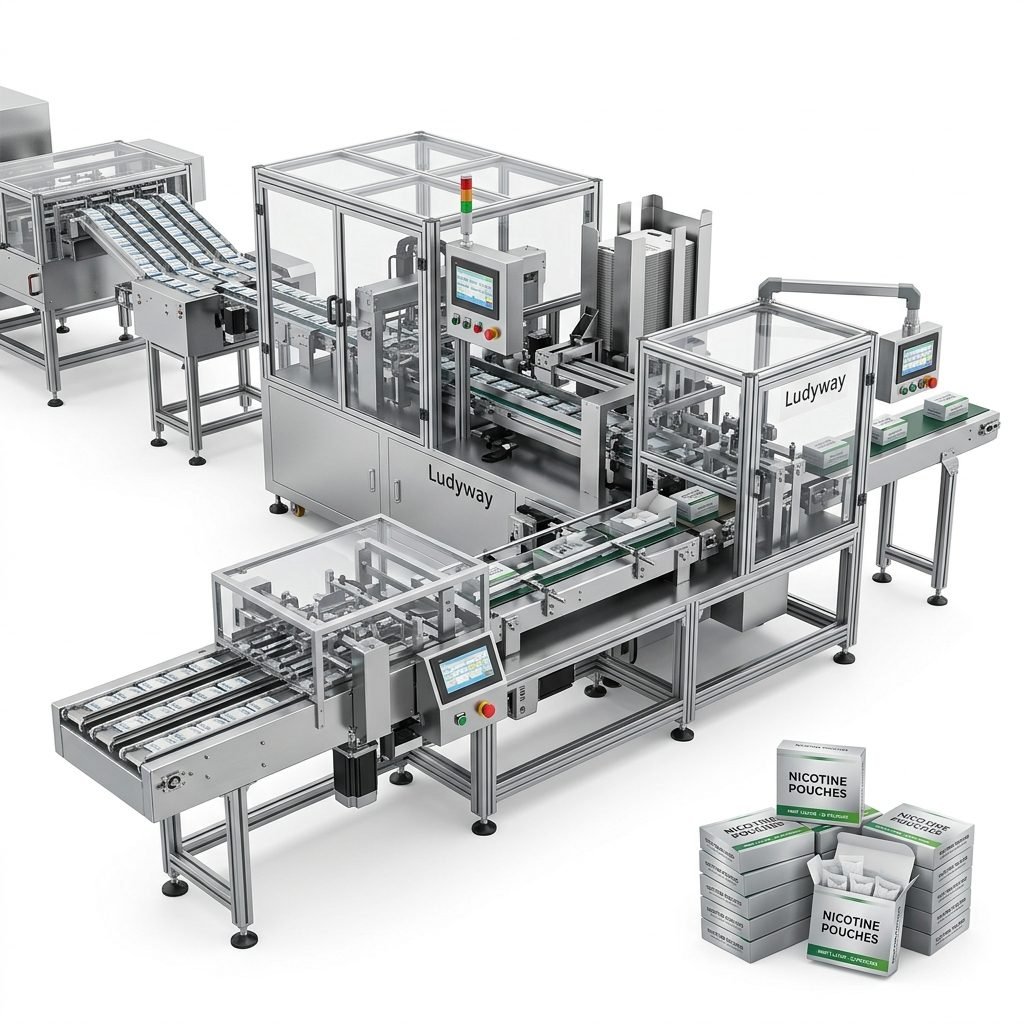
Transitioning to or upgrading a high-speed packaging line is a significant investment. Success depends on careful planning and partnership. The first step is a thorough analysis of current and future production needs, including product types, required speeds, and package formats. It is crucial to select machinery that not only meets speed targets but is also robust, reliable, and backed by strong technical support and available spare parts. The chosen supplier should have proven experience in your specific product category. Furthermore, the integration of the packaging machine with upstream processing equipment (like mixers or ovens) and downstream systems (like cartoners or palletizers) is vital to create a seamless, bottleneck-free production flow.
Companies like Ludyway Machinery, with deep industry expertise, specialize in providing such turnkey packaging solutions. They understand that a machine is just one component; the solution encompasses the right model selection, seamless integration, comprehensive training, and ongoing support to ensure the line delivers its promised efficiency for years to come. Exploring their range of intelligent packaging systems can be the first step toward transforming your production capability.
Conclusion: Efficiency as a Strategic Imperative
High-speed food and beverage packaging machinery is no longer a luxury for large corporations alone. It is a strategic tool for businesses of all sizes aiming to compete effectively. By dramatically increasing output, enhancing quality control, and optimizing operational costs, these solutions provide a clear path to improved profitability and market share. In an industry where margins are tight and consumer expectations are high, investing in the right packaging technology is an investment in the future resilience and growth of your business.
Frequently Asked Questions (FAQs)
1. What is the typical ROI period for a high-speed packaging machine?
The return on investment varies based on machine cost, labor savings, material waste reduction, and increased production capacity. For many operations, a well-implemented high-speed system can show a tangible ROI within 1 to 3 years through direct operational savings and revenue growth from increased output.
2. Can high-speed machines handle delicate or irregularly shaped products?
Yes. Modern machines are highly adaptable. With customized feeding systems, gentle handling mechanisms (like bucket elevators or vacuum belts), and tailored forming tools, high-speed solutions can be engineered for fragile snacks, sticky confectioneries, and non-uniform products without damaging them.
3. How difficult is it to change over packaging formats on a high-speed line?
Changeover complexity has been greatly reduced. Many high-end machines feature quick-change tooling and recipe-driven controls. With servo technology and digital settings, operators can often switch between different package sizes or materials in minutes rather than hours, maximizing production uptime.
4. What kind of maintenance do high-speed packaging machines require?
Preventive maintenance is key. This includes regular lubrication, inspection of wear parts like seals and cutting blades, and calibration of sensors and scales. A reliable supplier will provide a detailed maintenance schedule and training. The robustness of the machine’s design significantly impacts long-term maintenance costs and downtime.
5. Are these solutions suitable for small-batch or artisanal production?
While designed for volume, flexibility is a growing trend. Some high-speed machines offer great flexibility at lower speeds, allowing for efficient small-batch runs with fast changeovers. The economic feasibility depends on balancing the machine’s capability with the required batch size, frequency, and the value of the product.