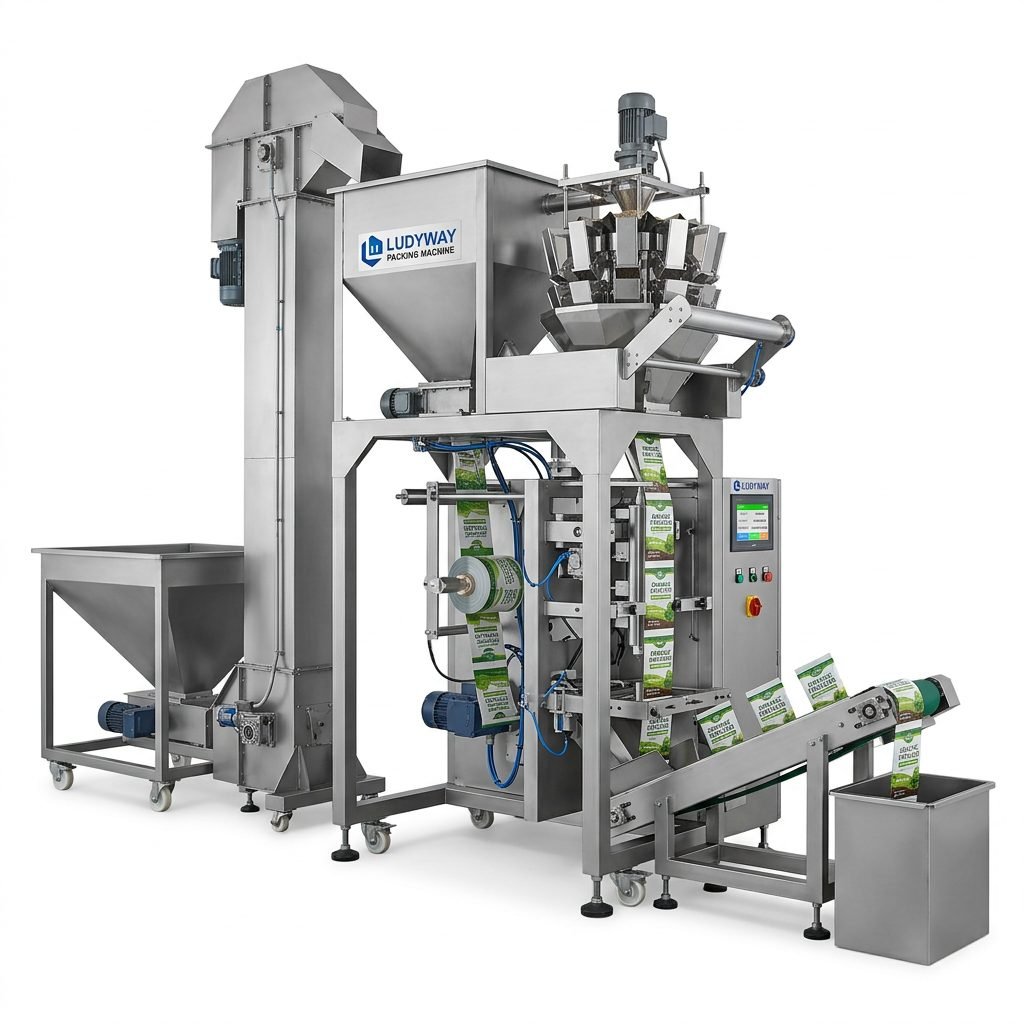
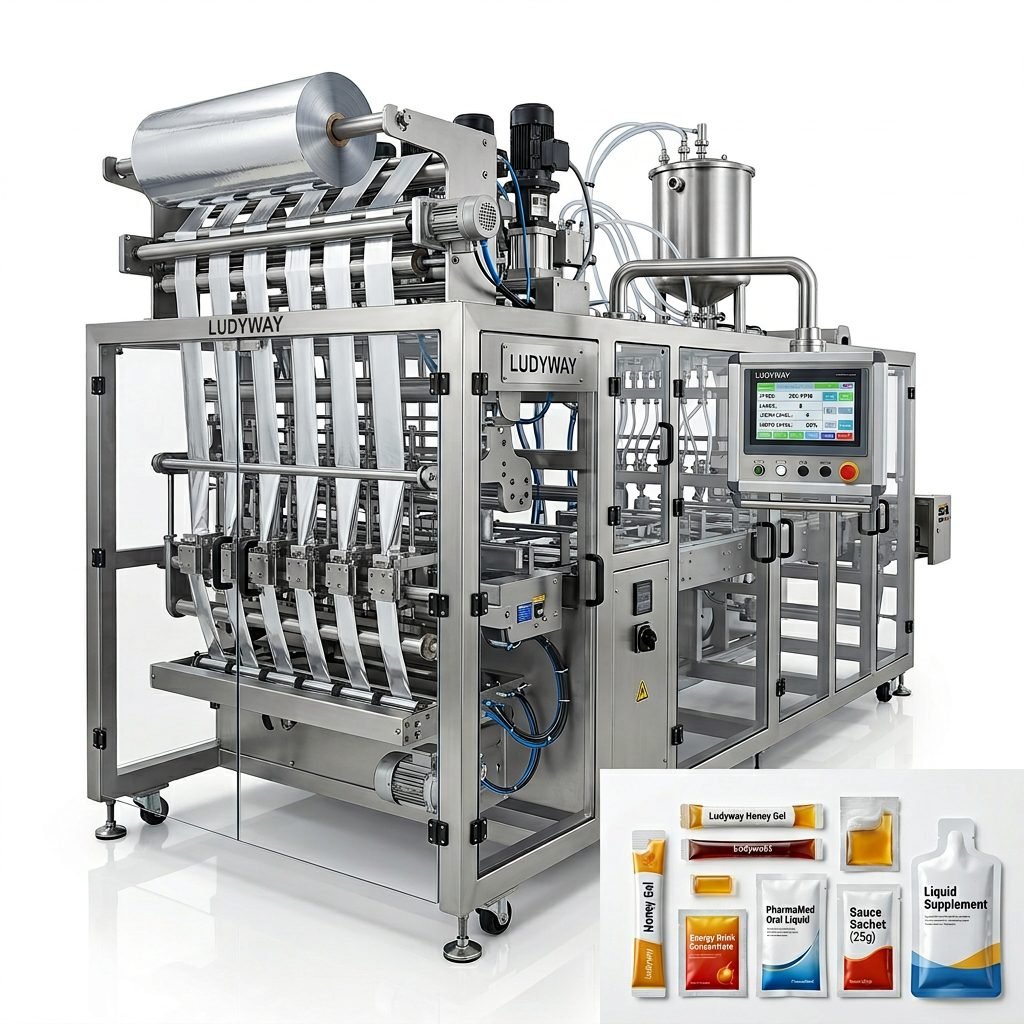
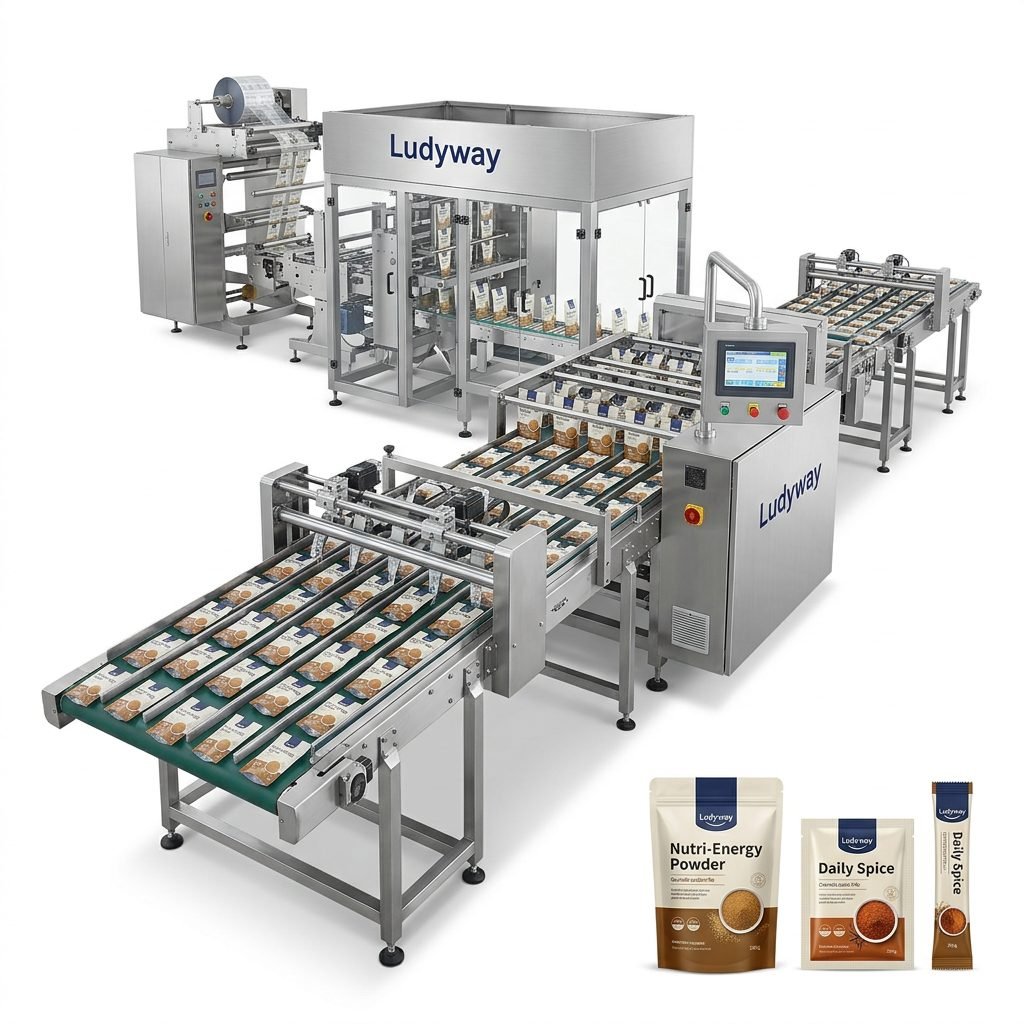
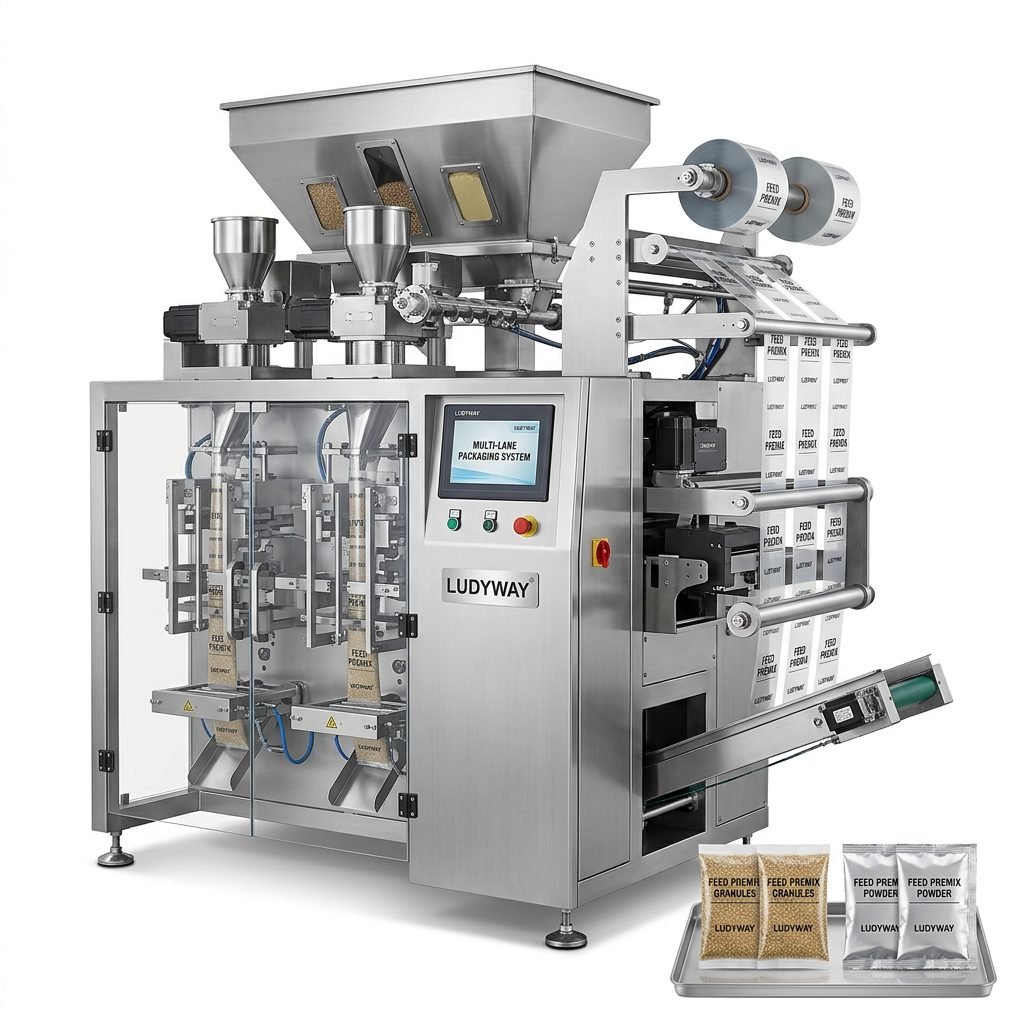
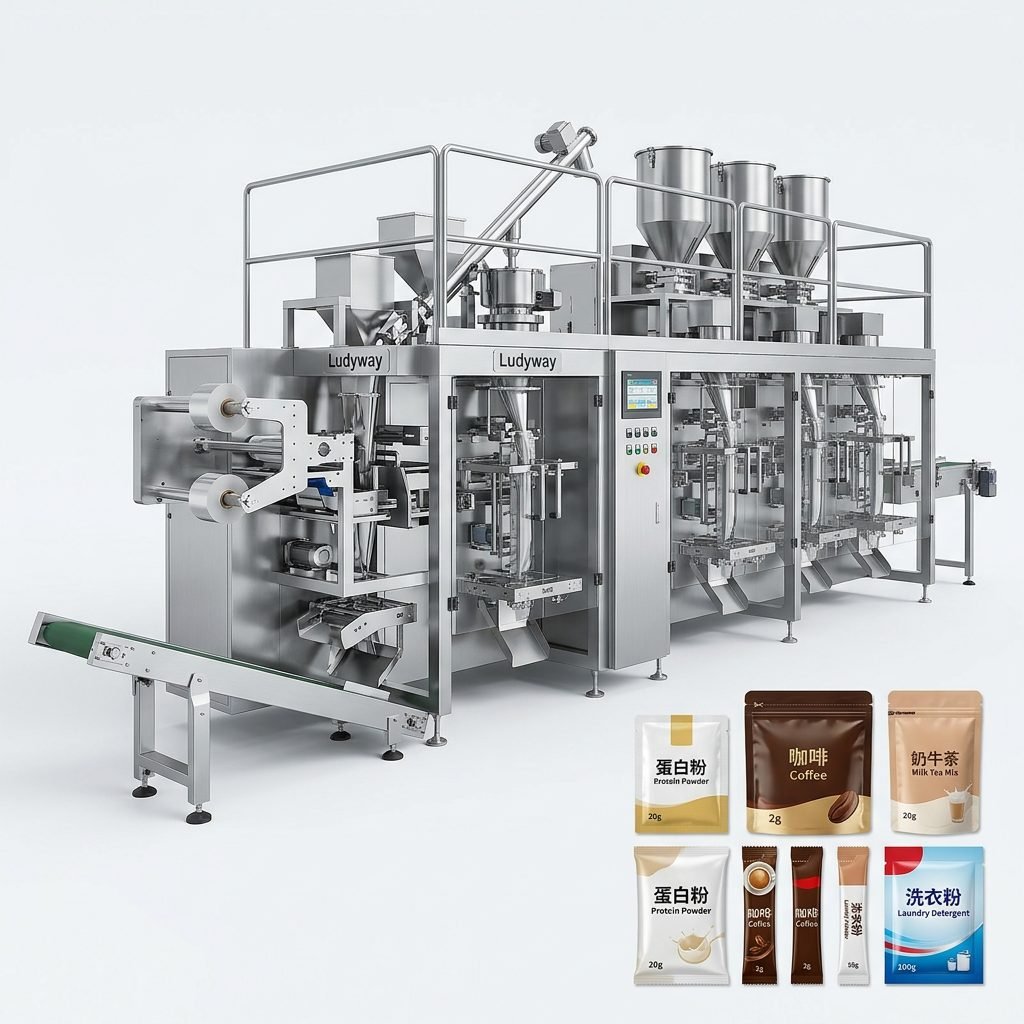
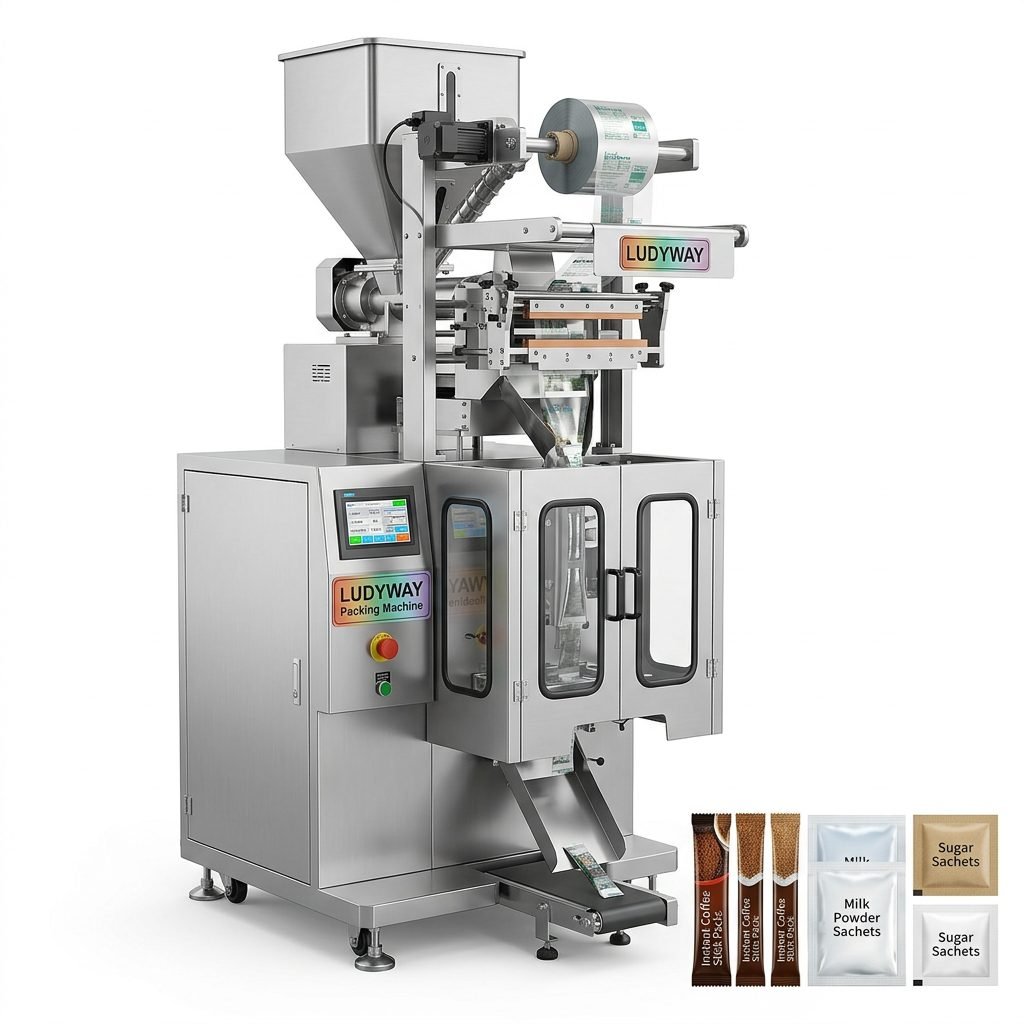
Choosing the right stickpack packaging machine is a critical decision for any production line. The right equipment can dramatically enhance efficiency, reduce waste, and ensure product consistency, directly impacting your bottom line. This guide will walk you through the key factors to consider, helping you select the perfect machine that aligns with your specific production needs and goals.
Understanding Your Production Requirements
Before diving into machine specifications, a thorough analysis of your own production environment is essential. This foundational step ensures the machine you choose is a perfect fit, not just a generic solution.
Key Questions to Ask:
→ Product Type: Are you packaging fine powder, granules, instant beverages, or pharmaceutical powders? Each product has different flow characteristics and sealing requirements.
→ Production Speed (Output): What is your required output in sticks per minute (SPM)? Requirements can range from 60 SPM for small batches to over 600 SPM for high-volume production.
→ Packaging Material: What type of laminate film will you use? The machine must be compatible with your chosen material’s thickness and sealing properties.
→ Future Scalability: Do you plan to introduce new products or increase output in the next few years? Choosing a modular or upgradeable machine can protect your investment.
Core Machine Types and Configurations
Stickpack machines come in various configurations, each suited to different operational scales and complexities.
Single-Lane vs. Multi-Lane Machines
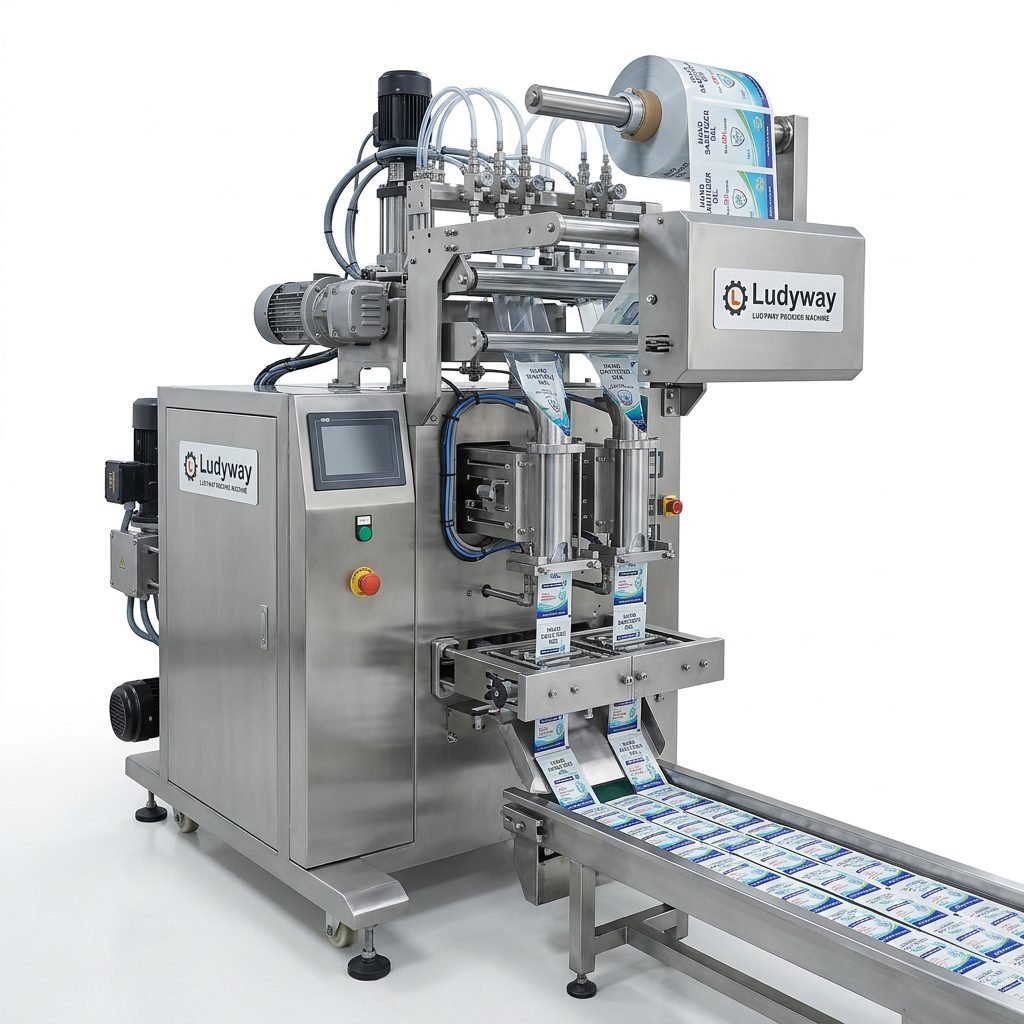
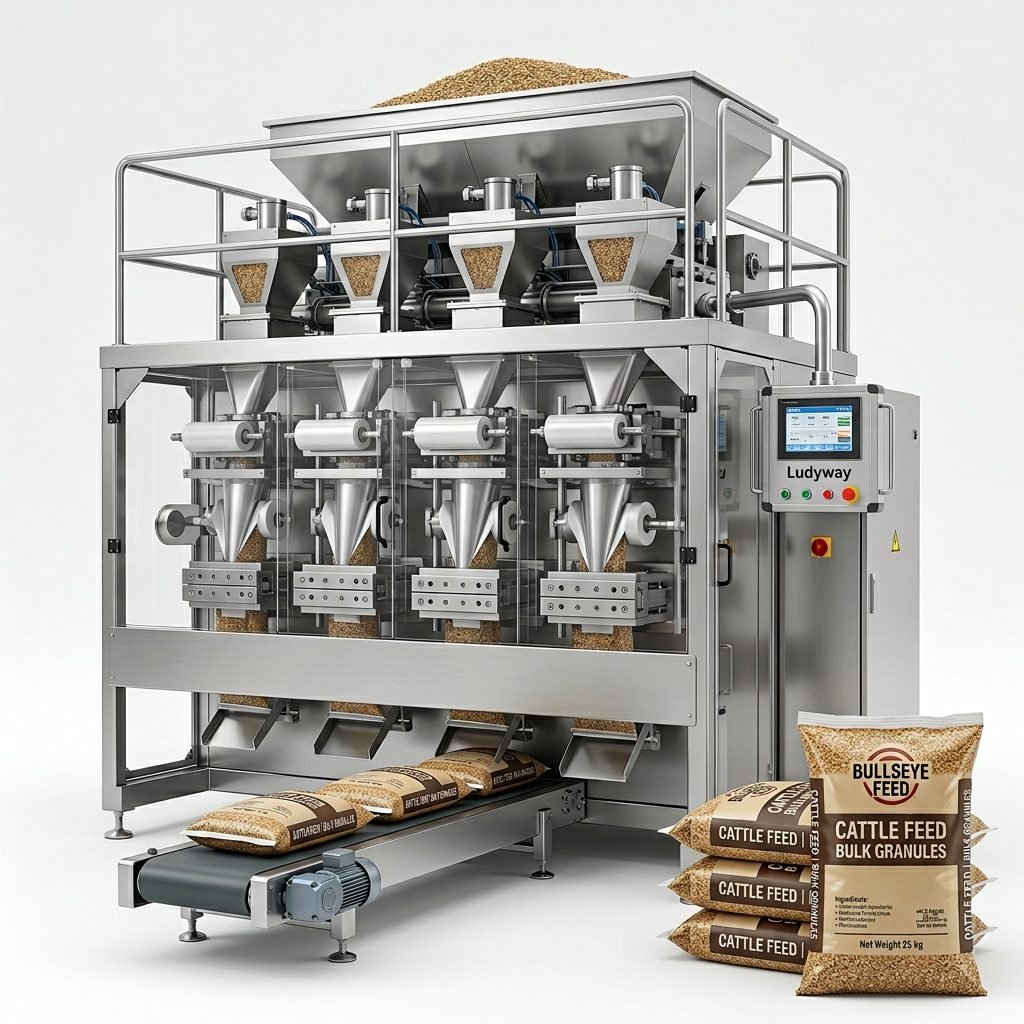
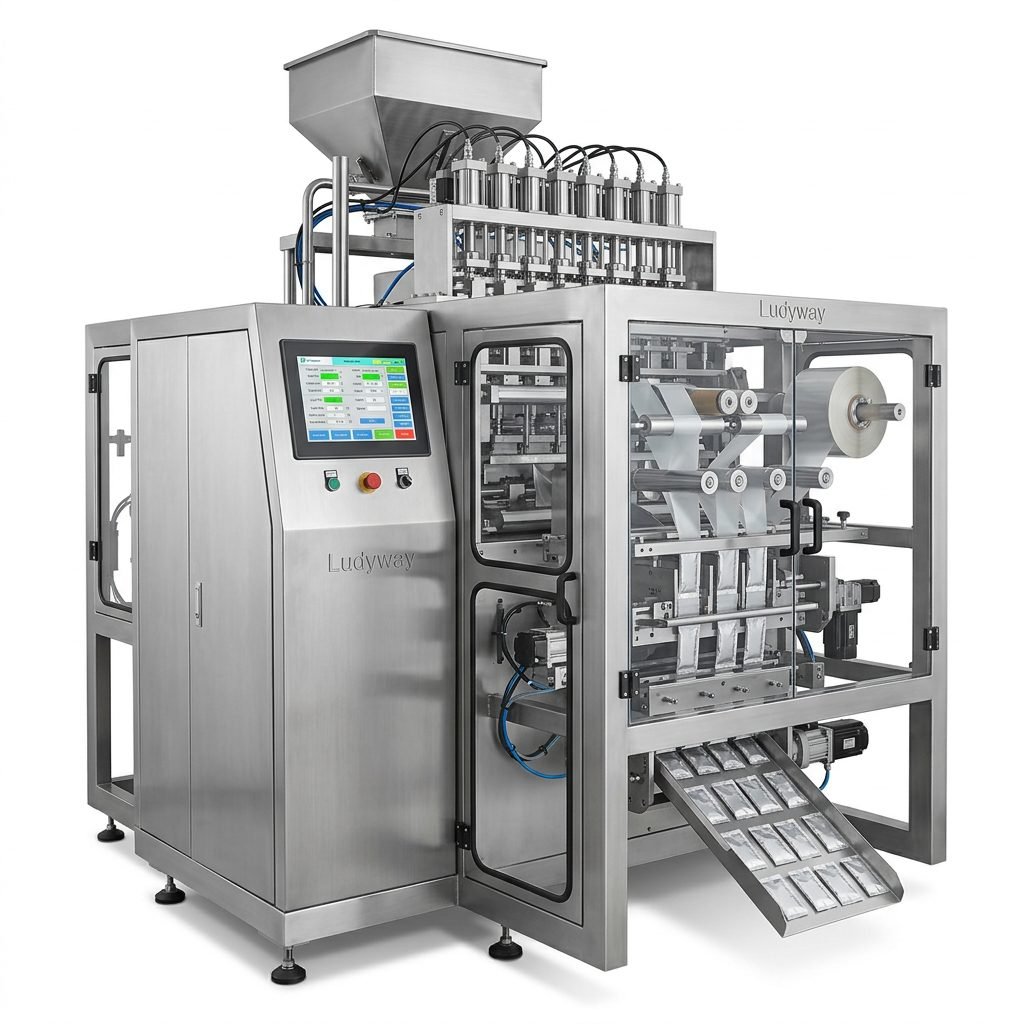
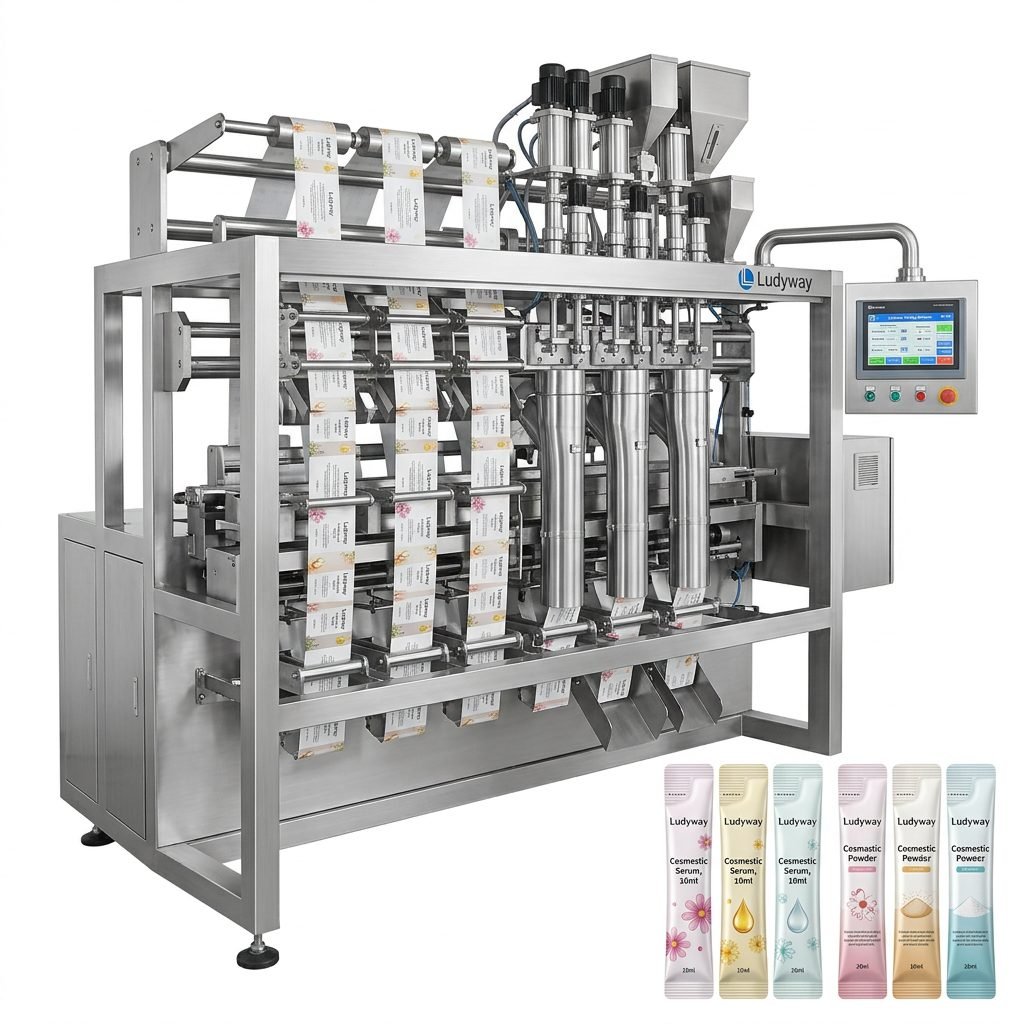
A single-lane machine is ideal for low to medium output, product testing, or frequent changeovers. It’s simpler to operate and maintain. In contrast, a multi-lane machine (e.g., 4-lane, 8-lane) multiplies output by running several packaging lines in parallel, making it the choice for large-scale, high-speed production of a single product.
Vertical Form-Fill-Seal (VFFS) Technology
Most modern stickpack machines utilize Vertical Form-Fill-Seal technology. The film is formed into a tube vertically, filled with product, and then sealed and cut into individual sticks. Look for machines with precision servo motors for accurate dosing and robust sealing jaws with temperature control to ensure perfect, leak-proof seals every time.
Critical Technical Features to Evaluate
Beyond the basic type, these technical details separate adequate machines from exceptional ones.
1. Dosing System Accuracy
The heart of any packaging machine. Volumetric cups are cost-effective for uniform granules. Auger filler systems are superior for powders, offering excellent accuracy when paired with load cell feedback technology. For the highest precision in pharmaceuticals or valuable ingredients, weigh-fill systems are unmatched.
2. Control System and HMI
A user-friendly Human-Machine Interface (HMI) with a touchscreen is crucial. It should allow for easy recipe storage (for quick product changeovers), real-time monitoring of speed and output, and clear diagnostic alerts. Modern machines often offer PLC-based controls for reliability.
3. Hygiene and Construction
For food, nutraceutical, or pharmaceutical applications, hygiene is non-negotiable. Evaluate machines with stainless steel (304 or 316 grade) contact parts, easy-clean designs with minimal crevices, and options for CIP (Clean-in-Place) systems. Robust frame construction reduces vibration and ensures long-term stability.
Supplier Selection: Beyond the Machine
Your relationship with the machine supplier is a long-term partnership. The right supplier provides immense post-purchase value.
Look for a supplier with proven industry experience and a portfolio of successful installations. They should offer comprehensive training for your operators and maintenance staff. Perhaps most importantly, assess their after-sales service and technical support structure—availability of spare parts and responsive support teams minimize costly downtime. A supplier that provides customized solutions and total project support can be a significant asset.
Integration and Total Cost of Ownership (TCO)
Consider the machine as part of a larger system. Will it integrate smoothly with your upstream mixing/blending and downstream cartoning or case packing equipment? Planning for integration upfront prevents bottlenecks.
Calculate the Total Cost of Ownership, not just the purchase price. Factor in energy consumption, expected maintenance costs, film waste rates (a more accurate machine wastes less), and the potential cost of downtime. A slightly more expensive, robust, and efficient machine often has a lower TCO over 5-10 years. Investing in reliable technology from an established specialist pays dividends in consistent output and fewer operational headaches.
Conclusion
Selecting the ideal stickpack packaging machine requires a balanced evaluation of your product needs, desired output, technical features, and the reliability of the supplier. By prioritizing precision, hygiene, scalability, and total operational cost, you can invest in a solution that not only meets today’s demands but also supports your future growth. A well-chosen machine becomes a cornerstone of your production efficiency and product quality.
Frequently Asked Questions (FAQs)
1. What is the typical speed range for a stickpack machine?
Speeds vary widely based on configuration. Single-lane machines typically run from 60 to 120 sticks per minute (SPM). Multi-lane machines (e.g., 4-lane or 8-lane) can achieve outputs from 300 to over 600 SPM, making them suitable for high-volume production.
2. Can one machine handle different products?
Yes, many machines are designed for changeovers. Key is a machine with easy-to-adjust dosing systems (like quick-change augers) and an HMI that stores multiple product recipes. However, frequent changeovers between vastly different products (e.g., fine powder to coarse granules) may require more extensive adjustment and cleaning.
3. How do I ensure my powder doesn’t leak or create dust?
Leakage is prevented by a combination of precise dosing to avoid overfilling and a high-quality sealing system with consistent temperature and pressure. Dust can be minimized with well-designed funnel systems, suction devices, and using films with good dead-fold properties.
4. What maintenance does a stickpack machine require?
Daily cleaning and visual inspection are essential. Regular maintenance includes lubricating moving parts (as per manual), checking sealing jaws for wear, and calibrating the dosing system periodically. A proactive maintenance schedule based on the supplier’s recommendations is crucial for longevity.
5. What support should I expect from the supplier?
Comprehensive support includes detailed installation guidance (or on-site installation), thorough operator and maintenance training, a clear manual, access to spare parts, and responsive technical support (remote or on-site). A reliable supplier acts as a long-term partner for your production success.