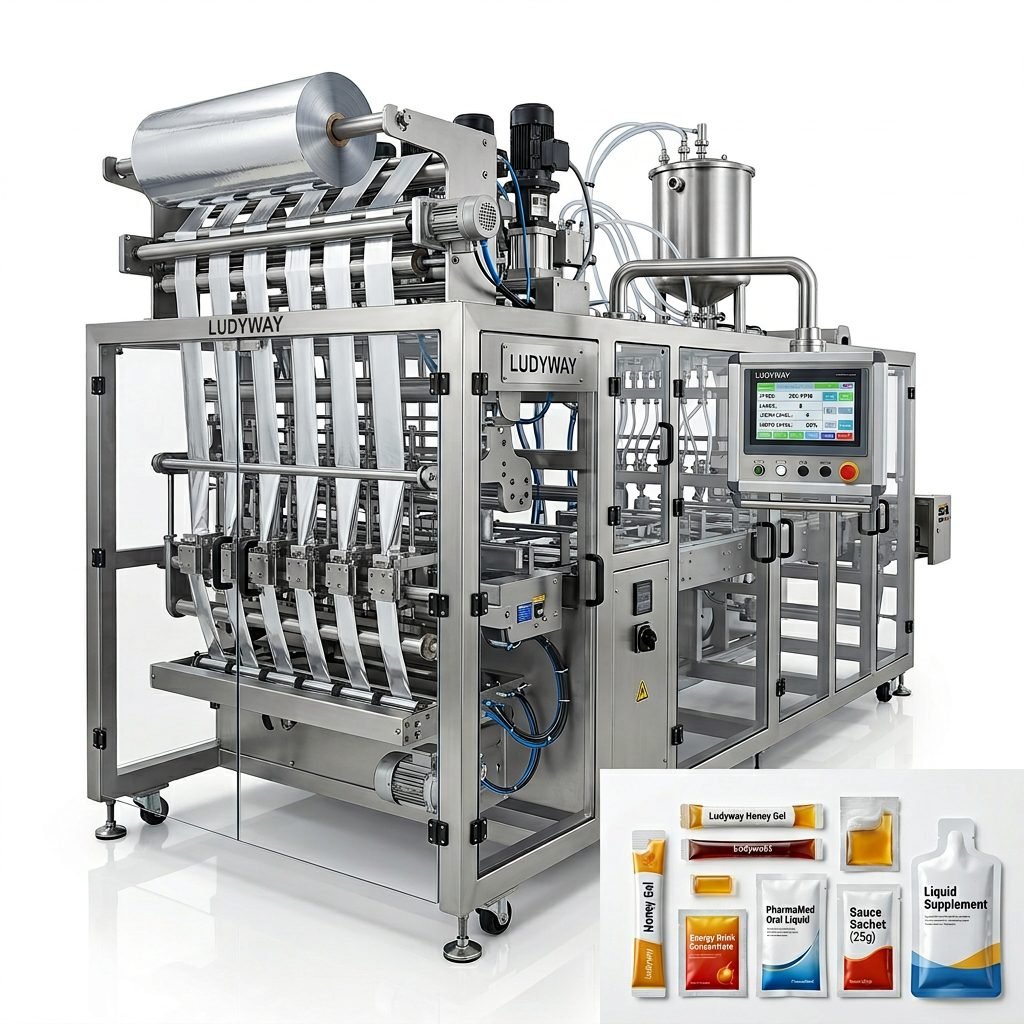
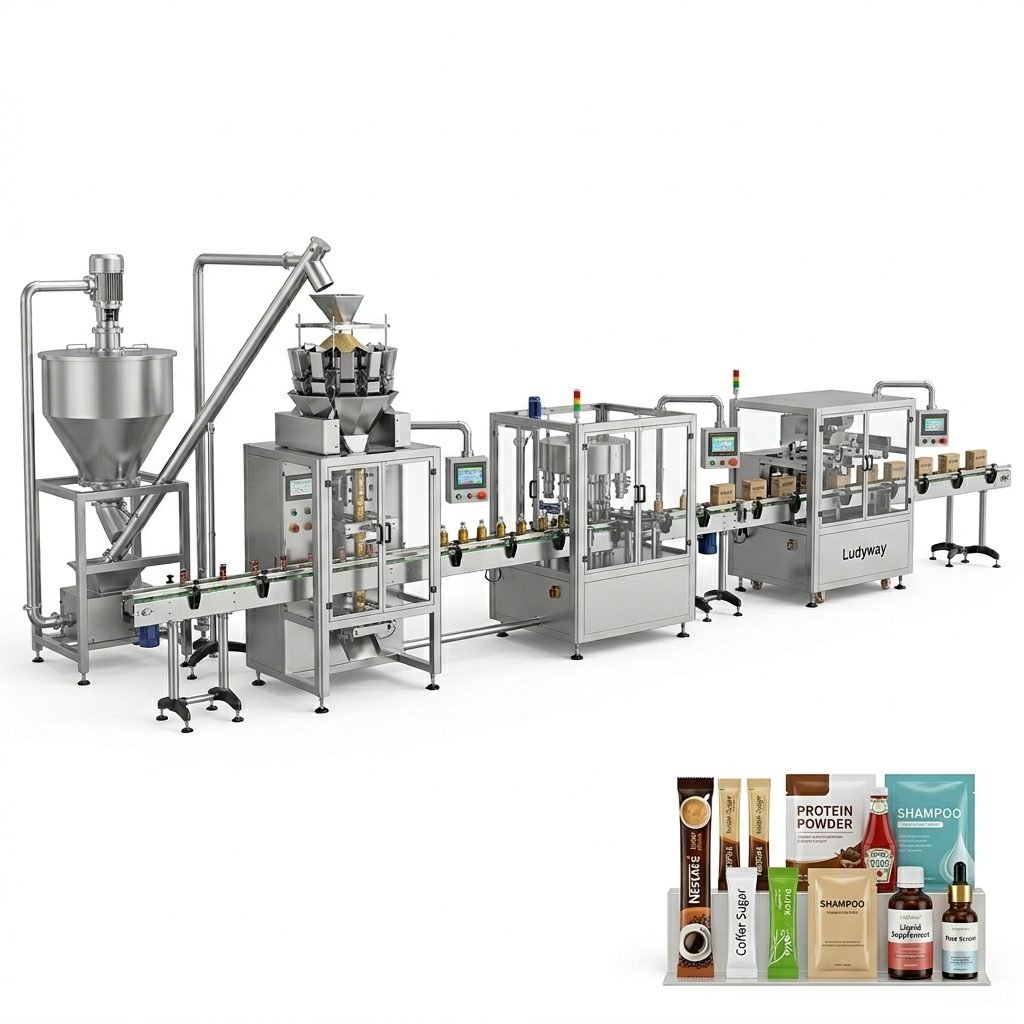
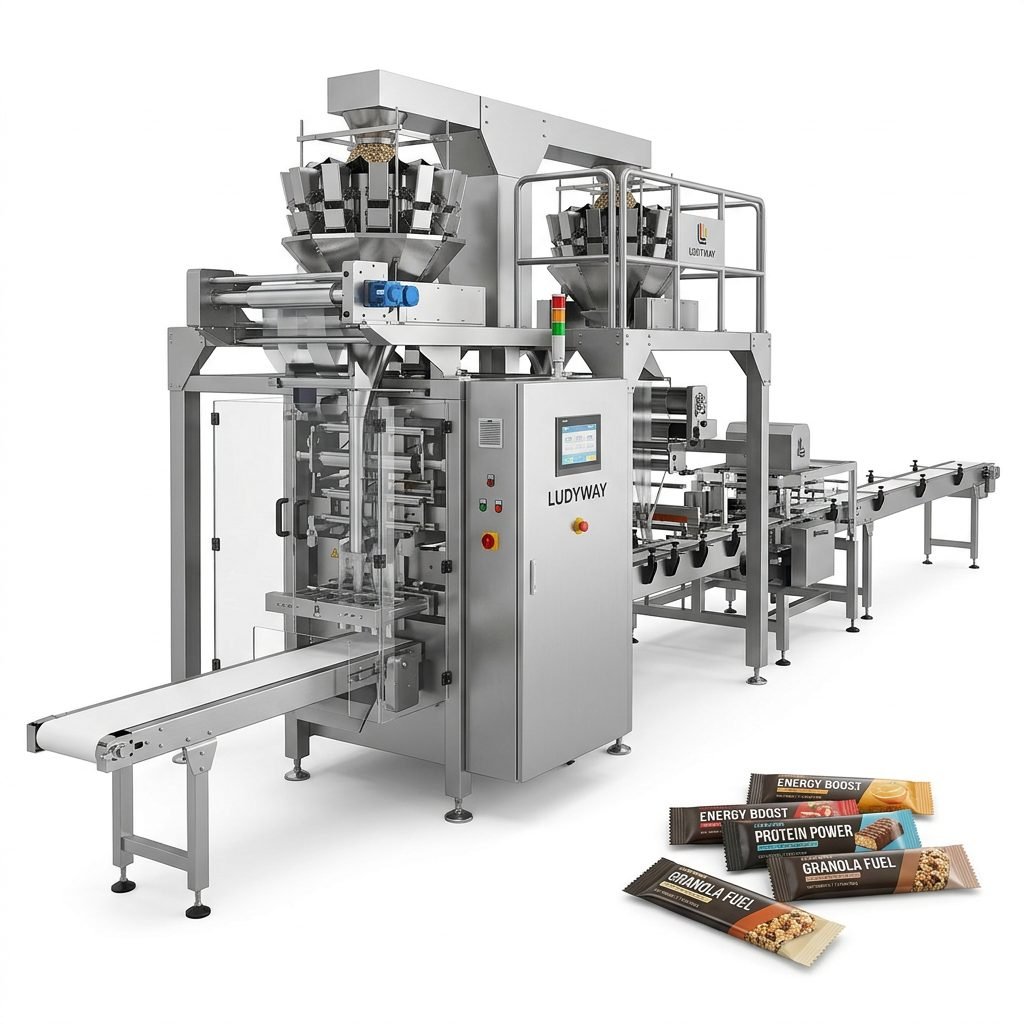
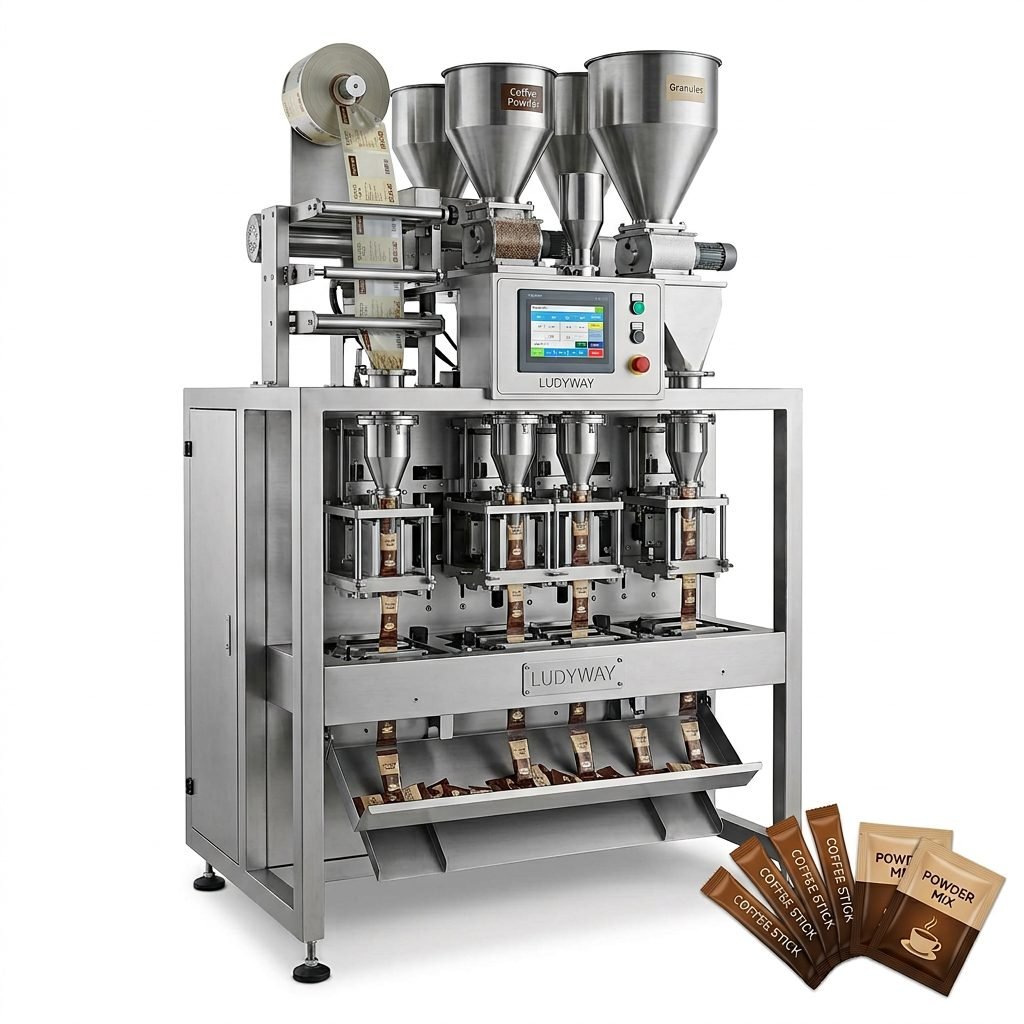
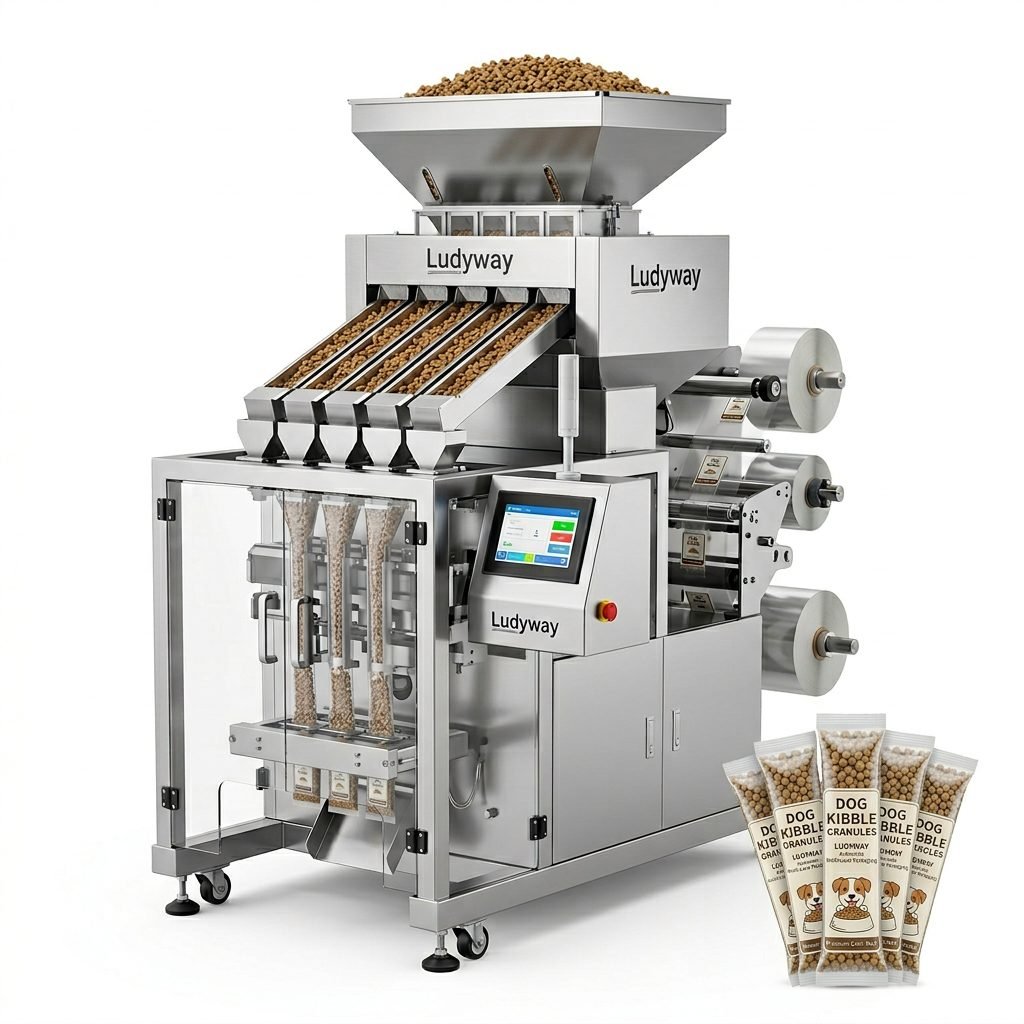
Investing in the right pani ki bottle packing machine is a strategic decision that directly impacts your production efficiency, product quality, and bottom line. Whether you are scaling up a bottled water operation or launching a new beverage line, understanding the nuances of modern packaging machinery is critical. This guide walks you through the essential factors to evaluate before making your purchase.
1. Understanding Production Capacity and Speed Requirements
Before comparing models, you must clearly define your target output. A small-scale plant filling 2,000 bottles per day has fundamentally different needs than a high-speed operation producing 10,000 bottles per hour. Key questions to ask include:
- What is your immediate daily or hourly production target?
- Do you anticipate scaling up within the next 3–5 years?
- What is the maximum speed (bottles per minute) the machine can sustainably deliver without compromising seal integrity?
Matching the machine’s rated capacity to your actual demand avoids bottlenecks and premature wear. For operations planning to expand, selecting a modular system that supports future upgrades is often more cost-effective than replacing an entire line later.
2. Bottle Type, Size, and Material Compatibility
Not all filling machines handle every bottle design. The dimensional range (height, diameter, neck finish) and material (PET, HDPE, glass) must be precisely compatible with your container. Consider these factors:
| Variable | Impact on Machine Selection |
|---|---|
| Bottle Shape | Unstable or irregular shapes may require custom grippers, conveyors, or pucks. |
| Neck Finish | Capping heads must match the thread pattern precisely to ensure a hermetic seal. |
| Material Rigidity | Thin-walled PET bottles require servo-driven filling valves to prevent crushing during the fill cycle. |
| Cap Type | Flat caps, sports caps, or tamper-evident rings each demand specific capping technology. |
Filling Technology Matching Your Liquid
For standard water, gravity or atmospheric fillers are common. However, if your pani ki bottle packing machine will also handle carbonated beverages or thicker liquids, you need to evaluate isobaric or piston filling systems. The FDA regulations for food contact surfaces also guide the required stainless steel grade (typically 304 or 316L) for all product-contact parts.

3. Automation and Integration Level
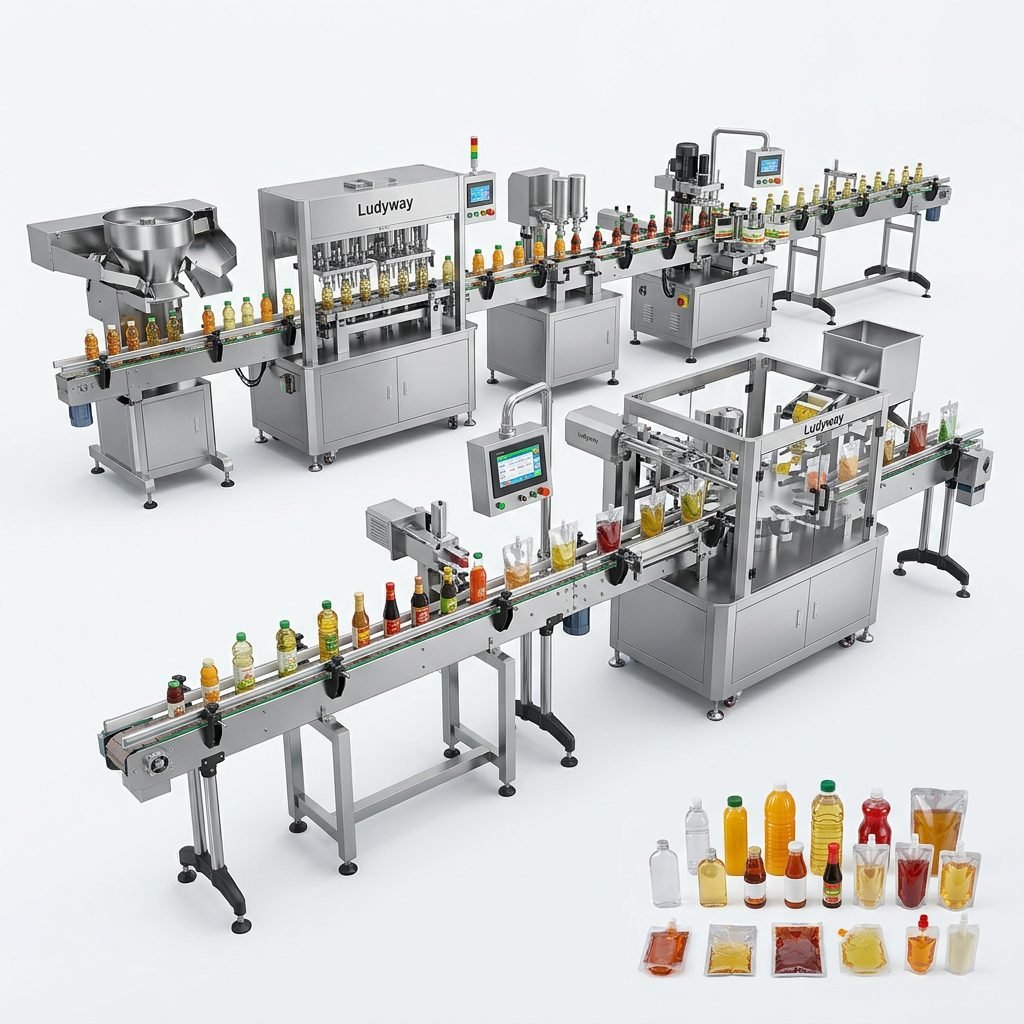
Modern packing lines range from standalone filling machines to fully synchronized, turnkey systems. Your choice directly affects labor costs and line efficiency. Consider these integration points:
- Bottle Unscrambler: Feeds empty bottles at consistent speed without jamming.
- In-Line Labeling: Ensures wrap-around or front-back labels are applied with precision.
- Shrink Sleeve Applicator: Essential for tamper-evident neck bands or full-body sleeves.
- End-of-Line Packaging: Includes carton erectors, case packers, and palletizers for distribution-ready output.
A fully integrated line controlled by a central PLC with HMI touchscreen reduces operator error and provides real-time production data. This level of connectivity supports predictive maintenance and rapid format changeovers, minimizing downtime.
4. Machine Construction, Hygiene, and Compliance
For bottled water and other beverages, hygiene is non-negotiable. A high-quality pani ki bottle packing machine must feature washdown-ready construction. Key design elements to look for include:
- Frame Material: Full 304 stainless steel frame resists corrosion and is easy to sanitize.
- Open Design: Cantilevered conveyor sections with minimal horizontal surfaces prevent water pooling and bacterial growth.
- IP Rating: Motors, sensors, and electrical enclosures should meet IP65 or IP66 ratings for reliable wet-environment operation.
- Certifications: Depending on your market, verify CE, ISO, or other relevant compliance documentation.
5. Total Cost of Ownership and Budget Considerations
Price alone is a misleading metric. The true cost includes energy consumption, spare parts availability, changeover time, and maintenance intervals. When comparing quotes, evaluate:
| Cost Factor | Long-Term Implication |
|---|---|
| Changeover Speed | Tool-less adjustments reduce downtime between bottle sizes, increasing overall OEE (Overall Equipment Effectiveness). |
| Energy Efficiency | Servo-driven systems consume less power than pneumatic alternatives over continuous operation. |
| Wear Parts | Readily available standard components from established industrial automation suppliers reduce lead times. |
| Warranty | A comprehensive warranty on core mechanical and electrical systems protects your capital investment. |
6. Customization and Engineering Support
Standard machines may not fit every factory layout or production goal. Look for manufacturers that evaluate your product characteristics, facility layout, and automation requirements before recommending a configuration. This tailored approach helps you avoid purchasing a machine that requires extensive retrofitting later. For example, Ludyway Machinery, a China-based packaging machinery manufacturer with over 30 years of experience, provides customized packaging engineering solutions for liquid products, including integrated systems that connect filling, capping, labeling, and secondary packaging into a single optimized line.
7. After-Sales Support and Global Service
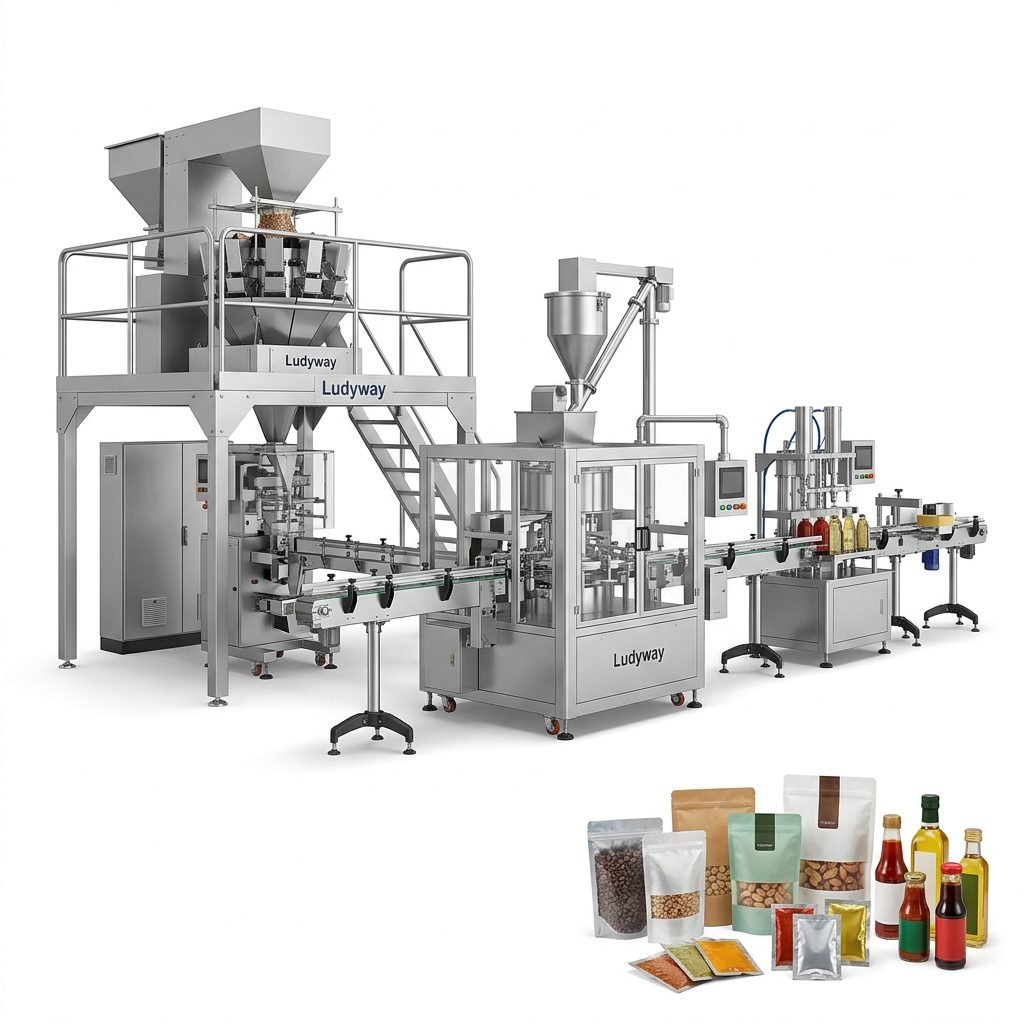
A packaging line is a long-term investment. Before finalizing your pani ki bottle packing machine selection, investigate the support infrastructure. Key support elements include:
- Installation and Commissioning: On-site technician availability ensures the line meets production targets from day one.
- Operator Training: Comprehensive training reduces operational mistakes and maintains consistent output.
- Remote Troubleshooting: Secure remote access allows engineers to diagnose issues quickly, often resolving problems without a site visit.
- Spare Parts Logistics: A well-organized spare parts program with guaranteed stock levels prevents extended downtime.
With global service networks spanning over 100 countries, established manufacturers provide ongoing technical support throughout the machine lifecycle, protecting your investment over the long term.
Making the Right Choice for Your Production Line
Selecting a pani ki bottle packing machine requires careful evaluation of speed, container compatibility, automation architecture, sanitary design, total cost, and manufacturer support. Prioritizing these factors ensures your new equipment integrates smoothly and performs reliably under real-world conditions. The time invested in technical due diligence pays off in sustained production uptime, consistent fill accuracy, and the flexibility to respond to evolving packaging market demands.