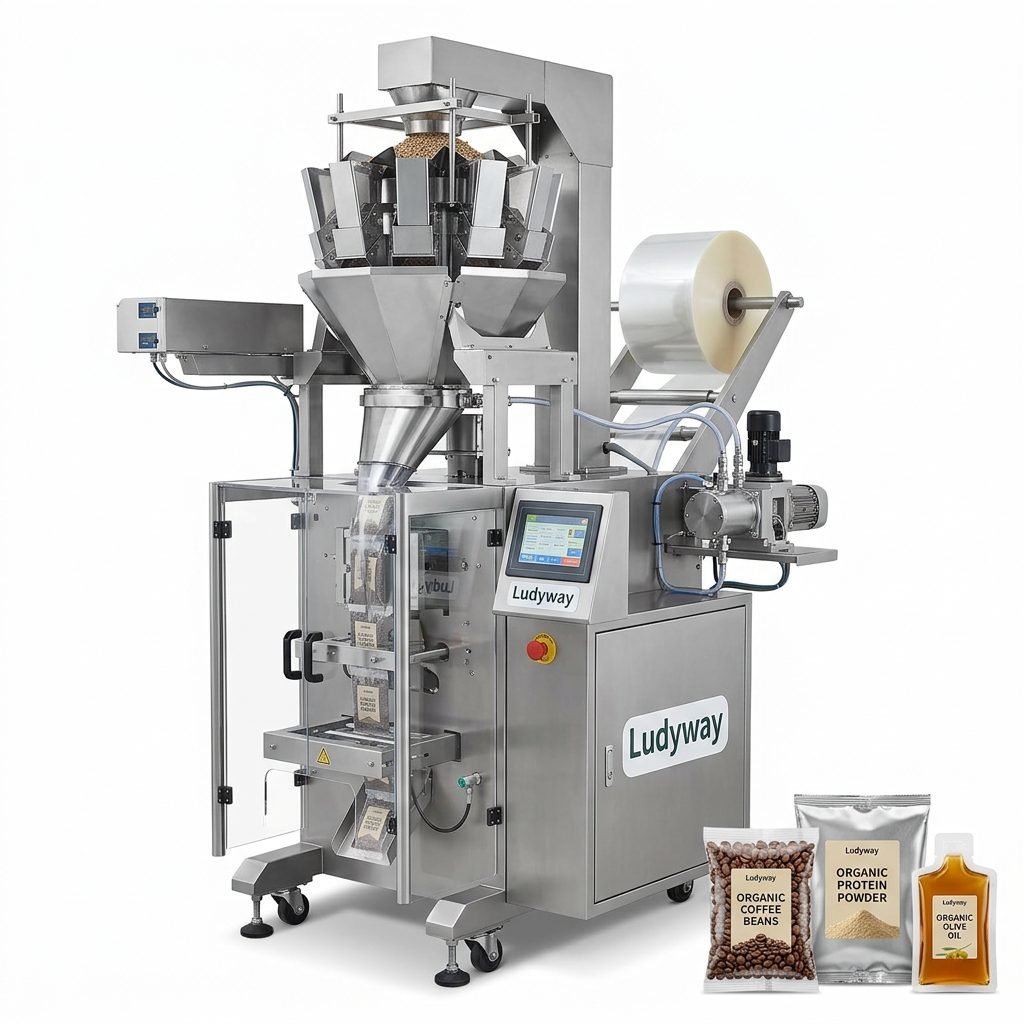
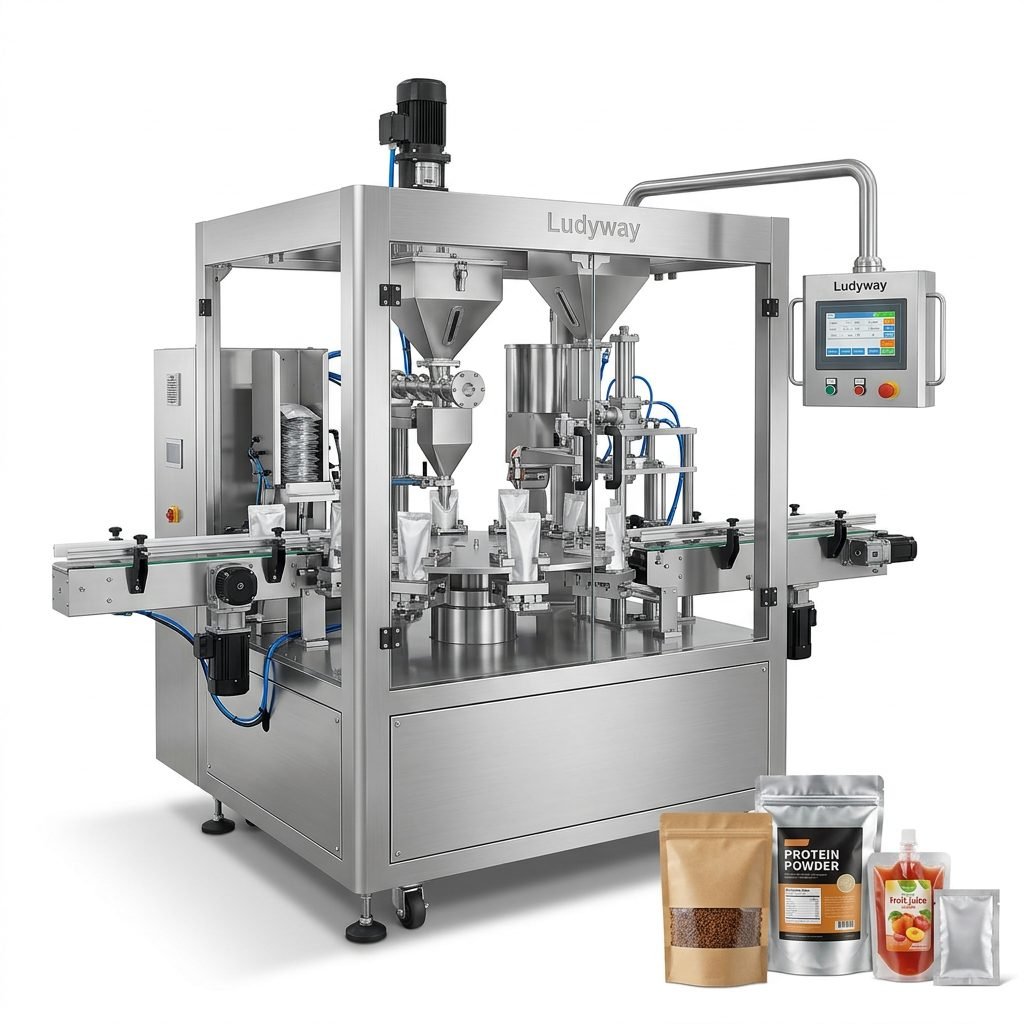
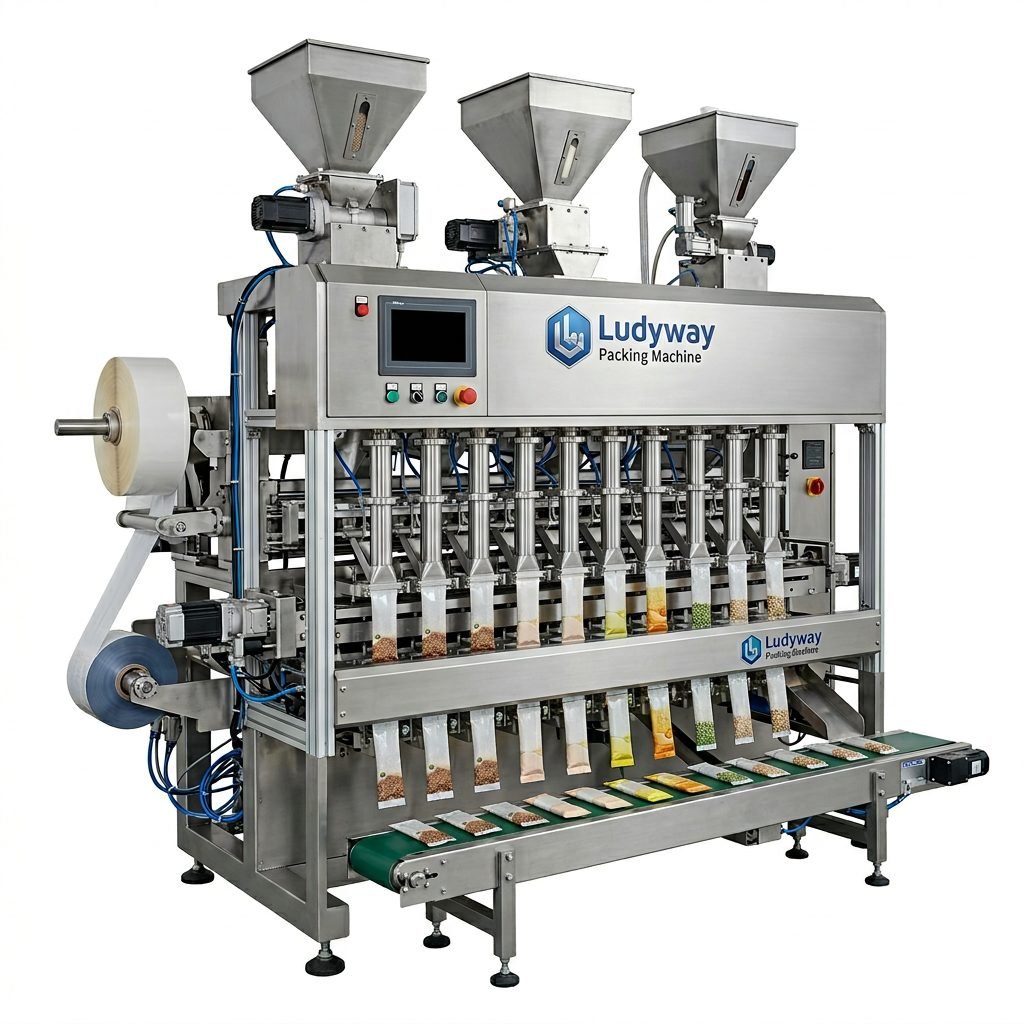
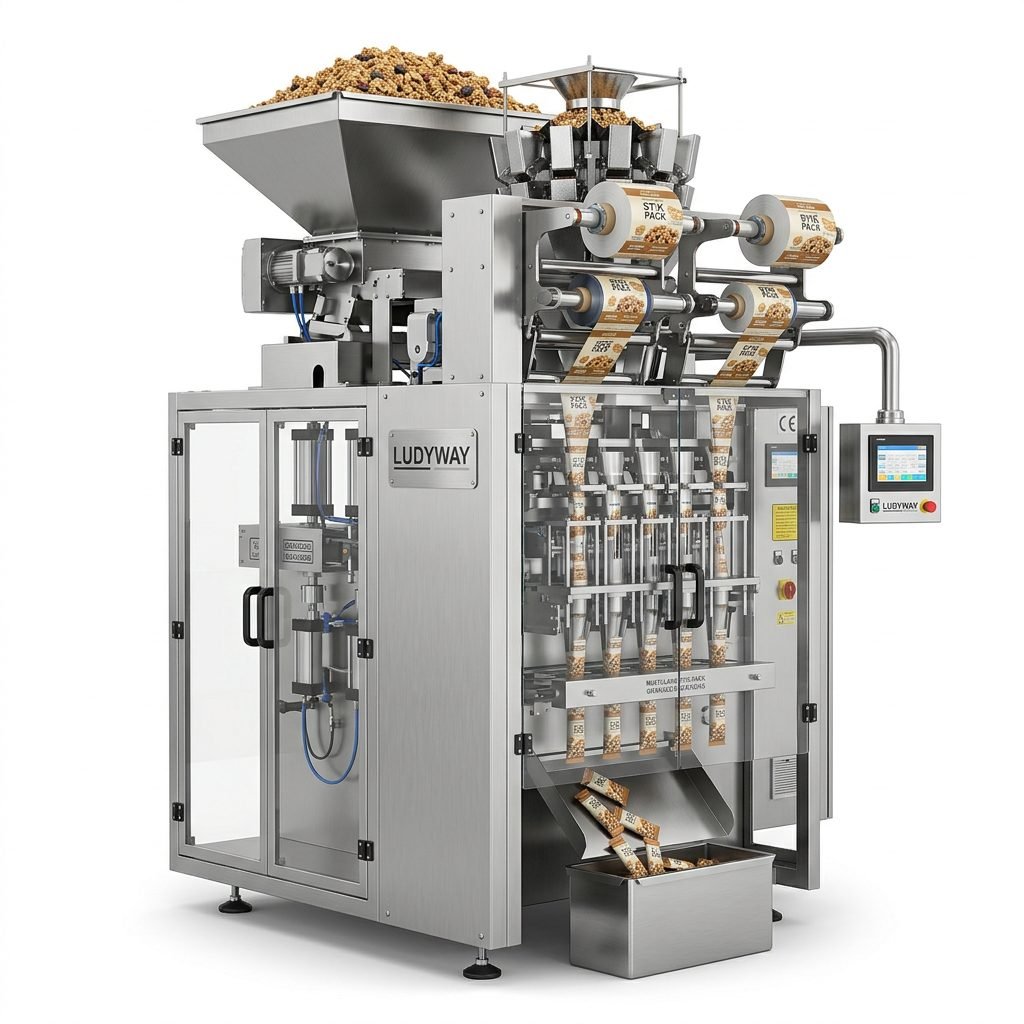
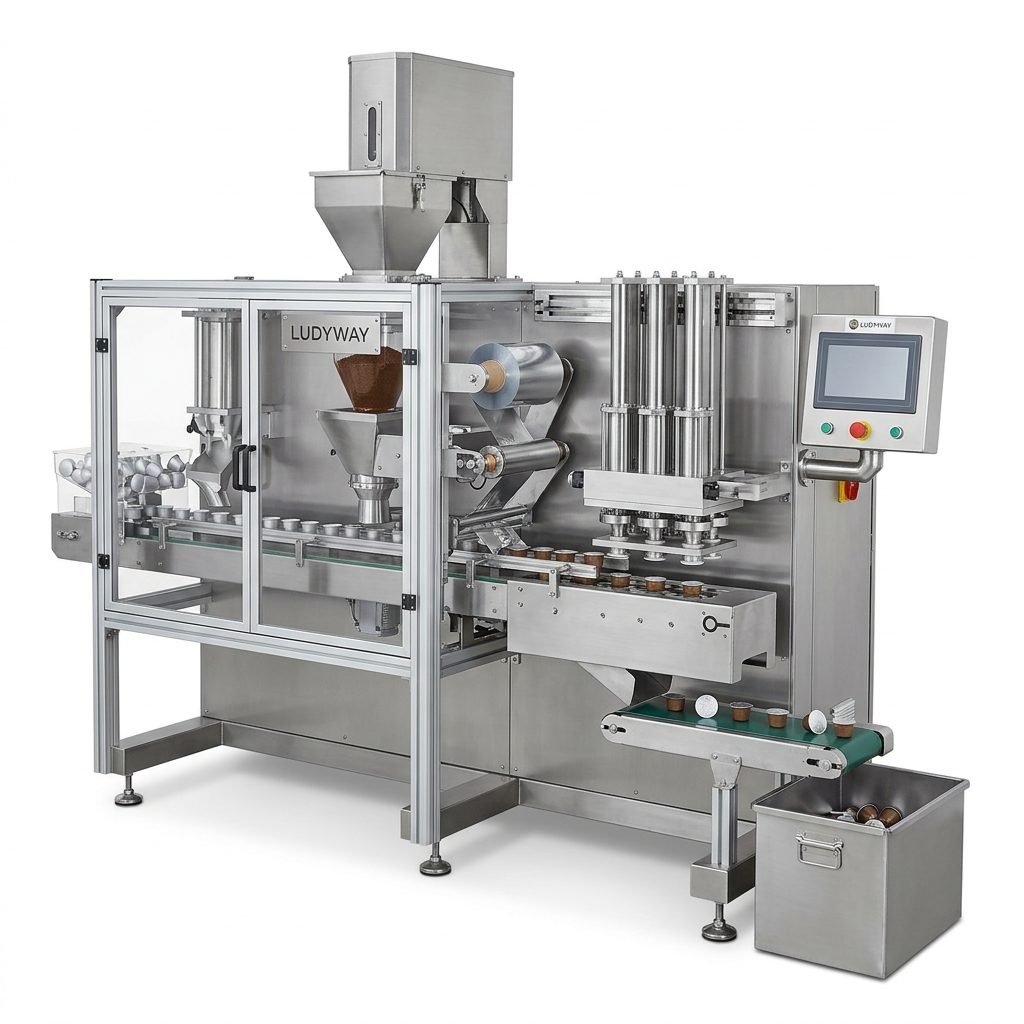
Purchasing a used packaging machine can be a strategic and cost-effective decision for businesses looking to expand their production capabilities or replace aging equipment without the hefty price tag of buying new. However, navigating the second-hand market requires careful consideration and a systematic approach to ensure you acquire reliable, efficient machinery that meets your operational needs. This comprehensive guide will walk you through the essential steps and critical factors to consider when selecting a pre-owned packaging machine, helping you make an informed investment that saves costs while maintaining productivity and quality.
Understanding Your Packaging Requirements
Before you begin your search, it is crucial to have a clear understanding of your specific packaging needs. This foundational step will guide every subsequent decision.
Key Questions to Define Your Needs:
- Product Type: What are you packaging? Granules, powders, liquids, tablets, or solids? The product’s characteristics directly influence the machine type.
- Production Speed & Output: What is your required output in packs per minute (PPM) or units per hour? This determines the necessary machine capacity.
- Packaging Format: What is your desired final package? Stick packs, sachets, pouches, bottles, or cartons?
- Available Floor Space: What are the physical dimensions and layout of your production area? Ensure the machine will fit.
- Future Scalability: Do you anticipate changes in product line or volume in the near future? Consider a machine with some flexibility.
Where to Source Reliable Used Packaging Machinery
Finding a trustworthy source is paramount. The origin of the equipment significantly impacts its condition, history, and the support you will receive.
Direct from Manufacturers or Their Partners: Some original equipment manufacturers (OEMs) or their authorized partners offer refurbished or trade-in machines. These often come with updated components, thorough testing, and a limited warranty. For instance, companies with deep industry expertise, like Ludyway Machinery, which leverages over 30 years of experience, can provide professionally evaluated second-hand or refurbished units from their network, ensuring higher reliability.
Reputable Dealers and Brokers: Specialized dealers in used industrial machinery can offer a wide selection. Look for dealers with a solid reputation, transparent inspection reports, and positive customer testimonials.
Auctions and Liquidation Sales: These can offer lower prices but come with higher risk, as inspection opportunities are often limited, and machines are sold “as-is.”
The Critical Inspection Checklist
Never buy a used machine sight unseen. A thorough inspection, either in-person or via detailed video, is non-negotiable. Here is your essential checklist:
1. Mechanical & Structural Integrity
Examine the machine frame for cracks, rust, or signs of excessive wear. Check all major components like cams, gears, chains, and bearings for play, damage, or abnormal noise. Look for oil leaks or signs of poor maintenance.
2. Electrical & Control Systems
⚠️ This is a common failure point. Inspect the control panel, PLC (Programmable Logic Controller), servos, motors, and wiring. Check for outdated or obsolete components that may be difficult or expensive to replace. Request to see the machine powered on and running through its cycles.
3. Performance & Output Verification
Ask for a live demonstration with a material similar to your product. Verify the machine can achieve the claimed speed and produce packages that meet your quality standards for seal integrity, fill accuracy, and consistency.
4. Maintenance & Service History
Request all available documentation: manuals, electrical diagrams, maintenance logs, and records of part replacements. A well-documented history is a strong indicator of a well-maintained machine.
Evaluating Total Cost of Ownership (TCO)
The purchase price is just the beginning. To truly save costs, you must evaluate the long-term financial implications.
- → Immediate Costs: Purchase price, shipping, rigging, and installation.
- → Refurbishment & Parts: Cost of necessary repairs, replacement wear parts (like sealing jaws, pumps, or filters), and potential upgrades.
- → Operational Costs: Energy consumption, required consumables (film, glue), and labor for operation.
- → Support & Downtime Cost: Availability and cost of technical support, spare parts, and the potential production loss during repairs. Choosing a supplier with strong technical support and service infrastructure minimizes this risk.
Comparing the TCO of a used machine against a new one will reveal the true savings. Sometimes, a higher-priced, well-maintained used machine from a reliable source offers better long-term value than a cheaper, neglected unit.
Negotiation and Finalizing the Purchase
Arm yourself with the information from your inspection and TCO analysis to negotiate effectively.
Key Negotiation Points: Use any identified needed repairs or outdated components as leverage. Negotiate for a warranty period—even 30-90 days is valuable. Clarify terms for shipping, delivery, and what documentation is included. Ensure clear terms regarding payment and what happens if the machine fails upon arrival.
Before finalizing, have a qualified technician review your findings. Draft a clear sales agreement that includes the machine’s condition, included accessories, warranty terms, and delivery details.
Planning for Installation and Integration
Successful integration is key to realizing your investment’s value. Plan for utilities (power, air, vacuum), floor space, and material handling. Schedule installation with experienced technicians, which may be available through the seller. Factor in time for operator training, production trials, and fine-tuning the machine for your specific product.
Partnering with a provider that offers complete turnkey solutions can streamline this entire process, from machine selection and refurbishment to installation and training, ensuring a smoother transition into your production line.
Frequently Asked Questions (FAQs)
1. What are the biggest risks when buying a used packaging machine?
The primary risks are hidden mechanical or electrical faults, obsolete control systems with unavailable spare parts, and lack of technical support or documentation. These can lead to prolonged downtime and high repair costs, negating any initial savings.
2. How can I verify the machine’s production speed and accuracy?
Always insist on a live performance test under conditions that mimic your production requirements. Run the machine with your product or a close substitute for a sustained period to check for consistent speed, fill accuracy, and seal quality.
3. Is a warranty available on used packaging equipment?
Warranties vary. Reputable dealers and OEM-refurbished units often provide a limited warranty (e.g., 90 days to 1 year on parts). Machines bought “as-is” from auctions typically have no warranty. A warranty is a strong sign of the seller’s confidence in the equipment.
4. How important is the availability of spare parts and service?
It is critical. Before purchasing, research the availability and lead times for key wear parts and components. Choose machines from brands or models where parts are still in production and readily available. A supplier with a strong service network is a major advantage.
5. Should I consider refurbishment, and what does it involve?
Professional refurbishment can significantly enhance a used machine’s value and reliability. It typically involves disassembly, deep cleaning, replacement of all wear parts, updating electrical components, repainting, and comprehensive testing. A refurbished machine from a trusted source often performs closer to a new machine but at a lower cost.