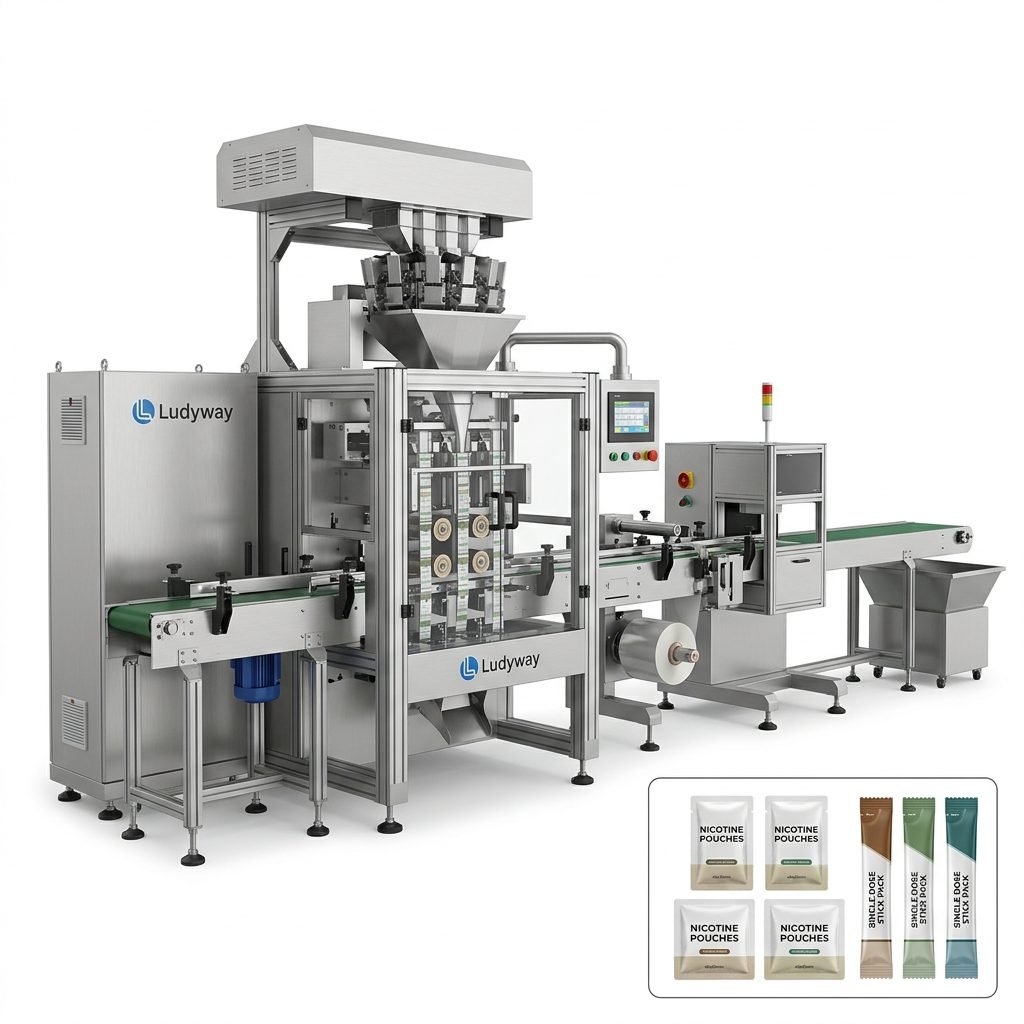
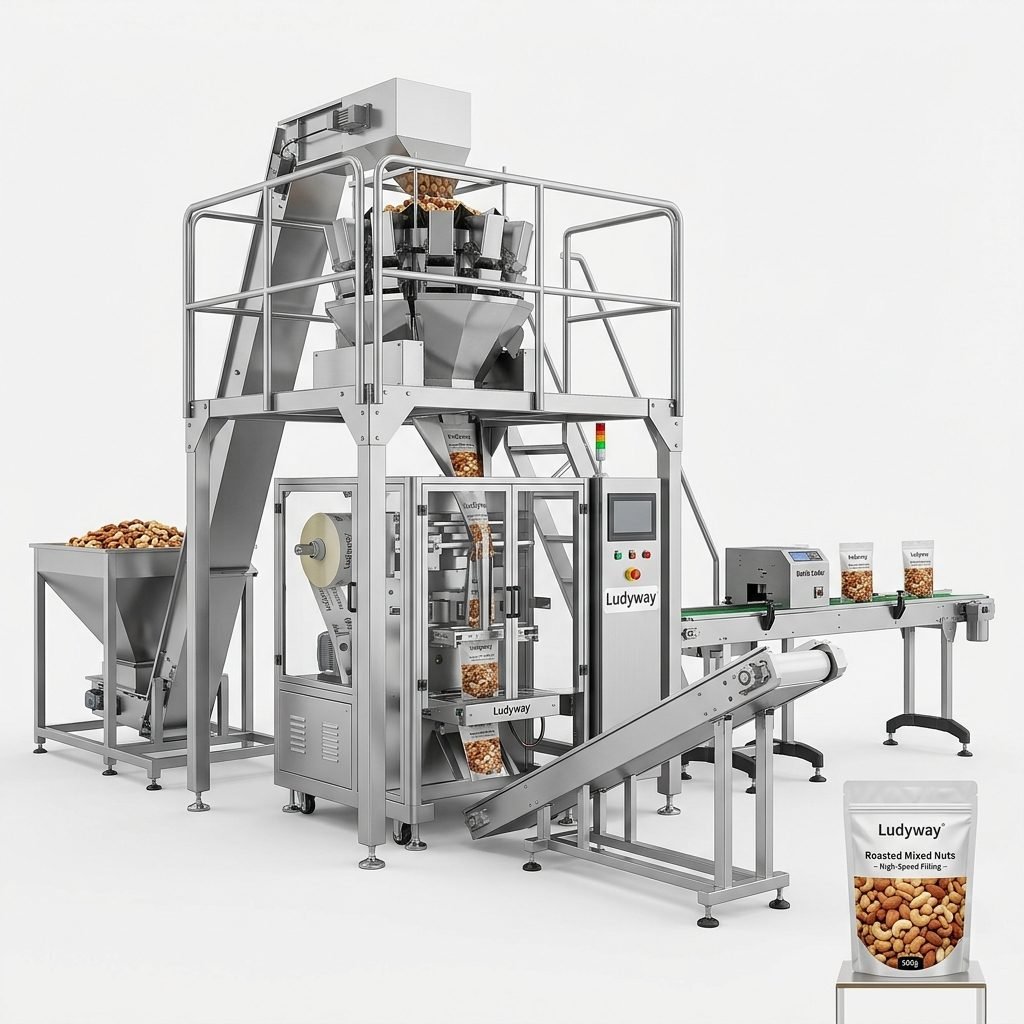
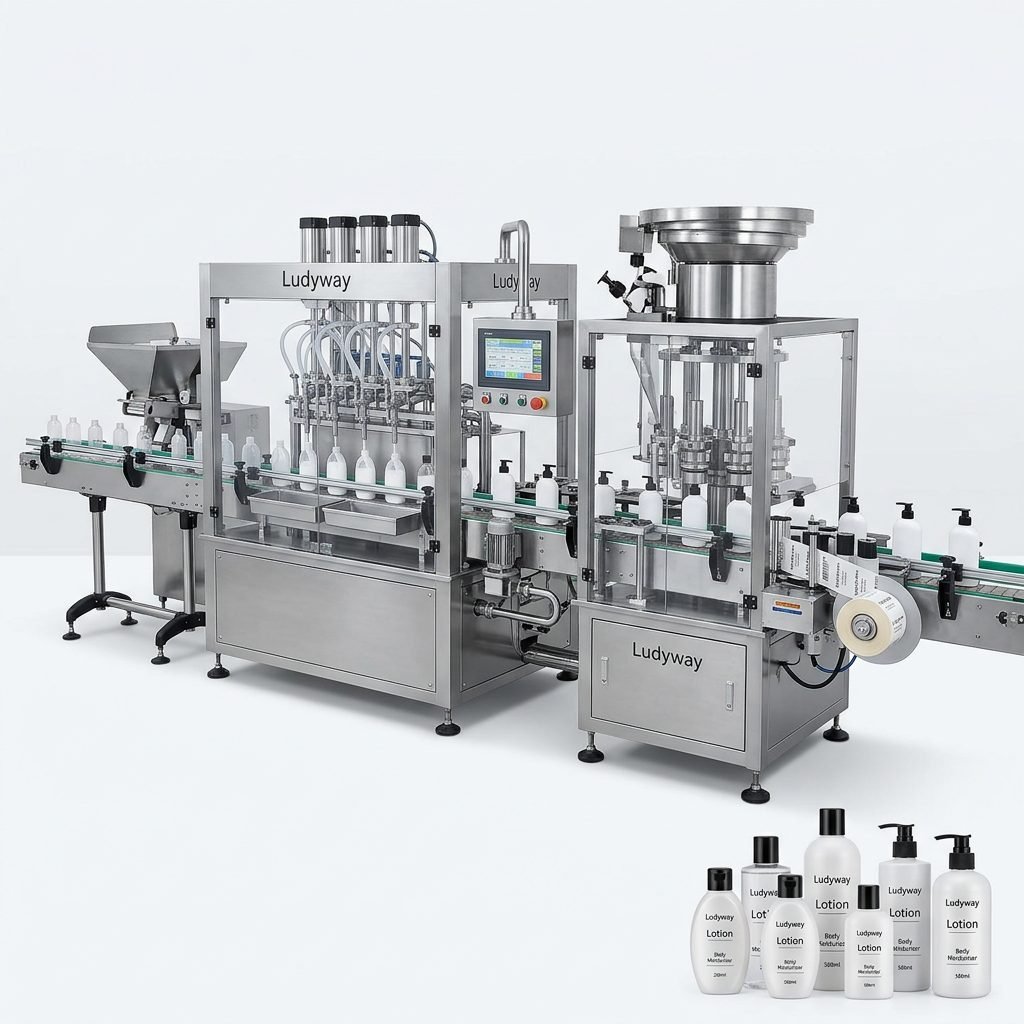
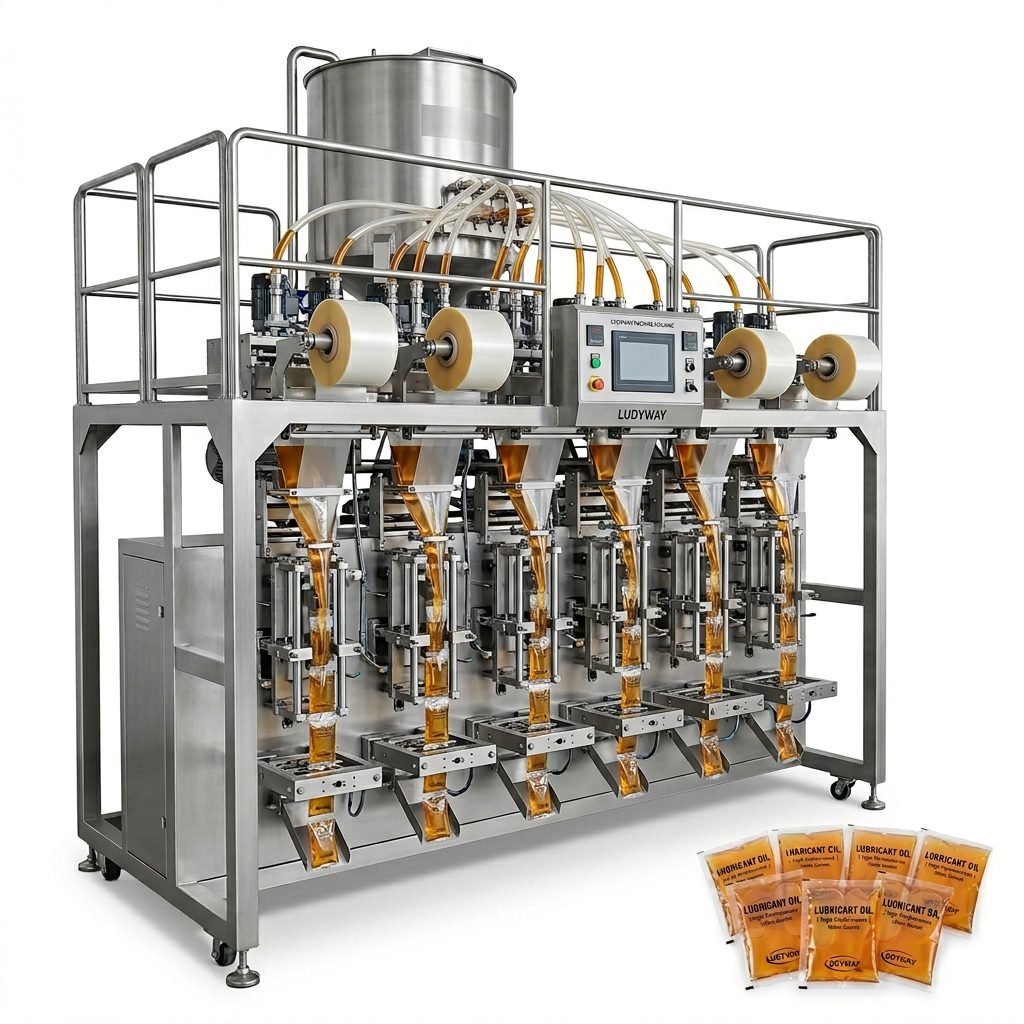
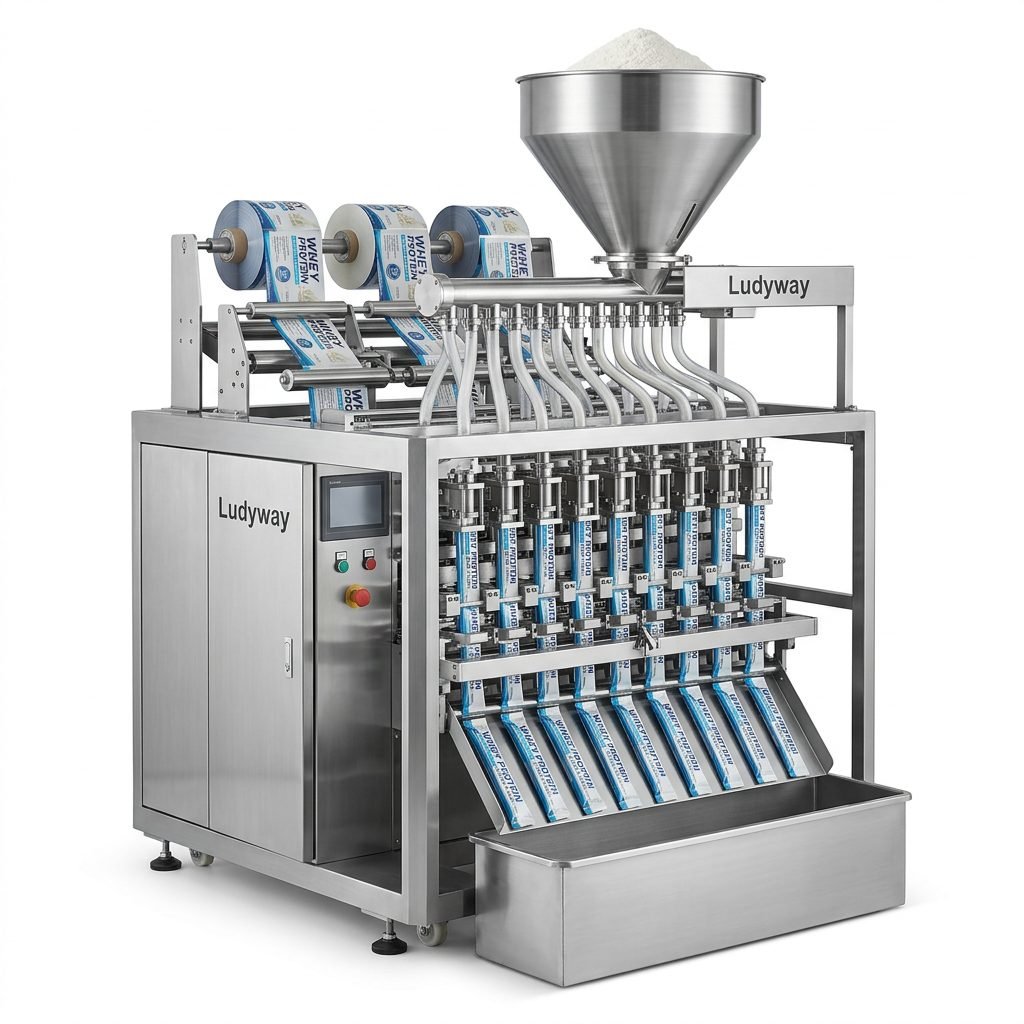
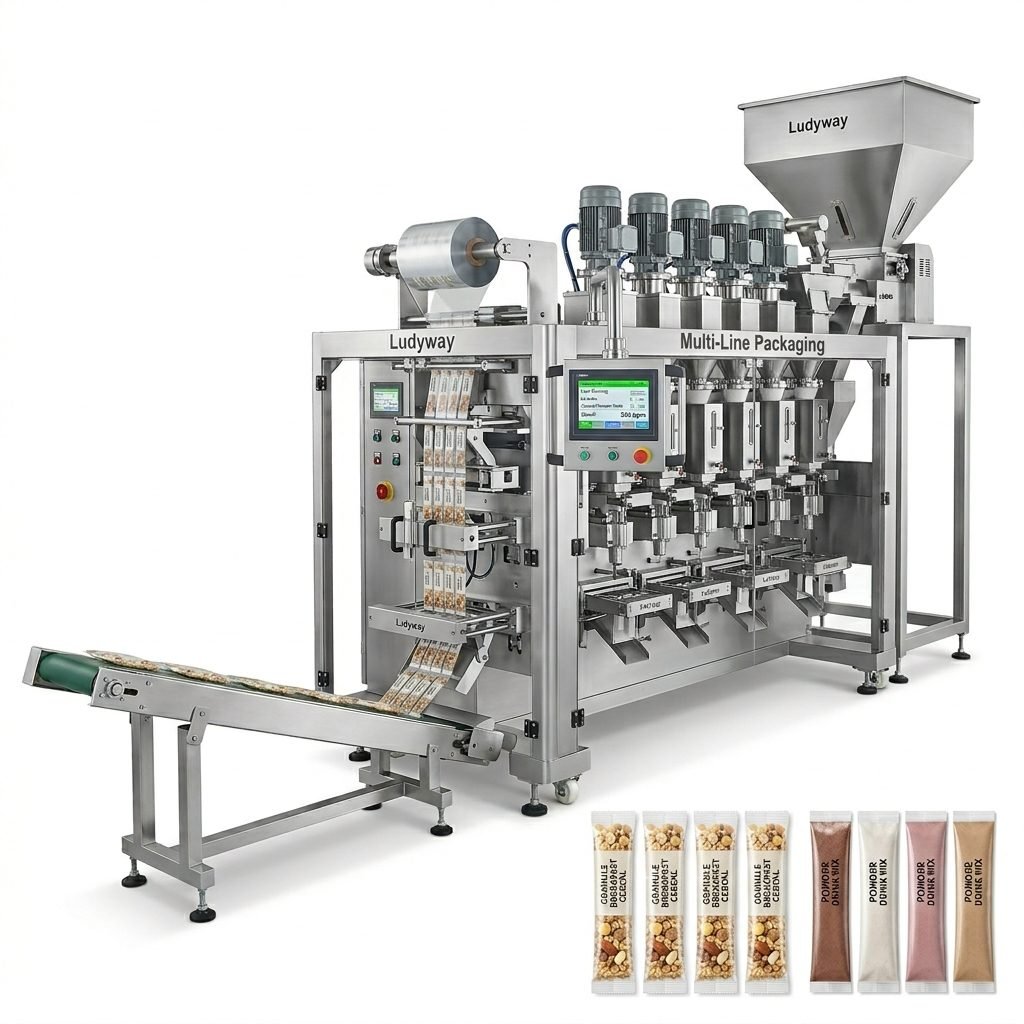
Automatic bag filling machines are reshaping modern packaging by helping manufacturers increase output, reduce labor dependency, and maintain stable filling accuracy across different product types. Whether you package powders, granules, liquids, or mixed materials, the right system can streamline production while improving product consistency and sealing quality.
For food, pharmaceutical, chemical, personal care, and animal feed businesses, automated bag filling equipment is no longer just a productivity upgrade—it is a practical investment in operational reliability, scalability, and quality control.
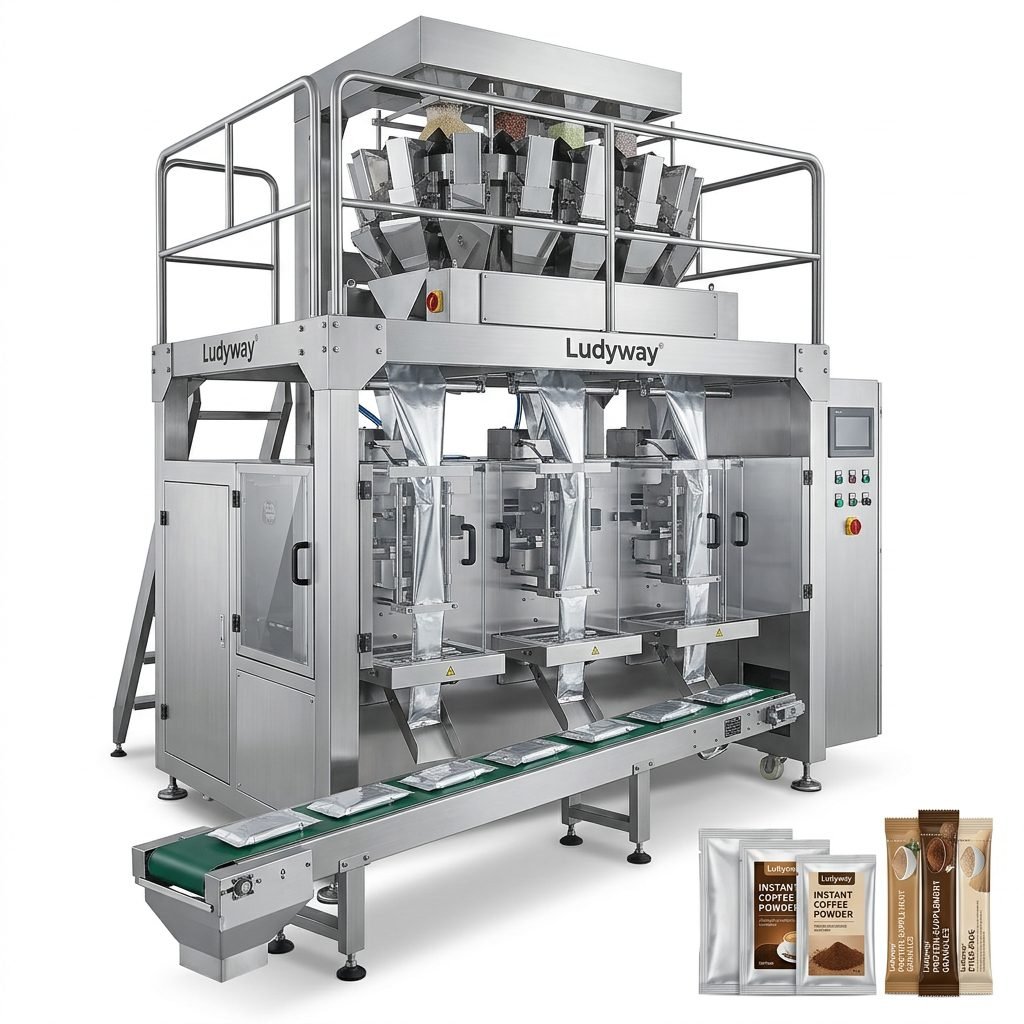
What Is an Automatic Bag Filling Machine?
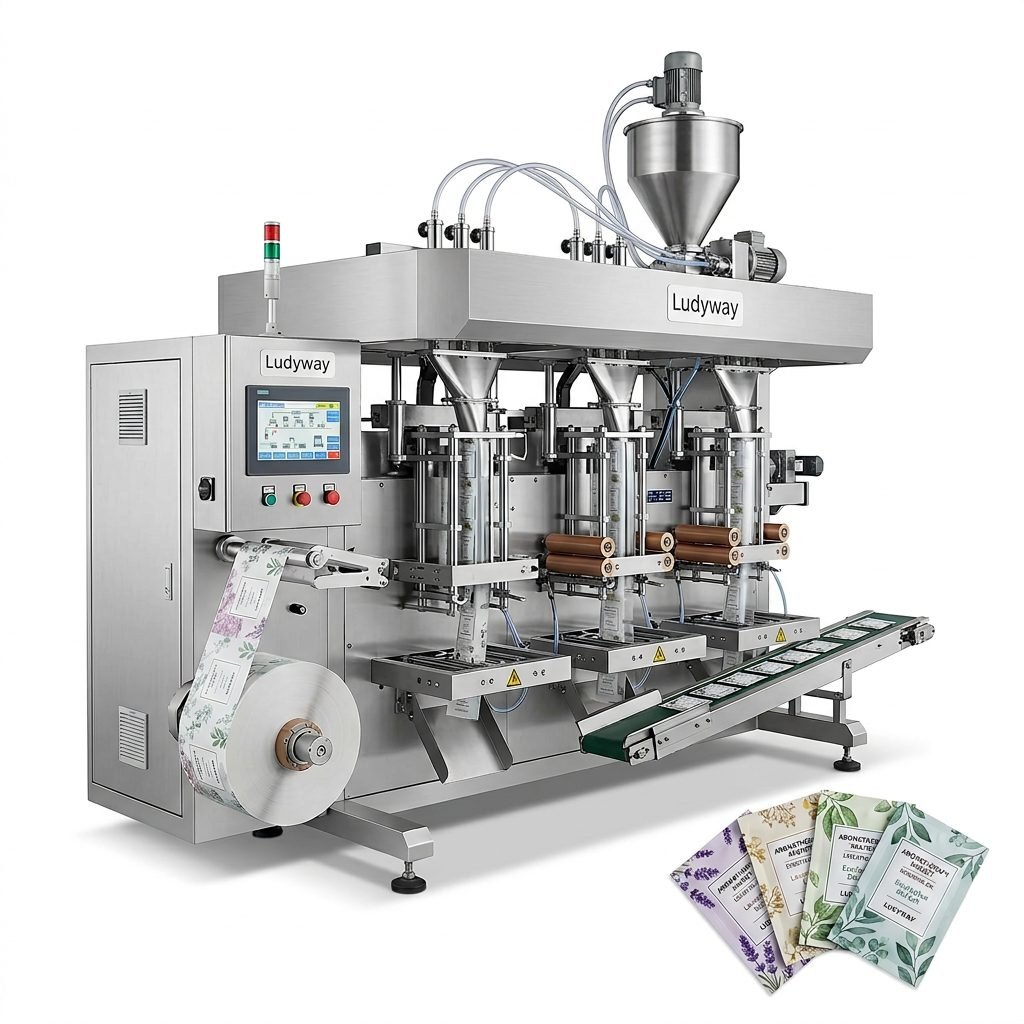
An automatic bag filling machine is packaging equipment designed to dose, fill, and often seal products into preformed bags or film-formed pouches with minimal manual intervention. Depending on the application, the machine may work with pillow bags, gusset bags, stand-up pouches, sachets, stick packs, or larger industrial bags.
These machines typically integrate several packaging steps into one coordinated system:
- Product feeding
- Weighing or dosing
- Bag forming or bag opening
- Filling
- Sealing
- Date coding, labeling, checking, or cartoning
Why Businesses Choose Automatic Bag Filling Equipment
Companies investing in automation usually have one clear goal: produce more with fewer errors. An automatic bag filling machine helps achieve that by improving both speed and repeatability.
- Higher packaging efficiency for medium- and high-volume production
- More consistent bag weights and fill accuracy
- Reduced product waste and material loss
- Lower labor intensity and fewer manual handling steps
- Cleaner packaging process for sensitive industries
- Easier integration with conveyors, checkweighers, coding systems, and case packers
For manufacturers handling frequent production targets, this level of control supports better planning, fewer stoppages, and a more professional packaged product appearance.
Main Types of Automatic Bag Filling Machines
Different products require different filling technologies. Choosing the correct machine type is essential for packaging stability and long-term performance.
1. Powder Bag Filling Machines
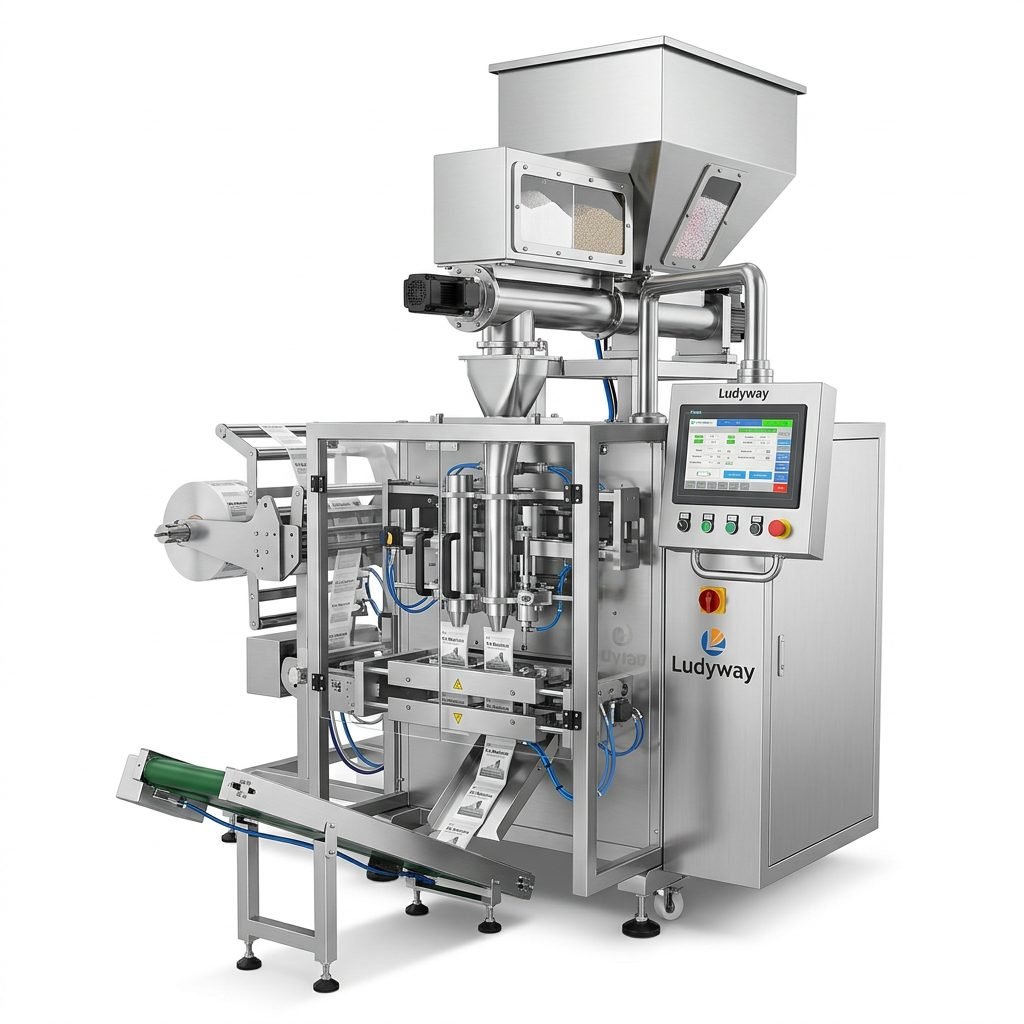
Designed for products such as milk powder, seasoning powder, protein powder, flour, pharmaceutical powders, and chemical powders. These machines often use auger fillers for controlled dosing and can include dust control features for cleaner operation.
2. Granule Bag Filling Machines
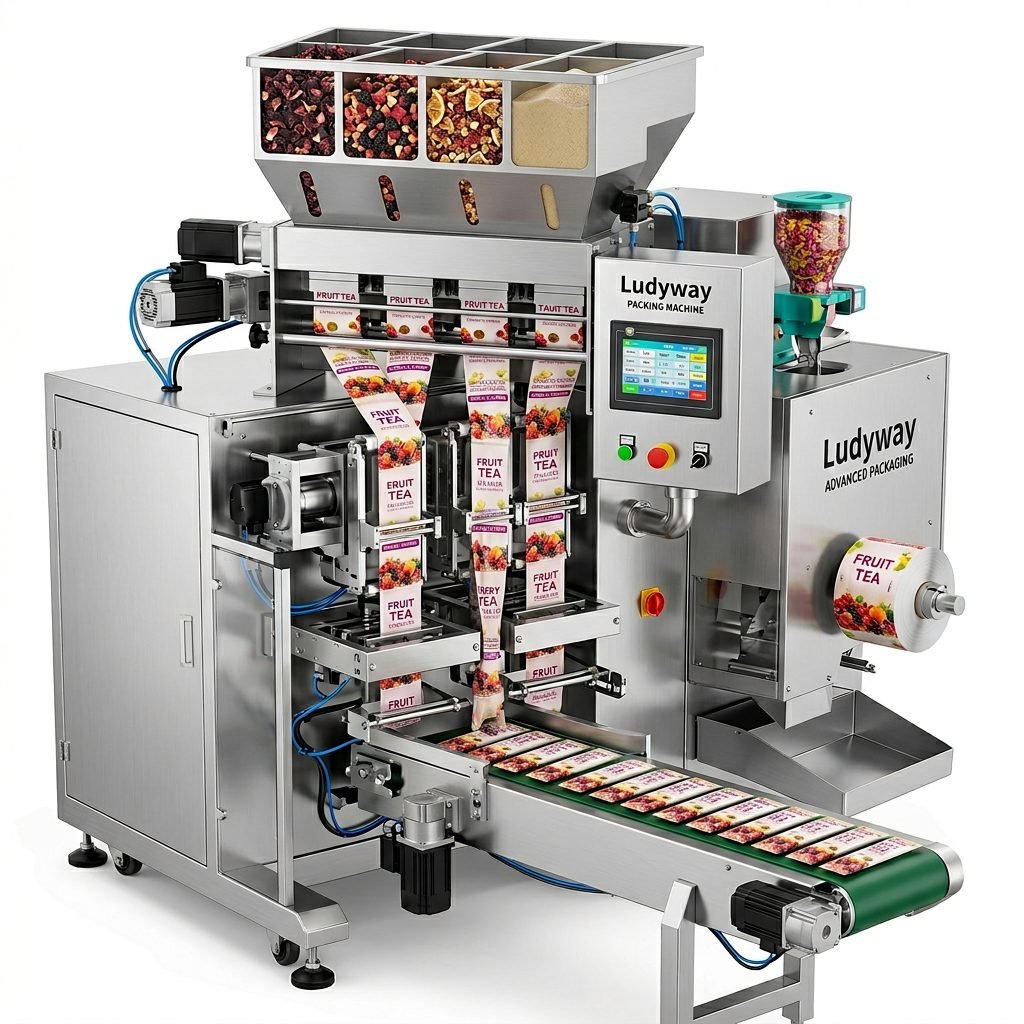
Suitable for sugar, rice, seeds, pet food, coffee granules, snacks, fertilizer granules, and similar materials. Multi-head weighers, cup fillers, or linear weighers are often used depending on product shape and required precision.
3. Liquid Bag Filling Machines
Used for sauces, oils, detergents, pharmaceutical liquids, syrups, and cosmetic liquids. These systems typically rely on piston pumps, peristaltic pumps, or flow meter filling units.
4. Premade Pouch Filling Machines
Ideal for brands that want high-quality pouch presentation, such as stand-up pouches or zipper bags. The machine opens the bag, fills it, and seals it automatically.
5. Vertical Form Fill Seal Bagging Systems
A popular choice for flexible packaging lines. These systems form bags from roll film, fill them, and seal them in one automated process, making them efficient for many powder, granule, and liquid applications.
Key Features That Improve Packaging Performance
When evaluating an automatic bag filling machine, buyers should look beyond speed alone. A well-designed machine combines output with stability, product adaptability, and ease of maintenance.
| Feature | Benefit |
|---|---|
| Servo-driven control | Improves filling precision and motion synchronization |
| PLC and touch screen interface | Simplifies parameter setting, monitoring, and product changeover |
| Stainless steel contact parts | Supports hygiene and corrosion resistance |
| Automatic error alarm system | Helps reduce downtime and identify issues quickly |
| Flexible bag size adjustment | Supports multiple product formats on one machine |
| Integration capability | Allows connection with feeders, labeling, inspection, and cartoning systems |
Industries That Benefit Most
Automatic bag filling solutions are used across a wide range of industrial sectors. The best system depends on the product flow characteristics, packaging material, hygiene requirements, and production volume.
Food Industry
- Spices and seasonings
- Coffee and tea products
- Snack foods and nuts
- Sauces, oils, and condiments
- Protein powders and health nutrition products
Pharmaceutical and Health Supplement Industry
- Oral powders
- Granules
- Medical sachets
- Functional supplement packaging
Chemical and Daily Use Industry
- Detergent powders
- Cleaning liquids
- Industrial additives
- Agricultural chemicals
Animal Feed and Pet Care
- Pellets
- Feed premixes
- Pet nutrition powders
- Treats and supplements
How to Choose the Right Automatic Bag Filling Machine
A good machine choice starts with understanding the full packaging process, not just the bag itself. Buyers should evaluate the following points before making a decision:
- Product type – powder, granule, liquid, paste, or mixed material
- Bag format – pillow bag, gusset bag, stand-up pouch, sachet, stick pack, or large open-mouth bag
- Required capacity – bags per minute, shift output, and annual volume
- Accuracy target – especially important for premium food, pharma, and costly raw materials
- Factory layout – available floor space and integration needs
- Compliance standards – hygiene, safety, traceability, and material requirements
- Future expansion – whether the line should support additional SKUs or higher throughput later
The most cost-effective packaging investment is usually the one that matches current production while still leaving room for future growth.
Important Advantages for Production Managers
From a factory management perspective, automatic bag filling machines support much more than packaging speed. They also help improve production visibility, cost control, and operational planning.
| Production Goal | How Automation Helps |
|---|---|
| Reduce labor pressure | Less dependence on manual filling and sealing operations |
| Improve quality consistency | Stable dosing and repeatable sealing performance |
| Cut waste | Better fill control reduces overfill and rejected packages |
| Support SKU flexibility | Fast adjustment for different bag sizes and filling weights |
| Increase traceability | Can integrate coding, inspection, and data monitoring tools |
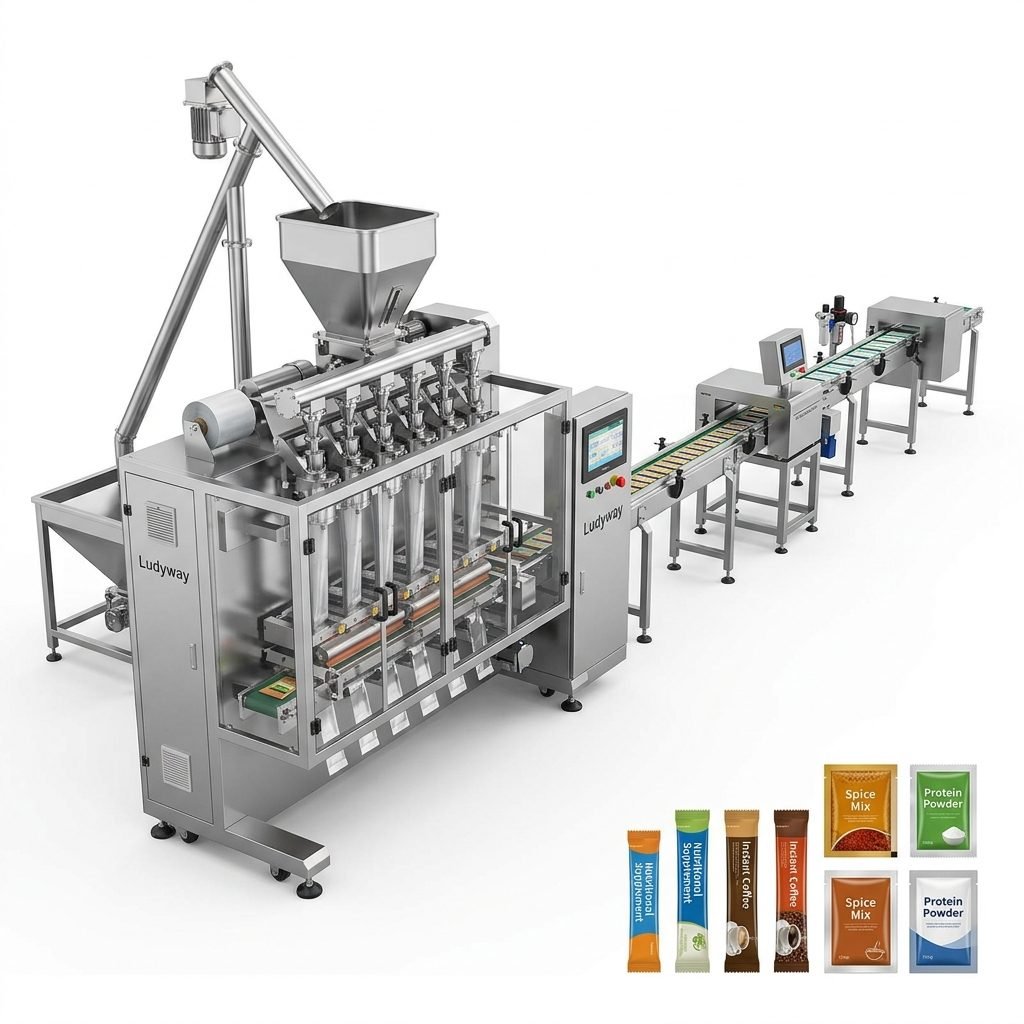
Turnkey Packaging Lines vs. Standalone Machines
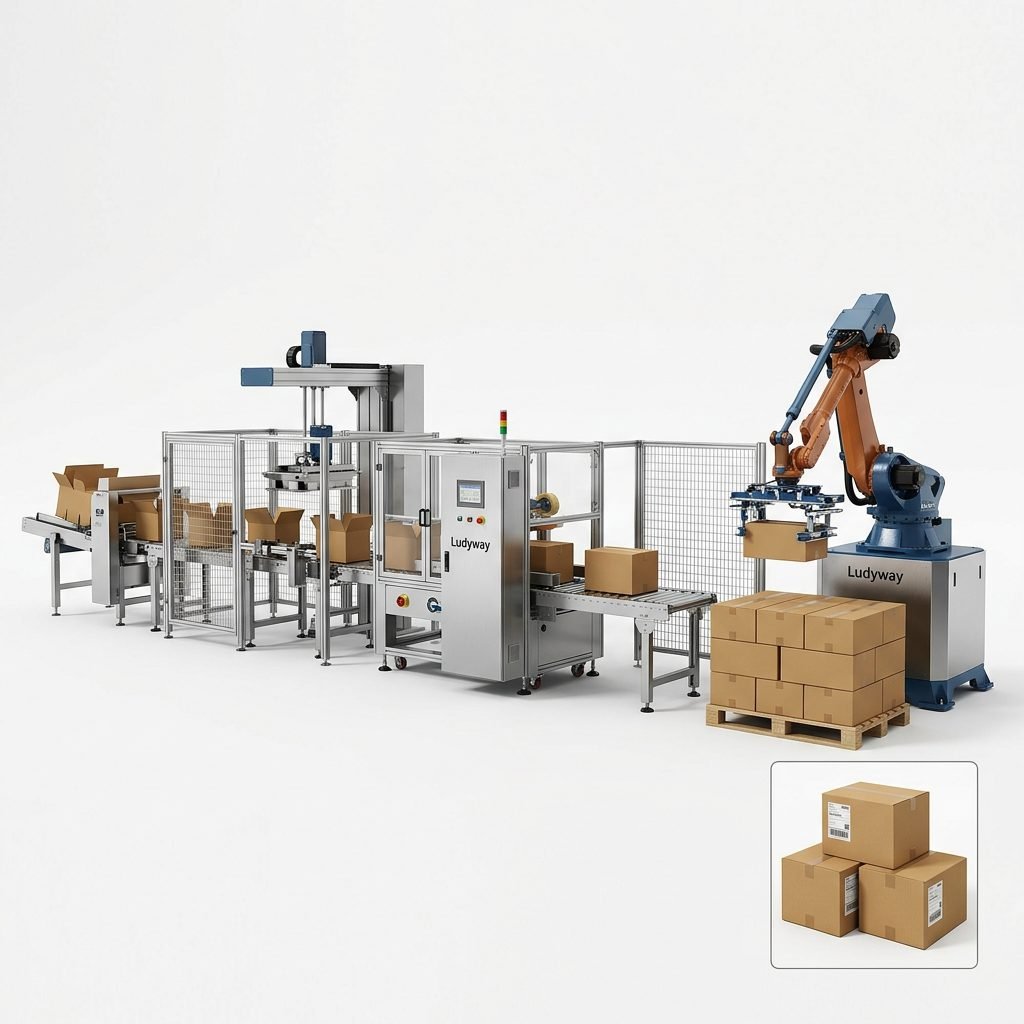
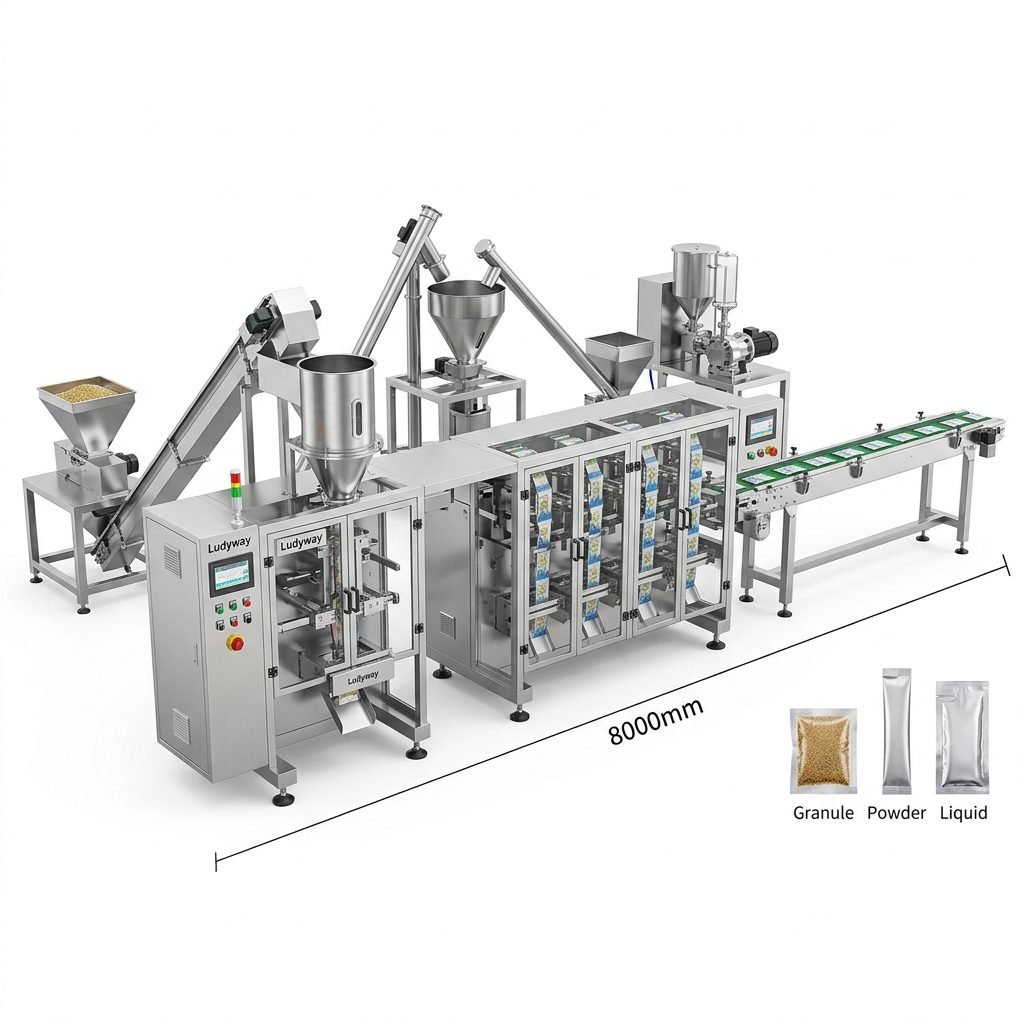
Some companies need a single bag filling machine, while others need a complete packaging line. A standalone system may be enough for small or focused production. However, growing manufacturers often benefit more from a turnkey line that includes:
- Automatic feeding systems
- Weighing or dosing units
- Bag filling and sealing machine
- Checkweigher or metal detector
- Labeling and coding equipment
- Cartoning or case packing
- Palletizing or end-of-line automation
A complete system can improve workflow continuity and reduce compatibility problems between separate machines.
Why Machine Reliability Matters
In automated packaging, downtime is costly. A machine that runs faster on paper but stops frequently will not deliver real output advantages. That is why buyers should focus on stable performance, accessible spare parts, practical maintenance design, and supplier support.
Experienced manufacturers understand how packaging materials, product flow behavior, humidity, dust, sealing temperature, and production rhythm affect machine stability. This experience often makes a major difference in the final result.
A Trusted Partner for Automatic Bag Filling Solutions
For businesses seeking scalable automation, automatic bag filling machine solutions from Ludyway can support a wide range of packaging needs across food, pharmaceutical, health supplement, chemical, cosmetic, and animal feed sectors. With more than 30 years of manufacturing experience, a factory over 20,000 square meters, and service coverage in more than 100 countries and regions, the company is well positioned for both standalone equipment and turnkey packaging line projects.
Final Buying Checklist
Before purchasing an automatic bag filling machine, make sure you can clearly answer these questions:
- What product will be filled, and what is its flow characteristic?
- What bag type and packaging material will be used?
- What output speed is required now and in the future?
- What filling accuracy is acceptable?
- Do you need a standalone machine or a full packaging line?
- What after-sales support and technical guidance does the supplier provide?
The right automatic bag filling machine delivers more than packaging automation—it creates a more efficient, accurate, and dependable production process that supports long-term business growth.