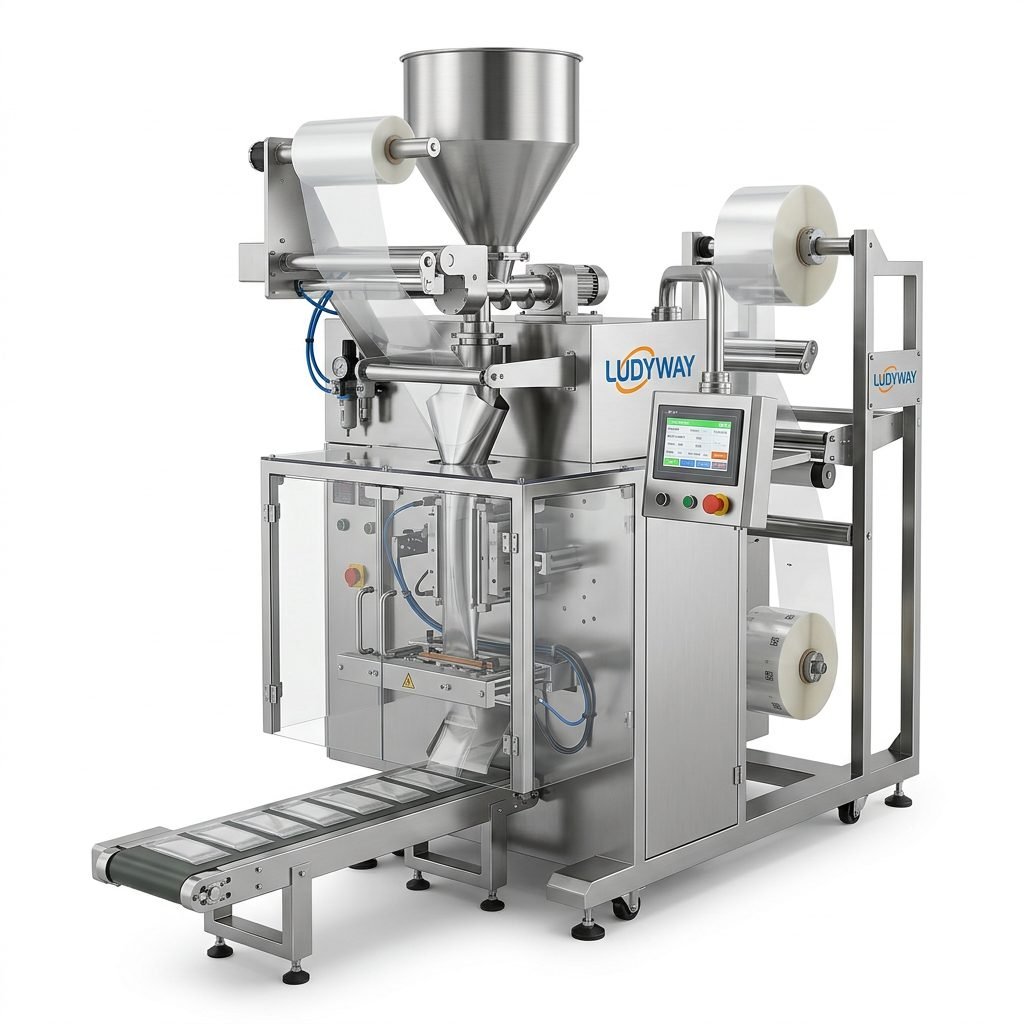
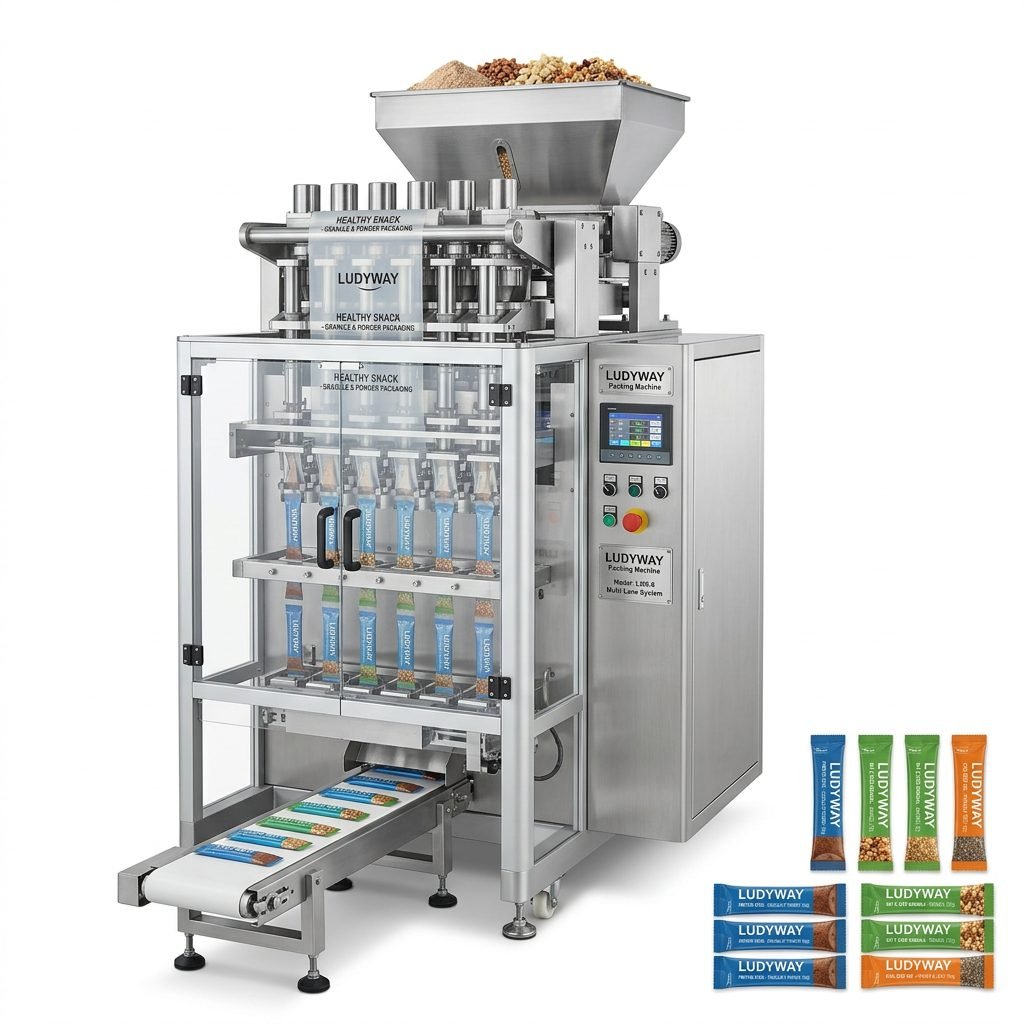
Selecting the right automated packaging machinery manufacturer is a critical decision that directly impacts your production efficiency, product quality, and overall operational costs. With numerous suppliers in the market, each claiming superiority, how do you navigate the options to find the ideal partner for your production line? This comprehensive guide provides a structured approach to evaluating and choosing a supplier that aligns with your specific needs for reliability, innovation, and long-term support.
Understanding Your Production Requirements
Before beginning your search, a thorough internal assessment is essential. This foundational step ensures you evaluate suppliers against clear, objective criteria rather than vague promises.
Key Factors to Define:
- Product Type & Format: What are you packaging? Granules, powders, liquids, tablets, or pastes? What is your target packaging format—stick packs, sachets, pouches, or bottles?
- Production Speed & Capacity: What is your required output in packs per minute (PPM) or units per hour? Consider both current needs and projected growth.
- Line Integration: Will the new machine need to integrate seamlessly with existing upstream (filling, mixing) or downstream (cartoning, case packing) equipment?
- Regulatory & Hygiene Standards: For industries like pharmaceuticals, food, or health products, compliance with standards like GMP, FDA, or CE is non-negotiable.
- Budget & ROI Timeline: Establish a clear investment framework, balancing initial cost with long-term value, maintenance expenses, and expected return on investment.
Evaluating Manufacturer Capabilities & Expertise
Once your requirements are crystal clear, you can begin assessing potential manufacturers. Look beyond glossy brochures and sales pitches to verify their true capabilities.
1. Technical Proficiency and Innovation
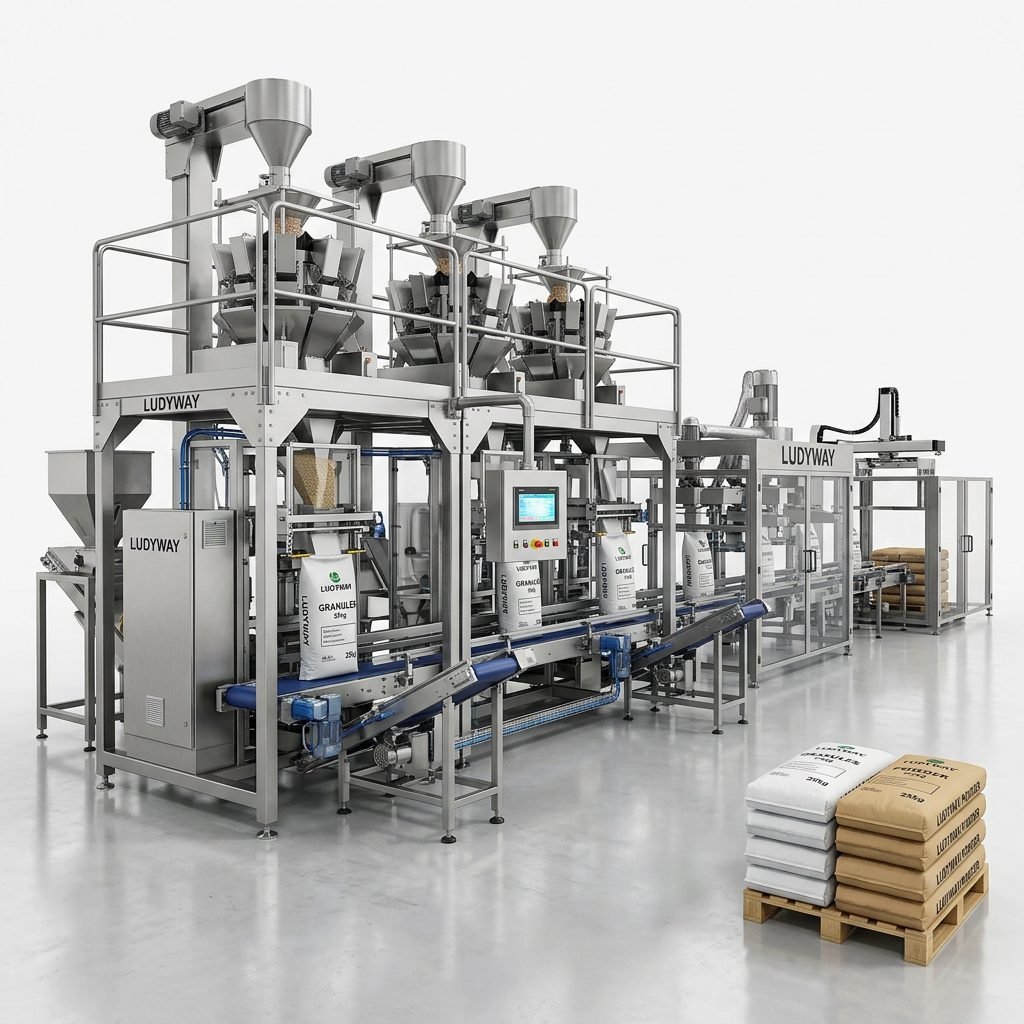
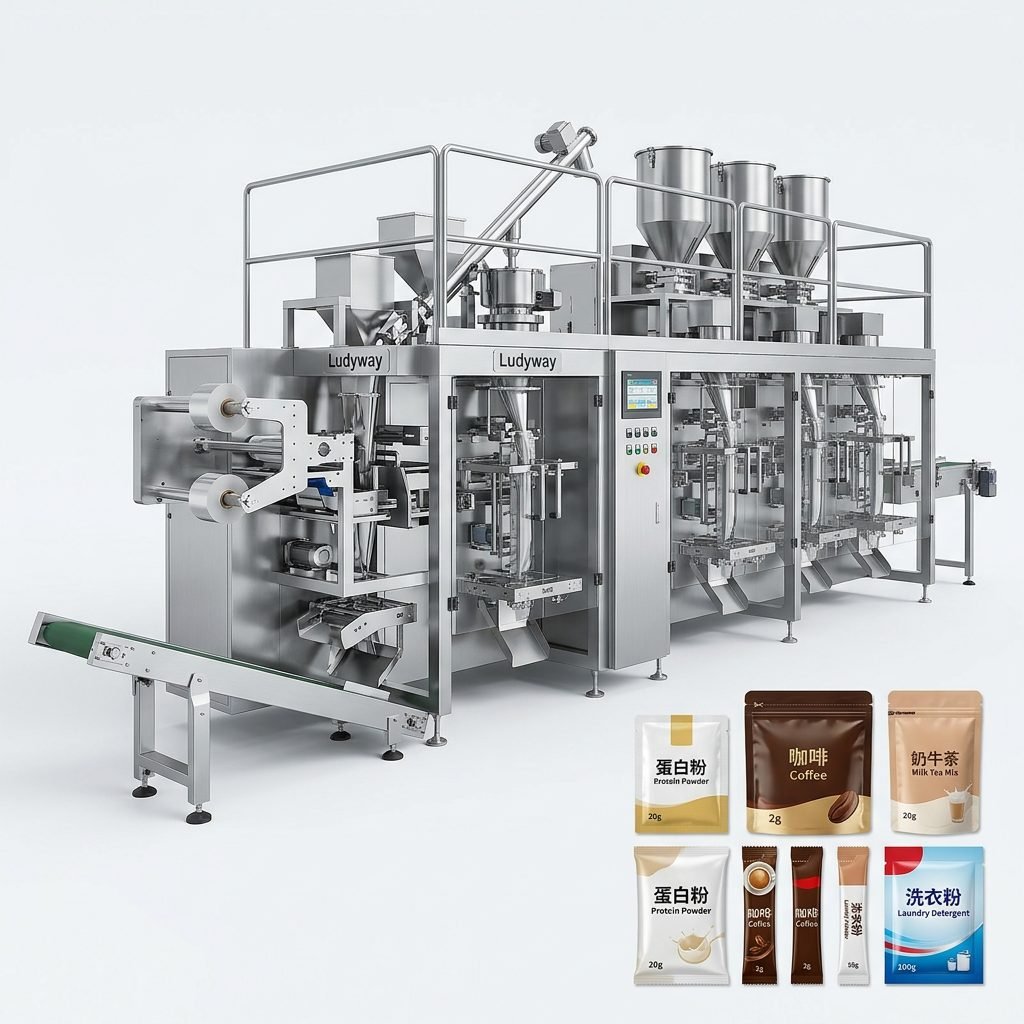
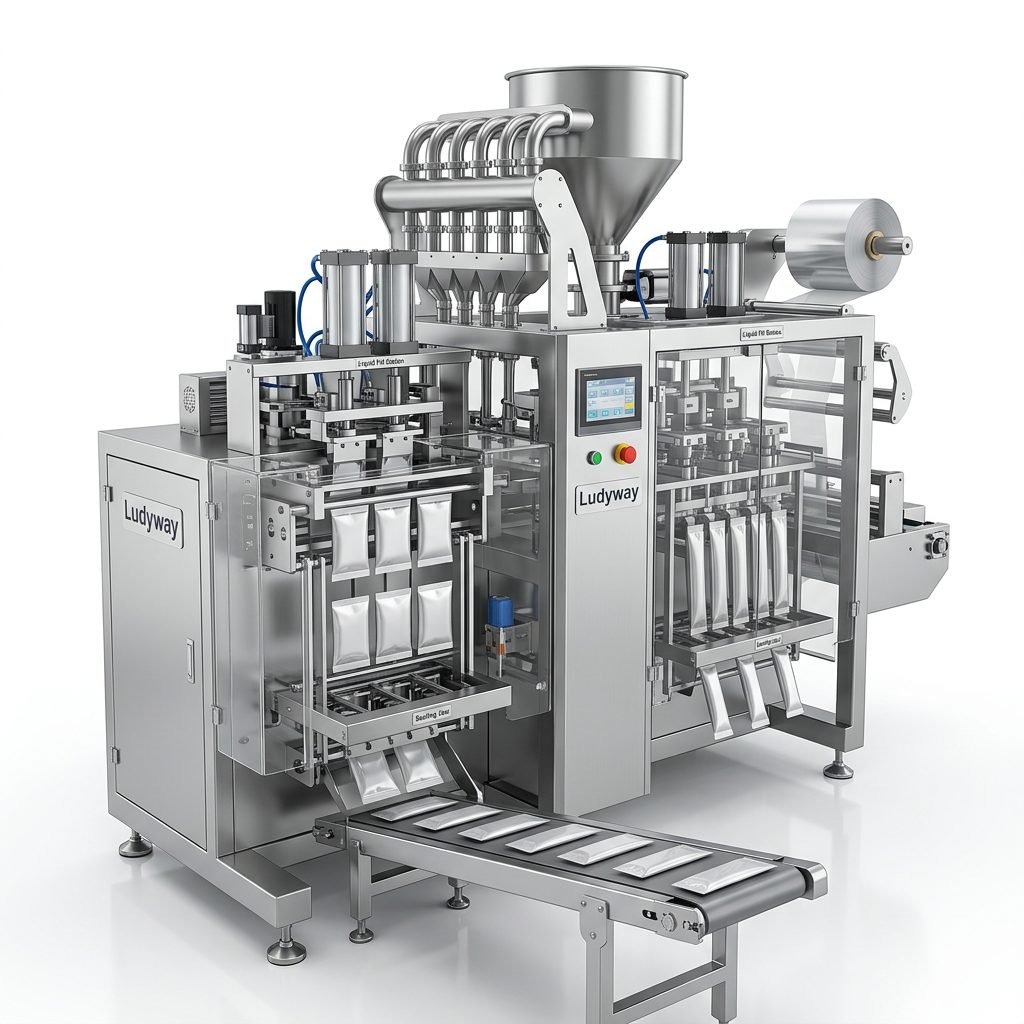
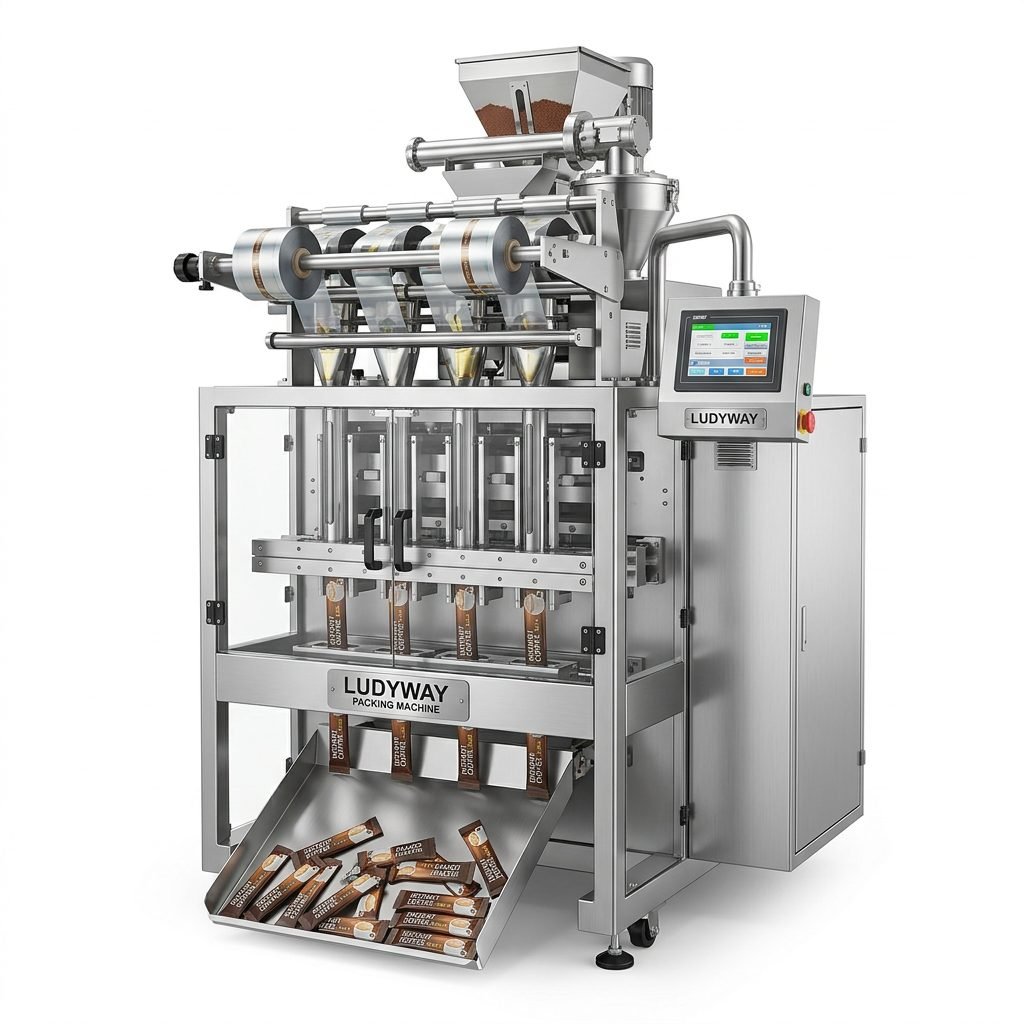
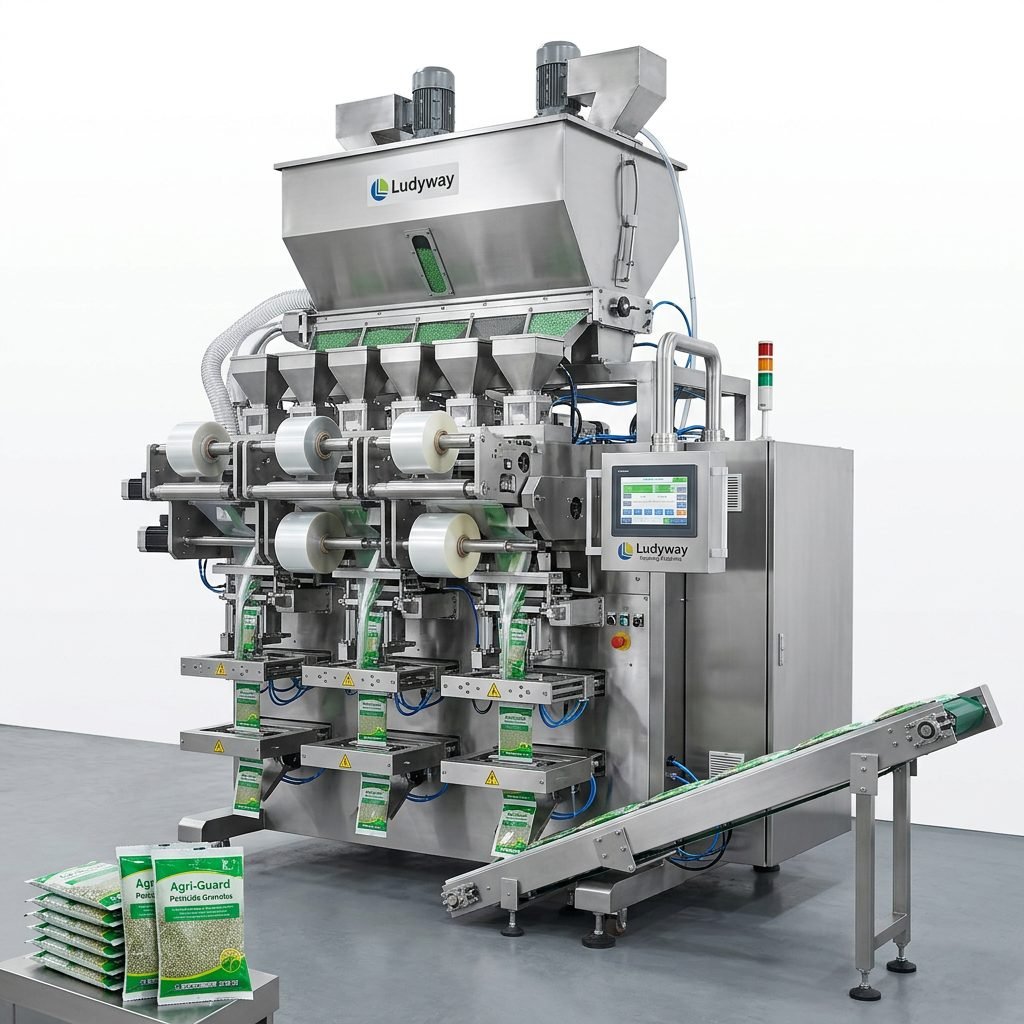
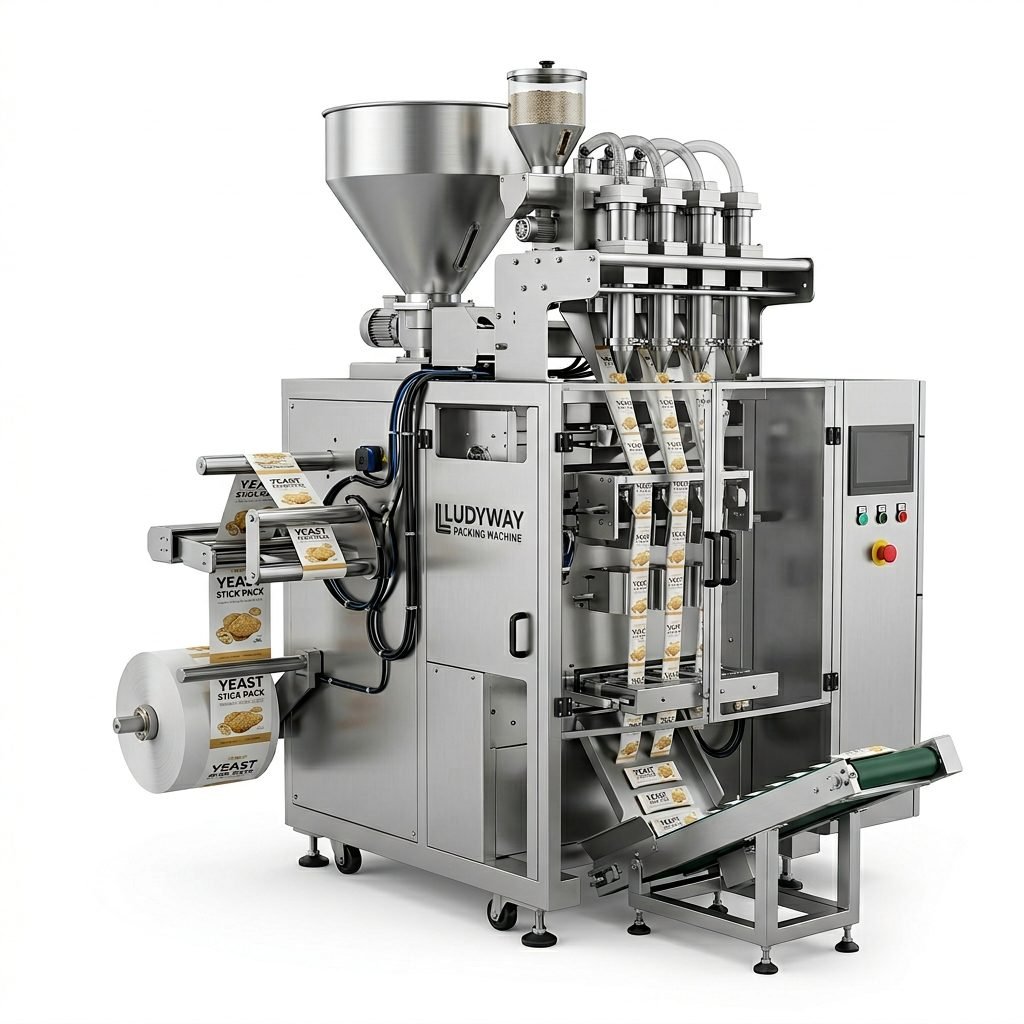
A top-tier manufacturer invests continuously in research and development. Examine their engineering team’s expertise and their commitment to integrating smart technologies like IoT for predictive maintenance, user-friendly HMIs, and precision servo-driven systems. A supplier like Ludyway Packing Machine, with over 30 years of industry experience, exemplifies how deep technical roots translate into reliable and advanced equipment solutions.
2. Manufacturing Quality and Scale
The quality of the machinery is directly tied to the quality of the manufacturing facility. Inquire about their production site, quality control processes, and testing protocols. A manufacturer operating from a substantial, modern facility—such as one spanning 20,000㎡—typically has better control over supply chains, assembly precision, and final product reliability. This scale often correlates with the ability to handle custom projects and maintain consistent quality.
3. Product Range and Customization
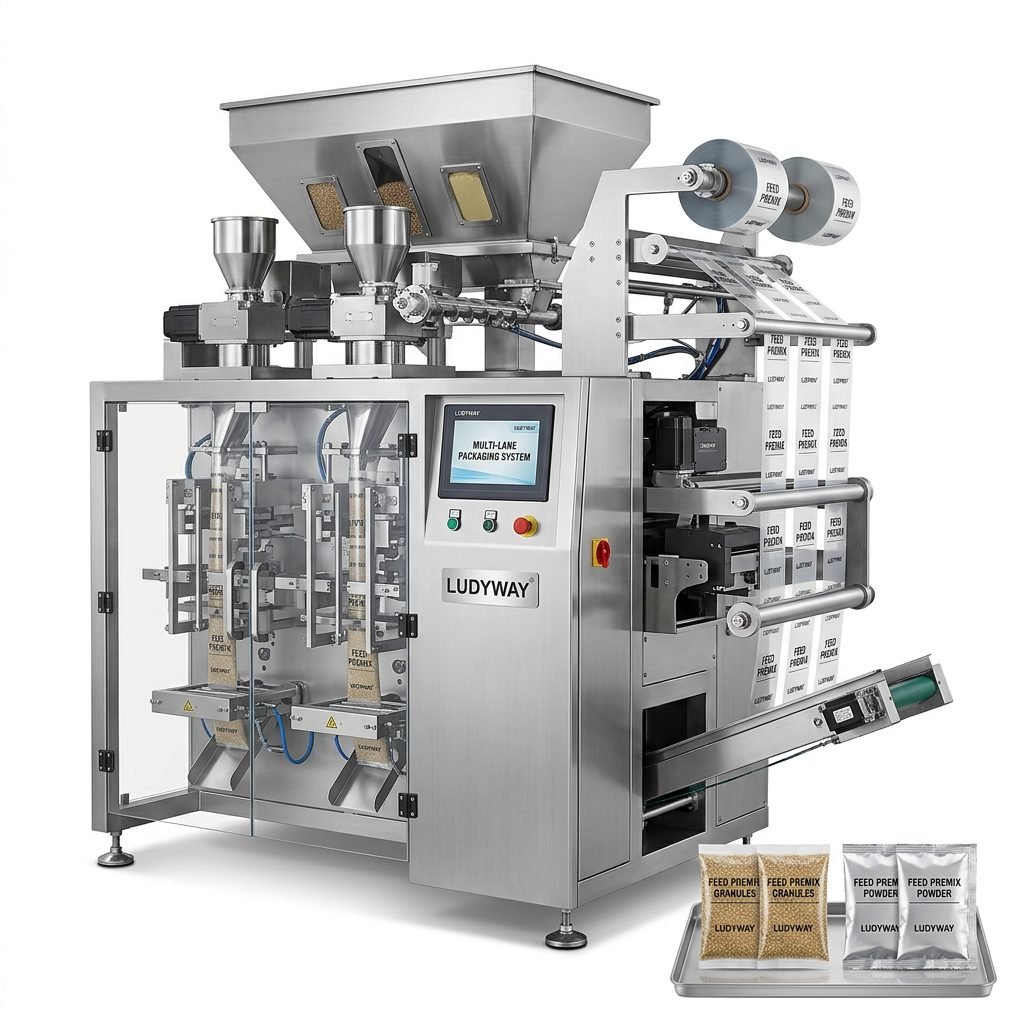
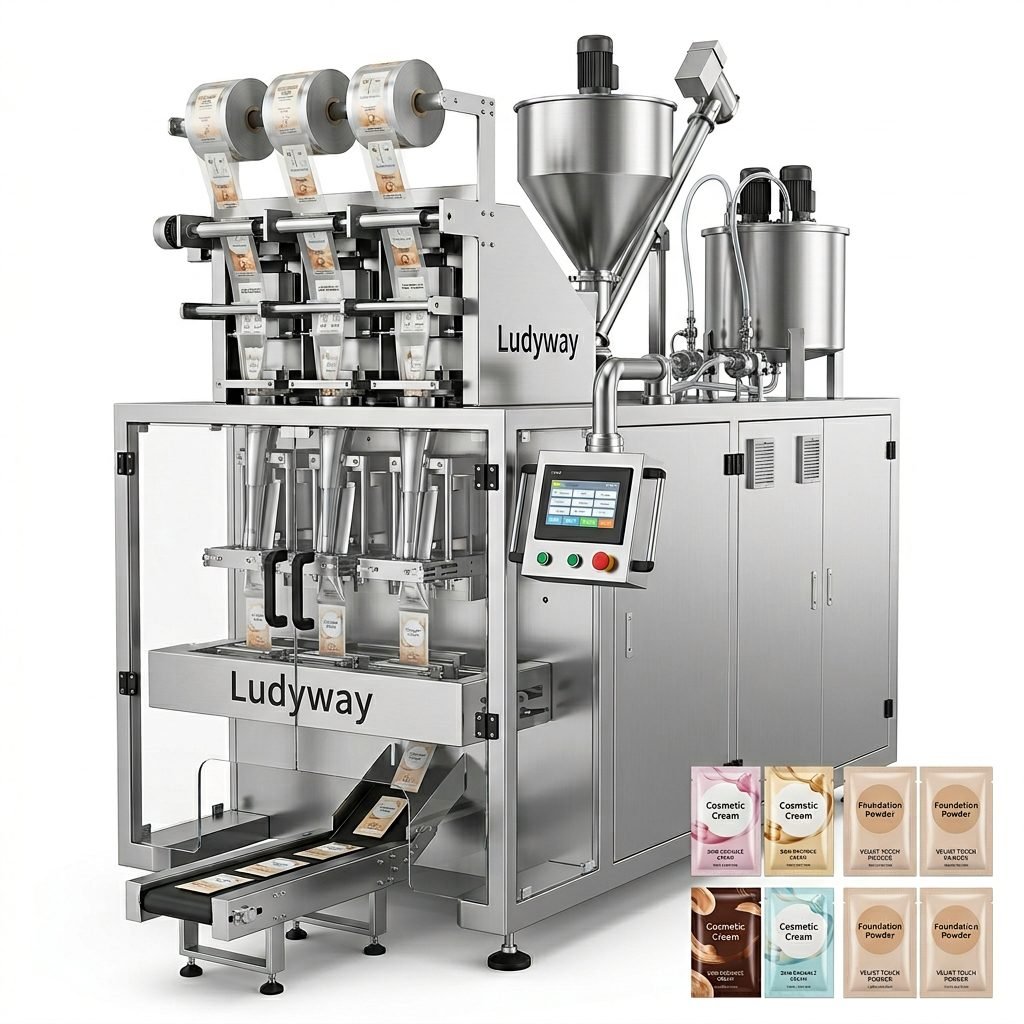
Does the supplier offer a one-size-fits-all solution or a tailored approach? A broad portfolio, like offering more than 50 intelligent packaging machine models, indicates versatility. More importantly, assess their willingness and proven ability to customize. Can they modify a standard sachet machine to handle your unique viscous product or integrate specific safety features?
🔍 Due Diligence Checklist:
Before proceeding to quotes, ensure you:
- Request detailed technical specifications and CAD drawings.
- Ask for a list of reference clients in a similar industry.
- Verify certifications relevant to your market and product type.
- Inquire about the standard and extended warranty terms.
- Discuss the availability and cost of spare parts.
The Importance of Service and Support
The relationship with your machinery supplier begins at installation, not ends there. Comprehensive after-sales support is arguably as important as the machine itself.
Global Network and Responsiveness
If your operations are global, you need a partner with a responsive international support network. Check if the manufacturer has service engineers in your region or established partnerships with local technical agencies. Prompt support minimizes costly downtime. A company serving customers worldwide is structured to provide remote diagnostics and timely on-ground assistance.
Training and Documentation
High-quality machinery is only as good as the people operating it. Ensure the supplier provides thorough operational and maintenance training for your team, both on-site and via comprehensive manuals. Clear, multi-language documentation is a sign of a professional and customer-centric organization.
Commitment to Long-Term Partnership
Look for a manufacturer that views the sale as the start of a collaboration. Their commitment to long-term cooperation and innovation means they will proactively offer upgrades, inform you of new technologies, and work with you to optimize your line over its entire lifecycle, protecting your investment.
Making the Final Decision: Beyond the Price Tag
While budget is a key constraint, the lowest bid often carries hidden costs—frequent breakdowns, poor service, and incompatible machinery. Evaluate the Total Cost of Ownership (TCO), which includes energy consumption, maintenance schedules, expected lifespan, and potential productivity gains from higher speeds or less waste.
Arrange factory visits or live video tours to see the production environment firsthand. Finally, trust your due diligence. The right supplier will be transparent, ask detailed questions about your needs, and provide a solution that feels like a genuine fit for your production goals.
Frequently Asked Questions (FAQs)
Q1: What is the most common mistake companies make when choosing a packaging machinery supplier?
A: The most common mistake is prioritizing the initial purchase price above all else. This often leads to selecting underpowered equipment, compromising on critical features, or partnering with a supplier lacking robust after-sales support, resulting in higher long-term costs due to downtime, inefficiency, and frequent repairs.
Q2: How important is it for the machinery supplier to have experience in my specific industry (e.g., food, pharmaceuticals)?
A: It is critically important. Industry-specific experience means the supplier understands the unique regulatory requirements, hygiene standards (like sanitary design for food or GMP for pharma), and material handling challenges (e.g., dust from powders, corrosion from liquids). This expertise ensures the proposed solution is compliant and optimized for your products from day one.
Q3: Can a single supplier provide a complete turnkey packaging line?
A: Many established manufacturers, especially those with strong engineering capabilities and a wide product portfolio, offer complete turnkey solutions. They can act as the single point of responsibility for designing, supplying, installing, and commissioning the entire line—from the bag maker or filler to the cartoner—ensuring seamless integration and simplified project management for you.
Q4: What should I expect during the machine commissioning and installation phase?
A: You should expect a structured process managed by the supplier’s project engineers. This includes pre-delivery site checks, careful installation, comprehensive mechanical and electrical testing, production trials with your actual materials, performance validation against agreed specifications, and thorough training for your operators and maintenance staff.
Q5: How can I future-proof my investment in automated packaging machinery?
A: To future-proof your investment, choose modular machinery designs that allow for easy upgrades. Partner with a supplier known for innovation who offers software-upgradable controls. Ensure the machine’s base capacity (speed, accuracy) exceeds your current needs to accommodate growth, and confirm the supplier’s commitment to providing ongoing technical support and spare parts for the long term.