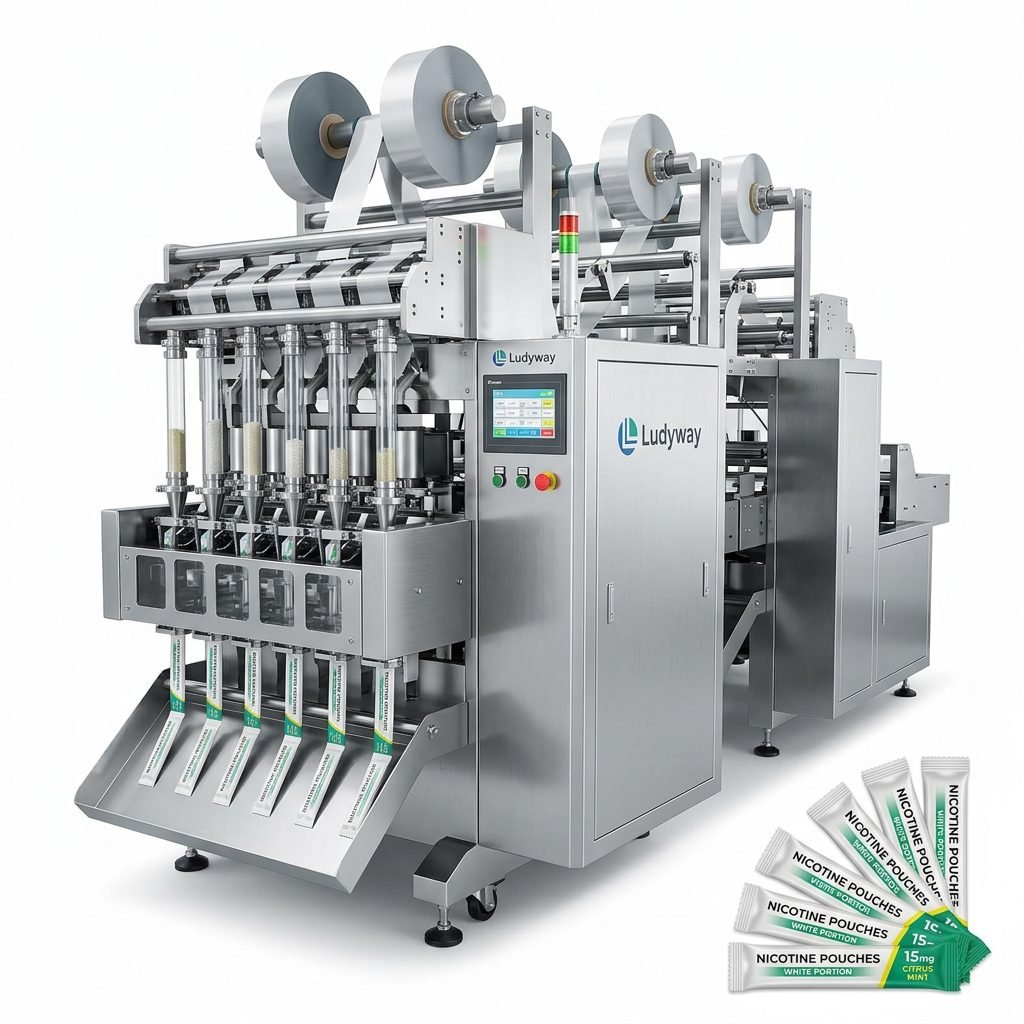
Selecting the right packaging machinery is a critical investment for any manufacturer looking to enhance efficiency, ensure product integrity, and scale operations. As a top manufacturer in this field, understanding the complete landscape of available equipment and the key factors in the selection process is essential for making an informed decision that aligns with your specific production goals.
Understanding Your Packaging Needs
The journey to choosing the perfect equipment begins with a thorough analysis of your own requirements. This foundational step prevents costly mismatches and ensures the machinery integrates seamlessly into your workflow.
Product Characteristics Analysis
Your product’s physical form dictates the primary type of machine you will need. Machinery is specifically engineered for different materials, and using the wrong type can lead to poor sealing, inaccurate dosing, or even damage to the product.
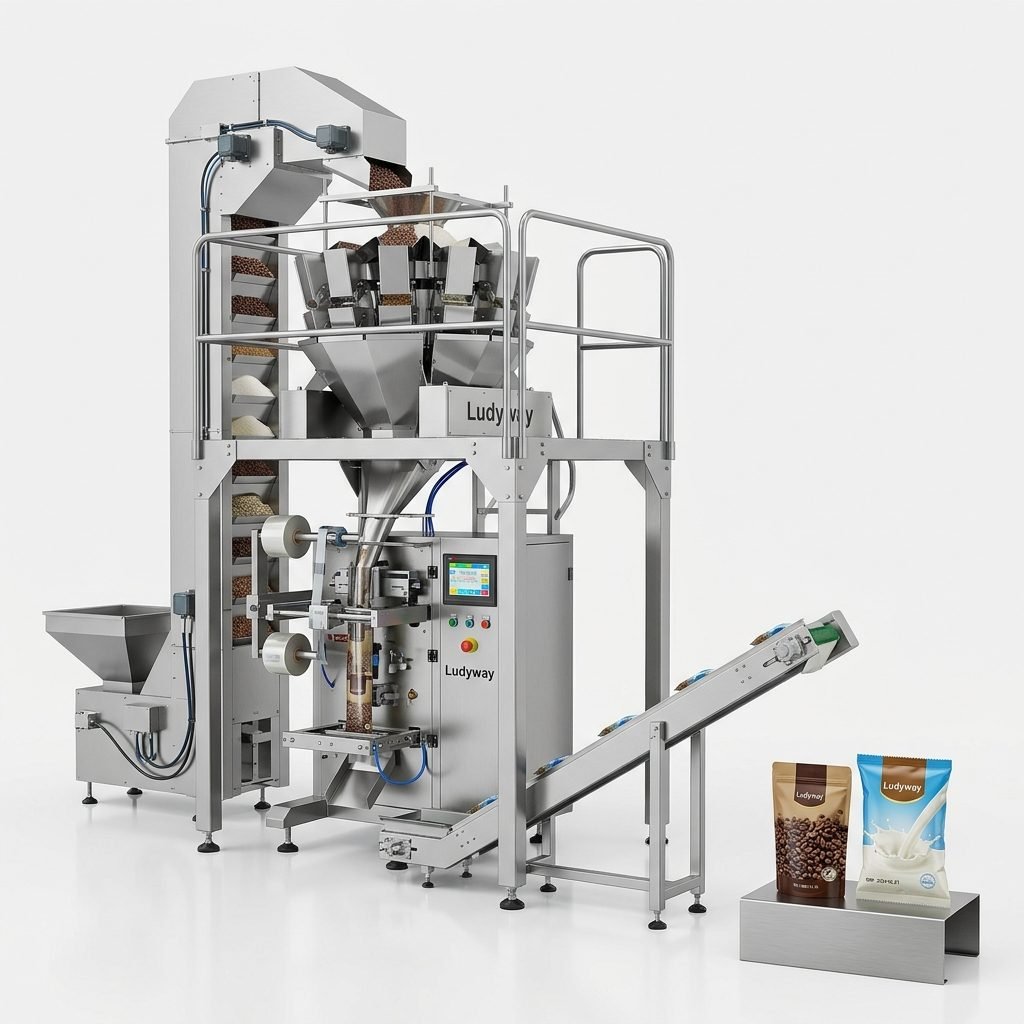
- Granules & Solids: (e.g., coffee, nuts, hardware) require machines with robust volumetric or weigh-fill systems.
- Powders: (e.g., milk powder, spices, pharmaceuticals) need precision auger filler systems with anti-bridging technology to ensure consistent weight.
- Liquids & Pastes: (e.g., sauces, oils, creams) are best handled by liquid fillers using piston, pump, or gravity-fill methods.
Production Speed and Output Targets
Your required output—whether it’s hundreds of units per hour or tens of thousands—directly influences the machine’s complexity and cost. A clear target helps balance capital expenditure with operational capacity.
Packaging Format and Material
The final presentation of your product is crucial. Determine if you need stick packs for single-serve portions, sachets for samples or condiments, or traditional pillow bags. The choice of packaging film (its barrier properties, thickness, and printability) must be compatible with the machine’s sealing jaws and film handling system.
Core Types of Packaging Machinery
The market offers a diverse range of equipment, from simple semi-automatic units to fully integrated lines. Here’s a breakdown of the core categories.
Vertical Form-Fill-Seal (VFFS) Machines
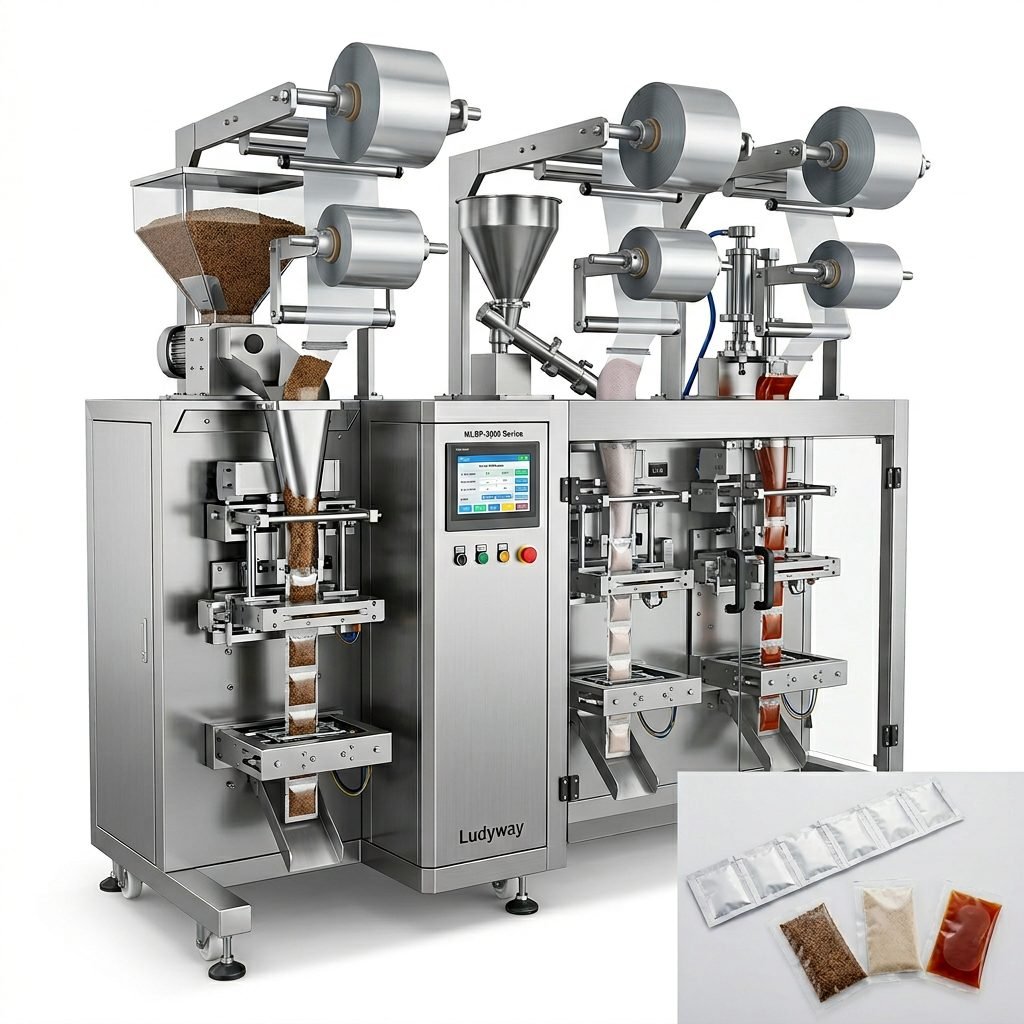
These are the workhorses of the industry for granular, powder, and liquid products. They form a bag from a roll of film, fill it with product, and seal it—all in one continuous vertical motion. They are highly versatile and efficient for medium to high-speed production.
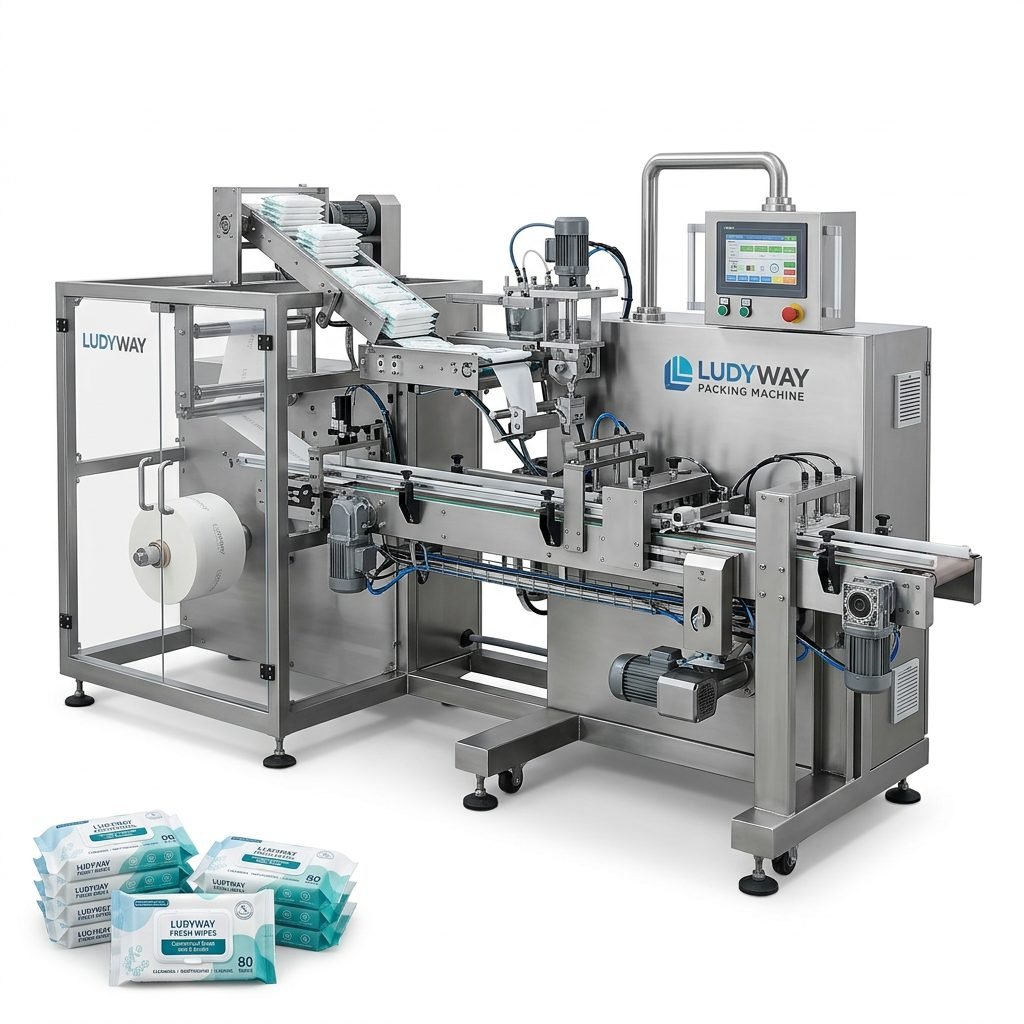
Horizontal Form-Fill-Seal (HFFS) Machines
Ideal for placing multiple items into a single package (like biscuits in a tray) or creating more complex packaging structures. The film travels horizontally, allowing for different forming possibilities.
Stick Pack and Sachet Packaging Machines
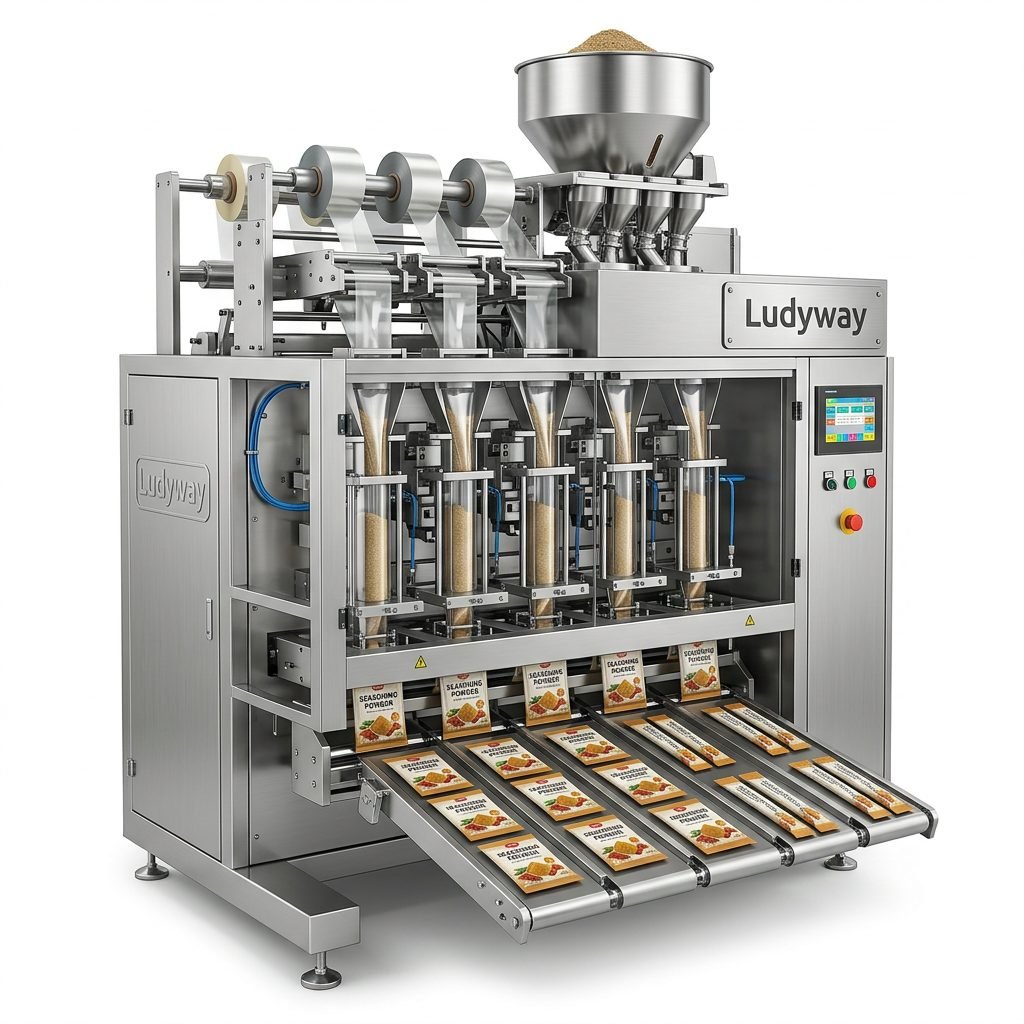
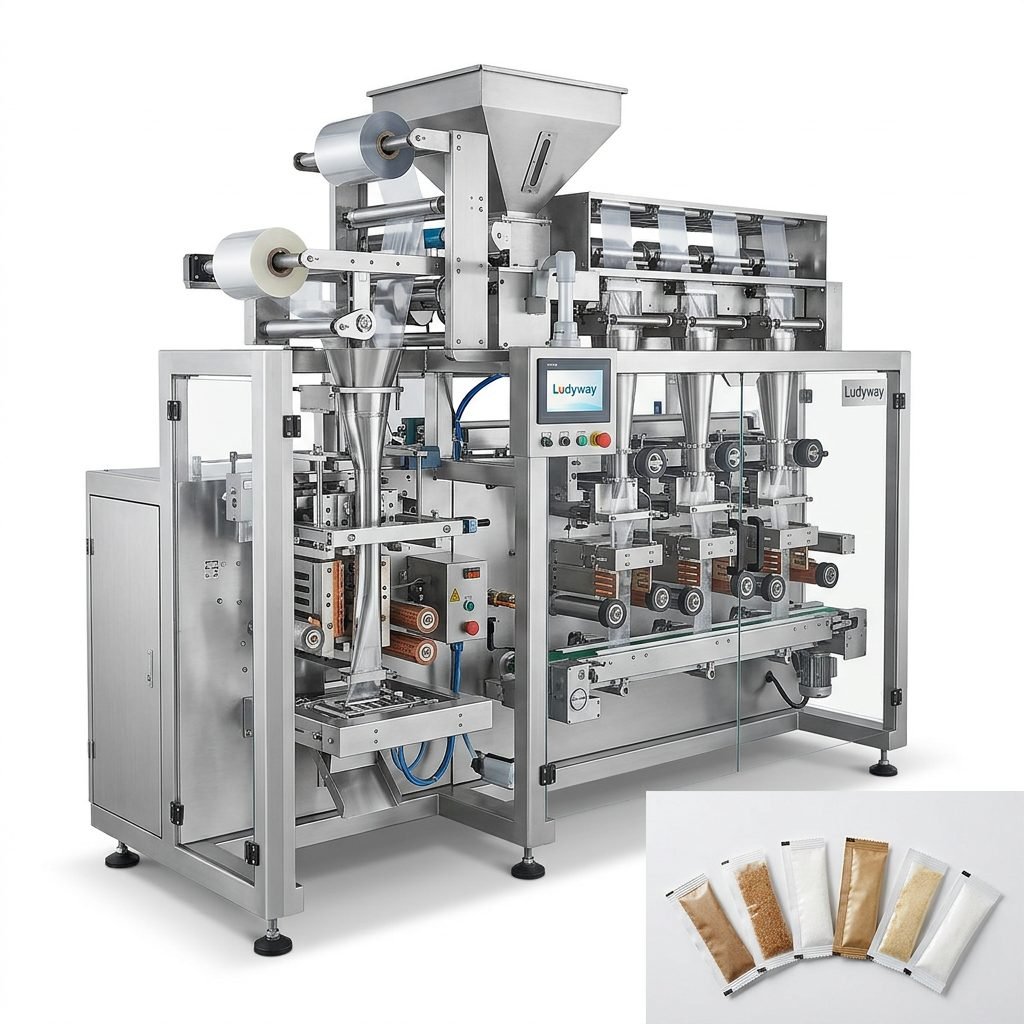
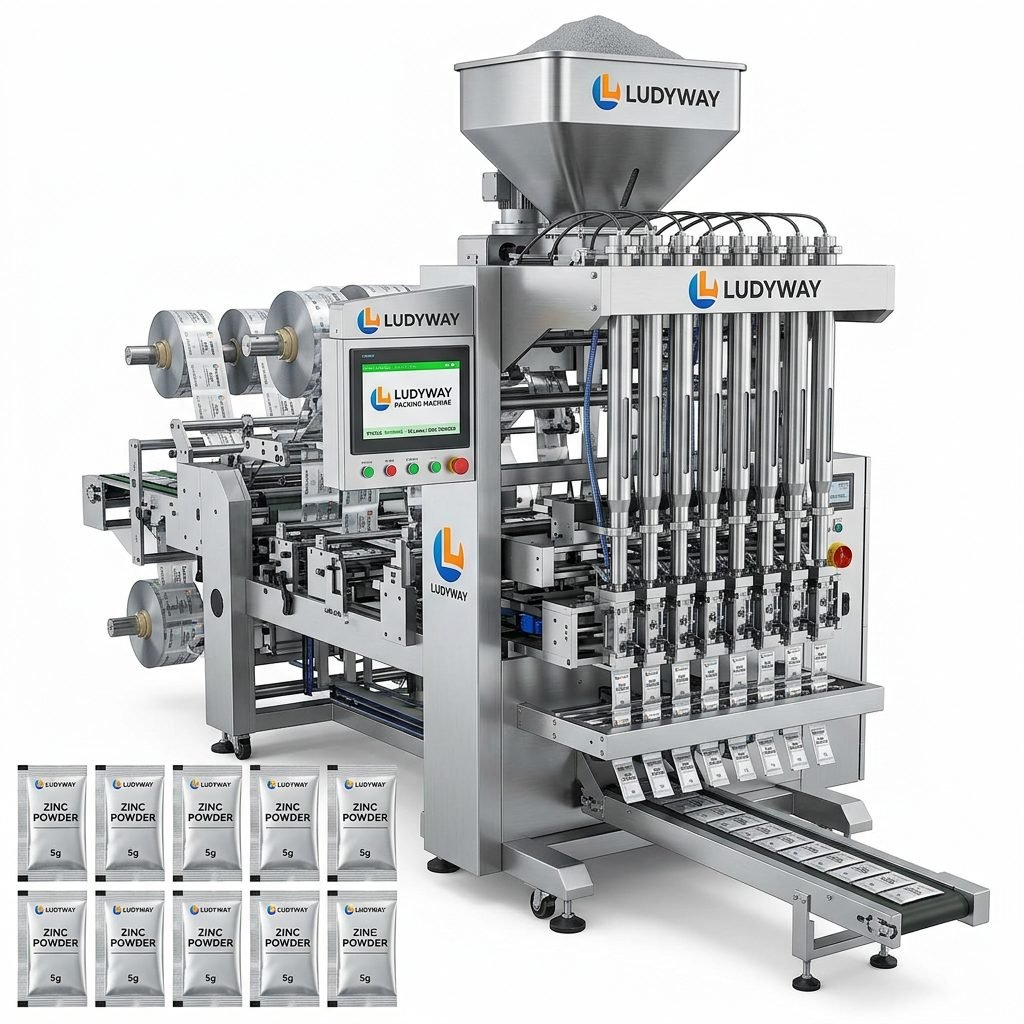
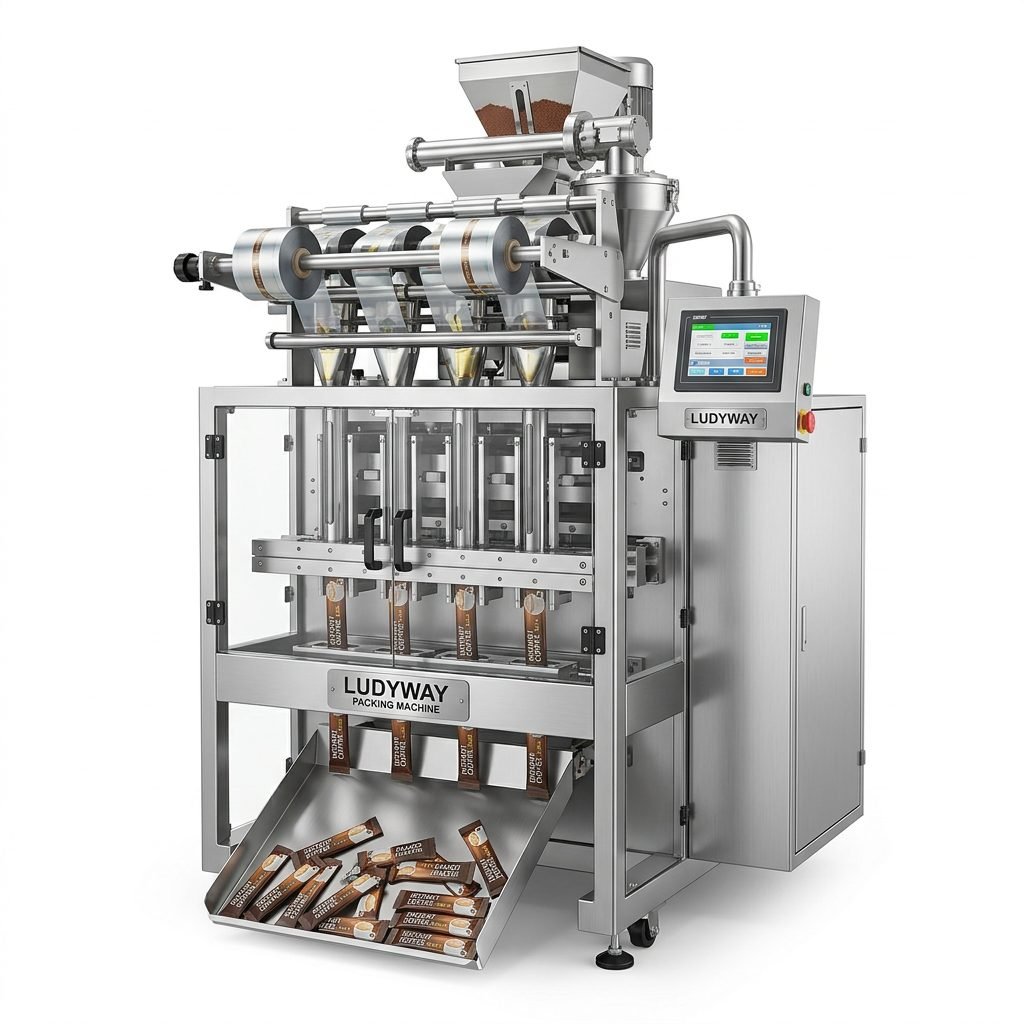
Specialized for creating long, slender stick packs or small rectangular sachets, popular for single-serve beverages, supplements, and sauces. Modern multi-lane systems can produce dozens of packs simultaneously for extremely high output.
Turnkey Production Line Solutions
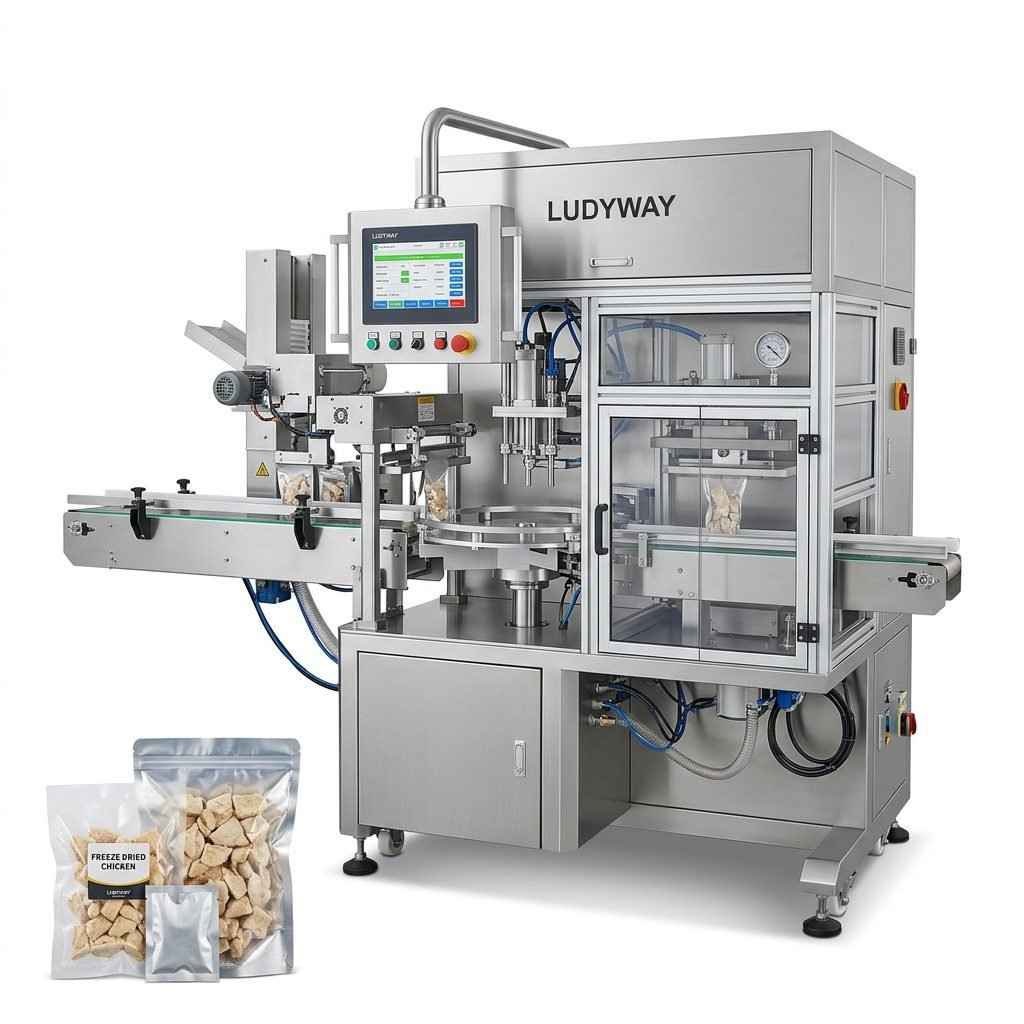
For large-scale operations, a complete line integrates multiple machines: a bagger, a weigh filler, a cartoner, a case packer, and a palletizer. A reputable manufacturer like Ludyway Machinery can design and supply a synchronized line, ensuring optimal workflow and minimal downtime.
Key Selection Criteria for Manufacturers
Beyond the machine type, several critical factors differentiate a good investment from a great one.
1. Build Quality and Durability
Inspect the construction materials (e.g., stainless steel grade for food contact parts), the robustness of frames, and the quality of key components like servomotors and PLCs. A machine built to last reduces long-term maintenance costs and total cost of ownership.
2. Automation and Control Level
The level of automation should match your labor availability and skill level. Options range from manual feeding to fully automated systems with robotic pick-and-place, vision inspection systems, and Industry 4.0 connectivity for data monitoring and predictive maintenance.
3. Flexibility and Changeover Ease
If you run multiple products or package sizes, quick changeover is vital. Look for machines with tool-less adjustments, recipe storage in the HMI (Human-Machine Interface), and standardized parts to minimize switchover time and maximize uptime.
4. Supplier Expertise and Support
Your relationship with the manufacturer is as important as the machine itself. Evaluate their industry experience, technical support availability, spare parts logistics, and training offerings. A partner with deep application knowledge can provide invaluable guidance beyond the initial sale.
Why Partner with an Experienced Manufacturer?
Choosing a supplier with a proven track record offers intangible benefits that significantly impact your project’s success.
An established manufacturer brings 30+ years of accumulated application knowledge to the table. They have likely solved challenges similar to yours and can preempt potential issues in machine design and integration. They offer more than just a machine; they provide a reliable solution backed by continuous innovation and a commitment to long-term partnership. From the initial consultation and factory acceptance test to installation and after-sales service, a professional partner ensures a smooth journey. For insights into a manufacturer’s commitment, reviewing their company story and values can be revealing.
Frequently Asked Questions (FAQs)
What is the typical lead time for a packaging machine?
Lead times vary based on machine complexity and customization. Standard models may ship in 8-12 weeks, while fully customized or turnkey lines require more detailed engineering and a longer timeline, often 16-24 weeks. Always confirm this during the quotation process.
Can one machine handle different types of products?
Many machines are designed for flexibility within a category (e.g., different granule sizes). However, switching between vastly different forms (e.g., powder to liquid) typically requires different filling systems. Discuss your product range with the supplier to find the most versatile solution.
How important is after-sales service and spare parts availability?
This is critically important. Downtime is expensive. Ensure your supplier has a responsive technical support team (remote and on-site), maintains a comprehensive inventory of wear parts and consumables, and provides clear manuals and training to your operators.
What are the most common operational challenges with new packaging equipment?
Common challenges include film tracking issues, inconsistent sealing due to temperature or pressure variations, and weight accuracy drift. These are often mitigated by proper operator training, routine preventive maintenance, and using high-quality, machine-approved packaging materials.
Is it better to buy a standard machine or a customized one?
A standard machine is more cost-effective and has a faster delivery if it meets your core needs. Customization is necessary for unique products, specific space constraints, or integration with existing line equipment. A good manufacturer will advise on the most practical and economical path.