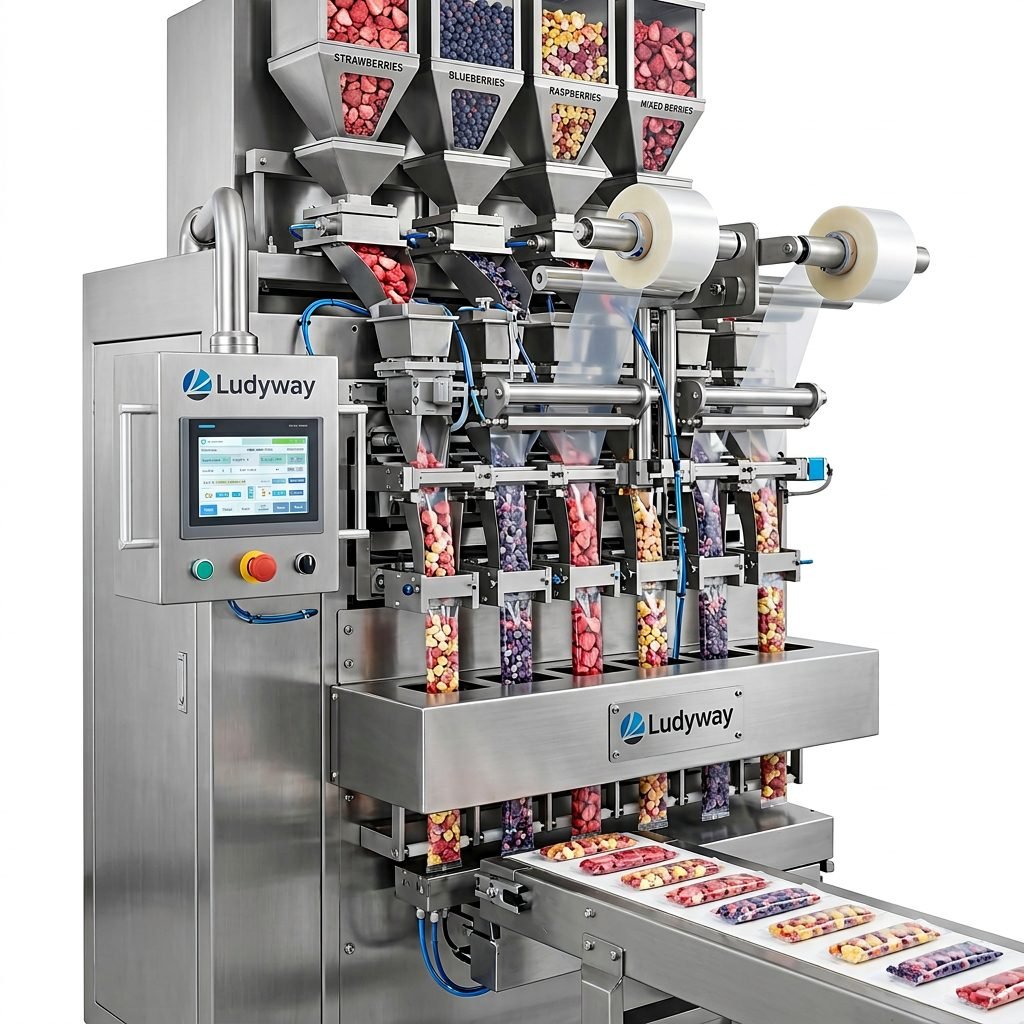
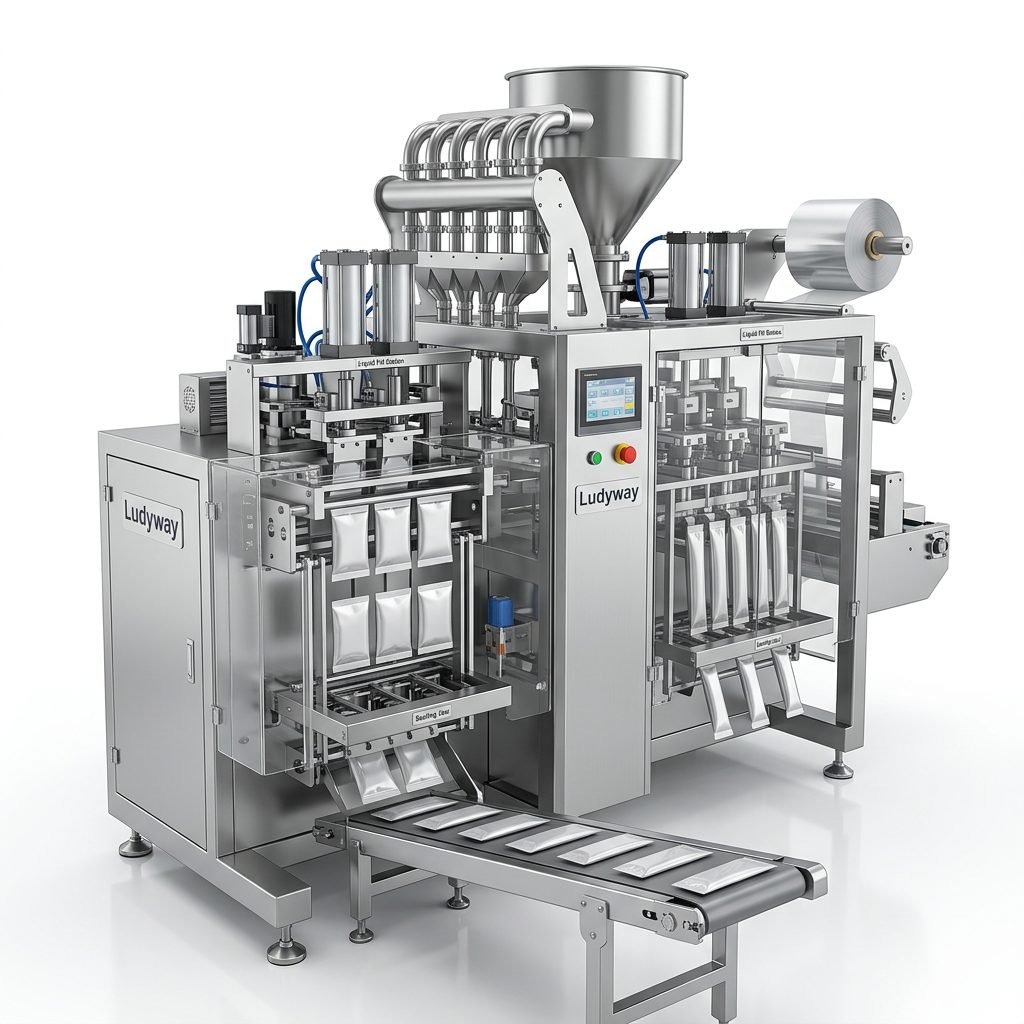
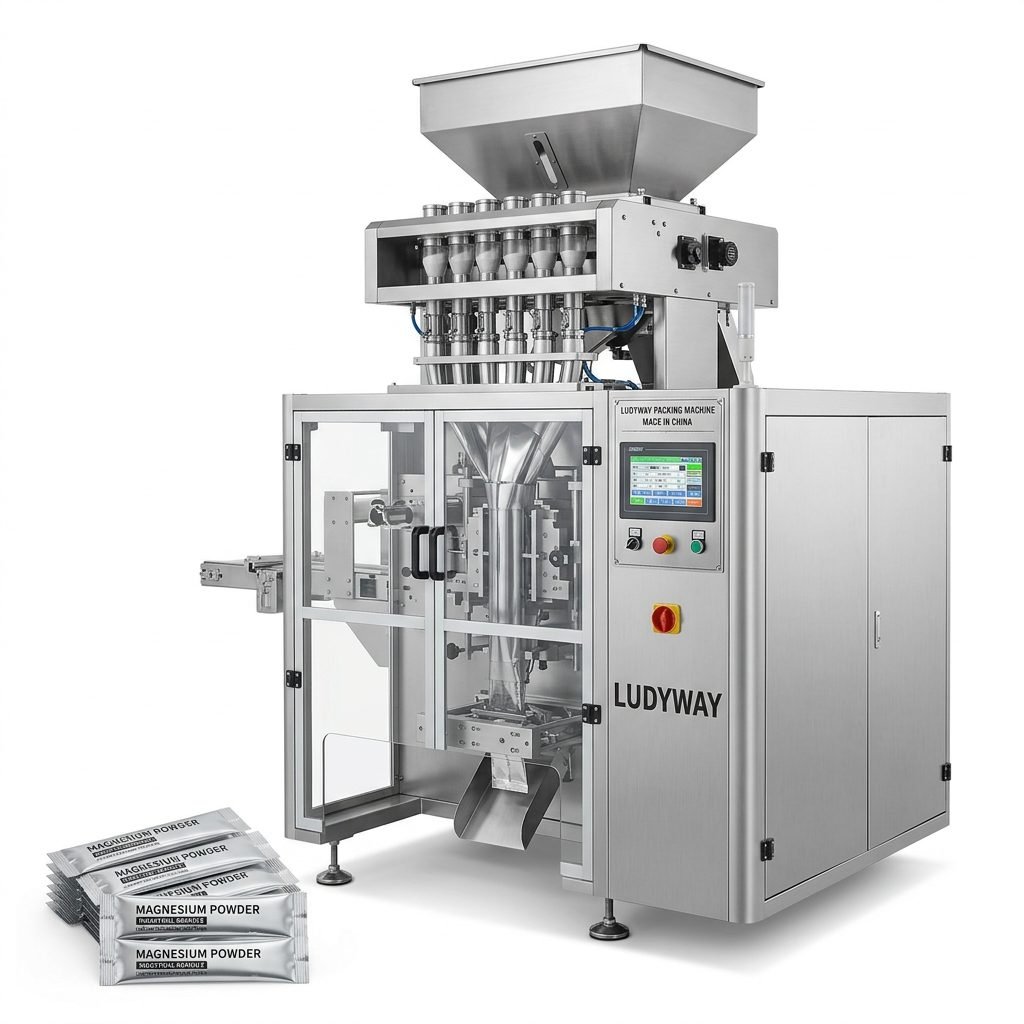
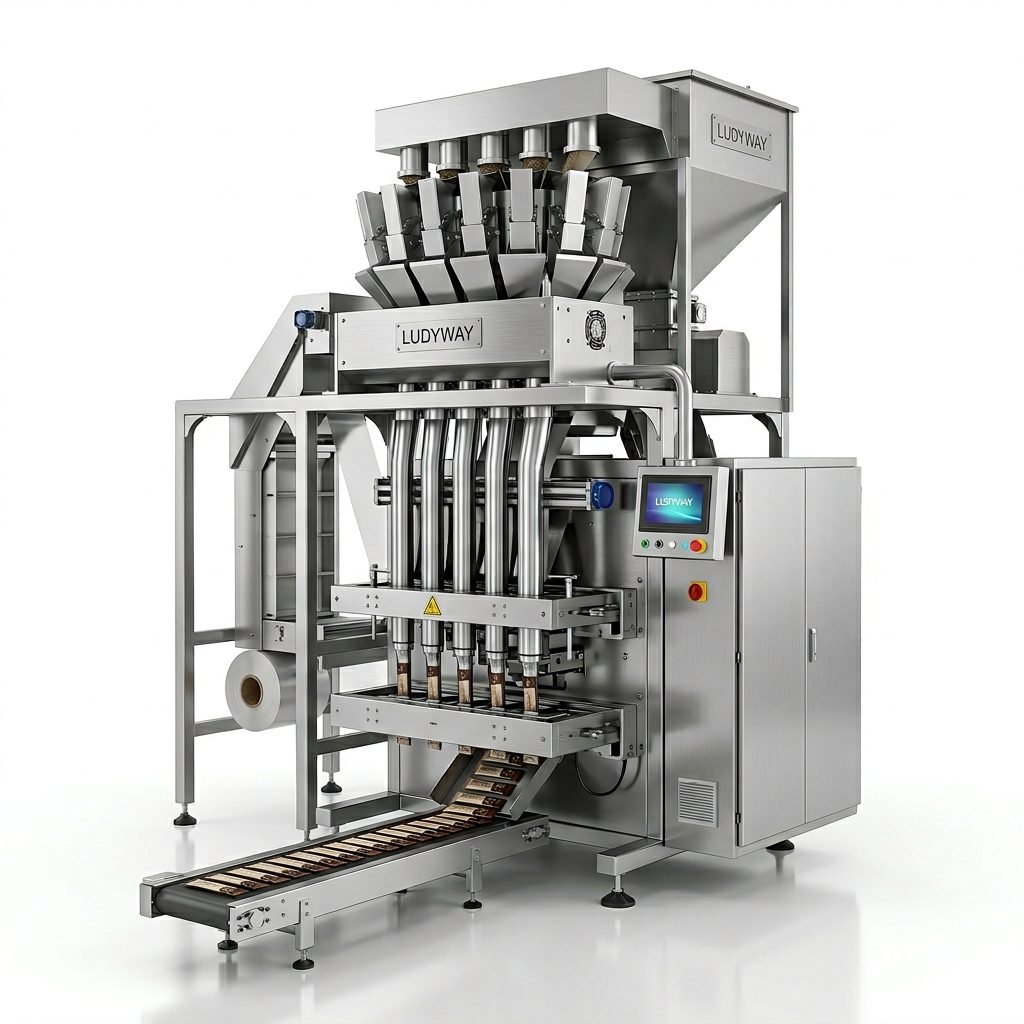
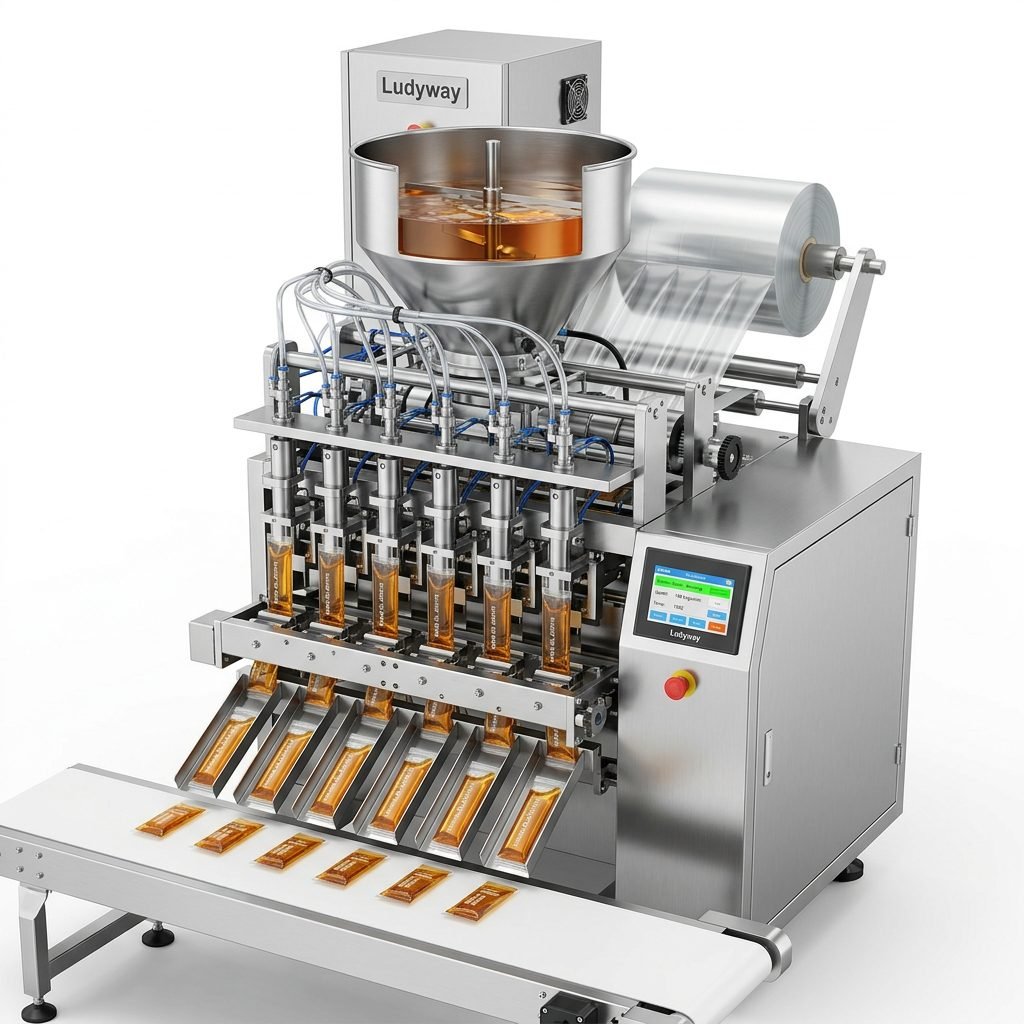
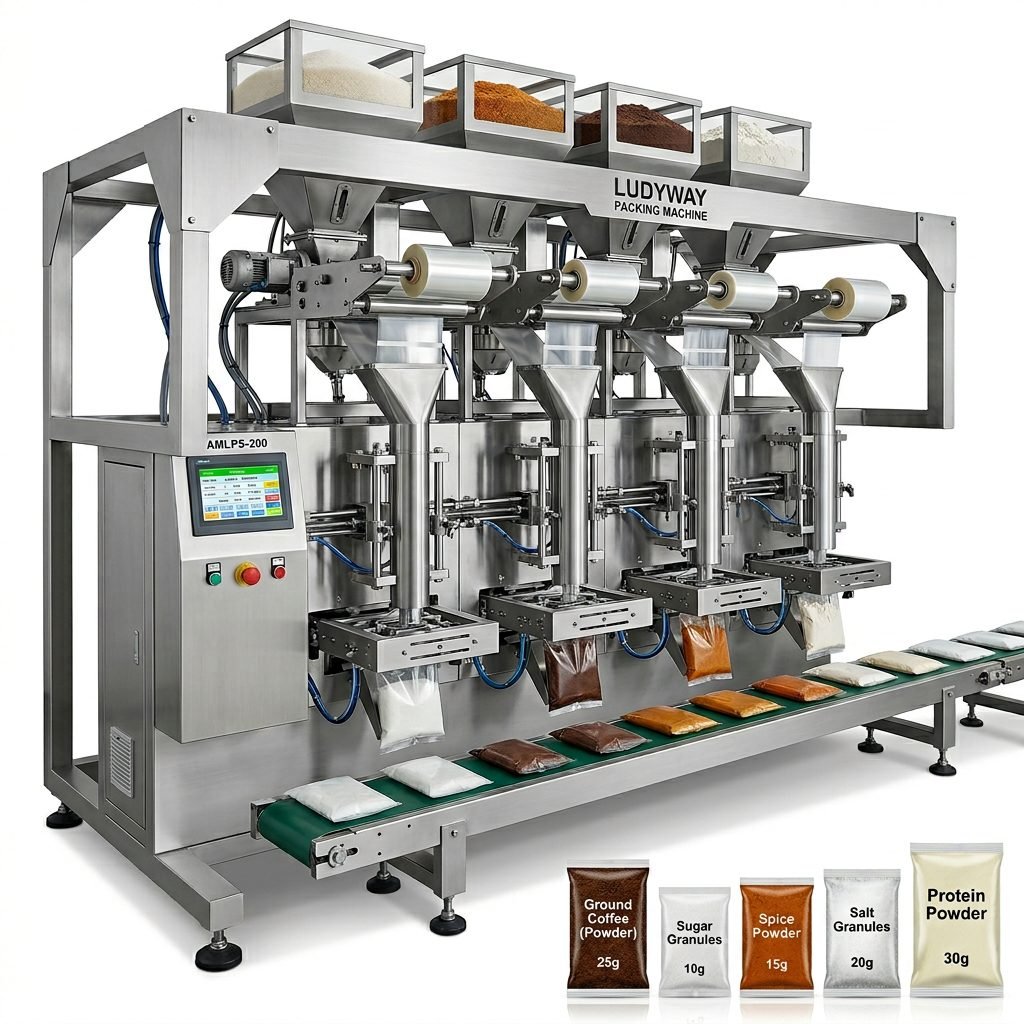
In today’s fast-paced global beverage and liquid product markets, efficiency, accuracy, and reliability are non-negotiable demands for any production line. The core of meeting these demands lies in the machinery that performs the critical bottling and filling operations. High-efficiency beverage and liquid packaging machinery is not just about speed; it encompasses a holistic solution designed to optimize every step from container handling to final sealing, ensuring product integrity, minimizing waste, and maximizing output.
The Pillars of Modern Packaging Efficiency
What defines a high-efficiency packaging solution? It is built upon several interconnected pillars:
1. Precision and Accuracy in Filling
Modern filling machines utilize advanced technologies such as volumetric, gravimetric, or pressure-based filling systems. These ensure that every bottle, pouch, or container receives the exact predetermined amount of product, down to the milliliter. This precision is vital for cost control, compliance with labeling regulations, and maintaining consistent product quality for the consumer.
2. Uncompromising Speed and Line Integration
High-efficiency machinery is engineered for seamless integration into a complete production line. Automated conveyor systems, robotic palletizers, and intelligent line control software synchronize the flow from filling to capping, labeling, and packaging. This reduces bottlenecks, minimizes manual handling, and dramatically increases throughput.
Key Technology Integration
The synergy between different machines on a line is managed by sophisticated PLC (Programmable Logic Controller) systems. These systems monitor performance, adjust speeds dynamically, and provide real-time data for production analytics, enabling proactive maintenance and optimization.
3. Flexibility and Adaptability
The market demands variety. A single line may need to handle different bottle sizes, various liquid viscosities (from water to thick syrups), and multiple packaging formats. High-efficiency solutions offer quick-change parts, programmable settings, and modular designs that allow producers to switch between products with minimal downtime and retooling costs.
Core Machinery Components for Bottling and Filling Lines
A complete high-efficiency line comprises several specialized machines, each performing a critical function.
Bottle Unscramblers and Cleaners
This is the starting point. Automated unscramblers take bulk containers and orient them correctly for the line. Integrated cleaning systems, using air jets or sterile rinses, ensure containers are free of contaminants before filling, which is especially crucial in pharmaceutical and high-end beverage applications.
Advanced Filling Machines
The heart of the line. Options include:
• Rotary Fillers: For high-speed, continuous operation on large circular platforms.
• In-Line Fillers: Linear machines ideal for mid-speed production and easier format changeovers.
• Aseptic Fillers: Utilizing sterile environments and clean-in-place (CIP) systems for products requiring absolute purity, like dairy or juices.
Capping and Sealing Systems
Immediately following filling, these machines apply caps, lids, or seals with consistent torque and alignment. Technologies range from simple screw cappers for plastic bottles to complex induction sealing systems that create an airtight tamper-evident seal for glass containers.
Labeling and Final Packaging
The final touch. High-speed labelers apply wraps, front/back labels, or neck tags with perfect registration. The line then typically feeds into case packers or tray formers that group products for shipping. The entire process, from empty bottle to packed case, is a continuous, automated flow.
The Role of Innovation and Customization
Beyond standard equipment, the true value of a high-efficiency solution often lies in customization. Engineering partners work closely with manufacturers to design lines that handle unique bottle shapes, sensitive products (like carbonated beverages requiring counter-pressure filling), or integrate specific quality control checks such as fill level vision systems or leak detection.
Innovation is continuous. The integration of IoT (Internet of Things) sensors allows for predictive maintenance, alerting operators to potential issues before they cause downtime. Energy-efficient drives and localized control panels reduce power consumption and improve operator ergonomics.
Choosing the Right Partner for Your Solution
Selecting machinery is as crucial as selecting the provider. A reliable partner brings not just equipment, but deep industry experience, proven engineering capability, and a commitment to after-sales support. They understand that a packaging line is a long-term investment and provide solutions that ensure its productivity and reliability for years.
Providers with a strong global footprint often have insights into diverse market requirements—from the high-volume, low-margin demands of certain regions to the premium, craft-oriented needs of others. This experience allows them to recommend truly optimized solutions.
Conclusion: Efficiency as a Competitive Edge
Implementing high-efficiency beverage and liquid packaging machinery solutions transforms a production facility. It elevates consistency, slashes operational costs through reduced waste and labor, and provides the scalability to grow with market demand. In an industry where margins and brand reputation are tightly linked to product quality and presentation, investing in the right packaging technology is investing in the future of the business.
It creates a robust, agile, and intelligent production backbone capable of meeting today’s challenges and adapting to tomorrow’s opportunities.
Frequently Asked Questions (FAQs)
1. What is the typical throughput range for a high-efficiency bottling line?
Throughput varies greatly based on container size and product type. Standard lines can range from 5,000 to 60,000 bottles per hour (BPH). For smaller sachets or pouches, speeds can exceed 100,000 units per hour. The key is to match the machine’s capacity with your actual production goals and future growth projections.
2. How can I ensure my line is adaptable for future product changes?
Opt for modular machinery designs with programmable settings. Discuss “quick-change” features for fill heads, capping chucks, and label applicators with your supplier. Investing in a line with a flexible control system that can store recipes for different products is a strategic long-term decision.
3. What are the most critical factors for maintaining filling accuracy?
Regular calibration of the filling system is essential. The viscosity and temperature of the product must be consistent. Also, ensure the incoming containers are uniform and the machine’s vacuum or pressure systems (if used) are properly maintained. Many modern machines have self-diagnostic and auto-calibration features.
4. Is aseptic filling technology necessary for all beverages?
Not for all. Aseptic (sterile) filling is crucial for products that are shelf-stable without refrigeration, like certain juices, dairy alternatives, or ready-to-drink teas. For products that will be refrigerated or have a very short shelf life, less intensive cleaning and filling systems may be sufficient. The decision depends on your product formulation and distribution model.
5. How important is after-sales support and service from the machinery provider?
It is absolutely critical. Packaging lines are complex. Access to timely technical support, spare parts, and operator training ensures smooth running and minimizes costly downtime. Choose a partner with a proven service network and a commitment to long-term support, including remote diagnostics and on-site service availability.