In the highly regulated and precision-driven pharmaceutical industry, packaging is far more than just a final step—it’s a critical component that ensures product safety, efficacy, and compliance. Choosing the right pharmaceutical packaging machinery manufacturer is a decision that impacts everything from production efficiency and regulatory approval to brand reputation and patient safety. This guide will navigate the landscape of top-tier manufacturers and provide a framework for selecting the ideal supplier for your specific needs.
The Critical Role of Packaging in Pharma
Pharmaceutical packaging serves multiple vital functions: it protects sensitive products from contamination, moisture, and light; ensures accurate dosing; provides tamper evidence; and delivers essential information to healthcare providers and patients. The machinery that performs these tasks must operate with unparalleled accuracy, consistency, and cleanliness to meet stringent Good Manufacturing Practice (GMP) standards set by bodies like the FDA and EMA.
Key Insight: The shift towards patient-centric packaging, such as unit-dose blisters and easy-open closures, is a major trend. Machinery must be adaptable to these evolving requirements while maintaining the highest levels of precision and documentation for serialization and track-and-trace mandates.
Core Machinery Types in Pharmaceutical Packaging
The production line for solid dosage forms, like tablets and capsules, typically involves several key machines:
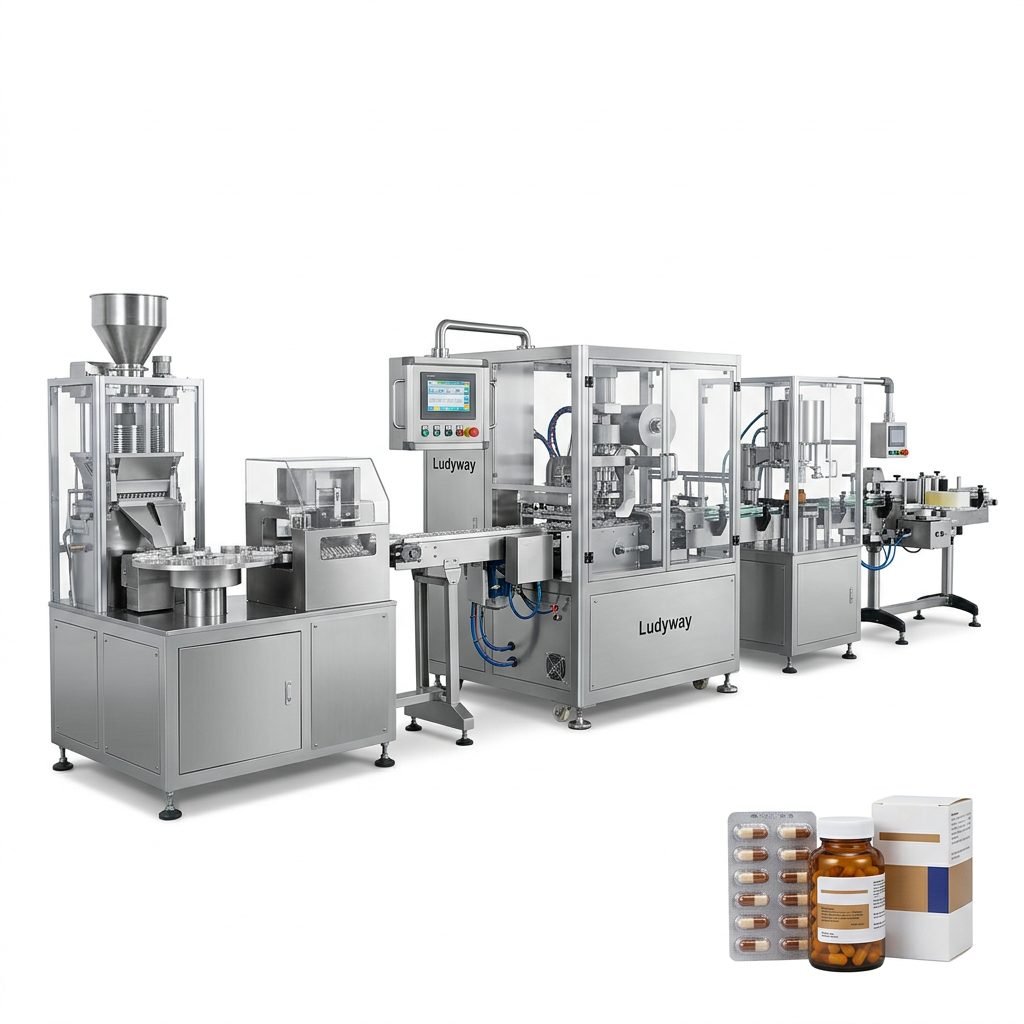
Blister Packaging Machines
These form, fill, and seal tablets or capsules into pocketed blisters, usually with aluminum or PVC films. They are the workhorses for unit-dose packaging, offering excellent product protection and patient compliance aids.
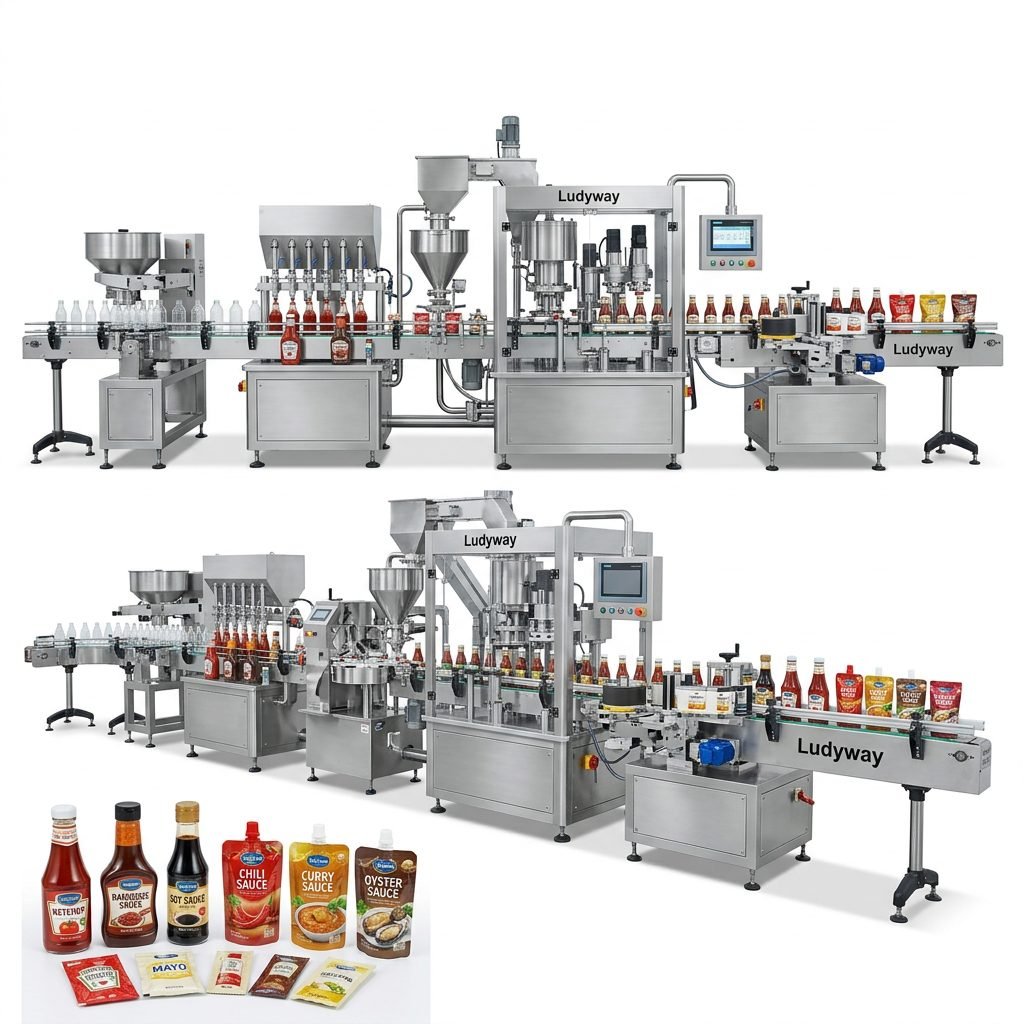
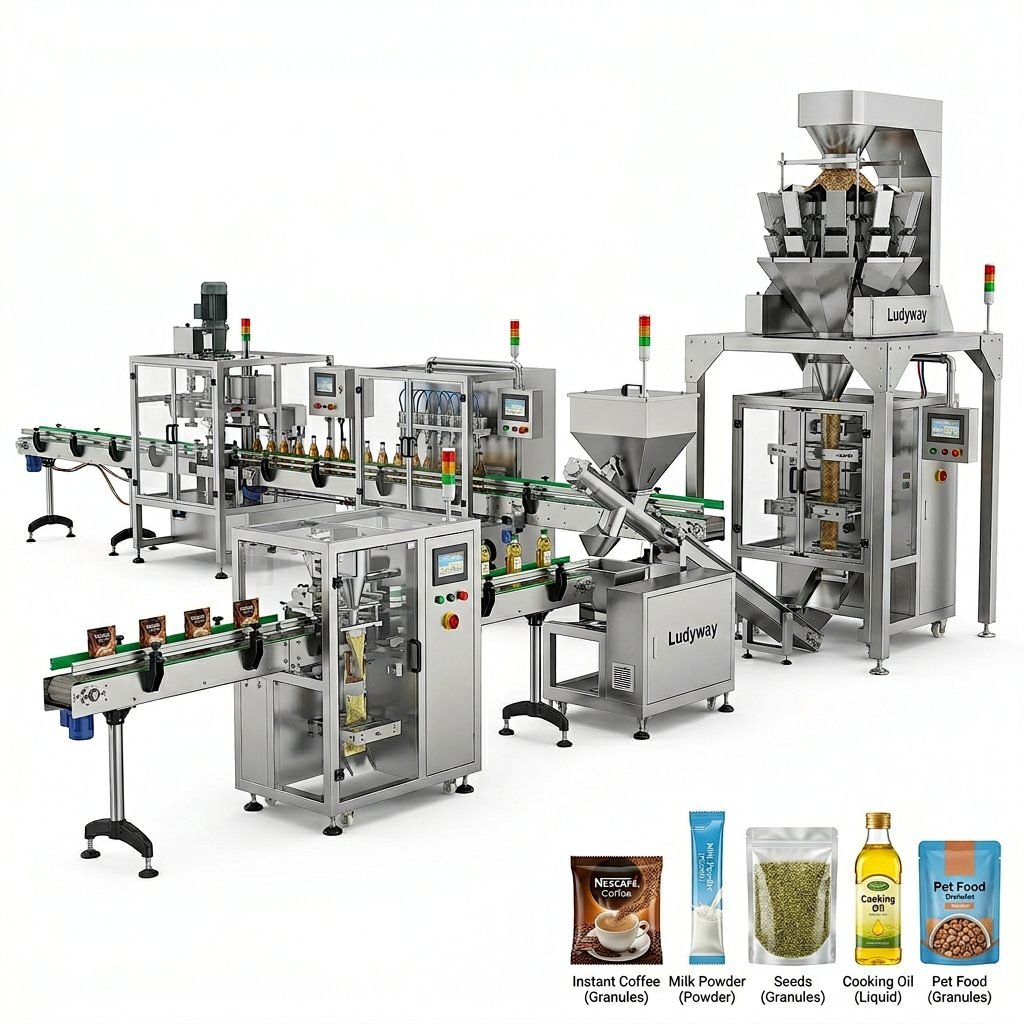
Bottle Filling & Capping Lines
Used for packaging tablets, capsules, or liquids in plastic or glass bottles. These integrated lines perform counting, filling, cottoning, capping, induction sealing, and labeling in a continuous, automated sequence.
Cartoning Machines
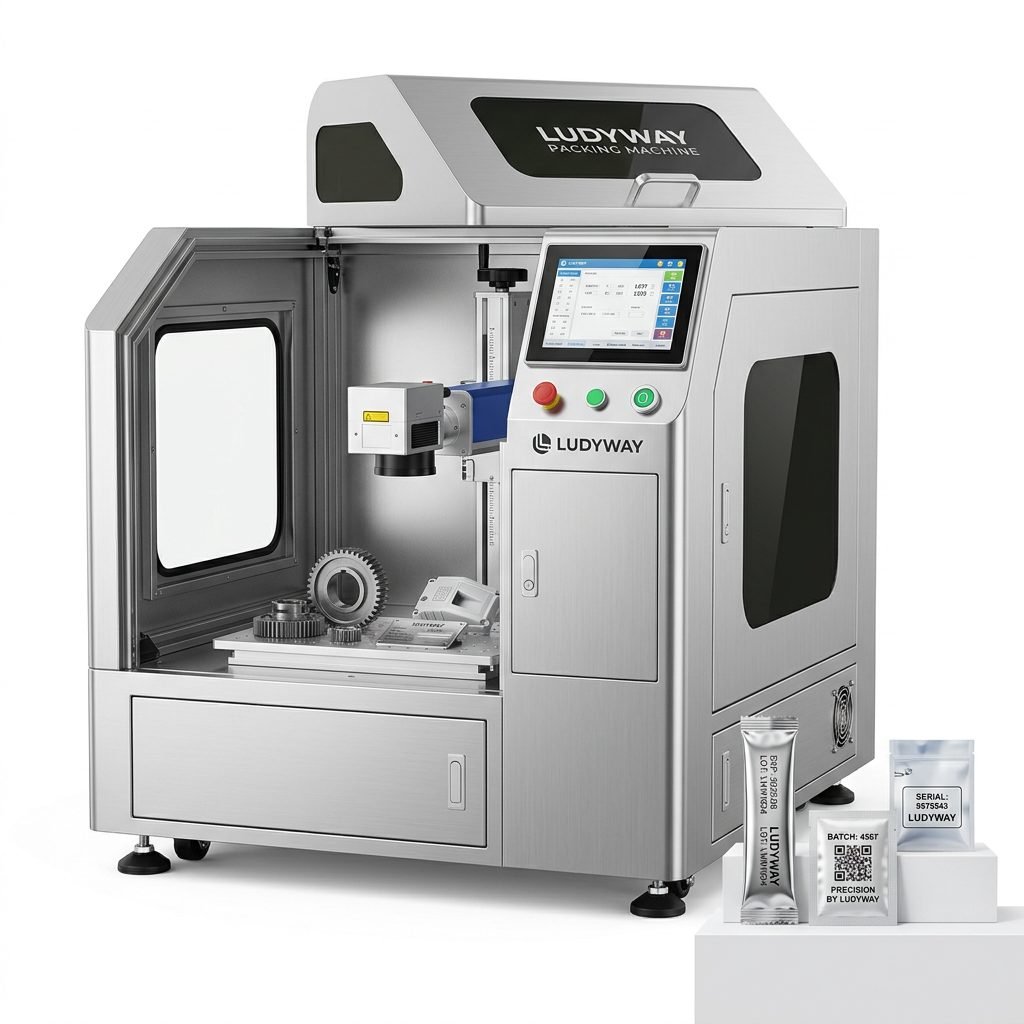
Automatically erect folding cartons, insert blisters or bottles along with leaflets, and close them. Modern machines often integrate with serialization systems to print and verify unique product identifiers on each carton.
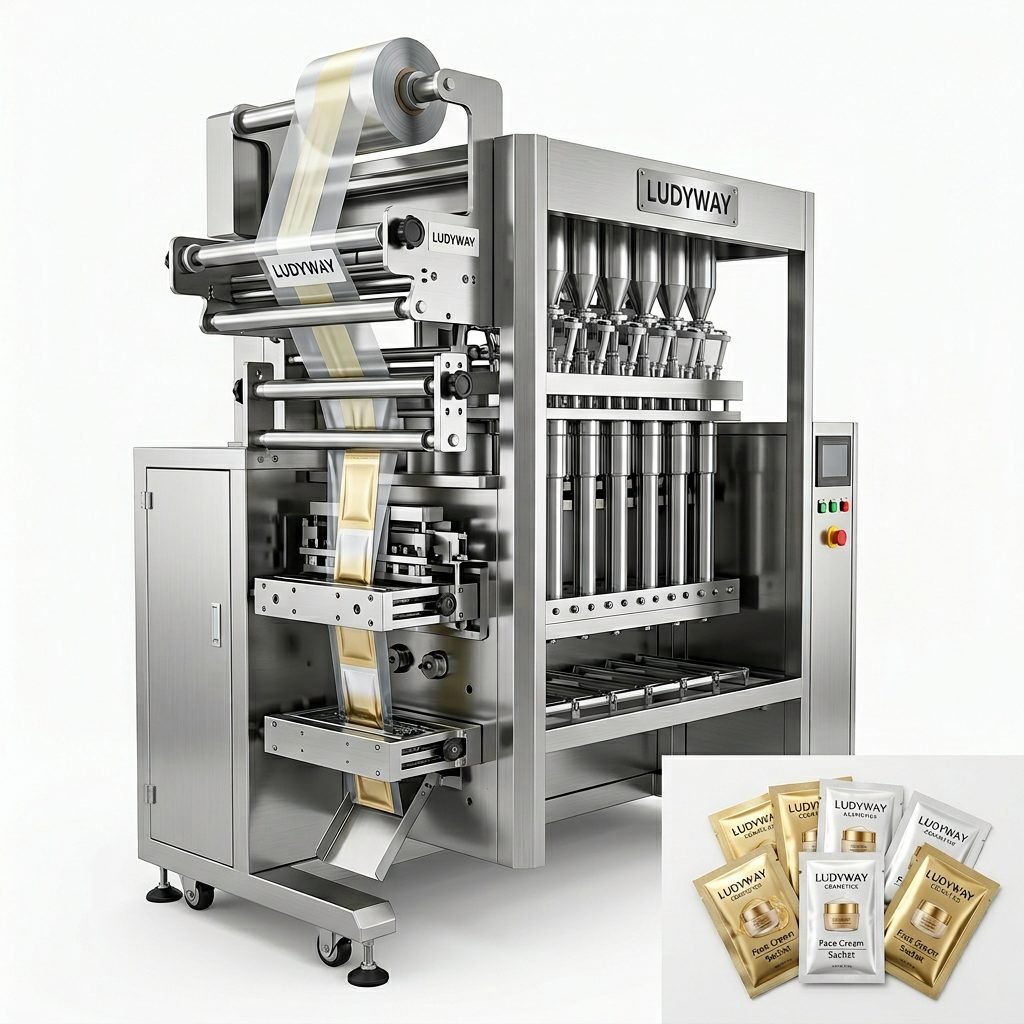
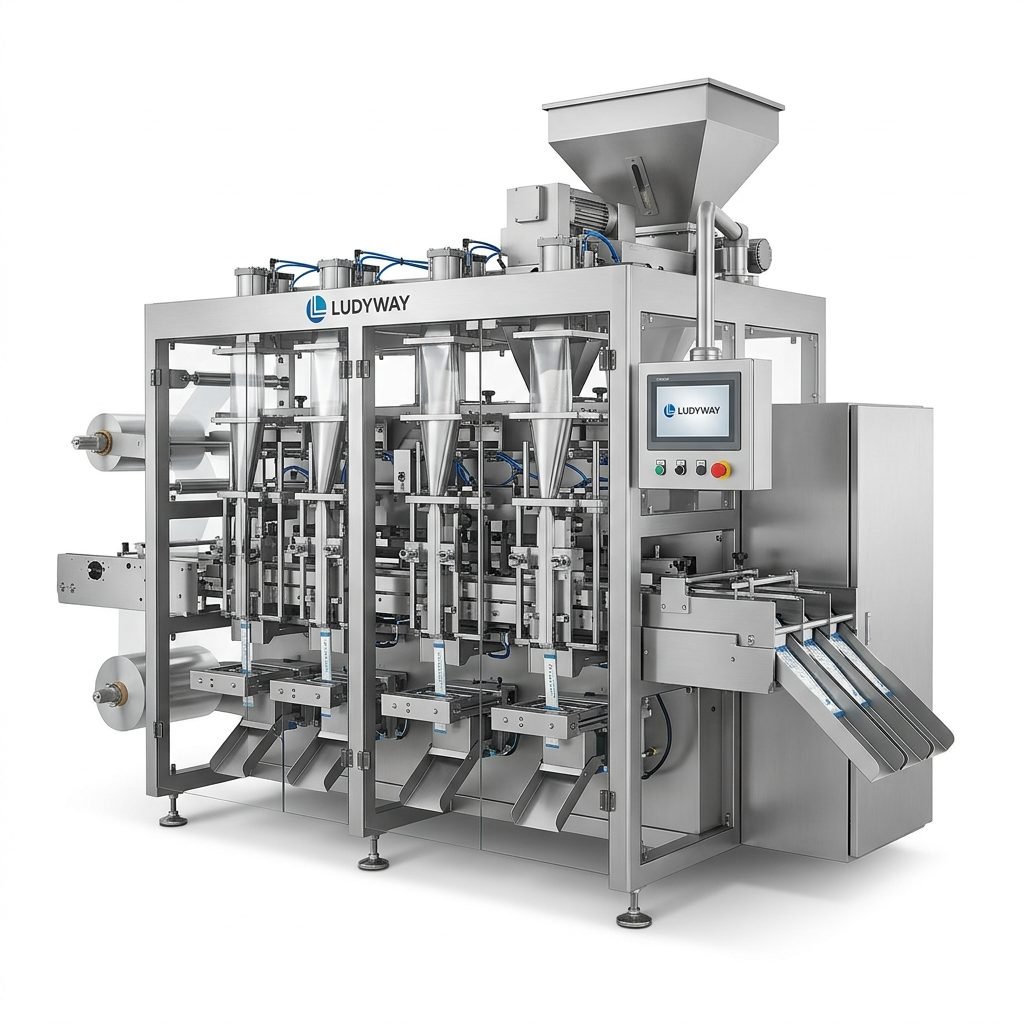
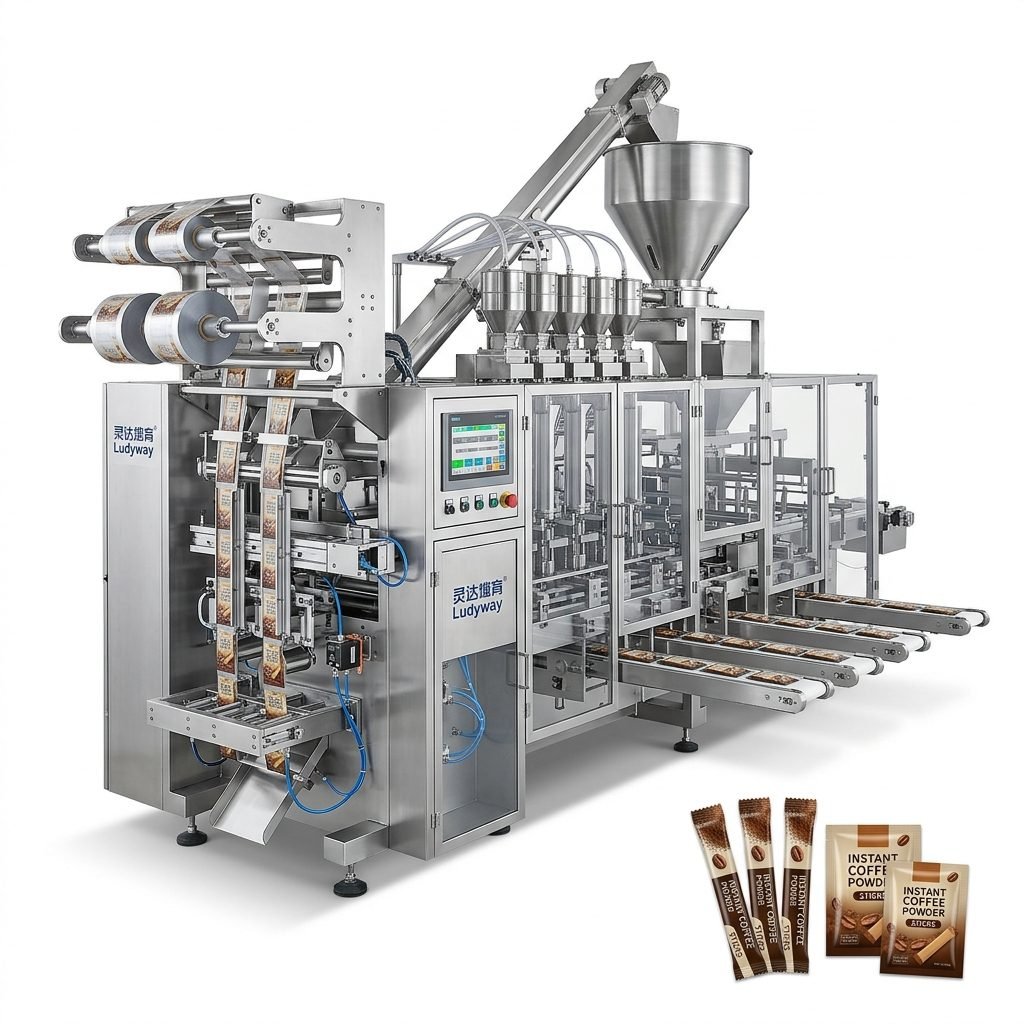
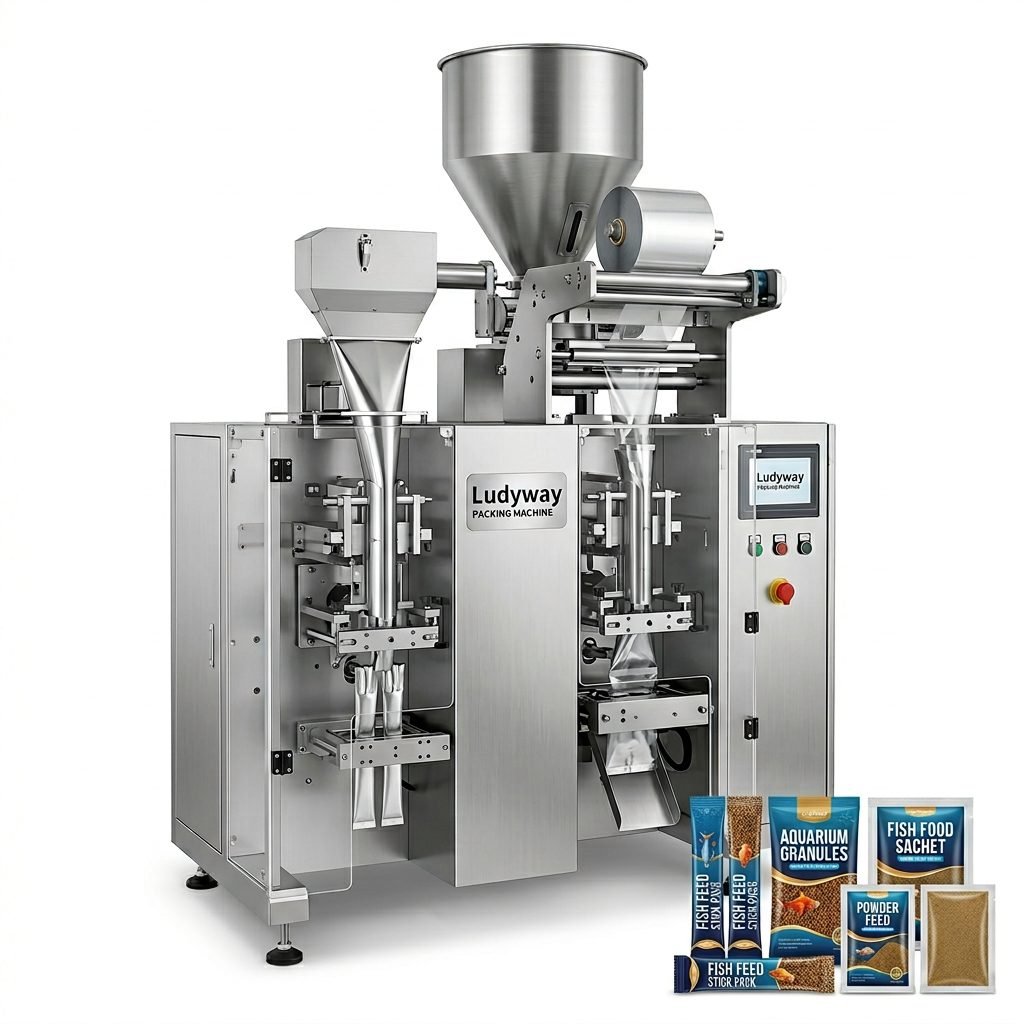
Stick Pack & Sachet Machines
Ideal for powdered pharmaceuticals, effervescent granules, or single-dose liquids. These machines create sealed, elongated sticks or small sachets from roll film, offering precise dosing and excellent barrier properties.
Evaluating a Manufacturer’s Capabilities
When assessing potential suppliers, look beyond the basic machine specifications. True partnership potential lies in their holistic capabilities:
Regulatory Expertise: Do they have a deep understanding of GMP, 21 CFR Part 11 (for electronic records), and Annex 1 requirements? Can their machines facilitate the necessary validation protocols (IQ, OQ, PQ)?
Material Flexibility: Can their equipment handle the diverse range of packaging materials used globally, from standard PVC/PVDC to more sustainable, high-barrier alternatives?
Changeover Efficiency: In an era of smaller batch sizes and personalized medicine, rapid, tool-less changeover between product formats is a significant competitive advantage.
How to Choose the Right Supplier: A Strategic Framework
Selecting a machinery partner is a long-term strategic decision. Follow this framework to make an informed choice.
1. Define Your Technical & Operational Requirements
Start with a clear list: required output speed, product type (tablets, powder, liquid), packaging format, desired uptime (OEE), available factory space, and utilities. Consider future needs for serialization and potential expansion.
2. Prioritize Compliance and Validation Support
The supplier must provide comprehensive documentation, including a Detailed Design Specification (DDS), risk assessments (FMEA), and a full validation master plan. Ask for examples of their documentation for similar projects.
3. Assess Engineering and Service Depth
Visit the manufacturer’s facility if possible. Evaluate their engineering team’s expertise, the quality of their production floor, and their spare parts inventory. A global service network with fast response times is crucial for minimizing downtime.
4. Analyze Total Cost of Ownership (TCO)
Look beyond the initial purchase price. Calculate TCO by factoring in energy consumption, expected maintenance costs, changeover times (and resulting waste), required operator skill level, and the long-term availability of spare parts.
5. Seek Evidence of Proven Success
Request case studies or references from companies with similar products, volumes, and regulatory environments. A reputable manufacturer like Ludyway Machinery, with over a decade of experience serving international markets, will have a portfolio of successful installations to share.
💡 Pro-Tip for Supplier Negotiation
During final discussions, focus on clarity on responsibilities. Who handles installation, commissioning, and operator training? What is the warranty period and what does it explicitly cover? Defining these terms upfront prevents costly misunderstandings later.
The Value of a Trusted Partner: Beyond the Machine
The best manufacturers act as true partners. They invest time to understand your challenges and goals, offering tailored solutions rather than just selling standard equipment. A partner provides ongoing technical support, process optimization advice, and stays ahead of regulatory changes to future-proof your investment.
Companies that build their reputation on long-term cooperation, like Ludyway Machinery, which has grown from a focused engineering team to a provider of over 50 intelligent packaging models, exemplify this partnership model. Their evolution mirrors the industry’s need for suppliers who combine practical experience with innovative automation.
Frequently Asked Questions (FAQs)
What are the key GMP requirements for pharmaceutical packaging machinery?
Key requirements include easy cleanability with no particle traps (often requiring stainless steel construction), validated cleaning procedures, comprehensive documentation for all processes, and features that prevent mix-ups (like clear status indicators). Data integrity for any electronic records is also paramount.
How important is machine flexibility for future products?
Extremely important. Product portfolios change, and new dosage forms emerge. Investing in machinery that can handle a range of sizes, materials, and formats with quick changeovers protects your capital investment and allows for agile response to market demands.
Should I choose a fully integrated line or individual machines from different vendors?
An integrated line from a single supplier typically offers better synchronization, a single point of responsibility for service and performance, and smoother validation. However, a best-of-breed approach using specialized machines from different vendors can be justified for highly unique or extreme-speed applications, though it increases integration complexity.
What is the typical timeline from order to operational line?
For standard machines, lead times can range from 20 to 40 weeks. For complex, fully customized turnkey lines, it can extend to 12-18 months. This timeline includes design, manufacturing, factory acceptance testing (FAT), shipping, site installation, and site acceptance testing (SAT).
How do I evaluate the reliability and durability of a packaging machine?
Review the machine’s design (e.g., robustness of frame, quality of components like servos and PLCs), ask for Mean Time Between Failure (MTBF) data, and speak to existing customers about their long-term operational experience, maintenance frequency, and overall equipment effectiveness (OEE).