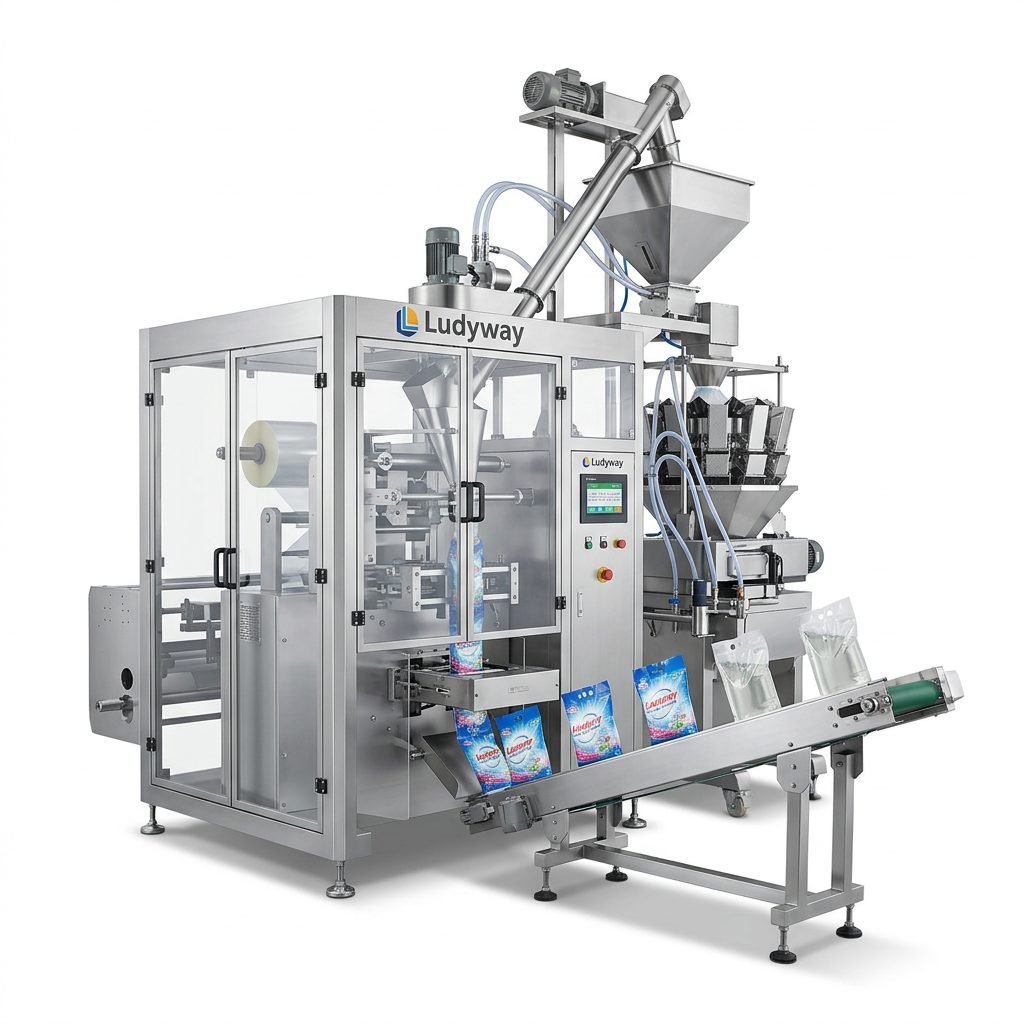
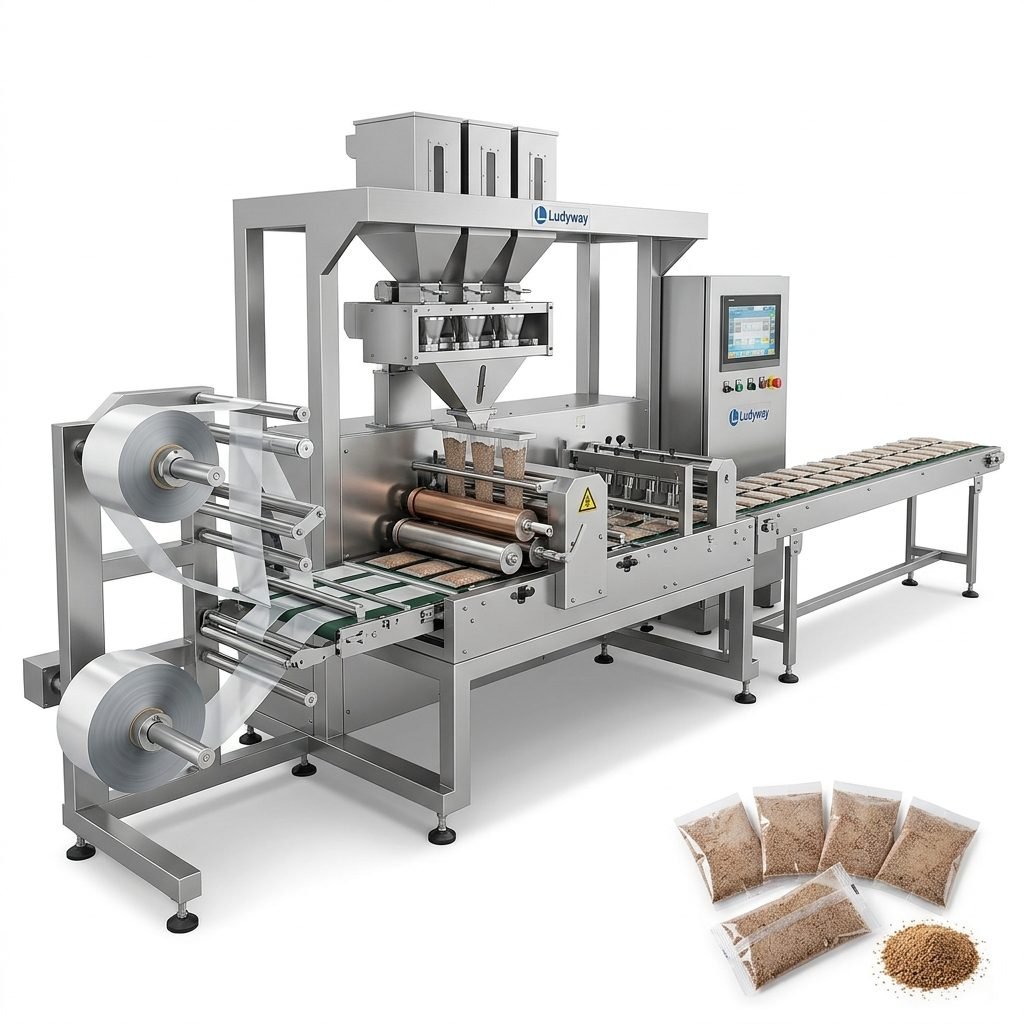
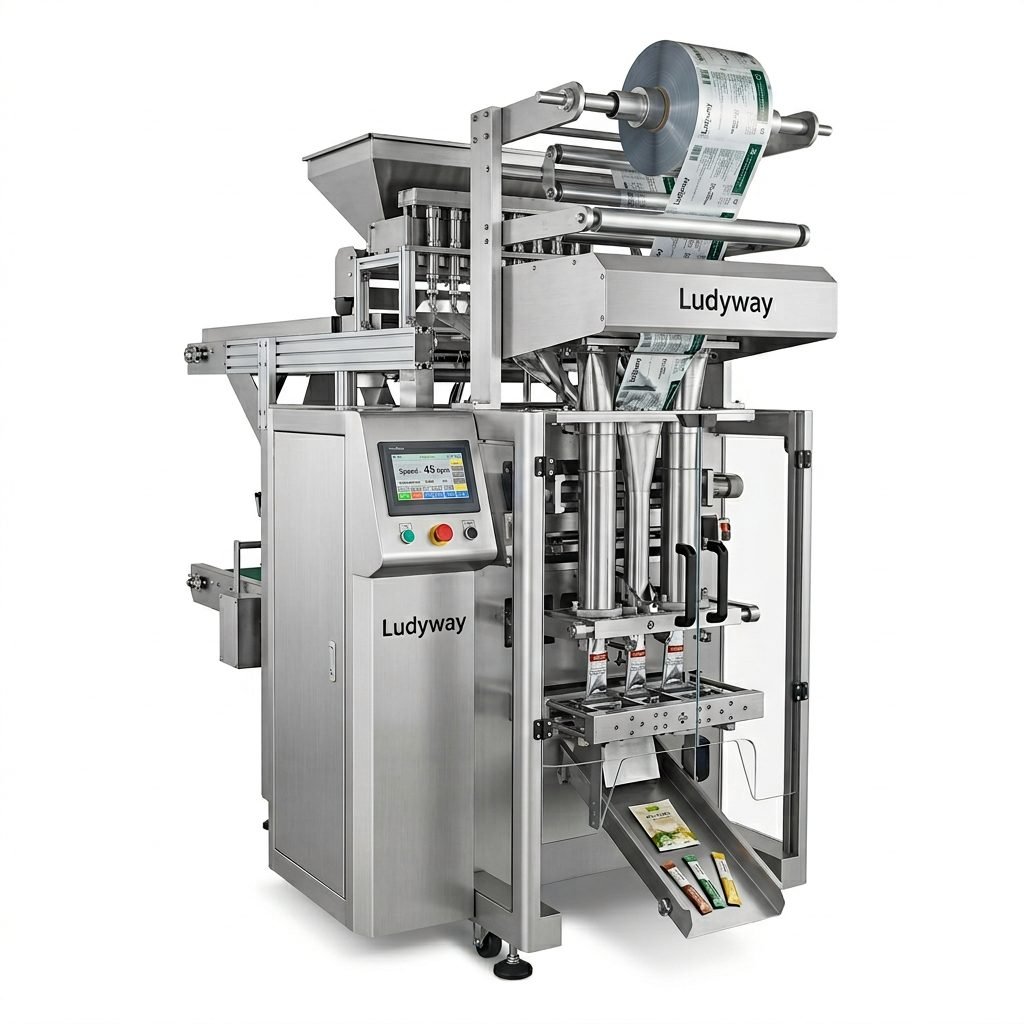
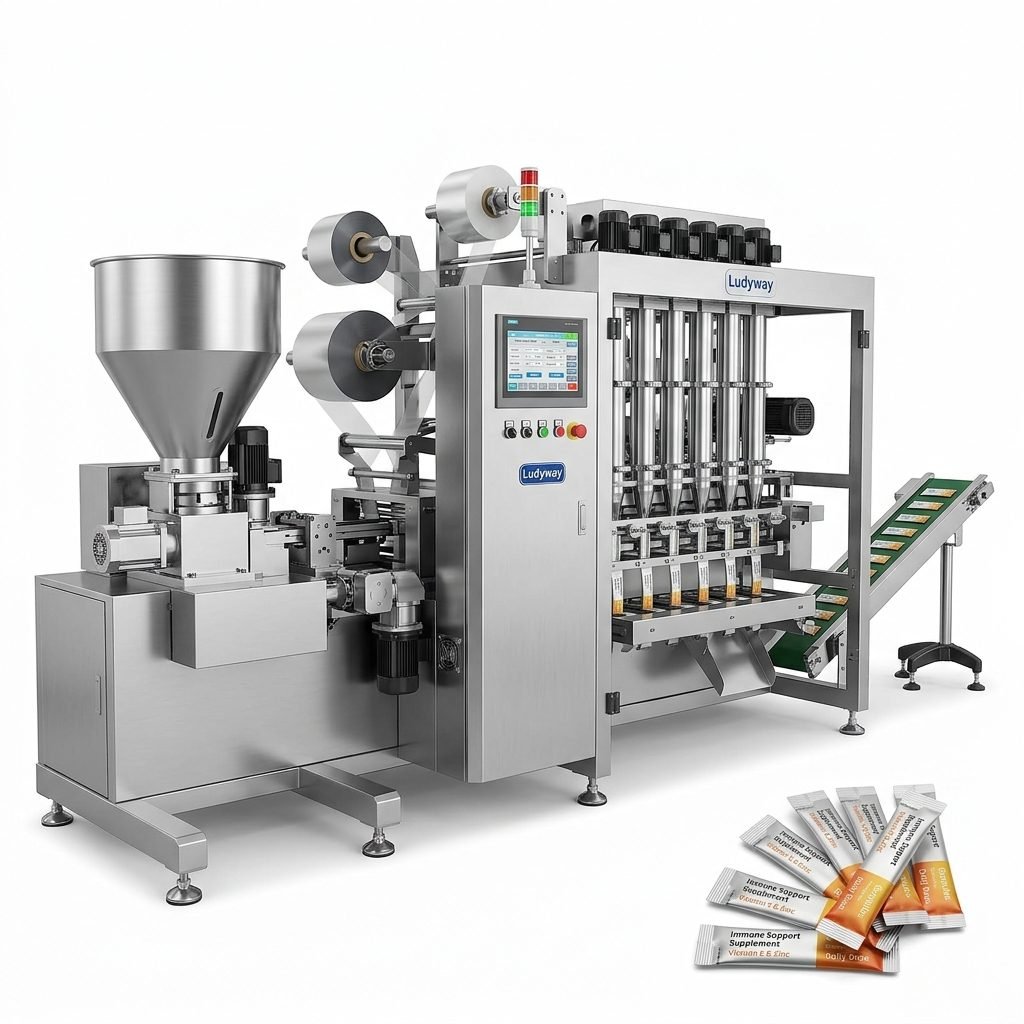
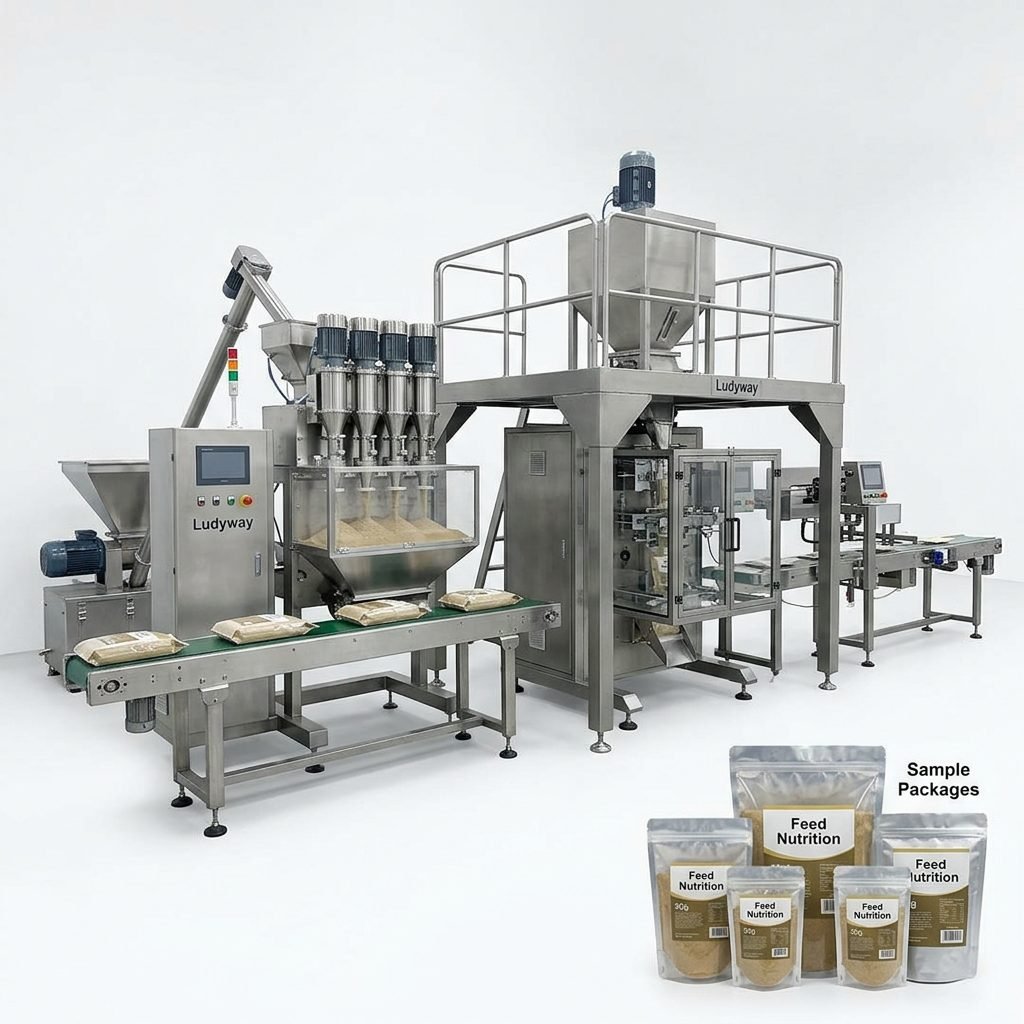
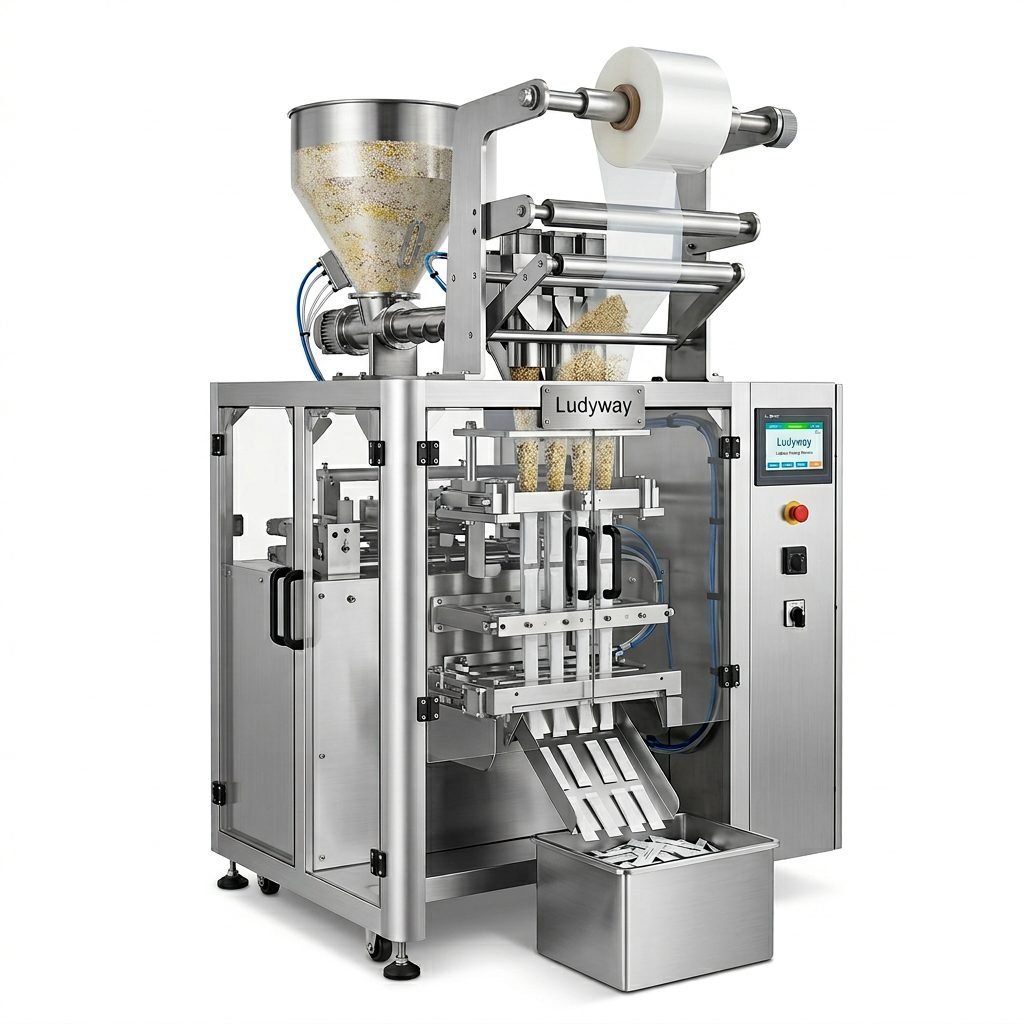
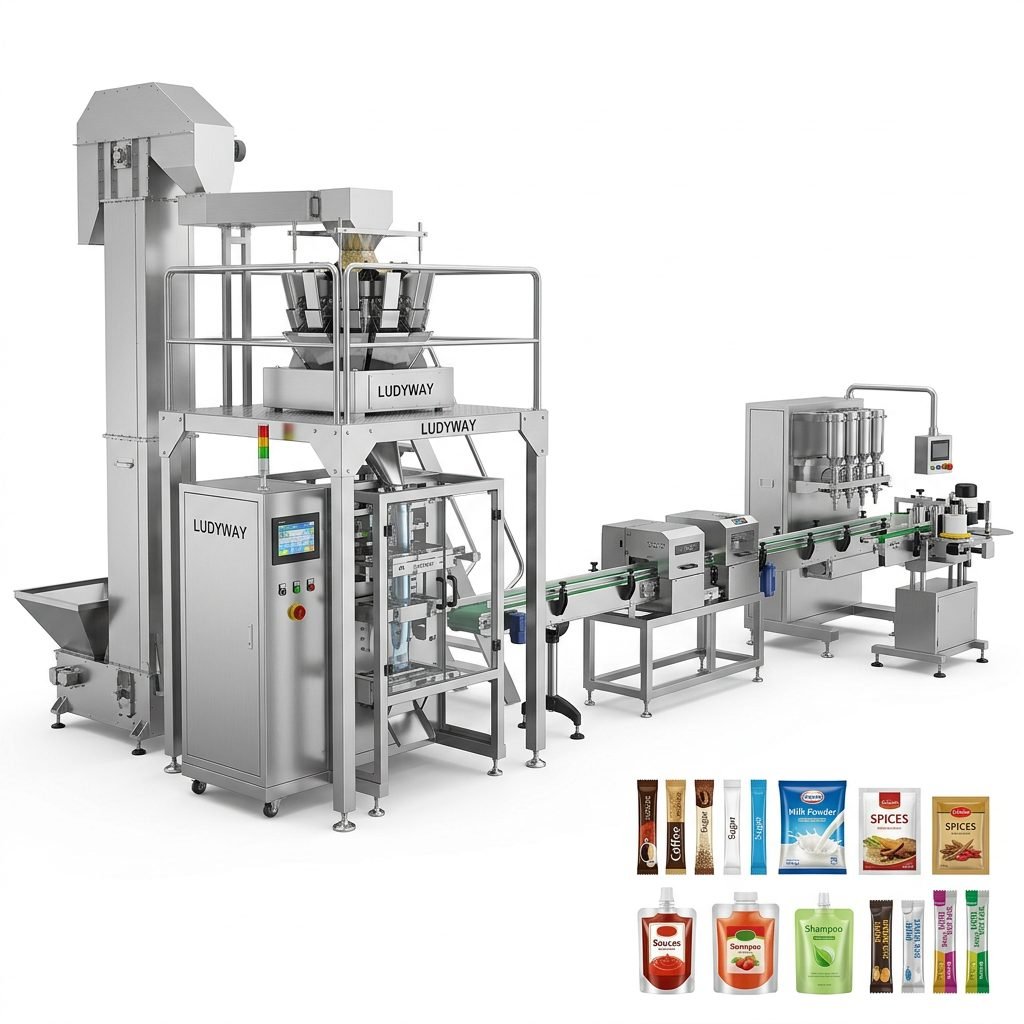
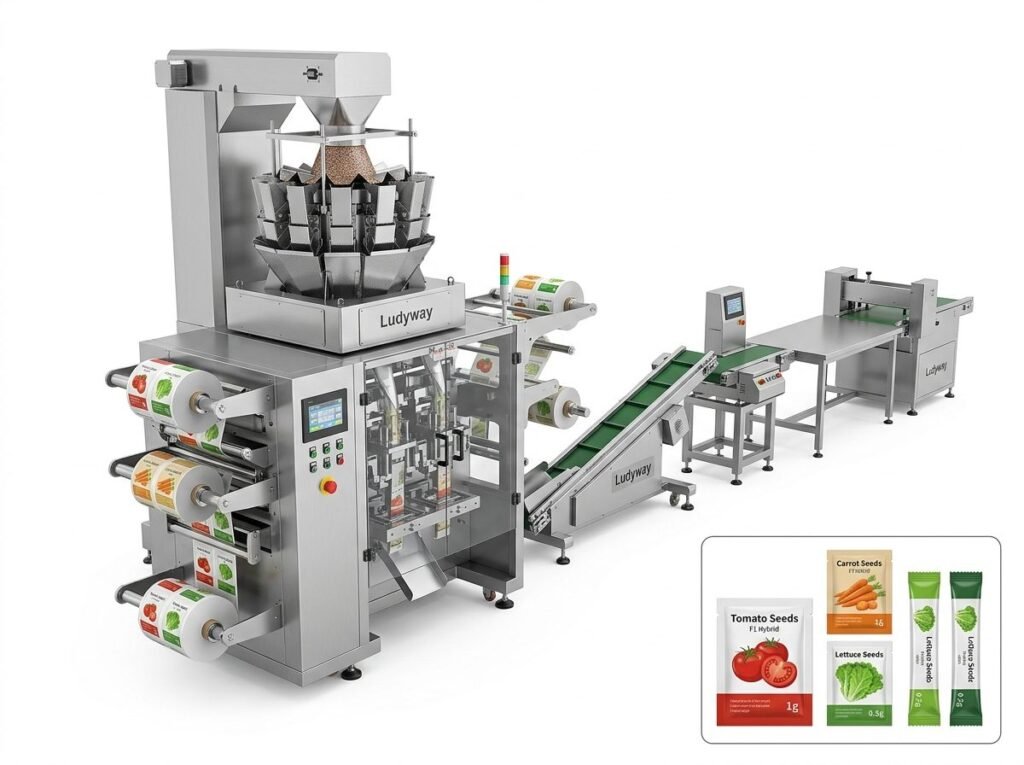
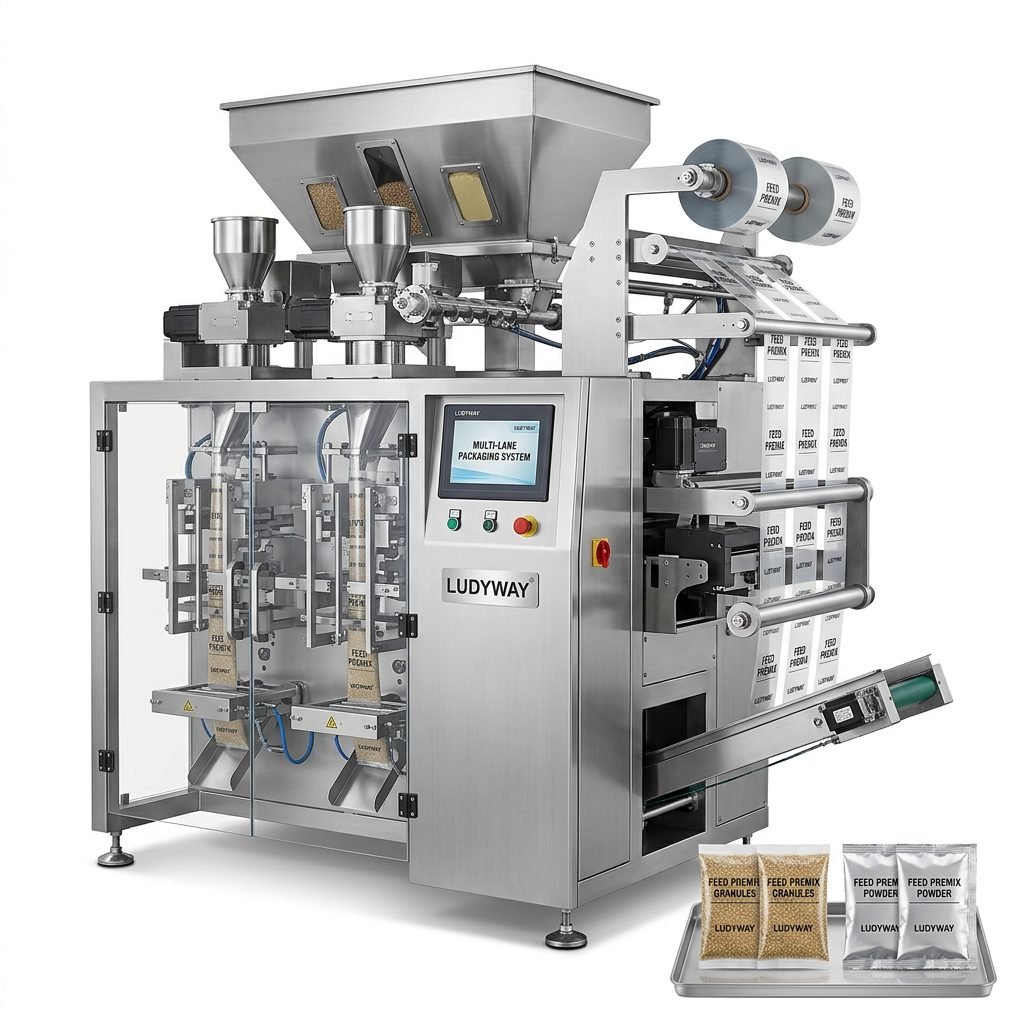
Choosing the right sugar packing machine is not only about filling bags faster. It is about matching product type, package format, output target, hygiene standard, and future expansion plans with the right packaging technology. Whether you produce white sugar, brown sugar, powdered sugar, cube sugar, or sweetener blends, the packaging solution you select can directly affect labor cost, product consistency, material waste, and customer satisfaction.
For growing food brands, wholesalers, contract packers, and industrial sugar processors, a well-matched machine can improve efficiency and reduce downtime. A poorly chosen machine often leads to sealing problems, inaccurate weights, sugar dust issues, and expensive upgrades later.
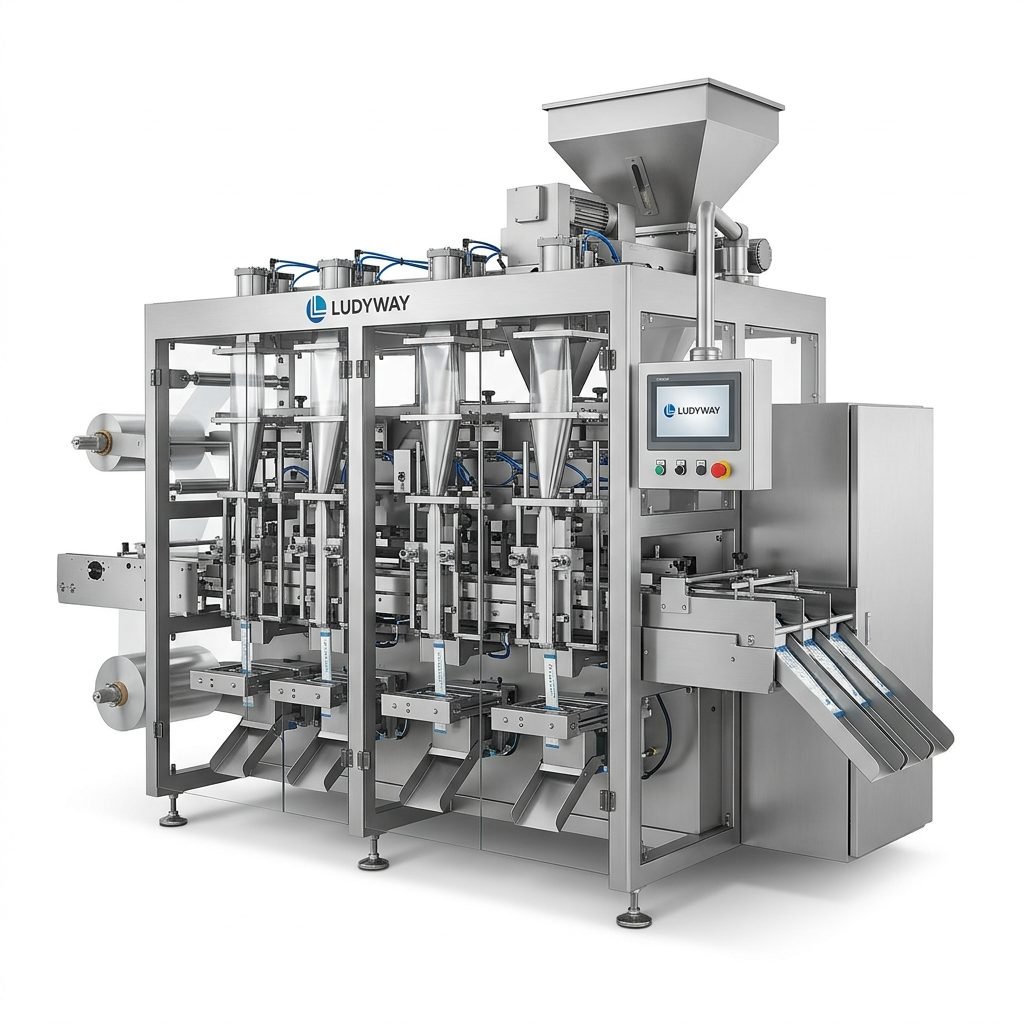
Why sugar packaging requires the right machine
Sugar looks simple, but it behaves differently depending on its form. Granulated sugar flows well, powdered sugar can create dust and bridging, and brown sugar may have moisture-related clumping. That means the same machine setup does not always work for every sugar product.
- Different sugar products need different feeding and dosing systems
- Packaging materials must provide suitable moisture protection and seal integrity
- Speed requirements vary between retail packs, single-serve sachets, and bulk bags
- Automation level affects labor demand, output stability, and traceability
- Clean design matters because sugar dust can affect machine performance over time
Start with your sugar product type
Before comparing machine models, define exactly what kind of sugar you pack. This determines the filling method, film handling, discharge design, and sealing structure.
| Sugar Type | Typical Characteristics | Recommended Packaging Approach |
|---|---|---|
| Granulated white sugar | Free-flowing, uniform particles | Volumetric cup, auger-assisted system, or weighing filler |
| Brown sugar | May clump, slightly sticky with moisture | Stable feeding system with anti-bridging design |
| Powdered sugar | Fine dust, low bulk density | Auger filler with dust control and reliable sealing |
| Sugar sticks / portion packs | Small-dose retail or foodservice format | Multi-lane stick pack or sachet machine |
| Bulk industrial sugar | Large-volume filling | Open-mouth bagging line or large bag packaging system |
Choose the right packaging format for your market
Packaging format should be selected based on your sales channel, price point, storage conditions, and brand positioning. In the sugar business, common formats include:
1. Stick packs
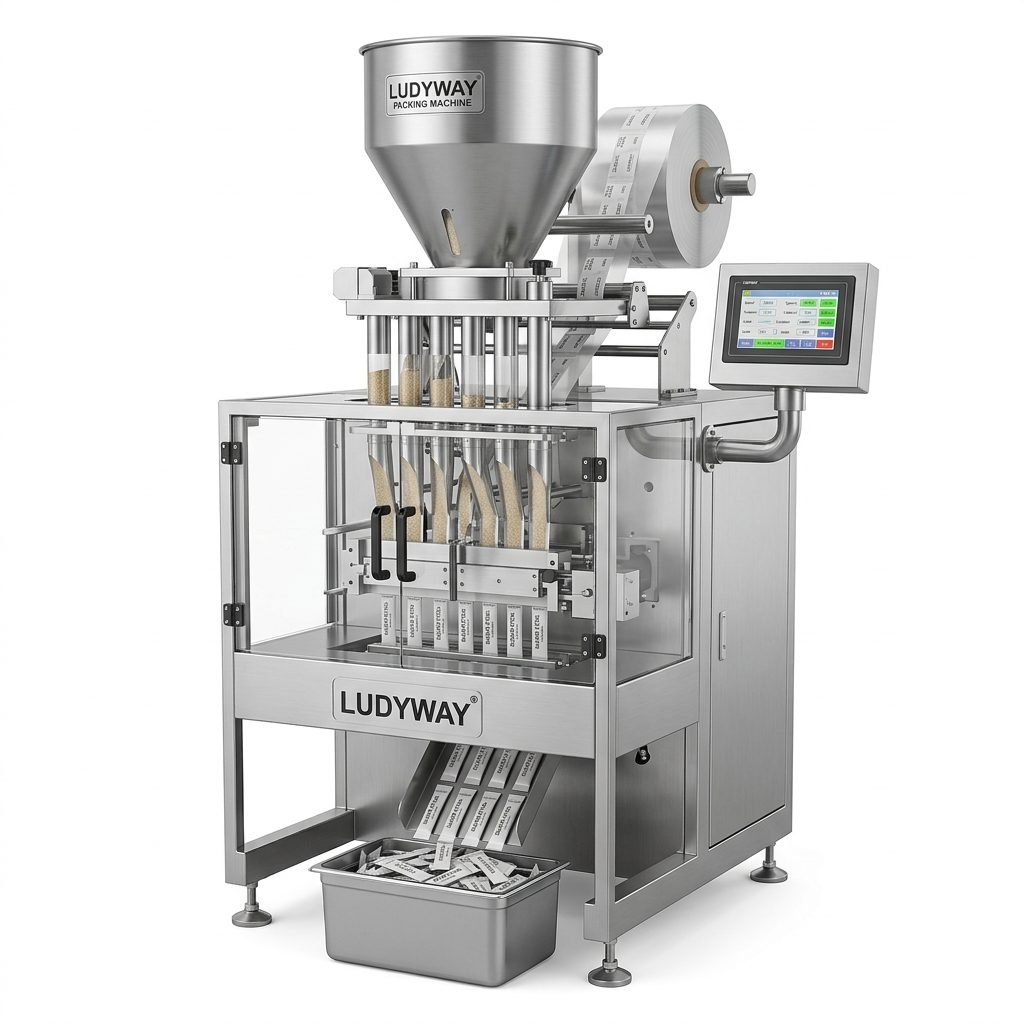
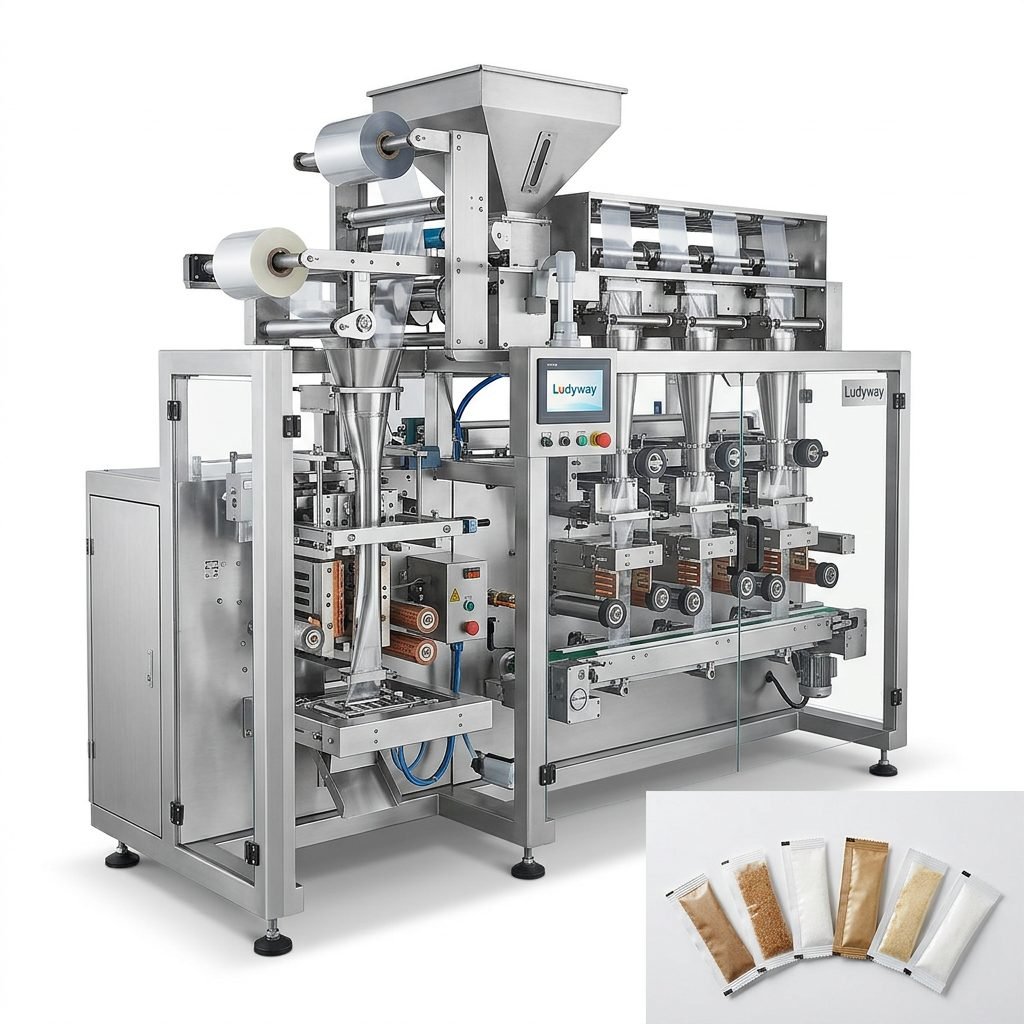
Ideal for coffee shops, hotels, airlines, offices, and single-use retail. These packs are compact, clean, and easy to distribute. Multi-lane stick pack machines are often the top choice for high-volume single-serve sugar production.
2. Sachets
A practical option for portion control and flexible branding. Sachets are suitable for sugar, sweetener blends, and powdered sugar products.
3. Pillow bags or vertical bags
Common for retail sugar bags from small household packs to medium commercial sizes. Vertical form fill seal systems are often used here.
4. Premade pouches
Better for premium products, specialty sugars, and stronger shelf appeal. These can offer resealable options and better presentation on store shelves.
5. Bulk bags
Used by industrial users, food processors, bakeries, and distribution centers. Bulk packaging lines prioritize weight accuracy and throughput.
Key machine types for sugar packaging
The best sugar packing machine depends on output speed, pack size, and packaging style. Here are the most common options:
Multi-lane stick pack machines
Best for high-speed single-serve sugar sticks. Multiple lanes run simultaneously, making them highly efficient for large output targets. They are especially suitable for foodservice and retail distribution.
Sachet packing machines
Suitable for flat sachets of sugar or sweetener products. These machines can offer strong flexibility for different bag sizes and branding layouts.
Vertical form fill seal machines
A good fit for granulated sugar in pillow bags or gusset bags. They are widely used for retail and medium-volume production.
Premade pouch filling machines
Suitable when presentation matters and the packaging value is higher. Useful for specialty sugar products, blends, and premium consumer markets.
Large bagging and turnkey lines
Best for factories handling bulk sugar packaging, palletizing, coding, weighing, inspection, and end-of-line automation in one integrated system.
How to evaluate filling accuracy
Sugar packaging is often a high-volume business with tight margin control. Even small filling inaccuracies can create significant losses over time. You should evaluate:
- Target weight range for each pack
- Permitted tolerance based on local compliance or customer standards
- Stability of the feeding and dosing system
- Performance at both low and high production speeds
- Effect of sugar particle size and moisture on dosing consistency
If your product needs precise small-dose filling, especially in stick packs, machine stability and dosing repeatability should be a top buying factor, not just speed.
Important features to look for in a sugar packing machine
| Feature | Why It Matters |
|---|---|
| Dust-control design | Helps maintain cleaner sealing zones and reduces maintenance |
| Stable film pulling system | Improves bag consistency and printing alignment |
| Accurate dosing unit | Reduces giveaway and supports consistent product weight |
| Easy cleaning structure | Shortens downtime and supports food safety |
| Servo control system | Enhances precision, speed control, and machine responsiveness |
| Date coding / printing integration | Improves traceability and compliance |
| Expandability | Makes future upgrades easier as volume grows |
Consider your production volume now and later
Many buyers focus only on current demand, but smart equipment selection should also consider your next 3 to 5 years. If your sugar brand is growing or you plan to enter new channels such as hotels, supermarkets, e-commerce, or export markets, your machine should support expansion.
Ask these questions:
- What is your current daily output?
- What is your peak seasonal demand?
- Will you add more SKUs or package sizes?
- Do you need one machine or a complete line?
- Will labor shortages push you toward higher automation?
In many cases, investing slightly more in a scalable system saves money compared with replacing an undersized machine too soon.
Do not ignore packaging materials
A sugar packing machine performs best when matched with the right packaging film or pouch material. Packaging materials affect sealing quality, product protection, machinability, and shelf appearance.
Material considerations include:
- Moisture barrier performance
- Heat seal compatibility
- Print registration stability
- Film thickness and roll quality
- Sustainability goals and recyclable structure options
If your sugar absorbs moisture easily or is exported to humid environments, material selection becomes even more important.
Automation level: semi-automatic or fully automatic?
The right automation level depends on labor cost, required speed, floor layout, and management goals.
Semi-automatic systems
Suitable for smaller businesses, pilot production, or limited SKU runs. Lower upfront cost, but higher labor dependence.
Fully automatic systems
Better for larger-scale sugar producers that need continuous output, stable quality, and reduced manual handling. These systems may include feeding, filling, sealing, coding, checkweighing, metal detection, cartoning, and palletizing.
If you are packaging for retail chains, foodservice contracts, or export, fully automatic packaging lines often provide stronger long-term value.
Hygiene, maintenance, and cleaning should be practical
Sugar dust can build up inside contact parts, around seals, and near moving components. That is why machine hygiene is not only about food safety; it also affects uptime and mechanical life.
Look for:
- Food-contact parts that are easy to access
- Simple disassembly for cleaning and inspection
- Smooth surfaces that reduce material retention
- Reliable electrical and control system layout
- Clear maintenance support and spare parts planning
Questions to ask a supplier before buying
- What sugar products has this machine successfully packed before?
- What output speed is realistic in actual production, not just in theory?
- What filling accuracy can be achieved with my product?
- Can the machine handle multiple pack sizes?
- What packaging materials are recommended?
- How easy is changeover between products or bag formats?
- What technical support and spare parts service are available?
- Can the machine be integrated into a full packaging line later?
Why turnkey capability matters for expanding businesses
If your goal goes beyond one standalone machine, choose a supplier that can support line integration. A complete sugar packaging solution may include conveyors, feeders, checkweighers, coding systems, inspection equipment, case packing, and palletizing.
Businesses looking for scalable automation often work with experienced manufacturers such as Ludyway sugar packing machine solutions, especially when they need both standalone equipment and turnkey packaging line planning for food and related industries.
Common mistakes when choosing a sugar packing machine
- Buying based only on price instead of lifecycle value
- Ignoring future capacity expansion
- Choosing a machine without product testing
- Overlooking dust control and cleaning design
- Not checking sealing compatibility with packaging film
- Underestimating after-sales service needs
- Selecting a machine that is too complex for the current team
Final buying checklist
| Checklist Item | Your Focus |
|---|---|
| Product type | Granulated, powdered, brown sugar, or bulk sugar |
| Packaging format | Stick pack, sachet, pillow bag, pouch, or bulk bag |
| Capacity target | Current and future output requirements |
| Filling accuracy | Tolerance and giveaway control |
| Material compatibility | Film sealing, barrier, and print performance |
| Automation level | Semi-automatic or fully automatic |
| Maintenance and hygiene | Easy cleaning and stable operation |
| Supplier capability | Testing, customization, training, and support |
Conclusion
The right sugar packing machine should fit your product, package style, output goals, and growth strategy. A machine that works well for one sugar business may not be ideal for another. By focusing on product behavior, filling accuracy, packaging format, hygiene, and line scalability, you can make a more profitable and future-ready investment.
If possible, always request sample testing, compare real production data, and evaluate long-term support before making the final decision. In sugar packaging, the best solution is not simply the fastest machine—it is the one that delivers reliable performance, consistent pack quality, and room for business growth.