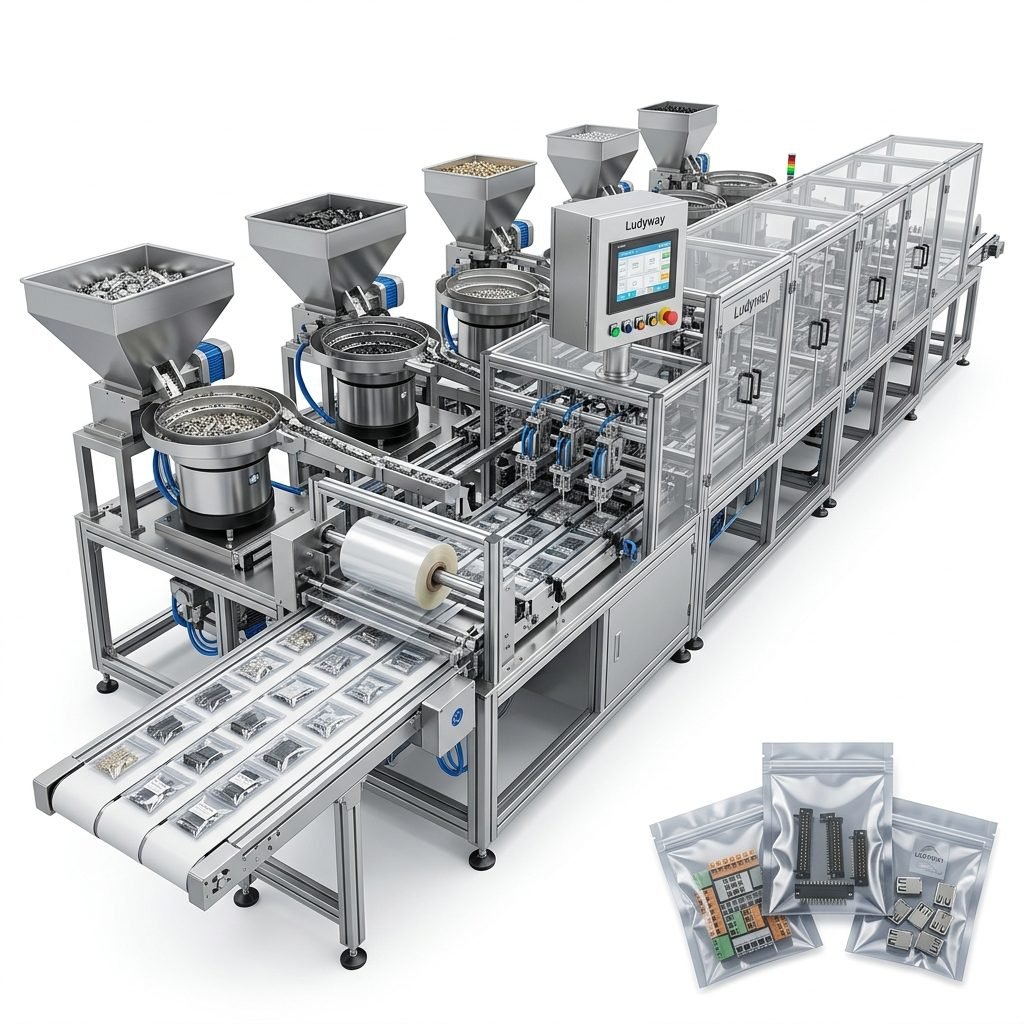
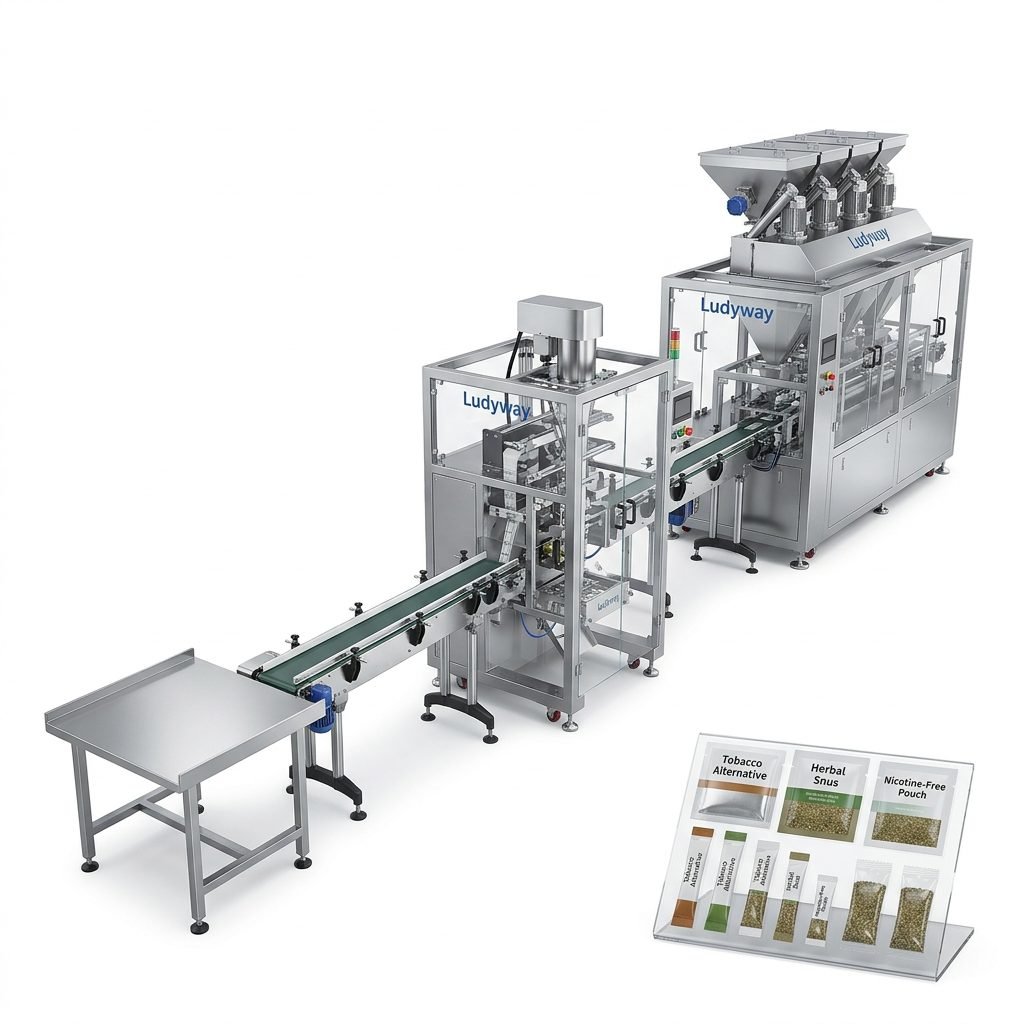
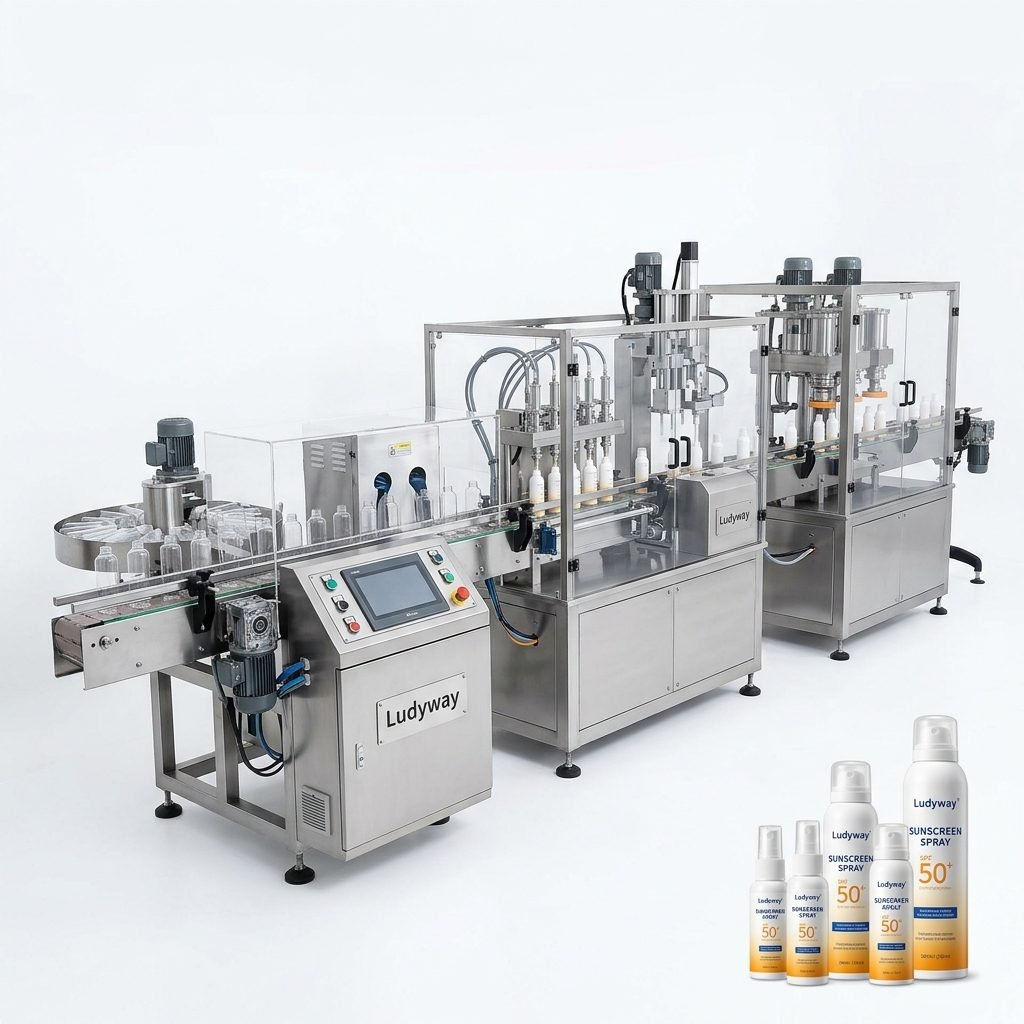
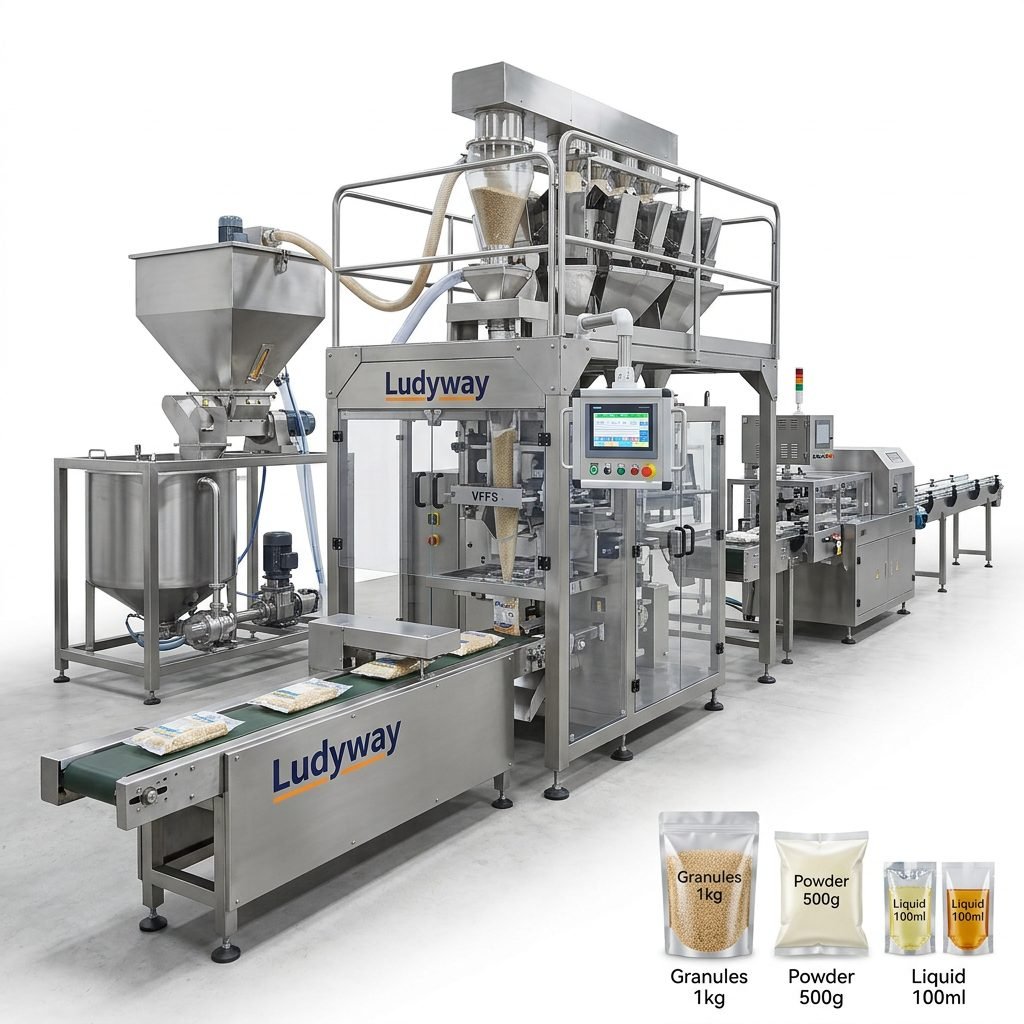
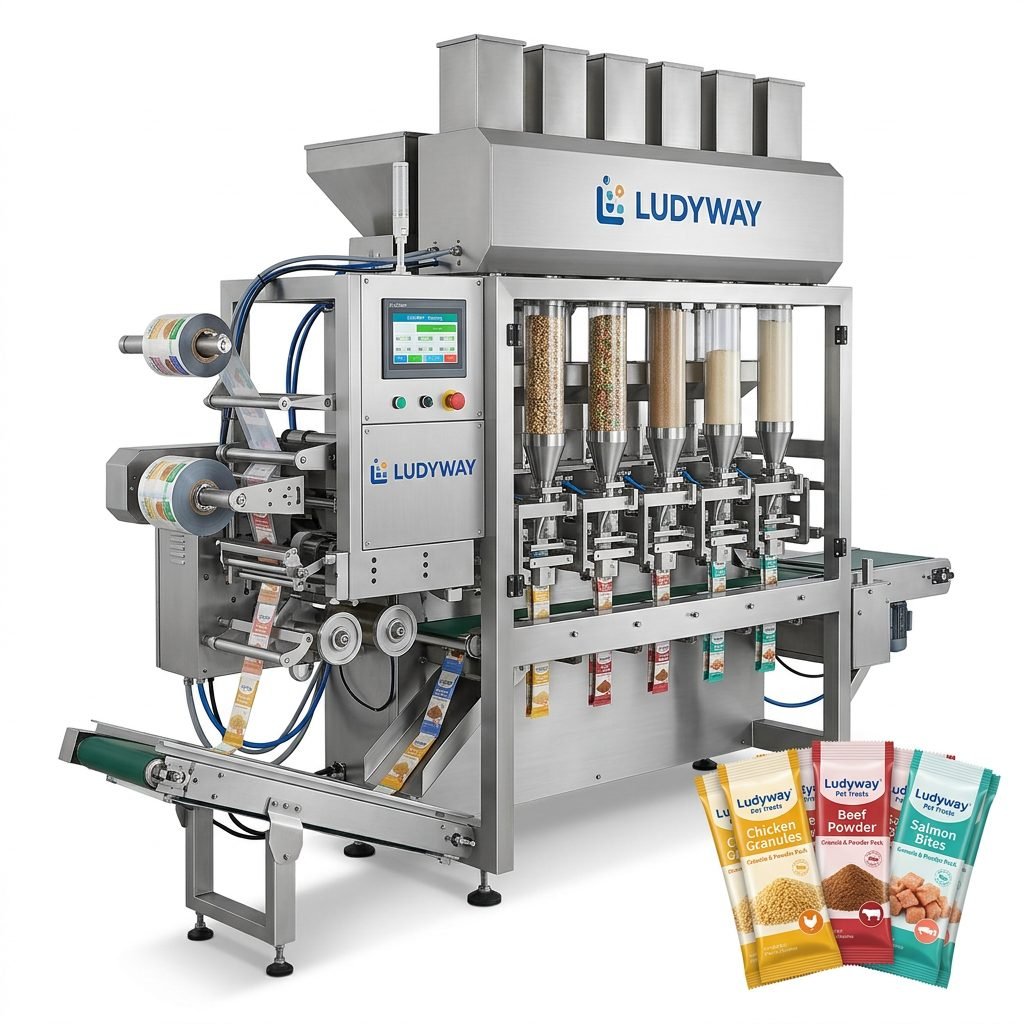
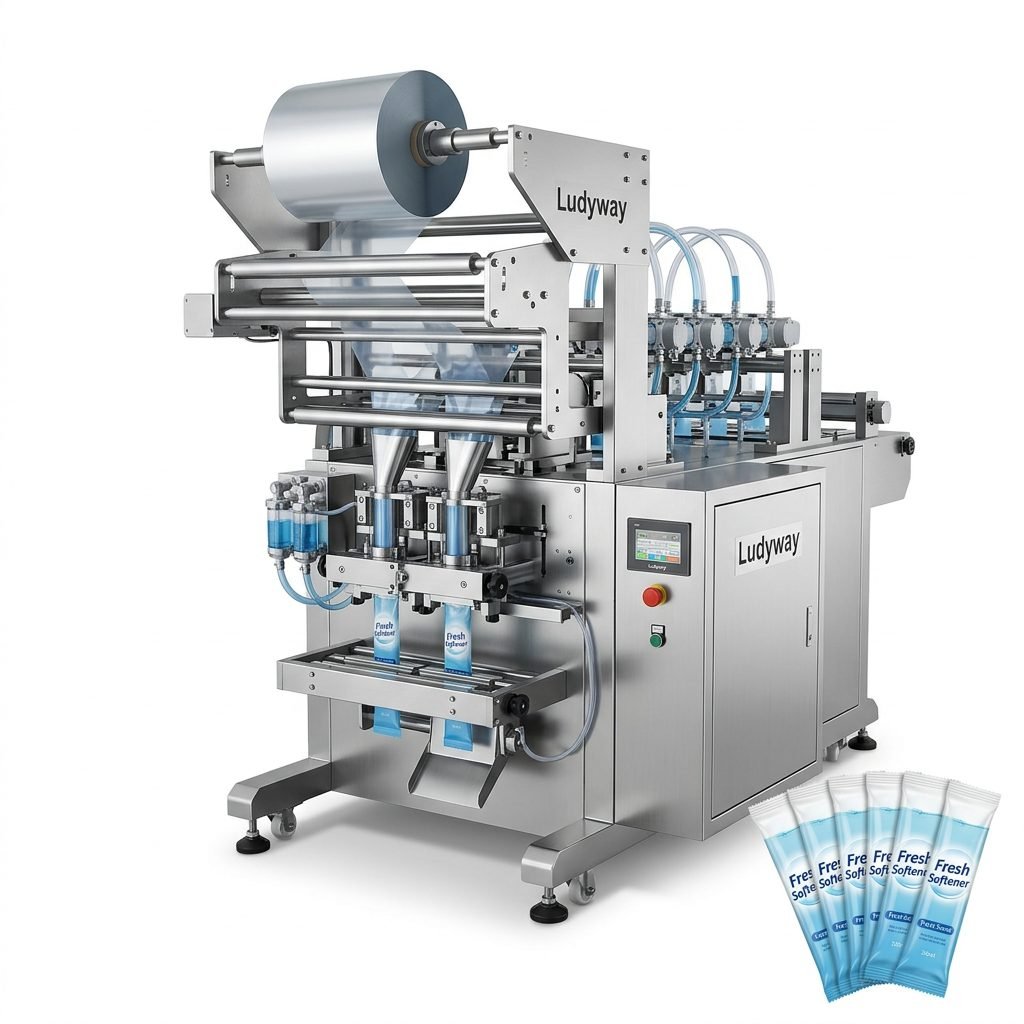
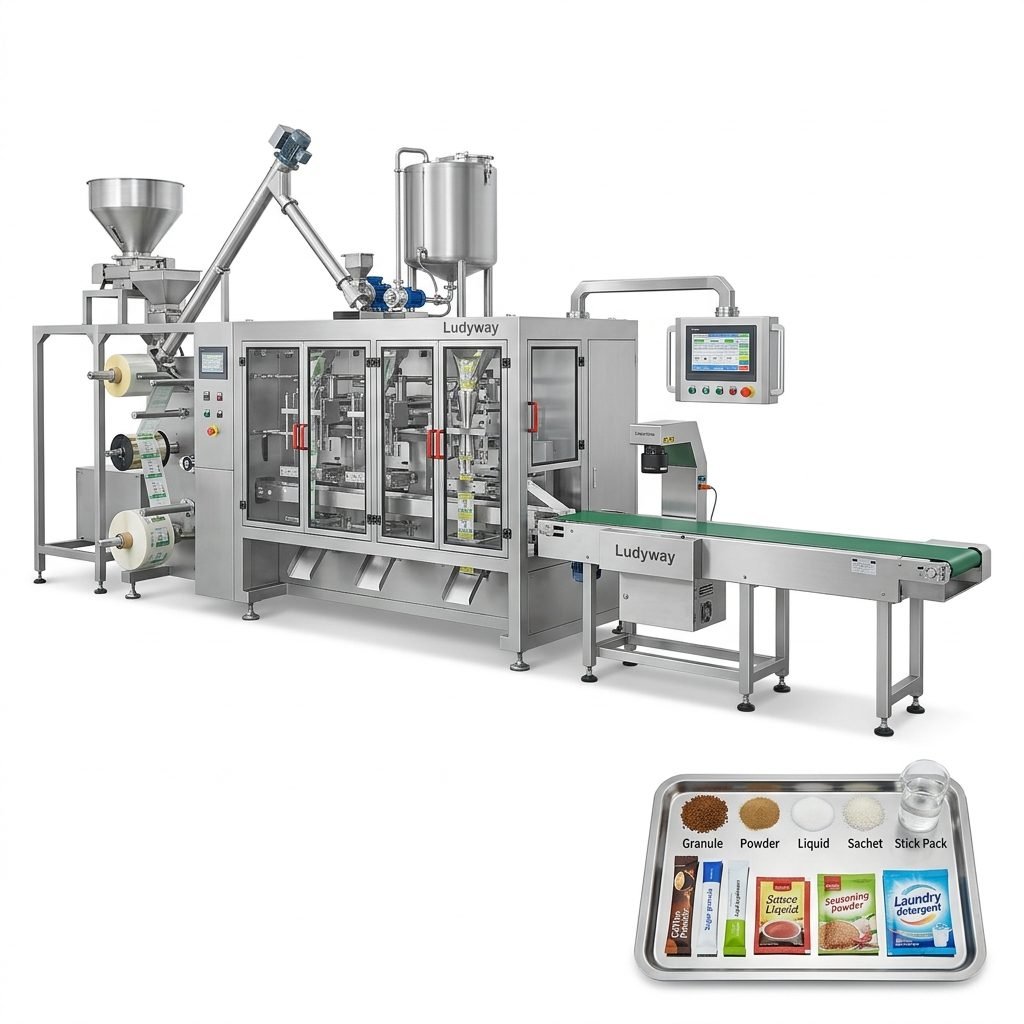
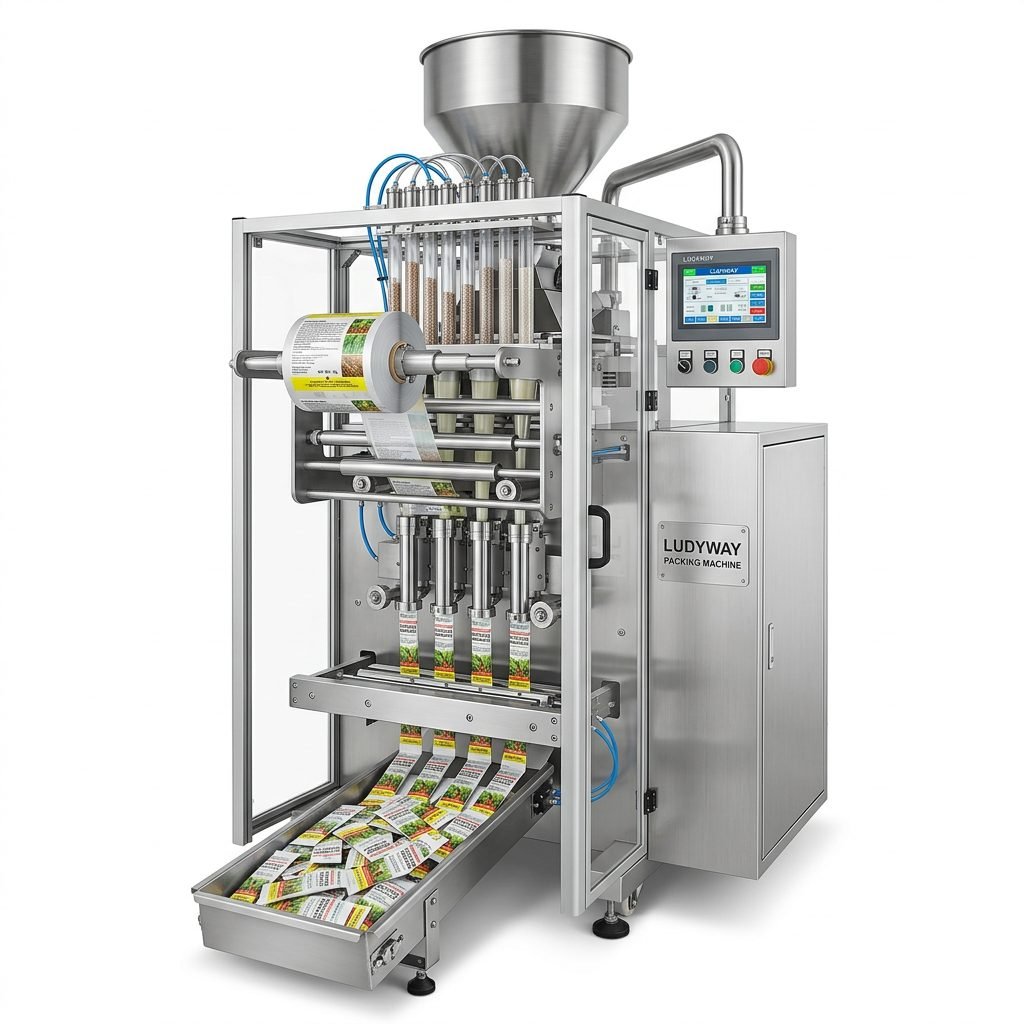
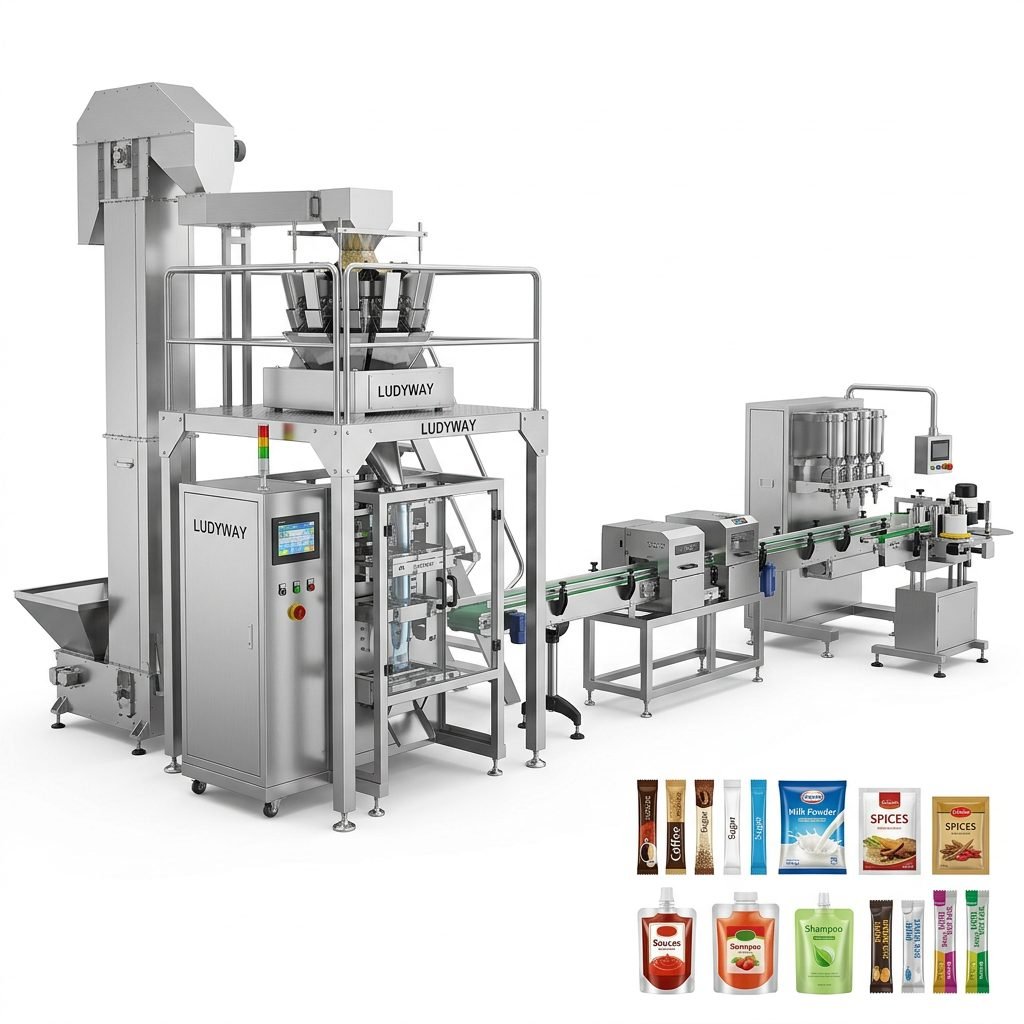
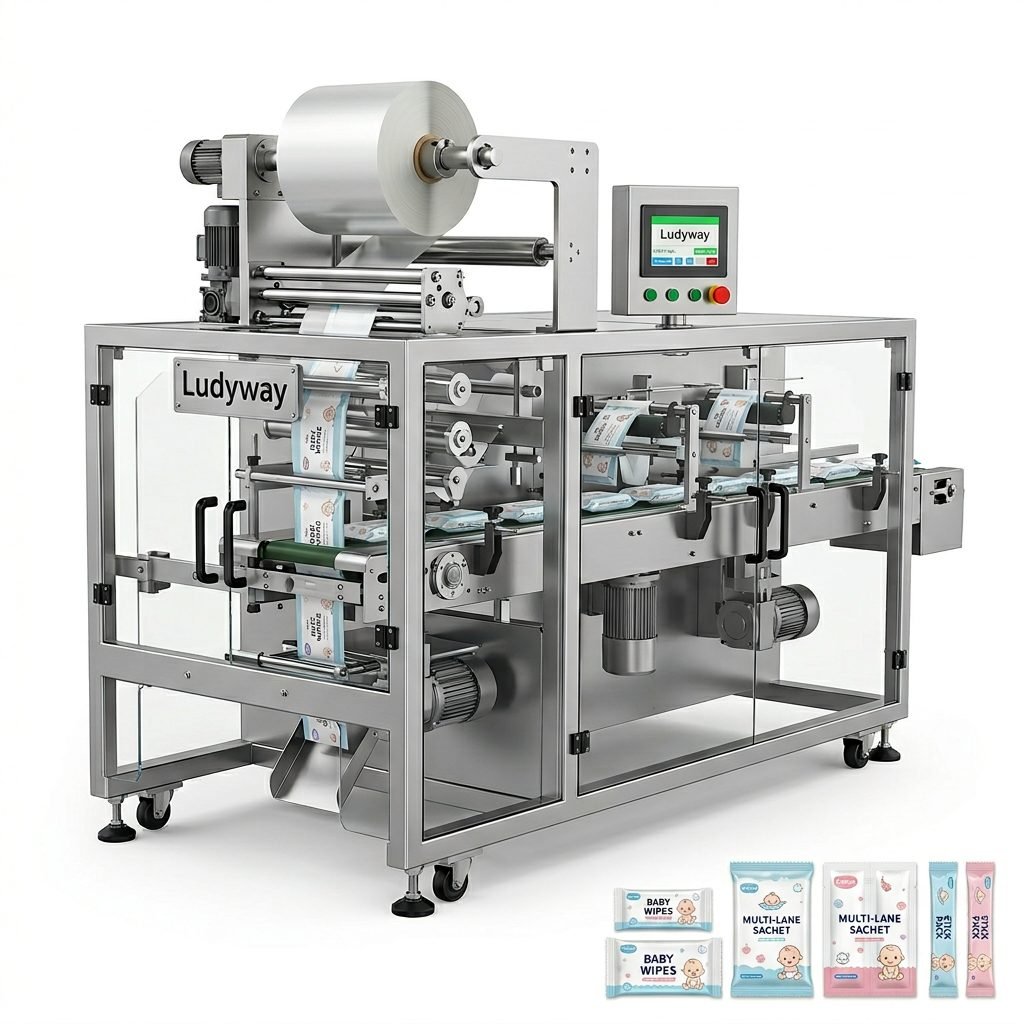
Purchasing used packaging equipment online presents a unique opportunity for businesses to significantly reduce capital expenditure while acquiring robust, production-ready machinery. This complete guide will walk you through the entire process, from initial research to final installation, focusing on strategies to save money and ensure you choose the right machines for your specific needs.
Why Consider Used Packaging Equipment?
The primary advantage is cost savings. High-quality packaging machines represent a major investment. Used equipment, often from reputable manufacturers, can be acquired at 30% to 60% of the original price. This allows smaller businesses or those scaling up to access technology that might otherwise be financially prohibitive. Furthermore, many used machines have been maintained in professional production environments and are often available immediately, reducing lead times compared to ordering new custom equipment.
Key Financial Benefits:
Lower Initial Investment: Direct savings on the purchase price.
Reduced Depreciation: The steepest depreciation occurs in the first few years.
Potential for Higher ROI: Faster payback period due to lower upfront cost.
Step-by-Step Guide to Buying Online
Step 1: Define Your Requirements Precisely
Before browsing any listings, crystallize your needs. Determine:
📌 Product Type: What are you packaging? (Granules, powders, liquids, tablets, etc.)
📌 Required Output: Speed in packs per minute/hour.
📌 Packaging Format: Sachets, stick packs, bottles, pouches?
📌 Available Space & Utilities: Floor space, power requirements, compressed air.
Step 2: Research Reputable Marketplaces & Suppliers
Not all online sources are equal. Focus on specialized industrial equipment platforms, auction sites for manufacturing assets, and the websites of established packaging machinery distributors who also trade in used equipment. Look for sellers with detailed descriptions, multiple high-quality photos, and clear company profiles. A supplier like Ludyway Packaging Machinery, with decades of industry experience, can often provide valuable insights and vetted equipment listings.
Step 3: Evaluate the Machine’s History & Condition
This is the most critical step. Scrutinize the provided information:
🔍 Age & Service History: Request manufacturing year, total running hours, and maintenance logs.
🔍 Visual Evidence: Examine photos/videos for wear, corrosion, or damage. Look at the control panel, frame, and critical components like filling heads or sealing jaws.
🔍 Technical Specifications: Ensure the model number matches your speed and format requirements. Verify it can handle your film material or container type.
⚠️ Critical Inspection Checklist:
• Operational videos of the machine running.
• List of any replaced parts (servo motors, sensors, etc.).
• Reason for sale (upgrade, plant closure—often a positive sign).
• Compatibility with your current spare parts or tools.
Step 4: Verify Seller Credibility & Arrange Inspection
If possible, arrange a physical or live video inspection. A reputable seller will facilitate this. Check the seller’s reviews, years in business, and if they offer any after-sale support or warranty. Ask direct questions about the machine’s performance in its last application. Trusted industry partners are crucial; exploring the company history of a supplier can reveal their long-term stability and expertise.
Step 5: Understand Logistics, Costs, & Recommissioning
The price tag isn’t the only cost. Get a detailed quote for:
📦 Shipping & Rigging: International freight, insurance, customs duties.
📦 Installation: Will you need a technician? Factor in travel and labor costs.
📦 Recommissioning & Testing: Minor adjustments, new tooling, trial runs with your materials.
Proactively planning these steps prevents budget overruns. Consider suppliers who offer turnkey solutions and can assist with reinstallation.
How to Choose the RIGHT Used Machine
Saving money is pointless if the machine doesn’t perform. Prioritize suitability over price.
Focus on Technical Compatibility
Ensure the machine’s design aligns with your product’s physical characteristics (flowability, viscosity) and your packaging materials (film thickness, seal type). A powder filler won’t work well with granules.
Assess Maintenance & Support Availability
Is the machine model still supported by the OEM or parts distributors? Can you find manuals, spare parts lists, or technical drawings? Choosing a common, well-supported model from a known brand like those in the Ludyway portfolio mitigates future downtime risks.
Consider Future Flexibility
Can the machine be adapted for future products? Some used equipment has modular designs allowing for changes in fill volume or pack style. This adds long-term value.
Maximizing Your Savings & Avoiding Pitfalls
To truly save money, think beyond the purchase price.
Smart Cost-Saving Strategies:
Bundle Purchases: Buying multiple machines from one seller may reduce shipping and negotiation costs.
Negotiate Based on Facts: Use evidence of wear or missing documentation to negotiate a fair price.
Plan for Preventative Maintenance: Immediately schedule a post-installation service to replace worn belts, seals, or filters, preventing costly breakdowns.
Invest in Operator Training: Ensure your team understands the machine’s quirks and proper operation to maximize efficiency and lifespan.
Common Pitfalls to Avoid:
❌ Buying Solely on Price: The cheapest option often has hidden costs in repairs and downtime.
❌ Ignoring Logistics: Failing to account for rigging and installation can double your effective cost.
❌ Assuming “As-Is” Means Ready-to-Run: Most used equipment needs calibration and testing with your specific materials.
Conclusion
Successfully buying used packaging equipment online is a methodical process that balances financial opportunity with technical diligence. By thoroughly defining needs, researching sellers, inspecting equipment, and planning for recommissioning, you can acquire excellent machinery that enhances your production capability at a fraction of the cost of new equipment. Partnering with experienced industry experts can provide guidance and access to quality-vetted machines, turning this process into a strategic advantage for your business.
Frequently Asked Questions (FAQs)
Q1: Is used packaging equipment reliable?
Yes, provided it is properly evaluated. Many used machines come from well-maintained production lines and are built to last for decades. The key is verifying service history, condition, and choosing models from reputable manufacturers known for durability.
Q2: How can I verify the condition if I can’t visit the seller?
Request a comprehensive live video demonstration where the seller runs the machine. Ask for close-up videos of critical components. Use third-party inspection services available in many countries. Also, rely on detailed photos, maintenance records, and seller reputation.
Q3: What is typically included in a “used equipment” sale?
This varies. Ideally, it includes the main machine, standard tooling, available spare parts, electrical manuals, and basic documentation. Always clarify what is included before purchase. Extra attachments, special tooling, or PLC software may be separate.
Q4: Do used machines come with a warranty?
Most used equipment is sold “as-is,” with no warranty. However, some reputable dealers or original manufacturers may offer a short-term warranty (30-90 days) on certain components or the entire machine for an additional cost. Always inquire.
Q5: How long does it take to get a used machine installed and running?
Timeline depends on logistics and recommissioning. After purchase, shipping can take 2-8 weeks. Installation and calibration by a qualified technician may require 1-3 weeks. Planning for a total timeline of 2-3 months from purchase to production is prudent.