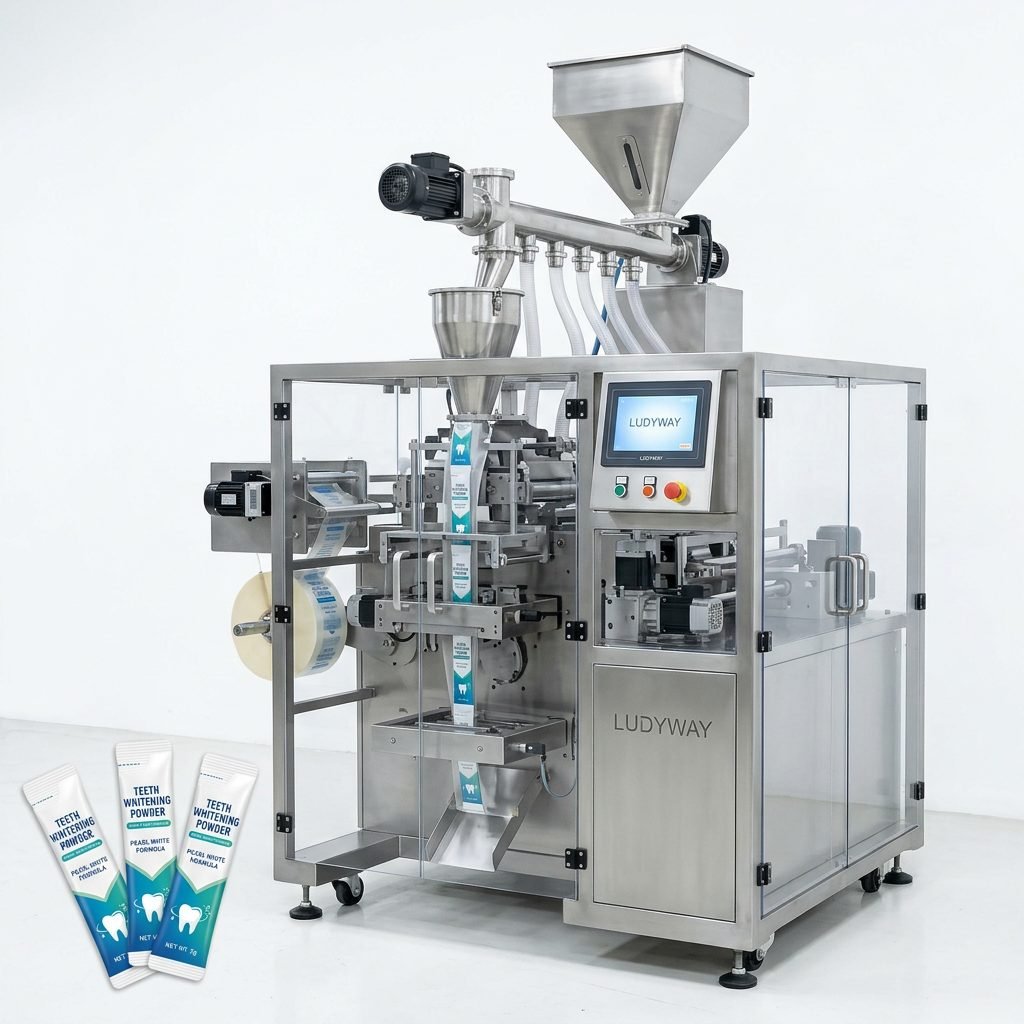
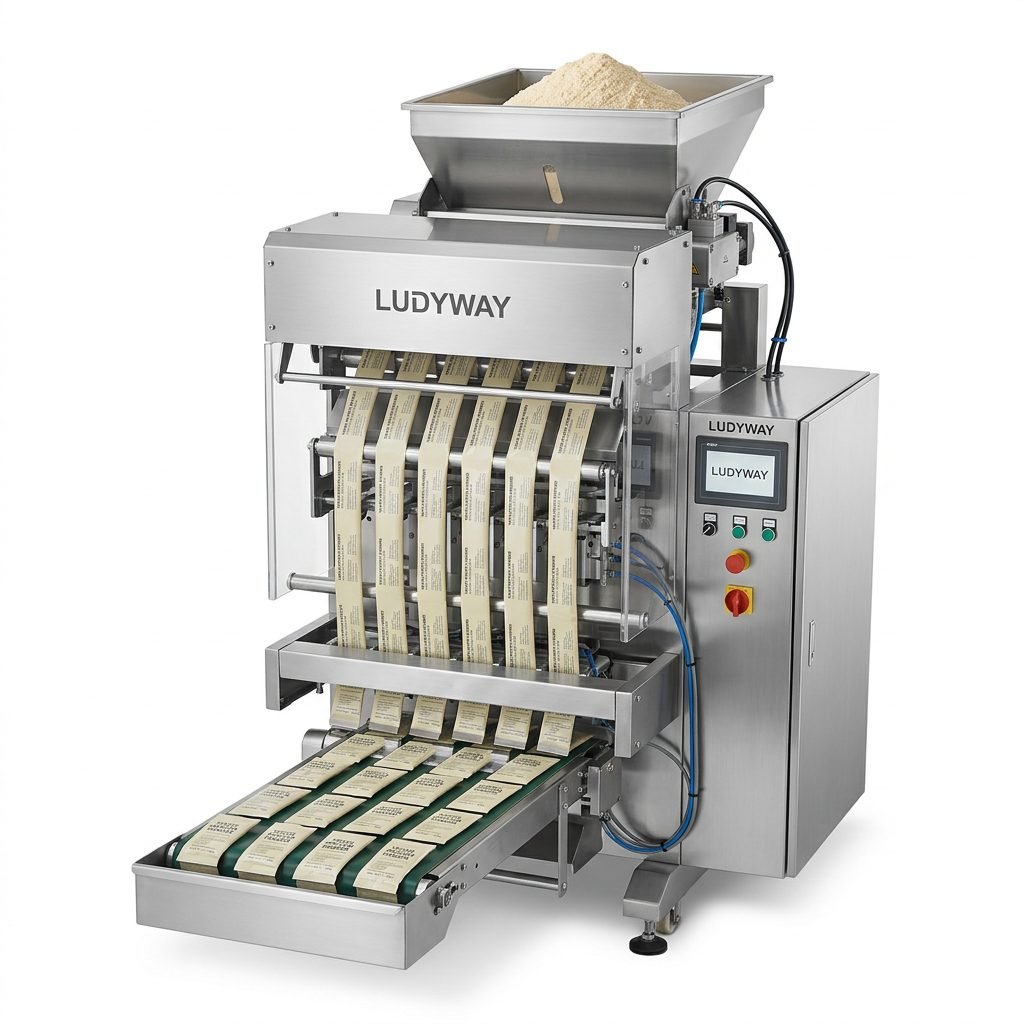
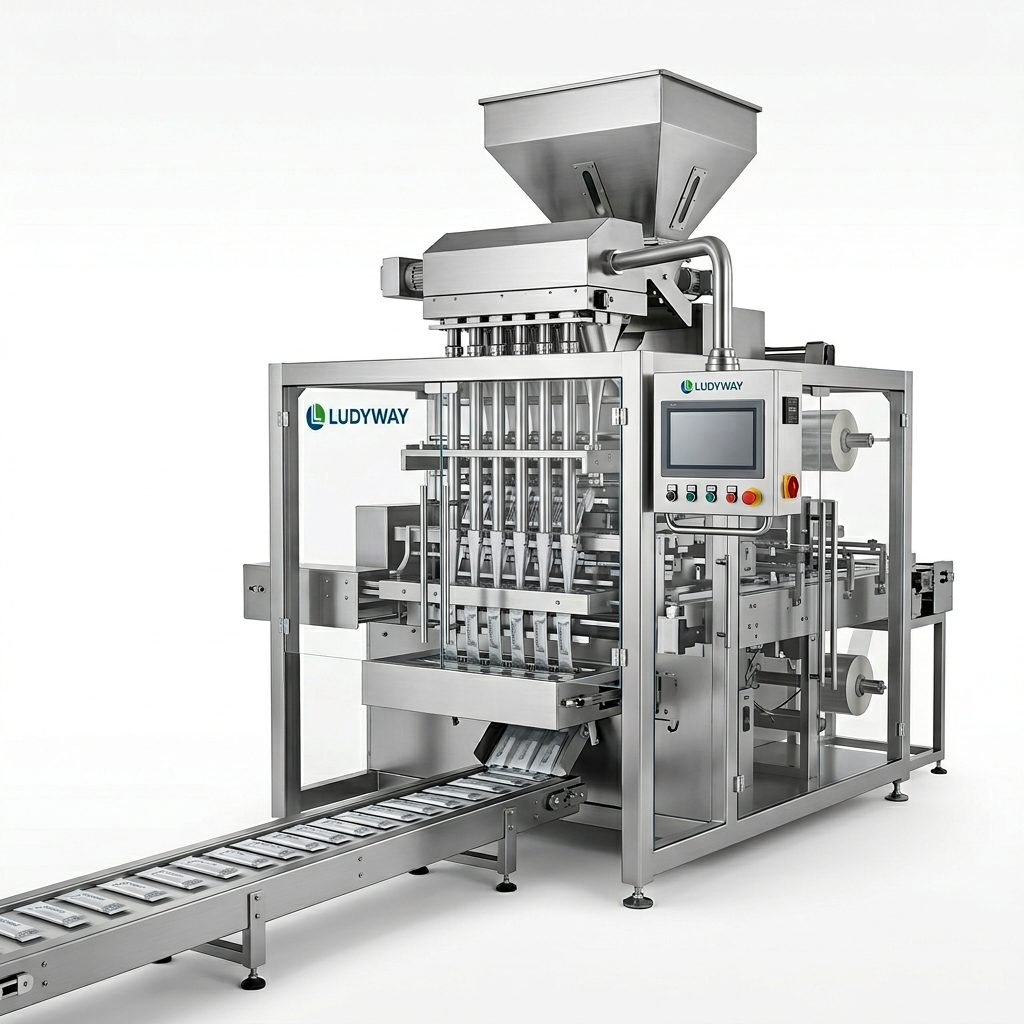
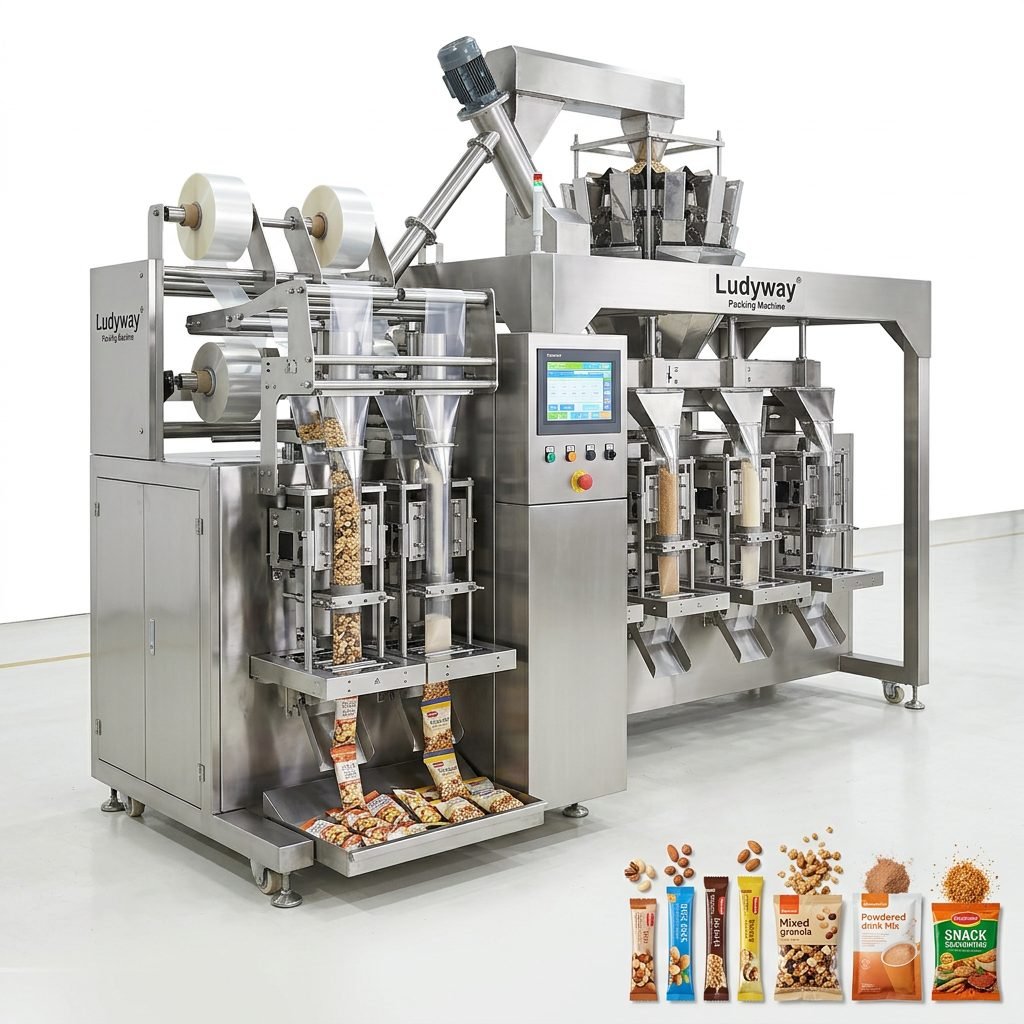
Packaging machinery does not have to be “one-size-fits-all.” In modern manufacturing, customization is often the difference between a line that simply runs and a line that truly supports your factory’s output, product quality, labor efficiency, and long-term growth. Whether you package powders, granules, liquids, pastes, pouches, sachets, or stick packs, the right machine can be tailored to your production goals.
For factories with unique product characteristics, strict compliance requirements, limited floor space, or plans to scale, customized packaging equipment is often the most practical investment. Instead of forcing your process to match a standard machine, a customized system aligns with your product, packaging format, speed target, and downstream workflow.
What Does “Customized Packaging Machine” Really Mean?
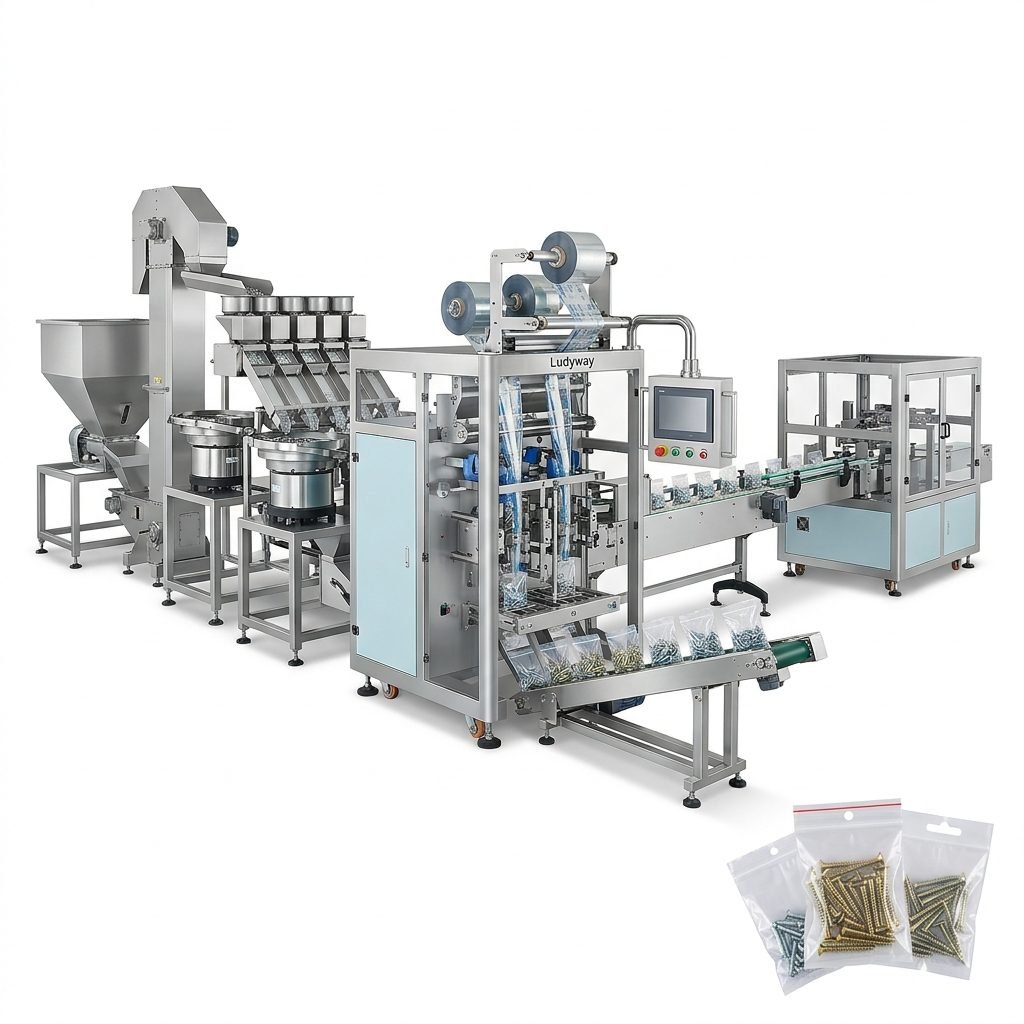
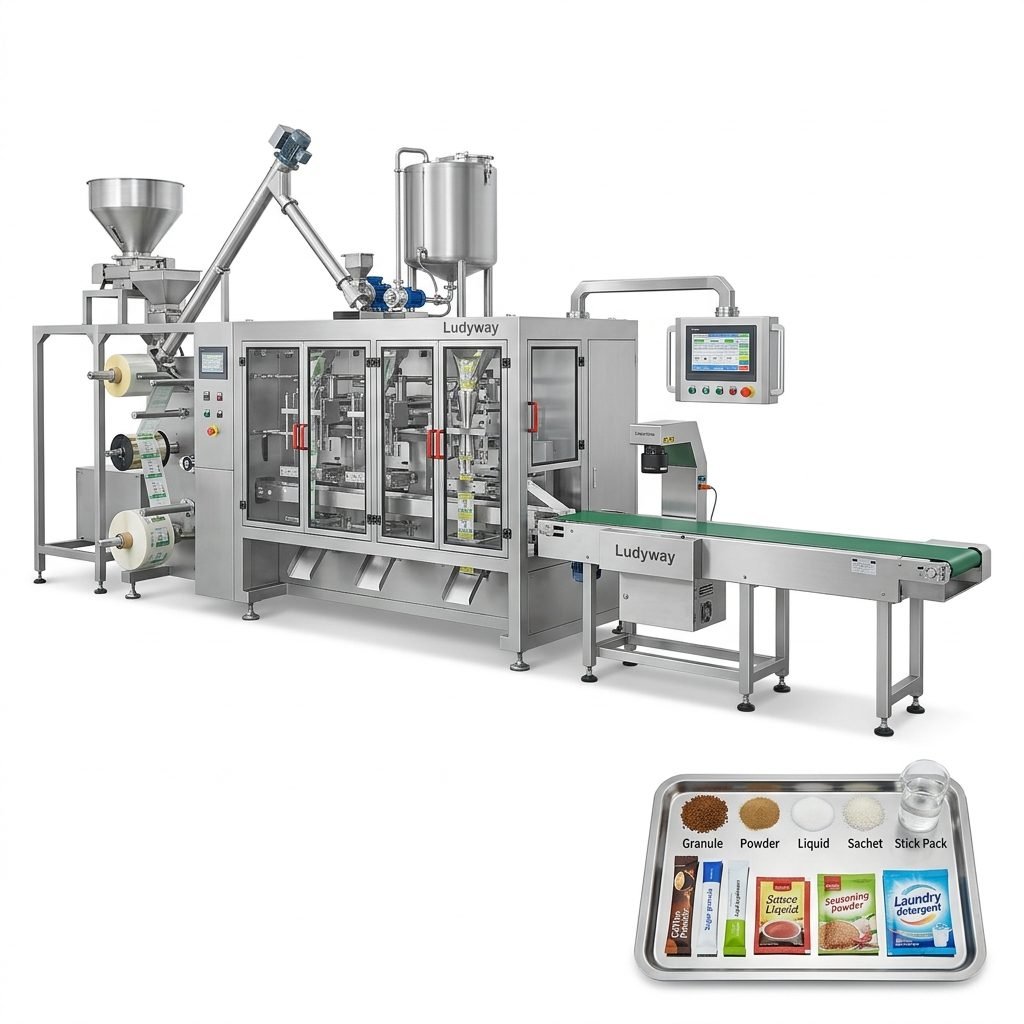
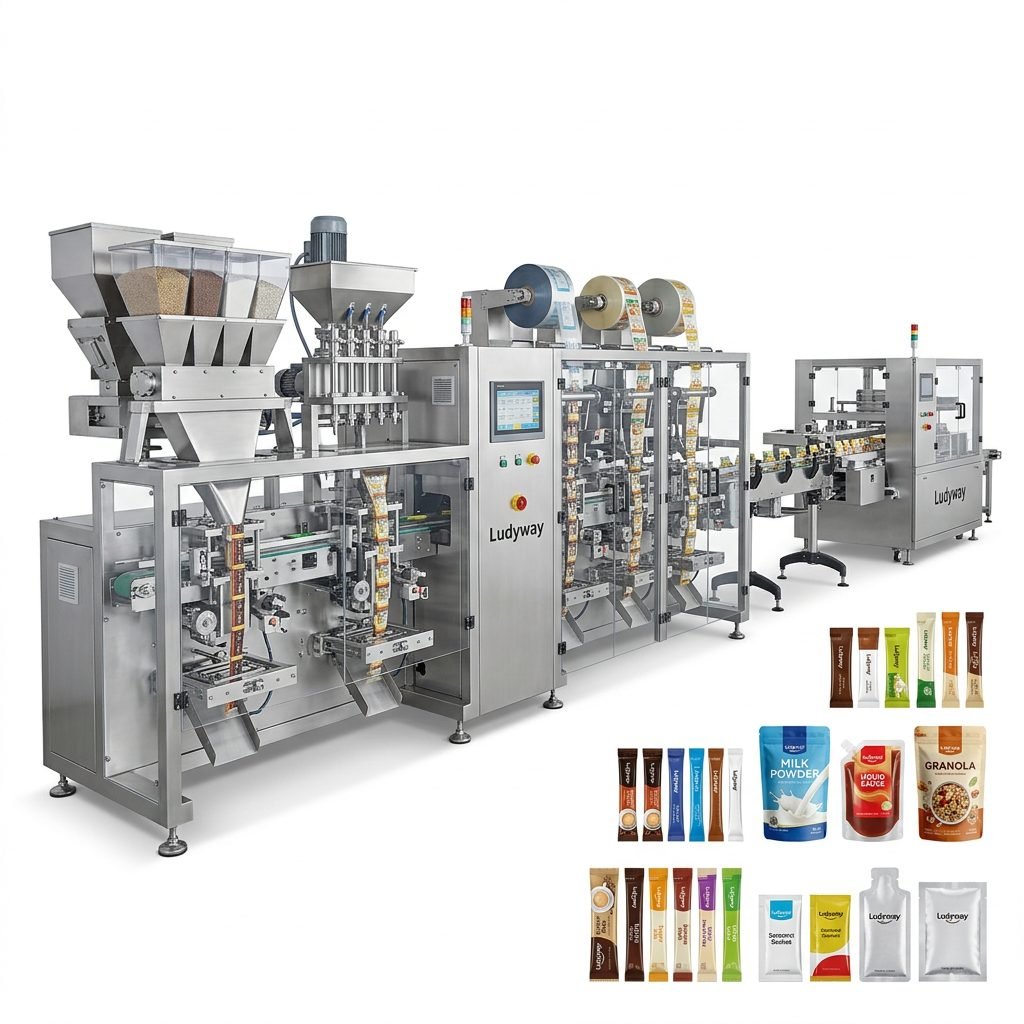
A customized packaging machine is equipment that has been designed, configured, or modified to fit a factory’s specific production environment. Customization can be small or highly complex. In some cases, it may involve changing only the filling system or bag size range. In others, it may mean building a complete turnkey packaging line with feeding, filling, sealing, coding, inspection, cartoning, and palletizing.
- Product-based customization: adapted for powders, granules, liquids, viscous pastes, fragile solids, tablets, capsules, or mixed materials.
- Package-based customization: sachets, stick packs, premade pouches, bottles, jars, bags, or cartons.
- Capacity-based customization: low-volume pilot production, medium-scale lines, or high-speed mass production.
- Layout-based customization: compact footprint, linear layout, U-shape line, or cleanroom-friendly integration.
- Control-based customization: PLC settings, recipe storage, data logging, multilingual HMI, remote diagnostics, and smart factory connectivity.
Which Parts of a Packaging Machine Can Be Customized?
Almost every section of a packaging system can be adjusted to match your factory conditions. The level of customization depends on your industry, product behavior, packaging material, and automation target.
1. Feeding and Material Handling
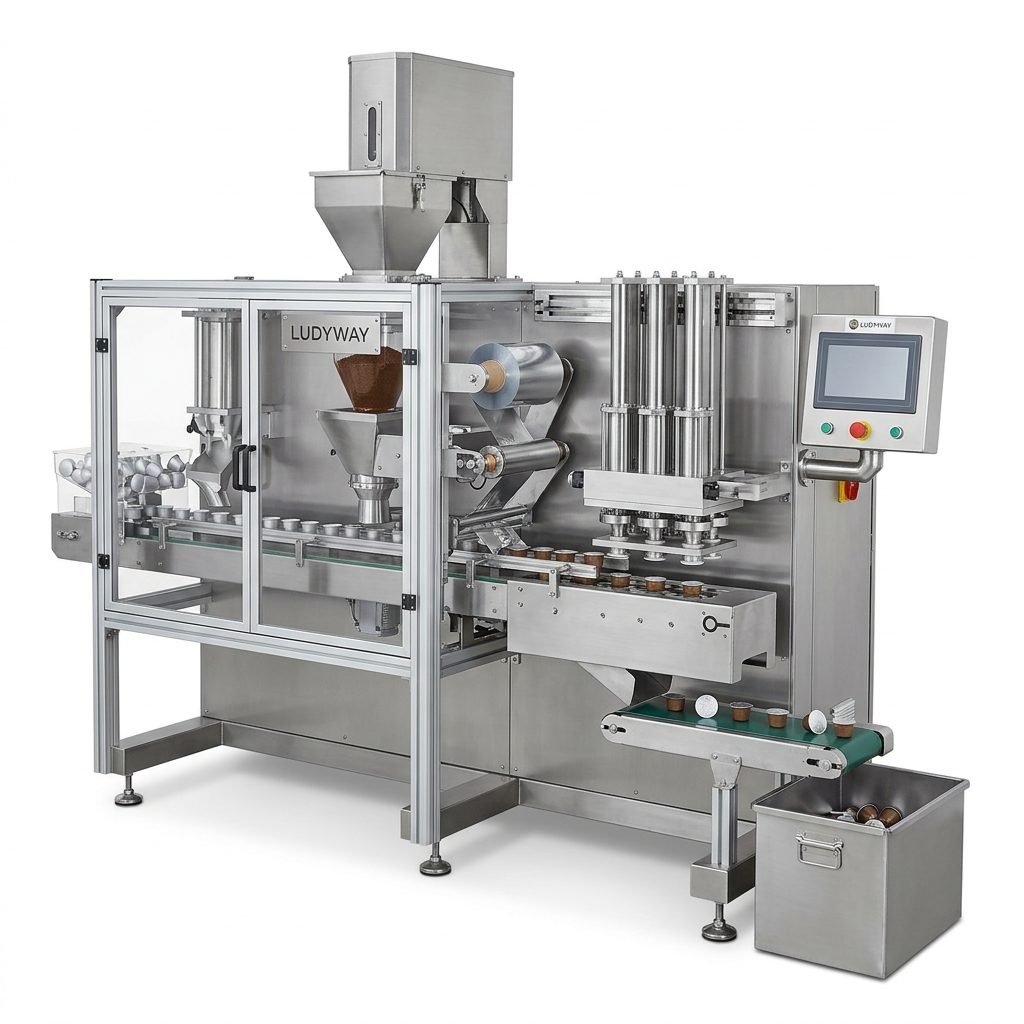
Raw material delivery can be customized with auger feeders, vacuum conveyors, bucket elevators, hoppers, anti-bridging designs, dust control structures, or agitation systems. This is especially important for powders that clump, granules that flow unevenly, or fragile products that break during handling.
2. Dosing and Filling System
Factories often need different filling technologies depending on the product:
- Auger fillers for fine powders
- Volumetric cup fillers for free-flowing granules
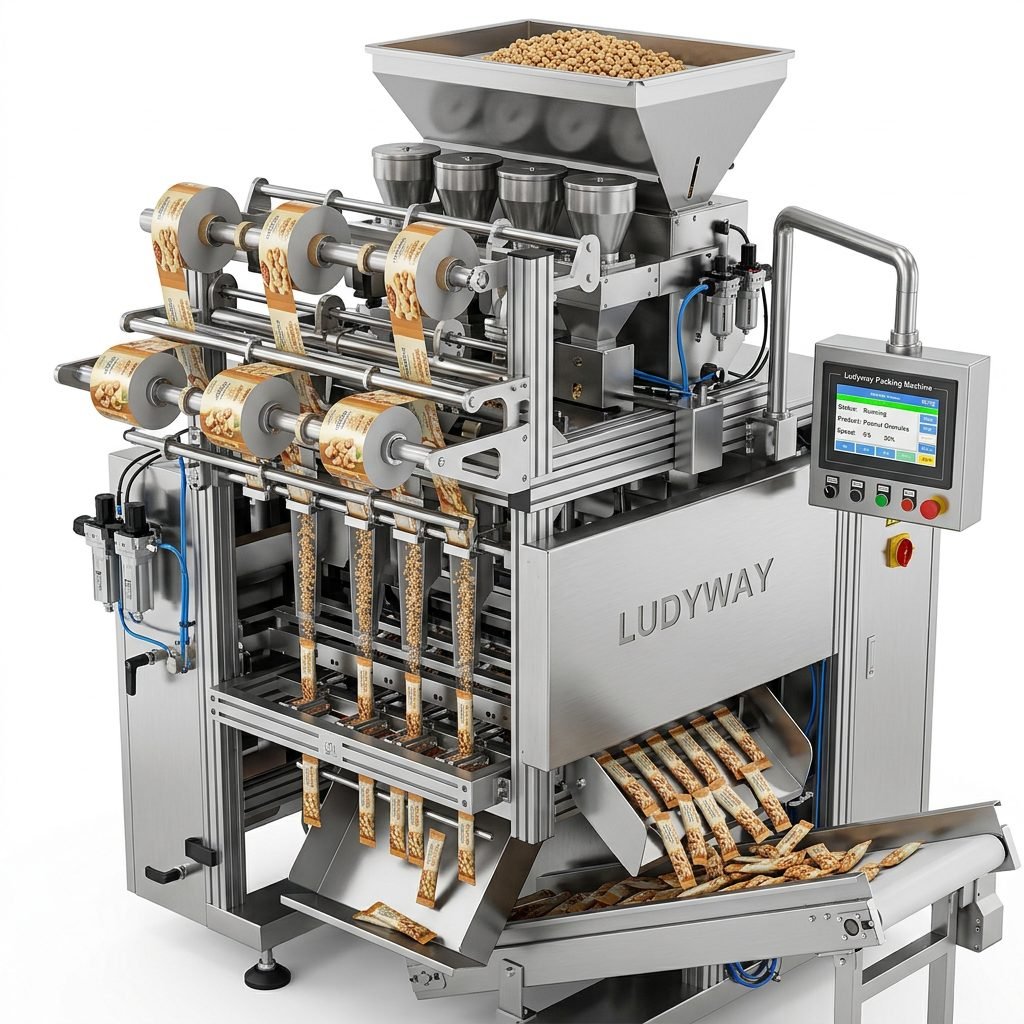
- Multihead weighers for snacks and irregular solids
- Piston fillers for creams and pastes
- Pump fillers for liquids
- Counting systems for tablets, capsules, or hardware parts
3. Bag or Pouch Forming
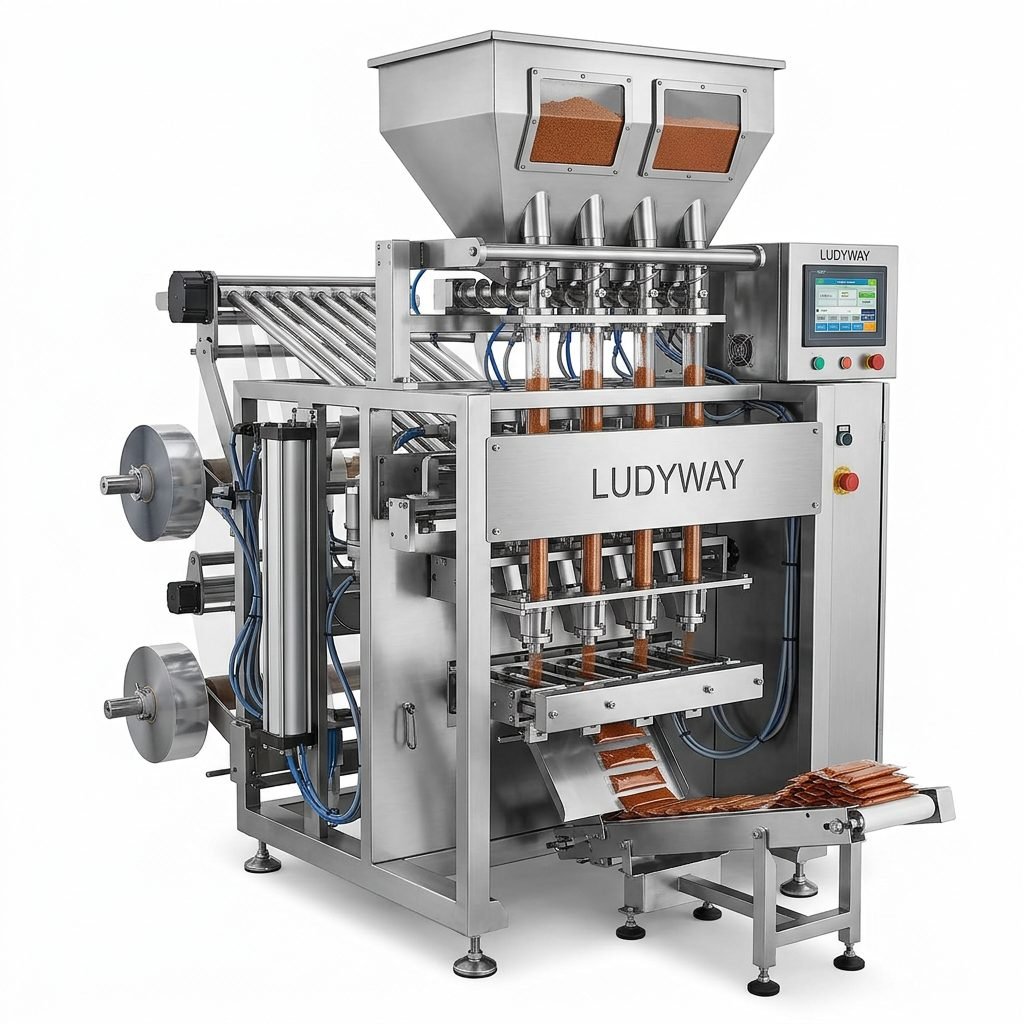
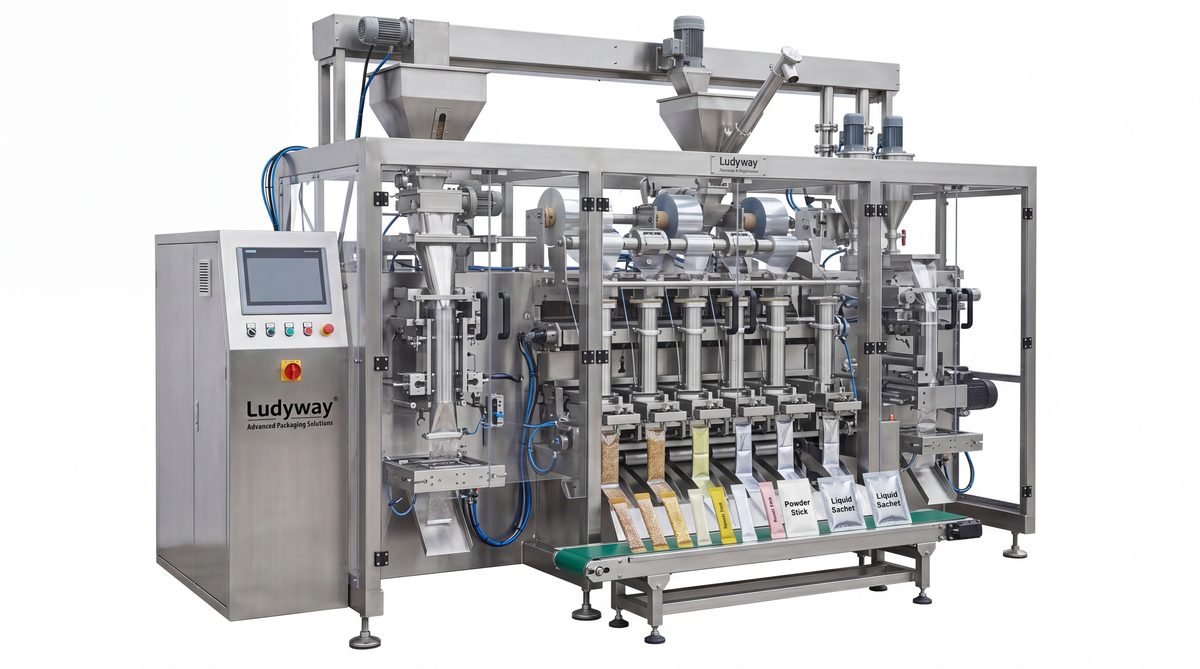
The machine can be built to support stick packs, pillow pouches, 3-side seal, 4-side seal, back seal, shaped pouches, or multi-lane sachets. If your marketing team wants retail-friendly designs, tear notches, euro slots, or special dimensions, those can often be included during machine design.
4. Sealing Structure
Seal strength and consistency matter for shelf life and leakage prevention. Customization may include heat seal type, seal width, embossing pattern, temperature control range, cooling devices, or sealing jaws adapted to laminate films, aluminum foil structures, or PE-based materials.
5. Speed and Lane Configuration
A factory may need a single-lane machine for flexibility or a multi-lane system for high-output manufacturing. Multi-lane customization is common in pharmaceuticals, supplements, food powders, sweeteners, cosmetics, and personal care sachets.
6. Inspection and Quality Control
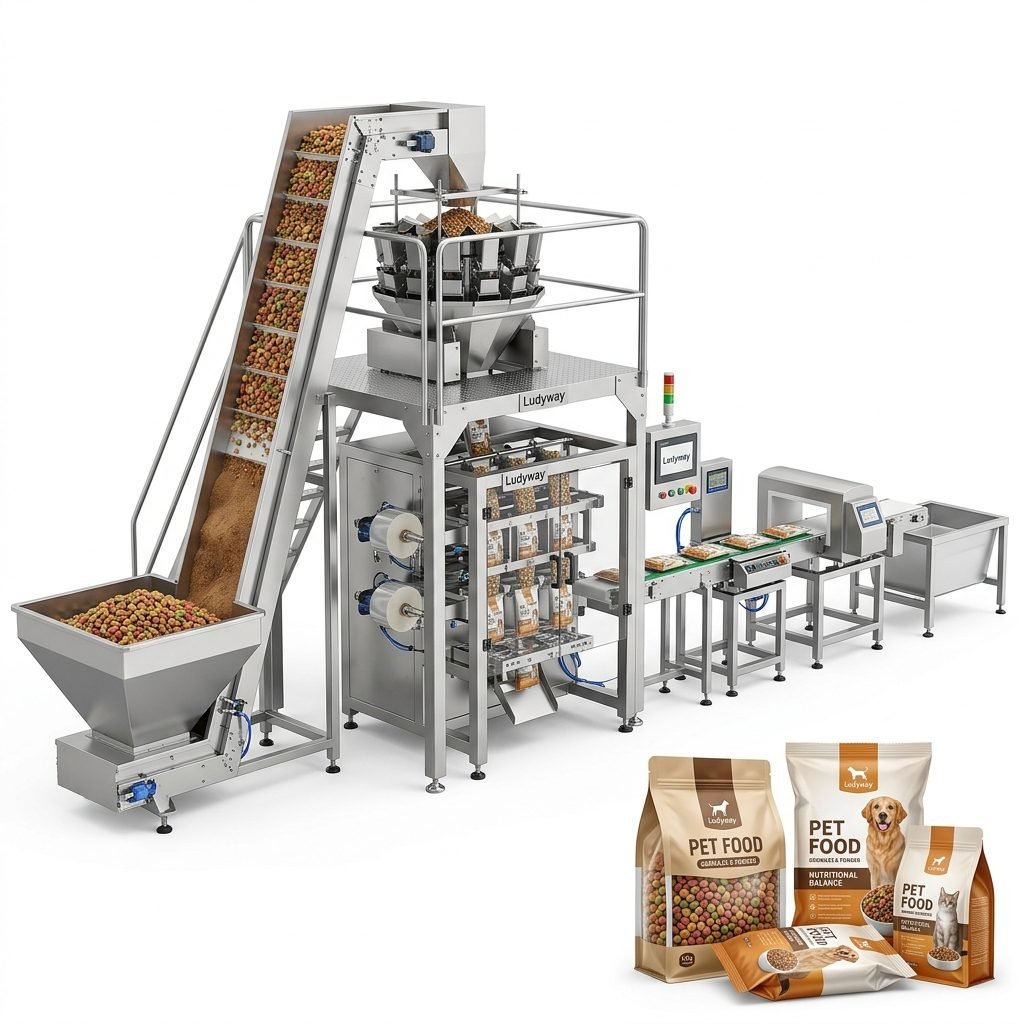
Customized lines may include checkweighers, metal detectors, X-ray inspection, vision systems, reject units, code verification, and leak detection. These functions are especially valuable in food, pharma, and medical sectors.
7. Secondary Packaging Integration
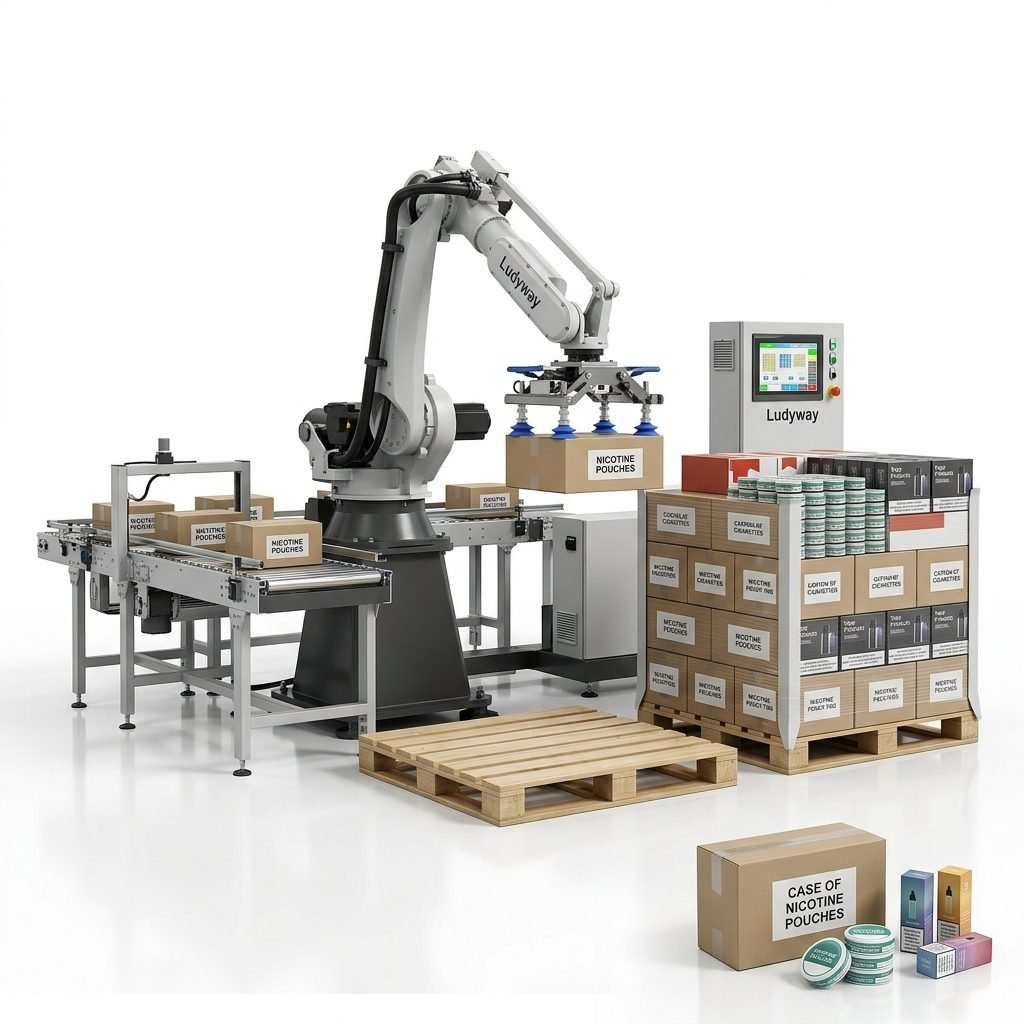
Your machine can be linked with cartoners, case packers, labeling machines, coding units, shrink wrappers, palletizers, and warehouse transfer systems. This reduces manual handling and improves line continuity.
Common Customization Options by Industry
| Industry | Typical Customization Needs | Why It Matters |
|---|---|---|
| Food | Dust control, nitrogen flushing, hygienic contact parts, high-speed multi-lane formats | Protects freshness, improves hygiene, supports shelf life |
| Pharmaceutical | Accurate dosing, validation support, cleanroom compatibility, traceability systems | Helps meet compliance and quality standards |
| Health Supplements | Powder precision, stick pack formats, recipe switching, high output | Supports product consistency and SKU flexibility |
| Cosmetics | Liquid or cream filling, sachet design flexibility, gentle sealing, clean appearance | Enhances packaging quality and market appeal |
| Chemical | Corrosion-resistant parts, safety protection, dust extraction, heavy-duty design | Improves safety and machine durability |
| Animal Feed & Pet Products | Large bag options, bulk weighing, pellet handling, durable conveyors | Supports high-volume and abrasive materials |
Benefits of Custom Packaging Machines for Your Factory
Higher Efficiency
A customized machine is designed around your real process, not a generic assumption. That means fewer stoppages, smoother product flow, faster changeovers, and better line balance. Over time, these improvements can significantly raise total output.
Better Packaging Accuracy
When dosing systems are matched to your product characteristics, you reduce underfill, overfill, sealing defects, and material waste. This is critical when packaging high-value pharmaceutical powders, nutraceutical products, or premium food ingredients.
Reduced Labor Dependency
Custom automation can take over repetitive manual tasks such as feeding, filling, coding, inspection, and packing. This lowers labor costs and helps factories respond to workforce shortages.
Improved Product Safety and Compliance
For regulated sectors, customization can include sanitary structures, dust extraction, enclosed transfer, validation-friendly design, and data collection. These features help maintain quality and simplify audits.
Stronger Flexibility for Future Growth
A good customized machine is not only built for current orders. It should also allow product expansion, packaging size changes, and capacity upgrades. Scalability is one of the most valuable long-term benefits of customization.
When Should a Factory Choose Customization Instead of a Standard Machine?
Standard packaging machines work well for some simple and stable applications. However, customization is usually the better route if your factory faces any of the following situations:
- You package products with poor flowability, stickiness, dust, or fragility.
- You need unusual sachet, stick pack, pouch, or bag dimensions.
- Your output target is too high for standard configurations.
- You must fit the machine into a restricted plant layout.
- You need to connect packaging with upstream processing or downstream cartoning.
- You operate in food, pharmaceutical, medical, or chemical sectors with strict technical requirements.
- You want fast SKU switching for multiple products on one line.
Key Considerations Before Ordering a Customized Packaging Machine
Know Your Product Characteristics
Before discussing machine design, prepare detailed product information:
- Particle size or powder fineness
- Bulk density
- Moisture sensitivity
- Viscosity for liquid or paste products
- Flowability
- Foaming tendency
- Required fill weight or volume
Define Packaging Format and Material
The film structure, package shape, seal type, and pack dimensions all affect machine design. If possible, provide sample packaging materials and finished pack references during project planning.
Set Realistic Production Targets
Many buyers focus only on maximum speed, but actual performance depends on product behavior, fill weight, packaging film, and changeover frequency. Clarify your expected output per minute, per shift, and per year.
Review Factory Space and Utilities
A machine should fit your workshop, operator access paths, maintenance zones, and utility conditions. Confirm:
- Available floor space
- Ceiling height
- Electrical specifications
- Compressed air supply
- Dust extraction or HVAC requirements
- Cleanroom or sanitary area restrictions
Consider Changeover and Maintenance
If your factory handles multiple SKUs, tool-free or fast-change parts can save a lot of downtime. Maintenance access, spare parts availability, and remote technical support should also be discussed early.
Check Supplier Engineering Capability
Not every equipment supplier can deliver true customization. Some only provide minor modifications. Choose a manufacturer with in-house engineering, line integration experience, export capability, and application knowledge across industries.
Questions You Should Ask a Packaging Machine Manufacturer
- Can you customize the machine based on my product samples?
- What filling technology do you recommend, and why?
- Can the machine support future product or package size expansion?
- How is the line tested before shipment?
- What documents, drawings, and operating manuals are included?
- Do you offer installation guidance, training, and after-sales support?
- What is the expected lead time for custom projects?
- How are spare parts managed for overseas customers?
Standard vs Customized Packaging Machines
| Factor | Standard Machine | Customized Machine |
|---|---|---|
| Initial Cost | Usually lower | Usually higher upfront |
| Fit for Unique Products | Limited | Strong |
| Line Integration | Basic | Designed for factory workflow |
| Scalability | Moderate | Higher |
| Changeover Efficiency | Depends on model | Can be optimized for your SKU mix |
| Long-Term ROI | Good for simple applications | Often stronger for complex or growing factories |
How Custom Turnkey Lines Add More Value
Sometimes the best solution is not a standalone machine but a full turnkey line. This can include raw material feeding, dosing, filling, sealing, coding, inspection, cartoning, and end-of-line automation. Turnkey integration reduces compatibility risks between different machines and helps create a smoother production flow.
Manufacturers such as Ludyway packaging machine manufacturer are often considered by buyers seeking scalable and customized automation solutions across food, pharmaceutical, health supplement, cosmetic, chemical, and related sectors.
Final Buying Advice for Factory Managers
If your packaging process is central to productivity, product safety, or brand presentation, customization is worth serious consideration. The goal is not simply to buy a machine with more features, but to invest in a solution that fits your material, your operators, your space, and your business plan.
The most successful projects usually begin with clear technical data, realistic output expectations, and close communication with an experienced manufacturer. When those elements are in place, customized packaging machines can deliver better efficiency, lower waste, stronger consistency, and a more future-ready production line.