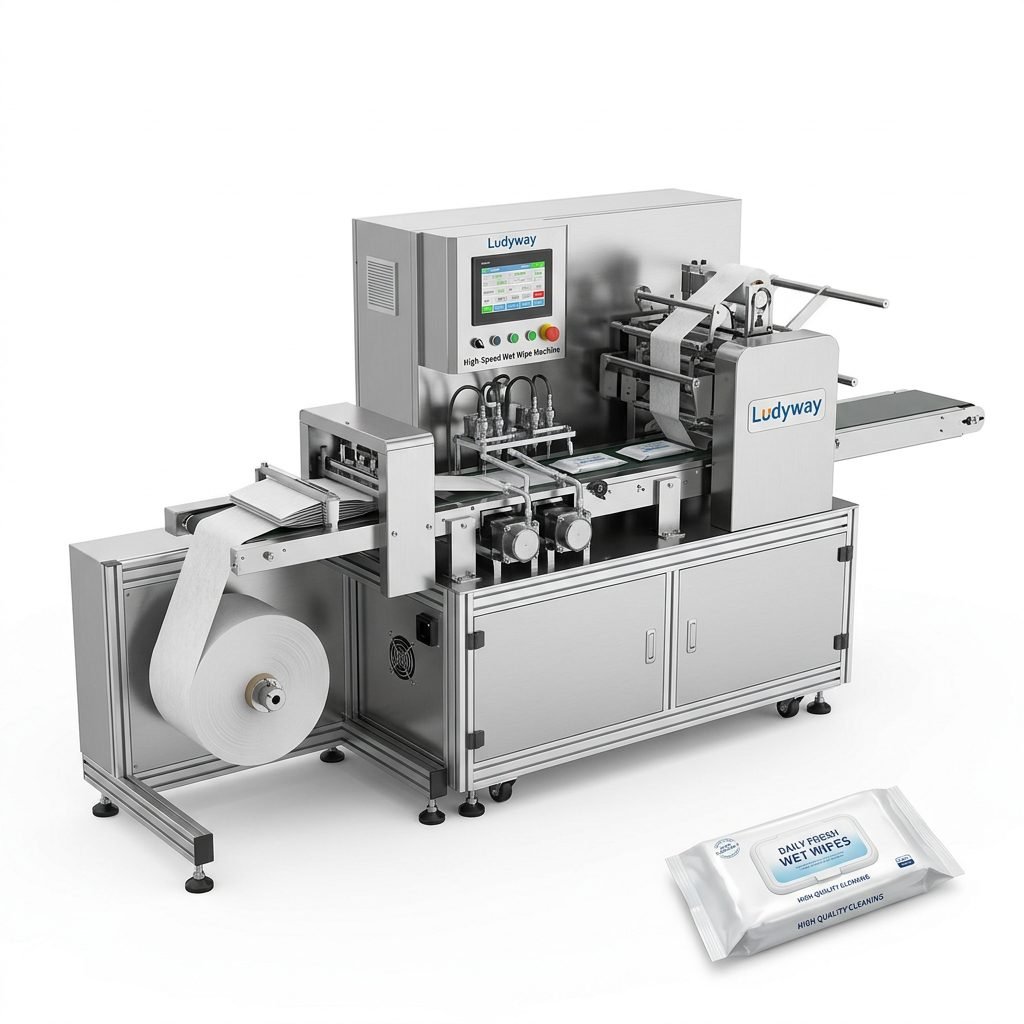
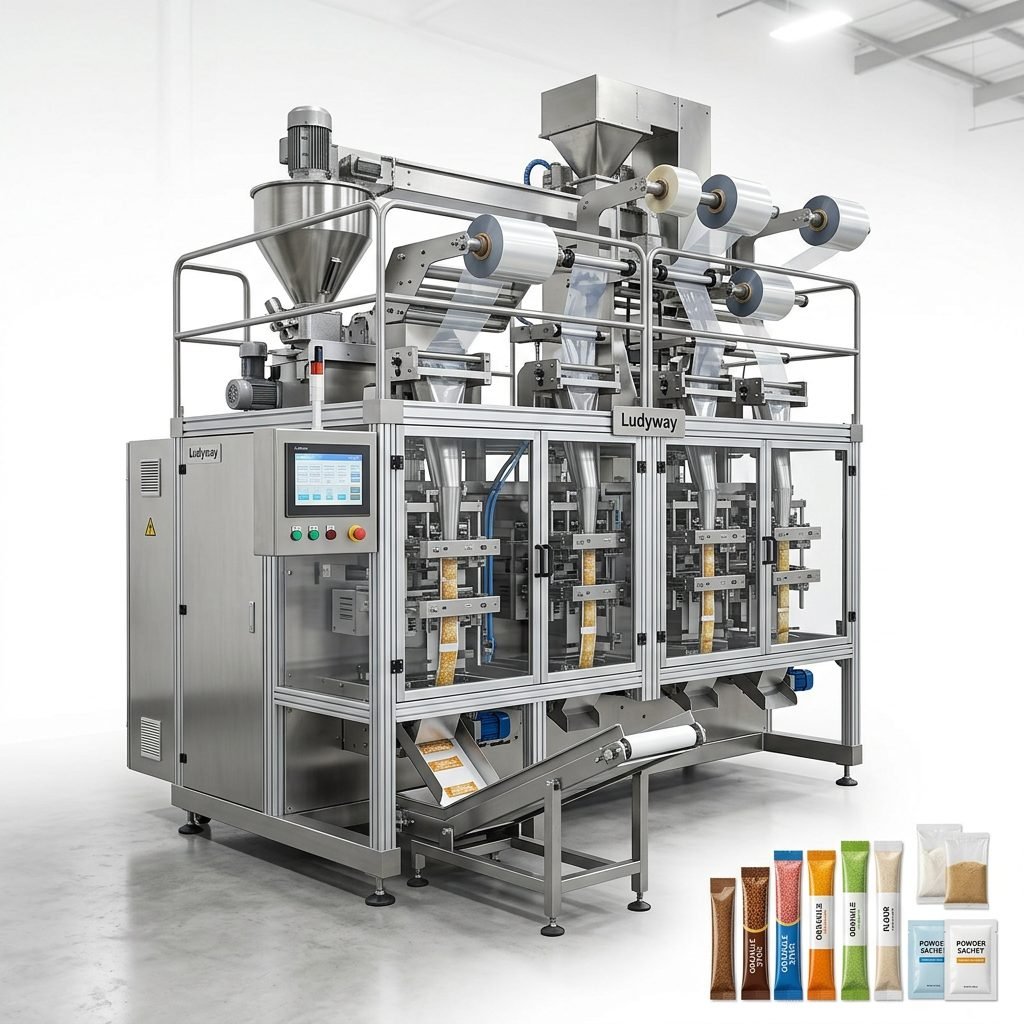
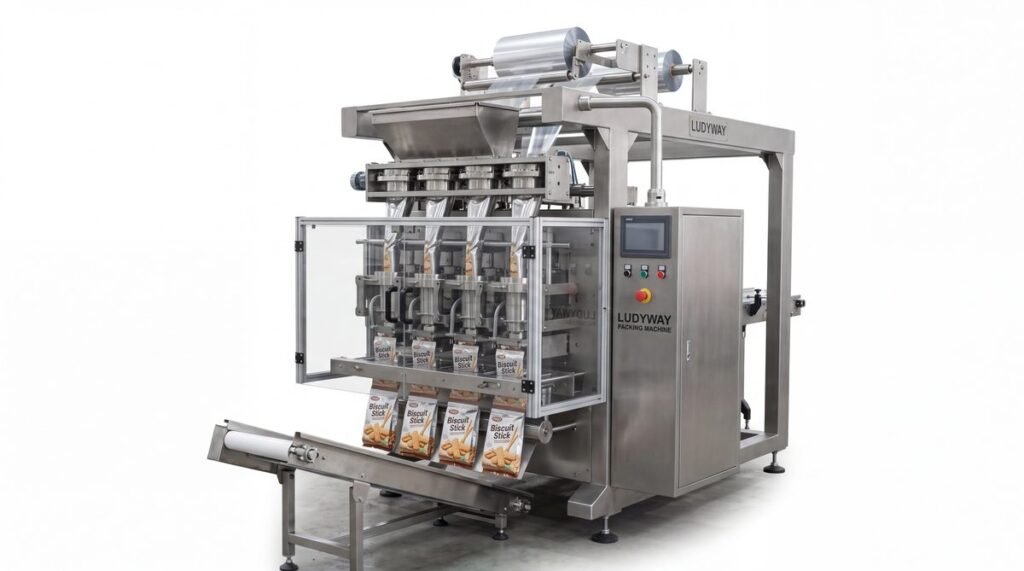
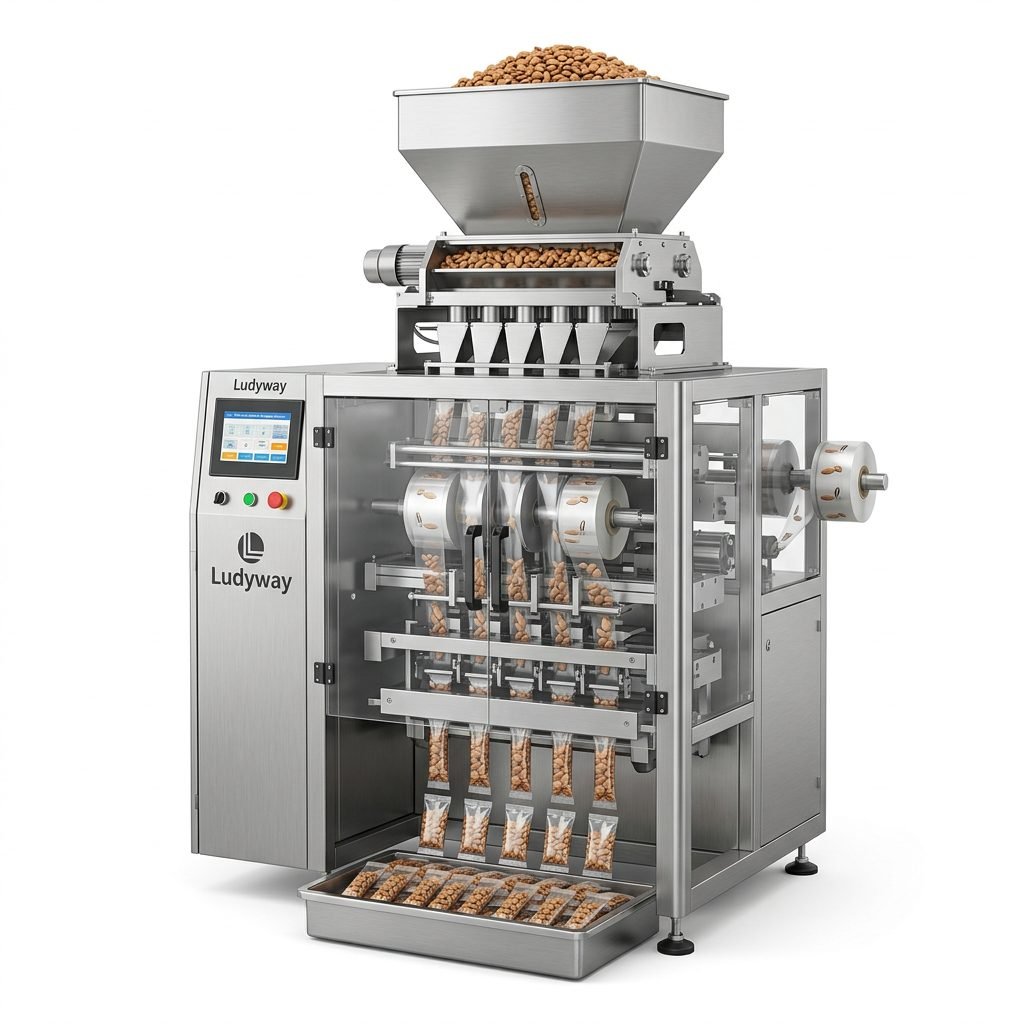
Selecting the right manufacturing packaging equipment is a critical decision that impacts production efficiency, product quality, and overall operational costs. This guide delves into the primary types of equipment available, provides a structured selection methodology, and outlines actionable strategies to optimize your investment and achieve significant cost savings.
Core Types of Manufacturing Packaging Equipment
The packaging machinery landscape is diverse, designed to handle different product forms, speeds, and packaging styles. Understanding these core categories is the first step.
1. Primary Packaging Systems
These machines handle the direct containment of the product into its final retail unit.
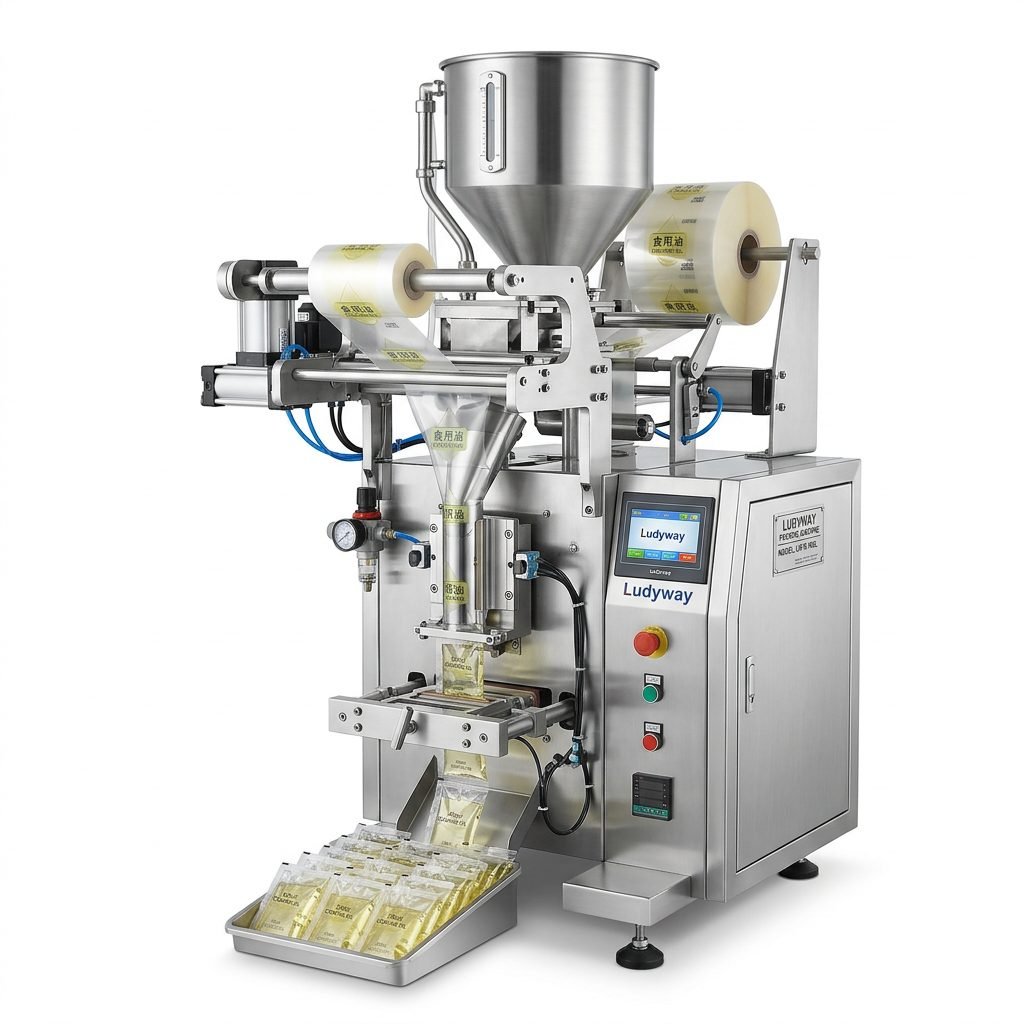
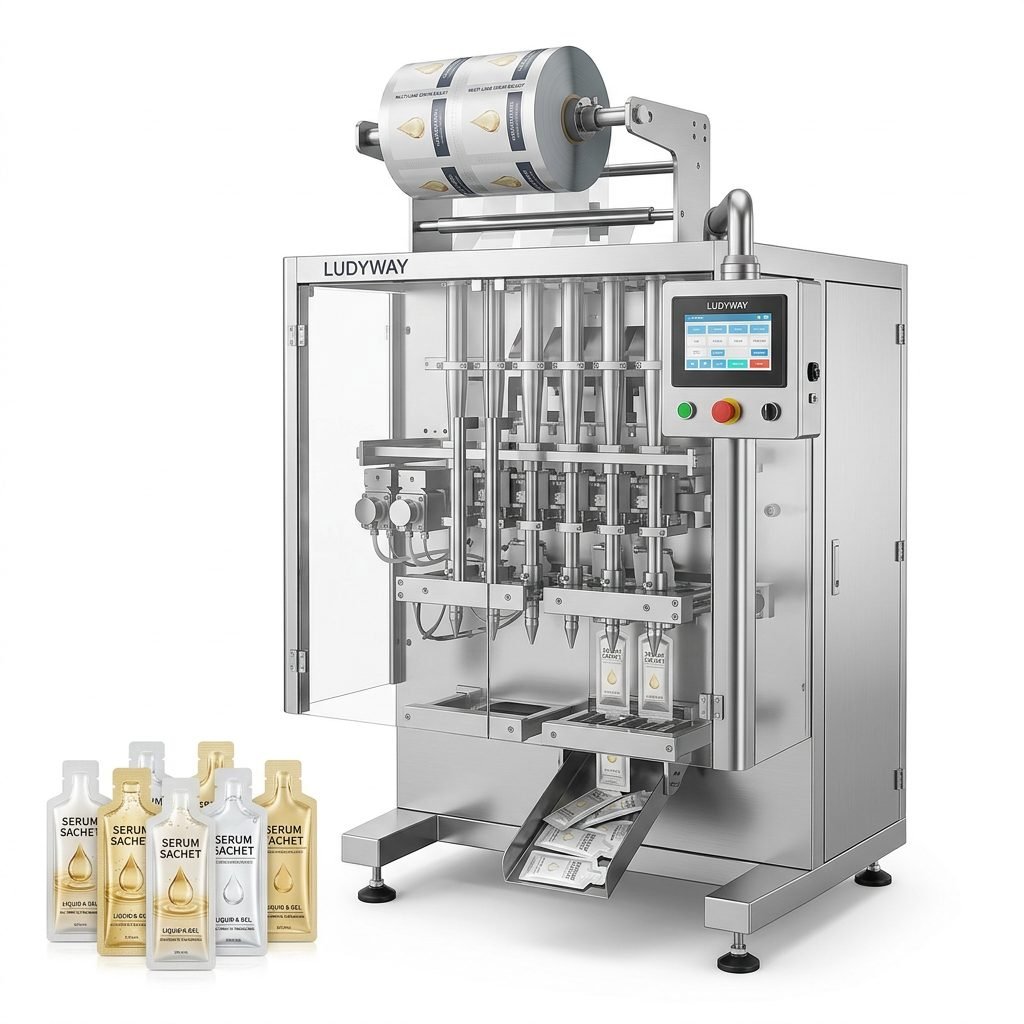
- Filling Machines: For granules, powders, and liquids. Precision is paramount to ensure accurate dosing and minimize giveaway.
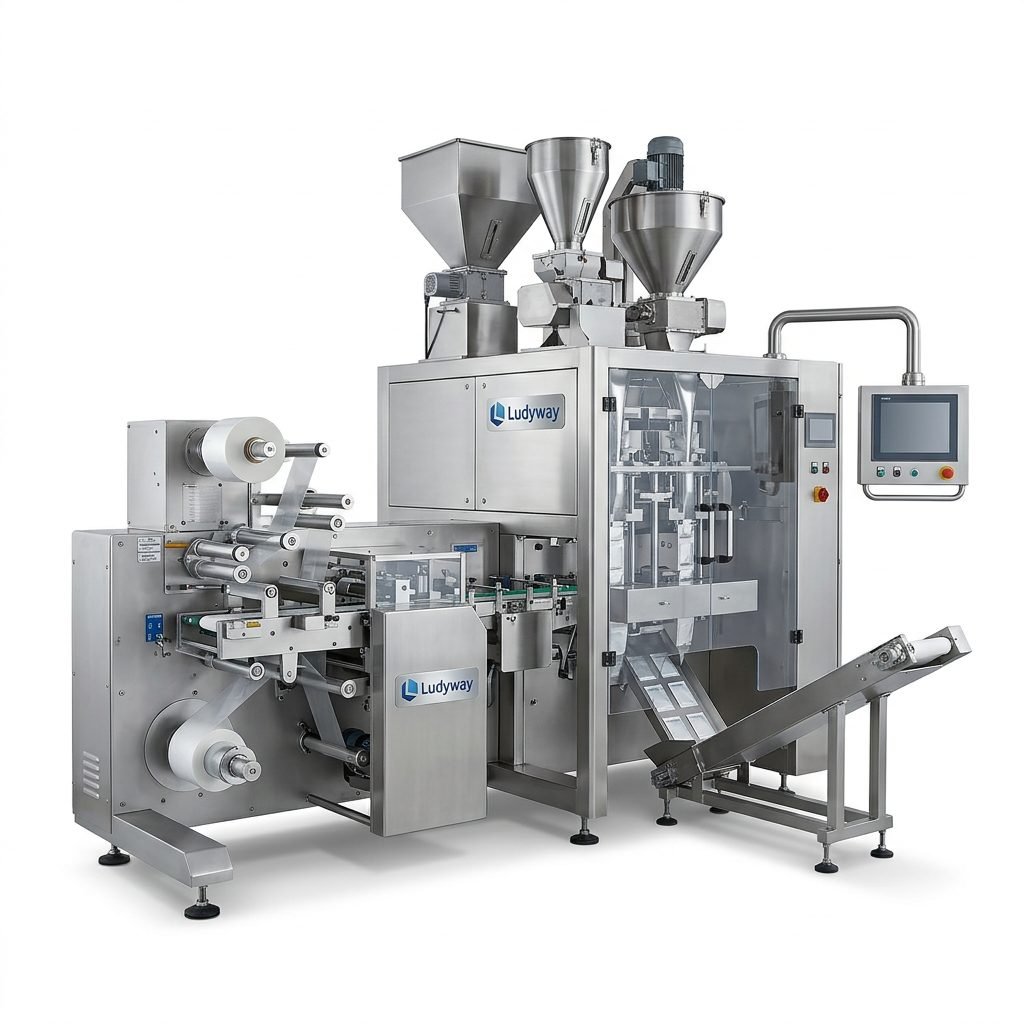
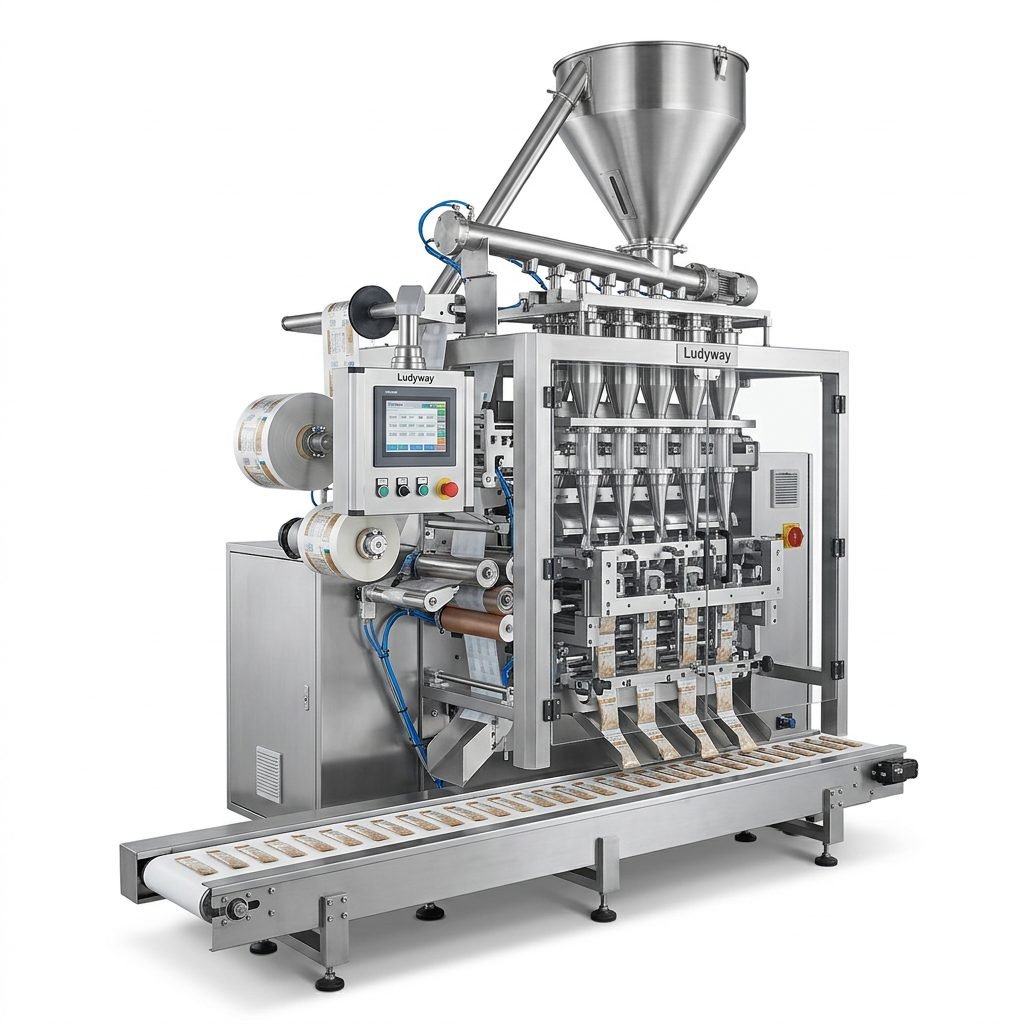
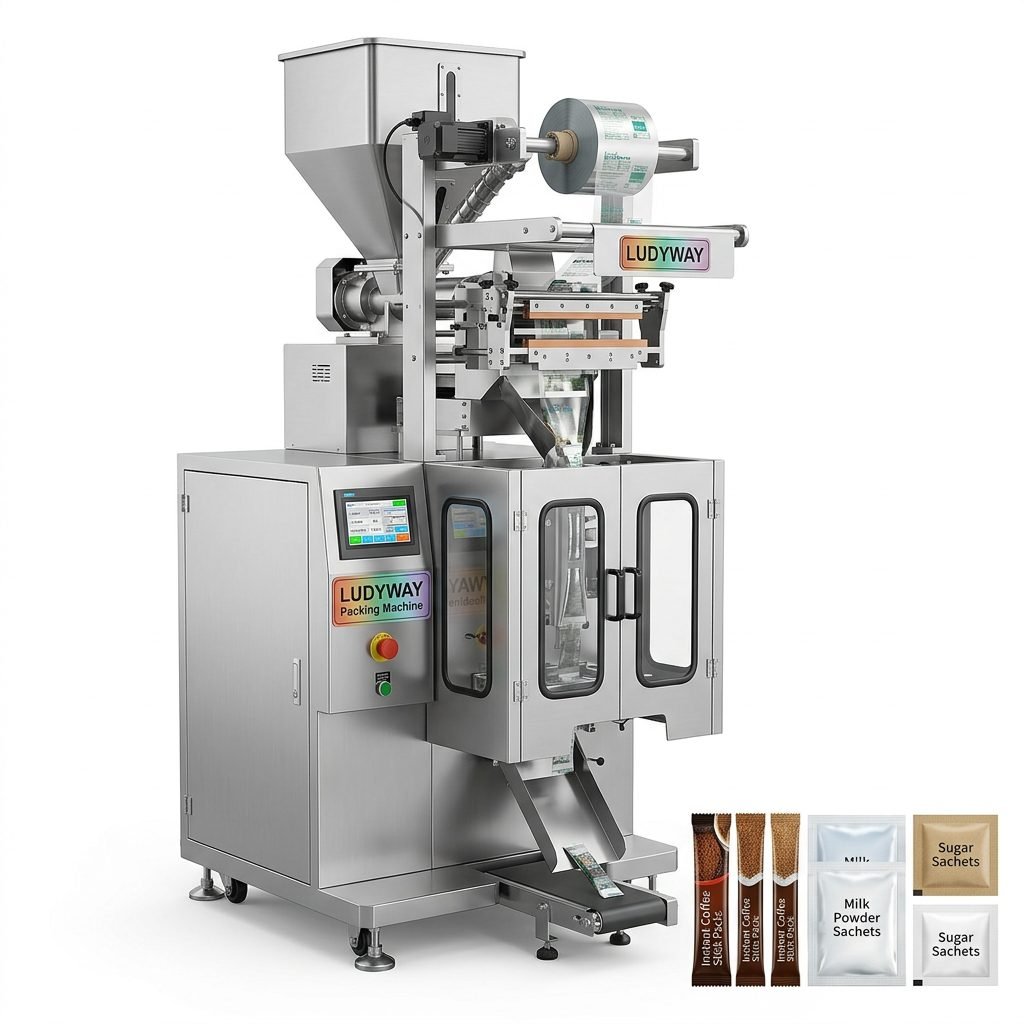
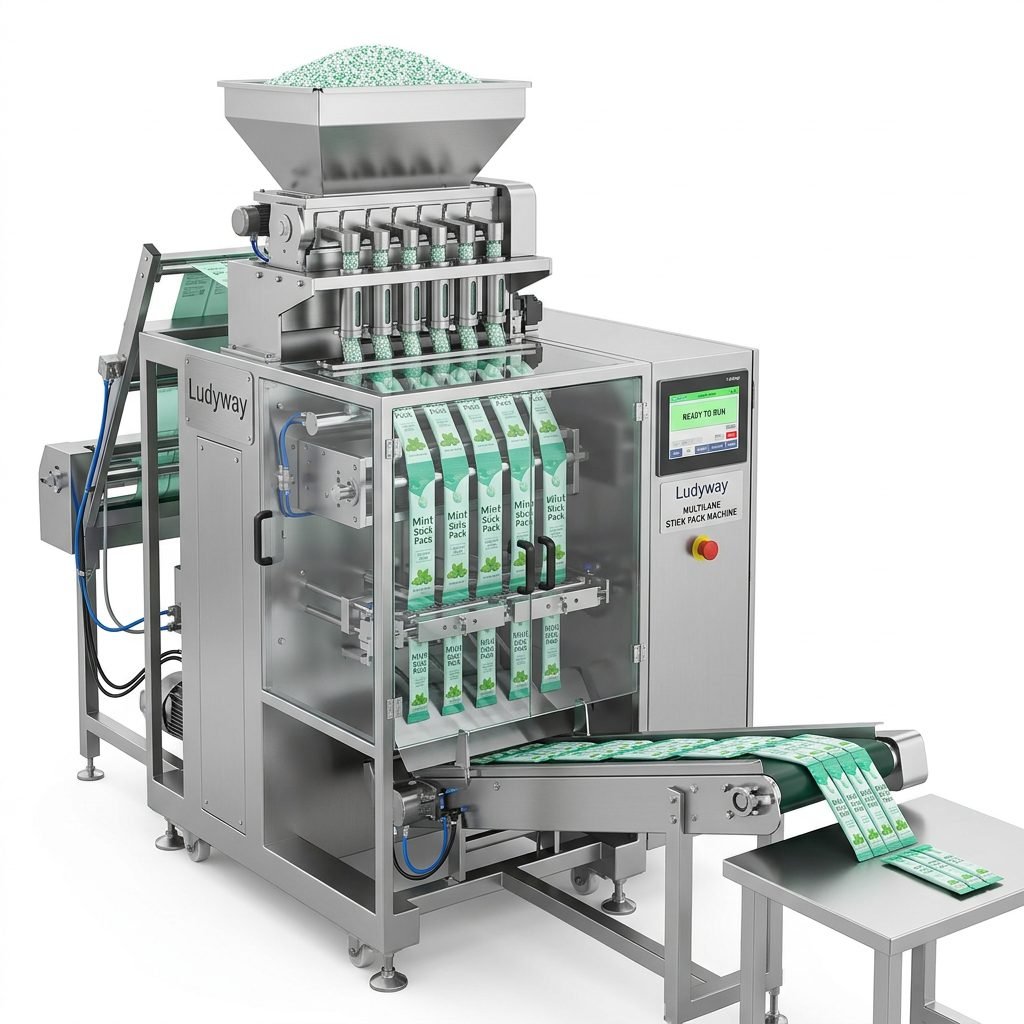
- Form-Fill-Seal (FFS) Machines: Highly automated systems that form the package from a roll of film, fill it with product, and seal it. Ideal for sachets, stick packs, and pouches.
- Bottle & Can Fillers: Used for liquid and semi-liquid products in rigid containers, often integrated with capping and labeling systems.
2. Secondary & End-of-Line Packaging
This equipment handles the grouping, boxing, and palletizing of primary packages for shipment.
- Cartoning Machines: Automatically erect cartons and insert primary packages.
- Case Packers & Sealers: Load filled cartons into shipping cases and seal them.
- Palletizers & Wrappers: Stack cases onto pallets and apply stabilizing stretch wrap.
A Practical Guide to Equipment Selection
Choosing equipment is not just about the machine specs; it’s about aligning technology with your business needs.
Step 1: Define Your Product & Packaging Requirements
Start with a clear analysis. What is your product’s physical form (granule, powder, viscous liquid)? What are the target package types (stick pack, sachet, bottle)? Determine your required output speed (packages per minute/hour) and any special needs like nitrogen flushing for freshness or high-barrier films.
Step 2: Evaluate Machine Capabilities & Flexibility
Look beyond the basic function. Can the machine handle a range of package sizes with quick changeover? Does it support future product variants? Modern multi-lane stick pack machines, for example, offer excellent flexibility for high-volume, small-format packaging.
Step 3: Assess Integration & Automation Level
Consider how the machine will fit into your line. Does it require manual feeding or can it integrate with upstream and downstream equipment like weigh fillers or cartoners? Higher automation reduces labor but increases initial investment.
Step 4: Analyze Supplier Credentials & Support
A machine’s performance depends heavily on the supplier. Prioritize manufacturers with proven industry experience, strong engineering support, and a reliable after-sales service network. Look for suppliers offering turnkey production solutions, as they ensure all components work harmoniously.
Effective Cost-Saving Strategies
The goal is to maximize the return on your capital expenditure. Smart strategies can reduce both upfront and long-term costs.
Strategy 1: Focus on Operational Efficiency & Yield
Cost savings begin on the production floor. High-precision filling equipment minimizes product “giveaway,” directly saving material costs. Machines with high reliability and uptime reduce lost production time. Implementing intelligent packaging systems with real-time monitoring can pinpoint inefficiencies.
Strategy 2: Optimize Changeover Times & Flexibility
Quick changeover between different products or package sizes maximizes line utilization and reduces downtime. Invest in equipment designed for easy adjustment. This flexibility allows you to respond to market demands without needing separate dedicated lines.
Strategy 3: Plan for Scalability & Future Needs
Buying a machine that barely meets today’s needs can lead to costly replacements tomorrow. Select equipment with capacity headroom or modular designs that allow for future upgrades (e.g., adding lanes to a stick pack machine). This protects your investment as your business grows.
Strategy 4: Leverage Supplier Partnerships
A strong partnership with your equipment supplier can unlock savings. Suppliers with deep application knowledge can recommend the most efficient and cost-effective configuration. They may also offer favorable terms for bundled solutions or long-term service contracts, ensuring optimal machine performance over its entire lifecycle.
Frequently Asked Questions (FAQs)
Q1: How do I determine the right output speed for my packaging machine?
Calculate based on your annual production volume, factoring in planned downtime for maintenance, changeovers, and potential future growth. It’s often wiser to select a machine with 15-20% more capacity than your current peak requirement to accommodate growth.
Q2: What is more important: machine price or long-term operating cost?
While upfront cost is a factor, the Total Cost of Ownership (TCO) is crucial. A slightly more expensive machine with higher efficiency, lower maintenance, and less product waste will often save more money over 3-5 years than a cheaper, less capable model.
Q3: Can I automate my existing semi-automatic packaging line?
Yes, in many cases. Suppliers can often retrofit automation components like automatic feeders, vision systems, or robotic case packers to existing lines. A feasibility study with an experienced automation partner is the first step.
Q4: How critical is after-sales service and technical support?
Extremely critical. Packaging machines are complex and require calibration, maintenance, and occasional repairs. A supplier with a responsive, knowledgeable support team ensures minimal disruption and helps you maintain peak efficiency, protecting your investment.
Q5: What are the key trends in packaging equipment I should consider?
Focus on flexibility, connectivity, and sustainability. Trends include modular machines for quick reconfiguration, IoT-enabled equipment for data-driven optimization, and machines designed to handle recyclable or lightweight materials to reduce environmental impact and material costs.