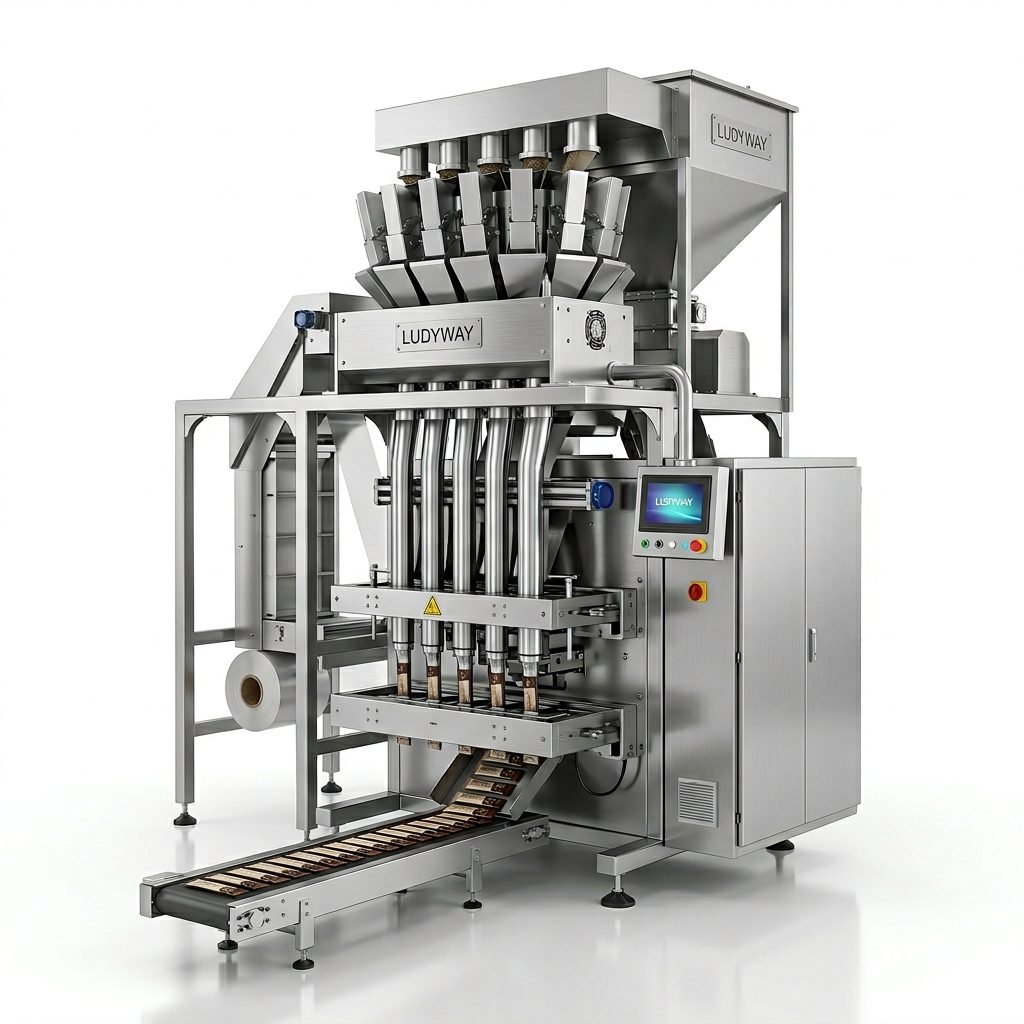
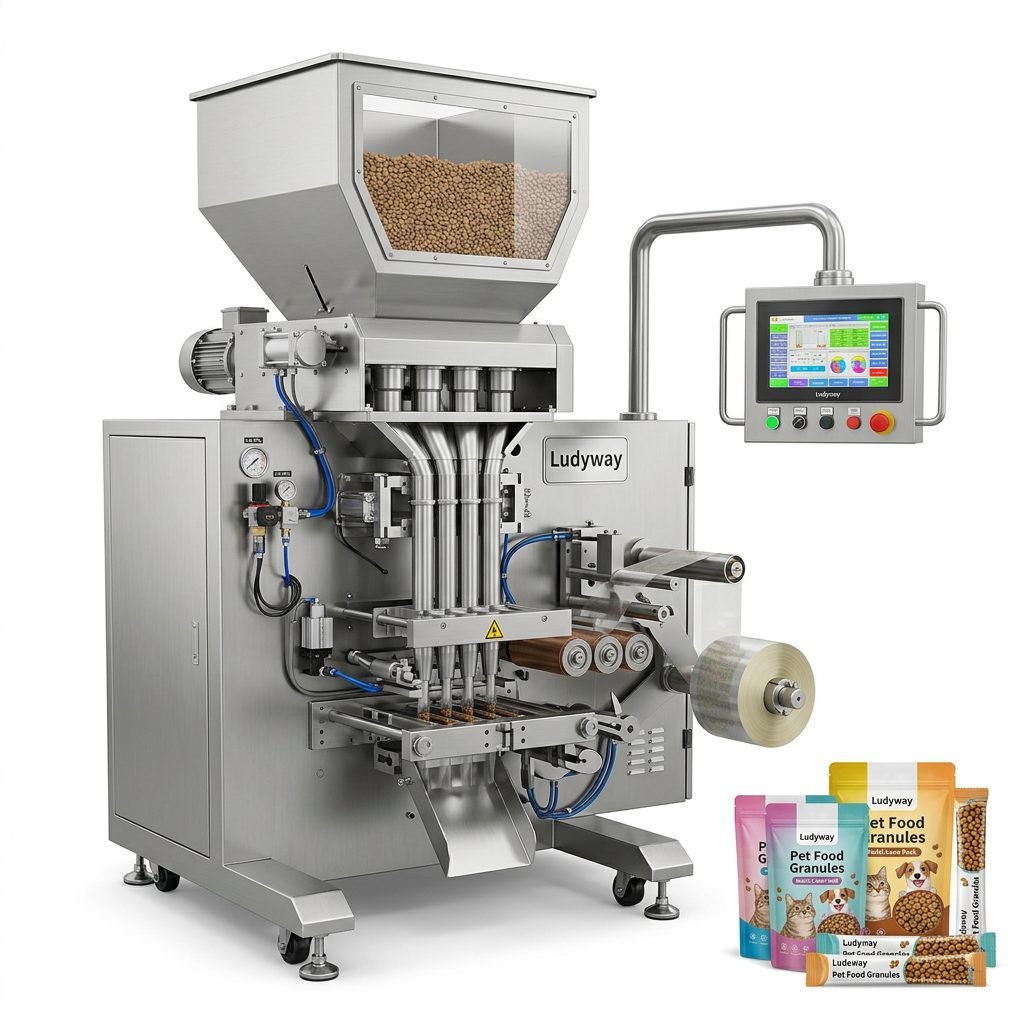
In the fast-paced world of commercial kitchens, efficiency is the cornerstone of profitability and success. The relentless demand for speed, consistency, and hygiene places immense pressure on every operational facet. While menu innovation and chef talent often take the spotlight, the unsung hero of a streamlined back-of-house is frequently the packaging process. Innovative food packaging equipment solutions are no longer a luxury but a critical investment for any commercial kitchen aiming to optimize workflow, reduce waste, and ensure product integrity from preparation to point of service or delivery.
The Packaging Bottleneck in Modern Kitchens
Traditional, manual packaging methods are a significant bottleneck. They are labor-intensive, prone to inconsistency, and can become a hygiene concern during high-volume periods. Whether it’s portioning sauces, sealing ready-to-eat meals, packing bulk ingredients, or preparing meal kits for delivery, manual handling slows down the line and increases the risk of contamination and human error. This inefficiency directly impacts the bottom line through higher labor costs, material waste, and potential customer dissatisfaction due to packaging failures or inconsistent portions.
Core Innovations Driving Kitchen Efficiency
The latest generation of food packaging equipment is designed to integrate seamlessly into commercial kitchen workflows, addressing these pain points with smart automation and adaptable design.
1. Automated Portioning and Filling Systems
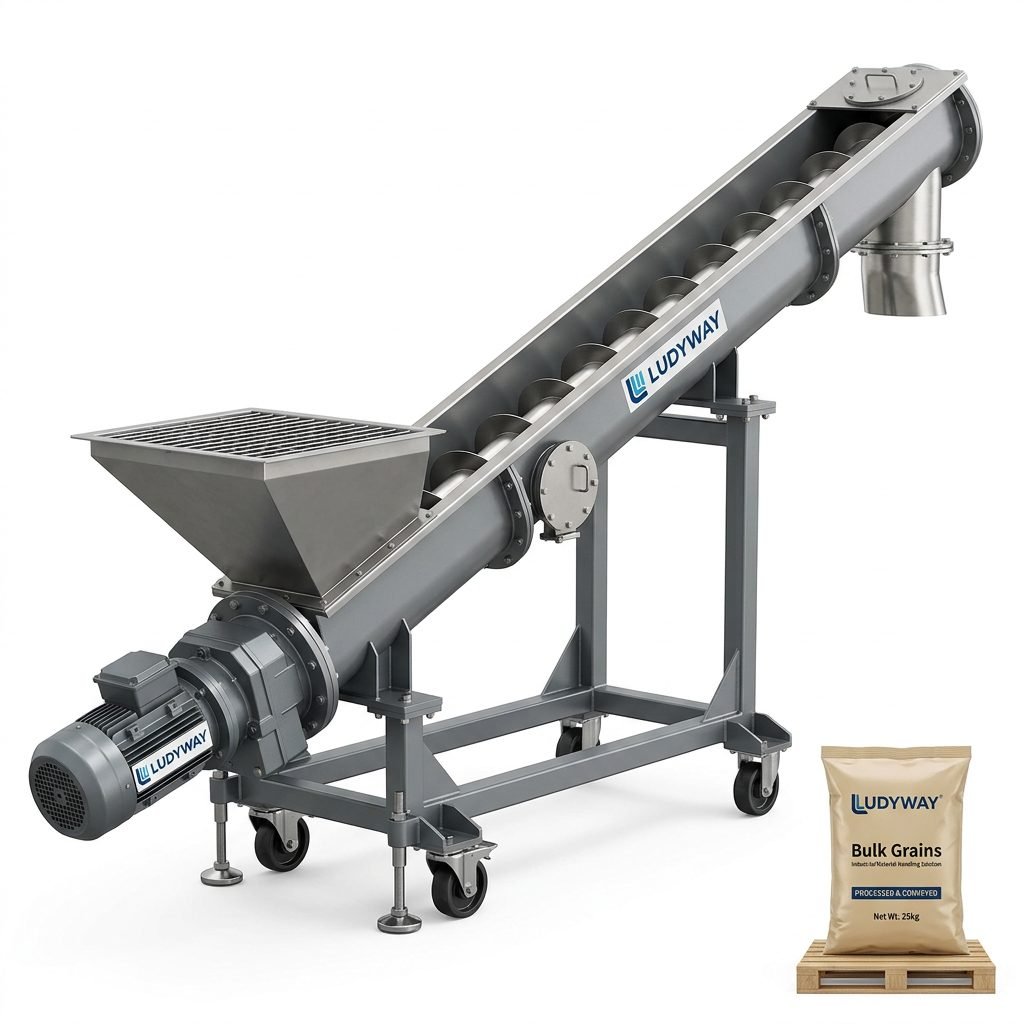
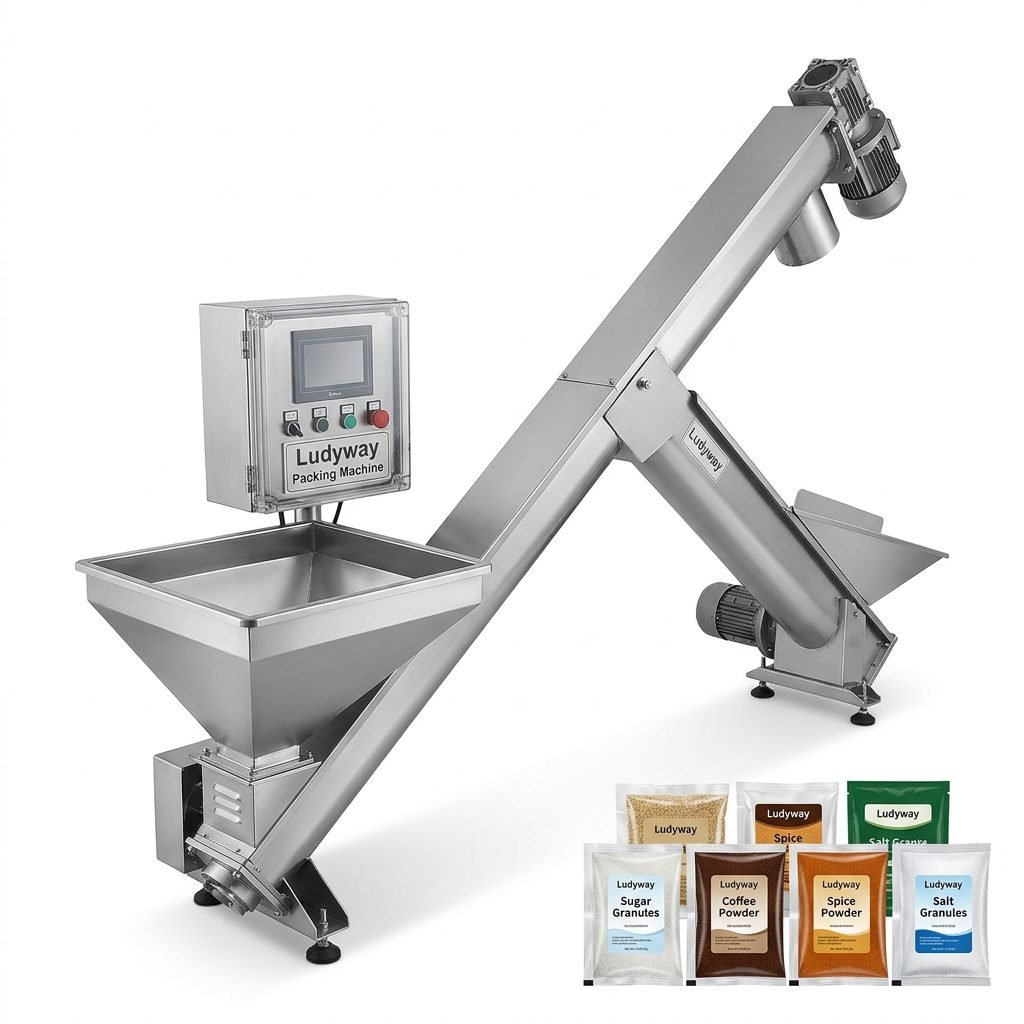
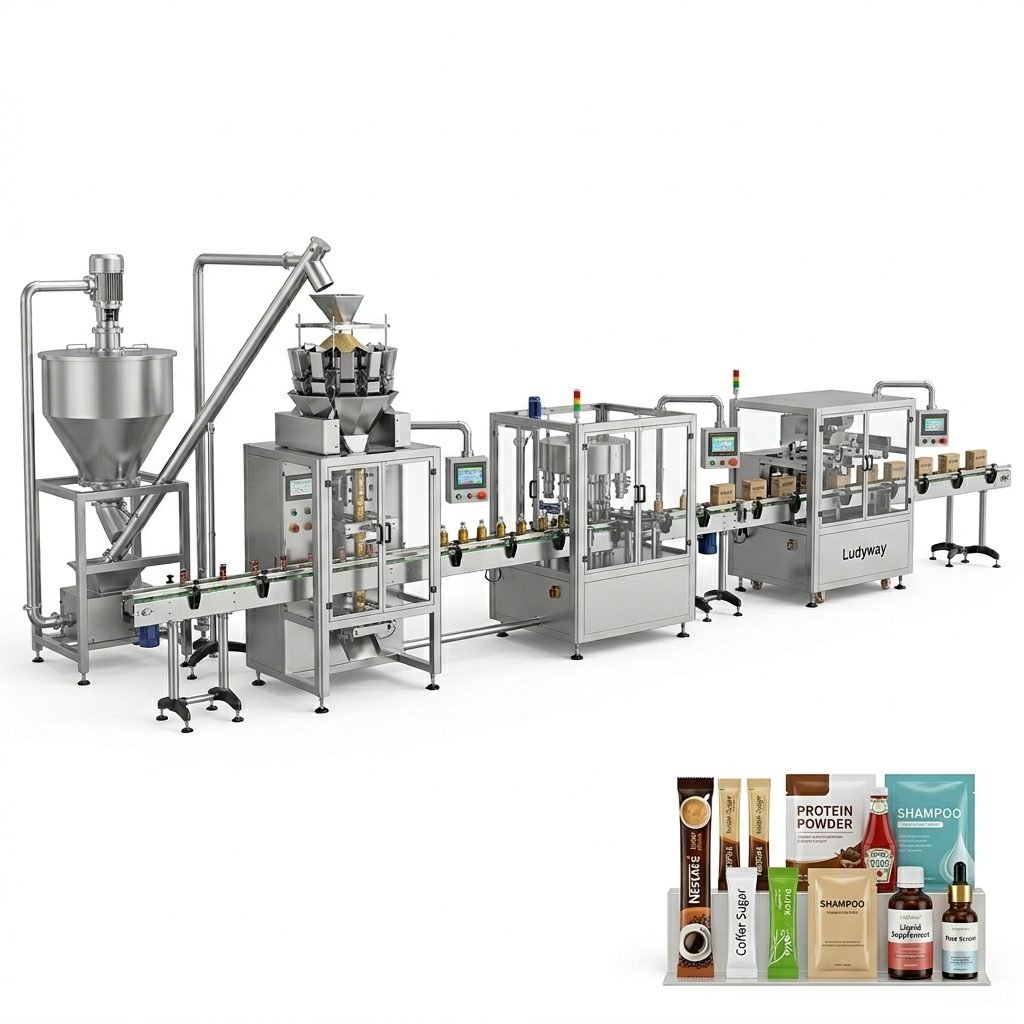
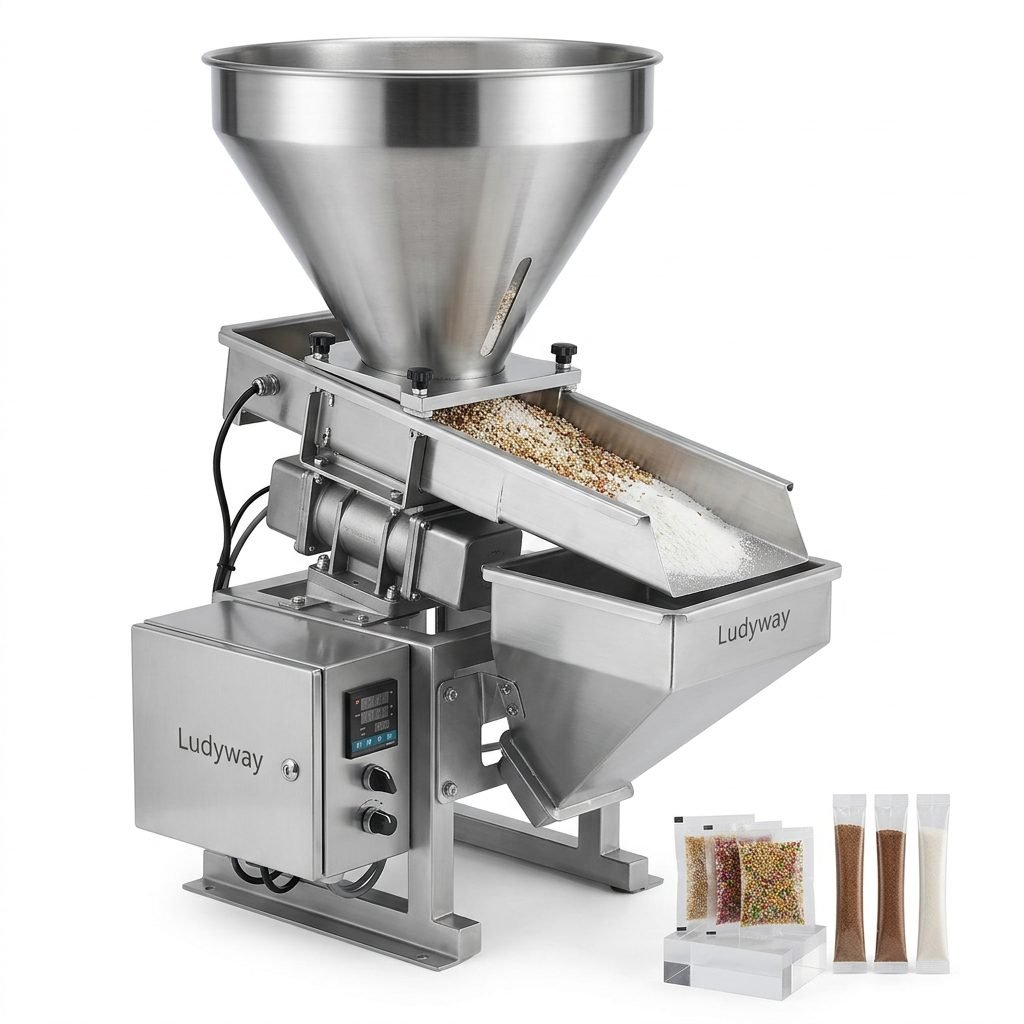
Precision is paramount in food costing and customer satisfaction. Automated filling machines for liquids, powders, and granules ensure exact portion control every time. This eliminates over-portioning, which eats into profits, and under-portioning, which damages brand reputation. For kitchens producing signature dressings, spice blends, or beverage bases, this technology guarantees that every single-serve packet or container is identical, maintaining flavor profile consistency.
2. High-Speed Sachet and Stick Pack Machines
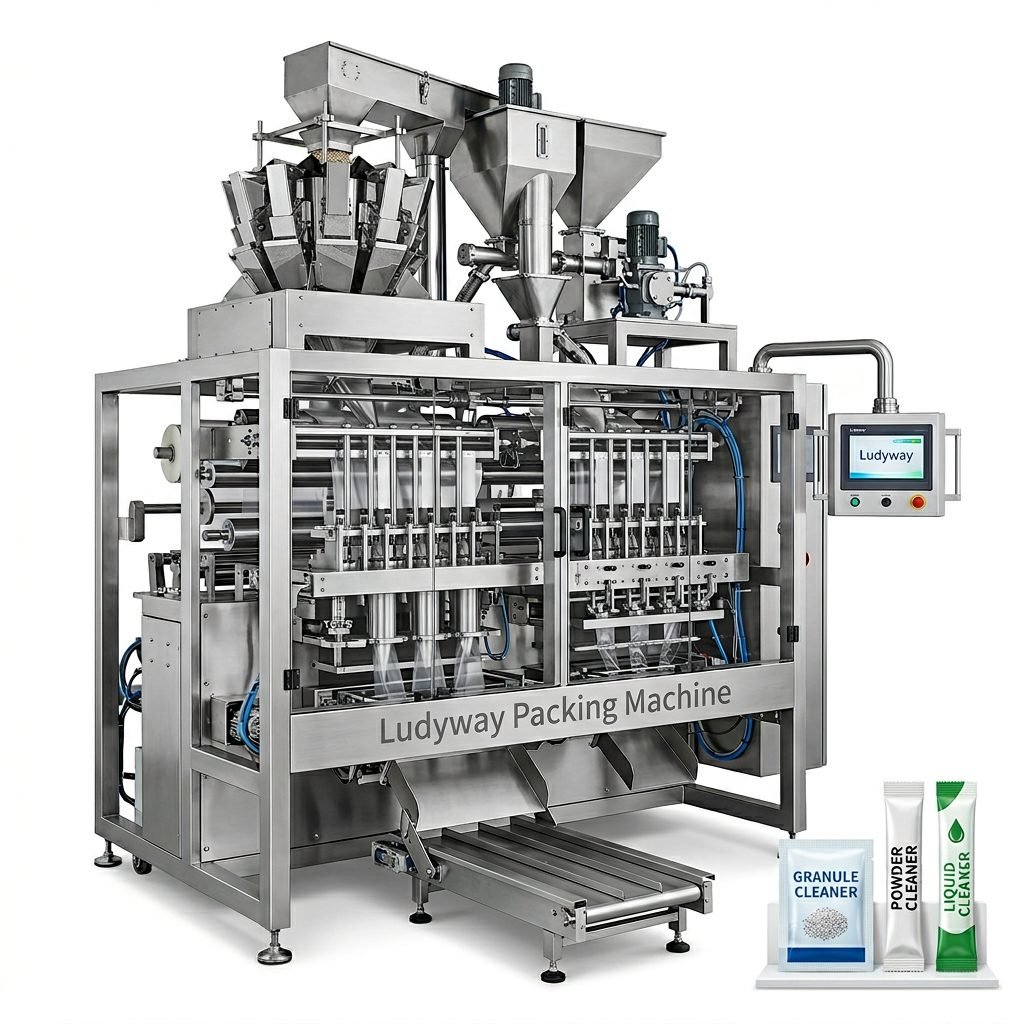
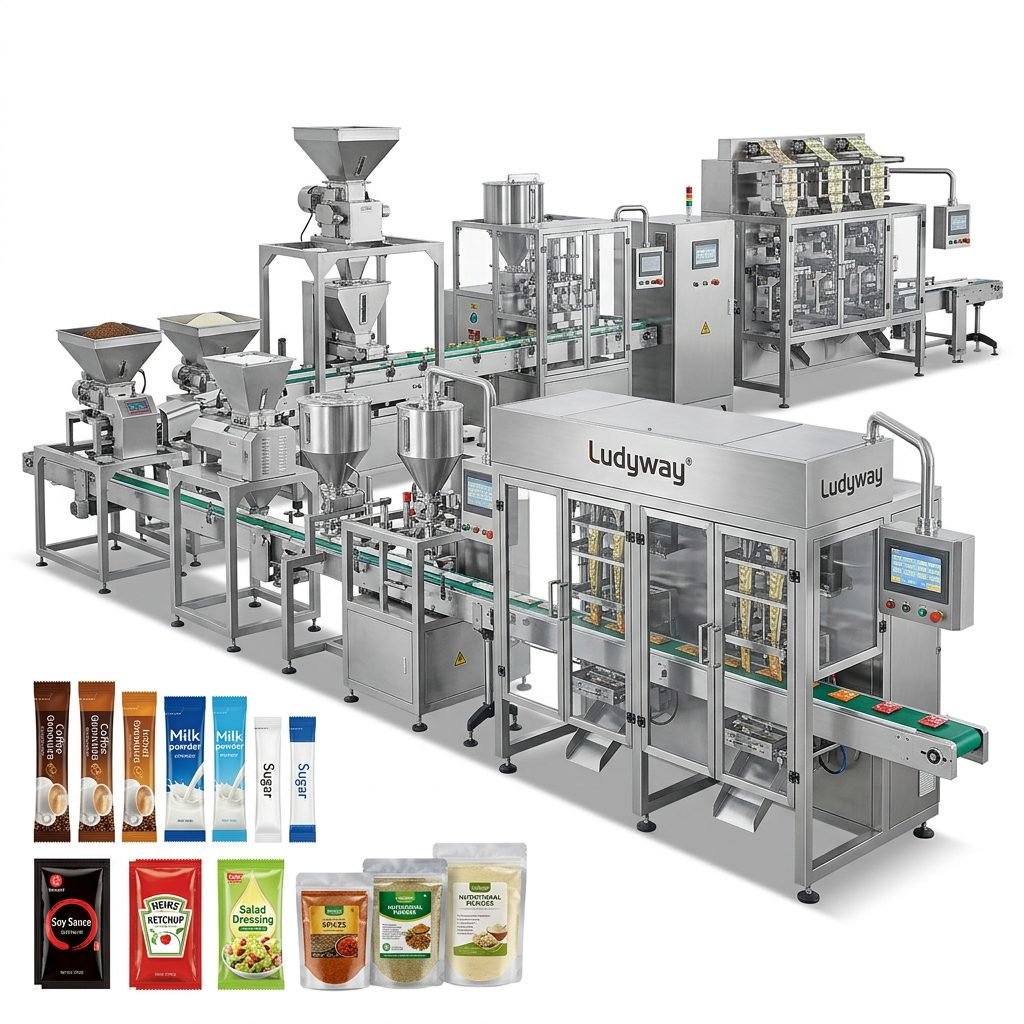
The demand for convenience and single-serve options has skyrocketed, especially in catering, fast-casual dining, and delivery models. Compact, high-speed sachet packaging machines allow kitchens to produce their own condiments, sauces, coffee, sugar, or seasoning blends on-demand. This reduces reliance on pre-packaged branded supplies, lowers procurement costs, and enhances brand identity with custom-labeled packets. Their small footprint makes them ideal for space-constrained kitchen environments.
3. Versatile Vertical Form-Fill-Seal (VFFS) Machines
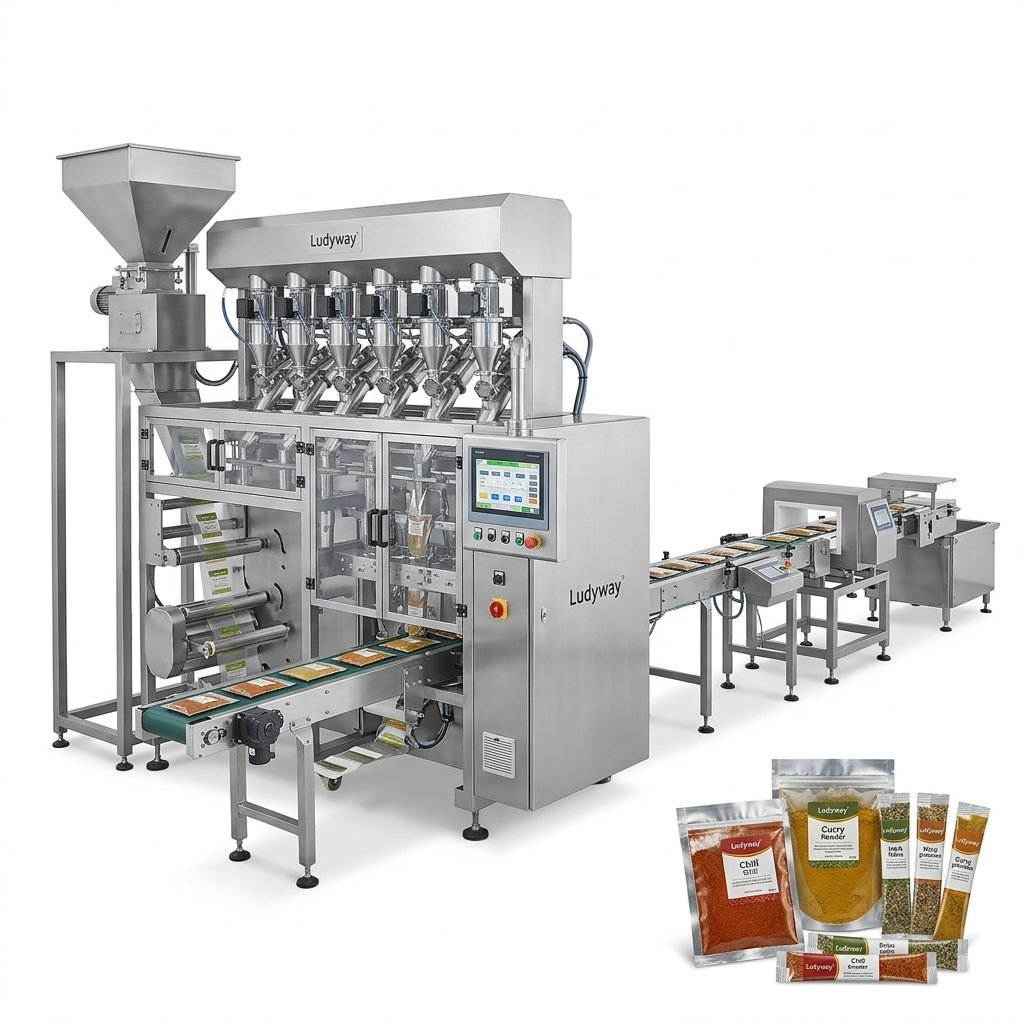
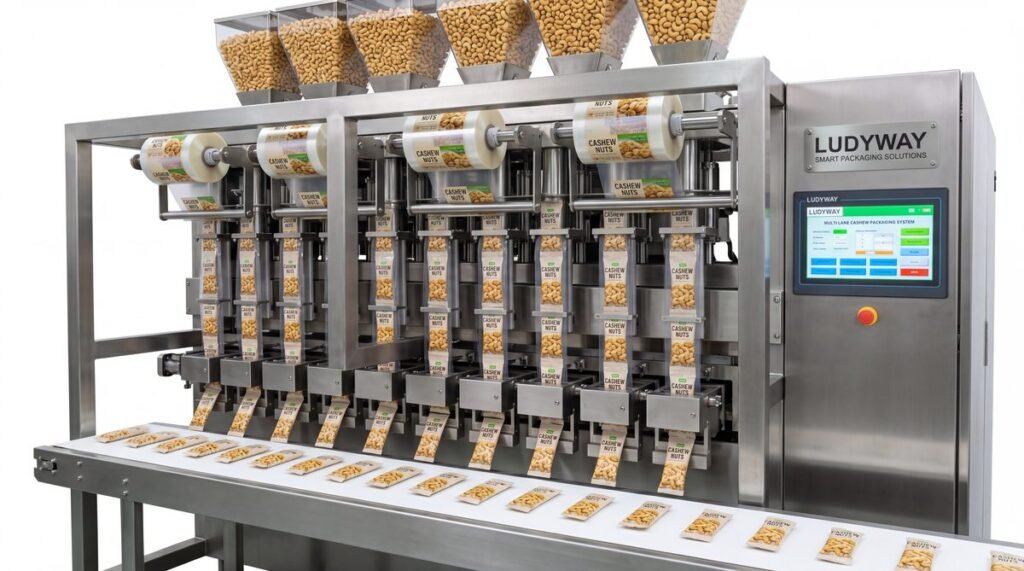
For kitchens that handle a variety of dry goods—from grains and pasta to nuts and snacks—a versatile VFFS system is a game-changer. These machines form bags from a roll of film, fill them with a precisely measured product, and seal them in one continuous operation. Modern models feature quick-change mechanisms for different bag sizes and styles, allowing a single piece of equipment to handle multiple products, thus maximizing its utility and return on investment.
Beyond Speed: The Added Value of Smart Packaging
Innovation isn’t just about speed. Today’s solutions offer integrated benefits that elevate kitchen management:
- ✔ Enhanced Hygiene & Safety: Automated systems minimize direct food contact, adhering to strict HACCP and food safety standards. They often incorporate features like stainless-steel construction and easy-clean designs.
- ✔ Reduced Operational Costs: Through precise portion control and reduced material waste (like film and pre-made pouches), these machines directly lower cost-per-unit. Reduced labor dependency for repetitive tasks also allows staff to be redeployed to higher-value activities.
- ✔ Improved Sustainability: Many systems are compatible with recyclable or compostable films, helping kitchens meet growing consumer demand for eco-friendly practices. Precise filling also reduces food waste.
- ✔ Data & Traceability: Advanced equipment can be integrated with production software, providing data on output rates, material usage, and downtime. This enables better inventory management and production planning.
Implementing the Right Solution for Your Operation
Selecting the ideal packaging equipment requires a careful analysis of your kitchen’s specific needs. Key considerations include:
Product Type: Is it liquid, viscous, powder, granule, or solid? Different products require different filling technologies (e.g., piston pumps for sauces, auger fillers for powders).
Required Output Speed: Calculate your daily or hourly packaging volume to choose a machine with the appropriate capacity, avoiding under- or over-specification.
Available Space: Measure your kitchen layout. Many suppliers, including Ludyway Packing Machine, offer compact and modular designs specifically for commercial kitchen integration.
Future-Proofing: Consider a machine that offers flexibility for future menu expansion or packaging format changes. Modular systems that can be upgraded are a wise long-term investment.
Partnering with an Expert Provider
The complexity of integrating new equipment into a live kitchen environment makes the choice of supplier critical. A partner with deep industry experience can provide more than just a machine. Look for a provider that offers comprehensive support, from initial consultation and customized production solutions to installation, operator training, and reliable after-sales service. A provider with a global service footprint ensures you have support when you need it, minimizing potential downtime.
Companies like Ludyway Machinery, with decades of focused experience in packaging for the food industry, understand these operational nuances. They leverage their engineering expertise to deliver turnkey solutions that are not only technically sound but also practically suited to the demanding rhythms of a commercial kitchen. Their portfolio, developed over 30+ years, often includes intelligent machines that balance high performance with operational simplicity.
Conclusion: Packaging as a Strategic Advantage
Investing in innovative food packaging equipment transforms a necessary task into a strategic asset. It streamlines operations, safeguards quality, reduces costs, and provides the scalability needed for growth. In an industry where margins are tight and competition is fierce, the efficiency gains from a modernized packaging line can provide a significant and lasting competitive edge. By viewing packaging through the lens of innovation and efficiency, commercial kitchen operators can unlock new levels of productivity and set a new standard for operational excellence.
Frequently Asked Questions (FAQs)
1. What type of packaging machine is best for portioning liquid sauces in a restaurant kitchen?
For liquid sauces, dressings, or oils, a piston-based liquid filler or a volumetric cup filler integrated into a small sachet machine is often ideal. These provide highly accurate portion control for viscous products. For lower-volume needs, semi-automatic tabletop models are available, while high-output kitchens may benefit from a fully automatic, multi-lane system.
2. Can one machine handle different types of food products, like powders and granules?
Yes, some versatile machines are designed with this in mind. Auger filling systems are commonly used for both fine powders and small granules. The key is a machine that allows for quick and easy changeover of the filling head, auger size, and packaging film. Discuss your specific product range with your supplier to find a flexible solution.
3. How difficult is it to integrate new packaging equipment into an existing kitchen workflow?
With proper planning, integration can be smooth. Reputable suppliers conduct pre-installation assessments and provide customized layout recommendations. They focus on compact designs, easy connectivity (power/air), and operator training to ensure minimal disruption. The long-term efficiency gains far outweigh the short-term installation process.
4. Are these machines suitable for use with eco-friendly or compostable packaging films?
Many modern packaging machines are compatible with a range of materials, including biodegradable and compostable films. It is crucial to discuss your sustainability goals with your equipment provider during the selection phase. They can test the machine with your chosen film to ensure consistent sealing and performance.
5. What kind of maintenance do automated food packaging machines require?
Regular, simple maintenance is essential for longevity. This typically involves daily cleaning, lubrication of moving parts as per the manual, and inspection of seals and heating elements. Choosing a machine with robust construction (e.g., food-grade stainless steel) and accessible service points simplifies upkeep. A reliable supplier will offer clear maintenance guidelines and readily available spare parts.