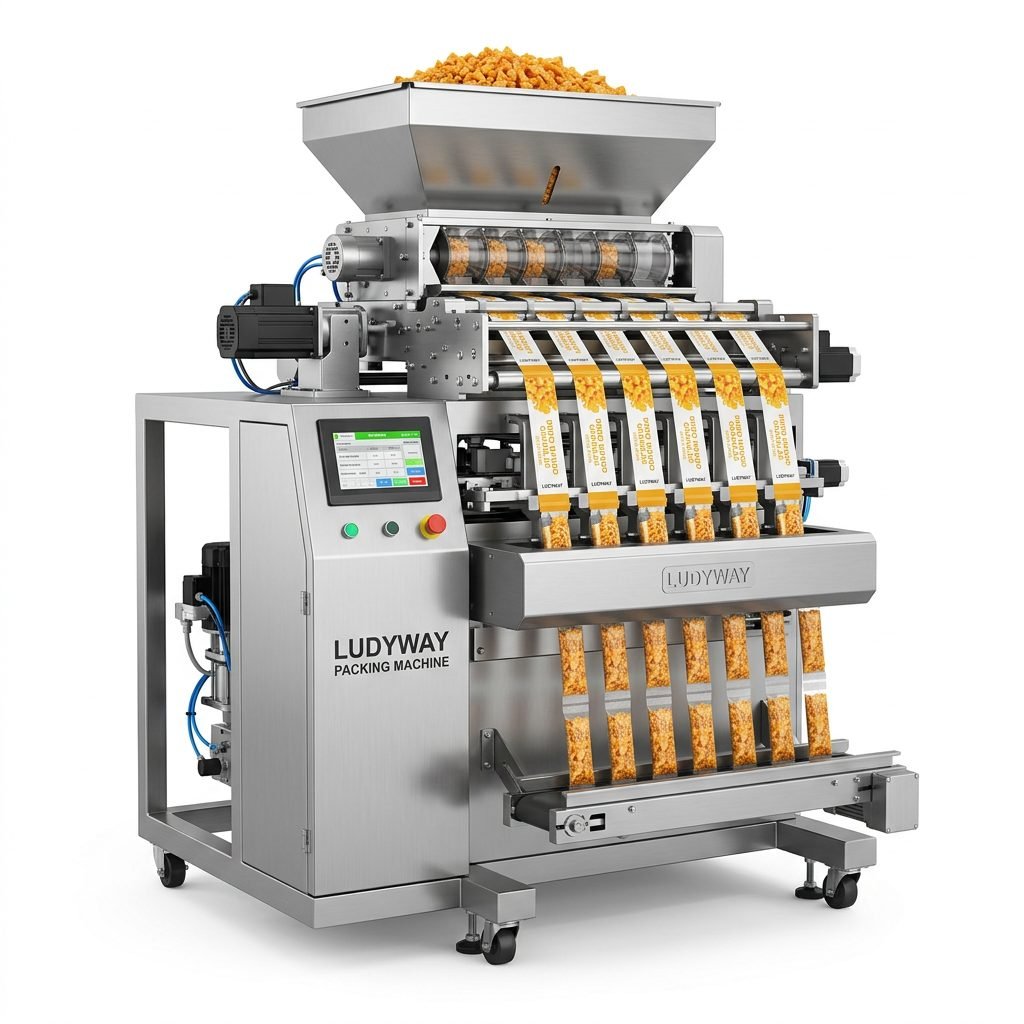
In the world of manufacturing and product distribution, secondary packaging plays a crucial yet often overlooked role. It is the layer of packaging that groups primary packaged products together for handling, shipping, and display. The right secondary packaging equipment is vital for creating secure, efficient, and brand-enhancing bundles, cartons, or trays that protect products throughout the supply chain. This guide delves into the types of secondary packaging systems, their diverse applications, and provides a clear framework for selecting the ideal equipment for your operational needs.
Understanding Secondary Packaging and Its Core Functions
Secondary packaging refers to the outer layer that holds one or more primary packages (like bottles, sachets, or pouches). Its primary functions are to provide aggregation, protection, and information. By grouping individual units, it simplifies handling, palletizing, and inventory management. It also offers an additional layer of defense against damage during transit and storage. Furthermore, secondary packaging serves as a critical marketing canvas at the point of sale, communicating brand identity and product details.
Key Insight: While primary packaging is customer-facing, secondary packaging is logistics and retail-facing. Its efficiency directly impacts your supply chain cost, speed, and product presentation on the shelf.
Major Types of Secondary Packaging Equipment
The landscape of secondary packaging machinery is diverse, each type designed for specific formats and speeds. Here’s a breakdown of the most common systems:
Cartoners (Automatic and Semi-Automatic)
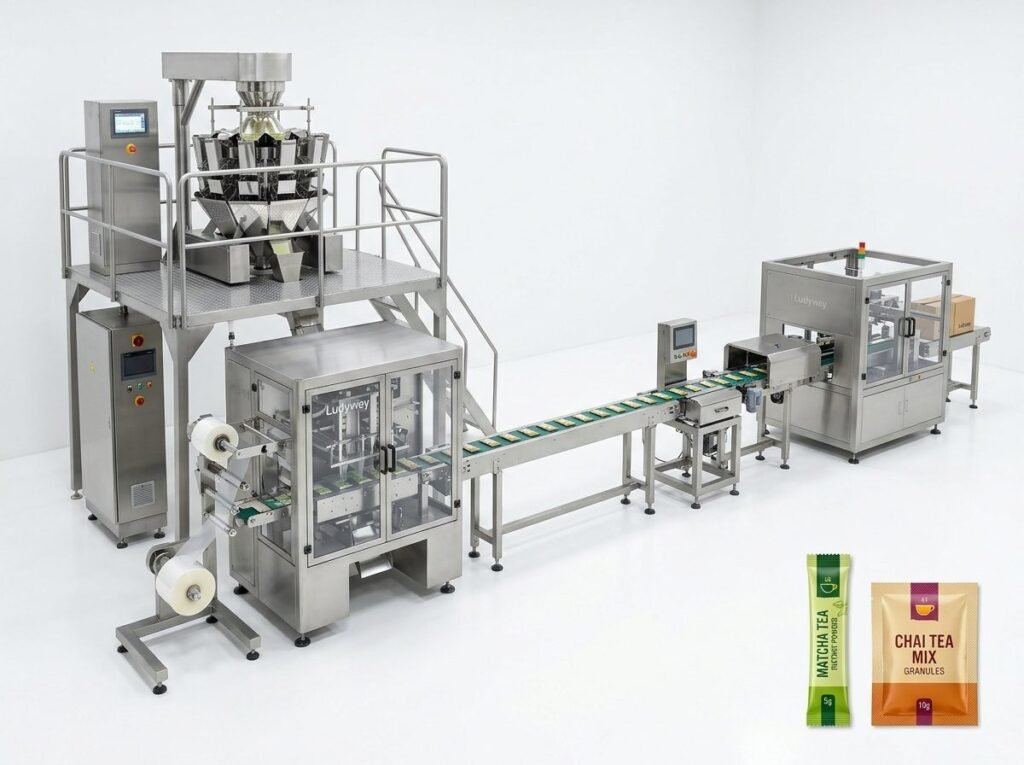
Cartoners are workhorses for erecting, loading, and sealing cardboard cartons. They can handle a wide variety of products, from food and pharmaceuticals to cosmetics and hardware. Automatic cartoners are integrated into high-speed lines, while semi-automatic models are ideal for lower-volume or variable production runs.
Case Packers and Tray Packers
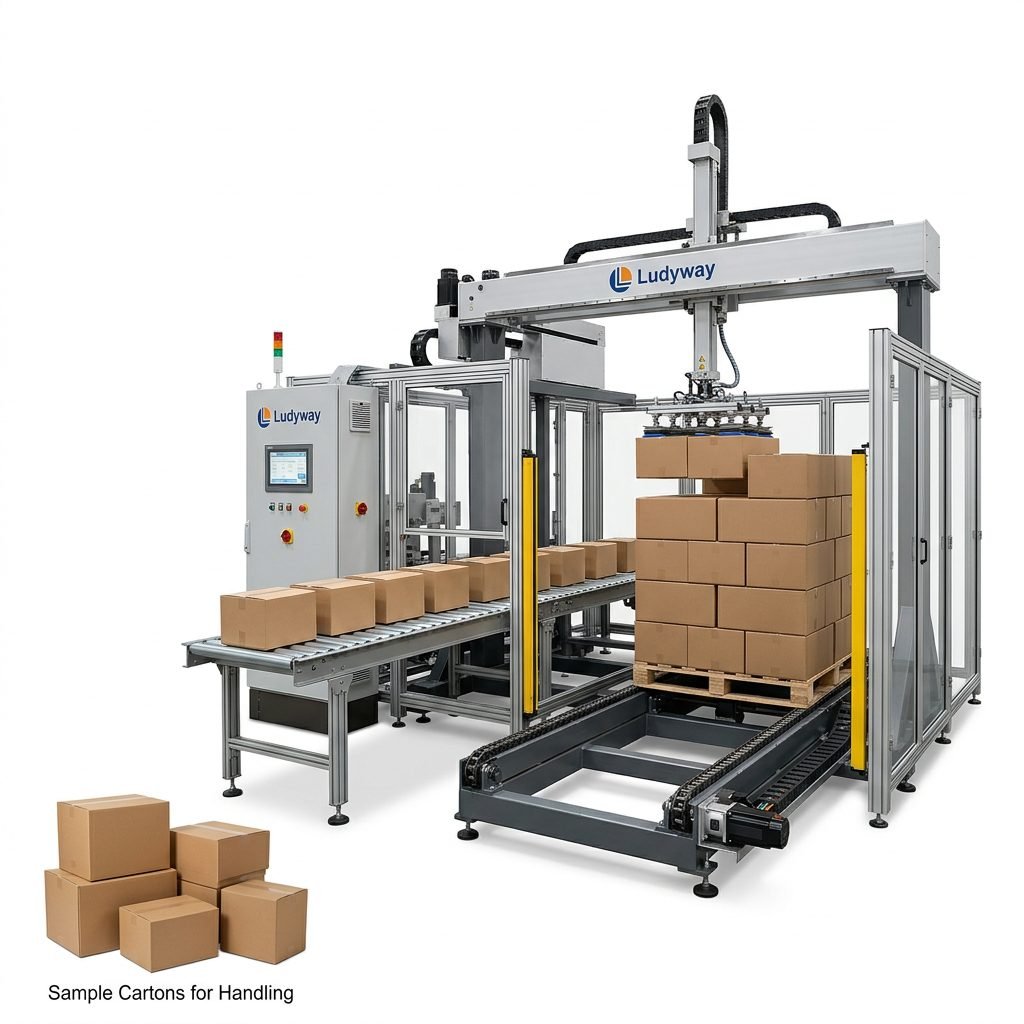
These machines are designed for higher-level aggregation. Case packers automatically load primary packages into shipping cases or corrugated boxes. Tray packers form trays from flat blanks and place products into them, often before being shrink-wrapped. They are essential for preparing products for palletization.
Shrink Wrapping and Bundling Systems
This equipment uses a loose plastic film to bundle multiple products together. The film is then heated, causing it to shrink tightly around the bundle. It’s a cost-effective and versatile method for securing multi-packs of bottles, cans, or boxes, offering excellent stability and clear product visibility.
Stretch Wrapping Machines
Primarily used for securing pallet loads, stretch wrappers apply layers of stretch film under tension. This stabilizes the entire pallet for safe shipping and storage. They come in manual, semi-automatic, and fully automatic rotary or orbital models.
Multipackers and Multi-Packing Solutions
These specialized machines create retail-ready multi-packs, such as six-packs of beverage cans or bundles of snack bags. They often use adhesive, carriers, or film to group products in consumer-friendly configurations.
Applications Across Key Industries
The need for robust secondary packaging spans virtually every manufacturing sector. Here’s how it applies to a few core industries:
Food & Beverage: High-speed cartoning and shrink-wrapping for cereal boxes, snack multipacks, and beverage bundles. Hygiene and speed are paramount.
Pharmaceuticals: Requires precision and traceability. Cartoners are used for bundling blister packs or vials, often integrated with serialization and leaflet insertion systems to comply with strict regulations.
Cosmetics & Personal Care: Focuses on aesthetics and protection. Secondary packaging for luxury creams or perfumes often involves high-quality cartons that enhance unboxing experience and brand perception.
E-commerce Fulfillment: Demands durability. Automated case packing and void fill systems ensure products survive the “last mile” of shipping directly to consumers.
How to Choose the Right Secondary Packaging System
Selecting equipment is a strategic decision. Follow this step-by-step framework to guide your investment:
1. Analyze Your Product and Primary Package
Start with the fundamentals. Consider the size, weight, shape, and fragility of your primary package. Is it a rigid bottle, a flexible pouch, or a blister pack? The secondary system must handle it gently and reliably. Also, assess the material of your secondary pack (corrugated, chipboard, film) as this dictates the machine type.
2. Define Your Required Output Speed (Throughput)
Calculate your required units per minute (UPM) or packs per hour. Match this to the machine’s rated speed with a realistic buffer. Over-specifying can lead to unnecessary cost, while under-specifying creates a production bottleneck. Consider future growth projections in your calculations.
3. Evaluate Flexibility and Changeover Needs
Do you run long batches of a single SKU or frequent, short runs of multiple products? Quick and tool-less changeover capabilities are critical for the latter. Look for machines with easy-adjust guides, programmable settings, and stored recipes to minimize downtime between production runs.
4. Consider Integration and Footprint
The equipment must integrate seamlessly with your upstream and downstream processes (e.g., filling machines, labelers, palletizers). Assess the physical footprint and ensure your facility has the space, along with the necessary utilities (power, compressed air). A turnkey solution provider can help design a cohesive line.
5. Prioritize Reliability and Supplier Support
Machine uptime is profitability. Investigate the build quality, component brands (like PLCs and drives), and the manufacturer’s reputation. Comprehensive after-sales support, including readily available spare parts, technical documentation, and responsive service, is non-negotiable for maintaining continuous operation.
Pro Tip: Request product samples and conduct a factory acceptance test (FAT). Running your actual products on the machine before purchase is the best way to validate performance, quality, and compatibility.
6. Assess Total Cost of Ownership (TCO)
Look beyond the initial purchase price. Factor in operational costs like energy consumption, required labor, maintenance schedules, and the cost of changeover parts or packaging materials. A slightly higher initial investment in a more efficient, durable machine often yields a lower TCO over its lifespan.
The Role of an Expert Partner
Navigating the complex market of packaging machinery is challenging. Partnering with an experienced provider like Ludyway Packing Machine can be invaluable. With deep industry expertise, they can offer unbiased guidance on machine selection, provide customized solutions for unique challenges, and ensure smooth integration and long-term support, safeguarding your production efficiency.
Frequently Asked Questions (FAQs)
Q1: What is the main difference between primary, secondary, and tertiary packaging?
Primary packaging is in direct contact with the product (e.g., bottle, pouch). Secondary packaging groups primary packages (e.g., a carton holding 24 bottles). Tertiary packaging is for bulk handling and shipping, like pallets and stretch wrap.
Q2: How can I reduce material waste with my secondary packaging system?
Opt for equipment with precise material feeding and cutting mechanisms. Consider systems that allow for right-sizing—using the minimal amount of carton or film required. Some advanced machines also support using recycled or lighter-weight materials effectively.
Q3: Is automation always better than semi-automatic equipment?
Not always. Automation is ideal for high-volume, consistent production. Semi-automatic machines offer a lower entry cost and greater flexibility for low-to-medium volume, multiple SKUs, or pilot production lines, where manual loading/intervention is acceptable.
Q4: What are the key maintenance requirements for this type of equipment?
Regular maintenance typically includes cleaning, lubrication of moving parts, inspection and replacement of wear items (like seals, cutting blades, and belts), and checking pneumatic systems and sensors. Adhering to the manufacturer’s preventive maintenance schedule is crucial.
Q5: Can one machine handle vastly different product sizes?
It depends on the machine’s design. Some cartoners or case packers offer wide adjustment ranges. However, extremely different sizes may require a complete changeover of forming tools and guides. Discuss your full product range with the supplier to determine the feasibility of a single machine.