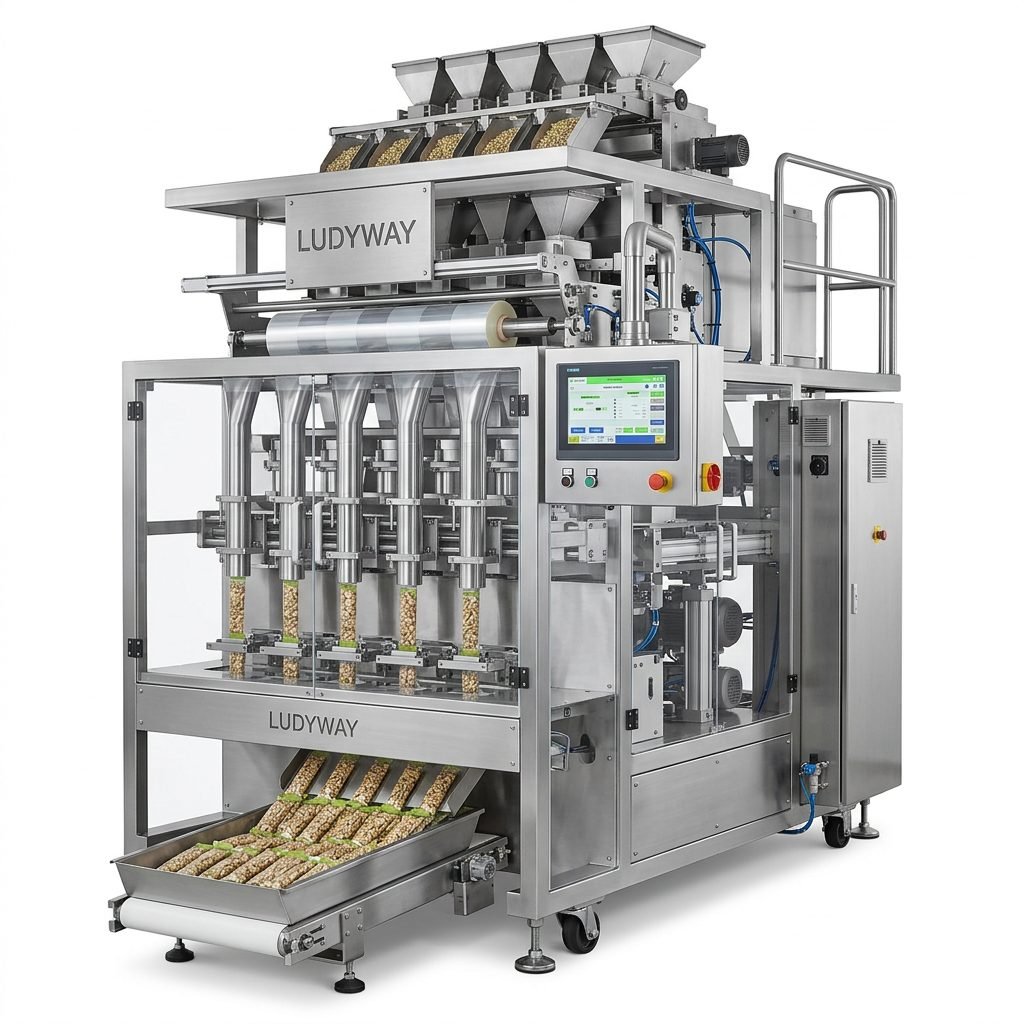
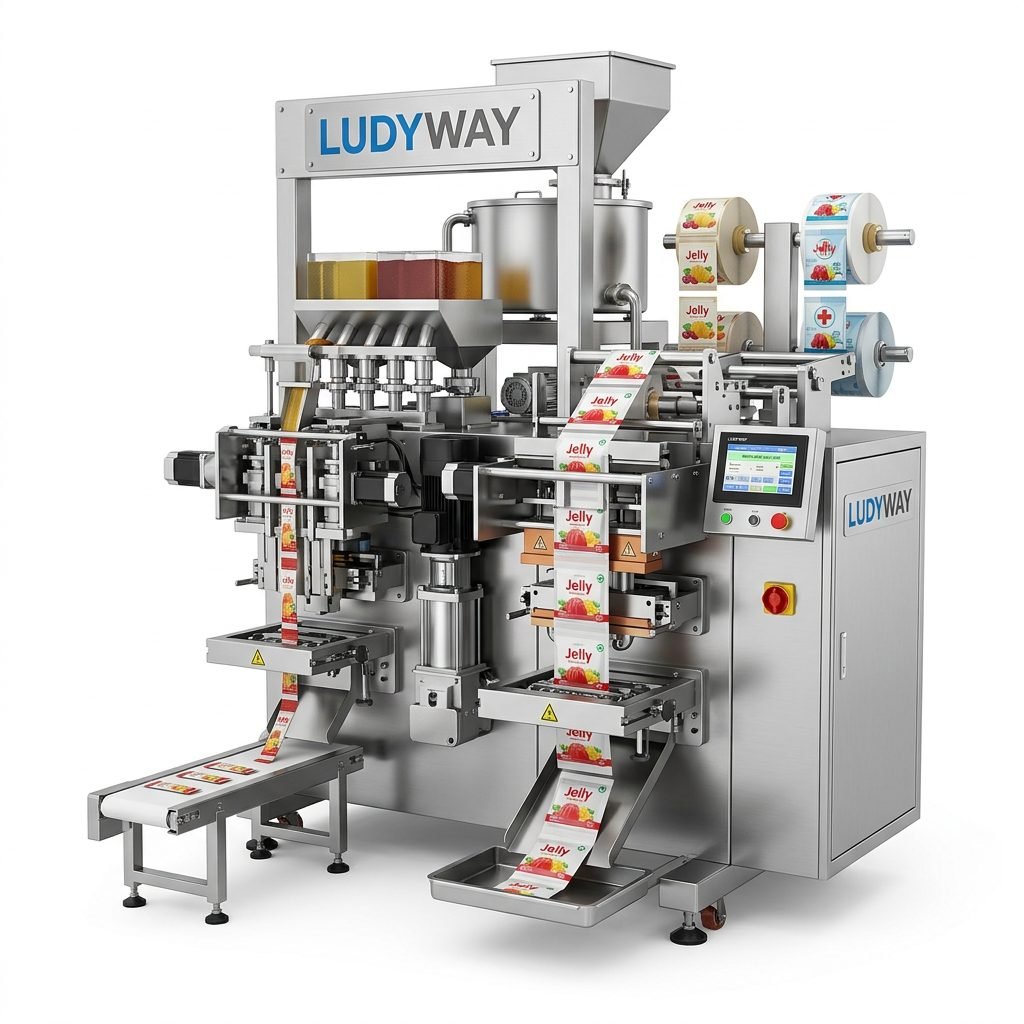
When entering the world of industrial packaging, the terms “packaging equipment” and “packaging machines” are often used. While they may seem synonymous, understanding the subtle yet significant difference between them is crucial for anyone involved in manufacturing, operations, or procurement. This distinction helps in planning production lines, budgeting for capital expenditure, and communicating effectively with suppliers and engineers.
Defining the Core Concepts
Let’s start by breaking down each term to establish a clear foundation.
What is a Packaging Machine?
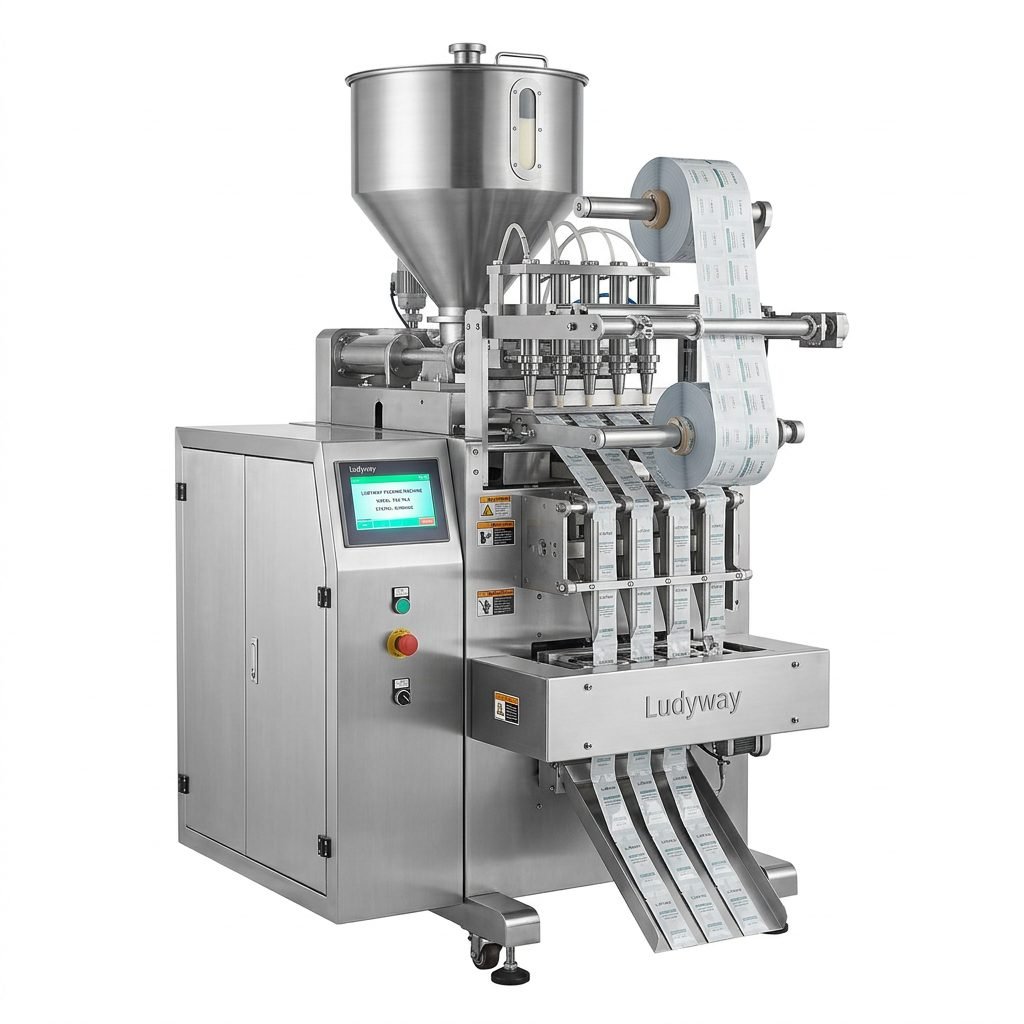
A packaging machine is a specific, self-contained unit designed to perform a single primary function within the packaging process. Think of it as a dedicated worker on an assembly line. It is a piece of mechanical, electrical, and often computerized hardware built for a precise task.
Examples include a vertical form-fill-seal (VFFS) machine that makes bags from a roll of film and fills them, a cartoner that erects and closes cardboard boxes, or a liquid filler that dispenses a set volume of product into bottles.
What is Packaging Equipment?
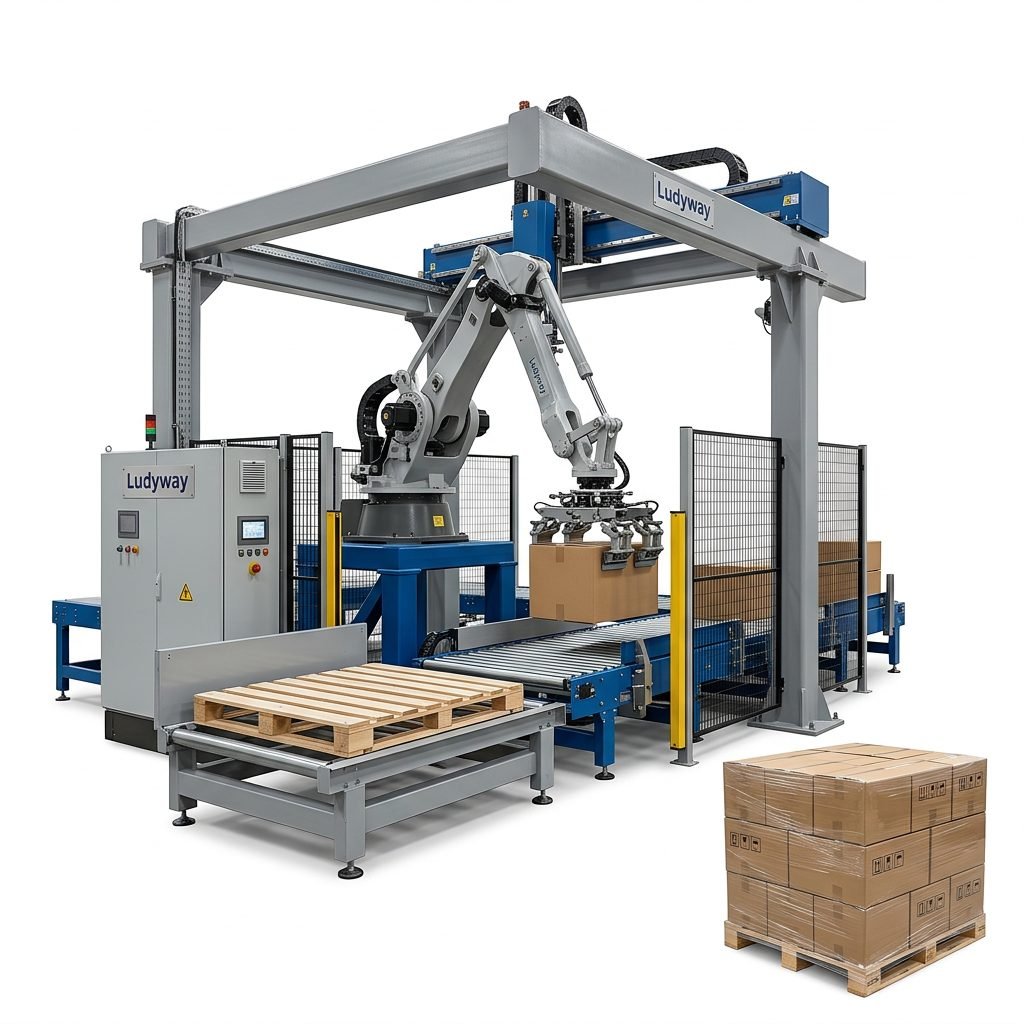
Packaging equipment is a broader, more encompassing term. It refers to the entire collection of machinery, devices, and systems used to complete a packaging operation from start to finish. This can include individual packaging machines, but also extends to conveyors, accumulators, labelers, checkweighers, vision inspection systems, palletizers, and even the control software that integrates them all.
In essence, all packaging machines are packaging equipment, but not all packaging equipment is a standalone machine. Equipment is the complete toolkit; machines are the specific tools within it.
Key Analogy: The Kitchen
Imagine a commercial kitchen. A blender is a specific machine—it has one main job. The kitchen equipment, however, includes the blender, the oven, the mixer, the refrigerator, the exhaust hood, and all the countertops and plumbing that connect them into a functional workspace. This is the relationship between a machine and equipment.
The Hierarchy: From Machine to Complete Line
The difference becomes most apparent when looking at the scale of automation.
Level 1: The Standalone Machine
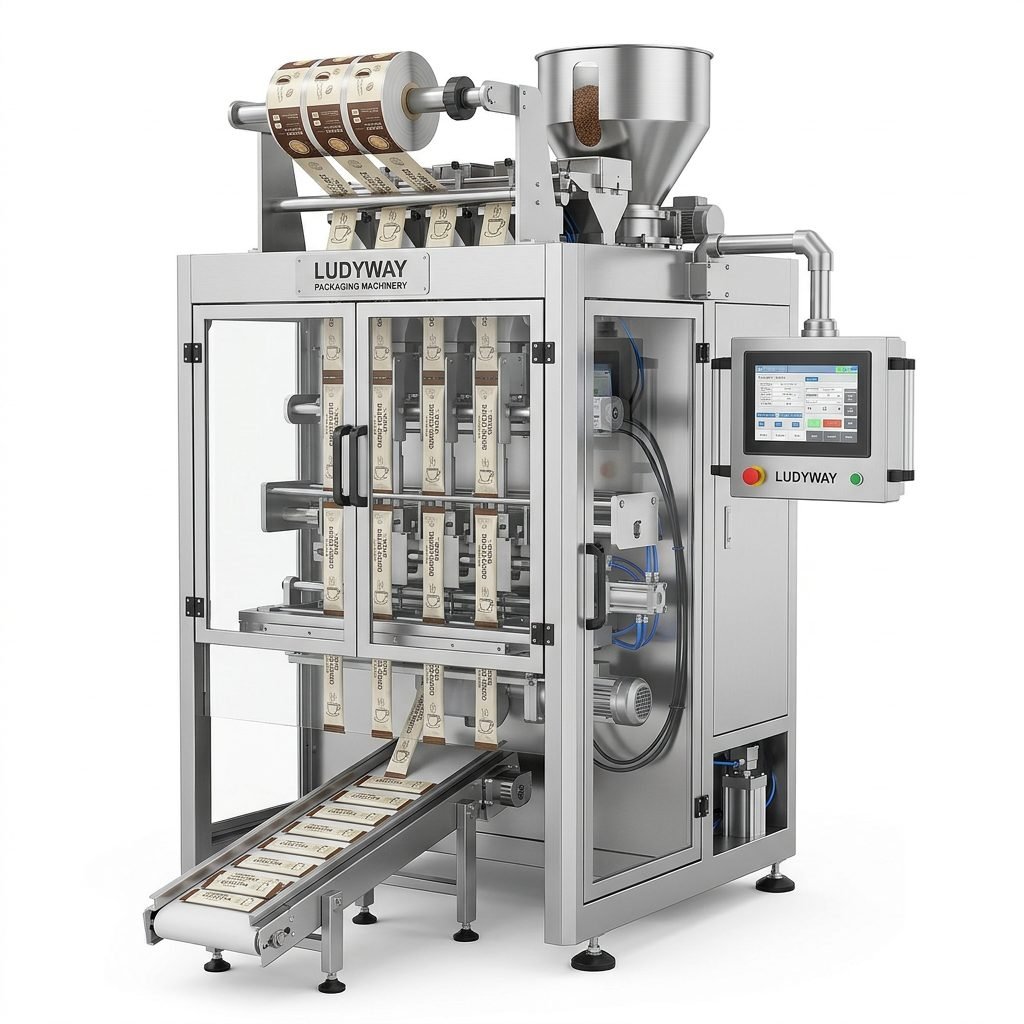
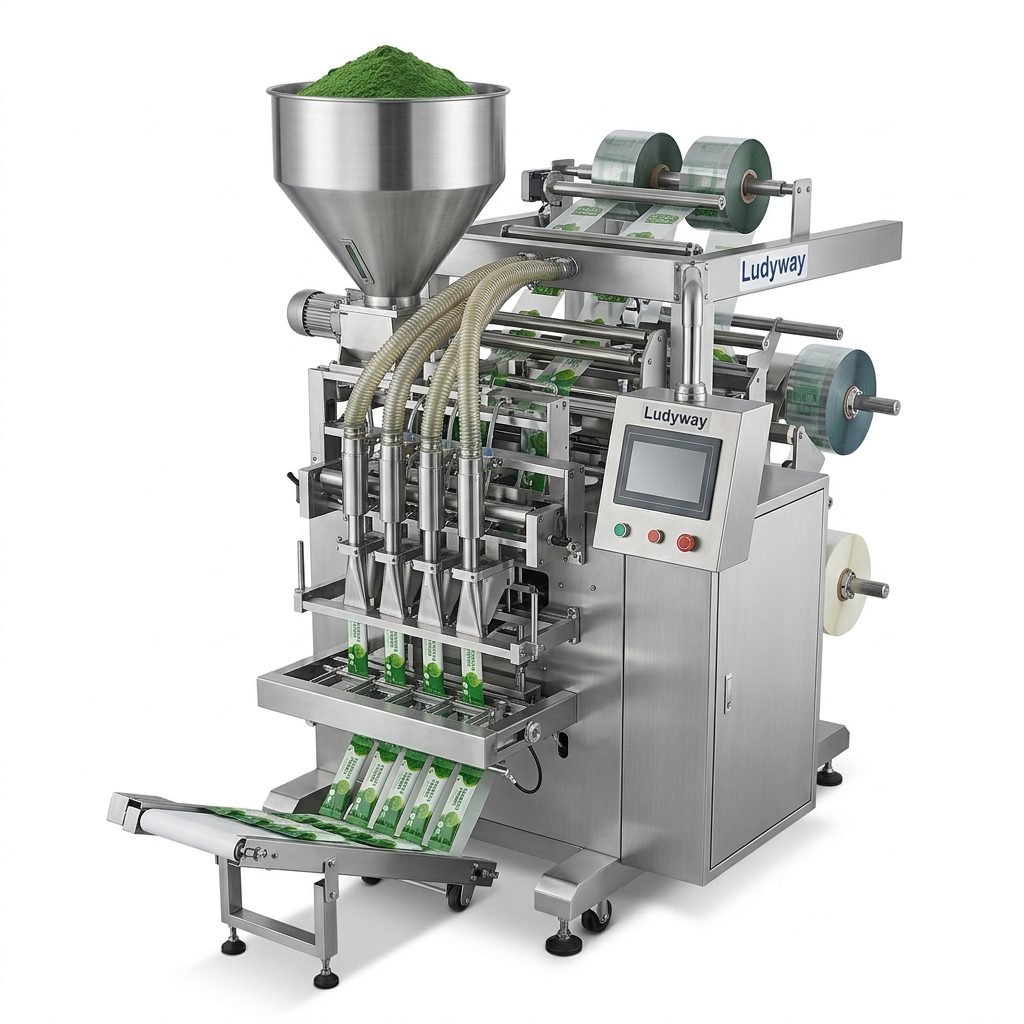
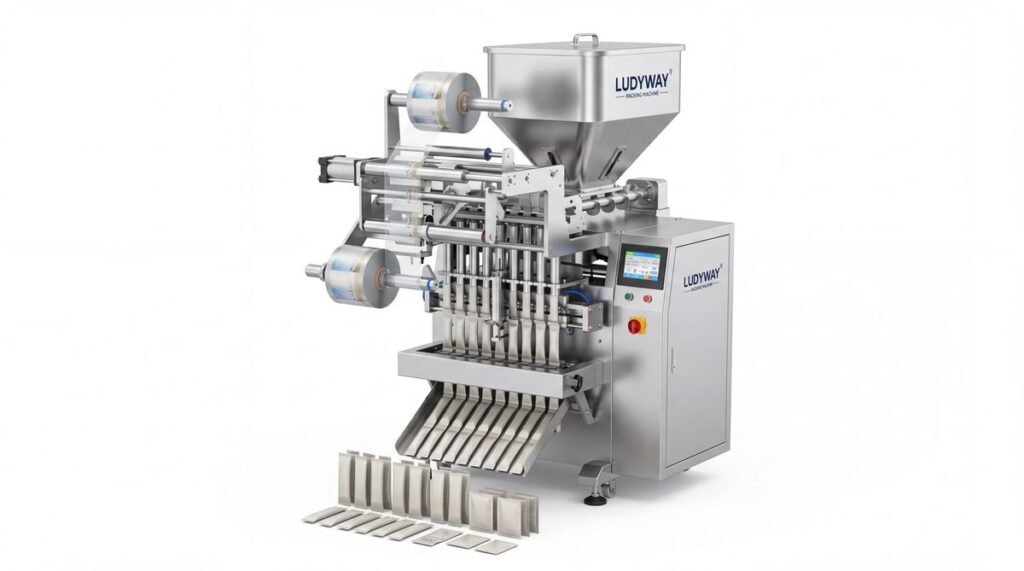
This is the base unit. A single machine, like a sachet packaging machine, performs its core function—forming, filling, and sealing small packets. It may require manual feeding of product and manual offloading of finished packs.
Level 2: Integrated Equipment Systems
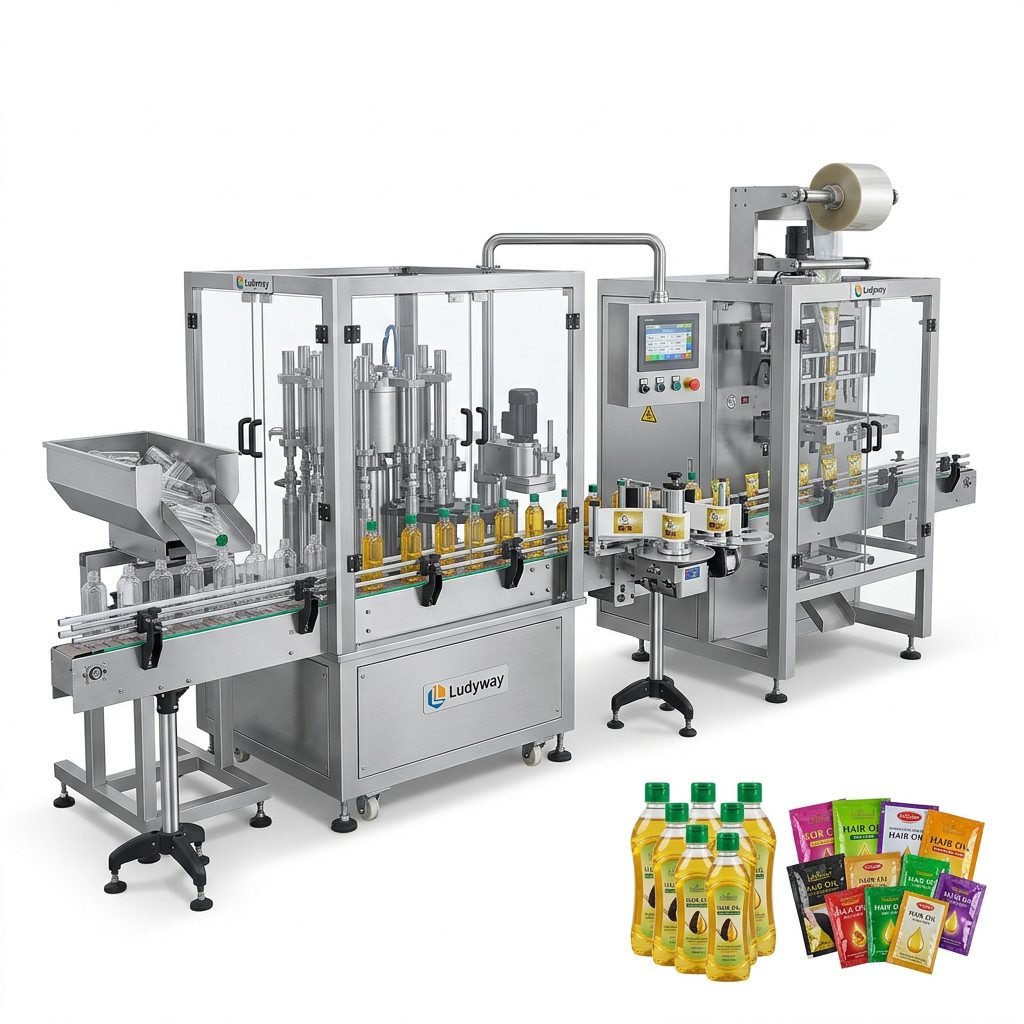
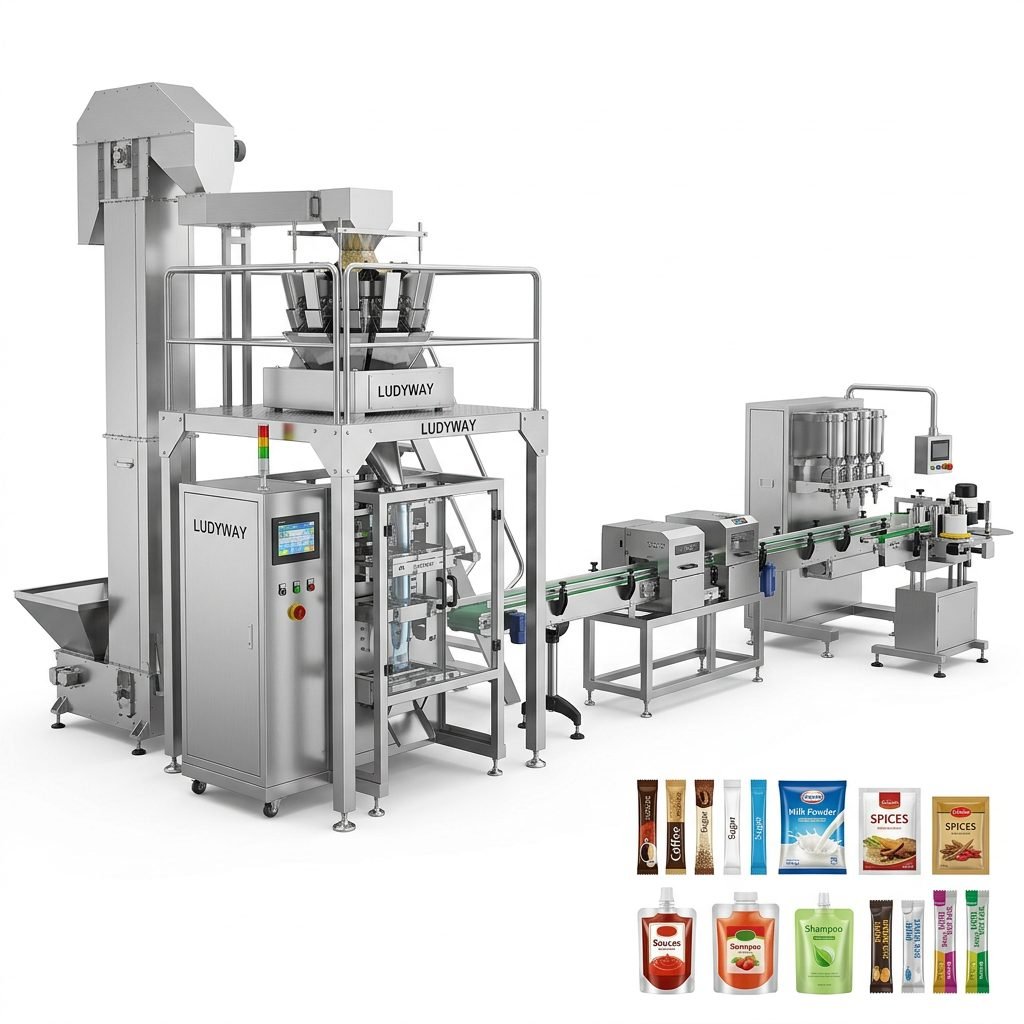
Here, multiple machines and auxiliary devices are connected. The sachet machine might be linked to a volumetric feeder for automatic product supply, a belt conveyor to transport sachets, and a cartoning machine to collate and box them. This integrated setup is referred to as packaging equipment or a semi-automated line.
Level 3: Turnkey Packaging Line (The Ultimate Equipment)
This represents the full scope of “packaging equipment.” A turnkey line is a fully synchronized system where raw materials enter one end, and fully packaged, cartoned, and palletized products exit the other. It comprises dozens of interconnected machines and systems (conveying, inspection, robotics, control panels) working as one cohesive unit. Providers like Ludyway Packing Machine specialize in designing and delivering such complete packaging equipment solutions, particularly for industries like food, pharmaceuticals, and health products.
Why Does This Distinction Matter for Your Business?
Understanding whether you need a machine or a full equipment system has direct implications.
📈 Project Scope & Investment
Purchasing a machine is a simpler capital purchase. Investing in equipment or a full line involves higher capital expenditure, longer planning, and often requires custom engineering and integration services.
🛠️ Operational Complexity
A standalone machine may need several operators. Integrated equipment aims to reduce manual labor, increase speed, and improve consistency, but requires more sophisticated maintenance and technical knowledge.
🎯 Supplier Selection
You might buy a standard machine from a catalog. For complex equipment systems, you need a partner with engineering expertise and project management capability. A company with 30+ years of industry experience can navigate these complexities to deliver a reliable solution.
Choosing Between a Machine and an Equipment System
Your choice depends on several key factors:
- Production Volume: Low to medium volume may suffice with a key machine. High-volume, 24/7 operations demand robust, integrated equipment.
- Labor Costs & Availability: Automated equipment systems reduce long-term reliance on manual labor, crucial in markets with high labor costs or shortages.
- Product Complexity: Simple, uniform products are easier to automate fully. Complex packaging (multiple components, delicate items) might require a hybrid approach.
- Future Growth: Consider scalability. Can a standalone machine be integrated later, or is a modular equipment system a better long-term investment?
- Regulatory Requirements: Industries like pharmaceuticals need traceability and validation, often requiring sophisticated equipment with documented performance (e.g., checkweighers, vision systems).
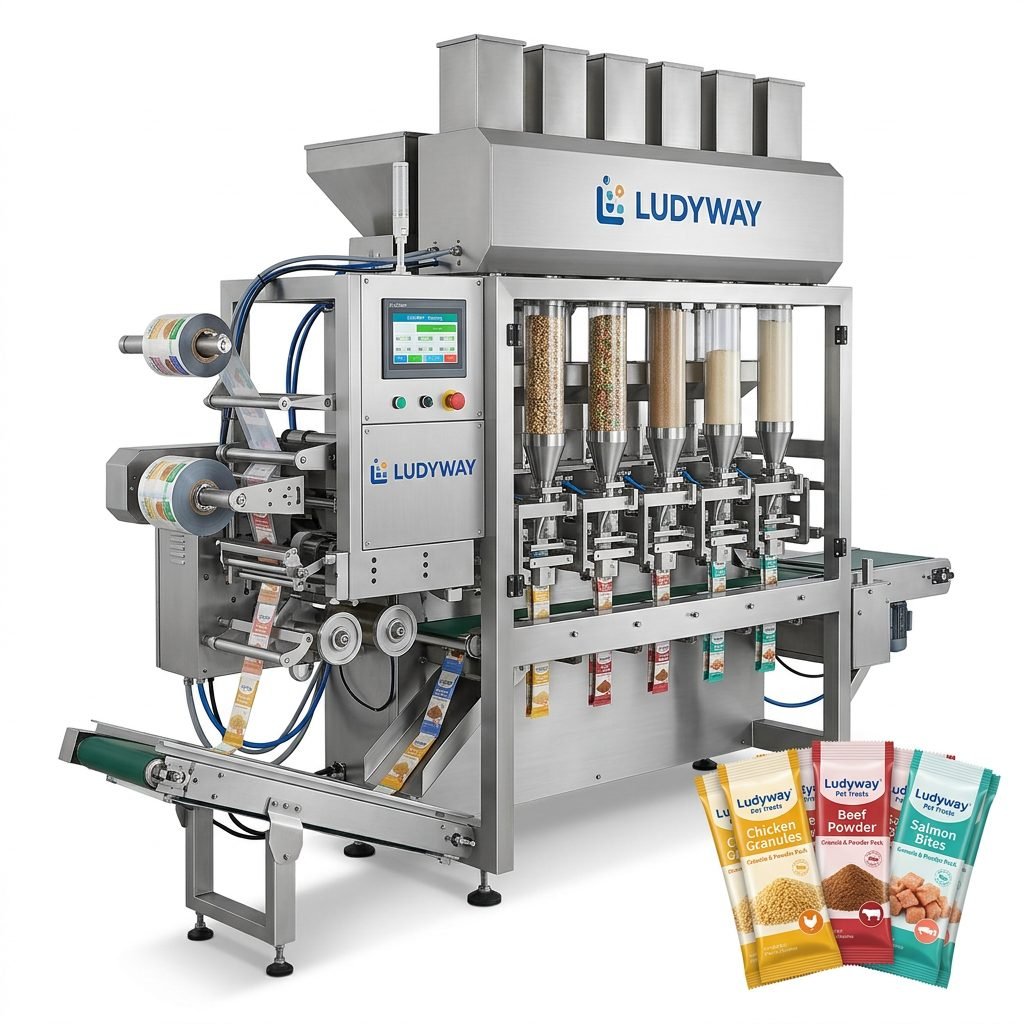
For businesses looking to scale, partnering with a provider that offers turnkey production solutions ensures all components—from the primary granule or powder packaging machine to the final palletizer—are designed to work in harmony, maximizing efficiency and minimizing downtime.
Frequently Asked Questions (FAQs)
Q1: Can I start with a single machine and upgrade to a full equipment line later?
A: Yes, this is a common and strategic approach. Many suppliers design machines with future integration in mind. The key is to plan for this during the initial purchase—discussing connectivity options, control system compatibility, and physical layout with your supplier to ensure a smoother, less costly upgrade path later.
Q2: Is packaging equipment always fully automated?
A: Not necessarily. “Packaging equipment” describes the collective assets used in the process. This can range from a set of semi-automatic machines requiring some manual intervention to a fully lights-out, automated production line. The level of automation is a separate choice within the equipment planning process.
Q3: What’s more important for quality control: a good machine or good equipment?
A: Both are vital, but integrated equipment systems offer more comprehensive quality assurance. A high-quality filling machine ensures accurate doses. Adding integrated equipment like a checkweigher or vision inspection system actively monitors and rejects out-of-spec packages, providing a much higher level of control and documentation.
Q4: How do I find a reliable supplier for a complete packaging equipment solution?
A: Look for suppliers with proven experience in your specific industry (e.g., food, pharma). Evaluate their project portfolio, engineering support, and after-sales service. A supplier that offers customized production solutions and has a track record of delivering intelligent packaging machine models as part of larger systems is ideal. Their ability to provide end-to-end support from design to commissioning is crucial.
Q5: What’s the biggest mistake beginners make when planning packaging automation?
A: A common mistake is focusing solely on the speed or price of the primary machine while neglecting the overall system flow (conveying, buffering, labeling). This can create bottlenecks, making the fast machine ineffective. Always analyze the entire packaging process as an interconnected system—the core philosophy behind viewing your needs as “equipment” rather than just “machines.”