For tea businesses looking to scale production, improve efficiency, and enhance product presentation, investing in a tea bag packaging machine is a pivotal decision. The right machine can streamline your workflow, ensure consistent quality, and help your brand stand out in a competitive market. This comprehensive guide delves into the different types of tea bag packaging machines, factors affecting their prices, and key considerations to help you select the best solution for your specific needs.
Understanding Tea Bag Packaging Machines
A tea bag packaging machine automates the process of filling, sealing, and often tagging individual tea bags. These machines range from simple, semi-automatic models perfect for small-batch artisanal producers to fully automated, high-speed lines designed for large-scale industrial output. The core function is to precisely measure tea leaves (or other ingredients), place them into filter paper, and securely seal the bag, often with an attached string and tag.
Key Components of a Typical Machine
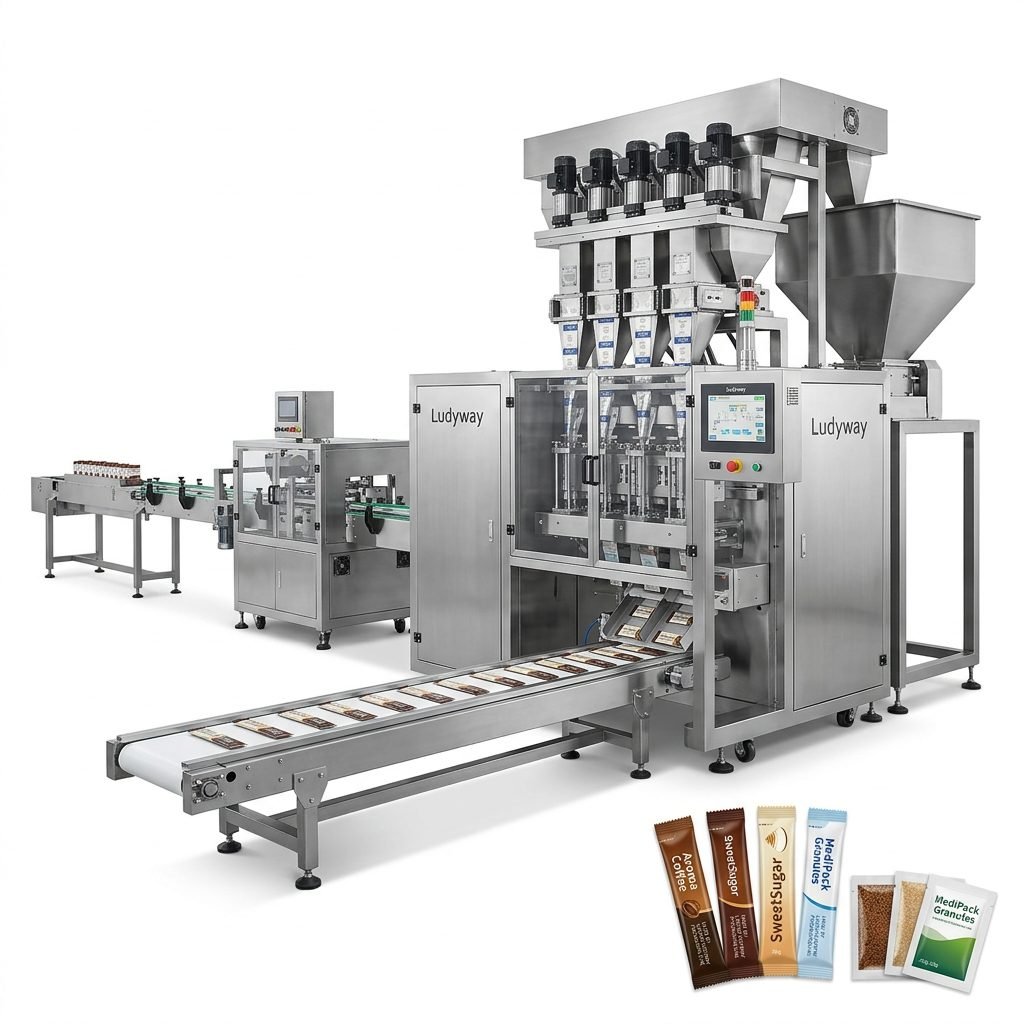
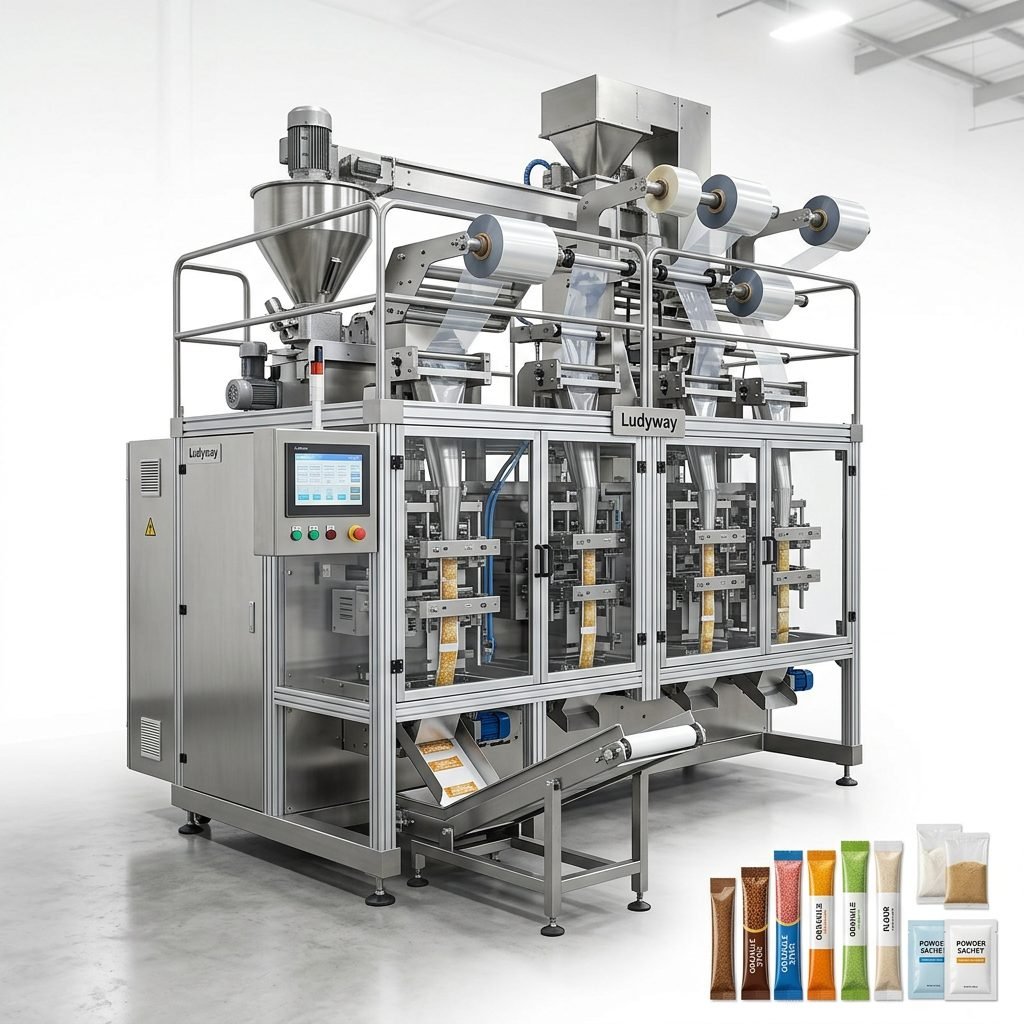
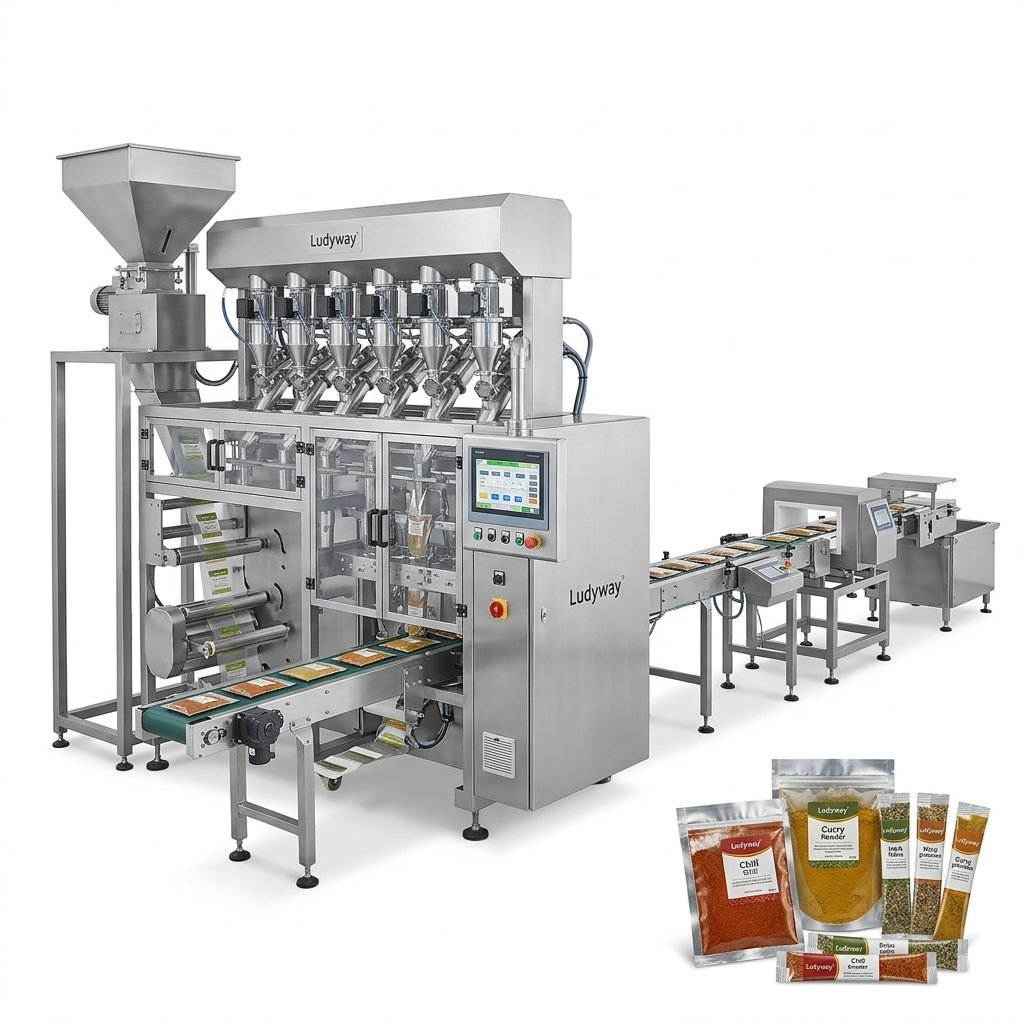
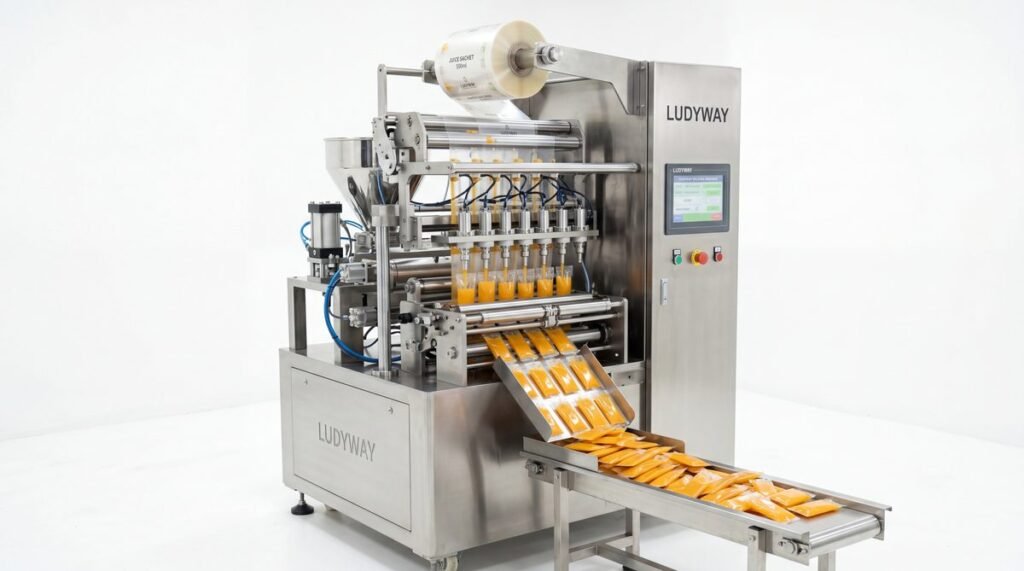
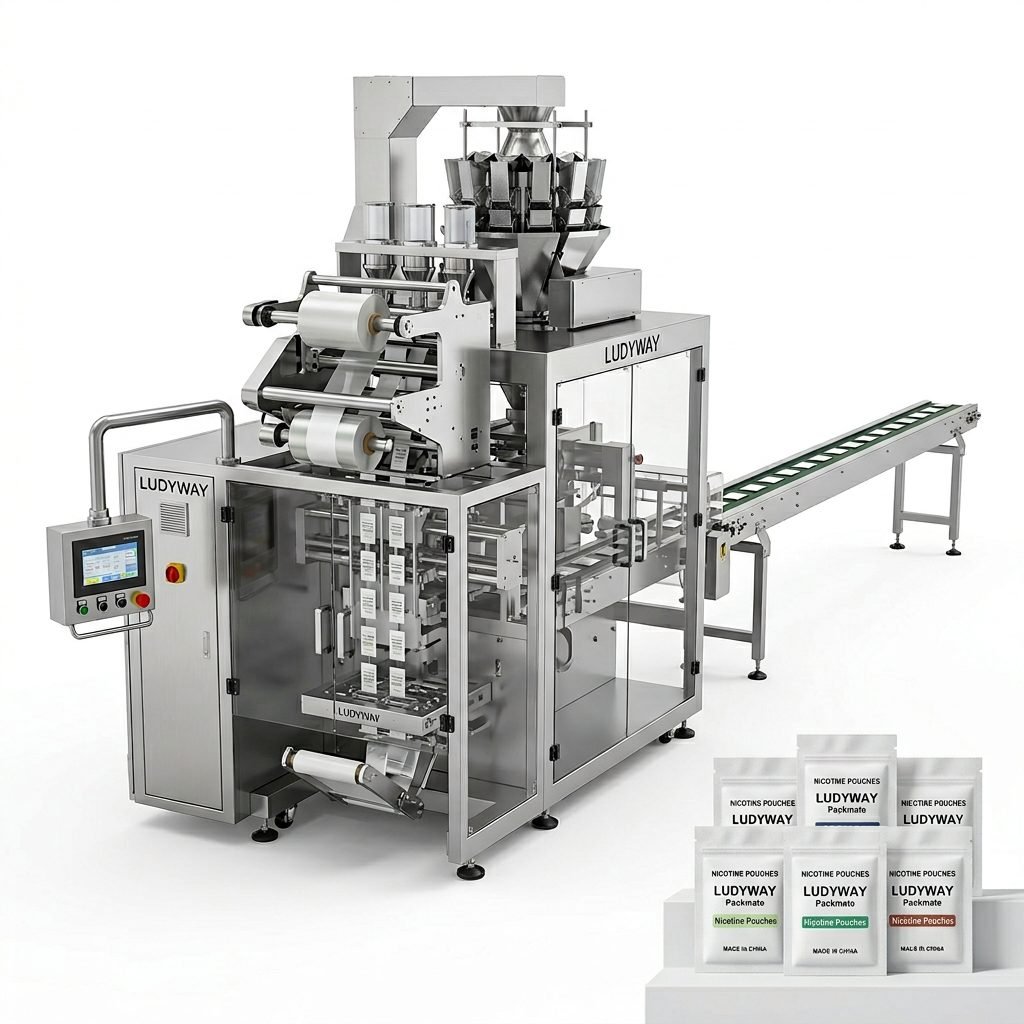
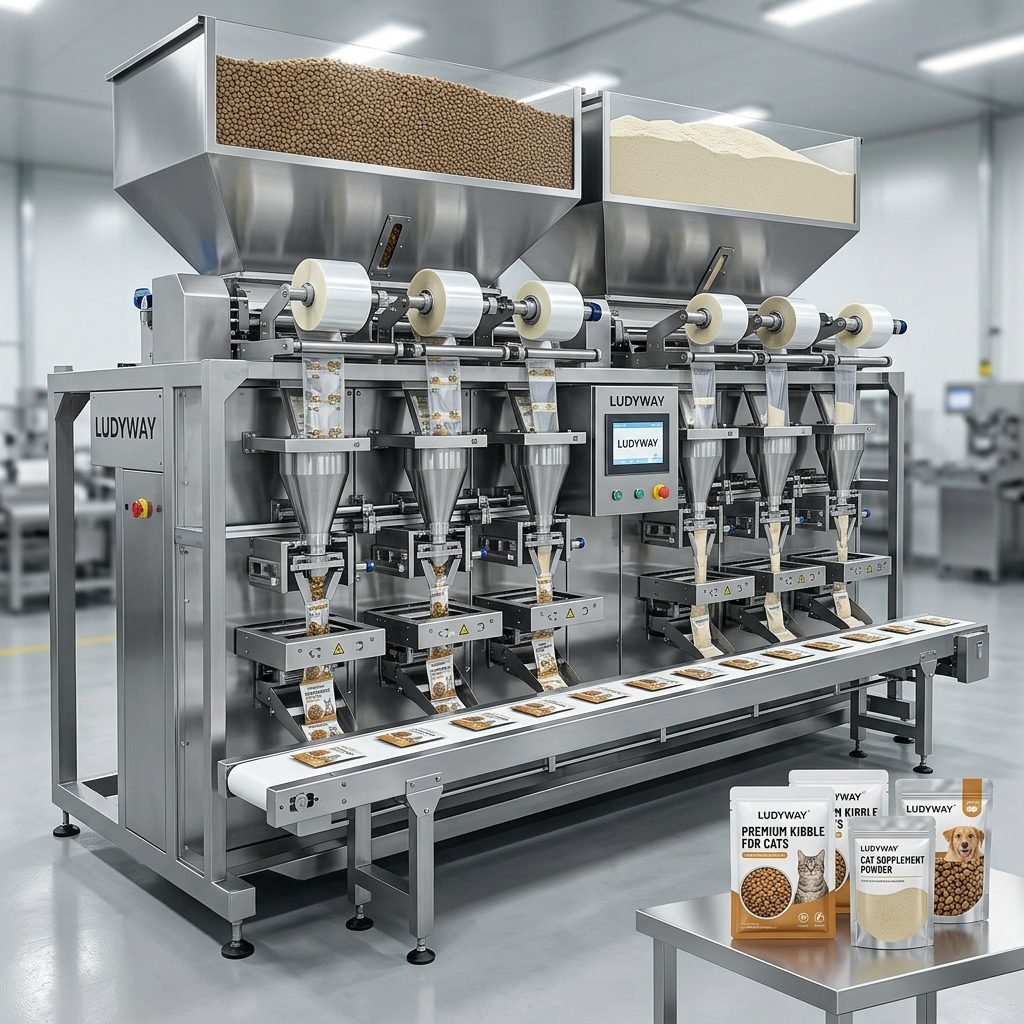
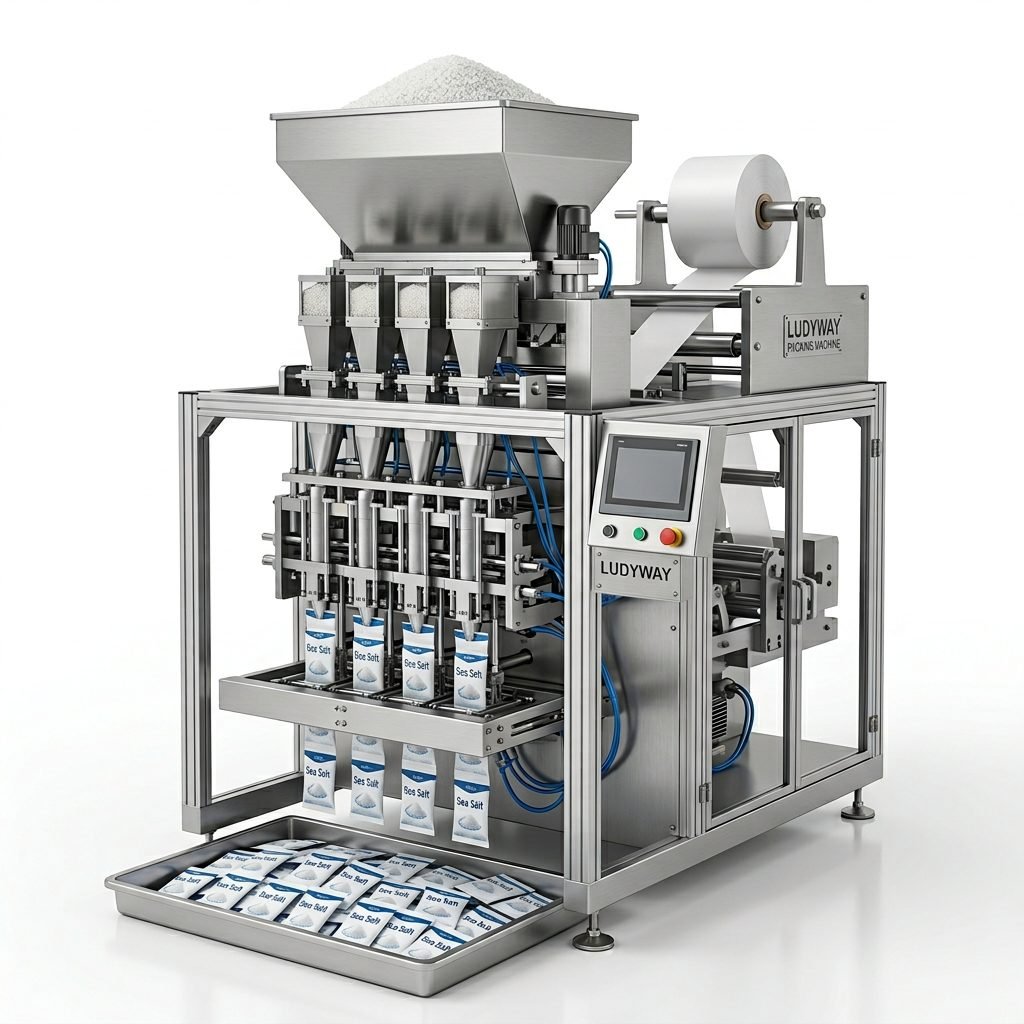
While designs vary, most machines include a feeding system for the filter material and tea, a dosing unit for accurate filling, a forming and sealing station to create the bag, and often a tagging attachment. More advanced systems may incorporate nitrogen flushing to preserve freshness and extend shelf life.
Pro Tip: When evaluating machines, pay close attention to the sealing mechanism. A consistent, strong seal is crucial to prevent leakage and maintain product integrity during transport and steeping.
Types of Tea Bag Packaging Machines
Choosing the correct type of machine depends largely on your production volume, bag style, and budget. Here’s a breakdown of the most common categories.
1. By Automation Level
Semi-Automatic Machines: These require some manual intervention, such as placing tags or initiating cycles. They are ideal for startups, small businesses, or for producing specialty and gift teas where volume is lower but customization is high. They offer a lower initial investment and greater flexibility for short runs.
Fully Automatic Machines: These systems handle the entire process from roll stock material to finished, tagged tea boxes with minimal human oversight. They are designed for medium to high-volume production, offering superior speed, consistency, and labor savings. Integration with upstream and downstream equipment like cartoners is common.
2. By Tea Bag Style
The machine must be compatible with the style of tea bag you wish to produce. The market offers several popular formats:
- Traditional String & Tag Bags: The classic style with a cotton string and paper tag. Machines for this style include a complex tagging and stringing mechanism.
- Pyramid Bags: Made from a special 3D mesh material, these bags allow for better leaf expansion. Packaging machines for pyramid bags are specialized to form this distinct shape.
- Square/Pouch Style Bags: Simple, tagless bags often used for commercial-grade teas. The packaging process is generally simpler and faster.
- Double-Chamber Bags: A common style where the tea is contained in a two-pouched bag, often without a string. Many standard machines are built for this style.
Factors Influencing Tea Bag Packaging Machine Prices
The cost of a tea bag packaging machine can vary widely, from a few thousand dollars for a basic semi-automatic model to several hundred thousand dollars for a complete, high-speed automated line. Understanding what drives these costs is key to budgeting effectively.
Primary Cost Drivers
Automation Level & Speed: This is the most significant factor. A fully automatic, high-speed line with robotic integration will command a much higher price than a semi-automatic bench-top model. Speed is typically measured in bags per minute (BPM).
Machine Versatility & Customization: Can the machine handle multiple bag shapes (e.g., switching between pyramid and square) or different packaging materials? Machines with quick-change parts and flexible configurations cost more. Custom-built solutions for unique bag designs also increase price.
Construction Quality & Brand: Machines built with high-grade stainless steel, precision servo motors, and components from renowned suppliers (like Siemens or Mitsubishi PLCs) are more durable, reliable, and expensive. Established brands with proven track records often price their machines at a premium.
Additional Features: Add-ons such as nitrogen flushing systems for freshness, weight checkers for quality control, vision inspection systems, and advanced HMI touchscreen controls will increase the overall investment but add significant value.
Budgeting Beyond the Machine Price
Remember to factor in ongoing costs: raw materials (filter paper, strings, tags), maintenance, potential spare parts, and operator training. A slightly more expensive machine with lower long-term operating costs and higher reliability often provides a better total cost of ownership.
How to Choose the Best Tea Bag Packaging Solution
Selecting the right machine is a strategic decision. Follow this step-by-step framework to ensure your investment aligns with your business goals.
Step 1: Assess Your Current & Future Needs
Be brutally honest about your requirements. What is your current daily/weekly output? What are your growth projections for the next 3-5 years? Choose a machine that can handle near-term demand with about 20-30% capacity headroom for growth. Overbuying can strain finances, while underbuying creates immediate bottlenecks.
Step 2: Define Your Product Specifications
Detail everything about your tea bag: dimensions, shape, material type (biodegradable, nylon mesh, etc.), tag style, and fill weight. Have samples ready. This information is non-negotiable when discussing options with suppliers like Ludyway Packaging Machinery, who can then recommend compatible equipment.
Step 3: Evaluate Machine Suppliers Thoroughly
Not all suppliers are created equal. Look for a partner with:
- Proven Industry Experience: Suppliers with decades in the packaging machinery field understand real-world challenges. For instance, Ludyway Machinery brings over 30 years of expertise in packaging solutions.
- Strong Technical Support & Service: Ensure they offer installation, training, and readily available spare parts. Ask about their service network response time.
- Ability to Provide References & Demos: A reputable supplier should be able to connect you with existing clients and arrange live or video demonstrations of the machine running a product similar to yours.
Step 4: Consider the Total Line Integration
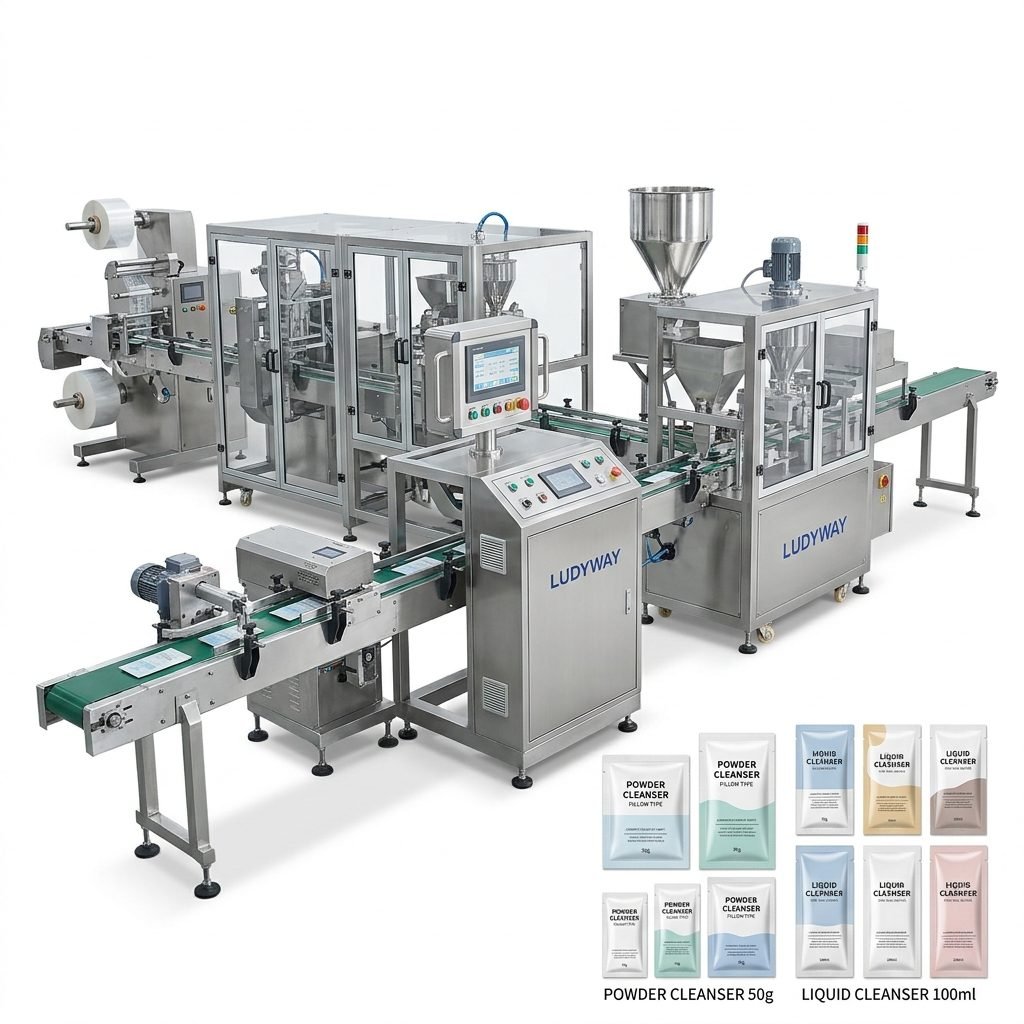
Think beyond the single machine. How will the packaged tea bags be handled? You may need a conveyor, a cartoning machine, or a case packer to complete the line. Choosing a supplier capable of providing a turnkey solution ensures all components work seamlessly together, saving you from integration headaches. Exploring complete packaging line solutions can be a wise long-term strategy.
Step 5: Analyze Return on Investment (ROI)
Calculate the payback period. Consider savings from reduced labor, lower material waste (from precise dosing), increased output, and improved product consistency leading to fewer customer complaints. A well-chosen machine should typically pay for itself within 1-3 years through these efficiencies.
Frequently Asked Questions (FAQs)
1. What is the typical production speed of a tea bag machine?
Speeds vary dramatically. Semi-automatic machines may produce 40-80 bags per minute (BPM), while fully automatic high-speed lines can range from 120 to over 400 BPM, depending on the bag style and complexity.
2. Can one machine package different types of tea (e.g., loose leaf, herbal, powdered)?
Many machines are versatile, but the dosing system is critical. A machine with a versatile auger filler or volumetric cup filler can handle various granule sizes and densities. However, switching from fine powder to large leafy herbs may require adjustments or different dosing attachments.
3. How important is nitrogen flushing in tea bag packaging?
For premium teas where freshness and aroma preservation are paramount, nitrogen flushing is highly recommended. It removes oxygen from the bag, significantly slowing oxidation and preserving the tea’s quality, color, and flavor for a much longer shelf life.
4. What are the main maintenance requirements?
Regular daily cleaning to prevent tea dust and oil buildup is essential. Periodic lubrication of moving parts, inspection of seals and cutting blades, and calibration of the weighing system are standard. Always follow the manufacturer’s maintenance schedule.
5. Where can I get professional advice for my specific project?
Consulting with an experienced packaging machinery provider is the best course of action. Companies with extensive application experience, such as Ludyway Packaging Machinery, can analyze your specific product and production goals to recommend the most efficient and cost-effective solution, potentially saving you from costly mistakes.