In the competitive world of food processing, efficiency and presentation are paramount. For businesses handling ground meat—from beef and pork to poultry and beyond—the right packaging machine is not just a tool; it’s a critical component of operational success, product safety, and brand perception. A commercial ground meat packaging machine automates the process of weighing, filling, and sealing, ensuring consistency, extending shelf life, and meeting stringent hygiene standards. This guide delves into the various types of machines available, their key features, and provides a detailed framework to help you select the best equipment for your specific production needs.
Understanding the Core Types of Ground Meat Packaging Machines
The market offers several primary types of packaging machines, each suited to different production scales, package styles, and operational goals.
Vertical Form-Fill-Seal (VFFS) Machines
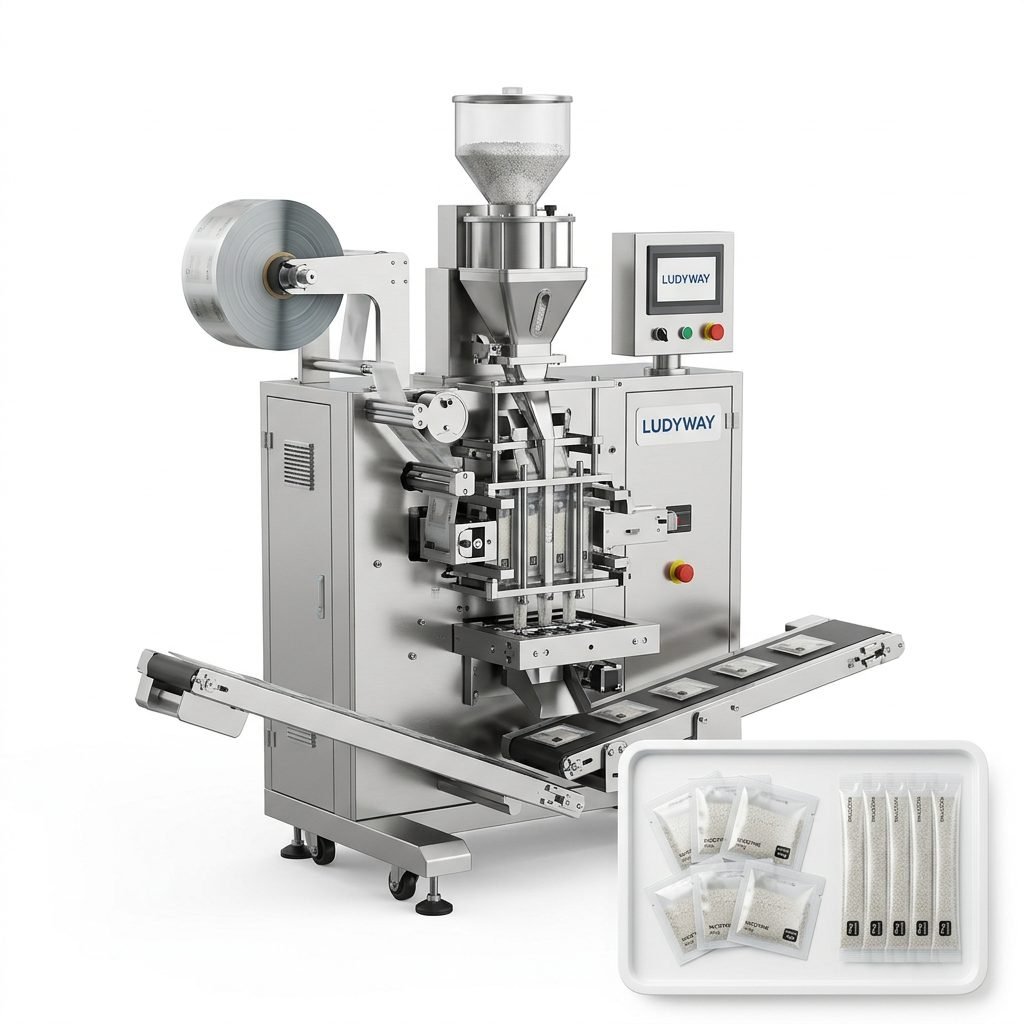
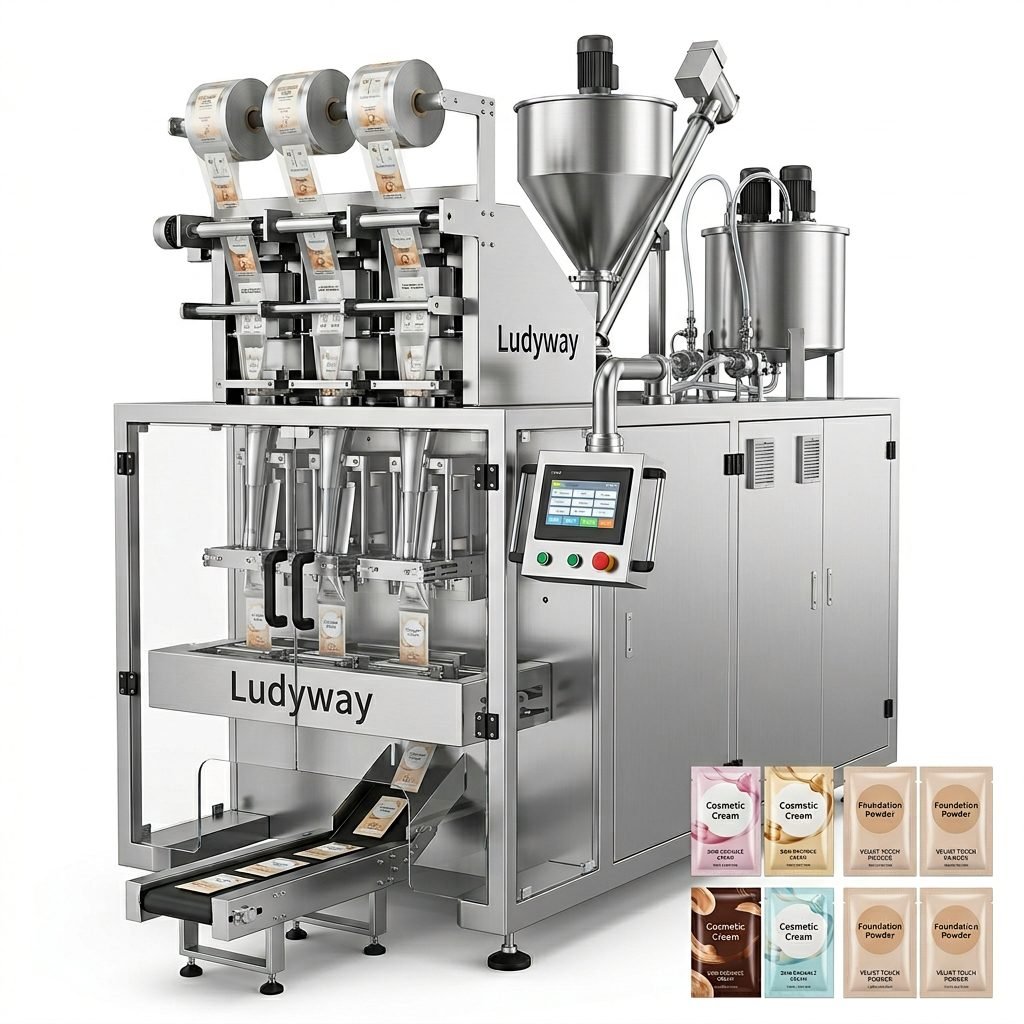
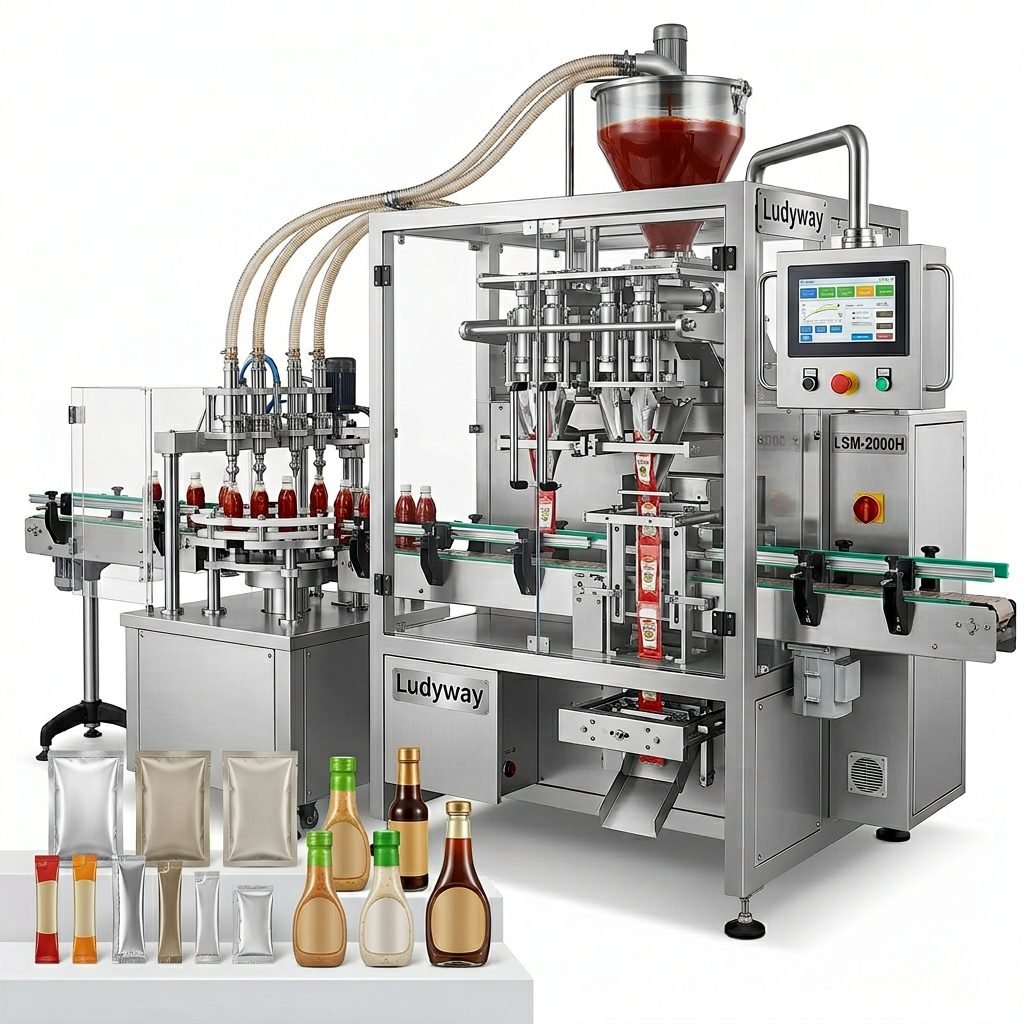
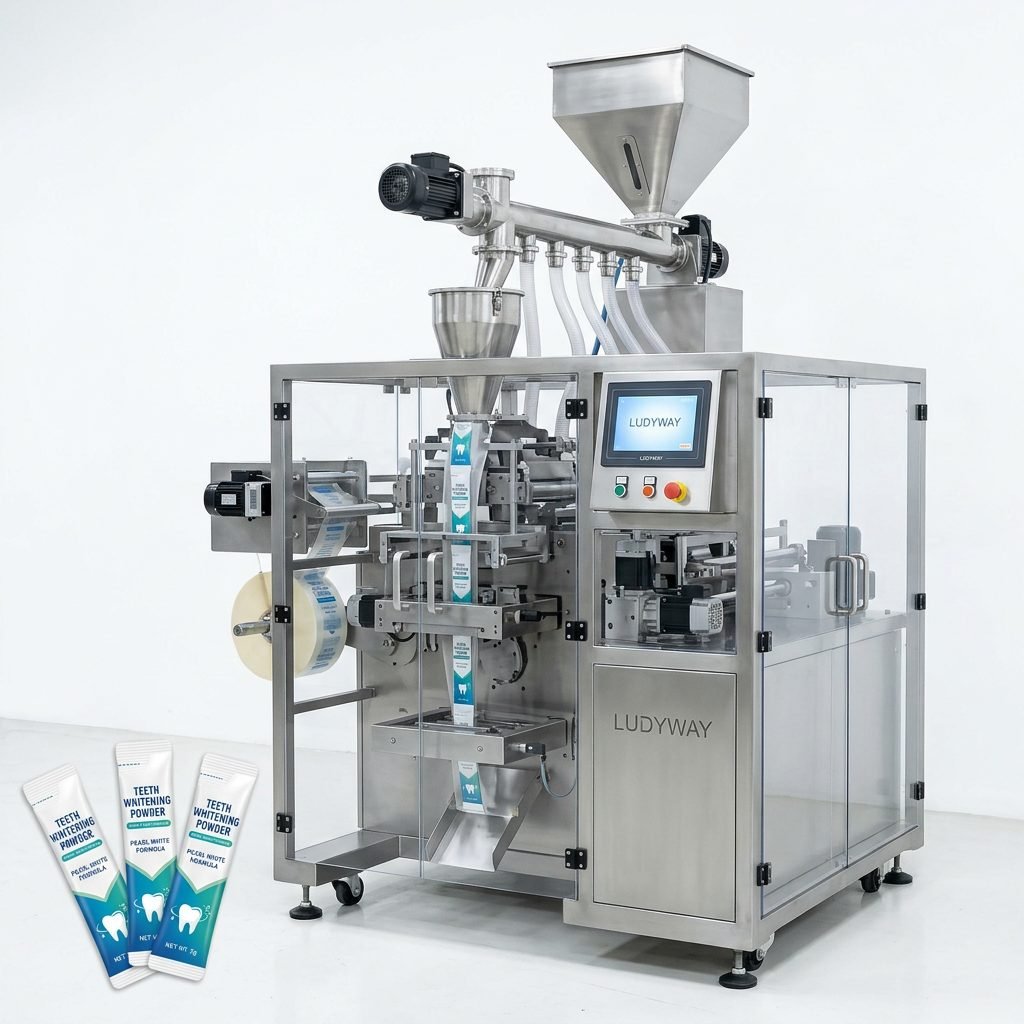
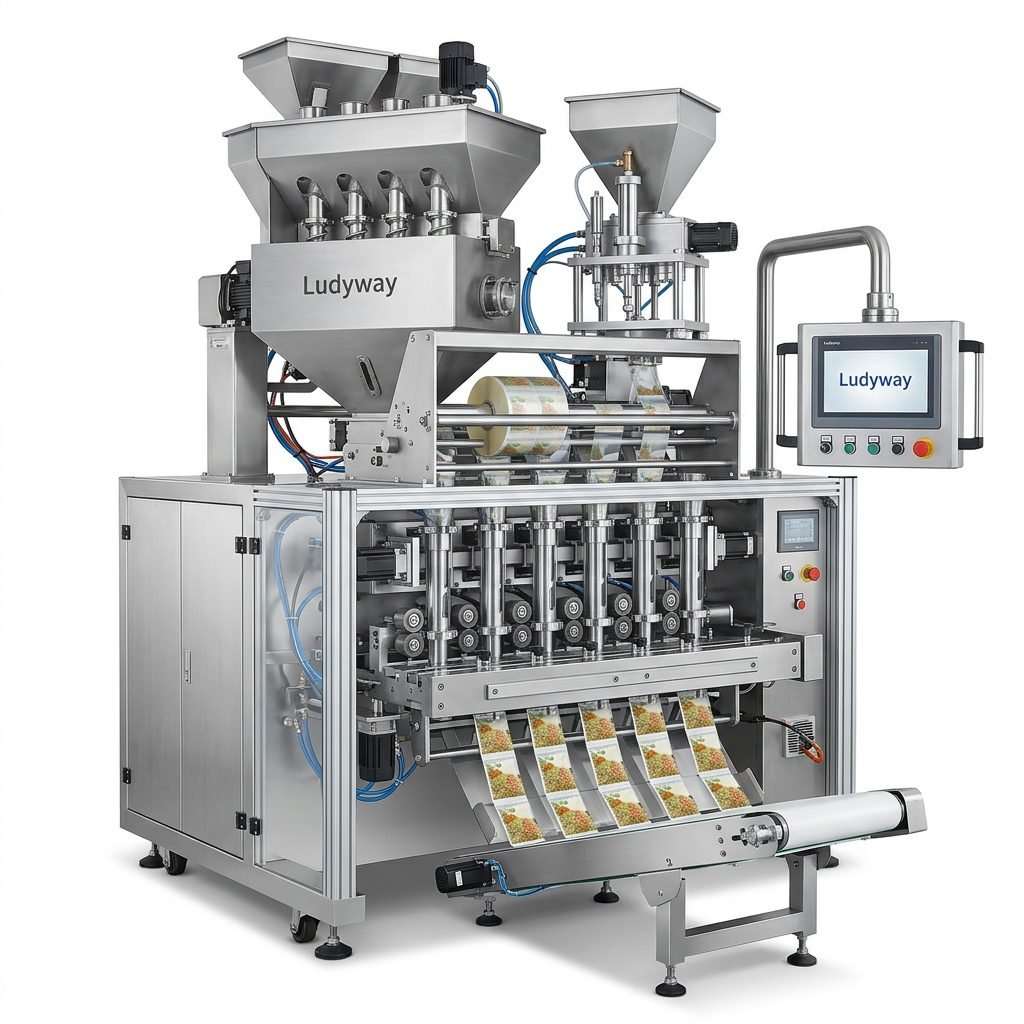
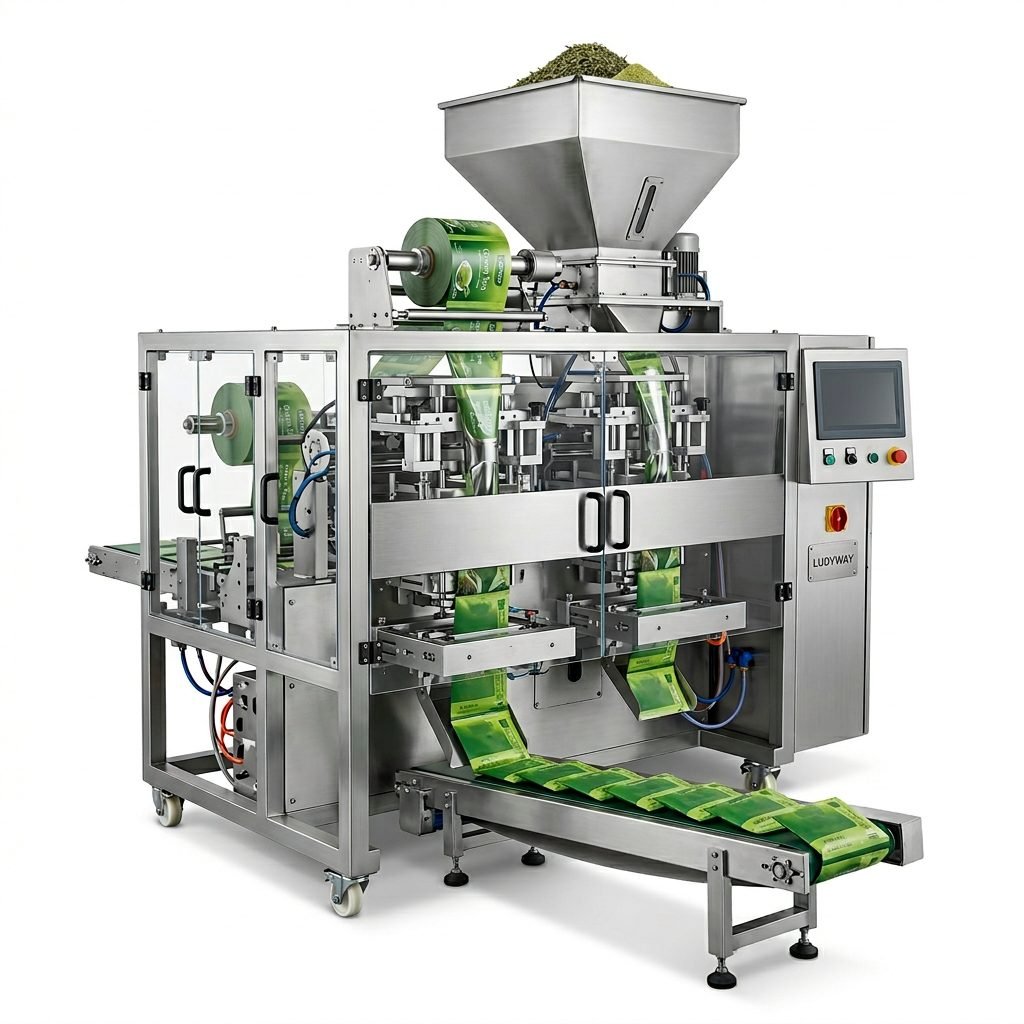
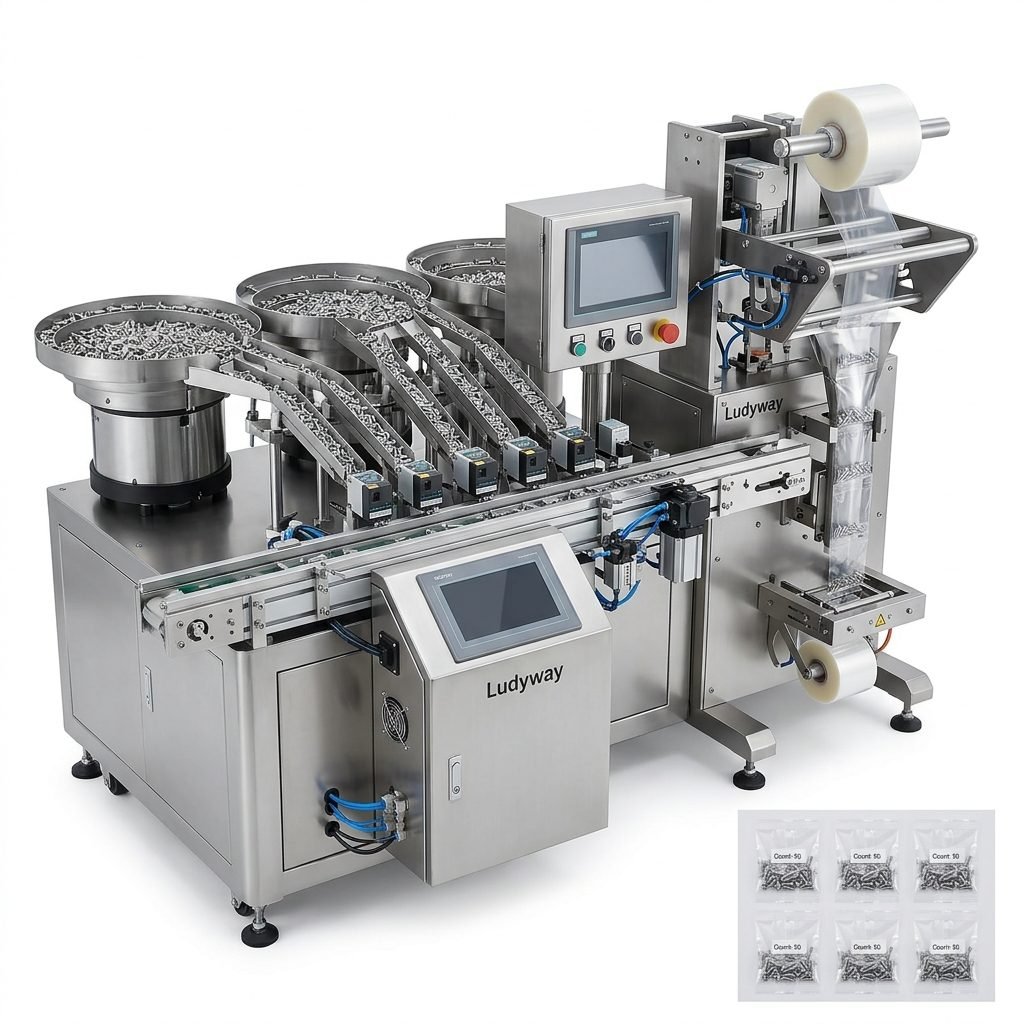
These are among the most common and versatile machines for ground meat packaging. They form a bag from a roll of flat packaging film, fill it with a pre-set weight of product, and then seal it. VFFS machines are excellent for producing pillow bags or gusseted bags and are highly efficient for medium to high-volume production lines. They are ideal for packaging loose ground meat for retail or food service.
Horizontal Form-Fill-Seal (HFFS) Machines
HFFS machines are typically used for creating more rigid tray-like packages or for modified atmosphere packaging (MAP), which is crucial for preserving the color and freshness of red meat. The machine forms a base web into a tray, fills it, applies a top lidding film, and seals it. This type is perfect for producing consumer-ready trays of ground meat with excellent visual appeal.
Tray Sealing Machines
These machines are designed to seal pre-formed trays or containers. They are often used in conjunction with manual or automatic filling stations. Tray sealers can be equipped with gas flushing systems for MAP, dramatically extending product shelf life. They offer great flexibility for operations that use various sizes and shapes of trays.
Vacuum Packaging Machines
Vacuum packaging removes air from the package before sealing, inhibiting the growth of aerobic bacteria and preventing freezer burn. Chamber vacuum machines are robust and suitable for packaging ground meat in bulk or for wholesale. They are a cornerstone for operations focused on frozen meat products or requiring maximum product compression and protection.
Essential Features and Technological Advancements
Modern ground meat packaging machines incorporate a range of features that enhance performance, safety, and ease of use.
Weighing and Filling Systems
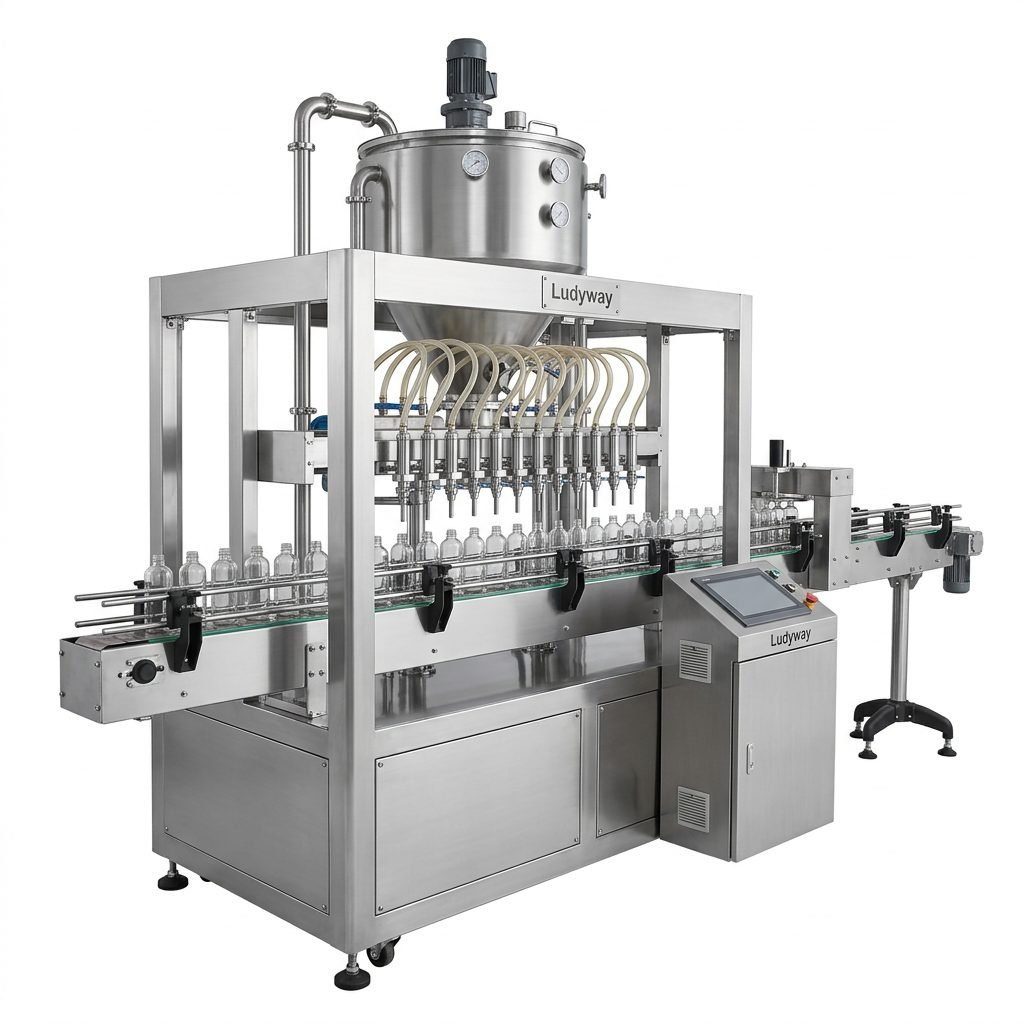
Accuracy is non-negotiable. Look for machines with high-precision load cells and multi-head weighers or auger filler systems specifically designed for sticky, viscous products like ground meat. Some systems use piston fillers for excellent portion control.
Sealing Technology
A reliable seal is critical for food safety. Machines should offer consistent, strong seals even with products that may have surface moisture or fats. Impulse sealers and constant heat sealers are common, with advanced models featuring seal integrity monitoring.
Hygienic Design and Materials
Given the product, machines must be easy to clean and sanitize. Key aspects include:
✔ Stainless steel contact surfaces (grade 304 or 316).
✔ Smooth, crevice-free frames.
✔ CIP (Clean-in-Place) capabilities on some advanced models.
✔ Protective covers that are easily removable.
Automation and Control Systems
Today’s machines are driven by intuitive PLC (Programmable Logic Controller) interfaces with touchscreen HMIs (Human-Machine Interfaces). These allow for easy recipe storage, changeover between package sizes, and real-time monitoring of production speed, counts, and error diagnostics.
Modified Atmosphere Packaging (MAP) Capability
For fresh retail meat, MAP is a game-changer. It replaces the air inside the package with a protective gas mix (usually CO2 and N2). Machines with integrated MAP systems help maintain the bright red color of meat (oxymyoglobin) and significantly reduce spoilage.
How to Choose the Best Machine for Your Operation
Selecting the right machine requires a careful assessment of your current and future needs. Follow this step-by-step guide to make an informed decision.
1. Analyze Your Production Requirements
Start with the fundamentals:
Output Speed: How many packages per minute (PPM) or per hour do you need? Balance peak demand with average throughput.
Package Type & Size: Are you making retail trays, bulk vacuum bags, or retail pillow packs? Define the range of weights and dimensions.
Product Characteristics: Consider the fat content, temperature, and texture of your ground meat, as these affect filling and sealing.
2. Evaluate Available Space and Utility Needs
Measure your production floor space meticulously. Ensure there is adequate room for the machine, upstream feeding (e.g., meat grinders), downstream handling (conveyors), and maintenance access. Confirm utility requirements: electrical power (voltage, phases), compressed air (PSI, CFM), and, for MAP, gas supply lines.
3. Prioritize Hygiene and Compliance
The machine must be designed to meet or exceed food safety standards relevant to your region, such as those from the USDA, FDA, or equivalent bodies. Hygienic design is not an optional extra; it’s a necessity for preventing contamination and passing audits.
4. Consider Total Cost of Ownership (TCO)
Look beyond the initial purchase price. Factor in:
• Operating Costs: Energy, gas (for MAP), compressed air, and film consumption.
• Maintenance: Cost and availability of spare parts (like sealing jaws, film guides, and sensors).
• Downtime: A more reliable machine from a reputable supplier may have a higher upfront cost but lower long-term losses from breakdowns.
5. Assess Supplier Support and Reputation
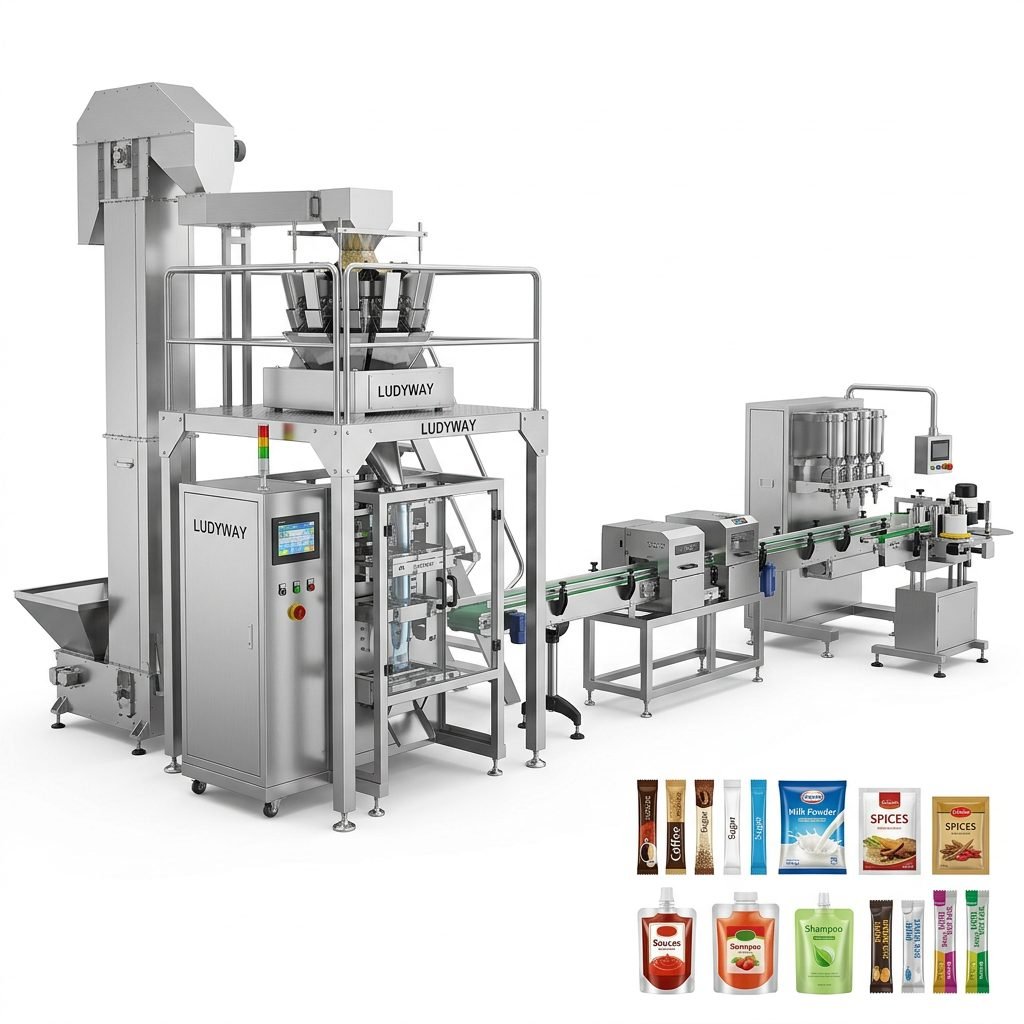
The relationship with your machinery supplier is crucial. A provider like Ludyway Packing Machine, with decades of industry experience, offers more than just a machine. Evaluate their:
✔ Technical support and training availability.
✔ Warranty terms and after-sales service network.
✔ Ability to provide customized solutions and spare parts.
✔ Portfolio of successful installations, particularly in the meat processing sector. Exploring their range of packaging solutions can give insight into their expertise.
Conclusion
Investing in a commercial ground meat packaging machine is a significant decision that impacts productivity, product quality, and profitability. By thoroughly understanding the different machine types—from versatile VFFS units to specialized tray sealers with MAP—and critically evaluating features like hygienic design and control systems, you can narrow down your options. The final choice should be based on a holistic view of your production needs, facility constraints, compliance requirements, and the long-term partnership with a reliable supplier. The right machine will not only package your product but also protect your brand and fuel your business growth.
Frequently Asked Questions (FAQs)
What is the main benefit of Modified Atmosphere Packaging (MAP) for ground meat?
MAP replaces the oxygen in a package with gases like carbon dioxide and nitrogen. This inhibits the growth of spoilage bacteria, prevents oxidation (which causes browning), and helps maintain the fresh, bright red color of the meat that consumers associate with quality. It can extend shelf life by several days compared to air-packed products.
How often does a ground meat packaging machine require maintenance?
Maintenance frequency varies by model and usage. Daily cleaning and visual inspections are mandatory. Scheduled preventative maintenance (weekly, monthly, annually) as outlined in the machine manual is critical. This typically involves lubricating moving parts, checking seal integrity, calibrating scales, and inspecting wear parts like cutting blades and film guides to prevent unplanned downtime.
Can one machine handle different types of ground meat (e.g., beef, pork, turkey)?
Yes, most machines are product-agnostic. However, when switching between products, especially with different fat contents or textures, you may need to adjust filling parameters (like auger speed or piston stroke) and potentially perform a full sanitation cycle to prevent cross-contamination, which is a key food safety requirement.
What is the typical production speed range for these machines?
Speeds vary widely. A semi-automatic tray sealer might handle 10-20 packages per minute, while a high-speed, multi-lane VFFS machine can achieve 60-120 bags per minute or more. The “right” speed depends entirely on your production volume. It’s important to choose a machine that matches your average and peak demands without excessive overcapacity.
Is operator training provided by the machine supplier?
Reputable suppliers, including experienced providers in the industry, almost always provide comprehensive operator and maintenance training. This can occur during installation and commissioning at your facility. Proper training is essential for safe operation, achieving optimal machine performance, and ensuring consistent package quality from day one.