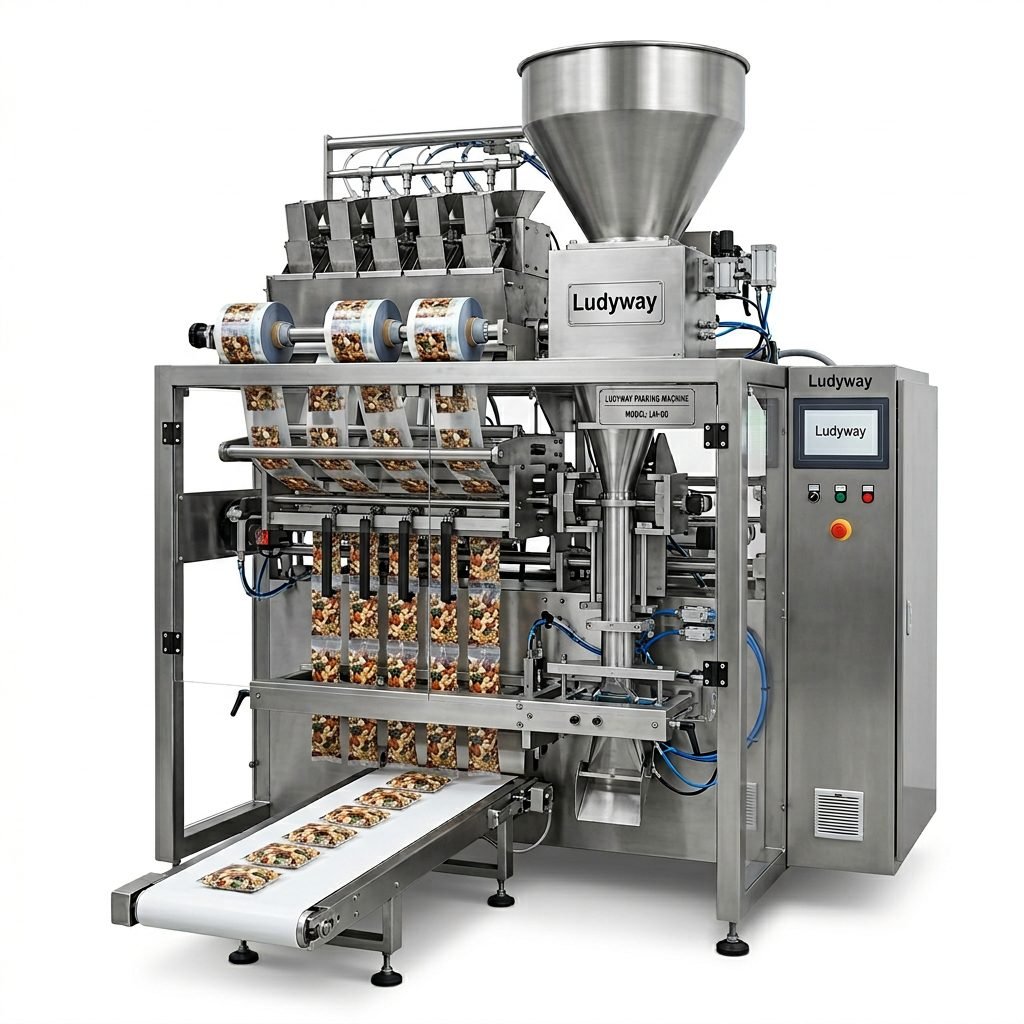
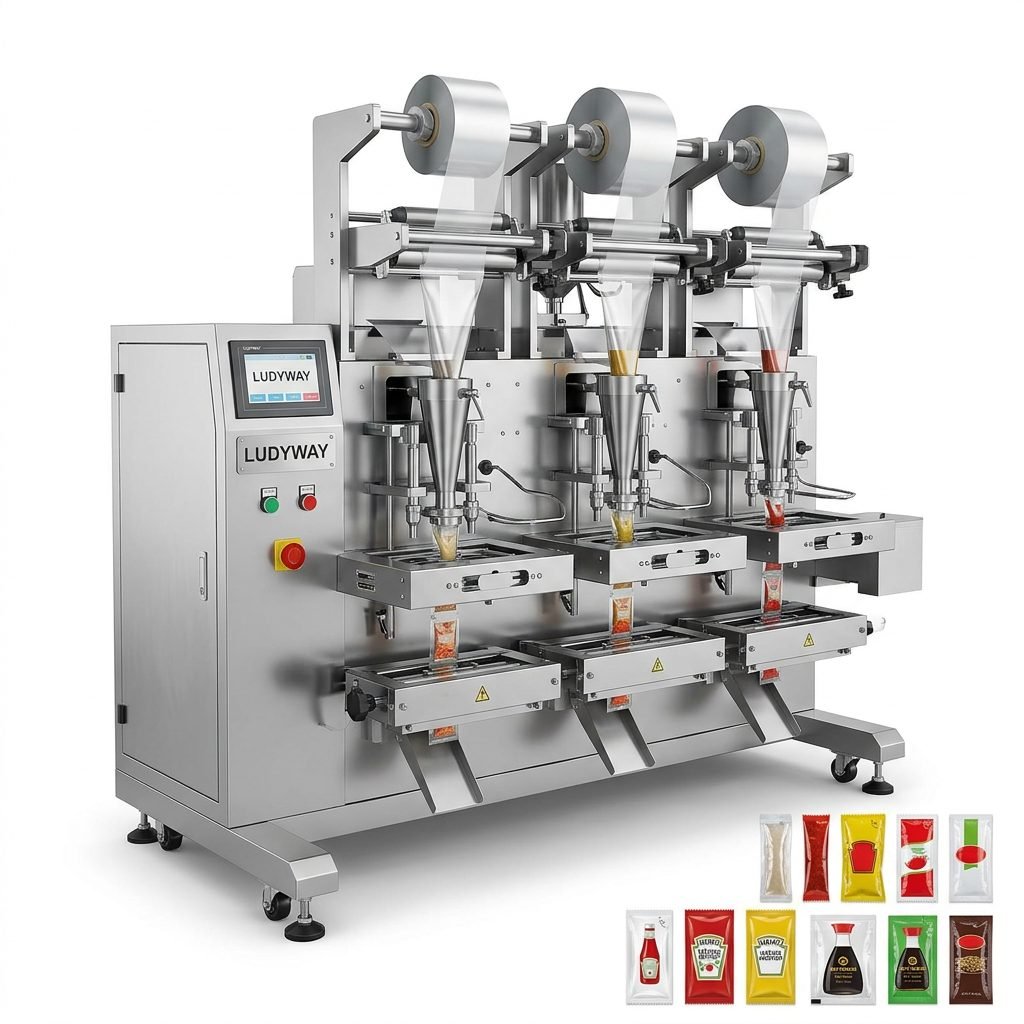
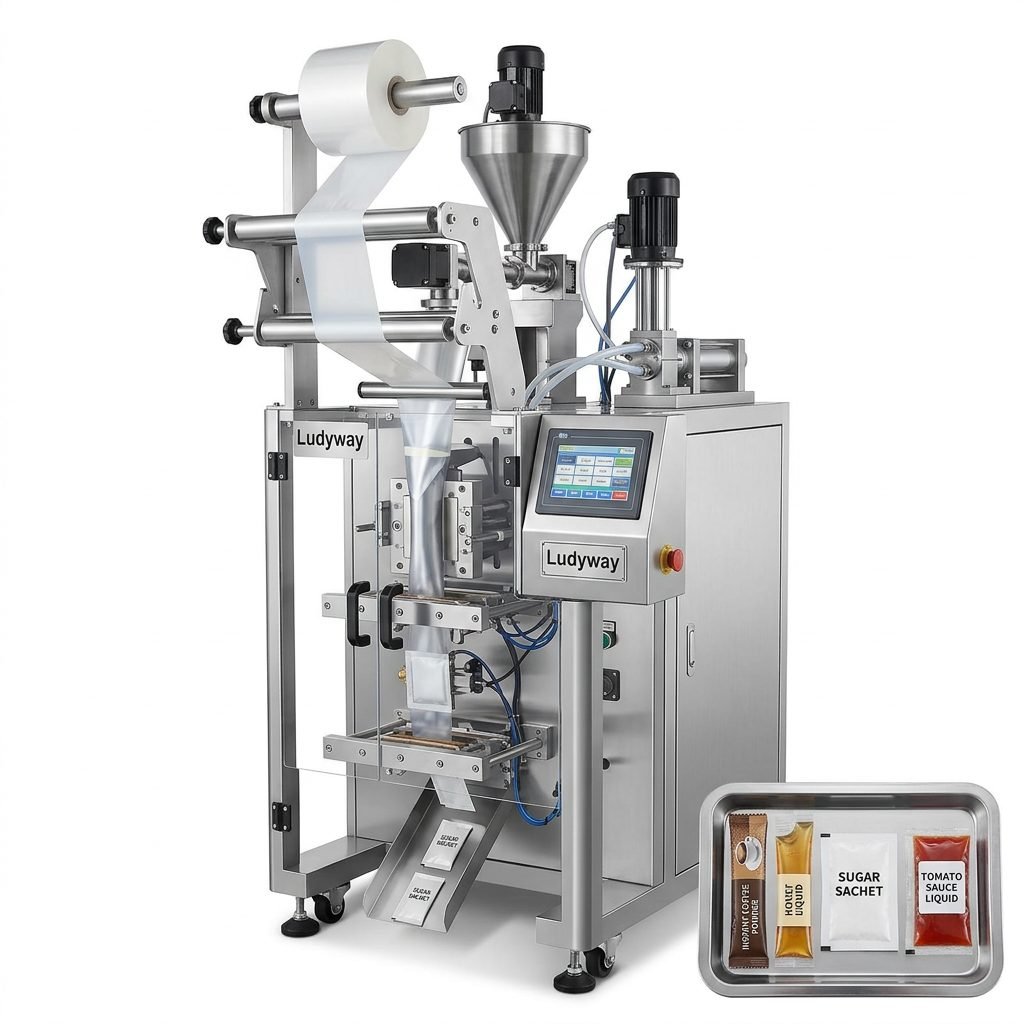
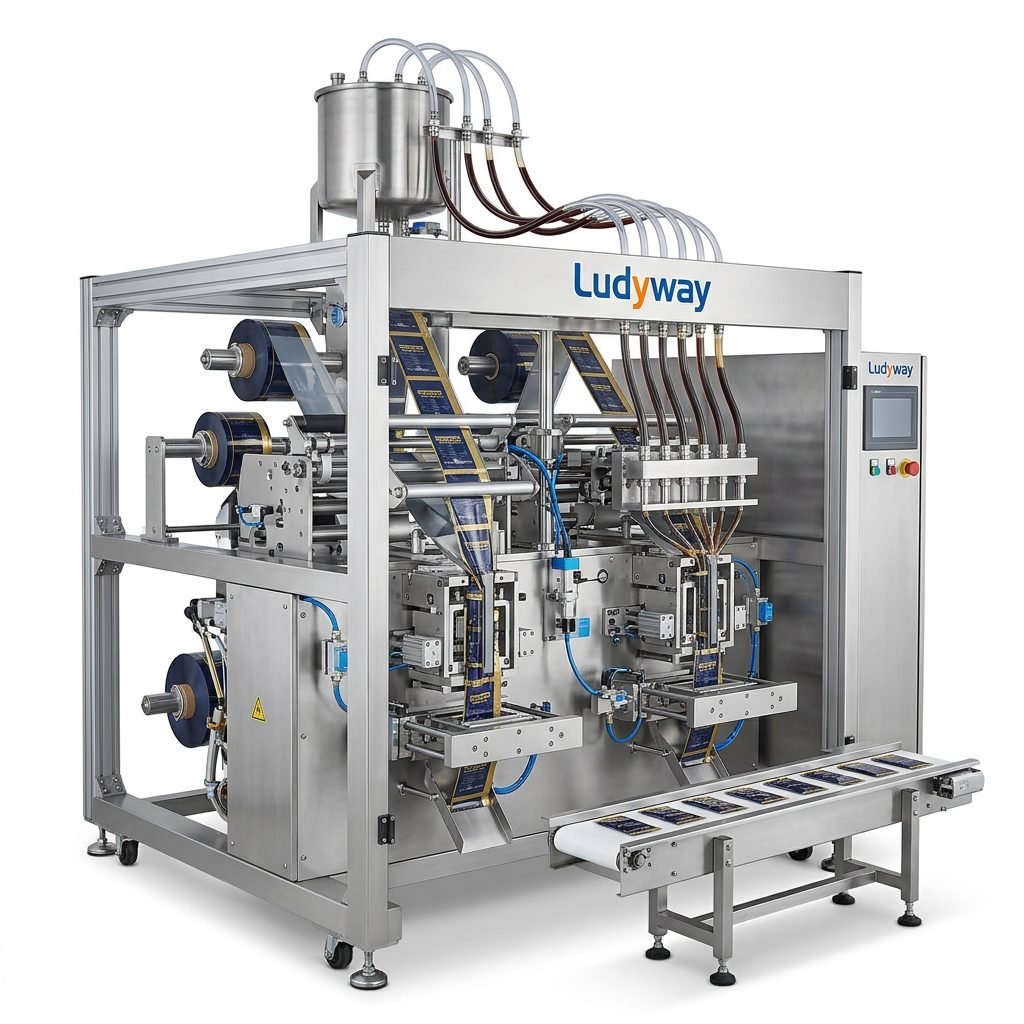
Deep drawing packaging machines represent a sophisticated and versatile solution in modern automated packaging, particularly for industries requiring high-speed, precise, and hygienic packaging of products like food, pharmaceuticals, and healthcare items. These machines utilize a thermoforming process to create custom cavities from a roll of film, which are then filled and sealed, offering exceptional flexibility for various product shapes and sizes. Understanding their operation, key features, and selection criteria is crucial for manufacturers aiming to optimize their production lines.
How a Deep Drawing Packaging Machine Works
The operation of a deep drawing packaging machine is a continuous, automated cycle that transforms flat film into finished, sealed packages. The process can be broken down into several key stages.
Stage 1: Film Unwinding and Heating
The process begins with two primary film rolls: the base film (or forming film) and the lidding film. The base film, typically a multi-layer laminate like PP/PE or PA/PE, is fed into the machine. It first passes over a heating station where it is softened to a precise, pliable temperature, making it ready for forming.
Stage 2: Thermoforming (Deep Drawing)
This is the core of the process. The heated film is indexed into a forming station. Here, a forming tool (mold) and a plug assist descend. Using a combination of air pressure (pneumatic) and mechanical plug assistance, the film is drawn deep into the mold cavities. This “deep drawing” action creates precise, consistent pockets tailored to the product’s dimensions. The depth of draw can be significant, allowing for bulky or tall items.
Stage 3: Product Filling
The formed pockets then move to the filling station. Depending on the product—be it granules, powders, liquids, tablets, or solids—an appropriate filler (such as auger, volumetric cup, pump, or robotic pick-and-place) accurately doses the product into each cavity. Modern machines often integrate multi-head fillers and checkweighers for high precision.
Stage 4: Lidding and Sealing
The lidding film (often aluminum foil or a peelable laminate) is unrolled and placed over the filled pockets. A heated sealing die then applies precise pressure and temperature to create a hermetic seal between the lidding film and the flange of the base film. This seal is critical for product protection, ensuring barrier properties against moisture, oxygen, and contaminants.
Stage 5: Cutting and Discharge
Finally, the continuous sealed web moves into a cutting station. A cross-cutting unit trims the film, separating individual packages or strips of packages. The finished packs are then discharged via a conveyor for secondary packaging, inspection, or cartoning. The leftover film web (skeleton) is neatly rewound for recycling.
Key Takeaway:
The entire process—from film to finished pack—is a seamless, integrated operation. This closed-system design is a major advantage for cleanliness and product safety, making it ideal for sensitive applications in the pharmaceutical and food sectors.
Key Features and Advantages
Deep drawing packaging machines offer a compelling set of features that drive their adoption across global industries.
1. Exceptional Flexibility and Customization
The forming mold is interchangeable. By simply changing the mold, the same machine can produce packages of vastly different shapes, sizes, and depths. This allows manufacturers to run multiple products on one line with minimal changeover time, responding quickly to market demands.
2. Superior Product Protection and Presentation
The hermetic seal and use of high-barrier films provide excellent protection against spoilage factors. The transparent base film offers superb product visibility, enhancing shelf appeal. The package itself is robust and user-friendly.
3. High Efficiency and Speed
Modern deep drawing machines are designed for high-output production. They can achieve impressive speeds, often ranging from 20 to over 100 cycles per minute, depending on the model and package size, ensuring high throughput for large-scale manufacturing.
4. Material and Cost Efficiency
This process is generally more material-efficient than using pre-made containers (like blisters or cups). The film is formed with minimal waste, and the precise sealing area reduces lidding material usage. This leads to lower packaging material costs per unit.
5. Advanced Automation and Integration
Today’s machines are fully automated, integrating features like servo-driven motion for precision, touch-screen PLC controls, vision inspection systems, and data reporting for Industry 4.0 compliance. They can be easily linked with upstream and downstream equipment like cartoners and case packers.
💡 Industry Insight:
For businesses like Ludyway Machinery, which provides over 50 intelligent packaging models, the deep drawing technology is a cornerstone for building complete turnkey solutions. Their expertise lies in tailoring these machines with the right fillers, seals, and controls to match specific product characteristics and production volume requirements for clients worldwide.
Tips for Choosing the Right Model
Selecting the ideal deep drawing packaging machine requires a careful analysis of your product, production, and business goals.
1. Analyze Your Product Characteristics
- Physical State: Is it a powder, granule, liquid, solid, or semi-solid? This dictates the filler type (auger, piston pump, volumetric).
- Properties: Is it hygroscopic, abrasive, oily, or sterile? This influences material handling and machine surface finishes.
- Size & Shape: Determine the required pocket dimensions and depth of draw.
2. Define Your Output Requirements
Calculate your required production speed (packs per minute) and annual volume. Don’t just consider peak demand; factor in future growth. A machine with a 20-30% capacity buffer is often a wise investment. High-speed models are available but come at a higher capital cost.
3. Specify Packaging Materials
The choice of base and lidding film is critical for shelf life, machinery compatibility, and sustainability goals. Work with your machine supplier and film converter to select the appropriate laminate structure (e.g., for barrier, clarity, peelability). Ensure the machine’s sealing system can handle your chosen materials consistently.
4. Prioritize Hygiene and Compliance
For food, pharmaceutical, or medical products, the machine’s design must facilitate easy cleaning and meet relevant regulatory standards (e.g., FDA, GMP). Look for features like stainless steel construction, smooth surfaces, and CIP/SIP capabilities. Suppliers with deep industry experience, such as those with 30+ years in the field, understand these critical requirements.
5. Evaluate Automation and Control Level
Consider the level of automation needed. Do you require automatic film splicing, 100% weight verification, vision inspection, or connectivity to a factory MES? A user-friendly HMI (Human-Machine Interface) with recipe storage simplifies changeovers and operation.
6. Assess Supplier Support and Service
The machine is a long-term investment. Choose a supplier with a proven track record for reliable technical support, spare parts availability, and training. A partner that offers comprehensive after-sales service and can provide customized production solutions will ensure your line remains productive for years. Review their company history and global service network.
Conclusion
Deep drawing packaging technology offers an unparalleled combination of flexibility, protection, and efficiency for modern manufacturers. By understanding the intricate forming-to-sealing process and critically evaluating key features against your specific needs—from product type and speed to compliance and supplier reliability—you can make an informed investment. Partnering with an experienced provider ensures you get not just a machine, but a optimized packaging solution that enhances your product quality, operational efficiency, and bottom line.
Frequently Asked Questions (FAQs)
1. What types of products are best suited for deep drawing packaging?
This technology is exceptionally versatile. It is ideal for food items (snacks, nuts, powders, sauces, cheese), pharmaceutical products (tablets, capsules, powders, medical devices), healthcare & cosmetics (creams, gels, single-dose liquids), and industrial items (hardware, electronic components). Any product that benefits from a custom-formed, protected, and visible package is a good candidate.
2. How does deep drawing differ from blister packaging?
While both are thermoforming processes, key differences exist. Blister packaging typically uses a rigid PVC or Aclar film formed over a product placed on a card. Deep drawing uses a softer, deeper-draw laminate to create a cavity that holds the product entirely, which is then sealed with a lidding film. Deep drawing is generally better for loose products (powders, granules), offers deeper cavities, and often uses higher-barrier materials.
3. What is the typical lead time for a deep drawing packaging machine?
Lead times vary based on complexity and customization. A standard model from stock might take 8-12 weeks, while a fully customized turnkey line with specific fillers and integration can take 20 to 30 weeks or more. Early consultation with your supplier is essential for accurate planning. Established manufacturers with large production facilities can often offer more reliable timelines.
4. Can deep drawing machines handle gas flushing (MAP) for extended shelf life?
Yes, absolutely. Many advanced deep drawing machines are equipped with gas flushing systems. After filling, a controlled atmosphere (like Nitrogen or a mixed gas) is injected into the pocket before sealing, displacing oxygen. This Modified Atmosphere Packaging (MAP) significantly extends the shelf life of sensitive products like fresh meats, cheeses, and prepared foods.
5. What are the main operational costs to consider?
Beyond the initial machine investment, operational costs include: Packaging film and lidding material (the largest recurring cost), energy consumption, routine maintenance and spare parts, labor for operation and monitoring, and validation & compliance costs for regulated industries. A well-designed, efficient machine from a quality supplier helps minimize downtime and long-term operational expenses.