Choosing the right Doypack packaging machine is a critical decision for any business involved in pouch filling and sealing. The versatility of Doypack stand-up pouches makes them ideal for a wide range of products, from food items like coffee, nuts, and sauces to non-food products such as detergents, chemicals, and pharmaceuticals. This guide will walk you through the key factors to consider when selecting the best pouch filling and sealing solution for your production needs.
Understanding Doypack Packaging Machines
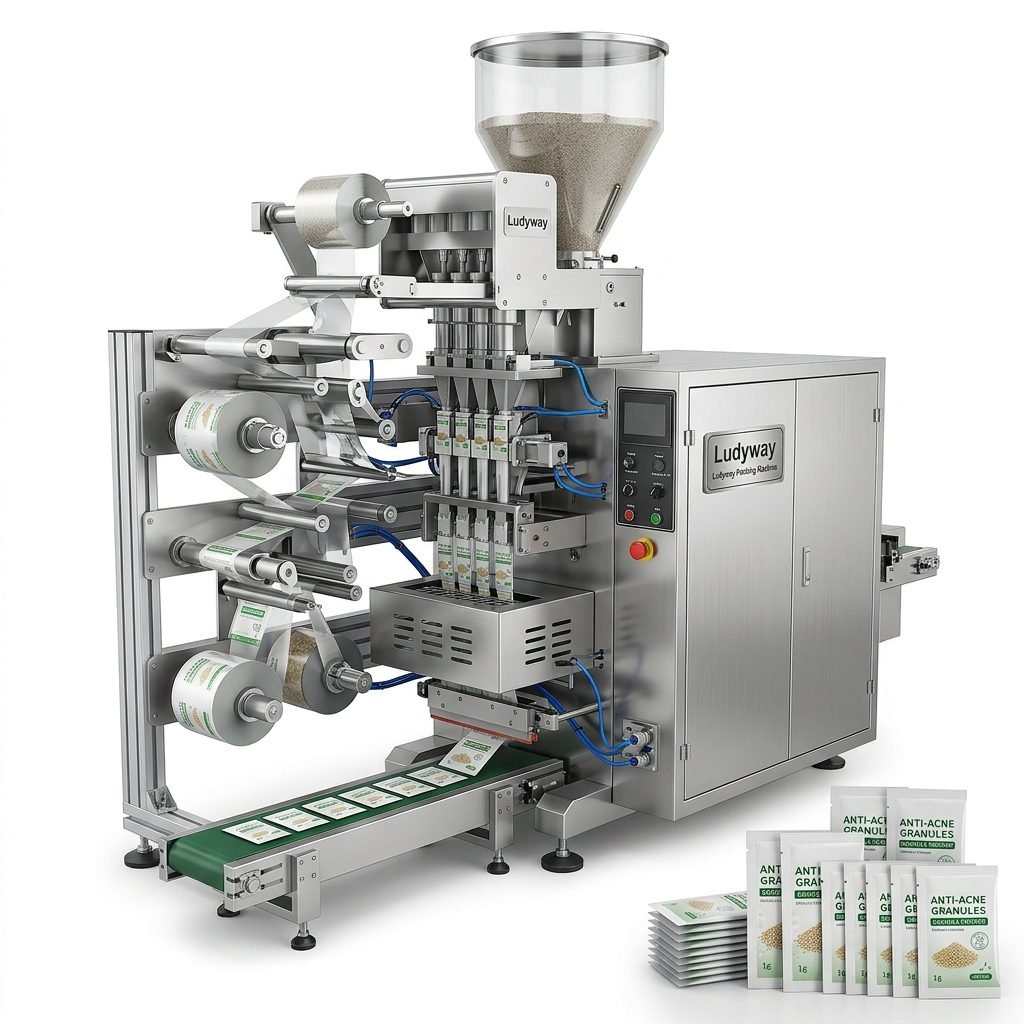
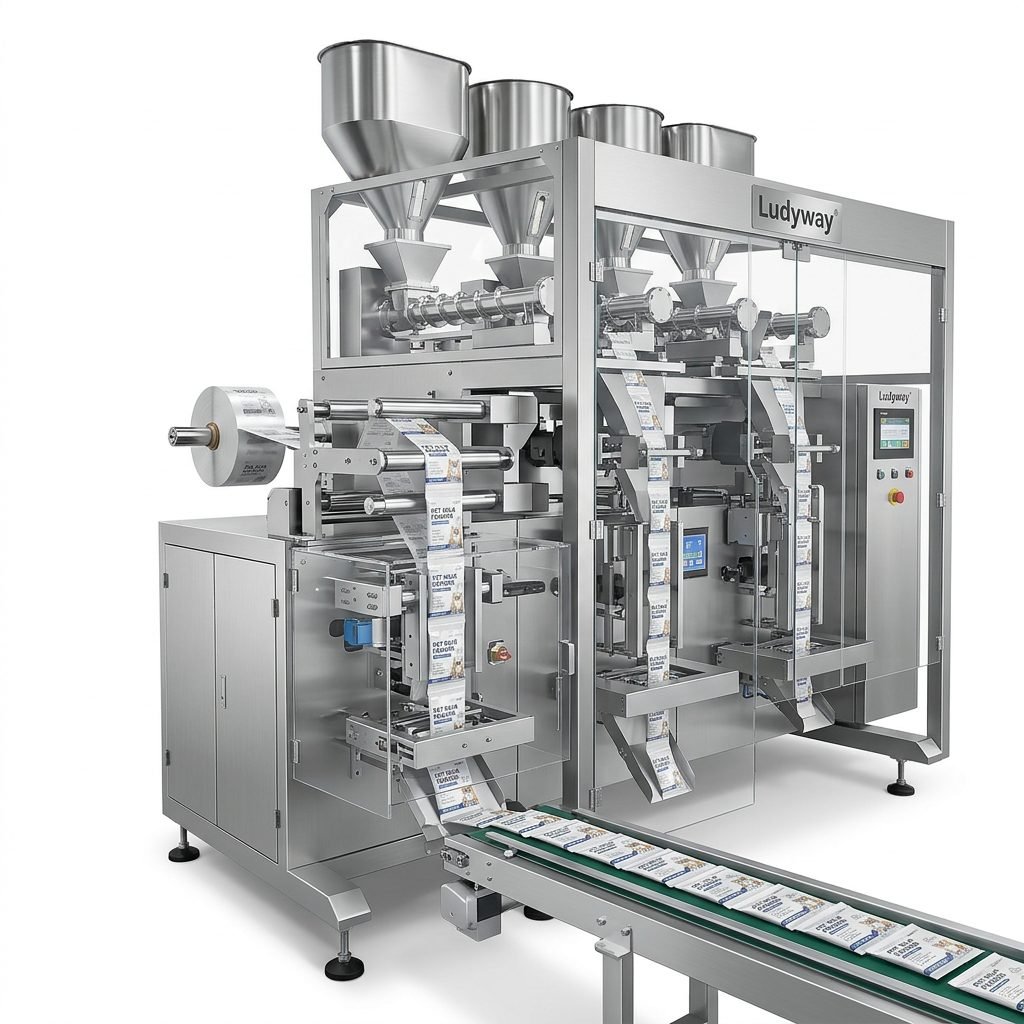
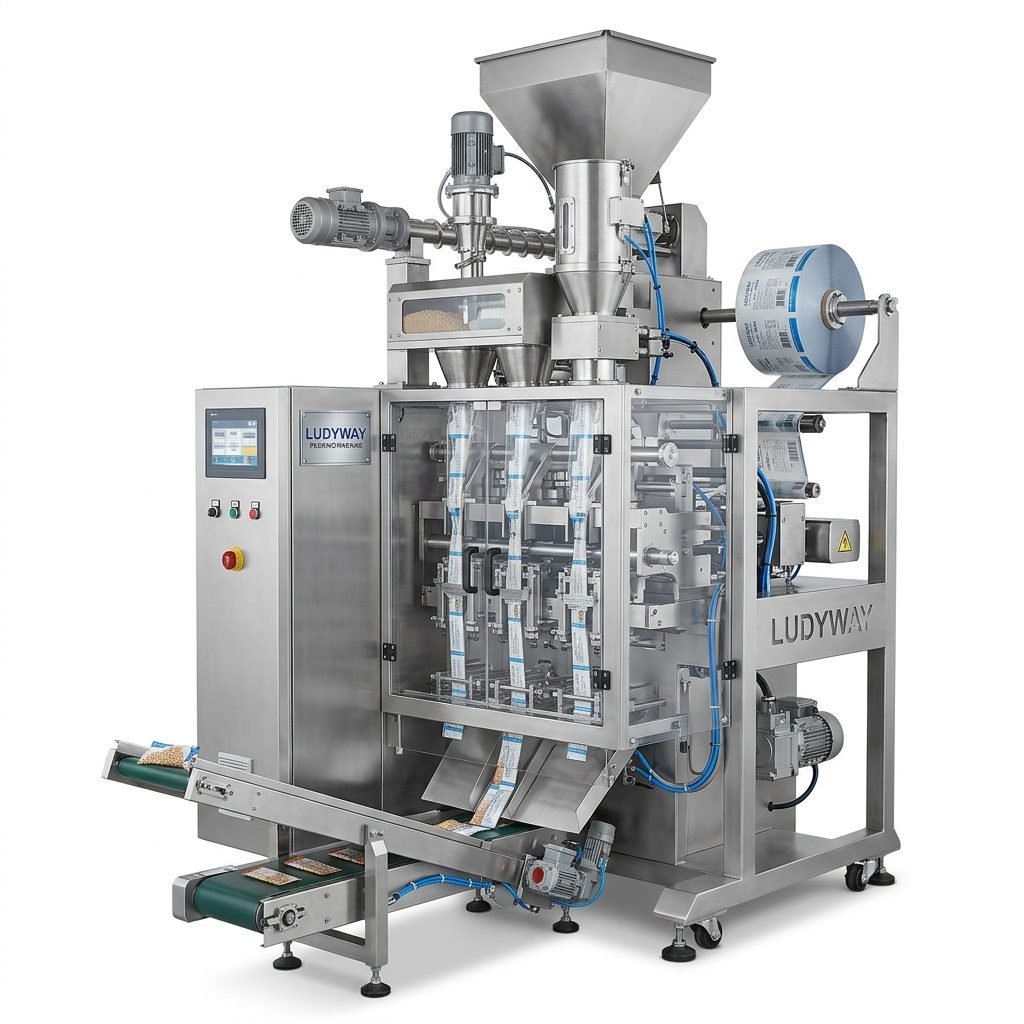
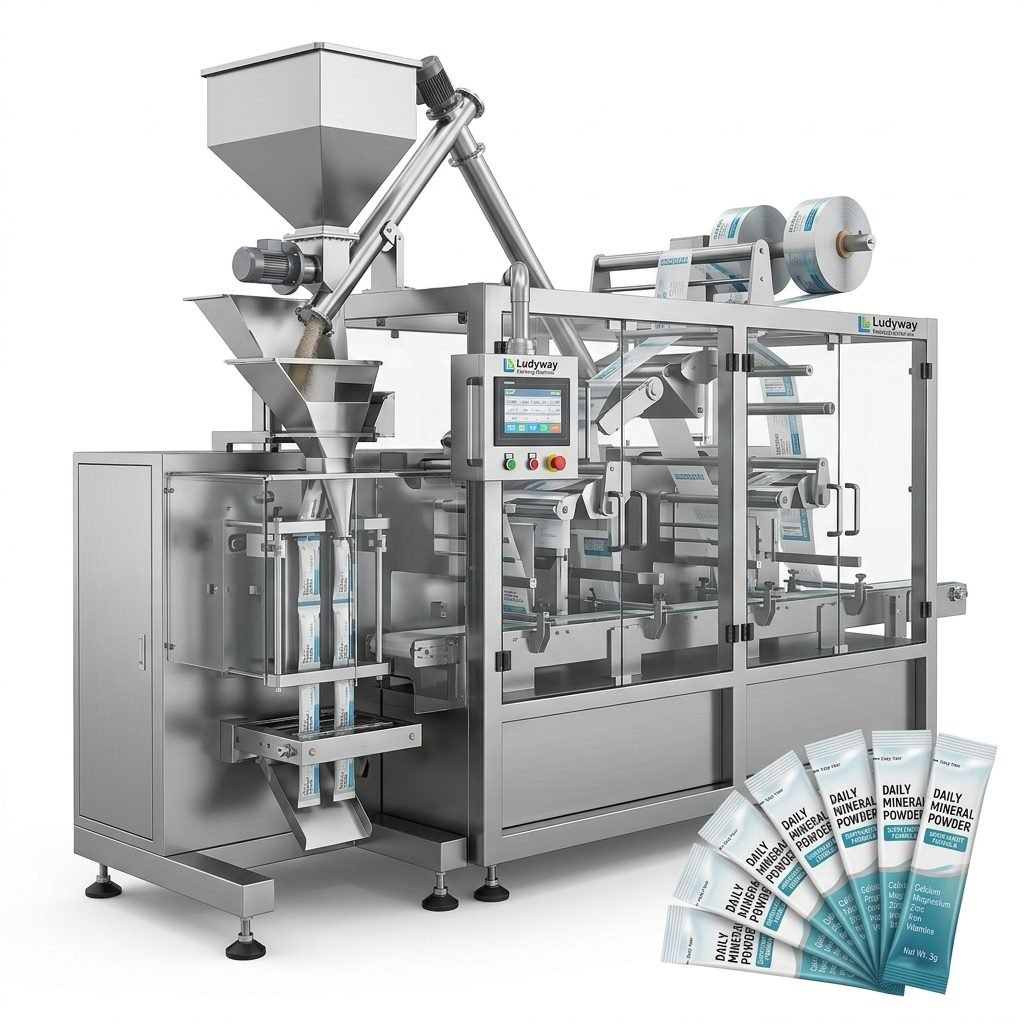
A Doypack packaging machine is an automated system designed to form, fill, and seal stand-up pouches from a roll of film. These machines are renowned for their efficiency, producing pouches that are not only visually appealing but also offer excellent barrier properties for product freshness. The process typically involves several integrated stations: film unwinding, pouch forming, product dosing, gas flushing (for modified atmosphere packaging), and final sealing.
The primary advantage of using a dedicated Doypack machine is the significant increase in production speed and consistency compared to semi-automatic methods. Modern machines offer high levels of automation, reducing labor costs and minimizing human error, which directly impacts your bottom line and product quality.
Core Components of a Doypack System
To make an informed choice, it’s essential to understand the main components of a typical Doypack packaging line:
- Film Unwind & Tension Control: Ensures smooth, consistent feeding of the laminate roll.
- Pouch Forming Unit: Shapes the flat film into a three-dimensional stand-up pouch using heat and forming tools.
- Product Filling System: This is the heart of the machine. The type of filler varies drastically depending on your product—whether it’s a granule, powder, liquid, or paste.
- Gas Flushing System (Optional): Replaces air inside the pouch with an inert gas (like nitrogen) to extend shelf life.
- Sealing Jaws: Create the final top seal, ensuring it is airtight and tamper-evident.
- Control Panel (HMI): The user interface for setting parameters, monitoring production, and diagnosing issues.
How to Choose the Best Machine: A Step-by-Step Guide
Selecting the ideal machine requires a thorough analysis of your specific requirements. Follow this structured approach to narrow down your options.
Step 1: Define Your Product Characteristics
The nature of your product dictates the machine’s core technology. A one-size-fits-all approach does not work in pouch packaging.
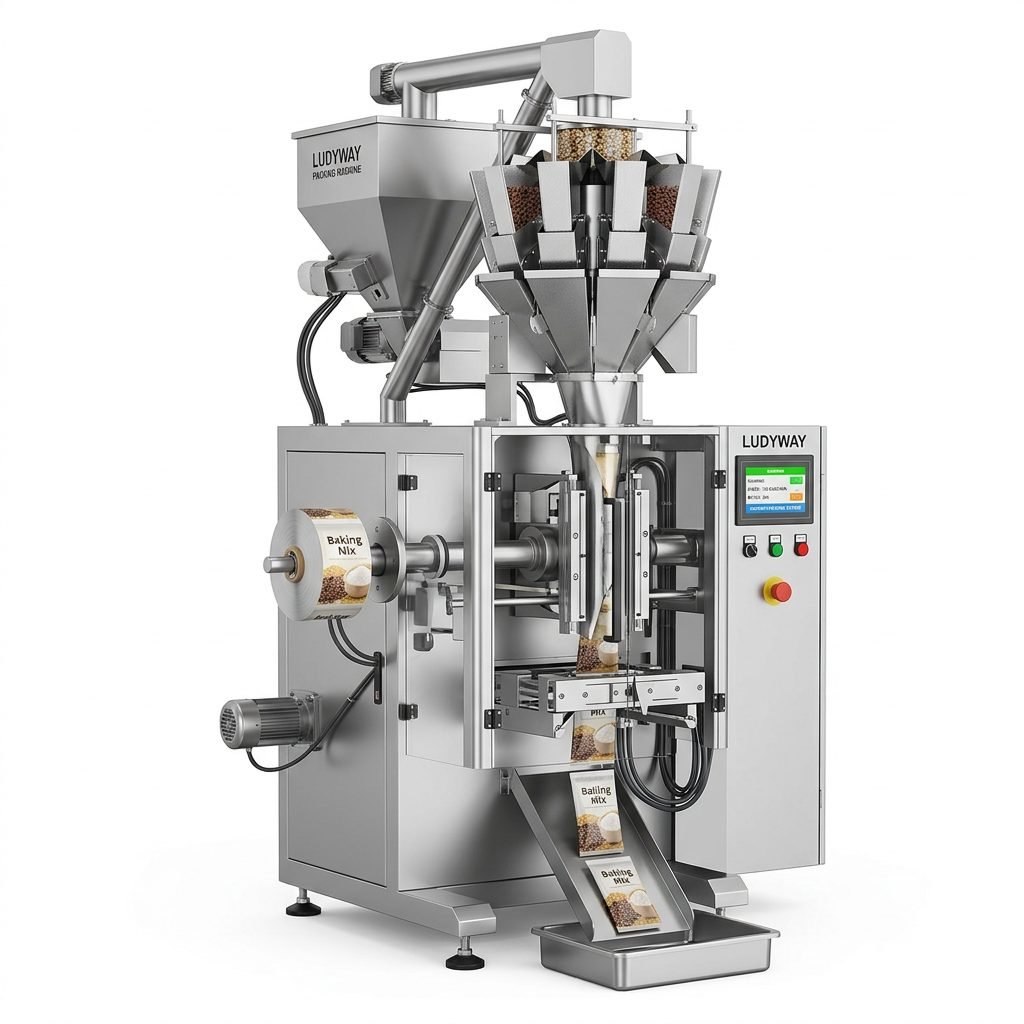
- For Granules & Solids (e.g., coffee beans, snacks): Look for machines with cup or auger fillers. Volumetric cup fillers are fast and suitable for free-flowing products, while auger fillers offer higher accuracy for finer granules.
- For Powders (e.g., milk powder, spices, protein): Auger filler systems are almost always required. The machine must have excellent dust extraction capabilities to maintain a clean sealing area and ensure seal integrity.
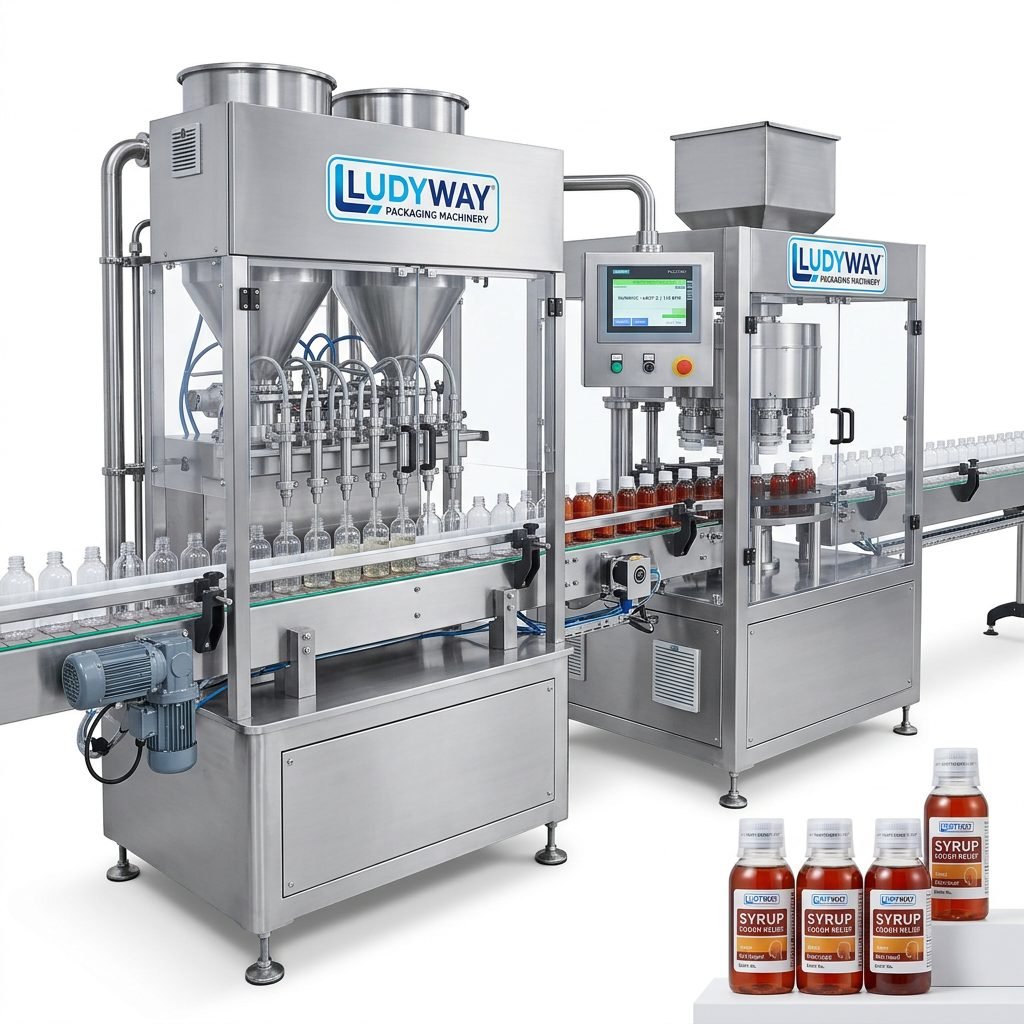
- For Liquids & Viscous Products (e.g., sauces, oils, shampoos): Piston pump or gear pump fillers are necessary. Consider factors like viscosity, foaming tendency, and whether the product contains particulates.
Step 2: Determine Your Production Speed Requirements
Output speed, measured in pouches per minute (PPM), is a major cost driver. Be realistic about your current and future needs.
Production Speed Tiers:
- Low to Medium (20-60 PPM): Ideal for small businesses, pilot plants, or products with complex filling requirements.
- Medium to High (60-120 PPM): Suitable for most established food and consumer goods manufacturers.
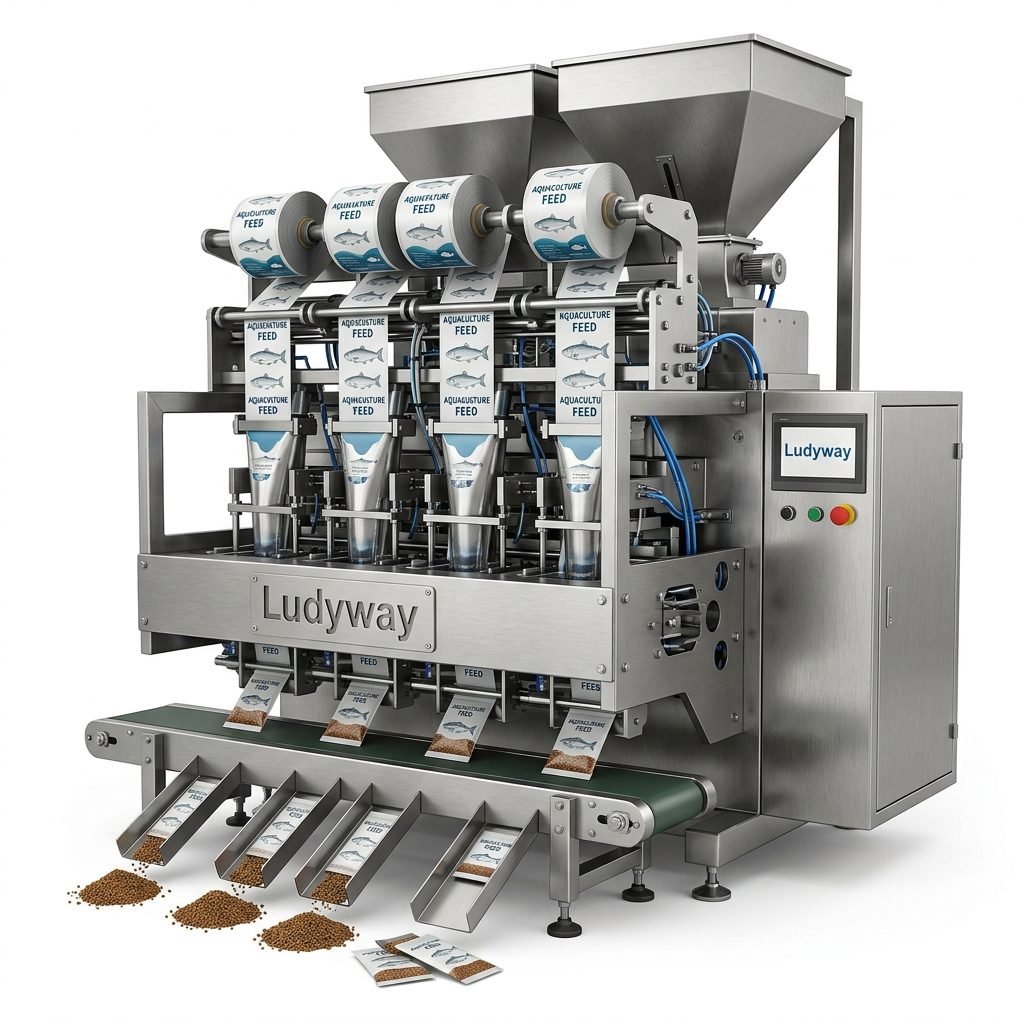
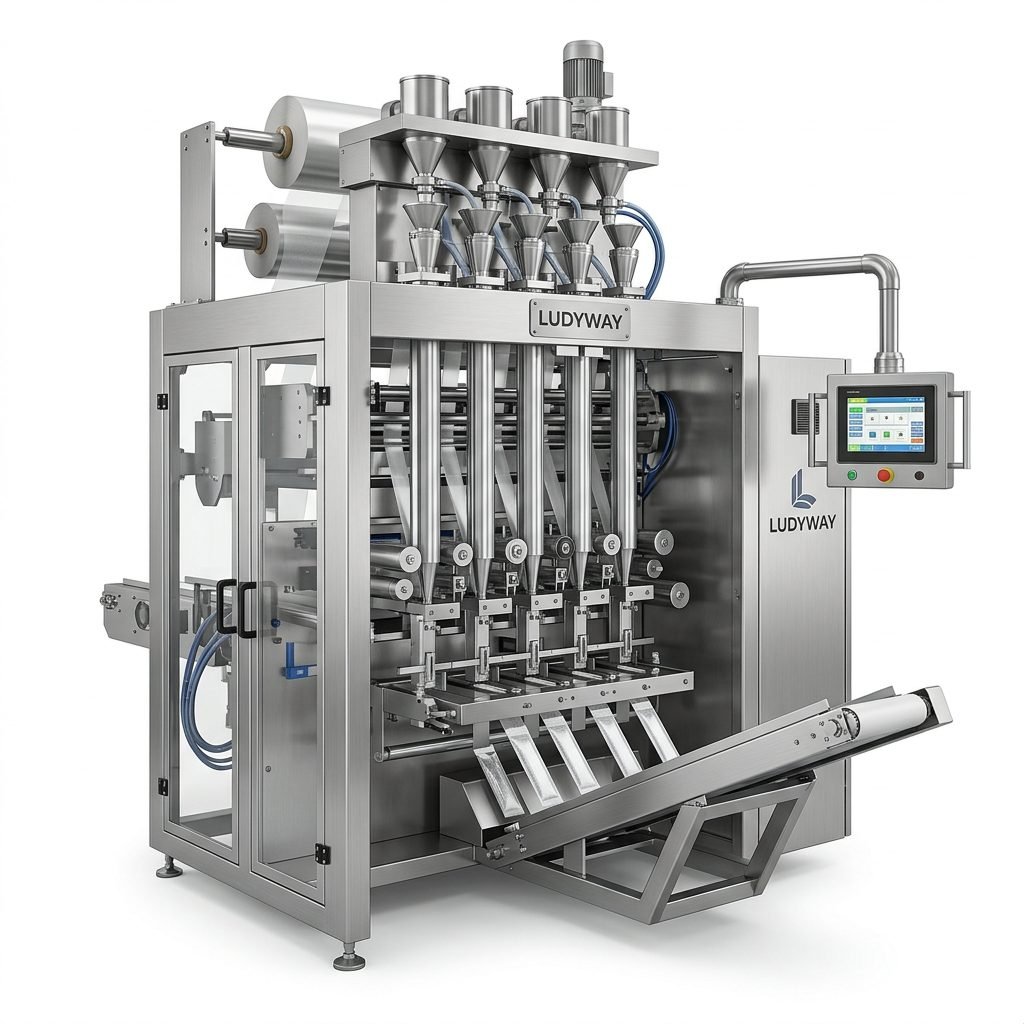
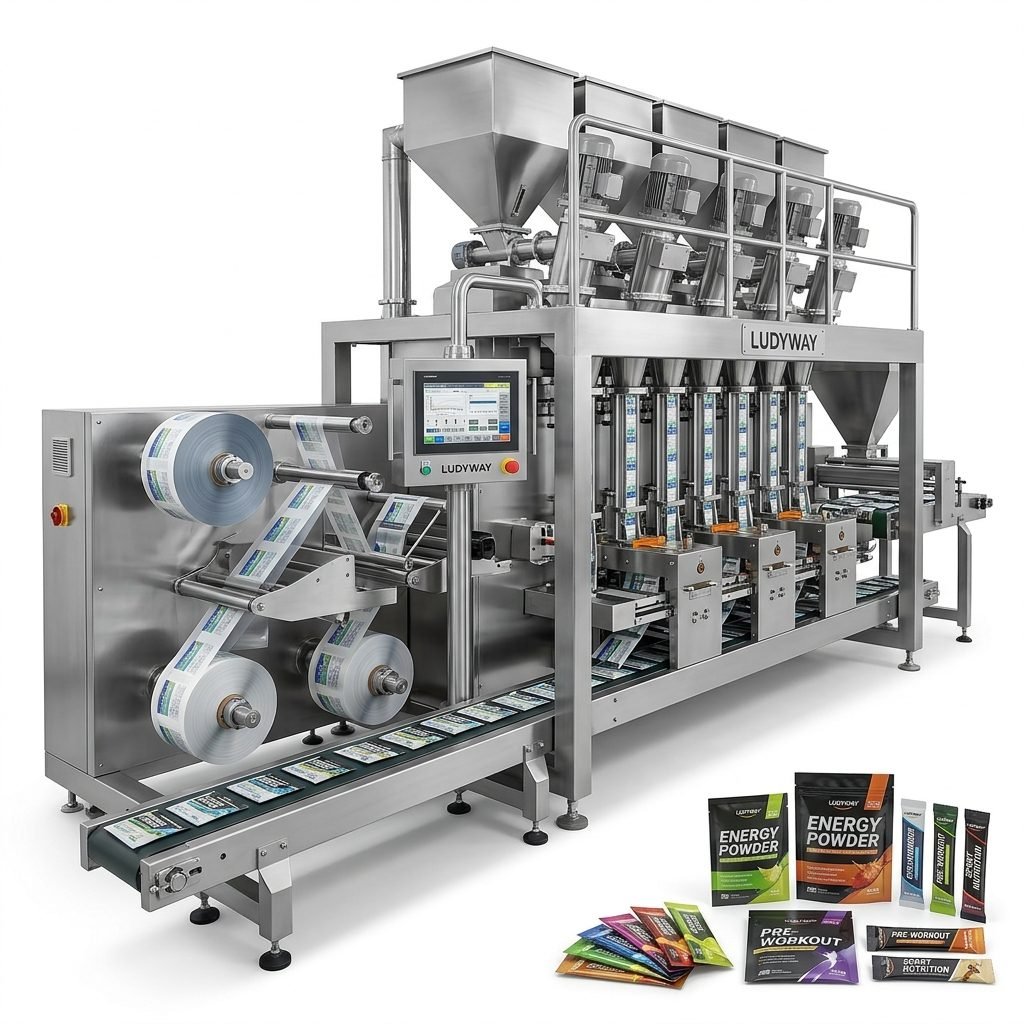
- High-Speed (120+ PPM): Required for large-scale production, often involving multi-lane machines that produce 2, 4, or more pouches simultaneously.
Remember, the filling method is usually the limiting factor for speed. A liquid piston filler may not reach the same PPM as a granular cup filler on the same machine platform.
Step 3: Assess Pouch Specifications and Film Material
Your machine must be compatible with your desired pouch size and the film structure you plan to use.
- Pouch Size Range: Define the minimum and maximum width and length of pouches you need. Ensure the machine’s forming tools and chain pitch can accommodate this range.
- Film Type: Communicate your film structure (e.g., PET/AL/PE, OPP/MCPP) to the machine supplier. The sealing jaws must be calibrated to the correct temperature, pressure, and dwell time for your specific laminate. Machines with servo-driven sealing jaws offer more precise control over these parameters.
- Special Features: Do you need a zipper, tear notch, hang hole, or shaped top? These features require additional attachments on the machine.
Step 4: Evaluate Automation and Integration Needs
Consider how the machine will fit into your existing or planned production line.
Level 1 (Basic): Stand-alone Doypack machine with manual film loading and finished pouch collection.
Level 2 (Integrated): Machine equipped with automatic film splicing (for non-stop production), checkweighers for quality control, and conveyors to transport pouches to a downstream cartoner or case packer.
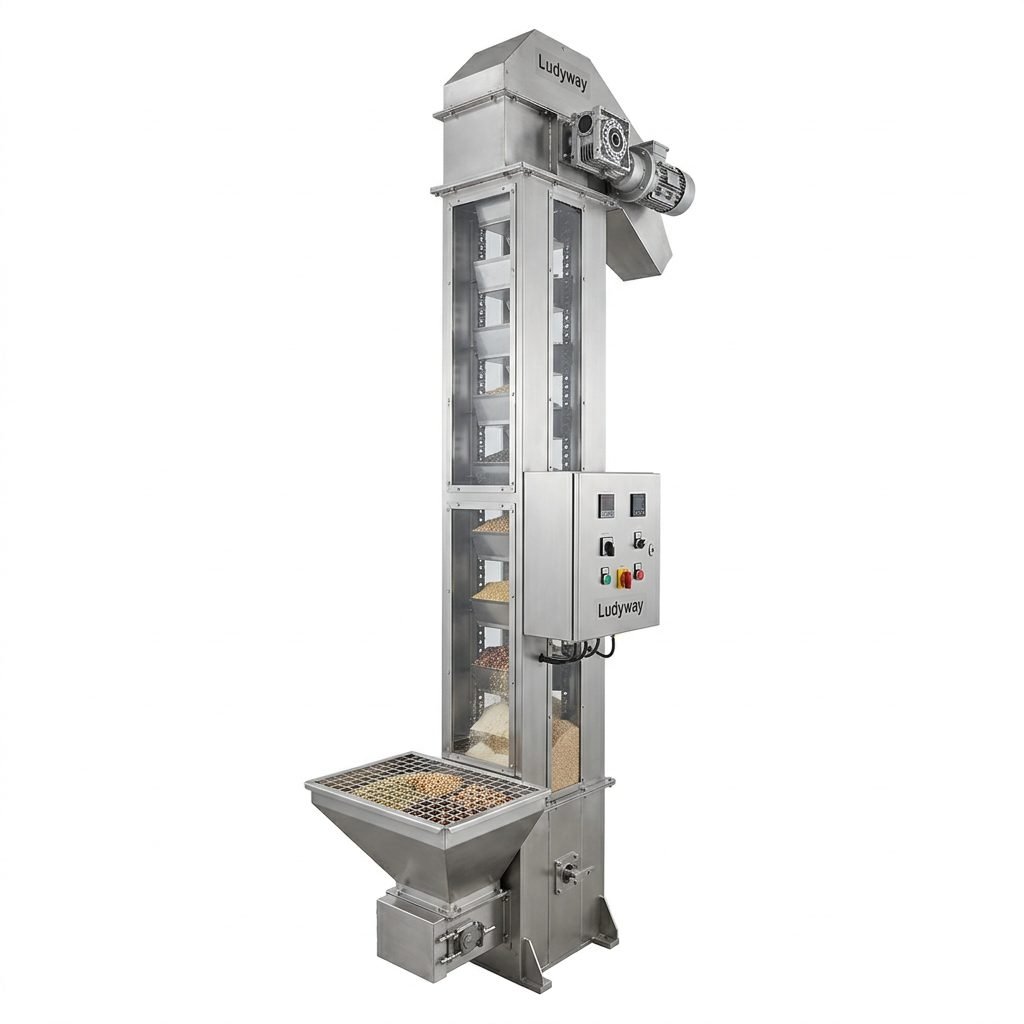
Level 3 (Turnkey Line): A fully integrated system including upstream product feeding (silos, mixers) and downstream secondary packaging, all controlled by a central PLC. This is where partnering with an expert like Ludyway Machinery, with over 30 years of industry experience, becomes invaluable for designing a seamless solution.
Step 5: Consider Hygiene, Safety, and Compliance
This is non-negotiable, especially for food, pharmaceutical, and chemical products.
- Construction Materials: Contact parts should be made of food-grade stainless steel (e.g., 304 or 316L). The frame should be easy to clean with no dirt traps.
- Safety Guards & Interlocks: The machine must have full safety guarding that complies with international standards (e.g., CE, UL).
- Industry Certifications: For pharmaceutical or high-care food applications, you may need machines designed to specific GMP guidelines.
The Importance of Supplier Support and Service
The machine is a long-term investment. The supplier’s support is as crucial as the equipment itself.
Look for a supplier with a proven track record and a strong service network. They should offer comprehensive training for your operators and maintenance technicians. Availability of spare parts and prompt technical support—whether remote or on-site—minimizes costly downtime. A supplier with a 20,000㎡ modern production facility typically has the infrastructure to ensure quality manufacturing and reliable after-sales service.
Review the supplier’s portfolio to see if they have experience with products similar to yours. A company that has delivered over 50 intelligent packaging machine models globally likely has the expertise to handle your specific challenge.
Common Questions (FAQs)
1. What is the typical lead time for a new Doypack packaging machine?
Lead times can vary significantly based on machine complexity, customization, and supplier capacity. For a standard model, expect 12-20 weeks from order to delivery. Highly customized or high-speed turnkey lines may take 20-30 weeks or more. Always confirm the timeline with your supplier during the quotation process.
2. Can one machine handle both powder and liquid products?
Generally, no. The filling systems for powders (auger) and liquids (piston) are fundamentally different and are not interchangeable on a standard machine. Some manufacturers offer “platform” machines where the filling module can be swapped out, but this is a significant changeover requiring recalibration and is not intended for frequent product type changes.
3. How do I ensure the seals on my pouches are strong and reliable?
Seal integrity depends on the perfect combination of four factors: Temperature, Pressure, Dwell Time (jaw closure time), and Jaw Alignment. Use the film supplier’s recommended sealing parameters as a starting point. Perform regular seal strength tests (peel tests) and visually inspect seals for wrinkles or contamination. Ensure your sealing jaws are kept clean and are properly maintained.
4. What are the main maintenance requirements for these machines?
Daily cleaning of product contact parts and the sealing area is essential. Weekly tasks often include lubricating chains and guides (with food-grade lubricant if applicable) and checking for wear on seals and forming parts. Follow the manufacturer’s preventive maintenance schedule for more in-depth checks on drives, sensors, and heaters. Proper maintenance is the most effective way to maximize machine uptime and lifespan.
5. Is it better to buy a single machine or a complete turnkey production line?
This depends entirely on your operational scale, expertise, and capital. A single machine is suitable if you have existing upstream and downstream handling equipment. A turnkey line from an experienced provider ensures all components are perfectly matched and integrated, offering higher overall efficiency, one-point responsibility, and faster project commissioning. It reduces the integration burden on your engineering team.