Germany’s reputation for precision engineering and manufacturing excellence extends powerfully into the packaging machinery sector. For businesses seeking reliable, high-performance equipment, German manufacturers represent a gold standard. However, navigating this market and selecting the right supplier requires careful consideration, especially when aligning with the German business culture that values thoroughness, long-term reliability, and deep technical expertise.
Understanding the German Packaging Machinery Landscape
The German packaging machine industry is characterized by innovation, durability, and automation. Manufacturers often specialize in niche areas, from filling and sealing to palletizing and robotic integration. A key aspect of engaging with German suppliers is understanding their direct and detail-oriented communication style. Proposals and technical documentation are expected to be comprehensive and precise, reflecting the overall German commitment to Qualität (quality) and Zuverlässigkeit (reliability).
Cultural Note: Building a successful partnership with a German manufacturer often involves a longer decision-making process. They prioritize establishing trust and a clear, mutual understanding of all technical and commercial details before proceeding. Patience and thorough preparation are highly valued.
Key Strengths of Top-Tier German Manufacturers
Leading companies in this field distinguish themselves through several core competencies:
- Engineering Precision: Unmatched attention to tolerances, material quality, and machine longevity.
- Innovation & R&D: Heavy investment in developing smarter, more efficient, and sustainable packaging solutions.
- Automation Integration: Expertise in creating seamless, high-speed production lines with Industry 4.0 capabilities.
- After-Sales Support: A strong tradition of providing extensive technical service, training, and spare parts availability globally.
How to Choose the Right Supplier: A Strategic Guide
Selecting a partner goes beyond comparing spec sheets. It’s about finding a company whose capabilities, values, and service model align with your long-term production goals.
Step 1: Define Your Technical & Commercial Requirements
Clearly outline your needs: product type, required output speed, packaging materials, desired level of automation, and factory floor space. Also, establish your budget range and project timeline. Presenting this clearly will be appreciated by German engineers.
Step 2: Evaluate Technical Expertise and Specialization
Look for suppliers with proven experience in your specific industry (e.g., food, pharmaceuticals, chemicals). Review their machine portfolios and ask for case studies or references from similar applications. A specialist often provides more depth than a generalist.
Step 3: Assess Manufacturing Capabilities and Quality Control
Inquire about their production facility, quality management certifications (like ISO 9001), and testing procedures. Reputable manufacturers will be transparent about their build process and quality checks.
Step 4: Analyze the Total Cost of Ownership (TCO)
Look beyond the initial purchase price. Consider energy efficiency, maintenance costs, expected lifespan, and the cost/availability of spare parts. A robustly built German machine might have a higher upfront cost but a significantly lower TCO over 15+ years.
Step 5: Scrutinize After-Sales Service and Support
This is critical. Determine the structure of their support: Is there a local service team or agent? What are the response times? What training do they offer? Ensure they provide comprehensive documentation in your required language.
The Importance of Partnership & Communication
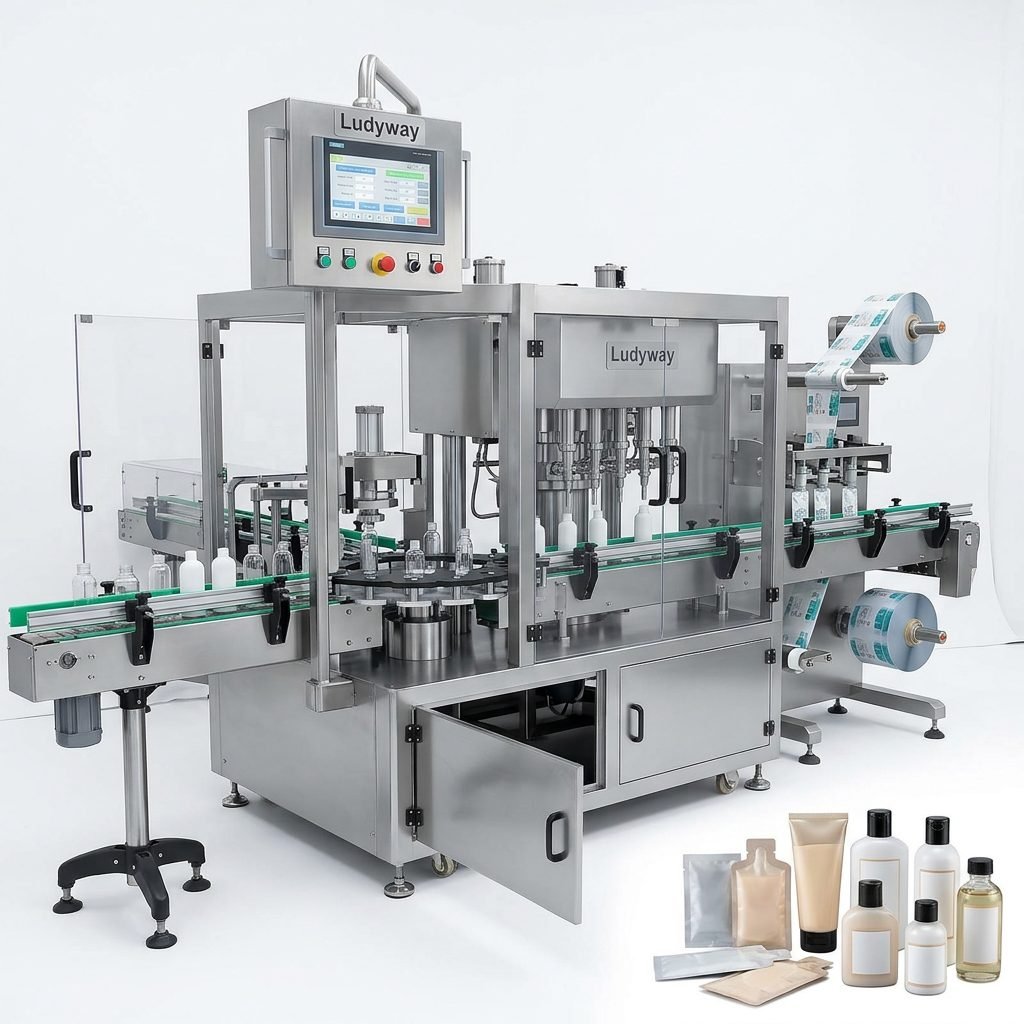
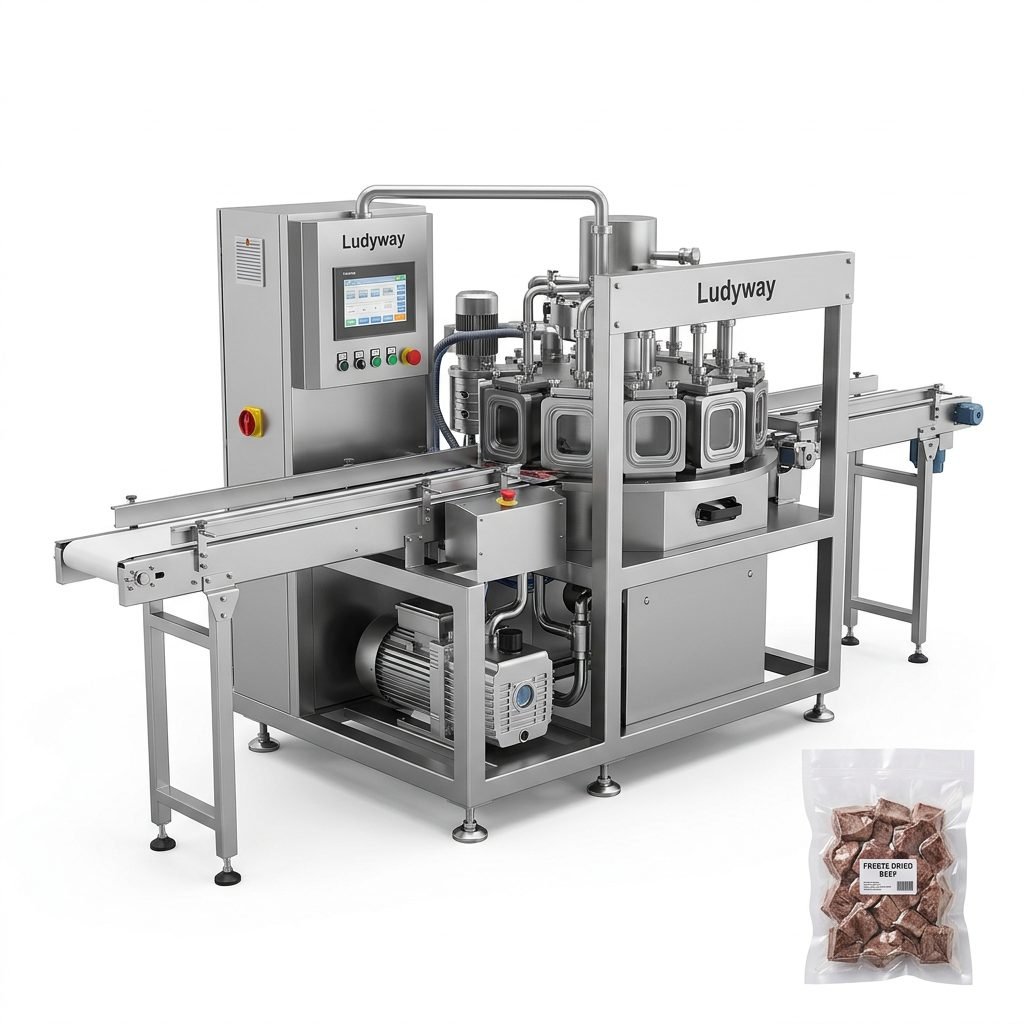
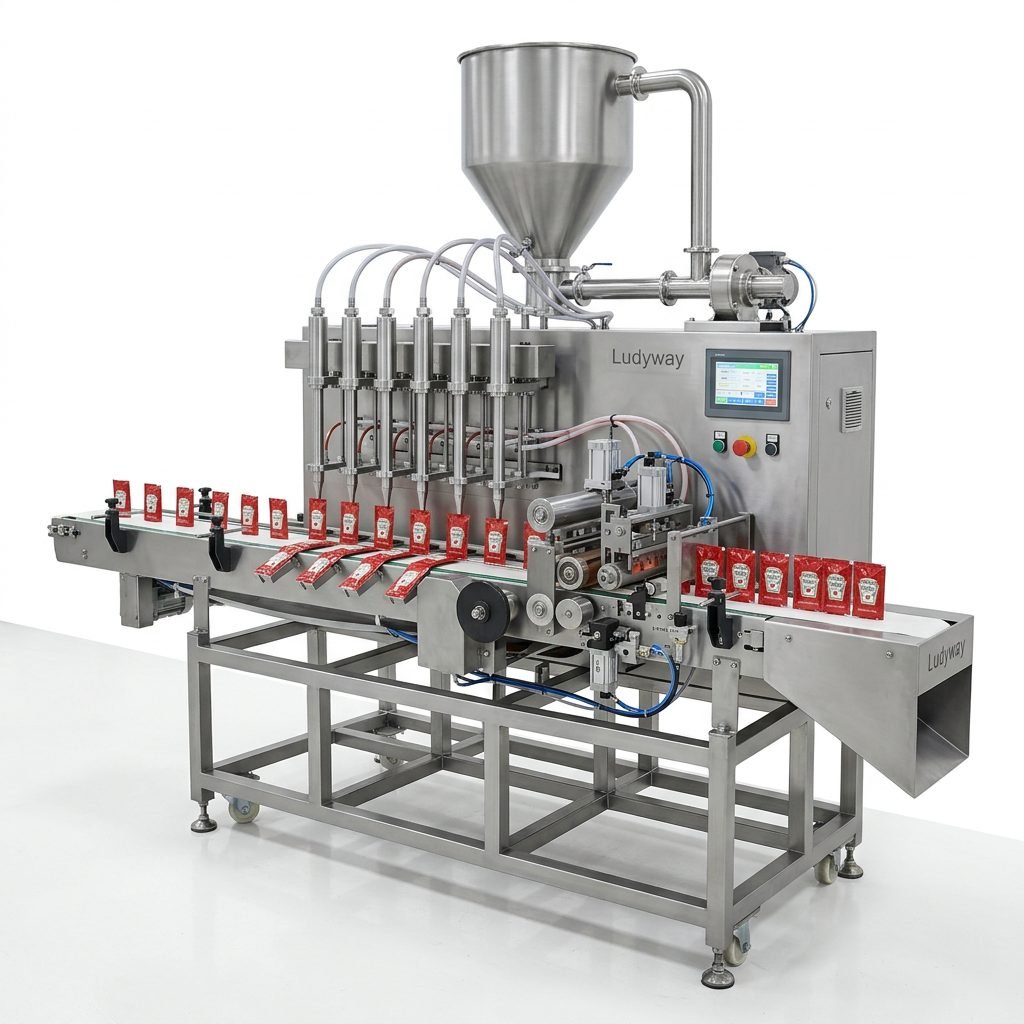
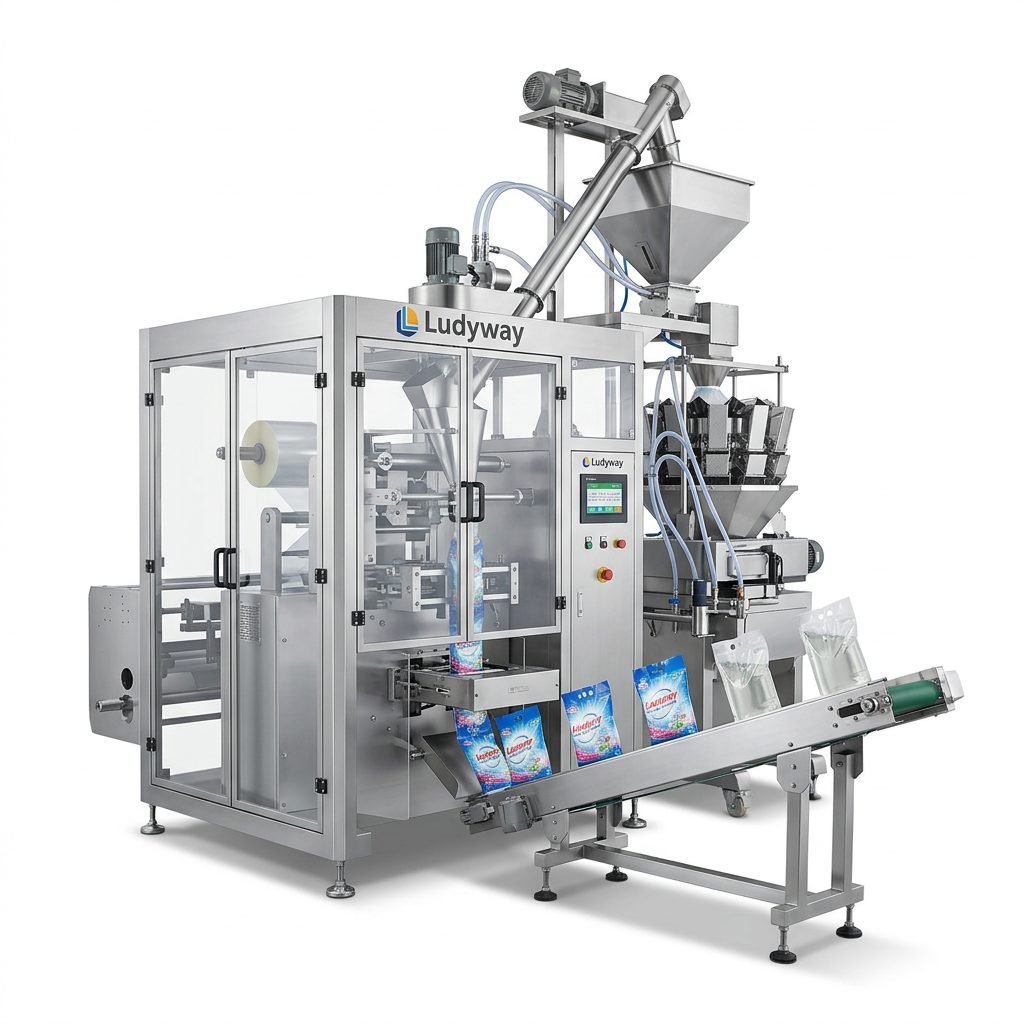
In the German business context, a supplier is viewed as a long-term partner (Langfristiger Partner). Effective, clear, and consistent communication is the foundation. Be prepared for detailed discussions and factory audits. A trustworthy supplier will be equally invested in understanding your challenges to provide the optimal solution, not just make a sale. This partnership approach is a hallmark of companies like Ludyway Packaging Machinery, which builds relationships based on professional service and tailored innovation.
Why Global Brands Trust Experienced Partners
International companies often partner with established machinery providers who understand global standards and can navigate cross-cultural projects. These partners combine technical prowess with project management excellence. For instance, a partner with 30+ years of industry experience brings invaluable insight into evolving market trends and regulatory requirements across different regions, from Europe to Asia and the Americas.
They can manage the complexity of delivering a complete turnkey production line, ensuring all components from dosing to cartoning work in perfect harmony. Their deep engineering resources allow for meaningful customization, ensuring the machine fits your unique product and workflow, not the other way around.
Conclusion: Making an Informed Decision
Choosing among top German packaging machine manufacturers is a significant investment in your production future. By meticulously defining your needs, thoroughly vetting potential suppliers’ technical and service capabilities, and embracing the partnership-oriented German business approach, you can select a supplier that will deliver exceptional value, reliability, and innovation for decades to come. The goal is to find a partner whose engineering excellence matches your vision for quality and growth.
Frequently Asked Questions (FAQs)
Q1: What is the typical lead time for a German packaging machine?
A: Lead times vary based on complexity and customization. Standard models may take 3-6 months, while fully customized or large turnkey lines can require 6-12 months of planning, manufacturing, and testing. Clear project milestones agreed upon early in the process are essential.
Q2: Are German machines compatible with packaging materials sourced locally in my country?
A: Reputable manufacturers design machines for flexibility and often test them with various substrates. It is crucial to provide samples of your intended packaging materials (film, pouches, etc.) during the quotation phase to ensure compatibility and optimal machine configuration.
Q3: How important are certifications like CE or UL for the machinery?
A: Extremely important. CE marking is mandatory for selling machinery in the European Economic Area, indicating compliance with EU safety, health, and environmental standards. For North America, UL or other NRTL certifications may be required. Always verify the necessary certifications for your operational region.
Q4: Can the supplier help with installation and operator training?
A: Yes, leading suppliers typically offer comprehensive installation, commissioning, and training services. This can be conducted by their own engineers or through certified local agents. Detailed training for your maintenance and operational staff is key to maximizing uptime and productivity. Review the service and support commitments in detail before purchasing.
Q5: What is the best way to initiate contact with a potential supplier?
A: Prepare a detailed request for quotation (RFQ). Include information about your product, desired output, packaging format, factory conditions, and any existing automation. This professional approach will get you a more accurate and useful initial proposal and set a positive tone for discussions.