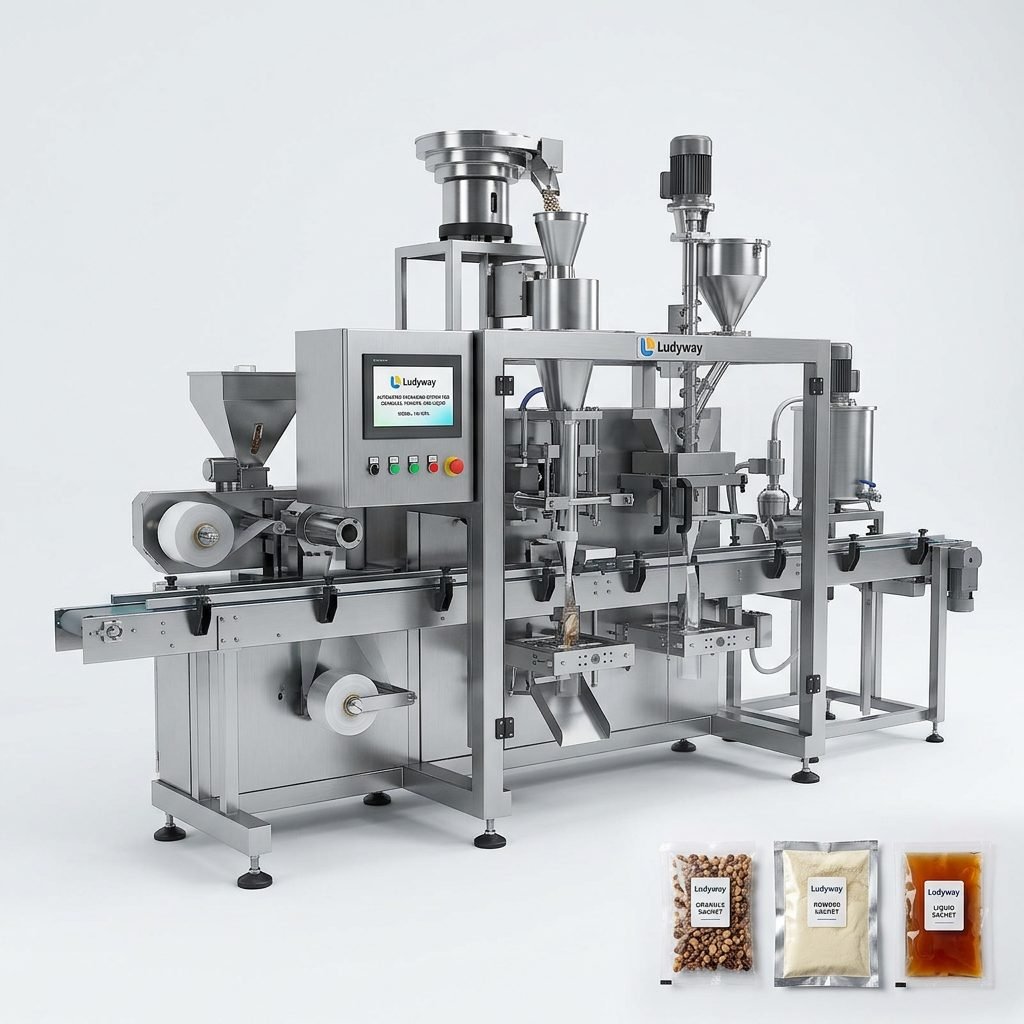
Selecting the right packaging machine for home goods is a critical decision that impacts production efficiency, product protection, and brand presentation. This comprehensive guide explores the main types of packaging machines used in the home goods sector, their specific applications, and key factors to consider when making your investment.
Primary Types of Home Goods Packaging Machines
The home goods industry encompasses a wide range of products, from cleaning supplies and air fresheners to candles and DIY materials. Packaging needs vary significantly, leading to the development of specialized machinery.
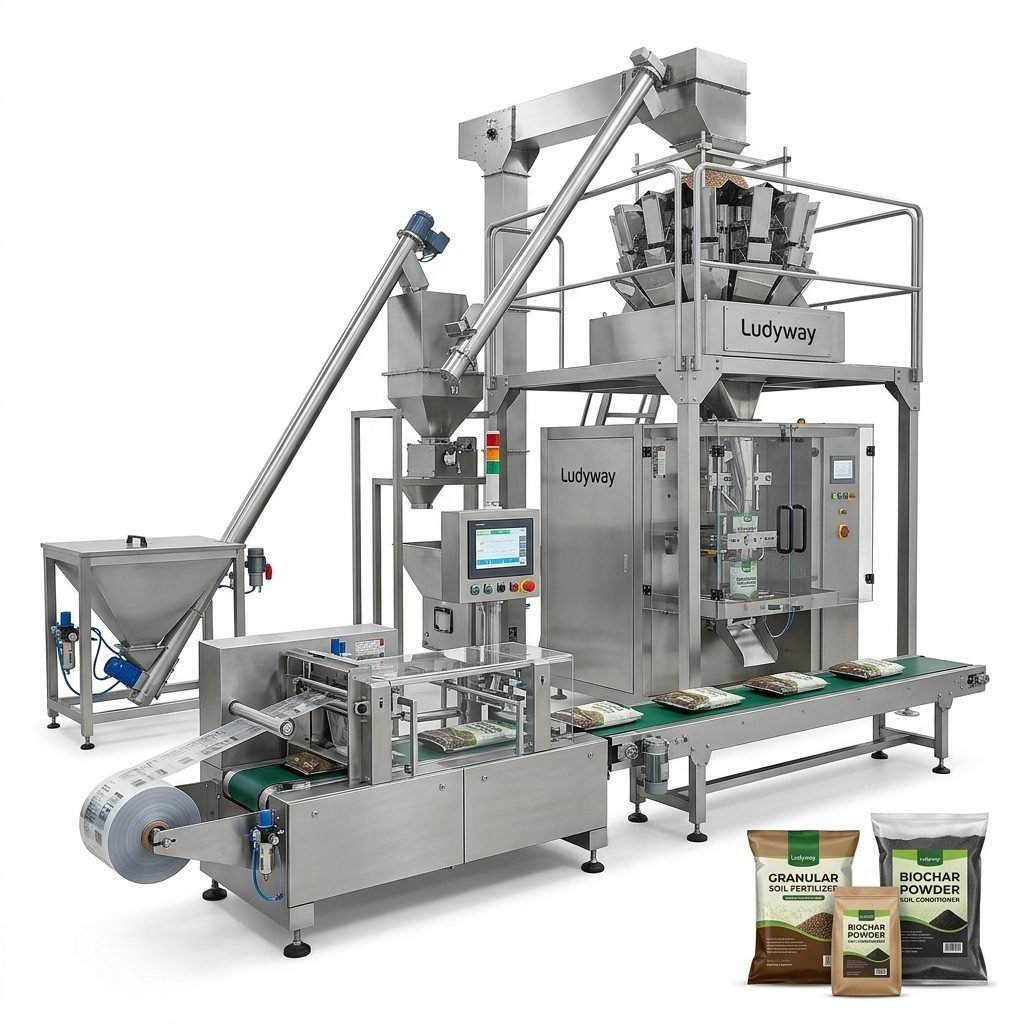
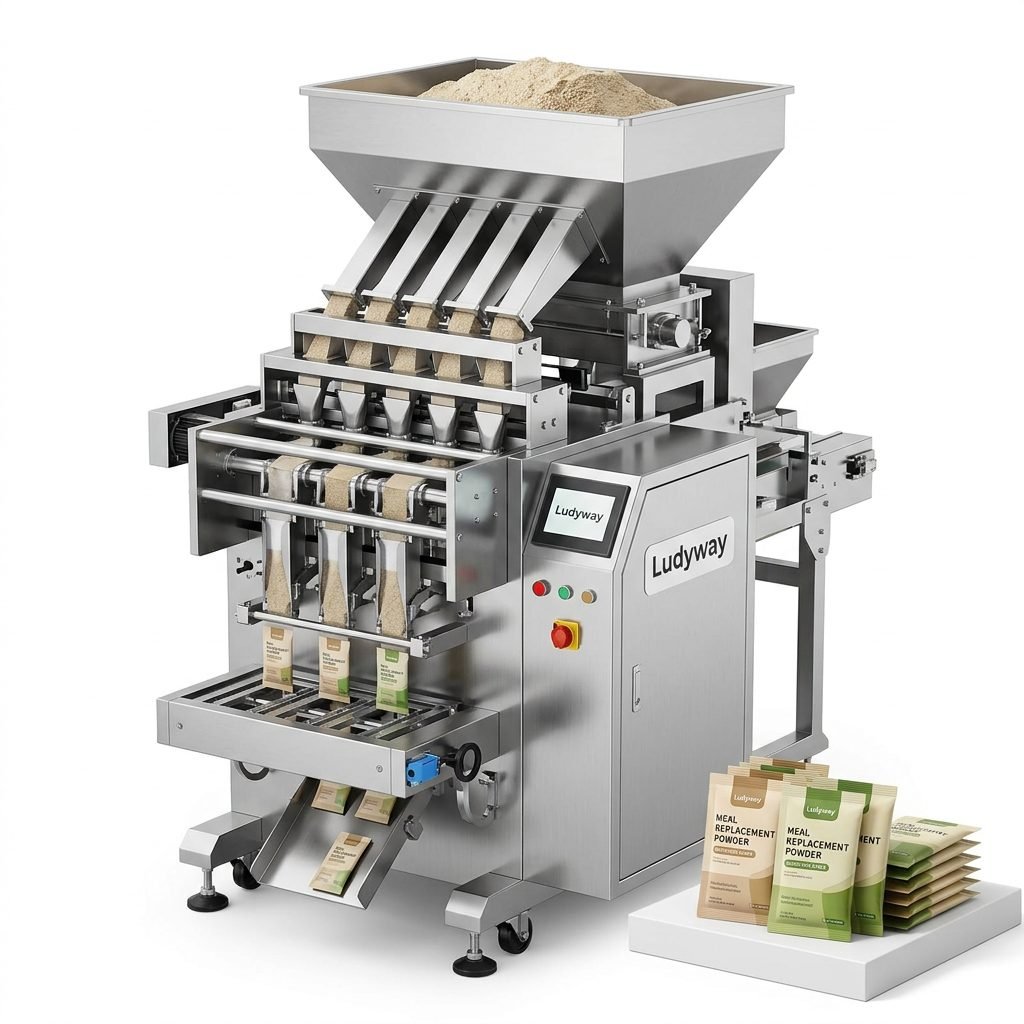
Vertical Form-Fill-Seal (VFFS) Machines
These are among the most versatile and common machines. They form bags from a roll of film, fill them with product, and seal them in a continuous operation. Ideal for granules, powders, and small solid items like bath salts, powdered detergent, or seeds.
Key Advantage: High speed, flexibility in bag size, and relatively low film cost.
Horizontal Form-Fill-Seal (HFFS) Machines
HFFS machines are typically used for flow-wrapping individual items or creating multi-pack bundles. They are perfect for wrapping soap bars, sponges, tool kits, or candle boxes in a sleek, secure pouch.
Key Advantage: Excellent product presentation and robust protection for pre-formed items.
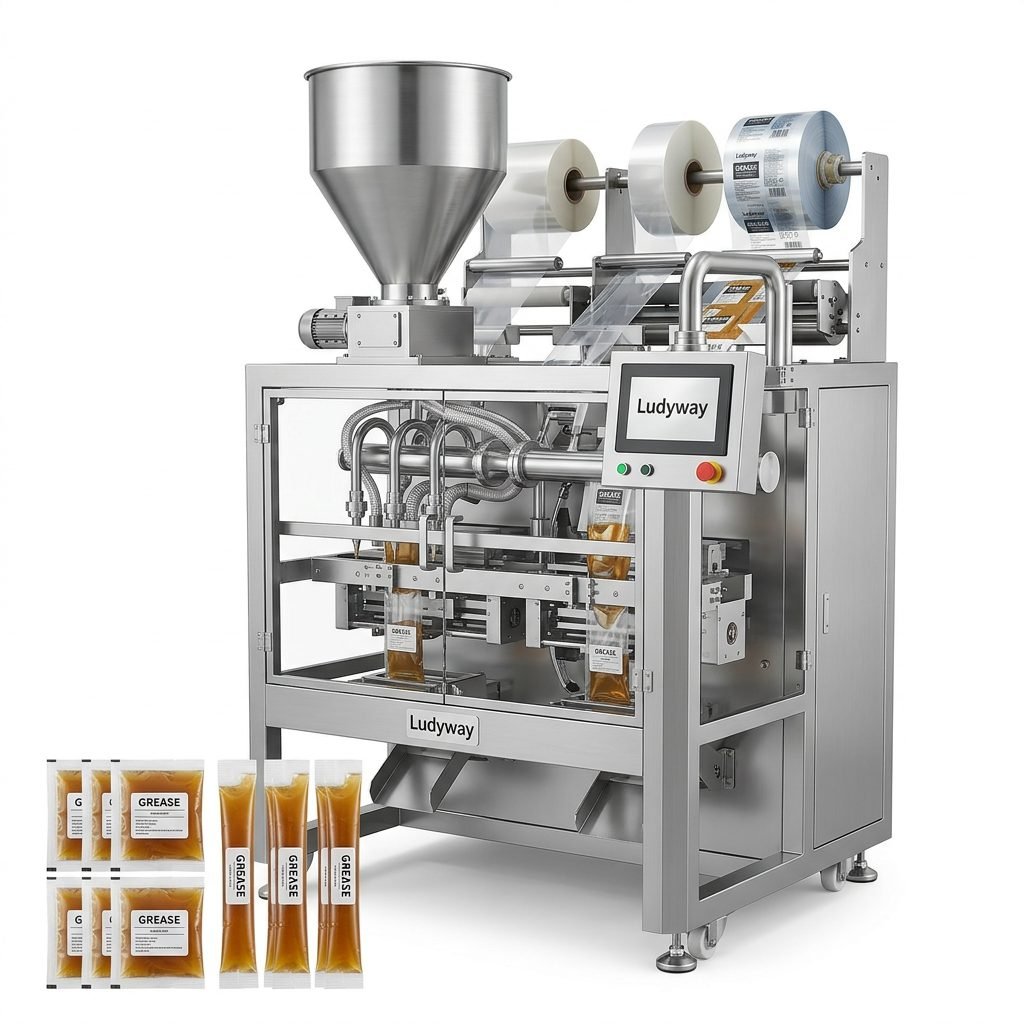
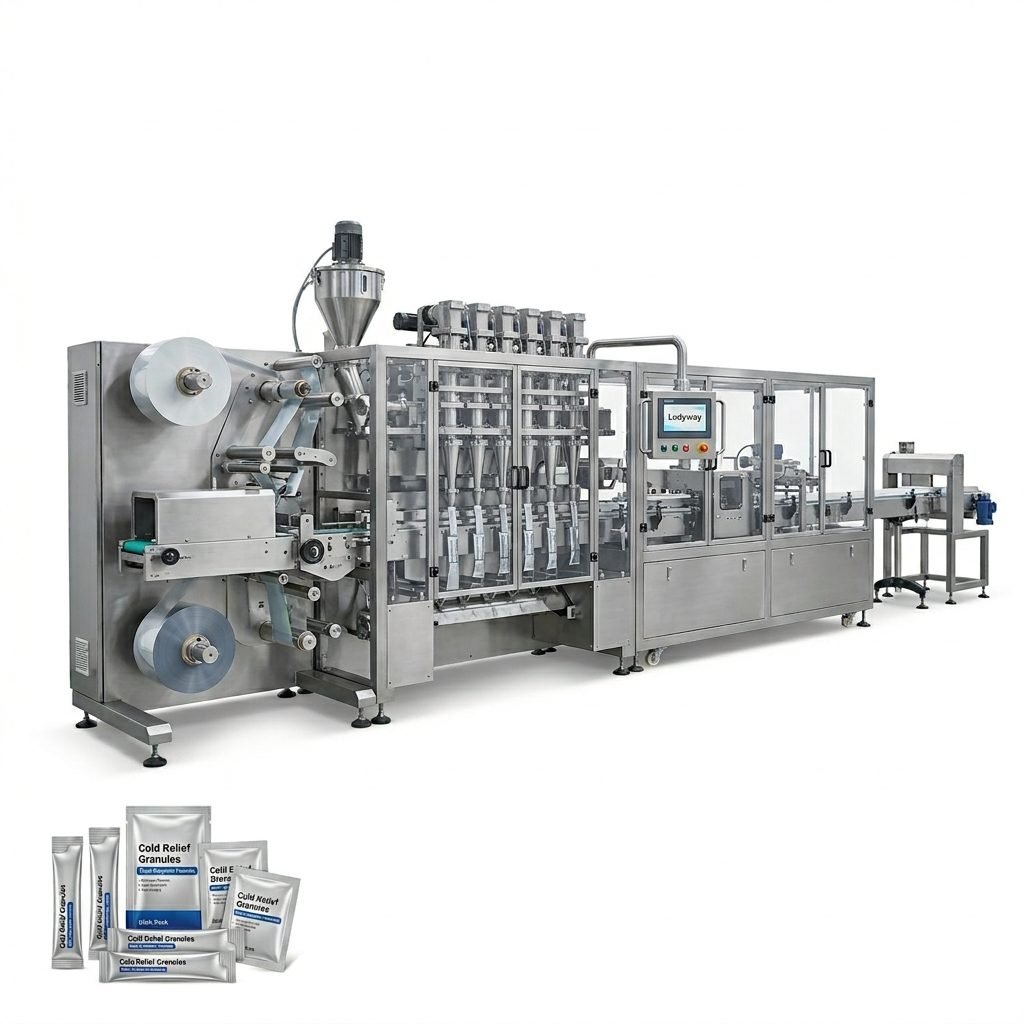
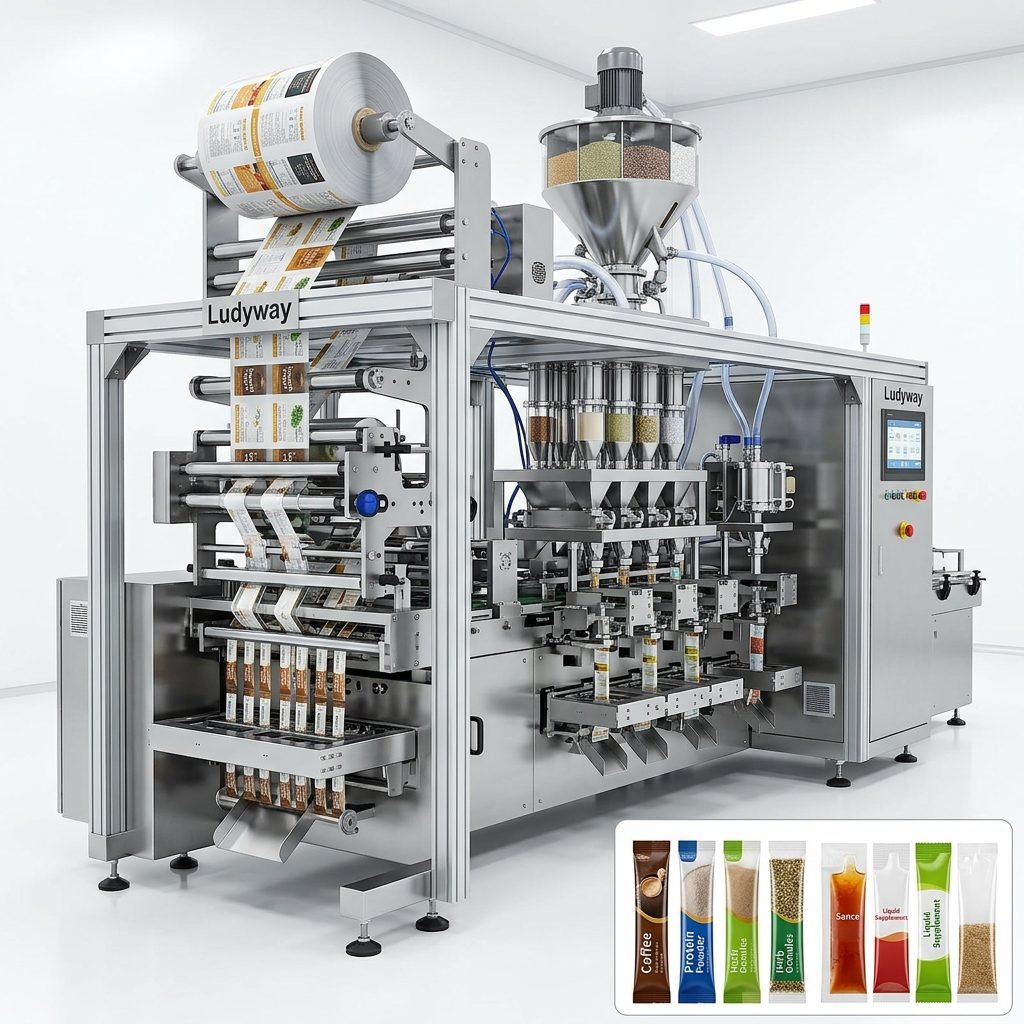
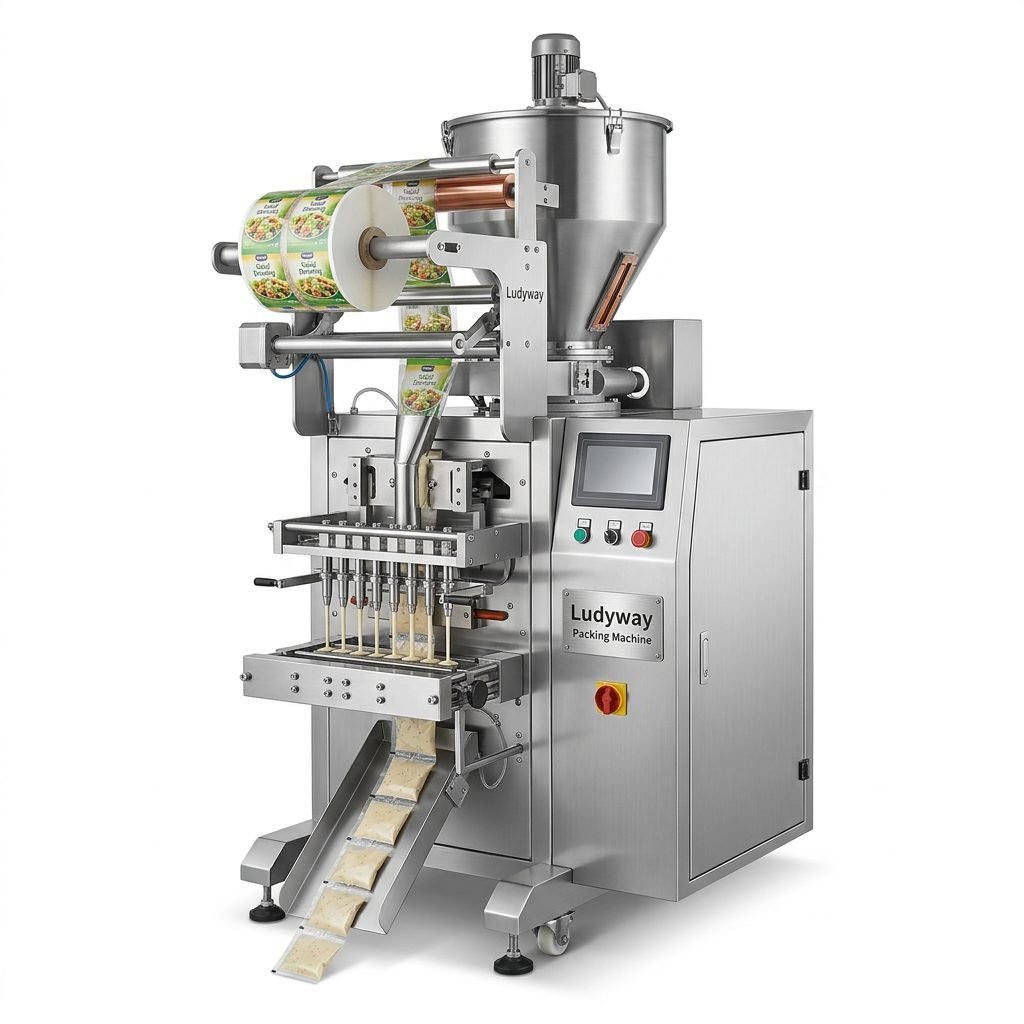
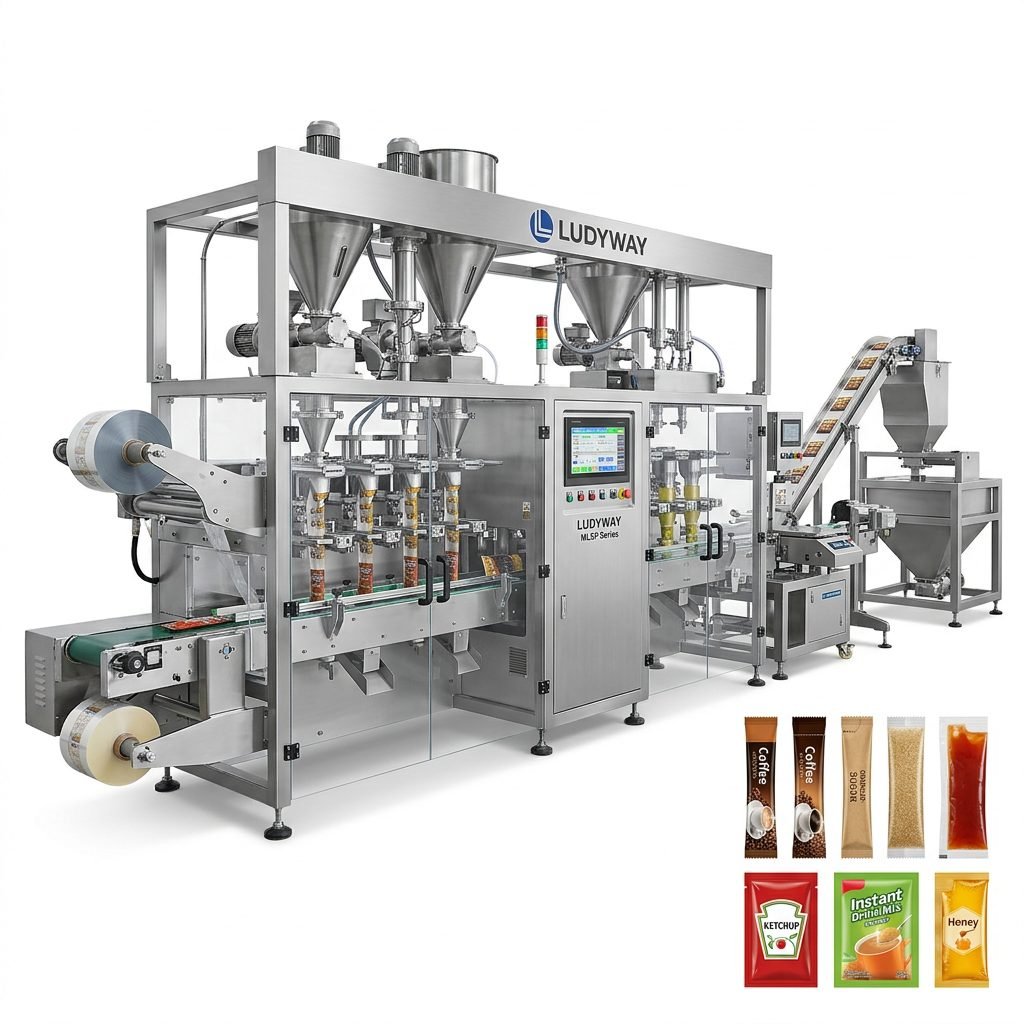
Stick Pack and Sachet Packaging Machines
Designed for single-use or sample-sized portions. These machines create small, elongated stick packs or rectangular sachets. Extremely popular for liquid laundry detergent, dish soap pods, shampoo, or condiment samples included with home products.
Key Advantage: Precise dosing of liquids and powders, consumer convenience, and reduced waste.
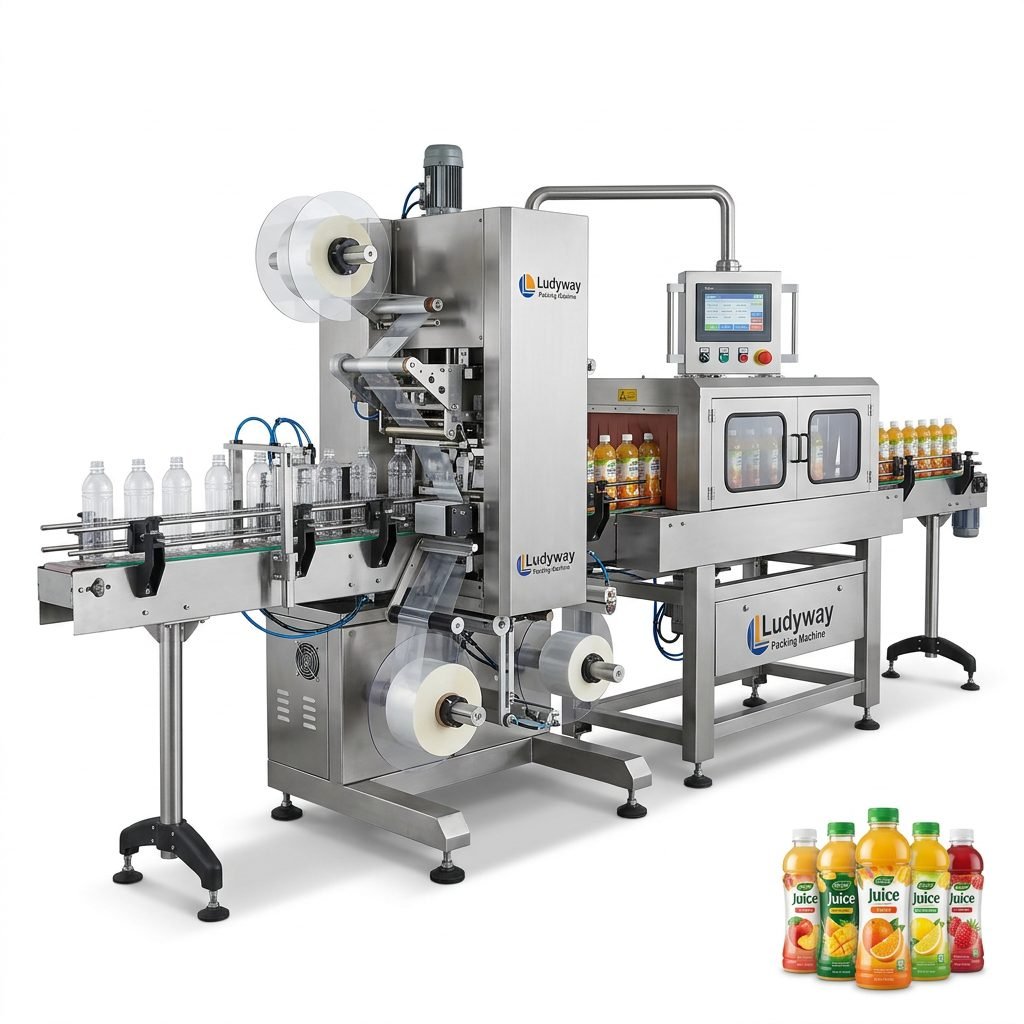
Bottle and Can Filling & Capping Lines
For liquid home goods like cleaning sprays, oils, or liquid soaps. These are often semi-automatic or fully automatic lines that handle filling by volume or weight, followed by screw-capping, snap-capping, or sprayer attachment.
Key Advantage: High accuracy for liquids and integration with labeling systems.
Cartoning and Case Packing Machines
These machines automate the secondary packaging stage. They erect cartons, insert the primary packaged product (like a bottle or several sachets), and close/seal the carton. Case packers then place multiple cartons into shipping cases.
Key Advantage: Dramatically increases throughput in the final stages before palletizing and shipping.
Core Applications in the Home Goods Sector
Understanding how these machines apply to specific product categories clarifies their value.
Cleaning & Laundry Products
This segment heavily relies on VFFS for powdered detergent, stick pack machines for liquid detergent singles, and filling lines for bottled cleaners. High-speed, reliable sealing is crucial to prevent moisture ingress or leakage.
Air Care & Fragrances
Gel air fresheners may use specialized cup filling and sealing machines. Reed diffuser oils require precise liquid filling and delicate bottle handling. Aerosols demand dedicated pressurized filling lines.
Home DIY & Maintenance
Products like grout powder, small hardware (nails, screws), or plant seeds are perfectly suited for VFFS packaging. The machinery must be robust to handle potentially abrasive materials.
Personal & Wellness
Bath products (salts, bombs), candles, and soap bars use a mix of HFFS for outer wrapping and filling lines for liquids. Presentation and package integrity are top priorities here.
How to Choose the Right Packaging Machine: A Step-by-Step Guide
Making an informed choice requires a systematic evaluation of your needs.
1. Analyze Your Product Characteristics
This is the foundational step. Is your product a granule, powder, liquid, solid, or viscous paste? What is its density and flowability? Abrasive or corrosive products require machines with specific material-grade components (e.g., stainless steel contact parts).
2. Define Your Output Requirements
Calculate your required production speed (packs per minute/hour) based on current and forecasted demand. A machine that is too slow creates bottlenecks; one that is overly fast and complex may be an unnecessary capital expense.
3. Consider Packaging Materials & Design
The machine must be compatible with your chosen film (e.g., laminates for barrier properties), bag style (pillow, gusseted, stand-up pouch), and any special features like zippers or tear notches. Discuss this with both your material supplier and machine vendor.
4. Evaluate Automation Level and Integration
Will this be a standalone machine or part of an integrated line with upstream feeders and downstream cartoners? Consider your available labor and the desired level of automation—from manual loading to fully automated turnkey solutions.
5. Prioritize Ease of Use and Changeover
For businesses running multiple SKUs, quick changeover between product sizes or package types is vital. Look for machines with recipe memory, tool-less adjustments, and easy-access design to minimize downtime.
6. Assess Supplier Support and Reliability
The machine’s quality is only part of the equation. Choose a supplier known for robust engineering, reliable after-sales service, and readily available spare parts. A supplier with deep industry experience, like Ludyway Machinery, can provide invaluable guidance and long-term support, ensuring your packaging operation runs smoothly for years.
7. Total Cost of Ownership (TCO) Analysis
Look beyond the initial purchase price. Factor in energy consumption, maintenance costs, expected lifespan, and potential for future upgrades. A slightly more expensive, higher-quality machine often has a lower TCO due to better durability and efficiency.
Future Trends in Home Goods Packaging
The industry is moving towards greater sustainability and smart technology. Machines that can handle mono-material or recyclable films are in high demand. Furthermore, integration with Industrial Internet of Things (IIoT) platforms for predictive maintenance, production data analytics, and remote monitoring is becoming a key differentiator for modern packaging lines, offering insights that drive continuous improvement.
Frequently Asked Questions (FAQs)
What is the most versatile type of packaging machine for a home goods startup?
A mid-speed Vertical Form-Fill-Seal (VFFS) machine often offers the best balance of versatility and cost for startups. It can handle a wide range of granular, powdered, and small solid products with relatively easy size changeovers, making it suitable for a diverse initial product line.
How important is after-sales service when purchasing a packaging machine?
Extremely important. Even the most reliable machine requires maintenance, occasional parts replacement, and operator training. A supplier with a strong global service network and readily available technical support, such as Ludyway Machinery, is crucial for minimizing costly downtime and ensuring long-term operational success.
Can one machine handle both powder and liquid home goods?
Generally, no. Powder and liquid filling require fundamentally different dosing systems (auger vs. pump). While some advanced machines can be reconfigured, it’s often more effective to choose a machine specialized for your primary product type. Some suppliers offer modular designs that allow for future adaptation.
What are the key maintenance routines for a packaging machine?
Daily cleaning, lubrication of moving parts as per the manual, and inspection of seals and cutting blades. Regular scheduled maintenance should include checking electrical components, pneumatic systems, and calibrating weighing or filling systems. Following the manufacturer’s maintenance schedule is essential.
How can I make my home goods packaging operation more sustainable?
Invest in machines compatible with recycled-content or biodegradable films. Optimize film usage to reduce waste. Choose energy-efficient motors and drives. A knowledgeable supplier can advise on machinery that supports your sustainability goals without compromising on performance or product protection.