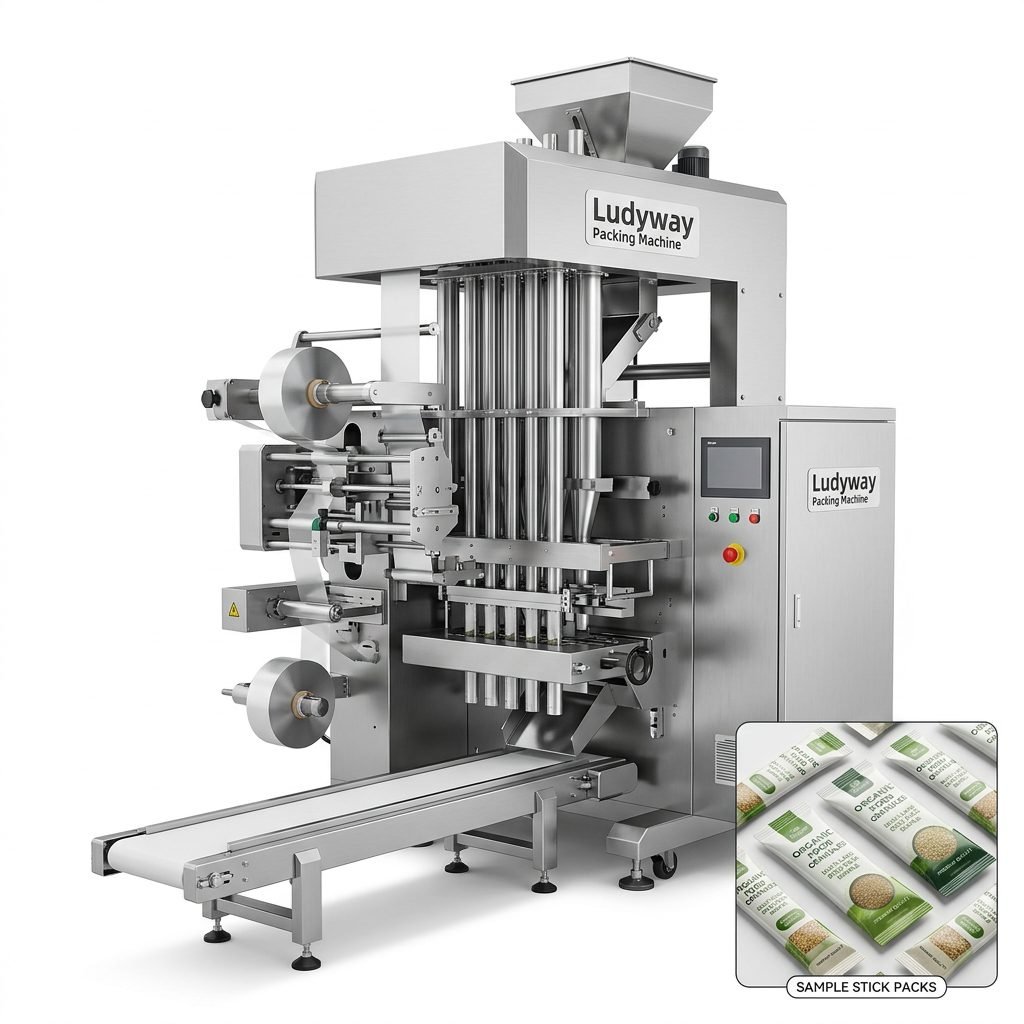
Selecting the right nutraceutical packaging machine is a critical decision for supplement manufacturers. Automated packaging solutions not only enhance production efficiency but also ensure product integrity, compliance, and brand presentation. This guide provides a comprehensive framework to evaluate and choose the best packaging machinery for your specific needs.
Understanding Your Packaging Requirements
The first step involves a thorough analysis of your operational needs. Consider your primary product forms: are you packaging tablets, capsules, softgels, powders, or liquids? Each form demands different handling mechanisms. Next, evaluate your required output speed (units per minute) and packaging formats—such as bottles, blister packs, sachets, or stick packs. Compliance with regional regulations, like FDA guidelines in the United States or EFSA standards in Europe, is non-negotiable. Finally, assess your available factory space and layout to determine the machine’s footprint and integration feasibility.
Key Considerations Checklist:
- Product Type & Sensitivity: Does the product require light, moisture, or oxygen barrier protection?
- Production Volume: Is the machine for low-volume, boutique production or high-speed, mass-market lines?
- Packaging Material: What films, foils, or bottles will be used? Ensure the machine is compatible.
- Future Scalability: Can the system be upgraded or expanded as your business grows?
Core Machine Types for Nutraceuticals
Different automation solutions cater to distinct packaging processes.
Blister Packaging Machines
Ideal for tablets and capsules, these machines form a cavity (blister) from a plastic film, insert the product, and seal it with a backing foil. They are excellent for unit-dose packaging, providing good product visibility and protection. Advanced models include integrated cartoning systems for complete end-of-line automation.
Bottle Filling & Capping Lines
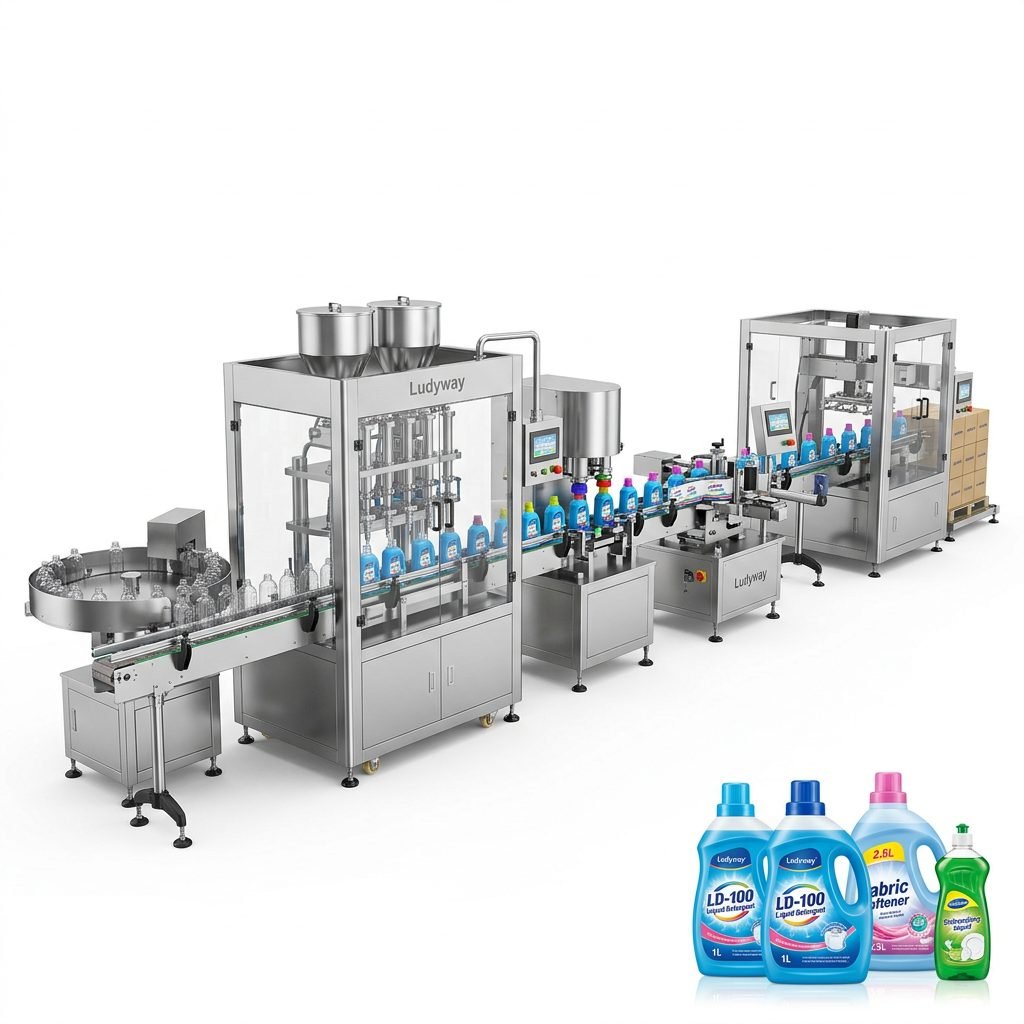
Used for bottling capsules, tablets, or powders. These lines typically involve a bottle unscrambler, filler (auger, volumetric, or weight-based), cap placers (for screw caps or snap caps), and sealers. Look for machines with precision filling technology to minimize giveaway and ensure accurate dosage.
Stick Pack & Sachet Machines
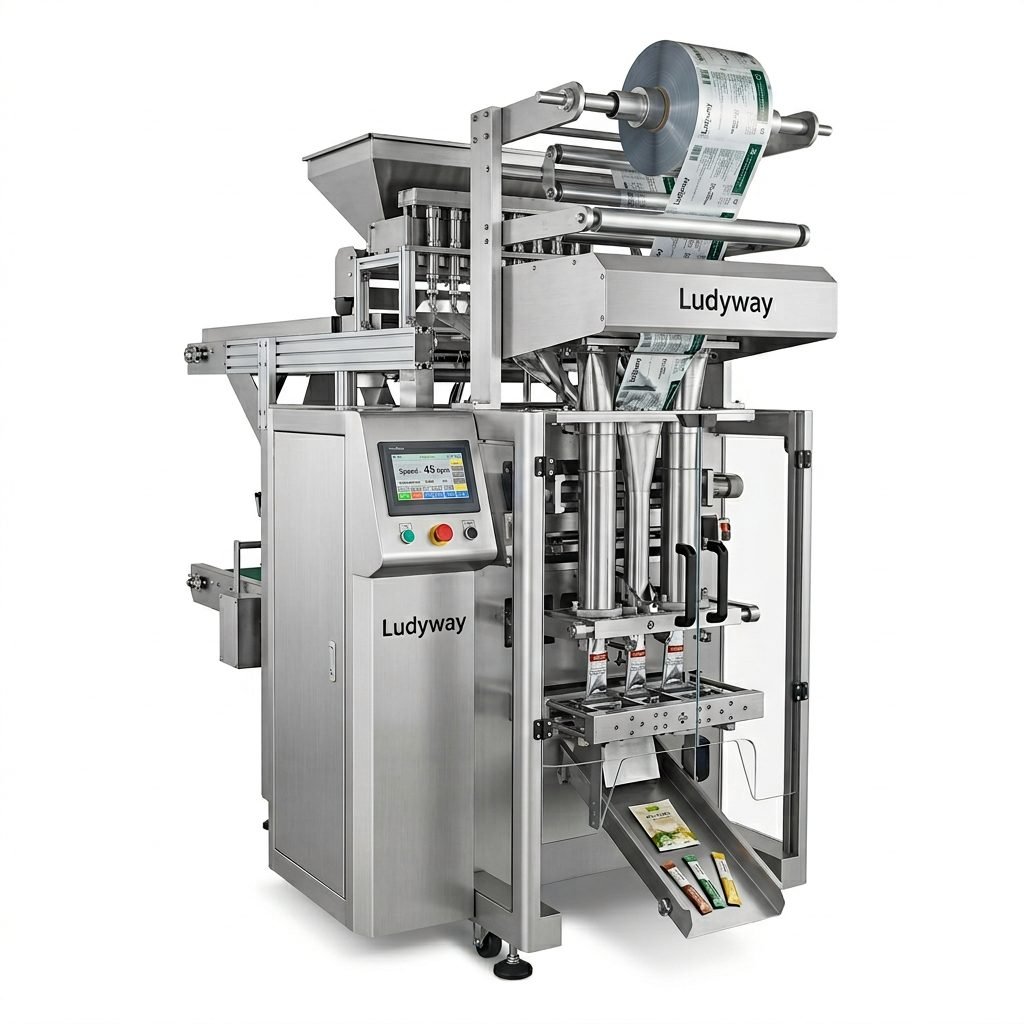
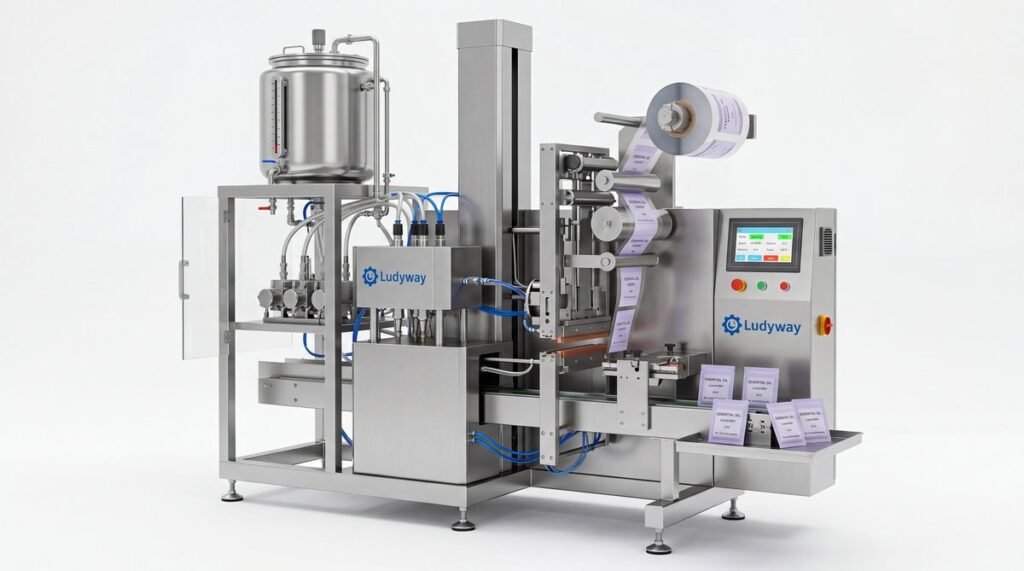
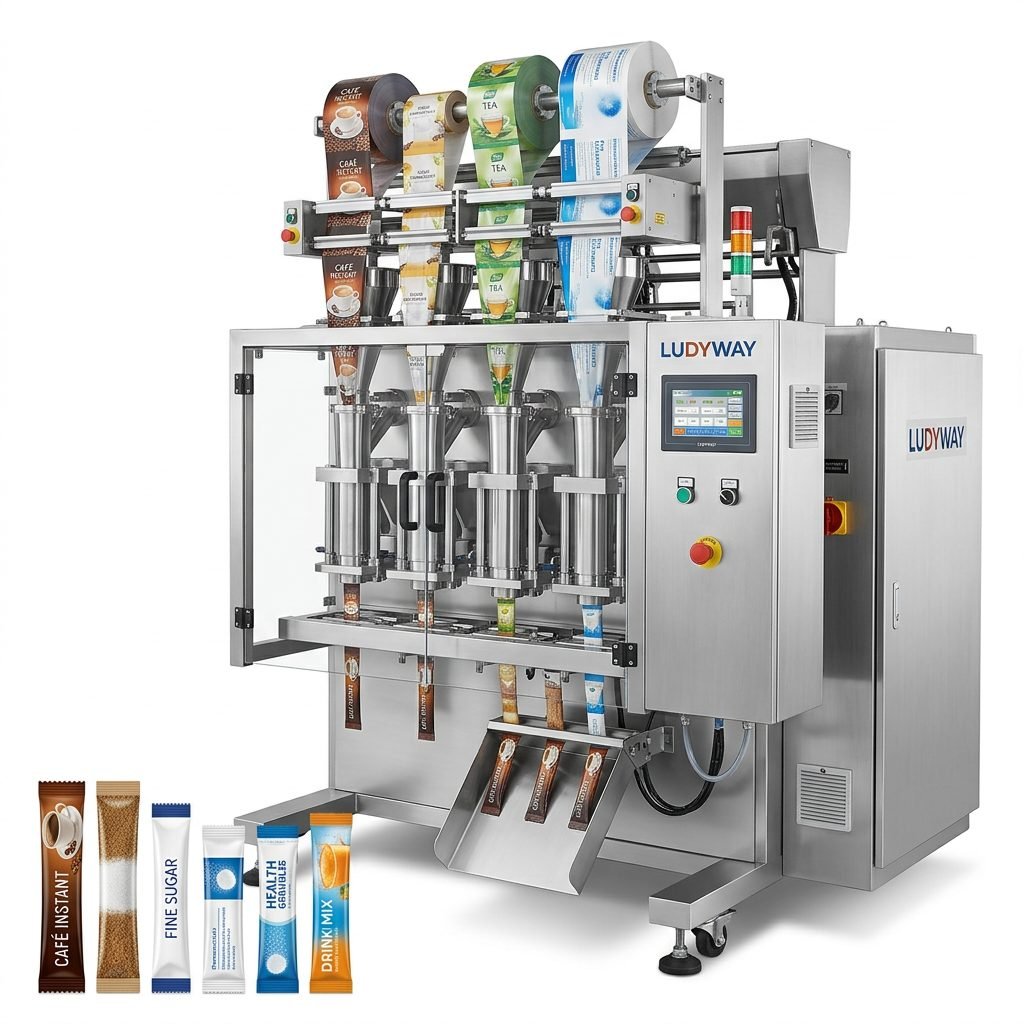
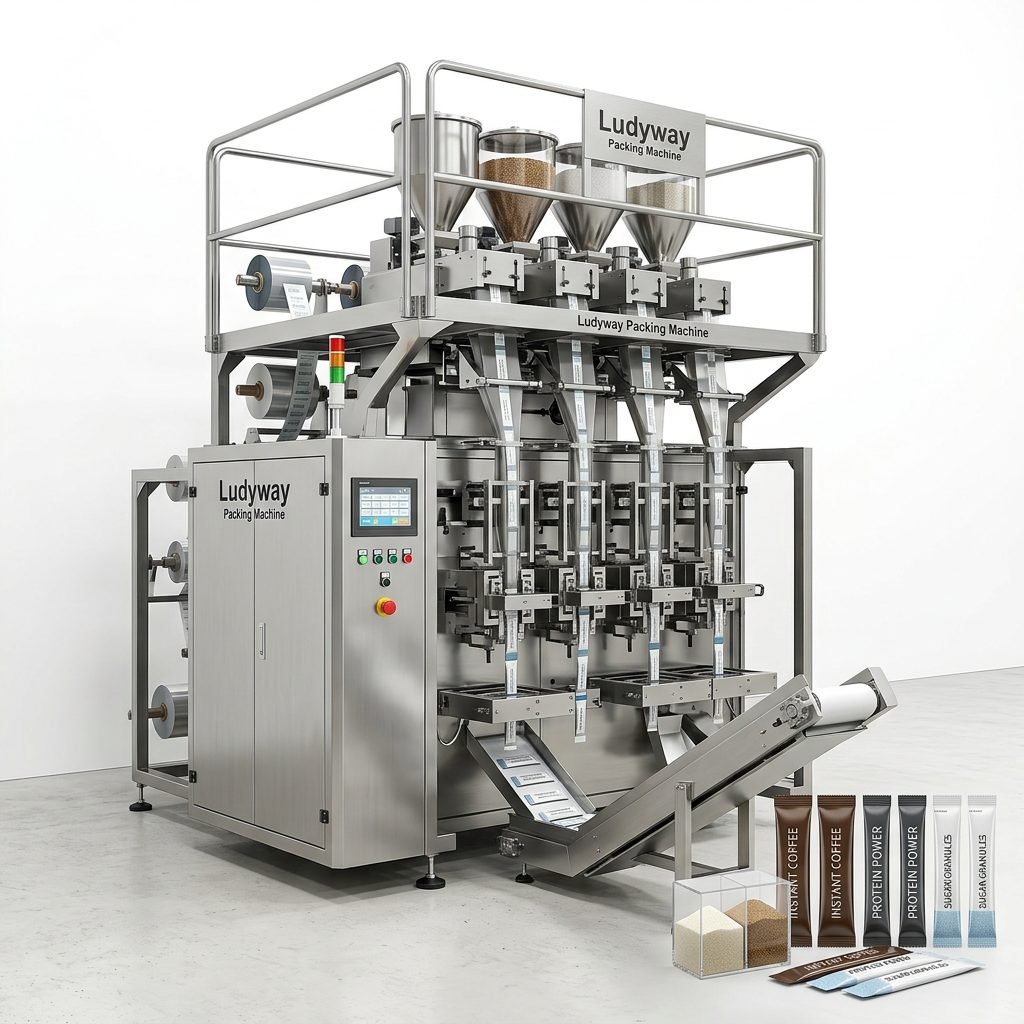
Perfect for single-serving powders, granules, or liquids. They create a sealed, elongated pouch from roll film. This format is popular for on-the-go supplements like protein powders or electrolyte mixes. Machines vary from single-lane to high-speed multi-lane configurations.
Powder & Granule Packaging Systems
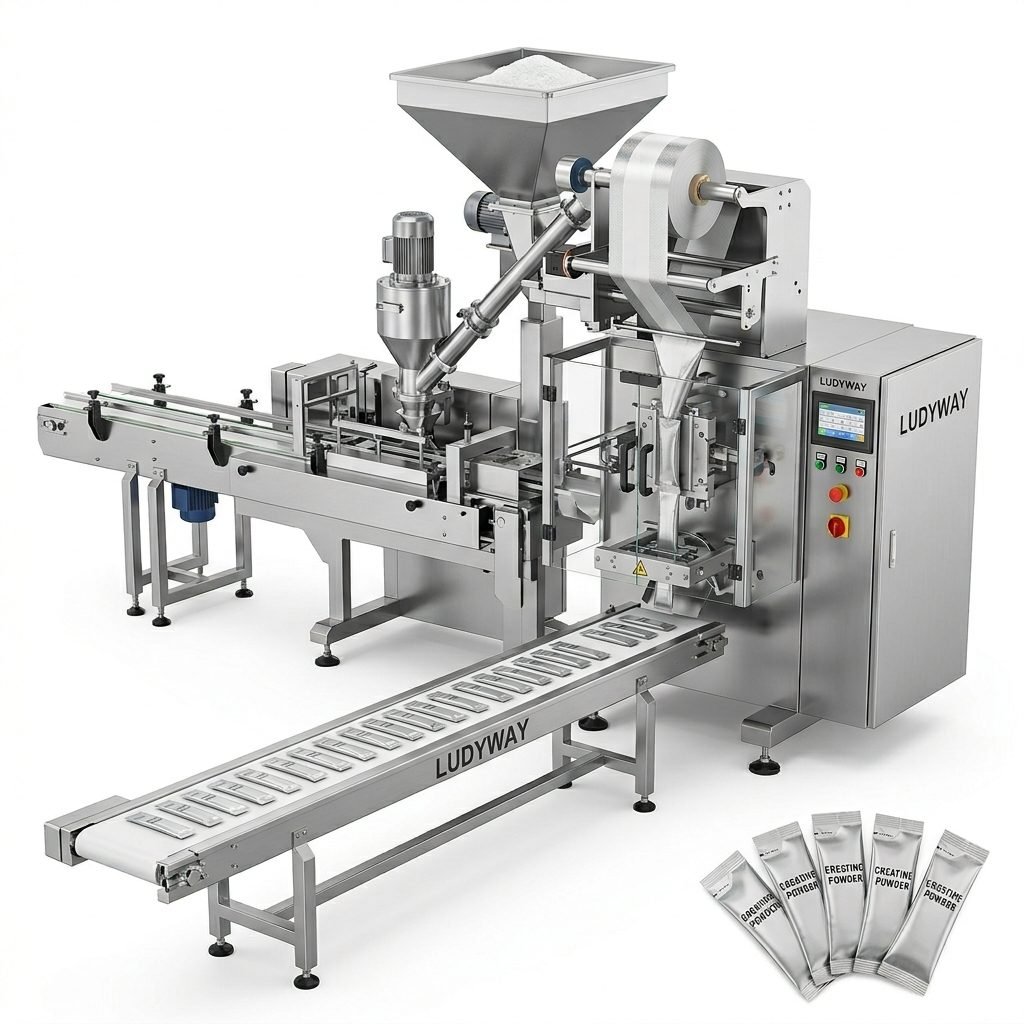
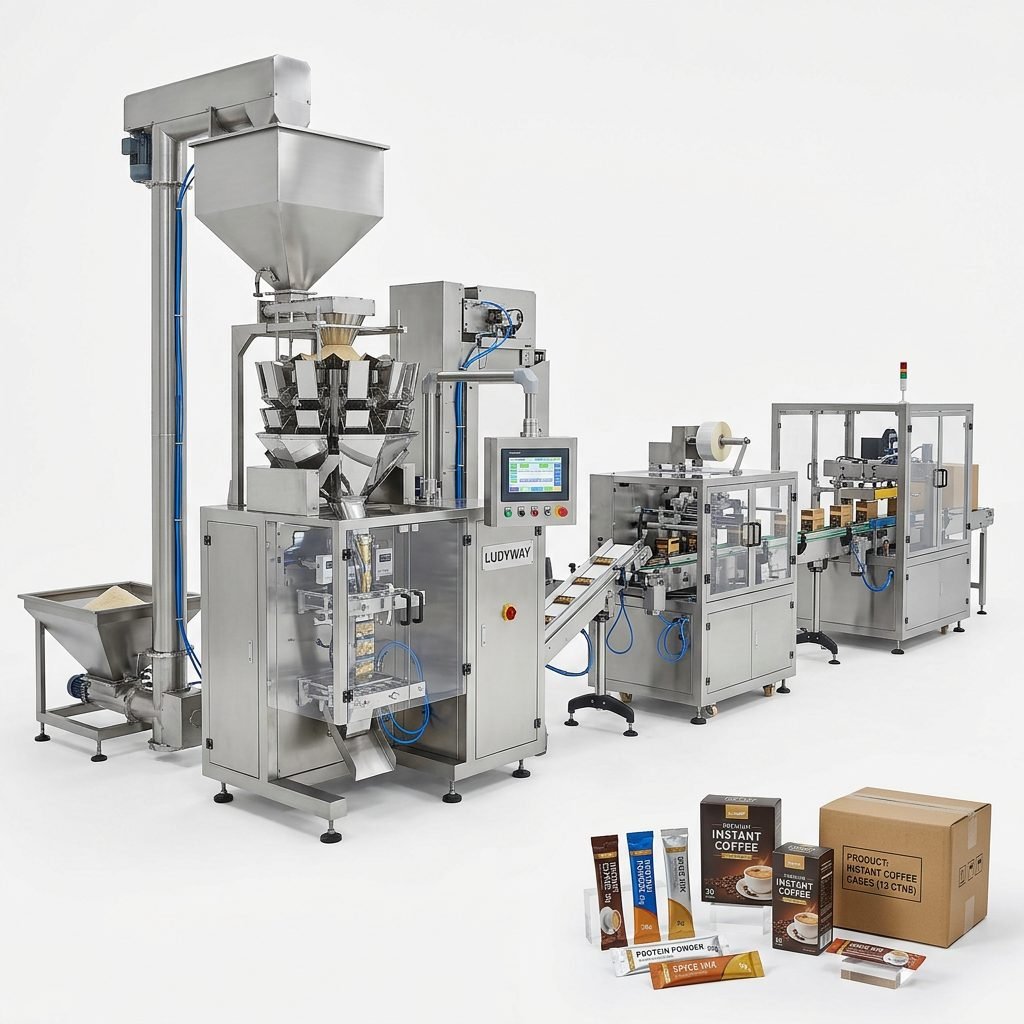
These systems handle bulk powder supplements. They often combine a form-fill-seal (FFS) pouch machine with a precision filler, such as an auger filler with a servo drive for high accuracy. Integration with bag-in-box or drum filling systems is possible for larger formats.
Technology Spotlight: Integrated Vision Systems
Modern machines often incorporate high-resolution camera systems. These perform critical quality checks like verifying fill levels, detecting missing capsules, inspecting seal integrity, and reading batch codes. This automation reduces human error and ensures every package meets quality standards before shipment.
Evaluating Machine Features & Specifications
Beyond the machine type, delve into the technical specifications that impact performance and longevity.
Speed & Efficiency: Compare the machine’s rated speed (cycles per minute) against your required output. Consider factors like changeover time—how quickly can you switch between different product sizes or packaging formats? Quick changeover mechanisms are vital for flexible operations.
Accuracy & Precision: For fillers, the accuracy tolerance (e.g., ±1% by weight) is crucial. In blister packing, the positioning accuracy of the product in the cavity affects presentation and functionality.
Construction & Durability: Examine the materials used. Stainless steel (particularly for contact parts) offers corrosion resistance and hygiene. The robustness of the frame and moving parts determines the machine’s lifespan under continuous operation.
Control System & User Interface: A modern, intuitive Human-Machine Interface (HMI), often a touchscreen panel, simplifies operation, recipe management, and diagnostics. PLC (Programmable Logic Controller) reliability is central to stable automation.
Safety & Compliance: Ensure the machine meets relevant safety standards (e.g., CE, UL). Features like emergency stops, safety interlocks, and protective guarding are essential.
The Supplier Selection Process
Choosing a reputable machinery supplier is as important as choosing the machine itself.
Industry Experience & Specialization: Prioritize suppliers with proven experience in the nutraceutical or pharmaceutical packaging sector. They understand the unique cleanliness, accuracy, and regulatory requirements. Ludyway Machinery, for instance, brings over a decade of focused expertise in packaging solutions for health products.
Technical Support & Service: Evaluate the supplier’s after-sales support. Do they offer comprehensive installation, training, and maintenance? What is their spare parts availability and response time for technical assistance? A global service network can be beneficial for international operations.
Customization Capability: Can the supplier modify standard machines to fit your unique needs? This might include special feeding mechanisms for odd-shaped softgels or integration with your existing conveyor systems.
Financial Value: Consider the total cost, including the machine price, installation, expected maintenance, and potential energy consumption. A slightly higher initial investment in a more robust and efficient machine can lead to lower long-term operating costs.
Implementation & Future-Proofing
Successful integration requires planning beyond the purchase.
Factory Integration: Plan the machine’s placement within your production line. Consider material flow (empty packaging input, finished product output), utility connections (power, compressed air), and operator access.
Staff Training: Ensure operators and maintenance technicians are thoroughly trained on the new equipment. This maximizes productivity and minimizes downtime from operational errors.
Data Connectivity: Many modern machines offer data output for integration with Manufacturing Execution Systems (MES) or ERP systems. This enables real-time production monitoring, batch tracking, and efficiency analysis.
Scalability: Discuss with your supplier how the line could be expanded in the future. Could you add a second blister machine in parallel? Could the filler be upgraded to a higher-speed model? Choosing a supplier and machine platform that supports growth protects your future investment.
Final Decision-Making Summary
To consolidate your choice, create a comparative matrix. List your top 3-5 machine options or suppliers. Score them against your weighted criteria: Technical Fit, Operational Efficiency, Supplier Reliability, Total Cost of Ownership, and Future Flexibility. This objective analysis will highlight the best overall solution for your nutraceutical packaging needs.
Common Questions (FAQs)
What is the typical lead time for receiving and installing a nutraceutical packaging machine?
Lead times vary significantly based on machine complexity, customization, and supplier location. For standard models, it can range from 8 to 16 weeks after order confirmation. Custom or highly automated lines may require 6 months or more. Always clarify the timeline, including shipping, installation, and commissioning, with your supplier during the negotiation phase.
How do I ensure the machine meets regulatory standards for my market?
Explicitly state your target market (e.g., USA, EU, Canada) to the supplier. Request documentation proving the machine’s design complies with relevant standards (like GMP for pharmaceuticals, which often applies to high-end supplements). The machine’s material certificates, design philosophy, and quality control features should align with these regulations.
Can one machine handle multiple different supplement formats?
Many machines offer flexibility within a category. A blister machine might handle different size tablets via changeable forming tools. A bottle filler might adjust to various bottle sizes and fill weights. However, switching between fundamentally different formats (e.g., from bottling capsules to stick-packing powder) usually requires different, dedicated machines. Discuss your specific product range with the supplier to find the most versatile solution.
What is the importance of Machine Efficiency and how is it measured?
Machine efficiency impacts your overall production cost and capacity. It’s often measured as Overall Equipment Effectiveness (OEE), combining factors like Availability (uptime vs. downtime), Performance (actual speed vs. theoretical speed), and Quality (percentage of good packages). A high-efficiency machine maximizes output while minimizing waste and downtime.
What ongoing maintenance is required, and what are the common costs?
Regular maintenance includes daily cleaning, periodic lubrication, inspection of wear parts (like seals, belts, or forming tools), and calibration of sensors and fillers. Costs involve spare parts, potential service contracts, and consumables like lubrication. A reliable supplier will provide a recommended maintenance schedule and list of critical spare parts to keep in stock.