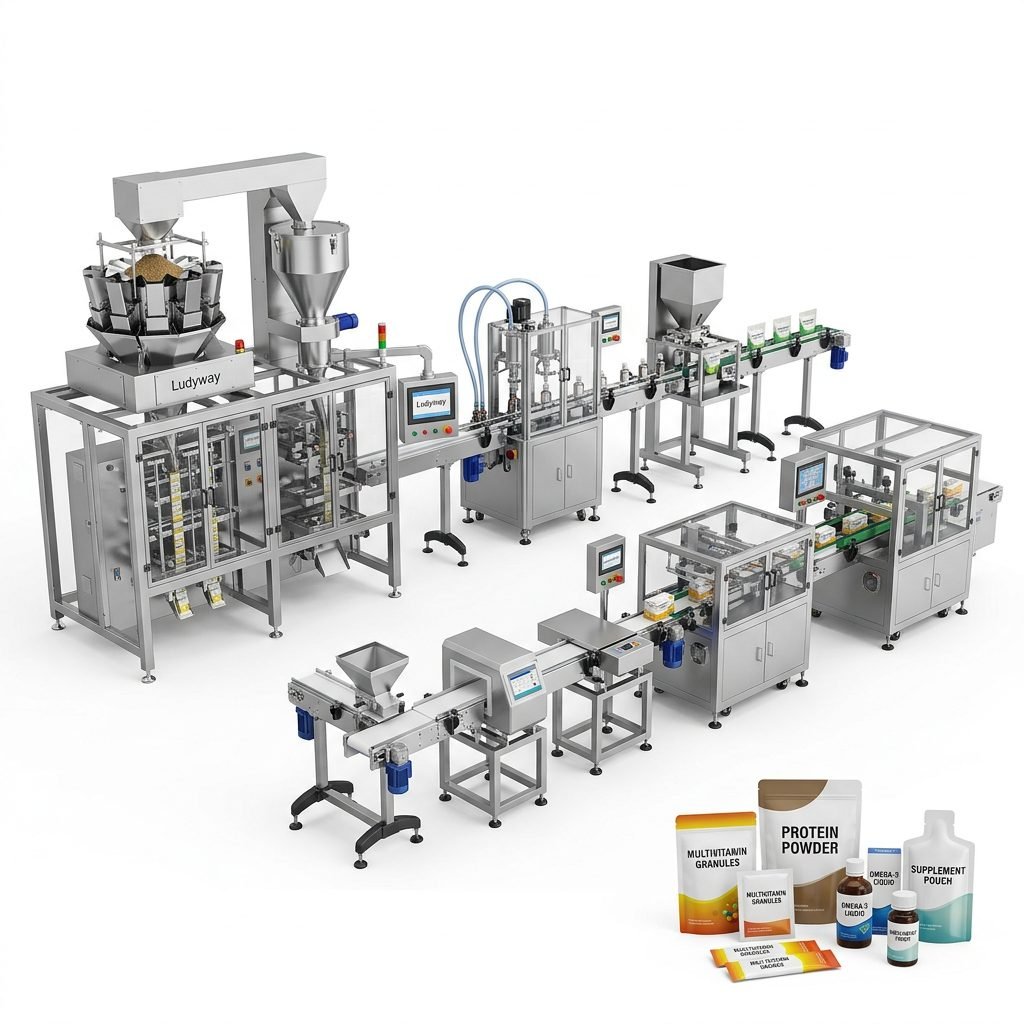
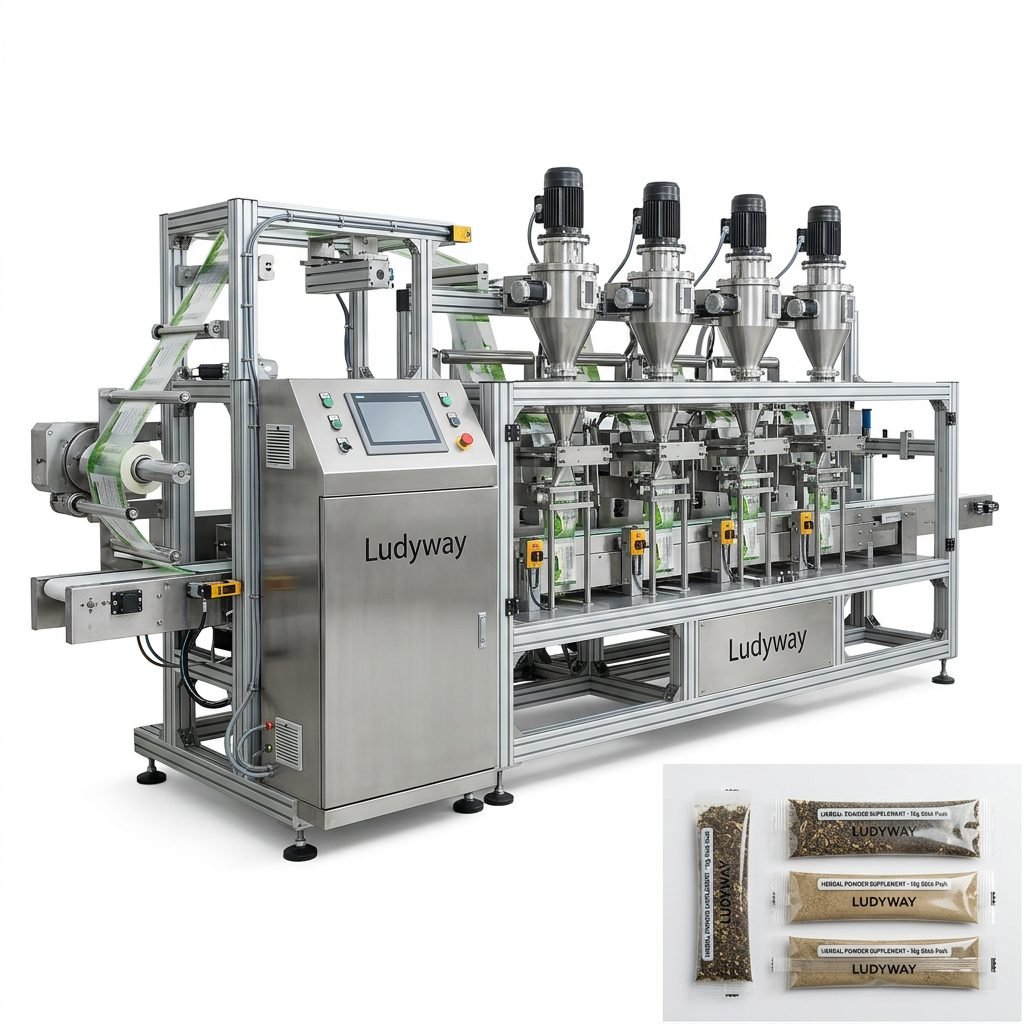
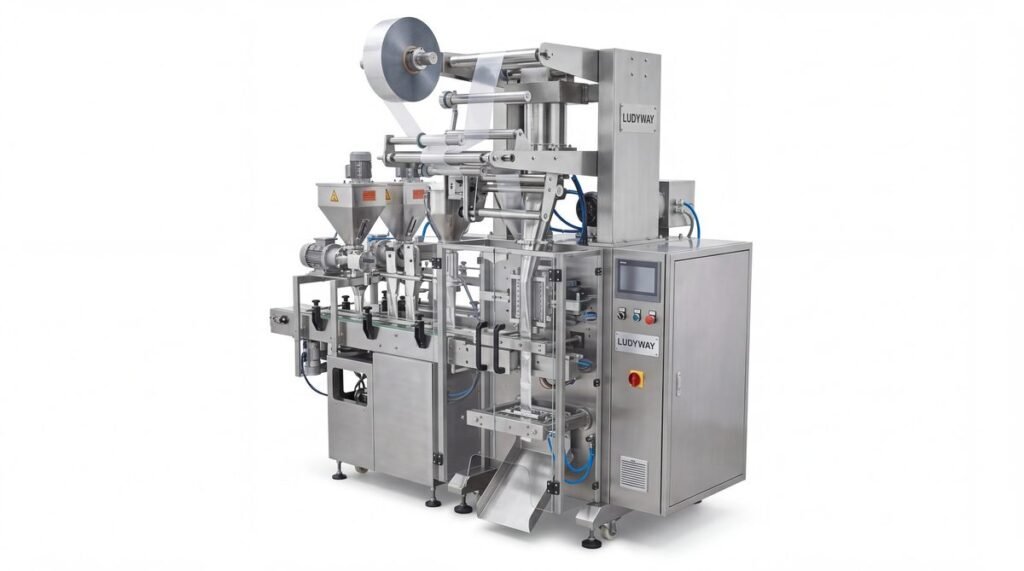
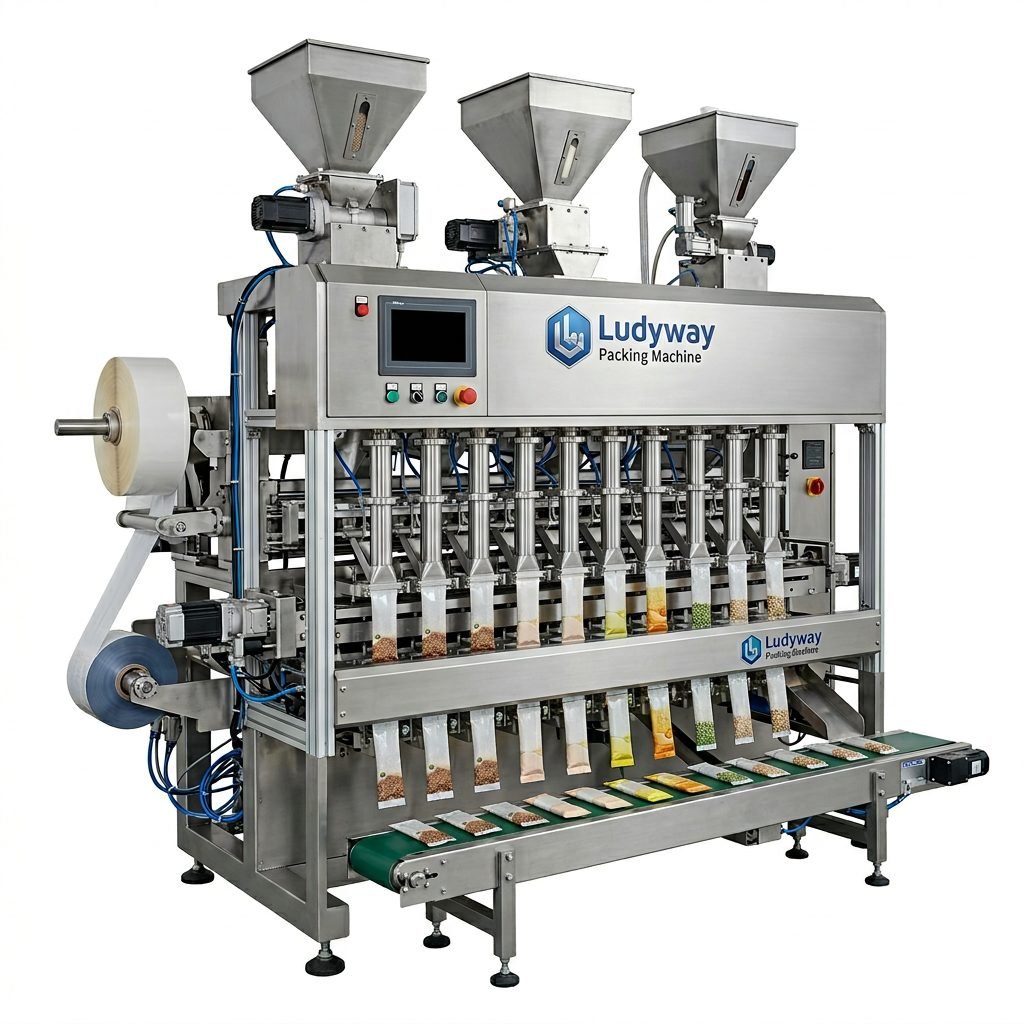
Selecting the right oil packaging machine is a critical decision for manufacturers in the food, cosmetic, and pharmaceutical industries. The correct system not only ensures product integrity and shelf life but also optimizes production efficiency and cost. This comprehensive guide explores the various types of oil packaging machines, explains their working principles, and provides a clear framework for choosing the ideal system for your specific needs.
Understanding the Core Types of Oil Packaging Machines
The market offers a diverse range of oil packaging solutions, each designed for specific formats, production speeds, and viscosity levels. Understanding these types is the first step toward making an informed choice.
Volumetric Filling Machines
These are among the most common and versatile systems. They operate by dispensing a pre-set volume of oil into each container. Common subtypes include:
- Piston Fillers: Use a cylinder and piston mechanism to draw and discharge a precise volume. Ideal for medium to high-viscosity oils and offering excellent accuracy.
- Gravity Fillers: Rely on the natural flow of oil from a tank into containers. Best suited for thin, free-flowing oils like light cooking oils.
- Pump Fillers: Utilize rotary pumps or peristaltic pumps to transfer oil. Excellent for handling a wide range of viscosities and providing gentle handling of the product.
Weight-Based Filling Machines (Net Weighers)
For applications where weight is the critical legal or quality metric, net weight fillers are the gold standard. These systems fill containers to a target weight, often using a gross-tare-net weighing principle. They are highly accurate and essential for high-value oils where overfilling is a significant cost factor.
Form-Fill-Seal (FFS) Machines
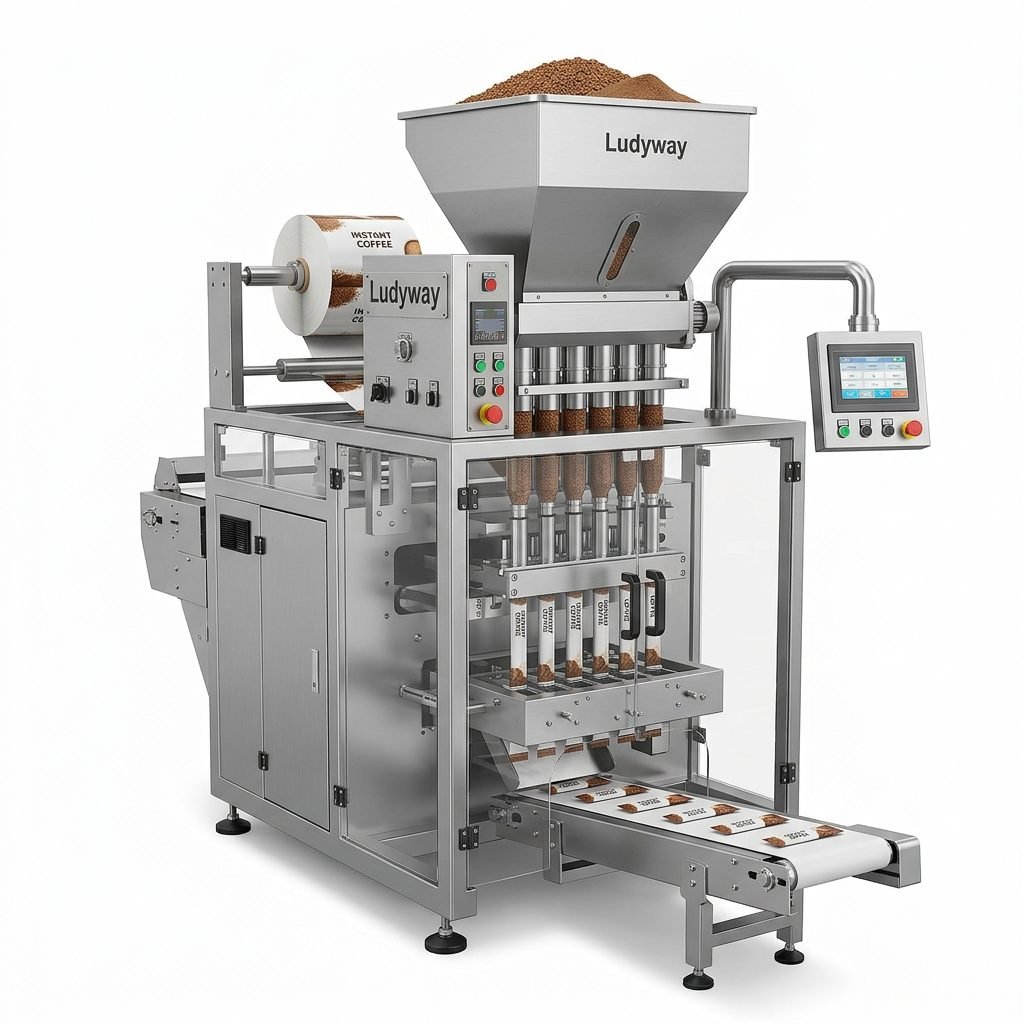
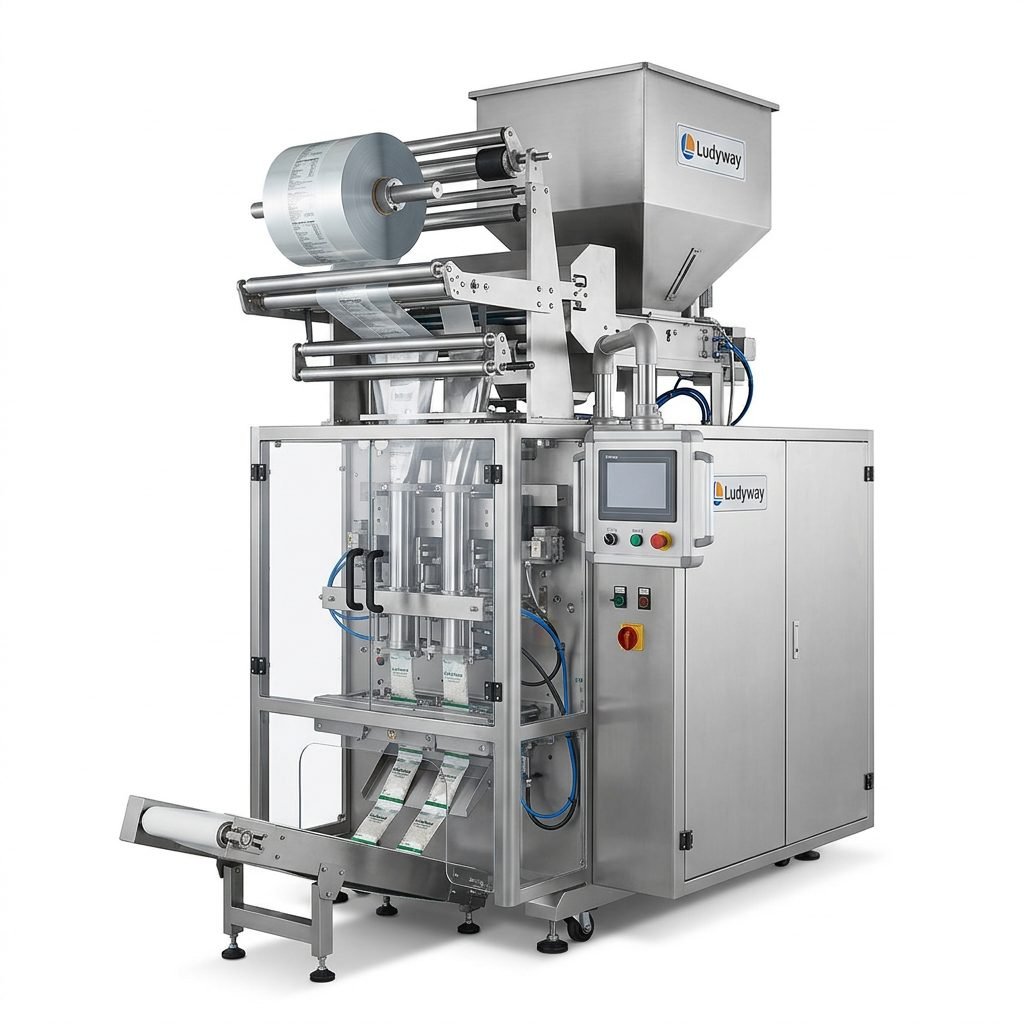
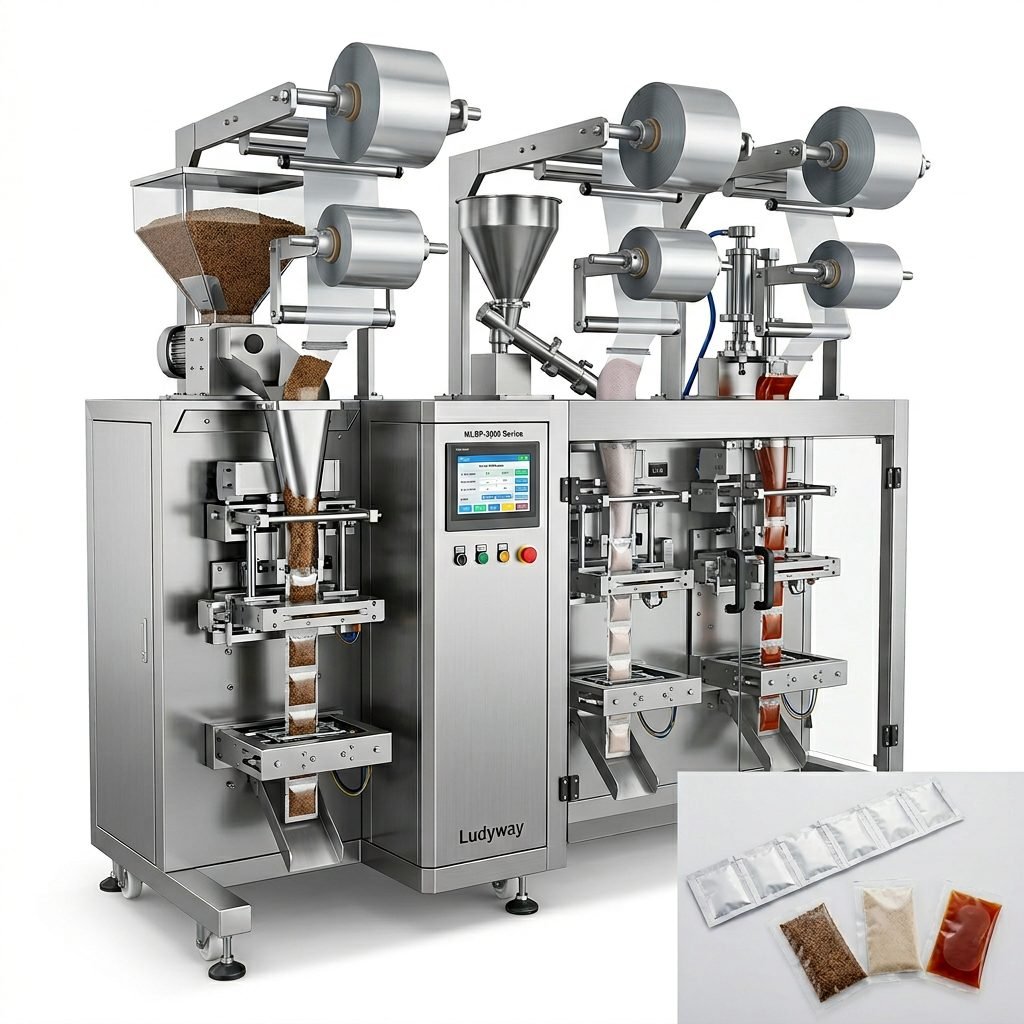
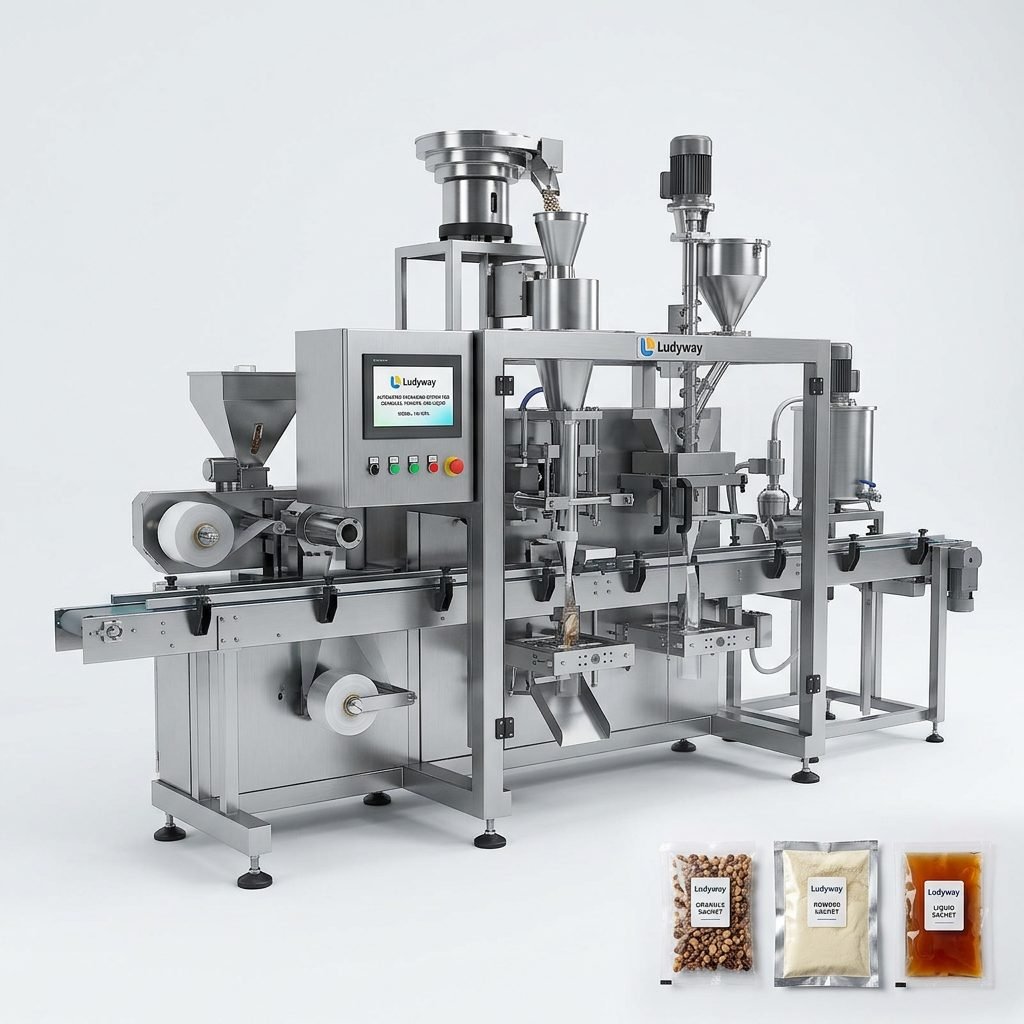
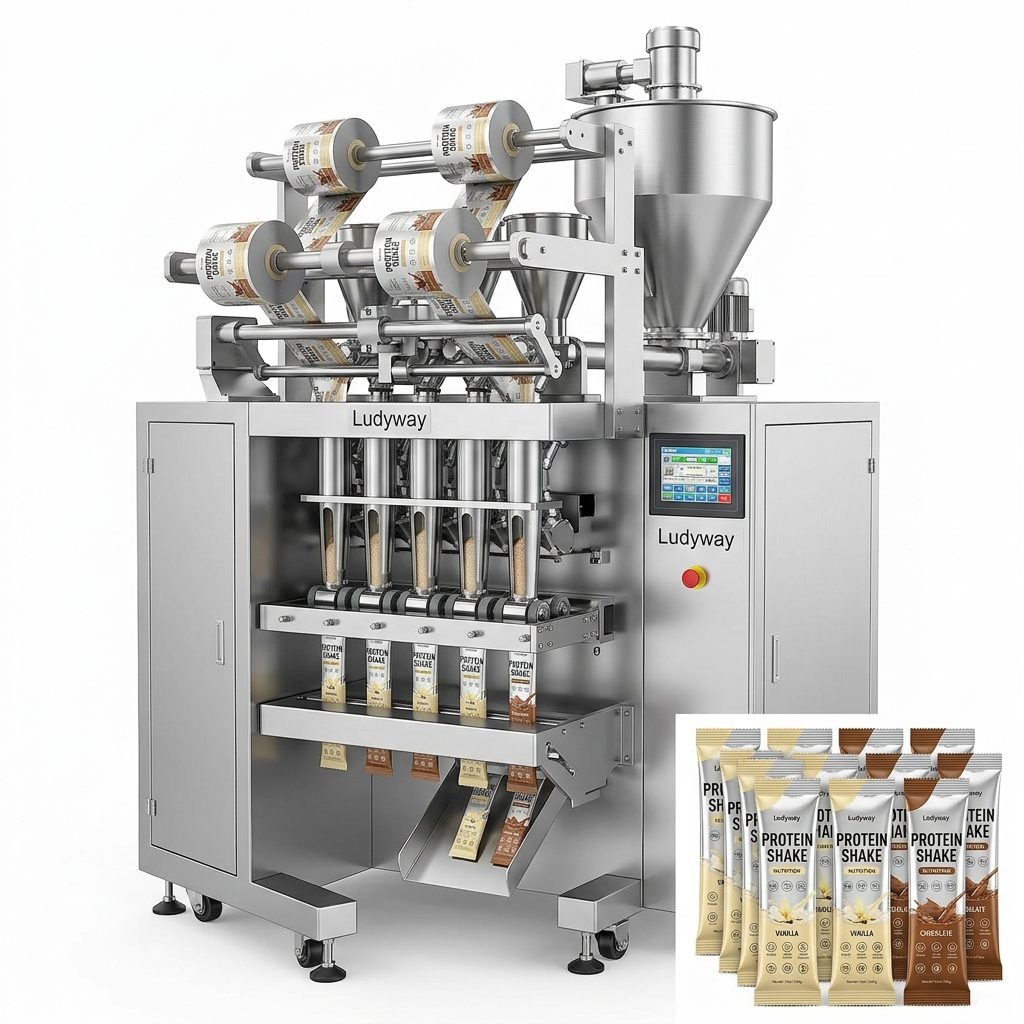
These advanced, integrated systems create the package from a roll of film, fill it with oil, and then seal it—all in one continuous operation. They are perfect for producing stand-up pouches, sachets, and stick packs for single-serve oils, salad dressings, or cosmetic samples. FFS machines offer remarkable material efficiency and high-speed production.
Specialized Systems: Hot-Fill and Aseptic
Certain oils or market demands require specialized technology:
- Hot-Fill Machines: Designed to package oils or oil-based products at elevated temperatures (typically 85°C-95°C). This process creates a vacuum upon cooling, extending shelf life without preservatives.
- Aseptic Packaging Machines: These systems sterilize both the product and the packaging material separately before filling in a sterile environment. They are used for premium, preservative-free edible oils that require long ambient shelf life.
The Working Principle: How Oil Packaging Machines Operate
While designs vary, most automatic oil packaging lines follow a synchronized sequence of operations to transform bulk oil into finished, retail-ready packages.
Stage 1: Container Handling & Positioning
Empty bottles, jars, or pouches are fed onto a conveyor system. An indexing mechanism, like a rotary starwheel or a linear indexing conveyor, precisely positions each container under the filling nozzle.
Stage 2: The Filling Process
This is the core stage where the chosen technology takes over. The machine’s control system triggers the filling head (piston, pump, etc.) to dispense the exact predetermined amount of oil into the waiting container. Advanced systems often include drip trays or vacuum suck-back to prevent nozzle drippage and maintain container cleanliness.
Stage 3: Capping & Sealing
Immediately after filling, containers move to the capping station. Here, caps (screw caps, snap caps, flip-tops) are applied and tightened to a specific torque. For pouches, this stage involves heat-sealing the top of the package with precise temperature and pressure control.
Stage 4: Labeling & Coding
The final stage involves applying labels and printing batch codes, expiry dates, or lot numbers. This is often done via integrated labeling arms or inkjet printers, ensuring traceability and compliance.
How to Choose the Right Oil Packaging System: A Step-by-Step Guide
Investing in packaging machinery is significant. Follow this structured approach to ensure your selection aligns with your business goals.
1. Analyze Your Product & Package
- Oil Viscosity: Is it thin like sunflower oil or thick like castor oil or silicone oil? This dictates the filling technology (e.g., piston for thick, gravity for thin).
- Packaging Format: Glass bottles, plastic bottles, flexible pouches, or metal tins? Your format may require specific handling systems.
- Container Size Range: What is the smallest and largest volume you need to run? Ensure the machine’s adjustment range covers your needs.
2. Define Your Production Requirements
- Speed (Units Per Minute): Calculate your required output based on current and future demand. Don’t overpay for excessive speed you won’t use.
- Accuracy & Fill Consistency: Determine the legally or commercially acceptable fill variation. High-value products demand weight-based fillers.
- Changeover Frequency: If you run many different SKUs, look for machines with quick-change parts and recipe memory to minimize downtime.
3. Evaluate Machine Features & Construction
Look beyond the brochure. Inspect the quality of materials (e.g., food-grade stainless steel contact parts), the robustness of the frame, and the reputation of key components (PLCs, drives, sensors). A machine built with quality components from experienced manufacturers like Ludyway ensures longevity and reliability.
4. Consider Hygiene & Safety
The machine must be easy to clean and maintain. Look for smooth surfaces, minimal crevices, and CIP (Clean-in-Place) capabilities if required. Safety guards and emergency stops are non-negotiable for operator protection.
5. Plan for Integration & Support
Will the machine integrate with your existing conveyors, labelers, and coders? Consider the supplier’s ability to provide a complete turnkey solution. Crucially, assess the supplier’s after-sales support, availability of spare parts, and technical training. A partner with over 30 years of industry experience can provide invaluable guidance and reliable service.
Conclusion & Key Takeaways
Choosing an oil packaging machine is a strategic investment that impacts your product quality, operational cost, and scalability. Start by thoroughly understanding your product’s characteristics and your production targets. Match these needs to the appropriate technology—volumetric, weight-based, or form-fill-seal. Prioritize build quality, hygiene design, and, most importantly, the expertise and support of the machinery supplier. By following a disciplined selection process, you can secure a system that delivers efficiency, consistency, and a strong return on investment for years to come.
Frequently Asked Questions (FAQs)
What is the most accurate type of oil filling machine?
Net weight filling machines are typically the most accurate, as they fill to a target weight rather than volume, compensating for any product density variations. For volumetric filling, piston fillers offer the highest precision for viscous oils.
Can one machine handle different oil viscosities and container sizes?
Many modern machines are designed with flexibility in mind. However, significant changes in viscosity (e.g., from water-thin to honey-thick) or a very wide container size range may require different pump types or filling heads. Always discuss your full product range with the supplier to ensure compatibility.
How important is the material of the machine’s contact parts?
Extremely important. For food, pharmaceutical, and cosmetic oils, all parts touching the product must be made of high-grade, corrosion-resistant stainless steel (e.g., SS316 or SS304). This ensures product safety, facilitates cleaning, and prevents contamination.
What is the difference between automatic and semi-automatic oil packagers?
Semi-automatic machines require an operator to place and remove containers for each cycle, suitable for low-volume production or pilot batches. Fully automatic machines integrate container handling, filling, capping, and labeling into one continuous, high-speed line with minimal manual intervention.
What should I look for in a machinery supplier?
Prioritize suppliers with proven industry experience, strong technical support, and a portfolio of reliable machines. Evaluate their ability to provide custom solutions, spare parts availability, and installation/training services. A partner like Ludyway, with deep expertise in packaging solutions, can help you navigate the selection process and ensure a successful project from start to finish.