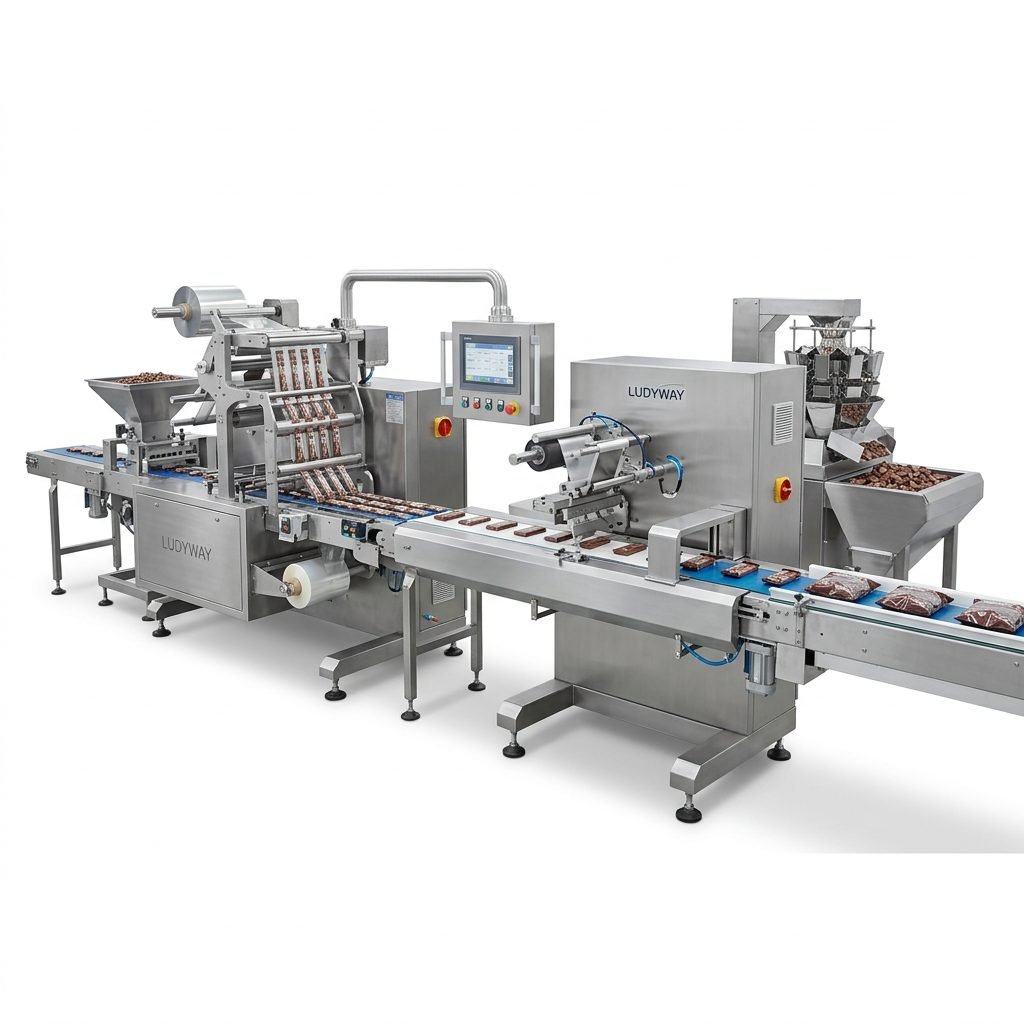
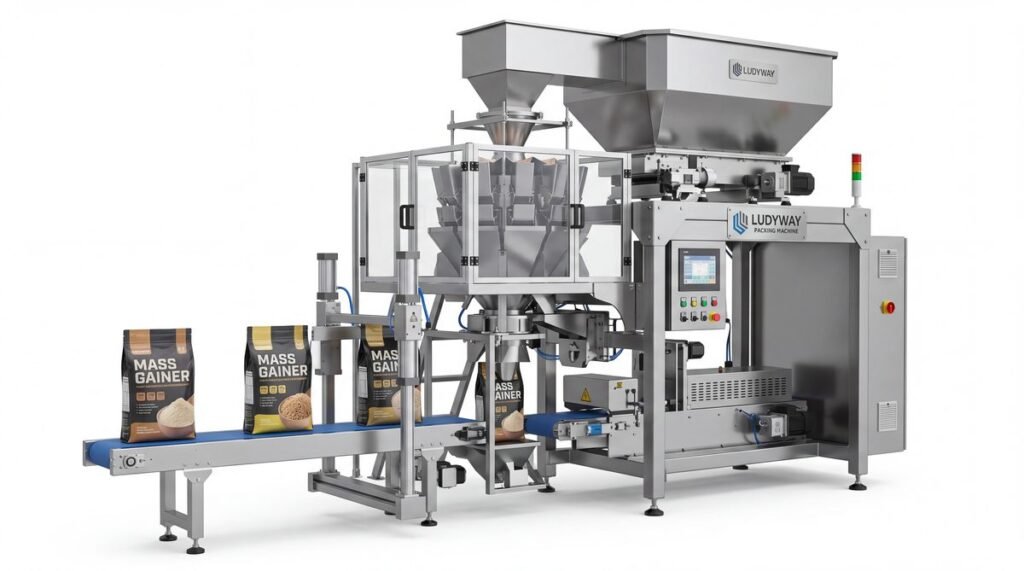
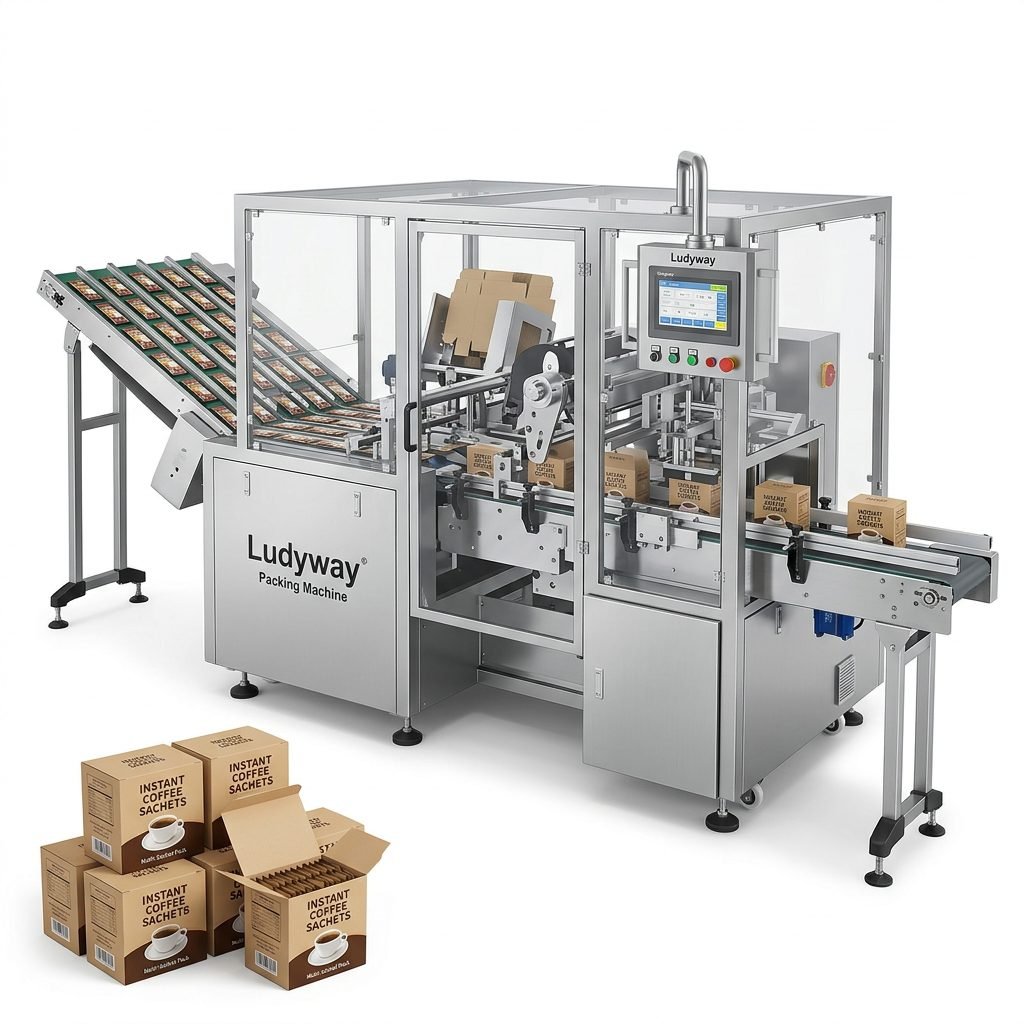
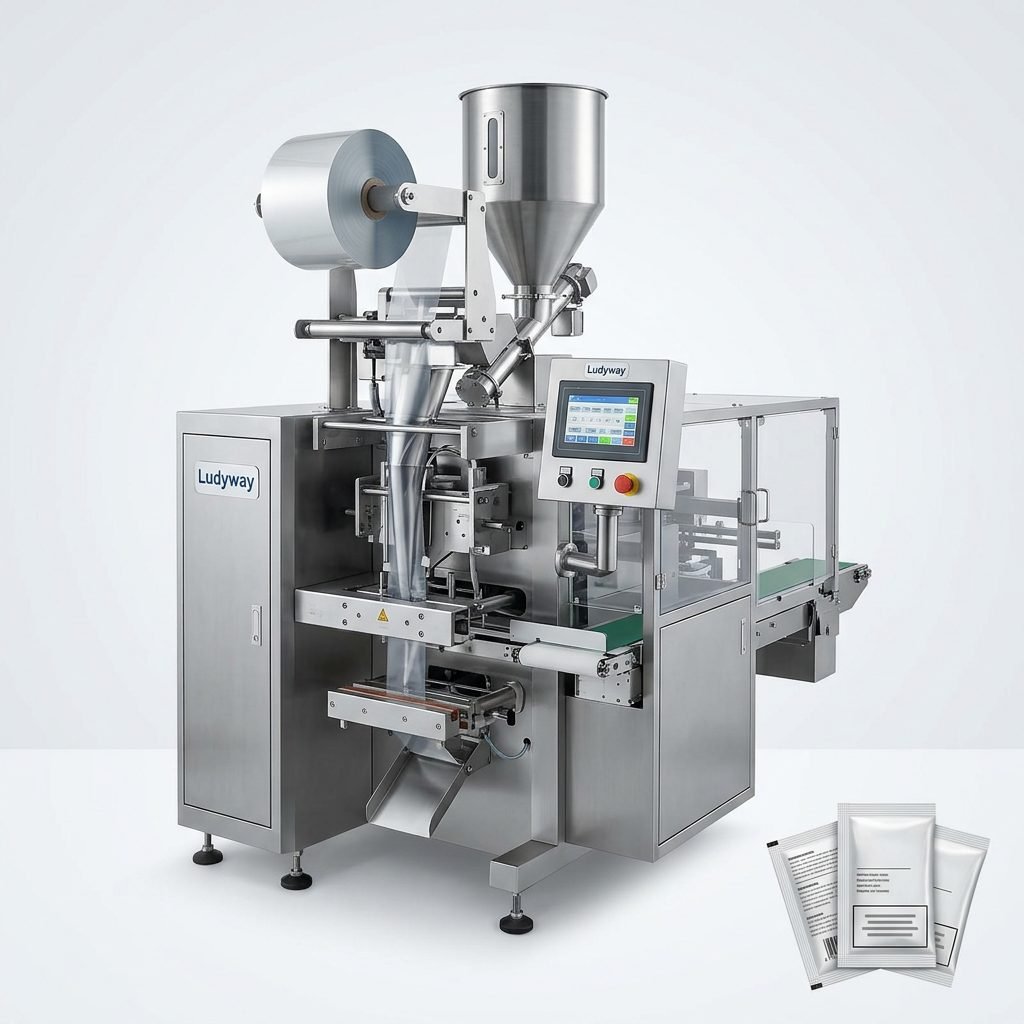
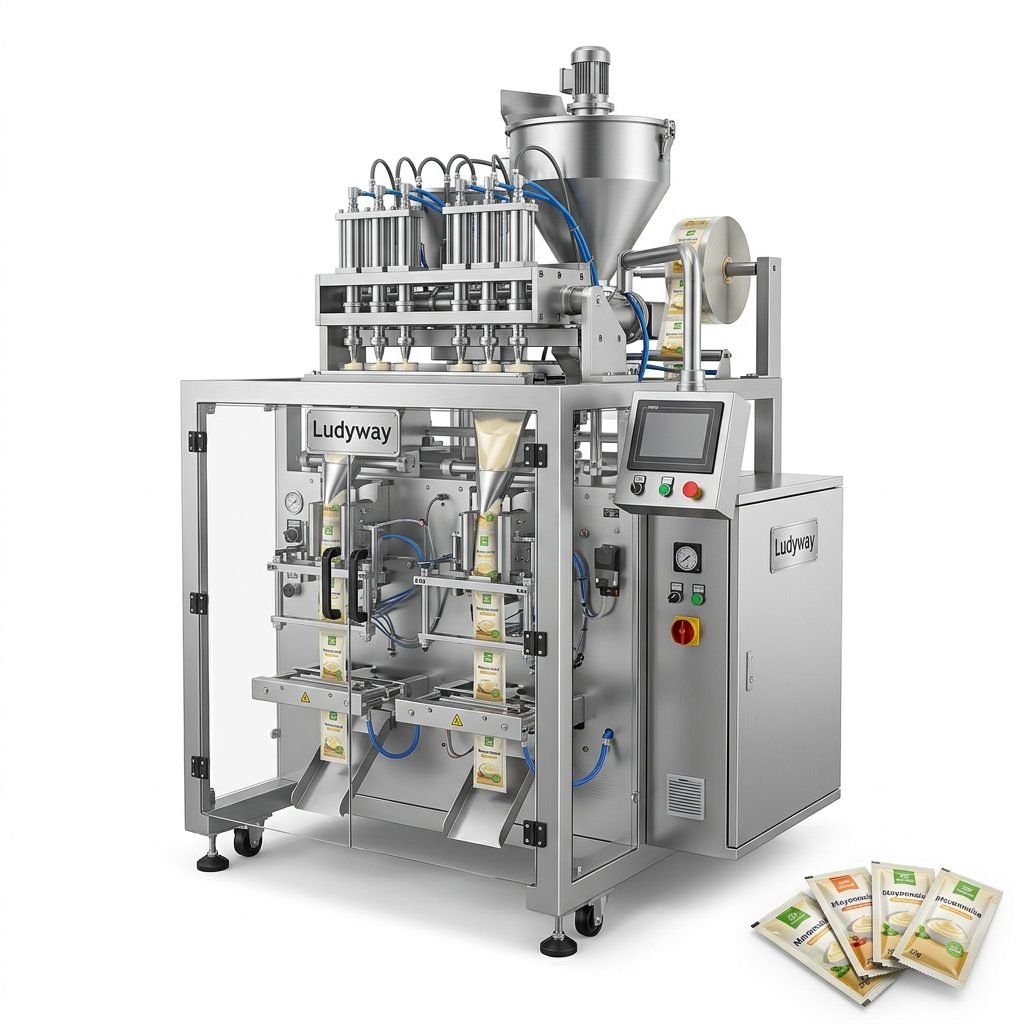
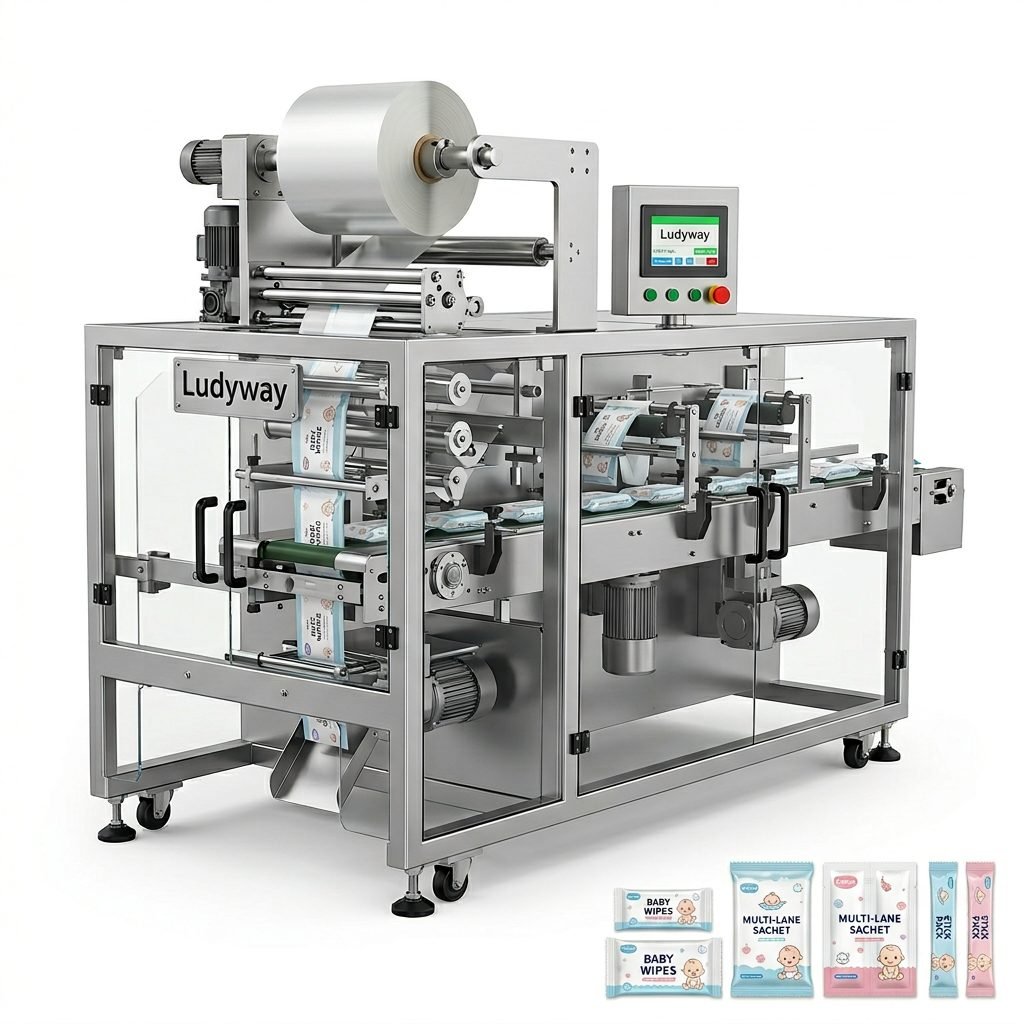
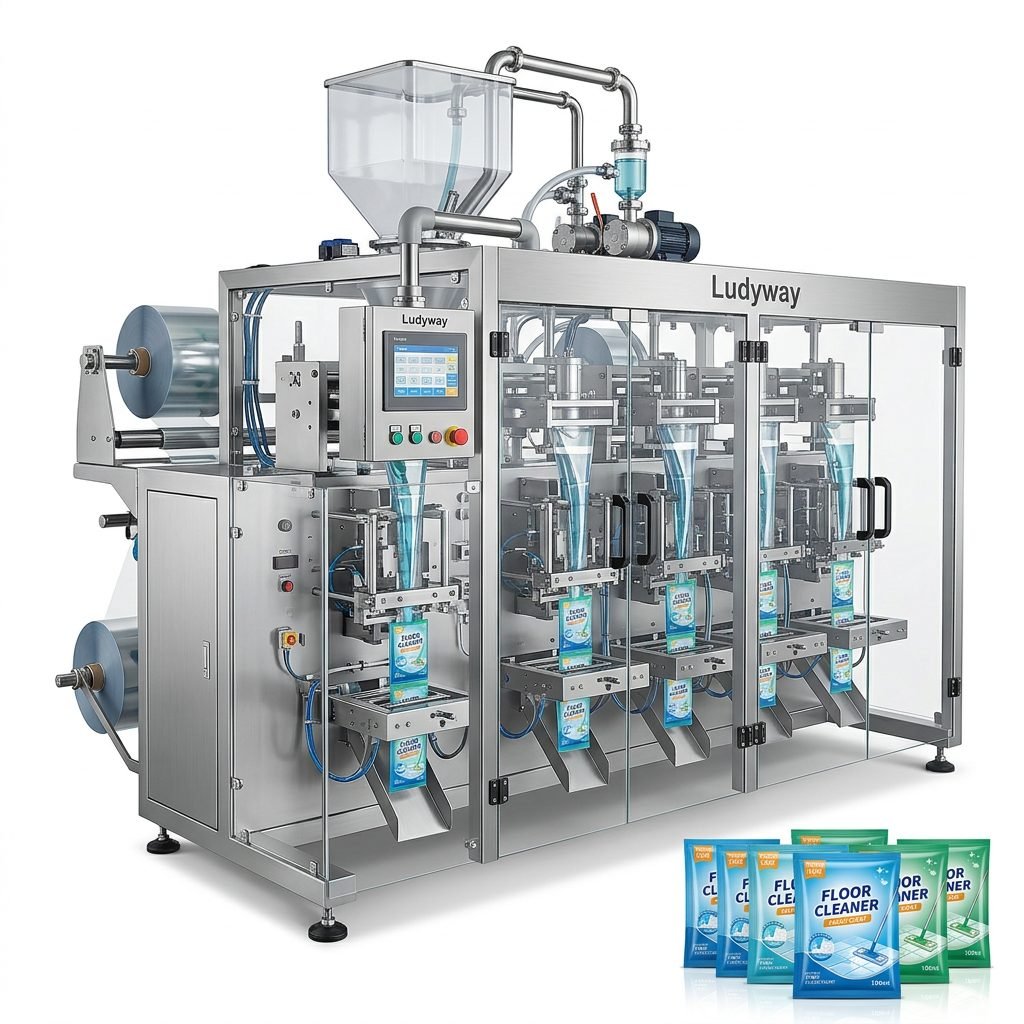
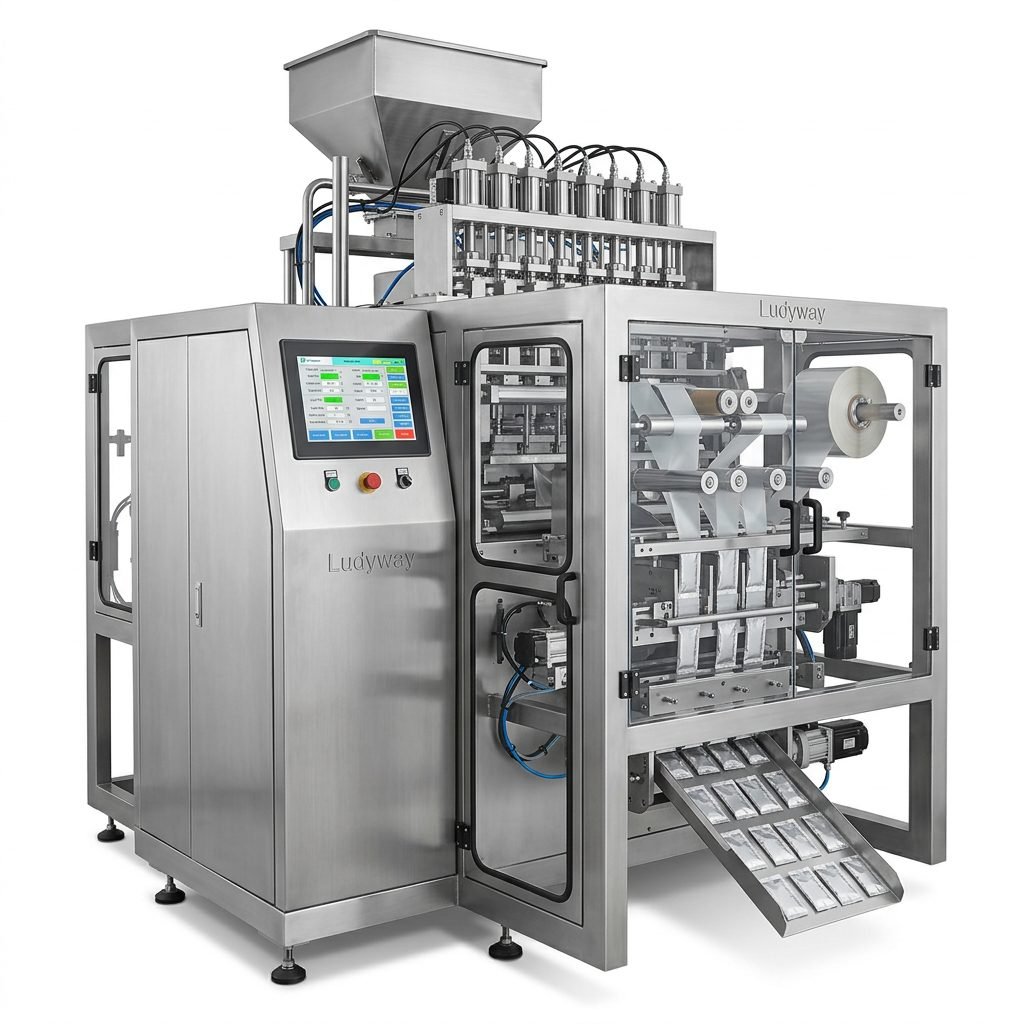
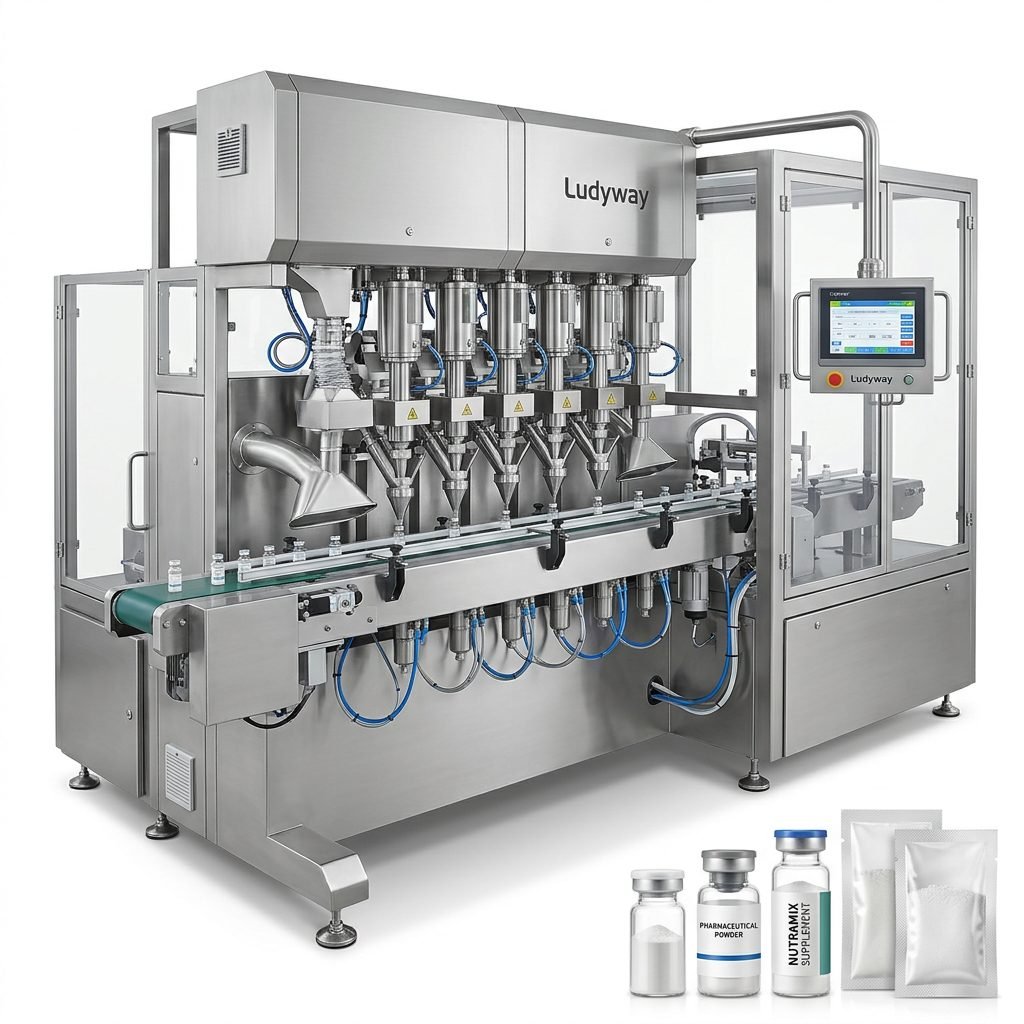
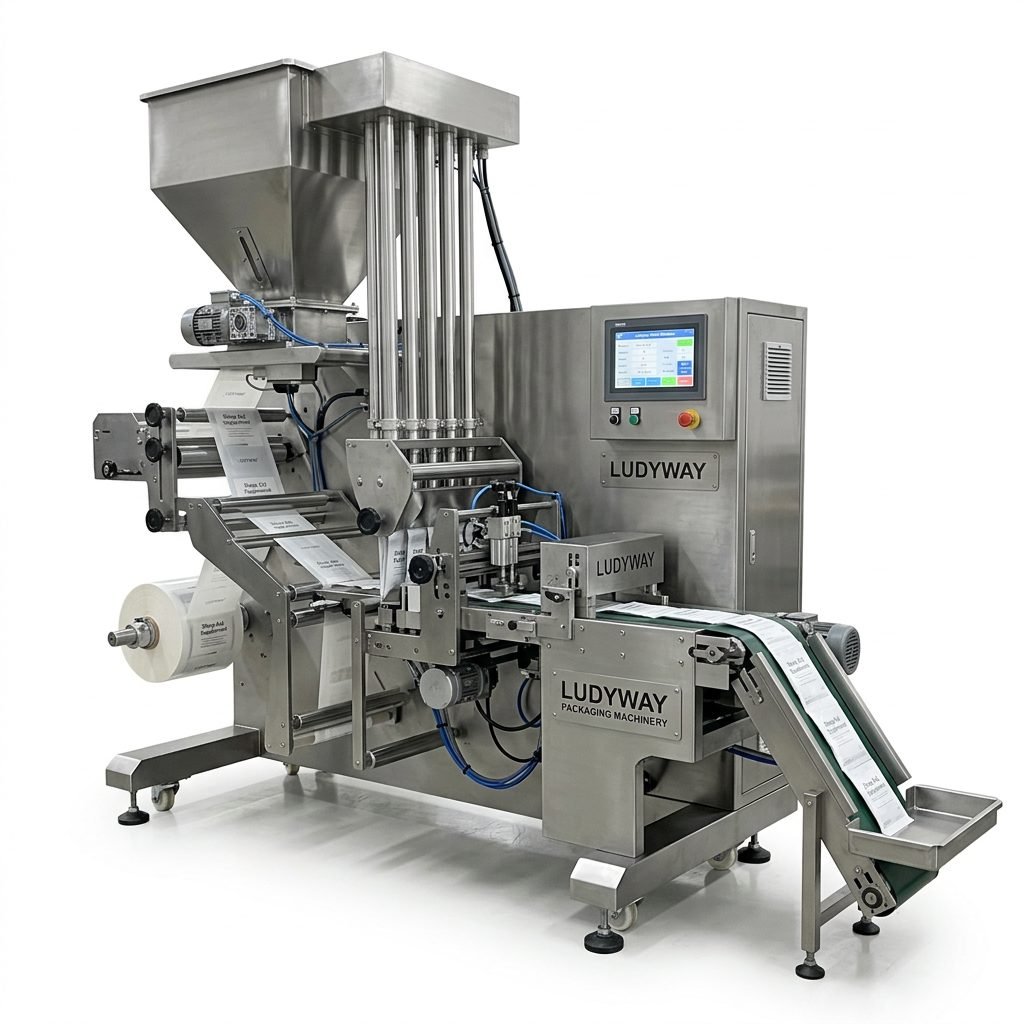
Understanding the various parts of a packaging machine is crucial for operators, maintenance technicians, and anyone involved in production line management. This comprehensive guide breaks down the key components, explaining their names, specific functions, and how they work together to ensure efficient, reliable packaging operations.
Core Structural Framework and Drive System
The machine’s skeleton and power source form the foundation of any packaging system.
Main Frame & Base
Constructed from heavy-duty steel or aluminum, the main frame provides structural rigidity and stability, preventing vibration and misalignment during high-speed operation. The base plate ensures the entire unit is level and securely mounted to the factory floor.
Drive Motor & Transmission: This is the heart of the machine’s movement. Servo motors or AC/DC motors provide precise rotational force. This power is transferred through a system of gears, belts, chains, and shafts (the transmission assembly) to various moving parts like forming shoulders, sealing jaws, and cutting mechanisms.
Material Handling & Product Feeding Components
These parts manage the flow of both the packaging material and the product being packaged.
Unwinding & Web Guide System
The unwinding shaft or roll holder supports the large roll of packaging film (web). A tension control system, often using dancer arms or magnetic powder brakes, maintains consistent film tension to prevent tearing or wrinkling. The web guide uses sensors and edge-guiding rollers to keep the film aligned perfectly as it feeds into the machine.
Product Feeding Units
Depending on the product type, different feeders are employed:
- Volumetric Cup Fillers: Use rotating cups of a fixed volume for granules or powders.
- Auger Fillers: A rotating screw (auger) inside a hopper delivers precise amounts of powder or paste. The accuracy is critical for pharmaceutical packaging.
- Liquid Pumps: Peristaltic, piston, or gear pumps meter liquids like sauces or oils.
- Weighing Scales: Multi-head or linear weigh scales provide high-precision filling for valuable products.
Packaging Film Forming & Sealing Sections
This is where the flat film is transformed into sealed packages.
Forming Shoulder & Tube
The forming shoulder is a critical, often custom-machined metal component that gradually shapes the flat film into a vertical tube around the filling tube. The design of the shoulder directly impacts film waste and forming efficiency.
Longitudinal Sealer
Located just after the forming shoulder, this mechanism creates the back seal of the pouch. It can be a continuous hot bar sealer or a rotary band sealer that melts the film’s inner layer as it moves vertically.
Cross (Transverse) Sealing & Cutting Jaws
These synchronized jaws perform multiple functions in one cycle:
- Seal the Top of the current pouch and the Bottom of the next pouch simultaneously.
- Cut the sealed area between the two pouches, separating them.
- Often include cooling/crimping profiles to strengthen the seal.
They are driven by a precise cam or servo mechanism to ensure perfect timing with the film pull-down.
Control, Sensing, and Safety Systems
The “brain” and “nervous system” of the modern packaging machine.
Programmable Logic Controller (PLC): The central computer that executes the machine’s operational program, controlling the sequence and timing of all motors, heaters, and solenoids.
Human-Machine Interface (HMI)
This touchscreen panel allows operators to set parameters (like speed, temperature, fill weight), monitor production counts, and diagnose faults. Modern HMIs offer recipe storage for quick product changeovers.
Sensors and Detection Systems
- Photoelectric Sensors: Detect film presence, product in-feed, and pouch position.
- Temperature Sensors (Thermocouples): Precisely control sealing jaw and hot melt adhesive temperatures.
- Metal Detectors & Checkweighers: Often integrated inline to ensure product safety and weight compliance, crucial for food packaging standards.
Safety Components
These include emergency stop buttons, safety interlocks on guards, and light curtains that halt the machine if a hand breaches a protected zone.
Auxiliary and Support Components
These parts enhance functionality and reliability.
Hopper & Agitator: The product hopper stores bulk material. An internal agitator prevents bridging or rat-holing of cohesive powders.
Film Printing Registration System (Optional): Uses a mark sensor to detect a printed mark on the film and adjusts the pull-down length in real-time via the PLC to ensure graphics are correctly positioned on each pouch.
Exhaust/Dust Collection Port: For powder filling, a connection for a vacuum system prevents dust from contaminating the sealing area.
Lubrication System: Automatic oilers or grease points for gears and bearings to ensure long service life and reduce maintenance downtime. Partnering with a supplier that provides robust support, like Ludyway’s service network, is vital for maintaining these systems.
Frequently Asked Questions (FAQs)
1. What is the most critical component for seal integrity?
The cross sealing jaws are paramount. Their temperature accuracy, pressure uniformity, and jaw face condition (cleanliness, lack of scratches) directly determine whether a seal is strong and leak-proof.
2. How often should key machine parts be maintained?
Maintenance frequency depends on usage. However, daily cleaning of sealing jaws and fillers, weekly checks of film guides and sensors, and scheduled lubrication as per the manufacturer’s manual (often monthly or quarterly) are essential for preventing unexpected failures.
3. What causes film wrinkling or misalignment?
This is often due to issues in the material handling section: incorrect film tension, a misaligned or worn forming shoulder, or a malfunctioning web guide sensor. Ensuring the film roll is mounted correctly is the first step in troubleshooting.
4. Can one machine handle different packaging materials?
Many machines are versatile, but changes often require component adjustments or replacements. Switching from a polyethylene to a laminated aluminum film, for example, may require different sealing jaw temperatures, a new forming shoulder profile, and potentially a stronger pull-down system. Consulting your machine manual or supplier is crucial.
5. What should I consider when upgrading an old packaging machine?
Focus on control and drive systems. Retrofitting with a modern servo motor for pull-down and a new PLC/HMI can dramatically improve speed, precision, and changeover efficiency. Also, assess the condition of high-wear parts like sealing jaws, bearings, and transmission gears for replacement.