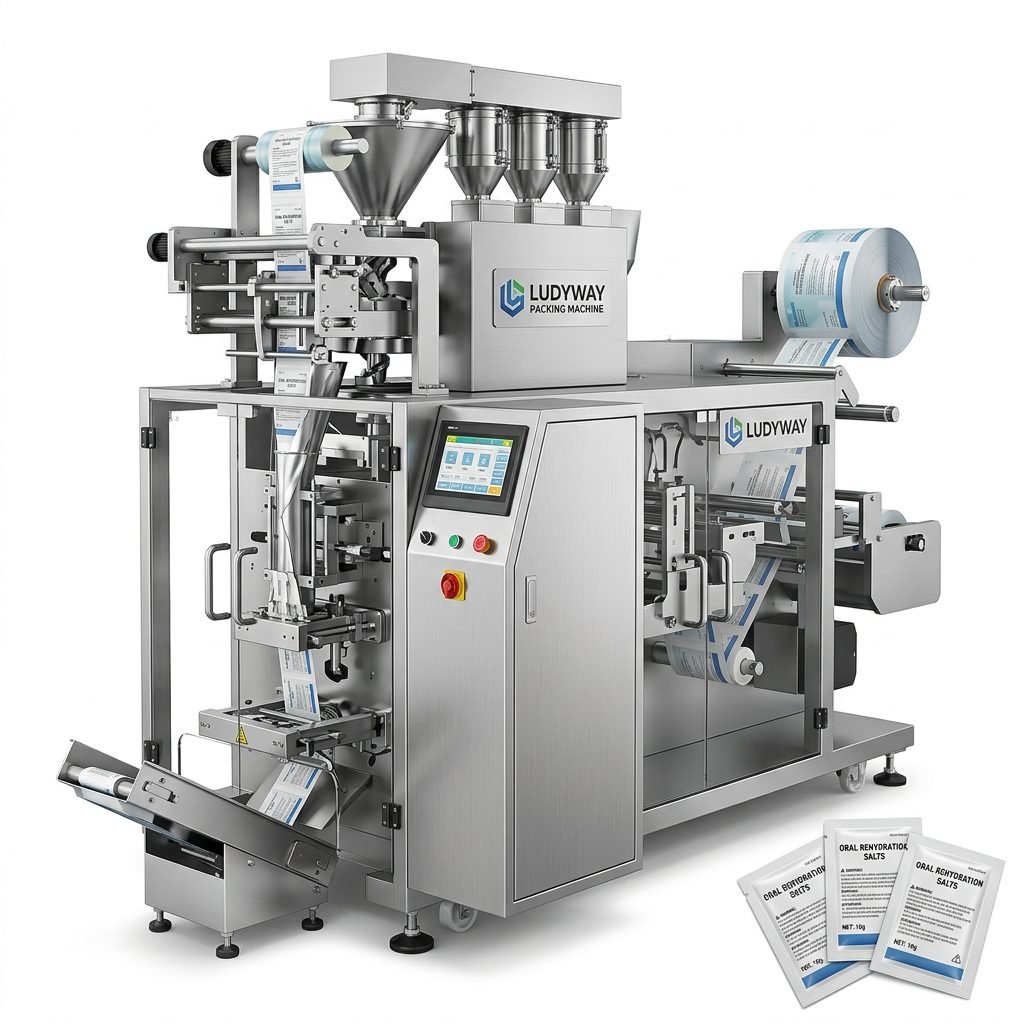
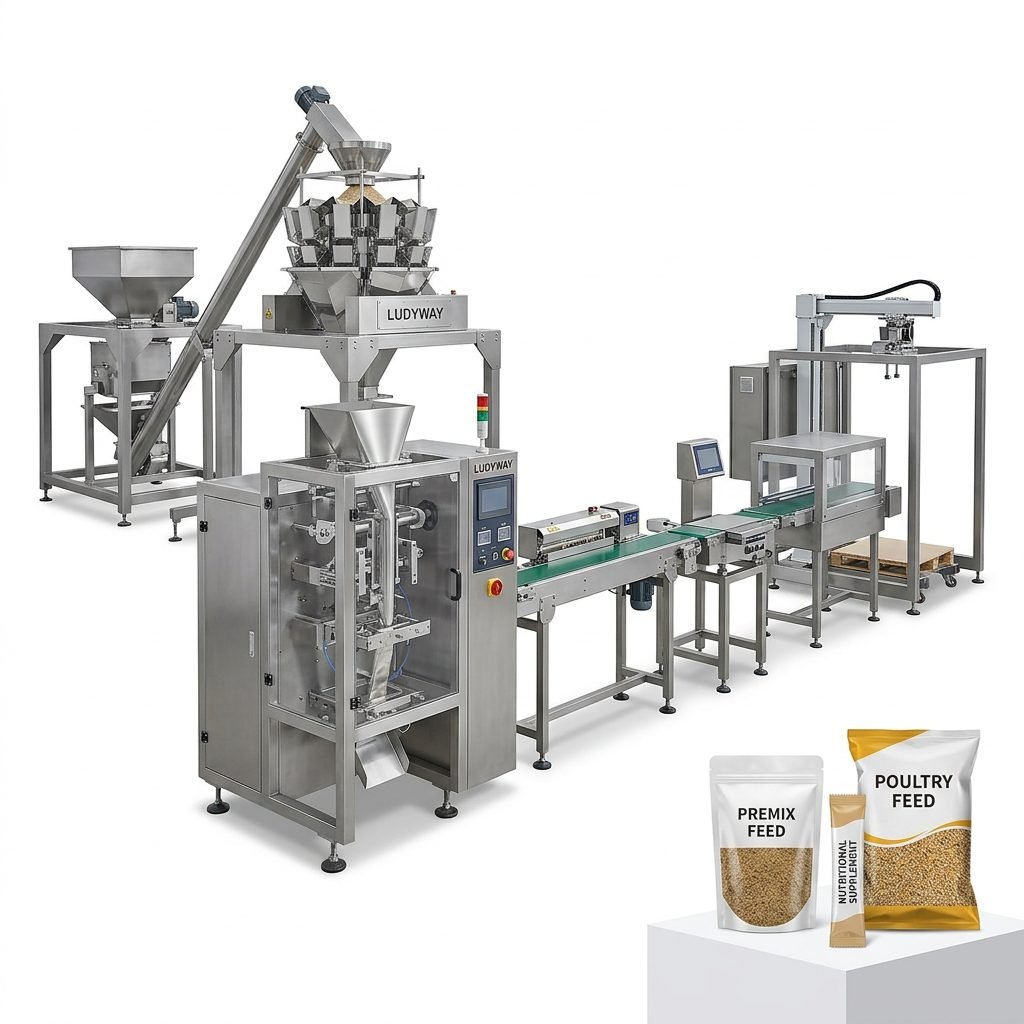
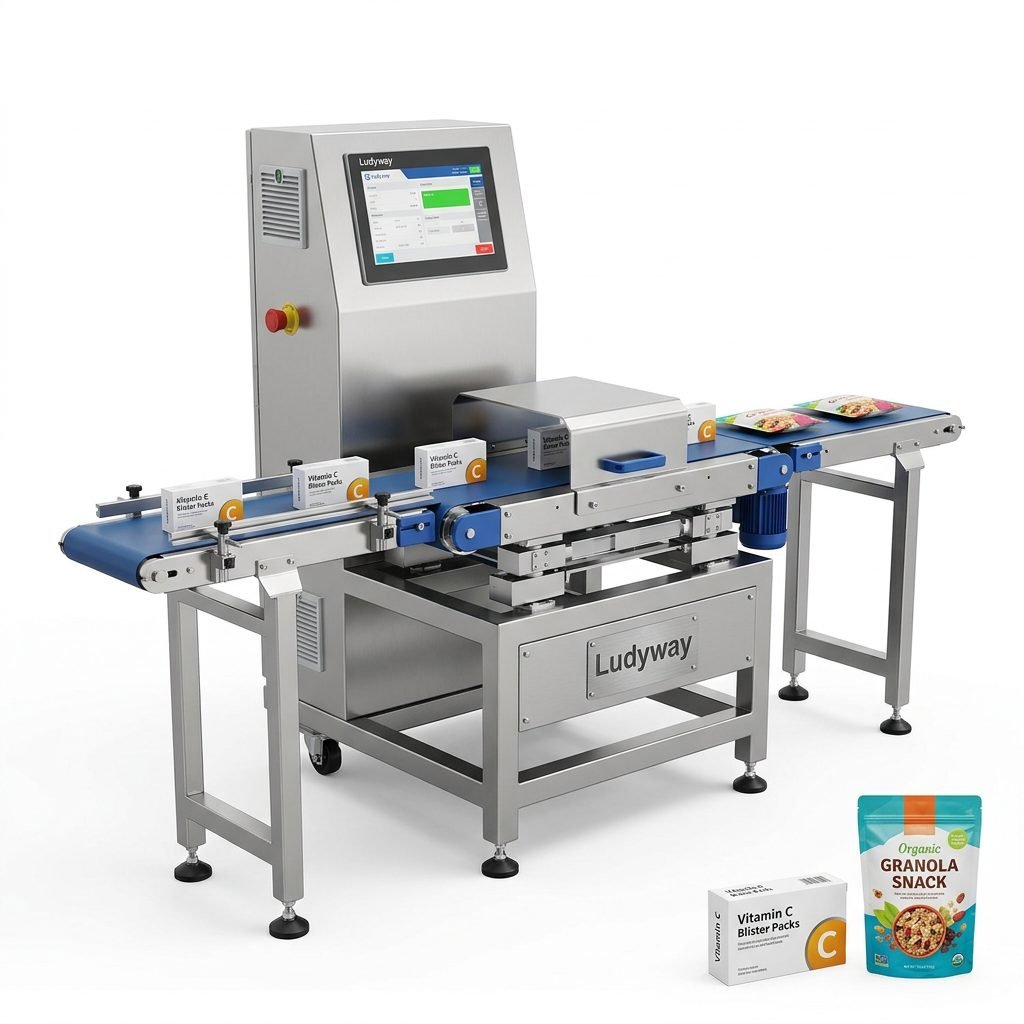
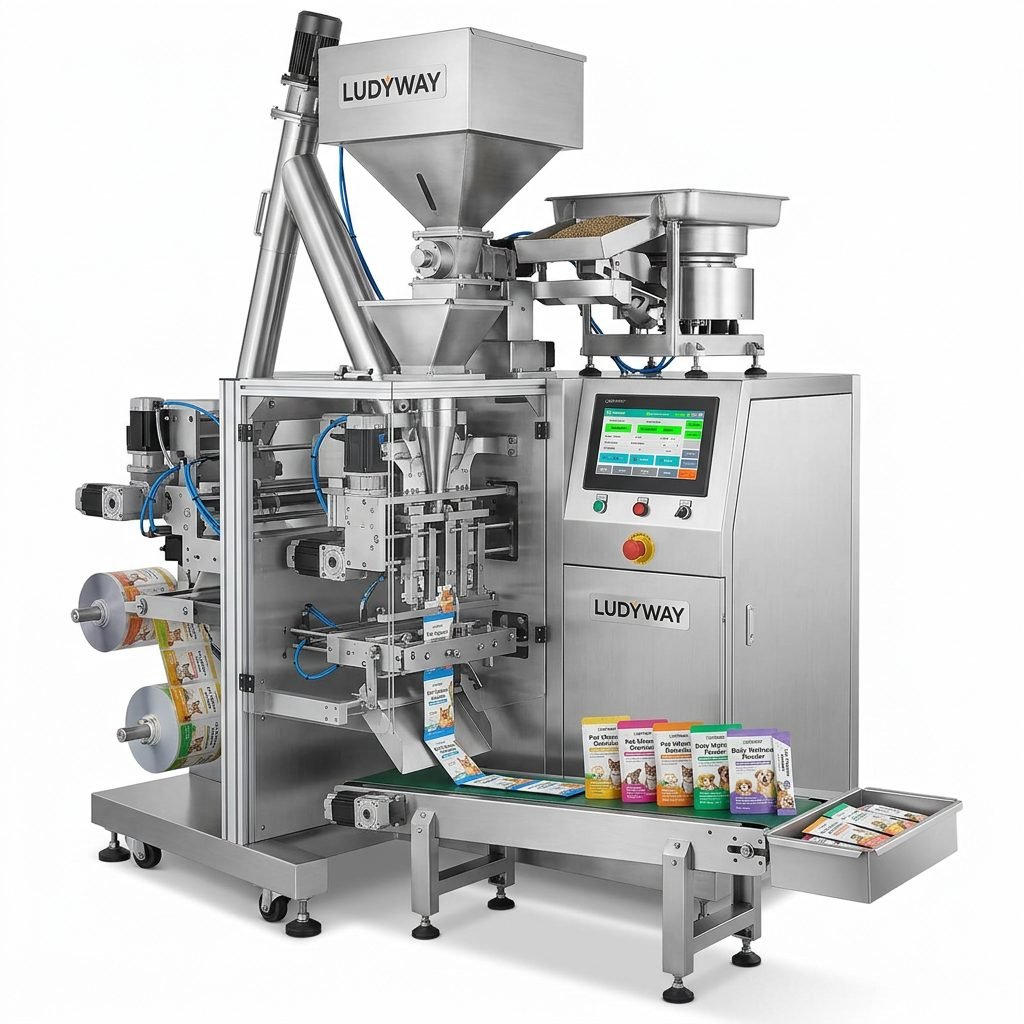
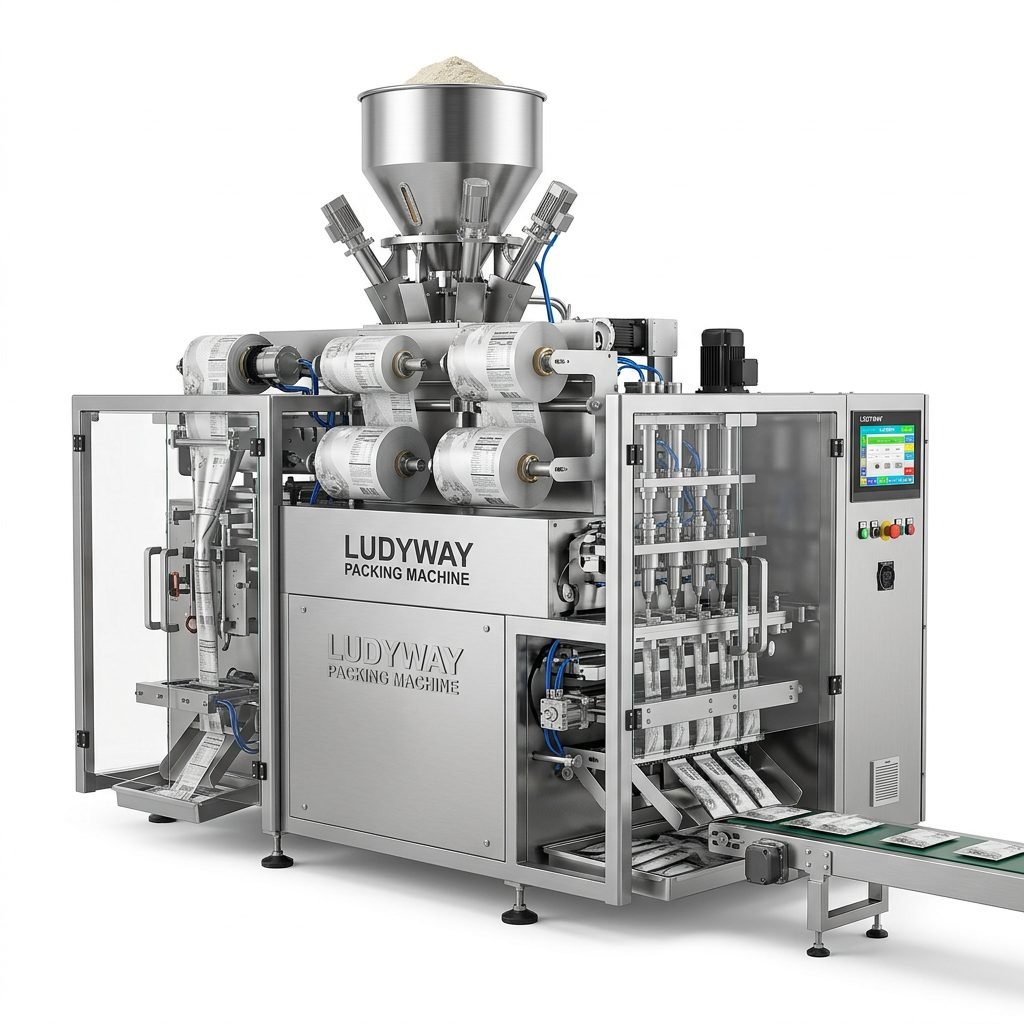
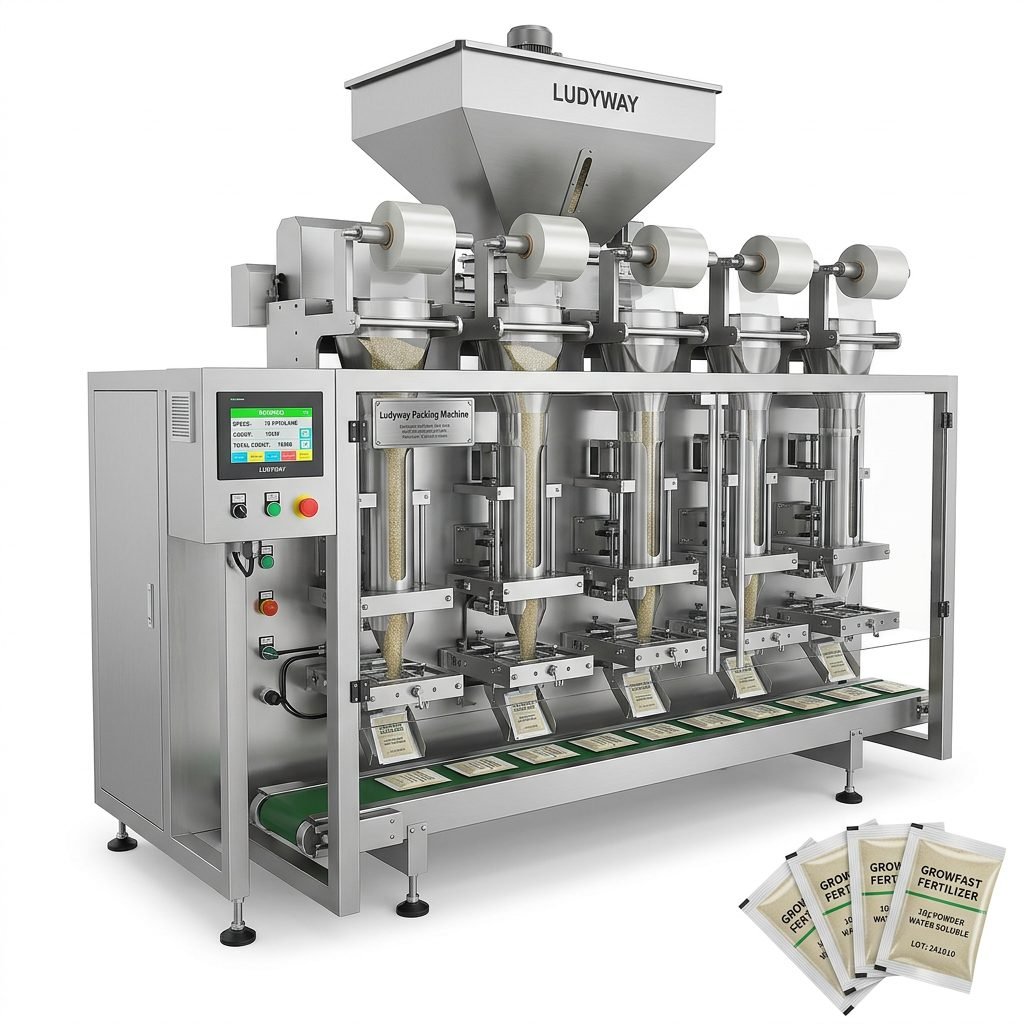
In the fast-paced world of manufacturing, efficiency, hygiene, and precision are paramount. For industries handling fine powders—from food and beverages to pharmaceuticals, nutraceuticals, and chemicals—the packaging process is a critical final step. A powder sachet packaging machine is the specialized equipment designed to automate this task, ensuring accurate dosing, secure sealing, and high-speed production. This guide serves as your comprehensive resource, delving into the types, key features, and essential factors to consider when selecting the perfect machine for your operation.
Understanding Powder Sachet Packaging Machines
At its core, a powder sachet packaging machine is an automated system that measures a precise quantity of powder, forms it into a sachet (a small sealed pouch), and seals it. This process replaces manual filling, which is slow, inconsistent, and prone to contamination. These machines handle a wide range of dry, free-flowing, and sometimes non-free-flowing powders, such as instant coffee, protein powder, spices, milk powder, detergents, and pharmaceutical granules.
Key Advantage: Automation with a powder sachet packer drastically increases output, improves weight accuracy, enhances product shelf life through proper sealing, and ensures a professional, market-ready appearance for your brand.
Core Components and How They Work
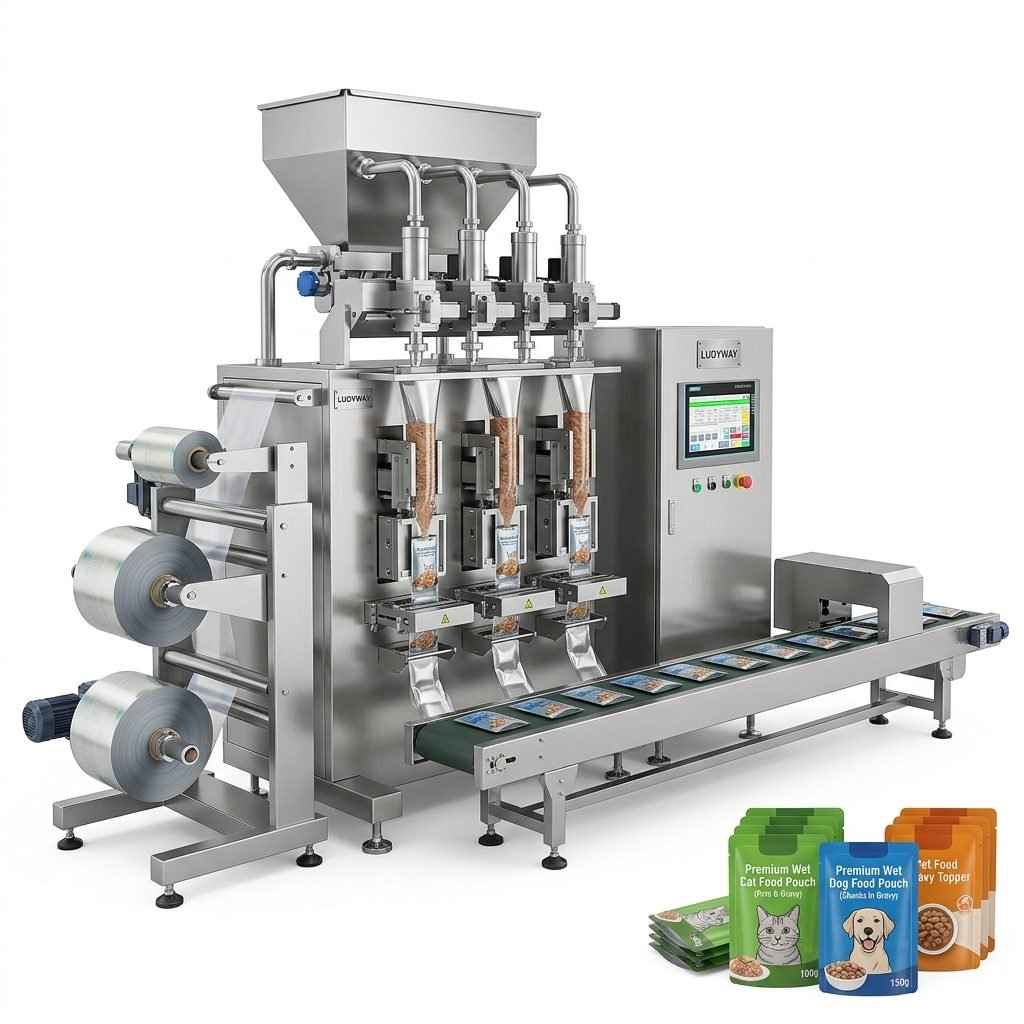
The typical workflow involves several integrated components:
- Film Unwinding & Forming: A roll of packaging film (like laminates of PET/AL/PE or CPP) is fed into the machine. A forming collar shapes the flat film into a tube.
- Dosing & Filling: This is the heart of the operation. The powder is fed from a hopper into a precision dosing system, which dispenses the exact amount into the forming tube of film.
- Sealing: Heated jaws (or ultrasonic sealers for certain materials) create the longitudinal seal along the tube and the transverse seals between individual sachets, completely enclosing the product.
- Cutting & Discharge: A cutting mechanism separates the continuous tube into individual sachets, which are then discharged onto a conveyor or collection tray.
Main Types of Powder Sachet Packaging Machines
Choosing the right type depends on your production volume, sachet style, and powder characteristics. Here are the most common configurations:
1. Vertical Form-Fill-Seal (VFFS) Machines
The most prevalent type for sachet production. The film moves vertically, forming a tube around the filling spout. They are incredibly versatile, capable of producing pillow packs, gusseted packs, and various sachet shapes with high efficiency. Ideal for medium to high-volume production runs.
Best For: Businesses needing flexibility in sachet size and style, and those with significant daily output requirements.
2. Premade Pouch Machines
These machines use pre-manufactured, flat-bottomed pouches (stand-up pouches or Doypacks) that are fed from a magazine. The machine opens the pouch, fills it with powder, and then seals the top. This method is excellent for complex, high-quality laminated structures that are difficult to form from a roll, and for powders that are very fine or aerated.
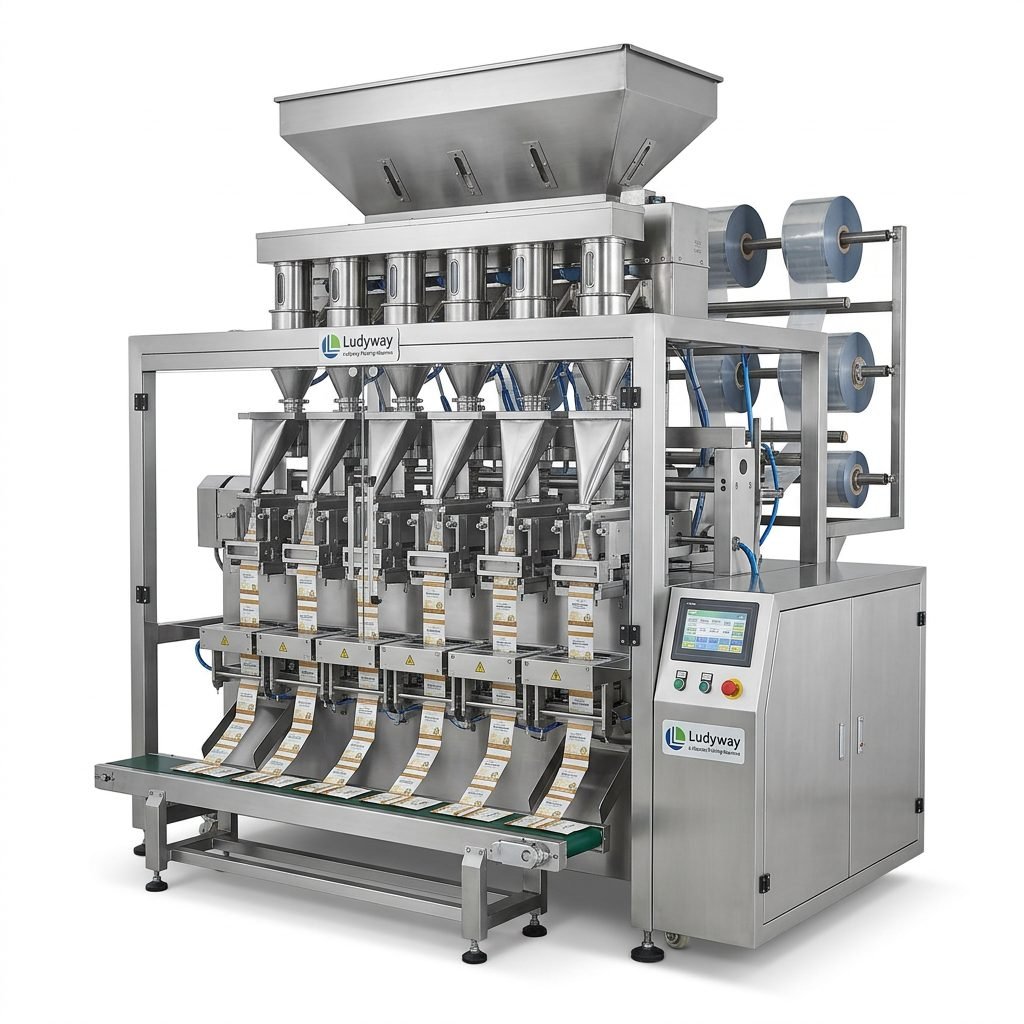
3. Multi-Lane Sachet Machines
For ultra-high-speed production, multi-lane machines feature multiple filling heads operating in parallel. They can produce several sachets simultaneously per cycle, dramatically boosting output. These are the powerhouse choice for large-scale manufacturers of items like sugar, creamer, or instant drink mixes.
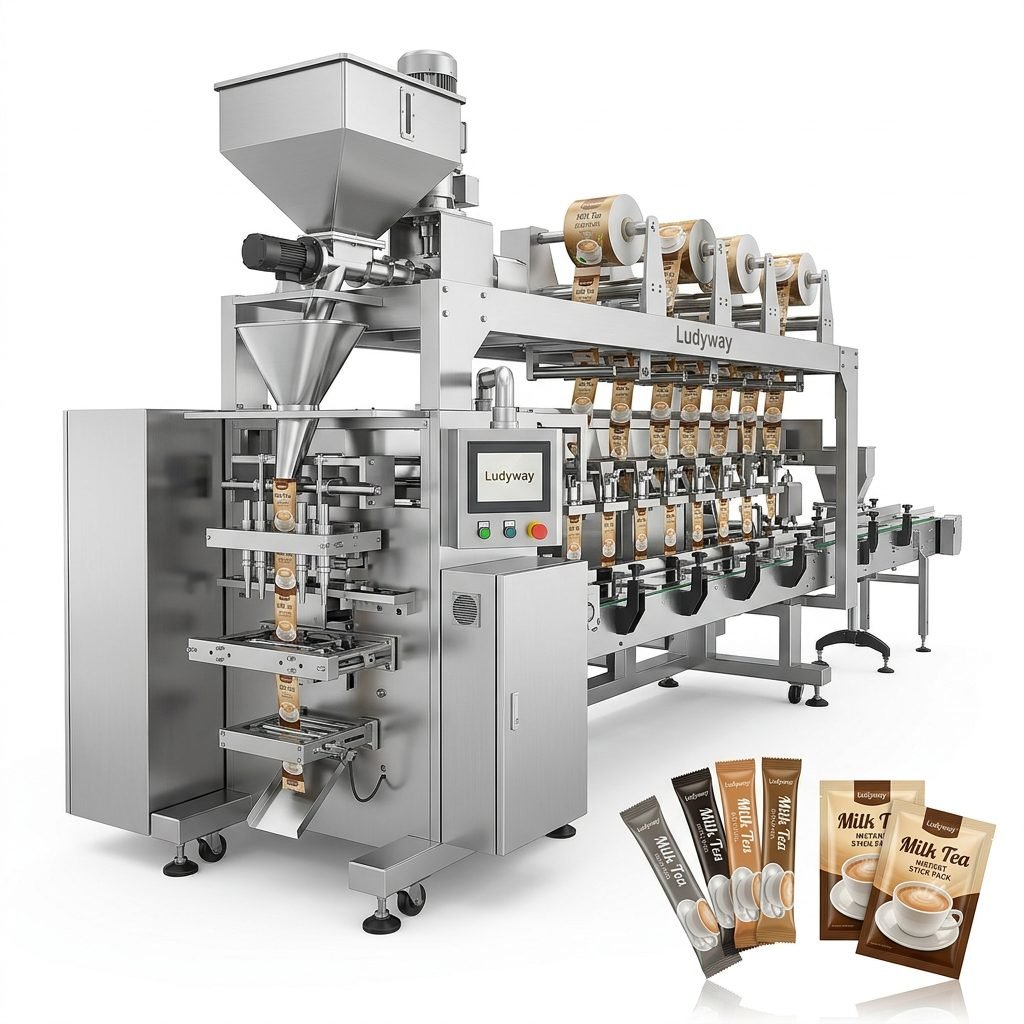
4. Stick Pack Machines
A subset of sachet machines designed to create long, narrow “stick” packs. They are perfect for single-serve portions of products like electrolyte powders, instant coffee, or supplements, offering a sleek, portable, and user-friendly format.
Essential Features to Look For
Beyond the basic type, several features determine a machine’s performance, reliability, and suitability for your product.
Dosing System: The Critical Choice
The filling system must match your powder’s flow characteristics.
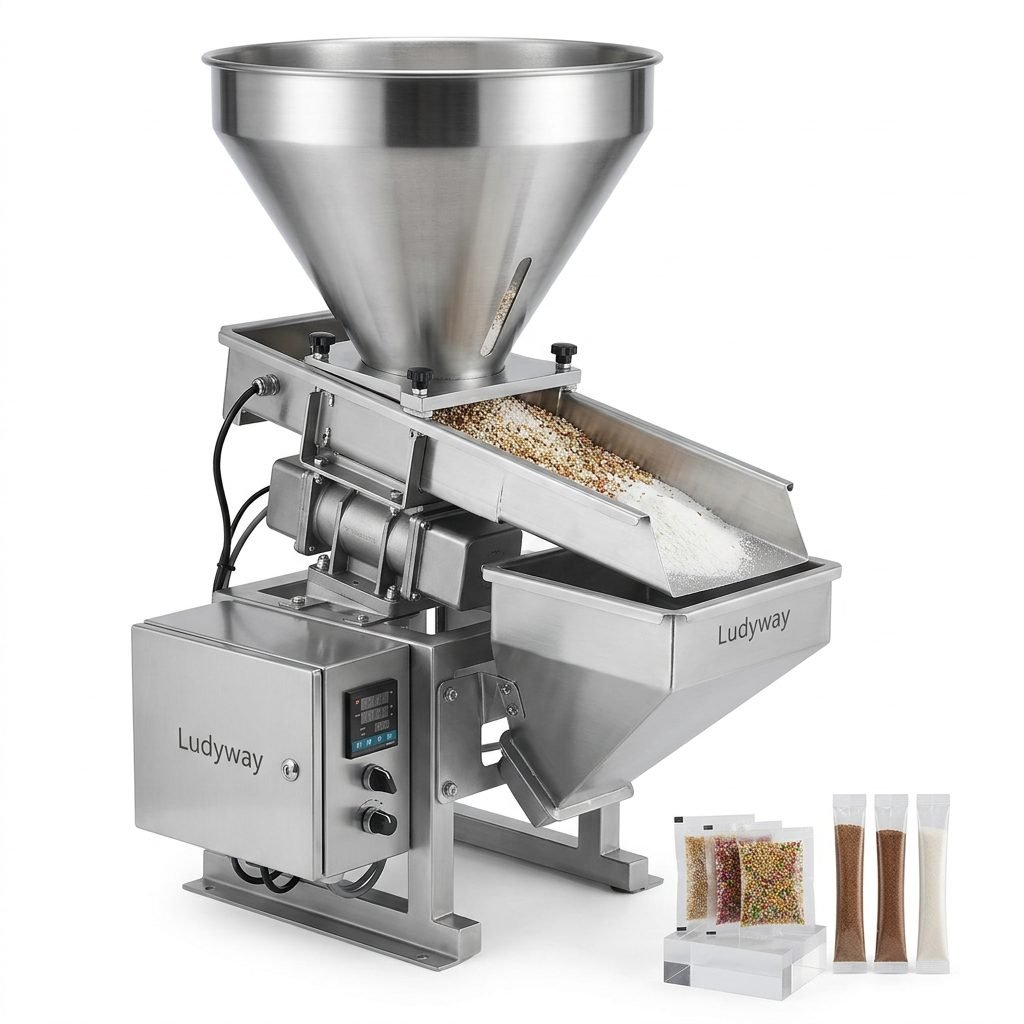
- Auger Fillers: The industry standard. A rotating screw (auger) in a tube dispenses powder. Highly accurate for most free-flowing and non-free-flowing powders. Look for: Stainless steel contact parts, tool-less auger change, and anti-bridging hopper designs.
- Volumetric Cup Fillers: Use a measuring cup to scoop a set volume of product. Best for uniform, free-flowing granules or powders where extreme weight precision is less critical.
- Weighing Fillers (Net Weigh Scales): The most accurate method. Uses a precision scale to weigh each dose before release. Essential for high-value products like pharmaceuticals or expensive supplements where every gram counts.
Sealing Technology
A strong, consistent seal is vital for product integrity.
Heat Sealing: The most common method, using heated jaws to melt the inner layer of the film. Ensure the machine has precise temperature control and even pressure across the sealing jaws.
Ultrasonic Sealing: Uses high-frequency vibrations to create a seal without external heat. Excellent for films that are heat-sensitive or contain aluminum foil layers, as it creates a cooler, strong, and hermetic seal.
Control System & Hygiene
A user-friendly PLC-based touchscreen interface allows for easy recipe storage, speed adjustment, and diagnostics. For food and pharmaceutical applications, hygiene is non-negotiable. Prioritize machines with easy-clean designs, smooth surfaces, and food-grade materials like 304 or 316 stainless steel in product contact zones.
How to Choose the Right Machine: A Step-by-Step Guide
Selecting a powder sachet packaging machine is a significant investment. Follow this framework to make an informed decision.
Step 1: Analyze Your Product & Packaging
Define these parameters clearly:
- Powder Properties: Is it free-flowing, cohesive, aerated, hygroscopic (absorbs moisture), or abrasive? This dictates the dosing system.
- Sachet Size & Material: What are the dimensions (length, width)? What laminate structure (e.g., PET/AL/PE) are you using? The machine must be compatible.
- Desired Output (Speed): Calculate your required sachets per minute (SPM) or per hour, considering both current needs and future growth.
Step 2: Evaluate Machine Specifications
Match your requirements from Step 1 against machine specs: speed (SPM), dosing accuracy (tolerance, e.g., ±1%), film roll width compatibility, and available sealing options. Don’t forget to consider the footprint of the machine—will it fit in your production area?
Step 3: Prioritize Build Quality & Support
A machine is a long-term asset. Assess the robustness of the frame, the quality of components (motors, sensors, guides), and the reputation of the manufacturer. Comprehensive after-sales support—including installation, operator training, spare parts availability, and technical service—is as crucial as the machine itself. A partner like Ludyway Packaging Machinery, with decades of engineering expertise, can provide not just equipment but a reliable production solution.
Step 4: Consider Flexibility and Future-Proofing
Can the machine handle a range of sachet sizes with quick changeovers? Is it capable of running different packaging materials? Choosing a flexible machine protects your investment if your product line expands or packaging trends evolve.
Partnering with an Expert Manufacturer
The complexity of powder packaging means that partnering with an experienced manufacturer is invaluable. Look for a provider with a proven track record in your specific industry, whether it’s food, pharmaceutical packaging, or chemicals. They should offer more than a catalog; they should provide consultative support, customized solutions for unique challenges, and robust global support networks to ensure your packaging line runs smoothly for years to come.
Frequently Asked Questions (FAQs)
What is the typical accuracy I can expect from a powder sachet machine?
For standard auger fillers with free-flowing powders, accuracy within ±1% to ±2% of the target weight is common. For higher-value products, net weigh systems can achieve accuracies of ±0.1 grams or better. Always discuss your specific product and accuracy requirements with the machine supplier.
Can one machine handle different types of powders?
Yes, many machines are designed for flexibility. However, switching between vastly different powders (e.g., from fine flour to coarse granules) will likely require a change of the dosing auger or cup, and a thorough cleaning procedure. Quick-change auger systems greatly simplify this process.
How do I prevent powder dust during the filling process?
Dust is a common challenge. Solutions include: using a dust extraction system integrated into the filling head, optimizing the auger design and speed to minimize product agitation, and ensuring proper sealing of the forming tube. Some advanced machines offer gas flushing (like nitrogen) to displace air and reduce dust while also extending shelf life.
What maintenance does a powder sachet packaging machine require?
Regular maintenance is key to longevity and consistent performance. Daily tasks include cleaning product contact parts. Weekly or monthly tasks may involve lubricating moving parts (with food-grade lubricants if applicable), checking seal jaw alignment and temperature, and inspecting wear parts like cutting blades. Always follow the manufacturer’s maintenance schedule.
Is operator training provided when purchasing a new machine?
Reputable suppliers almost always include basic operator and maintenance training as part of the purchase, either at their facility or on-site during installation. This training is crucial for safe operation, achieving optimal machine performance, and performing routine troubleshooting.