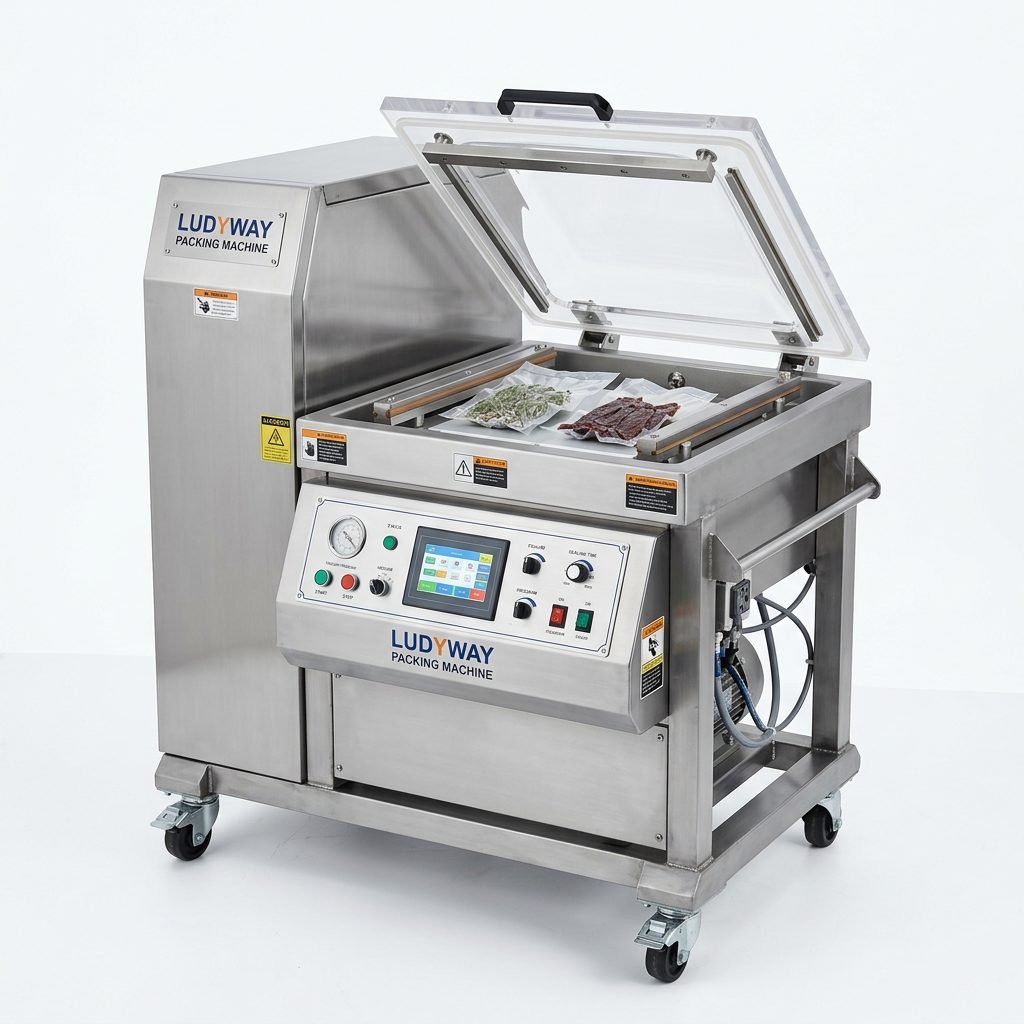
In today’s fast-paced manufacturing world, high-performance printing and packaging machines are indispensable for businesses aiming to enhance efficiency, ensure product quality, and meet market demands. These machines combine advanced technology with robust engineering to handle diverse materials, from flexible films to rigid boxes, while delivering precise printing and secure packaging. This guide explores the various types available, their key features, and essential factors to consider before making an investment.
Core Types of Printing and Packaging Machinery
The landscape of printing and packaging equipment is vast, each type designed for specific applications and production scales.
Digital Printing Machines
Digital printers have revolutionized short-run and customized packaging. They offer exceptional flexibility, allowing for quick design changes without the need for printing plates. This makes them ideal for personalized packaging, promotional items, and products with frequently updated labels.
Key Advantage: Digital printing excels in cost-effectiveness for low-volume jobs and enables variable data printing, where each package can have unique codes or graphics.
Flexographic Printing Presses
Flexo presses are the workhorses for high-volume production of labels, corrugated boxes, and flexible packaging. Using flexible photopolymer plates, they can print on a wide variety of substrates, including paper, film, and foil. Modern flexo machines incorporate advanced automation for quick changeovers and consistent color management.
Automated Cartoning Machines
These machines automatically form cartons, insert products, and close them securely. They are critical in industries like pharmaceuticals, food, and cosmetics. Options range from intermittent motion machines for moderate speeds to continuous motion systems for ultra-high-speed lines.
Form-Fill-Seal (FFS) Machines
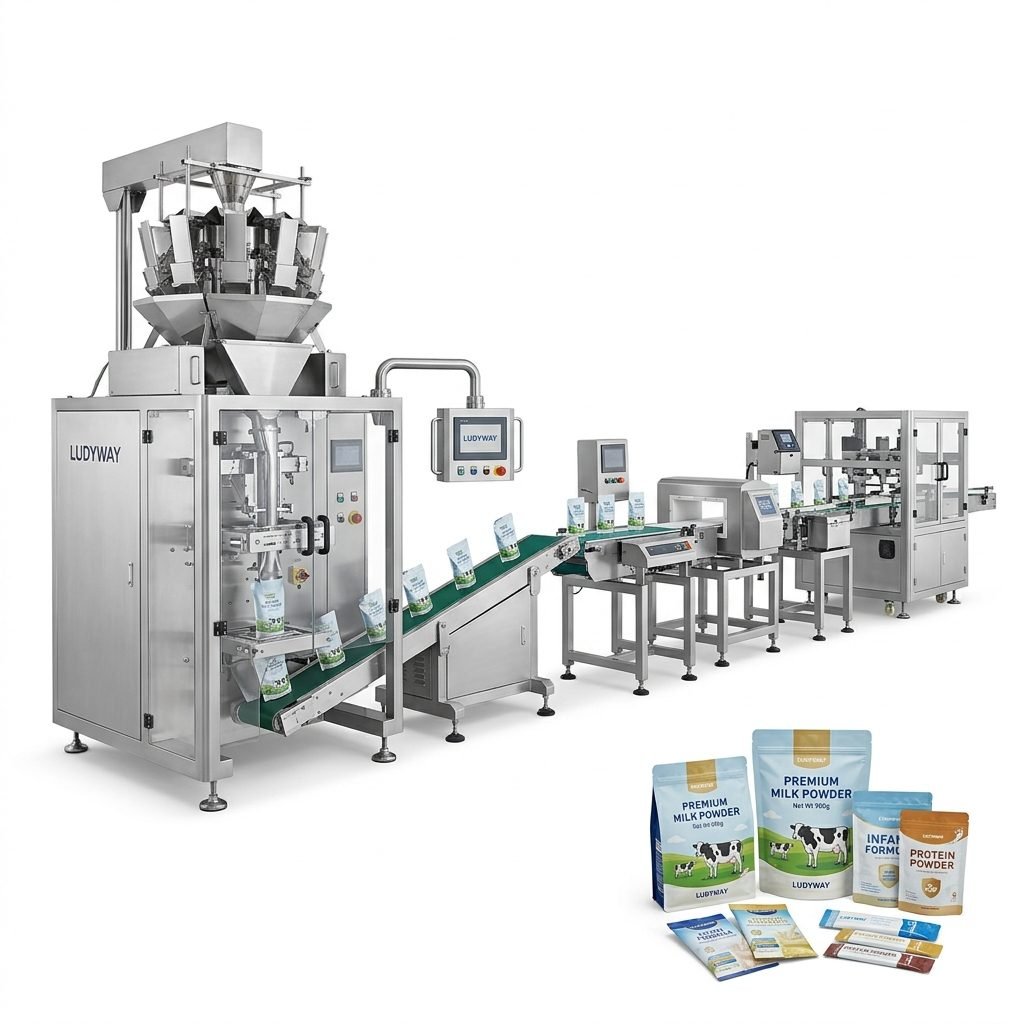
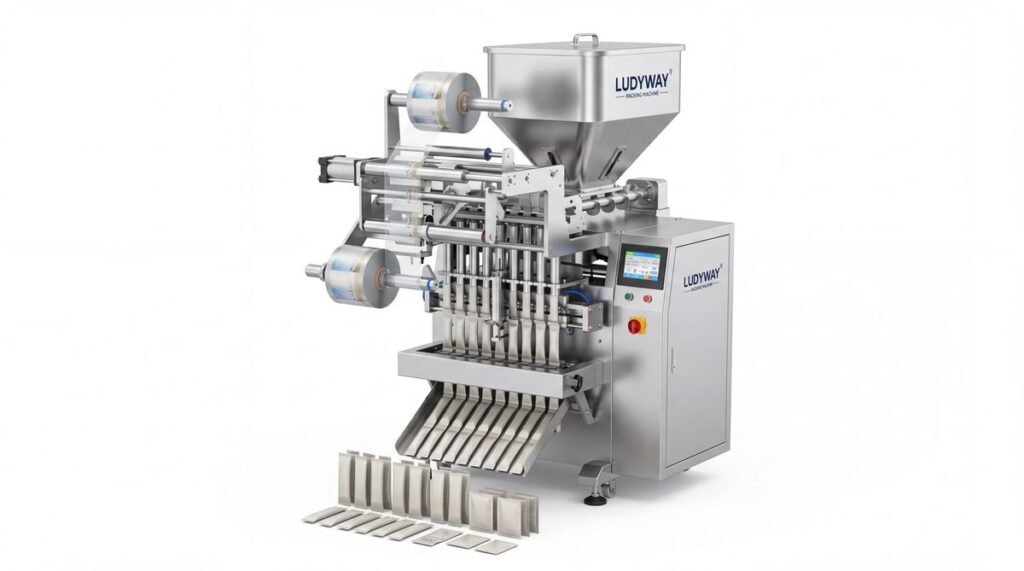
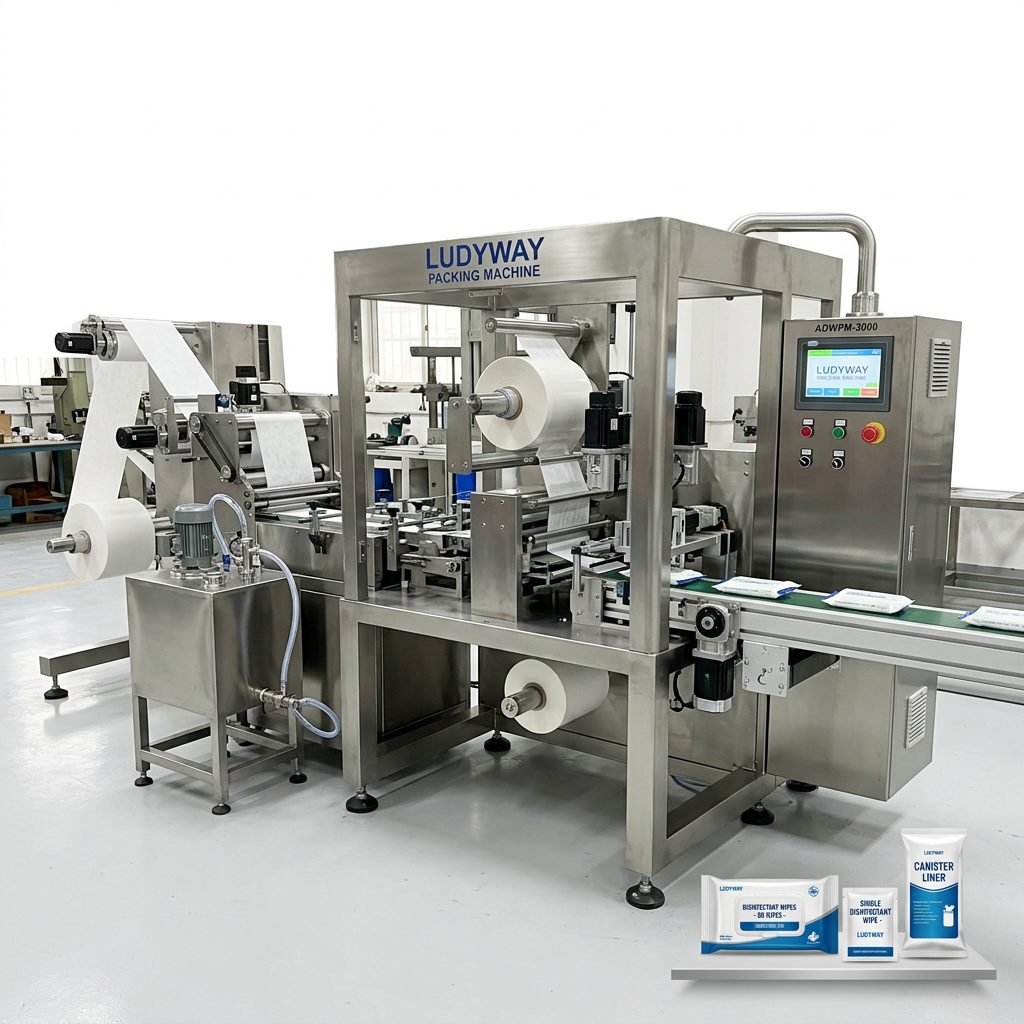
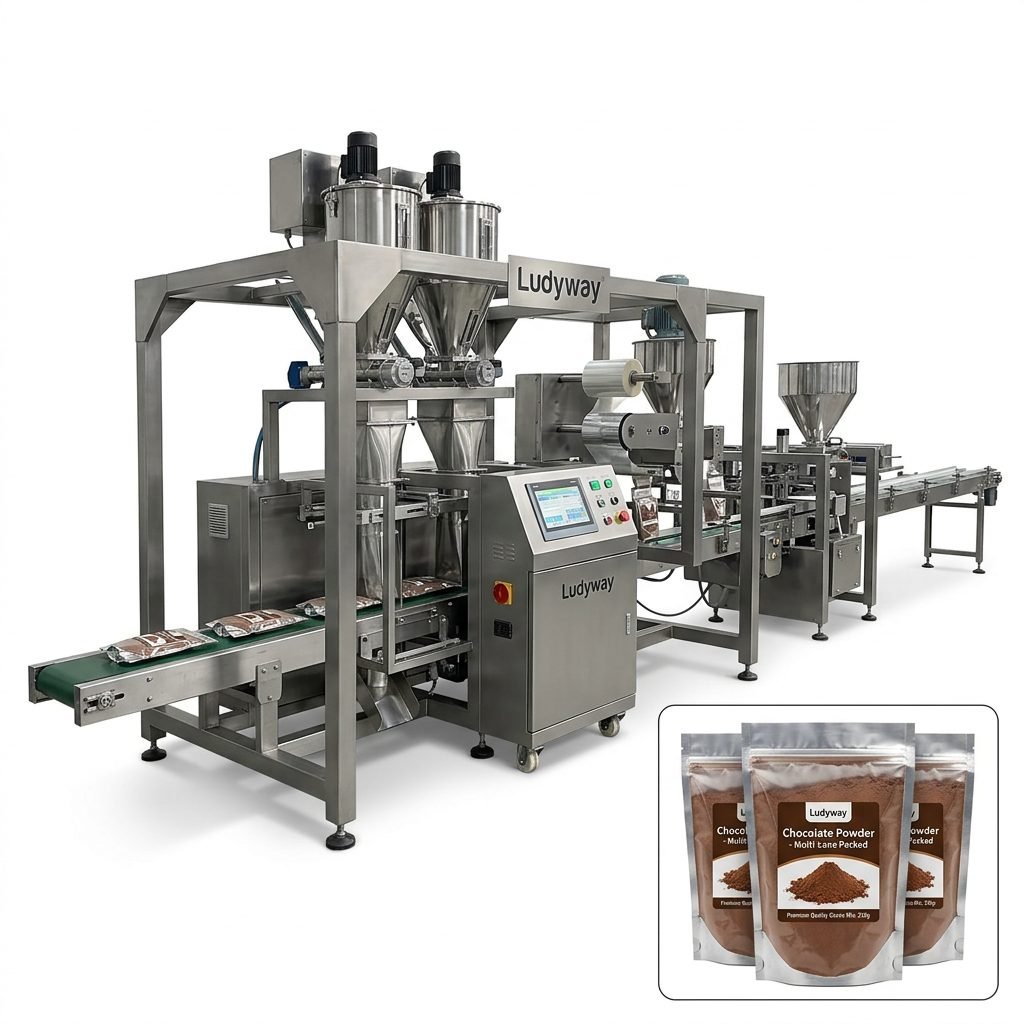
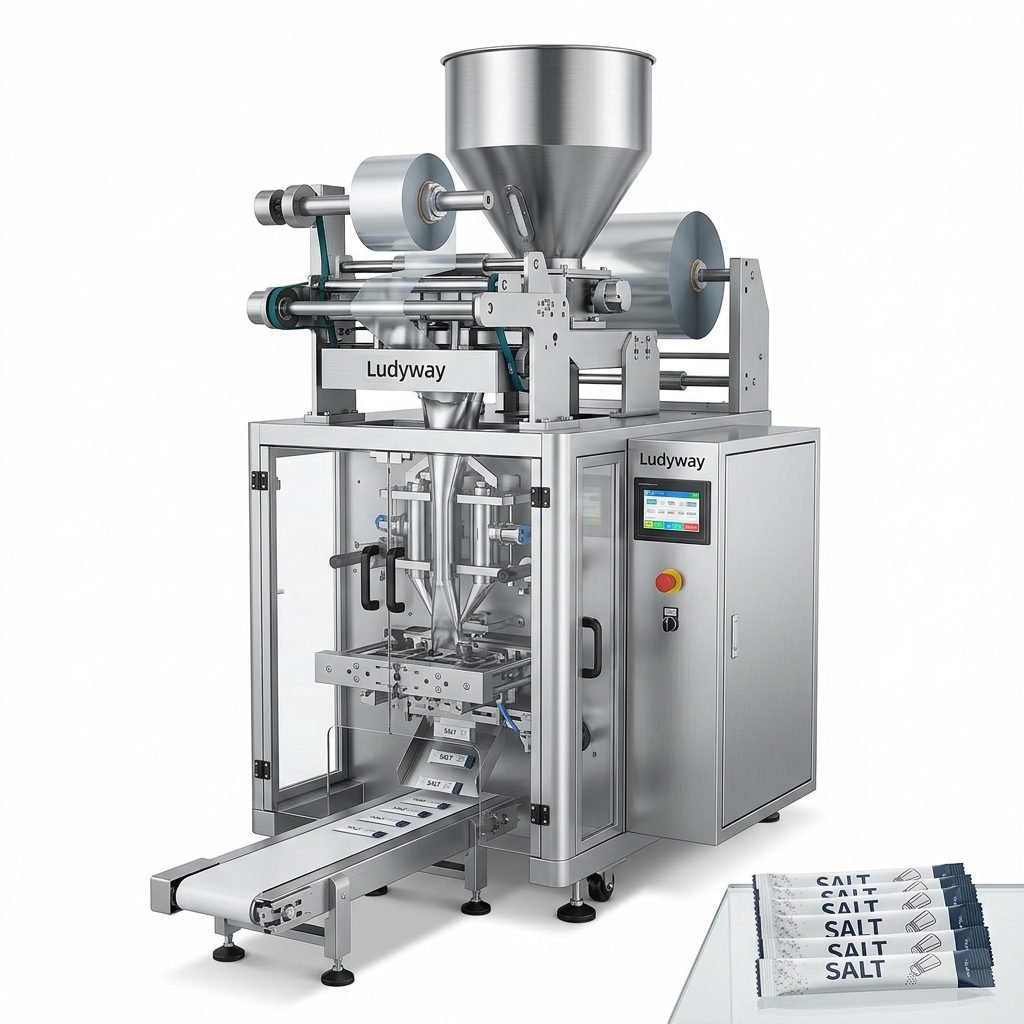
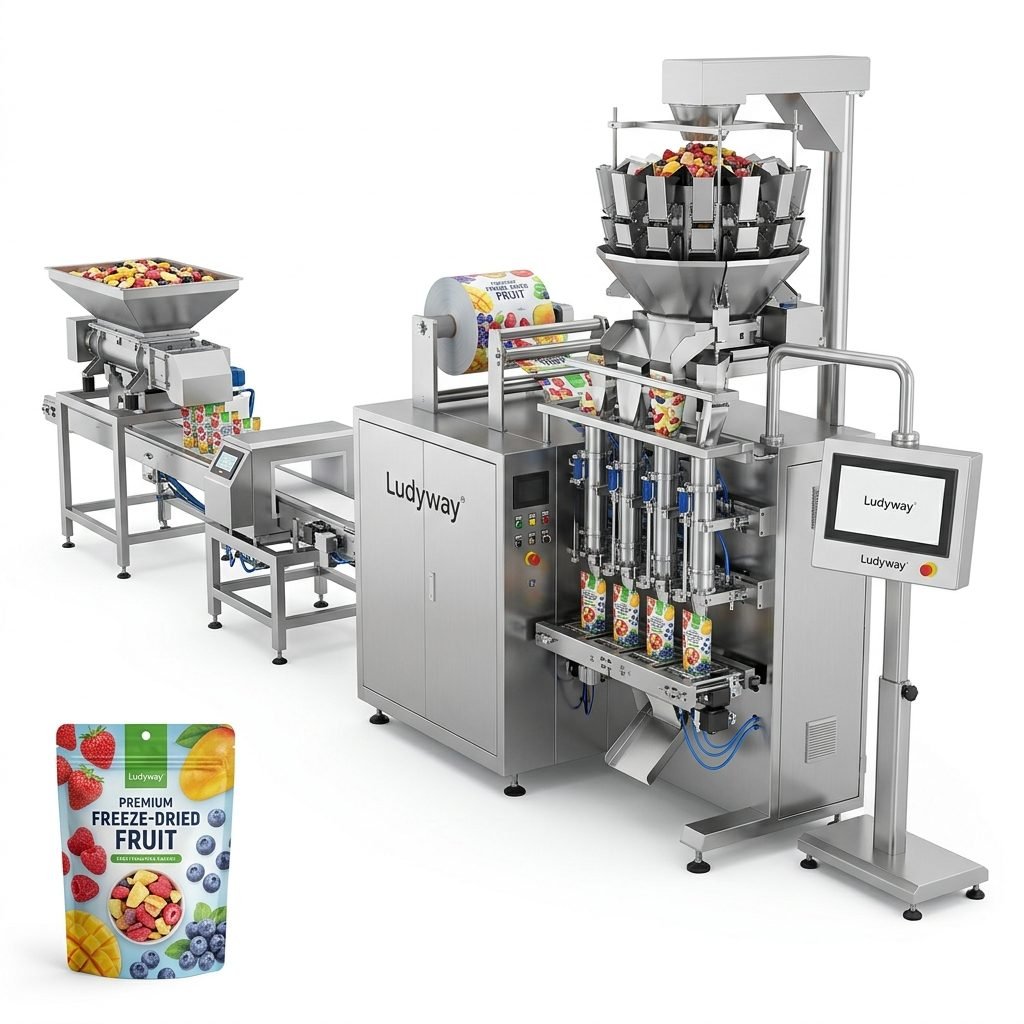
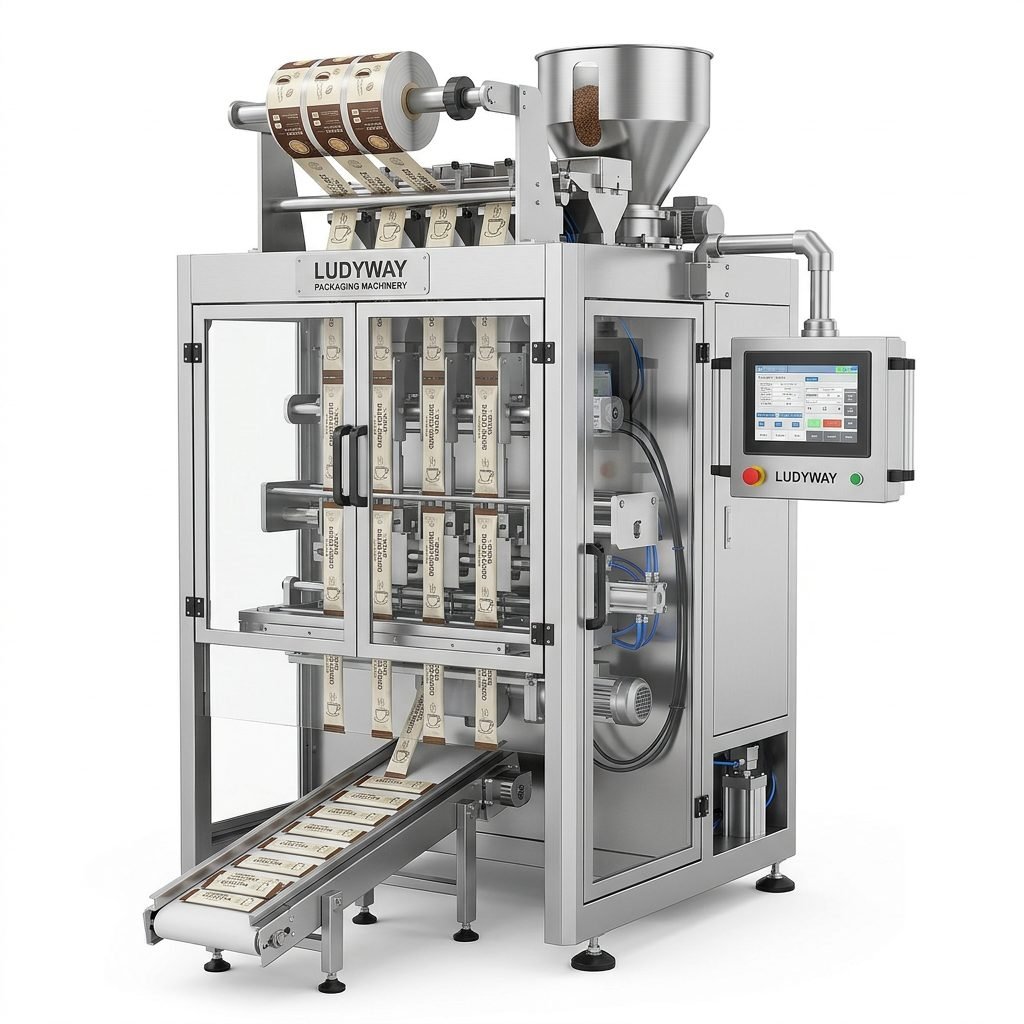
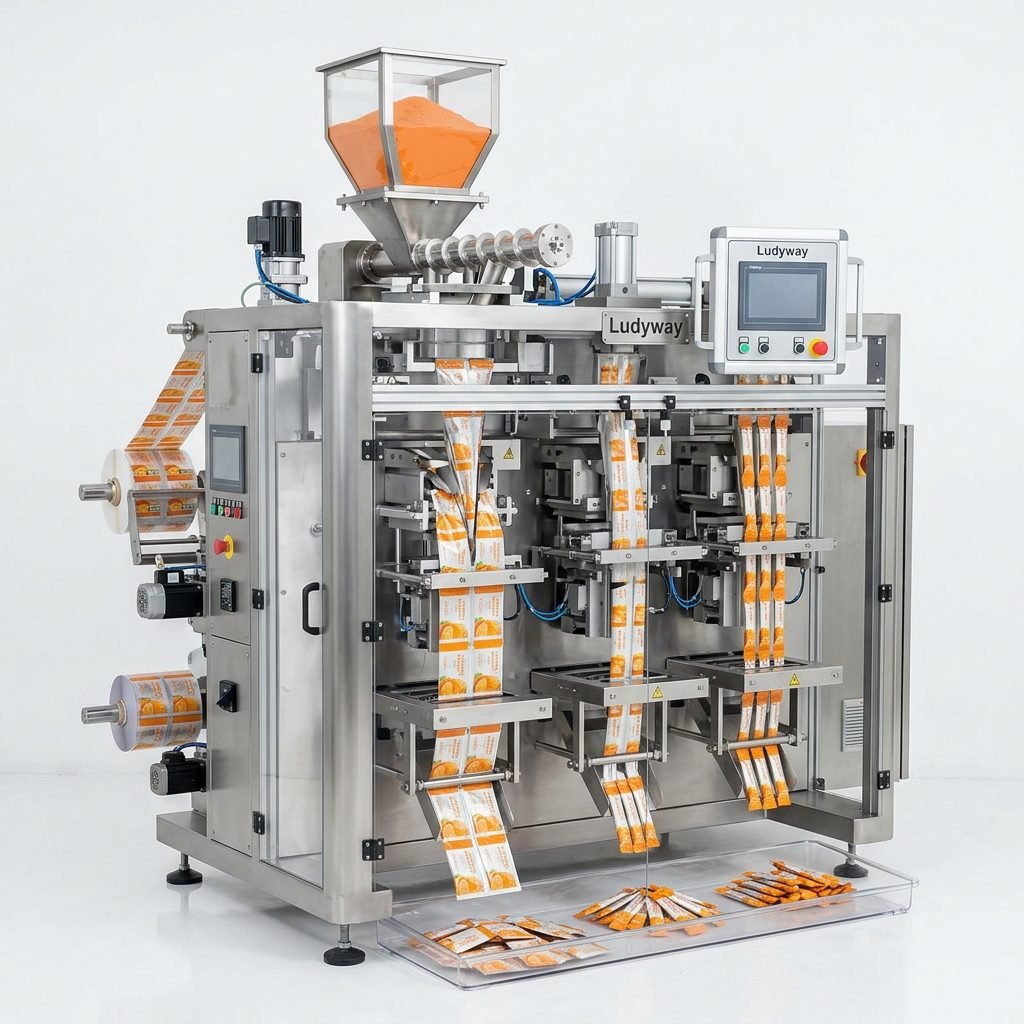
FFS systems are highly efficient, creating the package from a roll of film, filling it with product, and sealing it in one continuous operation. Common types include vertical (VFFS) for granules, powders, and liquids, and horizontal (HFFS) for solid items. They are a cornerstone of modern packaging automation solutions.
Shrink Wrapping and Bundling Systems
These systems use heat to apply a tight plastic film around products or multi-packs. They provide excellent product stability, tamper evidence, and a polished retail appearance. Tunnels and sleeves are two primary methods, chosen based on product shape and throughput requirements.
Essential Features of High-Performance Machines
Identifying the right features is crucial for maximizing return on investment and ensuring long-term reliability.
Precision and Speed
A machine’s performance is measured by its accuracy and output rate. Look for models with servo-driven technology for precise control of movements, which reduces waste and ensures consistent package quality even at high speeds.
Versatility and Changeover Ease
The ability to handle different package sizes and materials with minimal downtime is vital. Machines with quick-change systems for tooling, film reels, and printing plates significantly boost overall equipment effectiveness (OEE).
💡 Pro Tip: Evaluate the machine’s range of acceptable materials (film gauge, carton stock) and the simplicity of its human-machine interface (HMI) for operator-led changeovers.
Integration and Connectivity (Industry 4.0)
Modern machines should offer connectivity options for integration into a smart factory. Features like OPC-UA, Ethernet/IP, or built-in PLCs allow for real-time monitoring of production data, predictive maintenance alerts, and seamless data exchange with broader production line management systems.
Durability and Build Quality
Invest in machinery built with high-grade components, such as stainless steel frames and precision gears. This ensures longevity, minimizes maintenance, and provides stability during high-speed operation. A robust construction is a hallmark of reliable partners in the packaging sector.
Safety and Compliance
Safety guarding, emergency stops, and compliance with international standards (like CE or UL) are non-negotiable. These features protect operators and ensure the machine meets regulatory requirements for your target markets.
Comprehensive Buying Guide
Selecting the right equipment requires a structured approach to align technology with your business goals.
1. Assess Your Production Needs
Start by defining your current and future requirements. Consider:
• Product Type: Solid, granular, powder, or liquid?
• Required Output: Packages per minute/hour/shift.
• Package Size Range: Minimum and maximum dimensions.
• Material Compatibility: Types of film, paper, or board you will use.
2. Evaluate Total Cost of Ownership (TCO)
Look beyond the initial purchase price. Calculate the TCO by including:
• Energy consumption.
• Cost of consumables (ink, film, spare parts).
• Expected maintenance and service costs.
• Potential costs associated with machine downtime.
3. Prioritize Supplier Support and Service
The manufacturer’s reputation for support is critical. Inquire about:
• Availability of installation and training.
• Warranty terms and spare parts logistics.
• Technical support responsiveness (remote and on-site).
• The supplier’s experience in your specific industry, such as providing solutions for the food and pharmaceutical sectors.
4. Request a Demo and Check References
Always see the machine running, preferably with your own product or a similar material. Ask the supplier for contact information of current clients, especially those with similar applications, to get firsthand feedback on performance and reliability.
5. Plan for Future Growth
Choose a machine that offers some scalability. Can it be upgraded with additional modules (e.g., vision inspection, coding systems)? Selecting a platform that can grow with your business prevents premature obsolescence.
Frequently Asked Questions (FAQs)
What is the main difference between digital and flexographic printing for packaging?
Digital printing is ideal for short runs, customization, and fast turnaround as it requires no physical plates. Flexographic printing is more cost-effective for very long runs, offers excellent color opacity on flexible materials, and is faster for dedicated, high-volume jobs.
How important is machine automation for a small to mid-sized business?
Highly important. Automation reduces labor costs, minimizes human error, and ensures consistent output quality. Even for smaller operations, semi-automated or entry-level automated machines can significantly improve efficiency and competitiveness.
What are the key maintenance routines for a form-fill-seal machine?
Daily cleaning of sealing jaws and film guides, weekly lubrication of moving parts as per the manual, and regular inspection of wear items like sealing elements and cutting blades are essential. Adhering to the manufacturer’s preventive maintenance schedule is crucial for uptime.
Can one machine handle multiple, very different package sizes?
Yes, but with limitations. While many machines are versatile, a very wide range of sizes (e.g., from a small sachet to a large bag) may require significant changeover time and different tooling sets. It’s often more efficient to have dedicated machines for vastly different product lines.
What should I look for in a supplier’s warranty and service agreement?
Look for a comprehensive warranty covering parts and labor for a reasonable period. The service agreement should clarify response times, the cost of service visits, and the availability of training for your operators. A strong local service network is a major advantage.