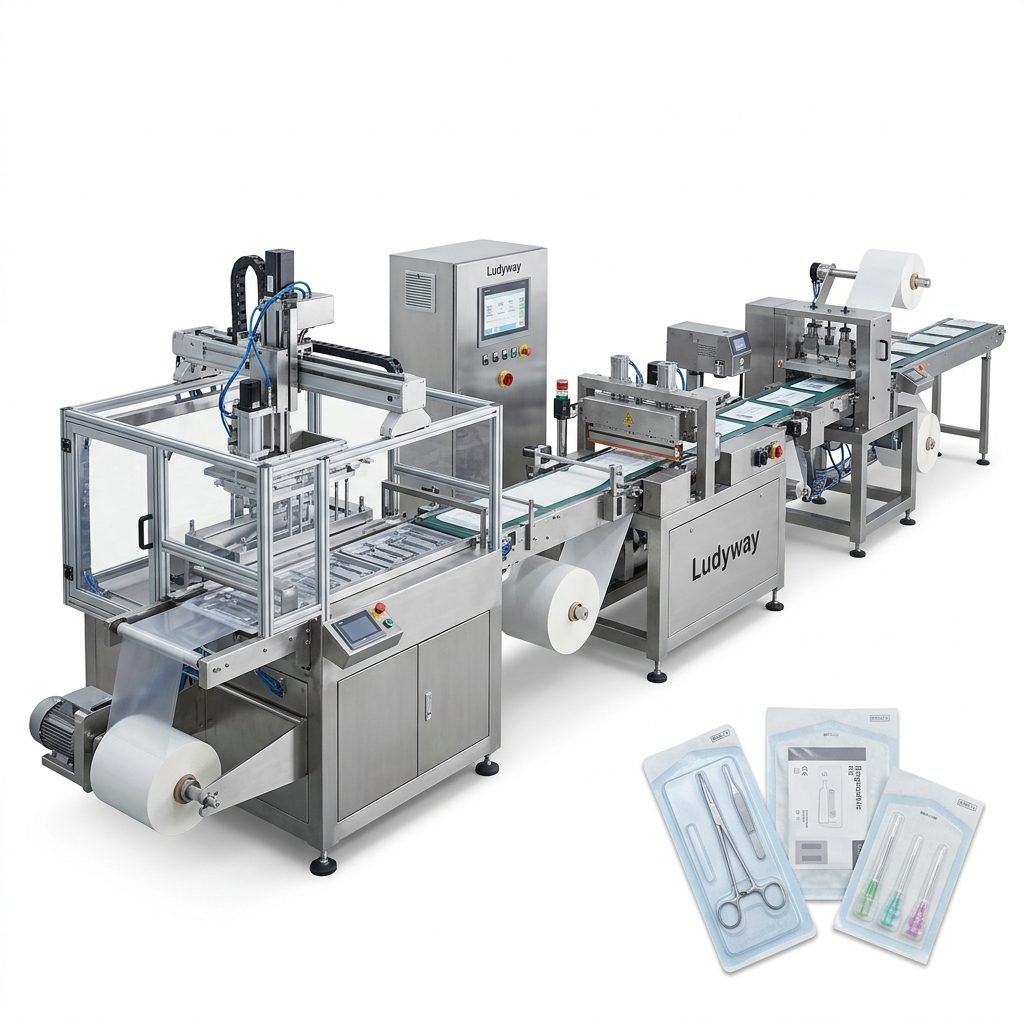
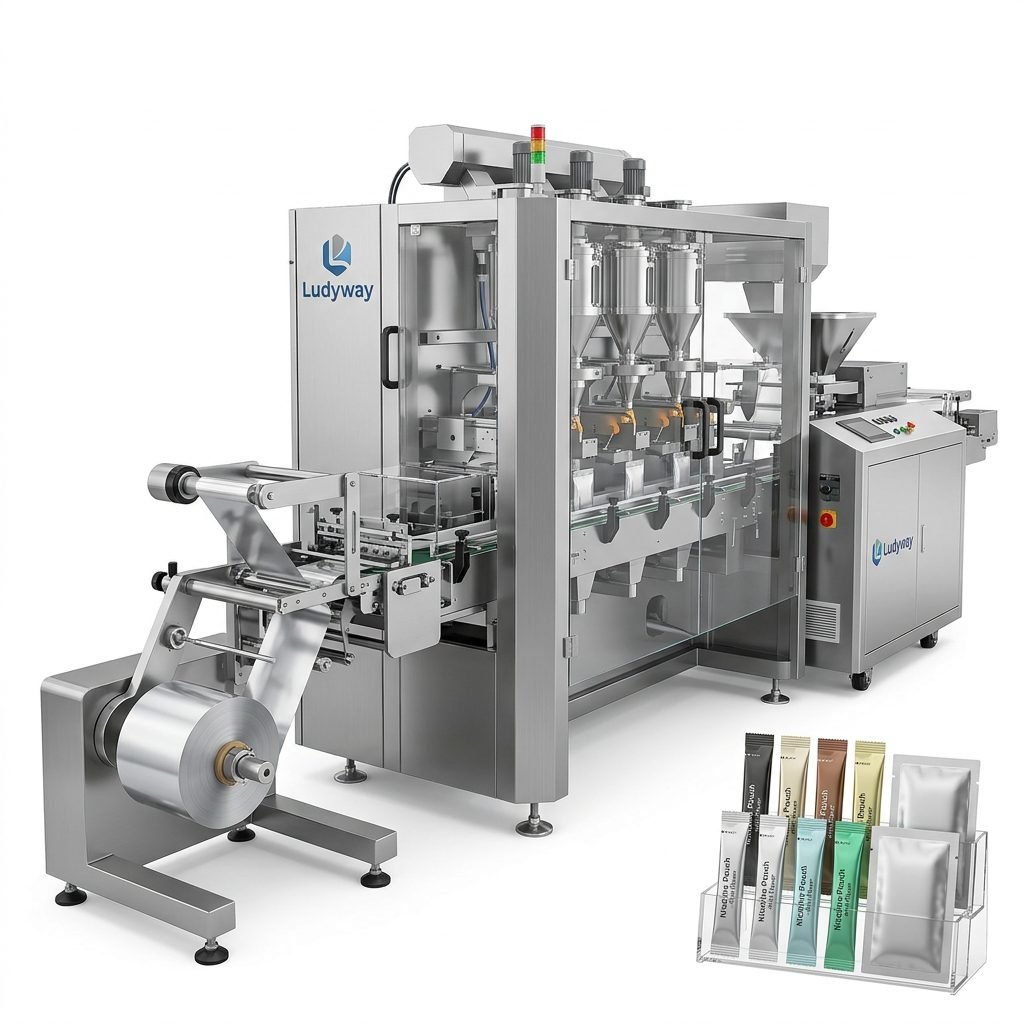
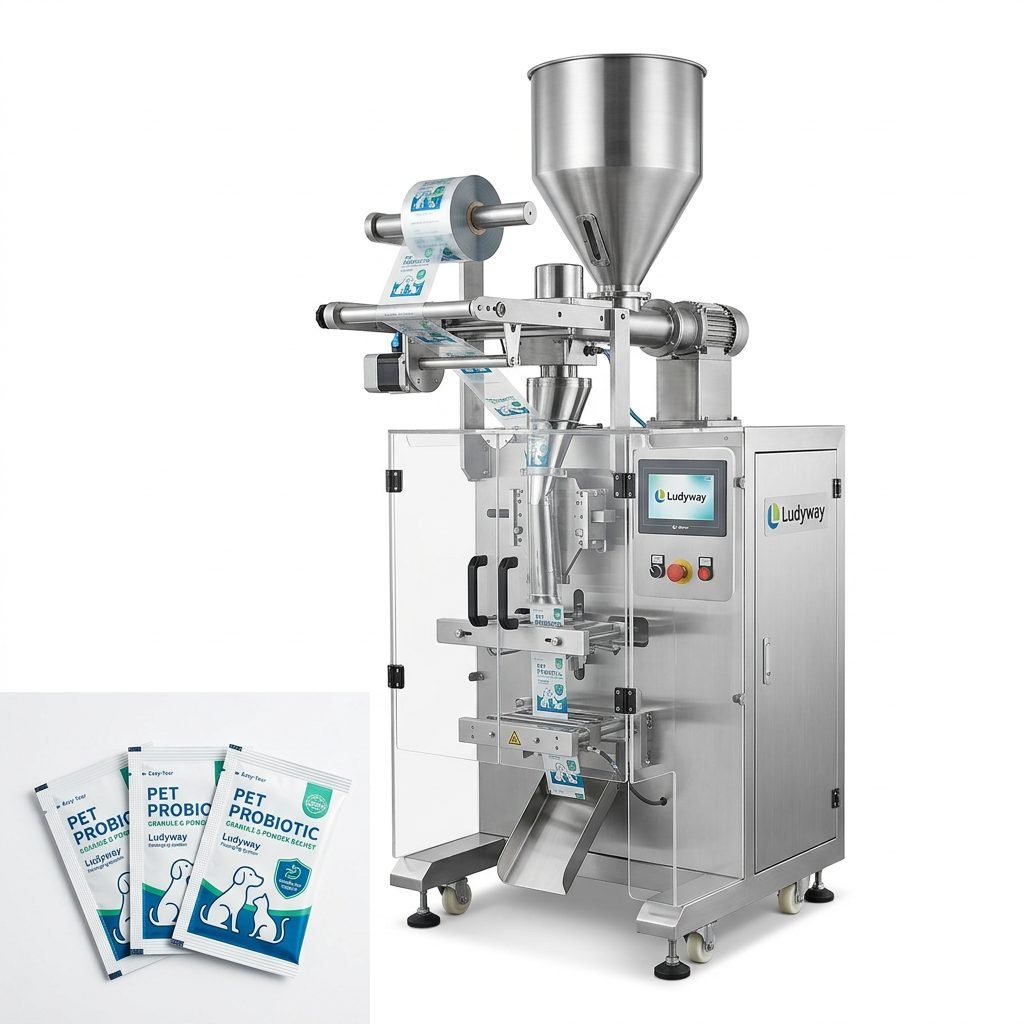
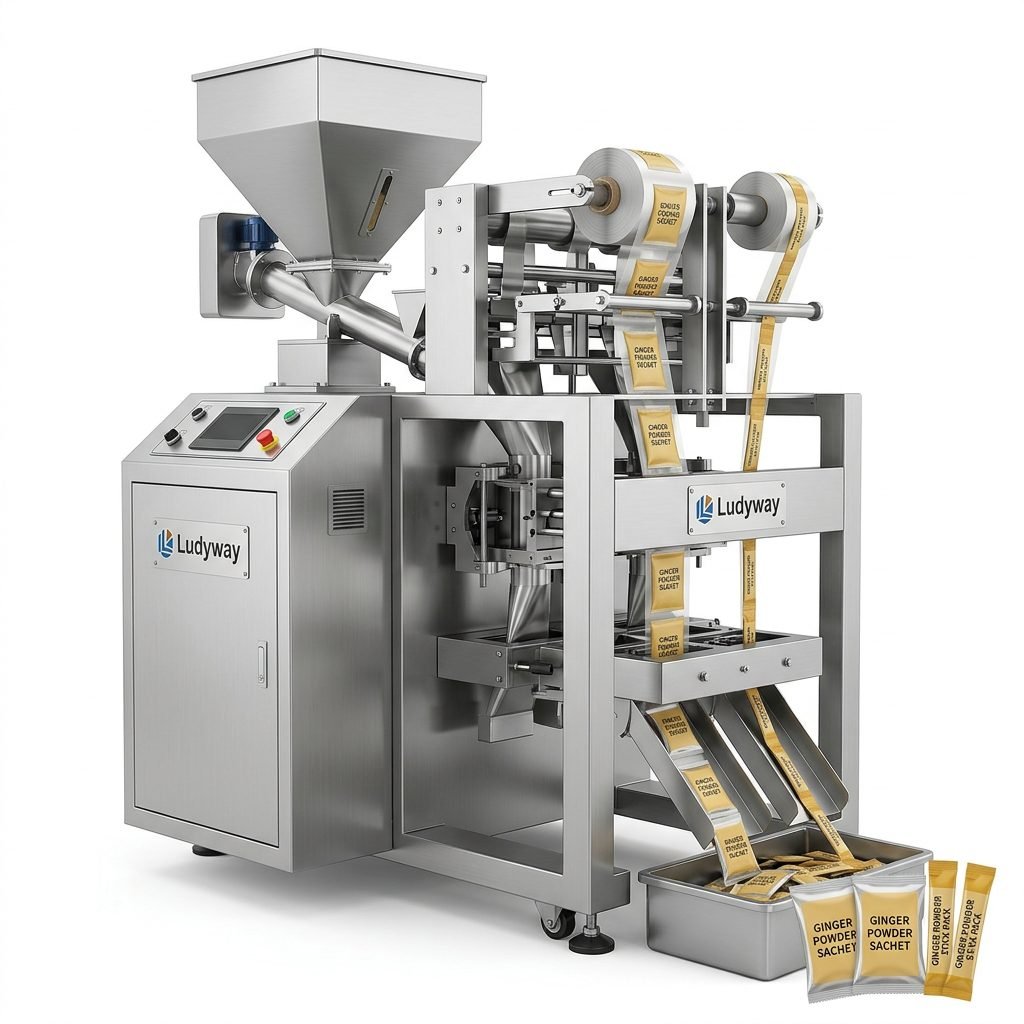
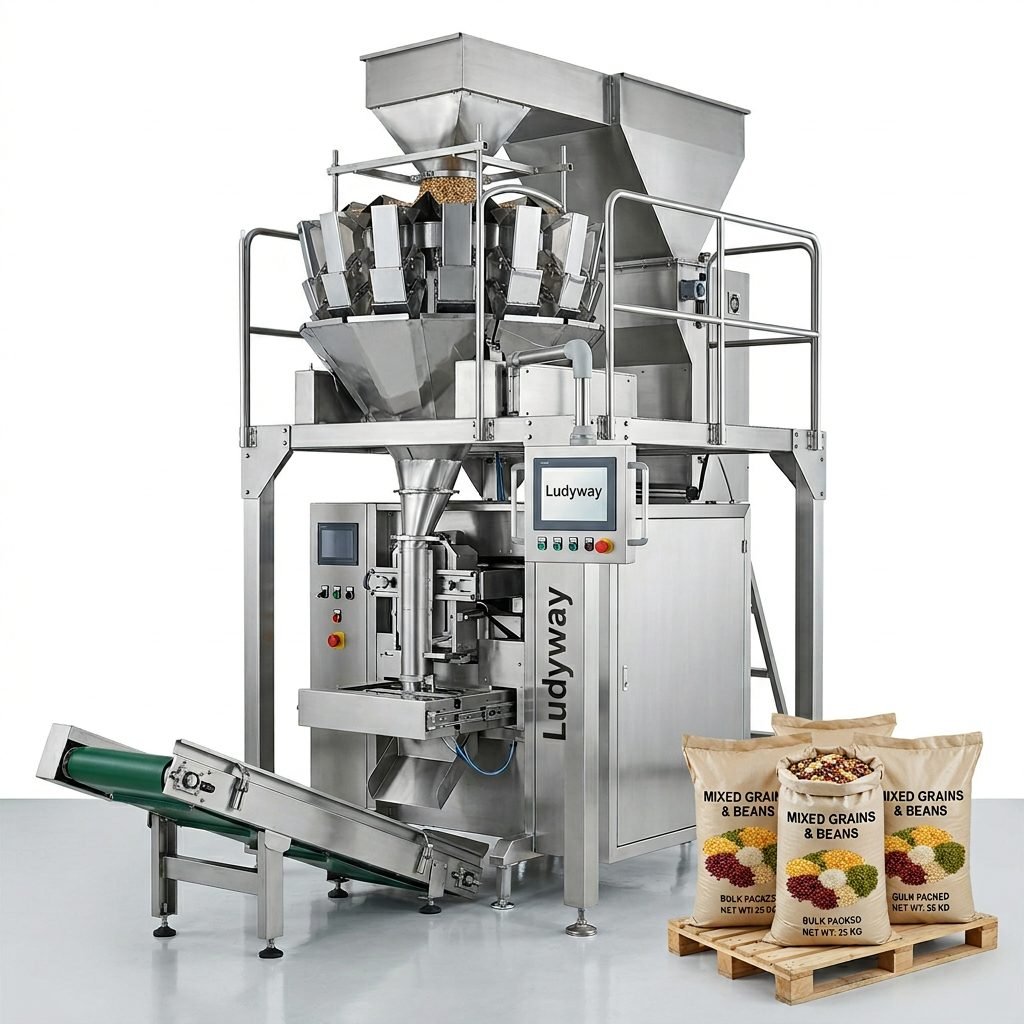
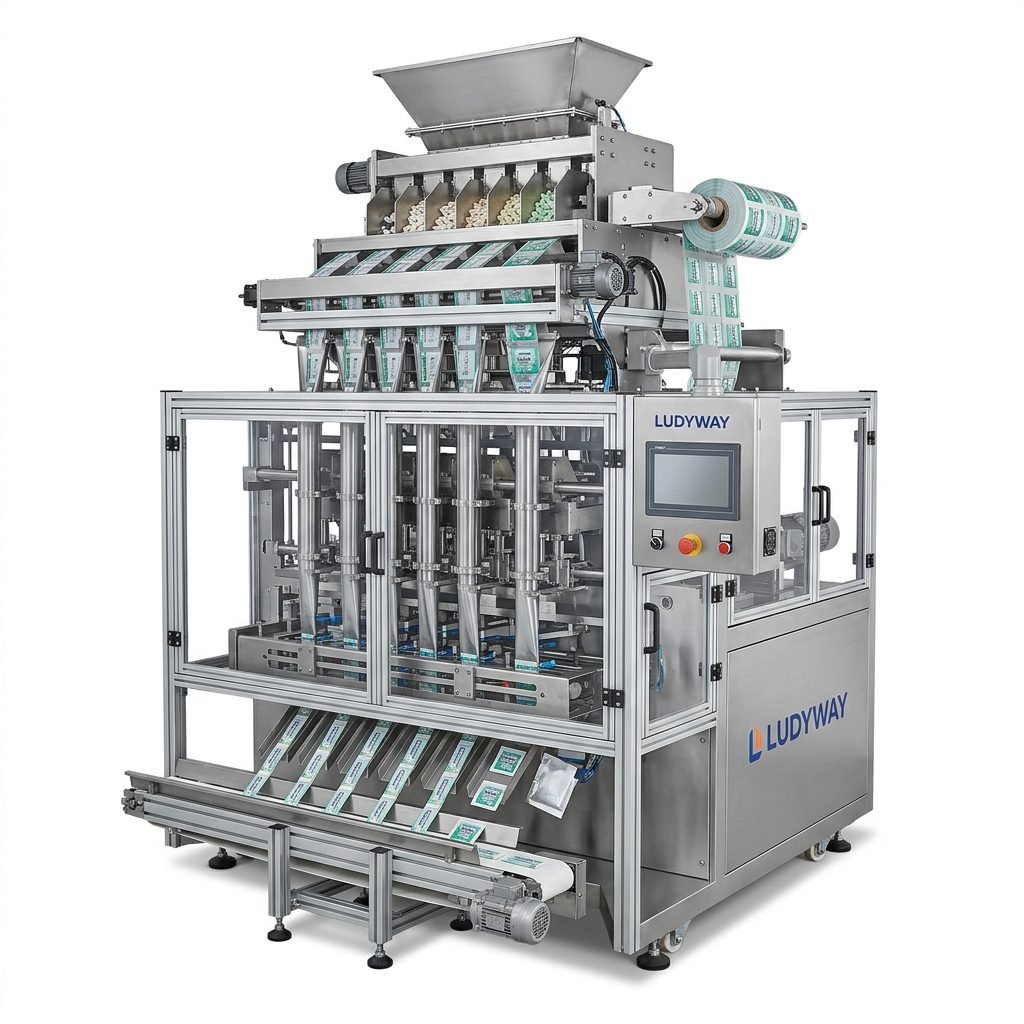
The global packaging machinery market is a dynamic and critical component of the modern manufacturing landscape, driven by the relentless demand for efficient, safe, and sustainable product packaging across all consumer sectors. From food and beverages to pharmaceuticals and cosmetics, packaging machinery ensures products reach end-users in pristine condition while enabling brand differentiation and operational efficiency for producers. The market’s evolution is a direct reflection of broader economic trends, technological innovation, and shifting consumer expectations worldwide.
Current Market Size and Valuation
The global packaging machinery market has demonstrated robust growth, consistently expanding in value year over year. Current estimates place the market size in the multi-billion-dollar range, with projections indicating a steady compound annual growth rate (CAGR) through the decade. This valuation encompasses a wide array of equipment, including filling machines, sealing machines, labeling systems, cartoning machines, and complete turnkey packaging lines. The Asia-Pacific region, led by manufacturing powerhouses, represents the largest and fastest-growing market segment, followed by North America and Europe. The sustained investment in automation across these regions is a primary contributor to this substantial market size.
Key Insight: Market growth is not uniform. While mature markets focus on replacement and upgrading to smarter, more connected Industry 4.0 systems, emerging economies are driving demand for first-time automation to boost production capacity and meet international quality standards.
Primary Growth Drivers Fueling Expansion
Several interconnected factors are propelling the packaging machinery market forward, creating opportunities for manufacturers and suppliers alike.
1. Rising Demand for Automation and Operational Efficiency
In an increasingly competitive global marketplace, manufacturers are under constant pressure to reduce costs, minimize errors, and increase output. Automated packaging lines address these needs directly by speeding up production cycles, reducing labor dependency, and ensuring consistent packaging quality. The integration of robotics and intelligent control systems has moved beyond luxury to become a operational necessity for medium and large-scale producers aiming to maintain profitability.
2. Stringent Safety and Hygiene Regulations
Industries such as pharmaceuticals, medical devices, and food & beverage are governed by strict regulatory frameworks (e.g., FDA, EU regulations, GMP). Packaging machinery plays a pivotal role in compliance, offering contamination-free processes, accurate dosing, and tamper-evident features. This regulatory environment compels companies to invest in advanced, reliable machinery that can meet and document compliance requirements, creating a consistent demand for high-tech solutions.
3. E-commerce and Changing Retail Landscapes
The explosive growth of e-commerce has fundamentally altered packaging requirements. Machinery must now handle smaller, customized batch sizes and produce packaging that is both protective for shipping and visually appealing for unboxing experiences. This shift demands flexibility from equipment, driving innovation in modular machinery that can quickly switch between packaging formats and styles.
4. Sustainability and Circular Economy Initiatives
Consumer and legislative pressure for sustainable packaging is perhaps the most transformative driver. The market is responding with machinery capable of handling recyclable, biodegradable, and lightweight materials. Equipment that reduces material waste through precision filling, facilitates easy disassembly for recycling, or supports refillable packaging models is seeing heightened demand. This trend aligns packaging machinery innovation directly with global environmental goals.
🔍 Trend Spotlight: Smart Packaging Integration
The line between packaging machinery and digital technology is blurring. The next wave of growth involves machines equipped with IoT sensors, AI-driven vision inspection systems, and real-time data analytics. This allows for predictive maintenance, instantaneous quality control, and seamless integration with broader supply chain management systems, creating the “smart factory” of the future.
Analysis of Key Market Trends
Beyond the core drivers, specific trends are shaping the design, functionality, and adoption of packaging machinery.
Modular and Flexible Machinery Design
The demand for product variety and shorter product lifecycles necessitates equipment that can adapt. Manufacturers are increasingly offering modular packaging systems where components (like fillers, sealers, or labelers) can be easily reconfigured or upgraded. This flexibility allows producers to respond to market changes without investing in entirely new production lines, offering a better return on investment.
Increased Adoption of Servo-Driven Technology
Servo motors are replacing traditional mechanical drives in advanced packaging machinery. Servo technology offers superior precision, energy efficiency, and quieter operation. It allows for more complex motion profiles, easier changeovers through digital recipes, and reduced mechanical wear and tear. This trend is critical for applications requiring high accuracy, such as pharmaceutical blister packing or delicate product handling.
Focus on User-Friendly Interfaces and Connectivity
Modern machinery prioritizes the operator experience. Touch-screen HMIs (Human-Machine Interfaces) with intuitive graphical programming are now standard. Furthermore, connectivity for remote monitoring and support is becoming essential. Service technicians can diagnose issues or update software remotely, minimizing downtime—a crucial factor for continuous production environments. Companies like Ludyway Machinery integrate these features to ensure global clients can maintain peak operational efficiency with minimal local technical burden.
Hybrid and Integrated Packaging Solutions
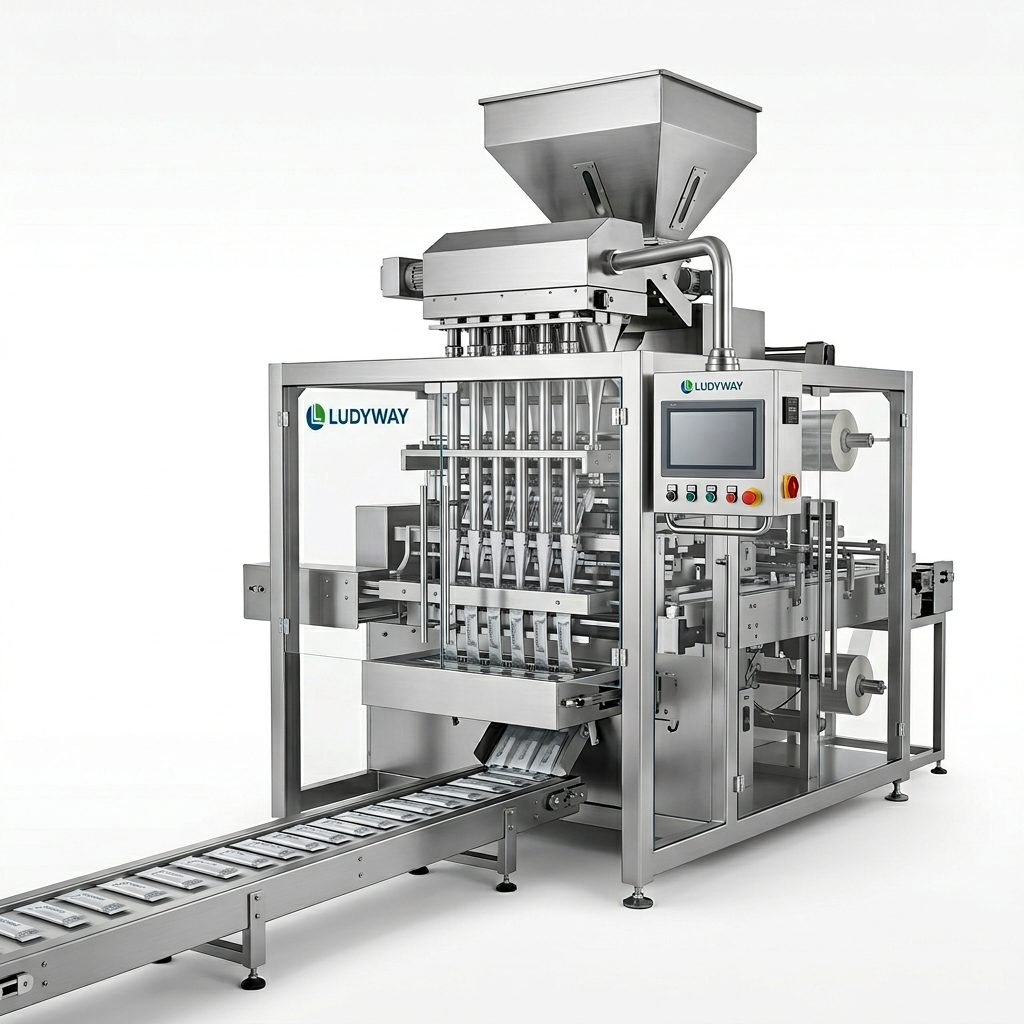
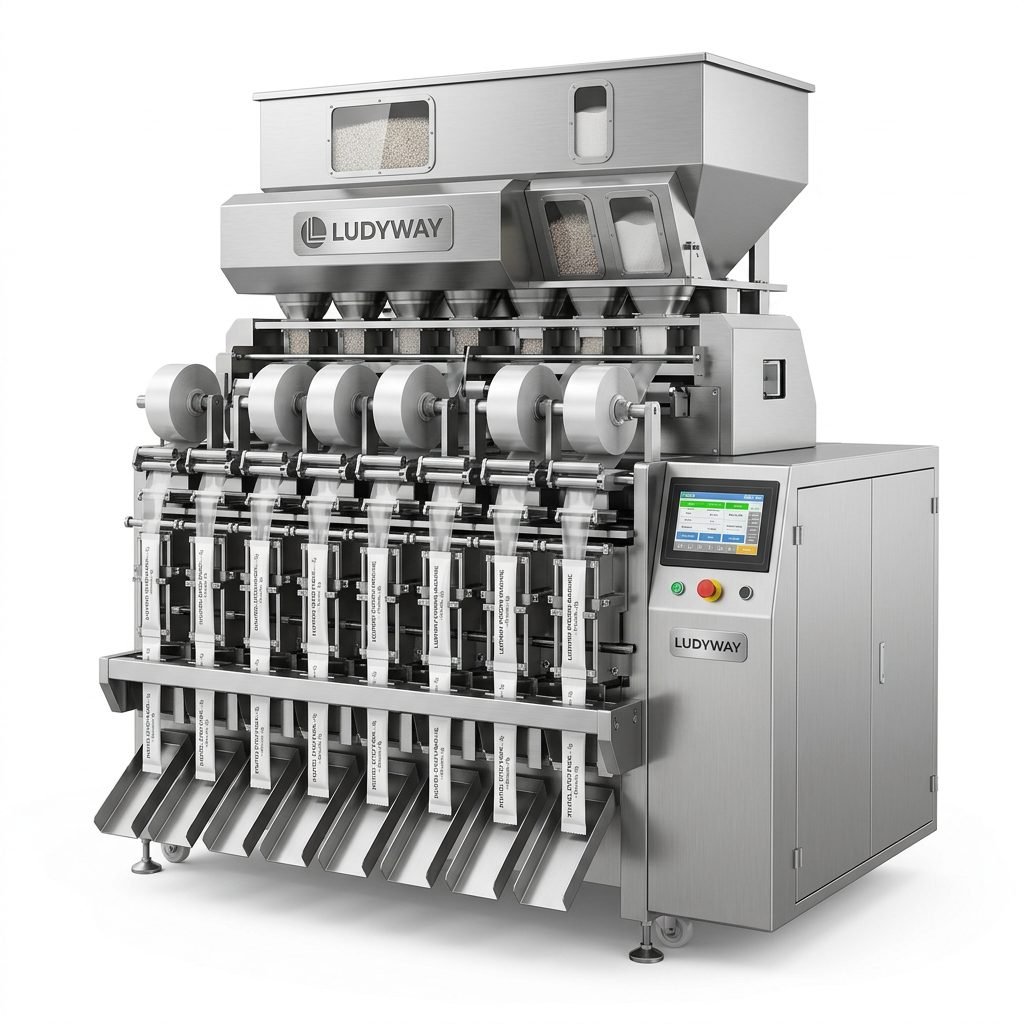
There is a growing trend toward machinery that combines multiple packaging steps into a single, compact unit. For example, a machine that performs forming, filling, and sealing (FFS) for stick packs while also incorporating a cartoning or collating function. These integrated solutions save floor space, reduce product handling, and improve overall line efficiency, making them highly attractive for expanding production facilities with spatial constraints.
The trajectory of the global packaging machinery market is unequivocally upward, intertwined with technological progress and evolving end-user demands. Success for machinery providers will depend on their ability to innovate in flexibility, sustainability, and digital integration. For end-users, selecting the right packaging partner—one with proven experience, a robust portfolio, and a forward-looking approach to technology—is key to unlocking competitive advantage and future-proofing operations in an ever-changing global economy.
Frequently Asked Questions (FAQs)
What are the main types of packaging machinery in high demand?
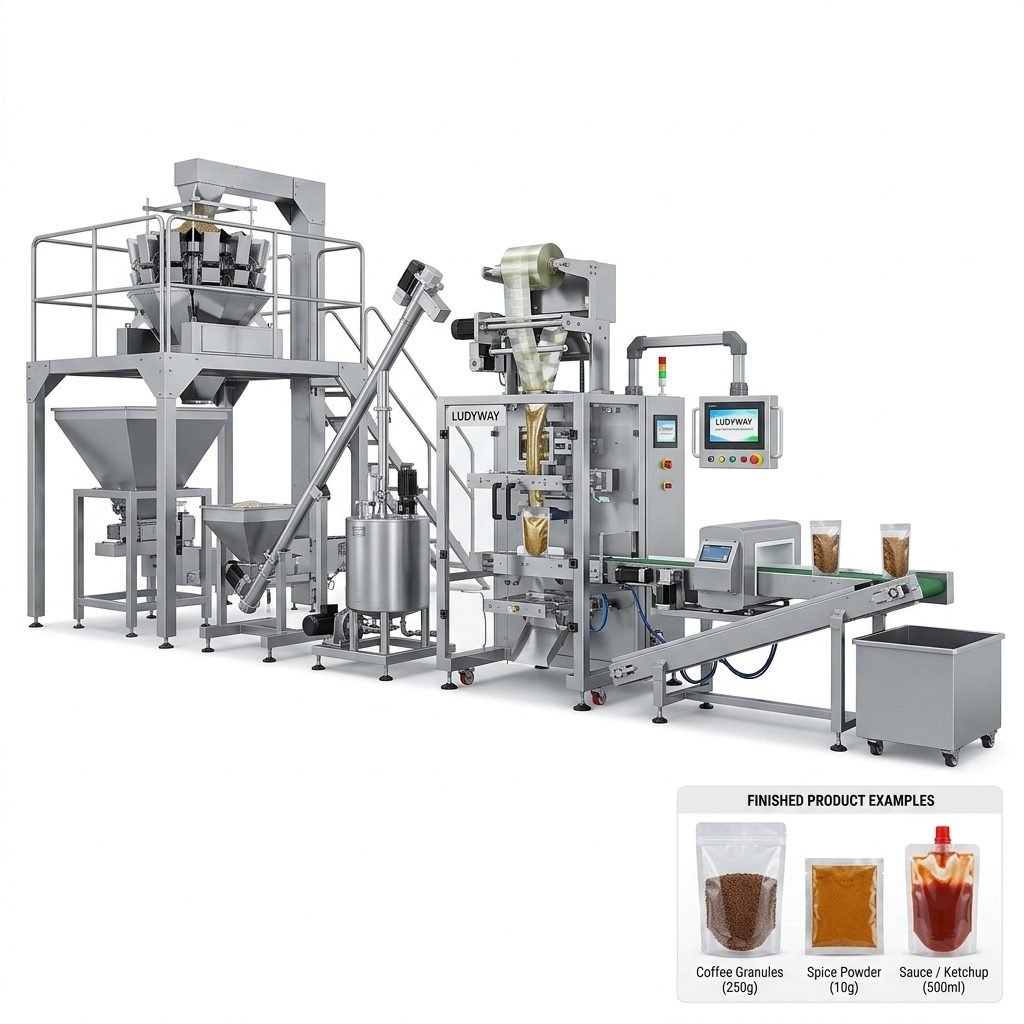
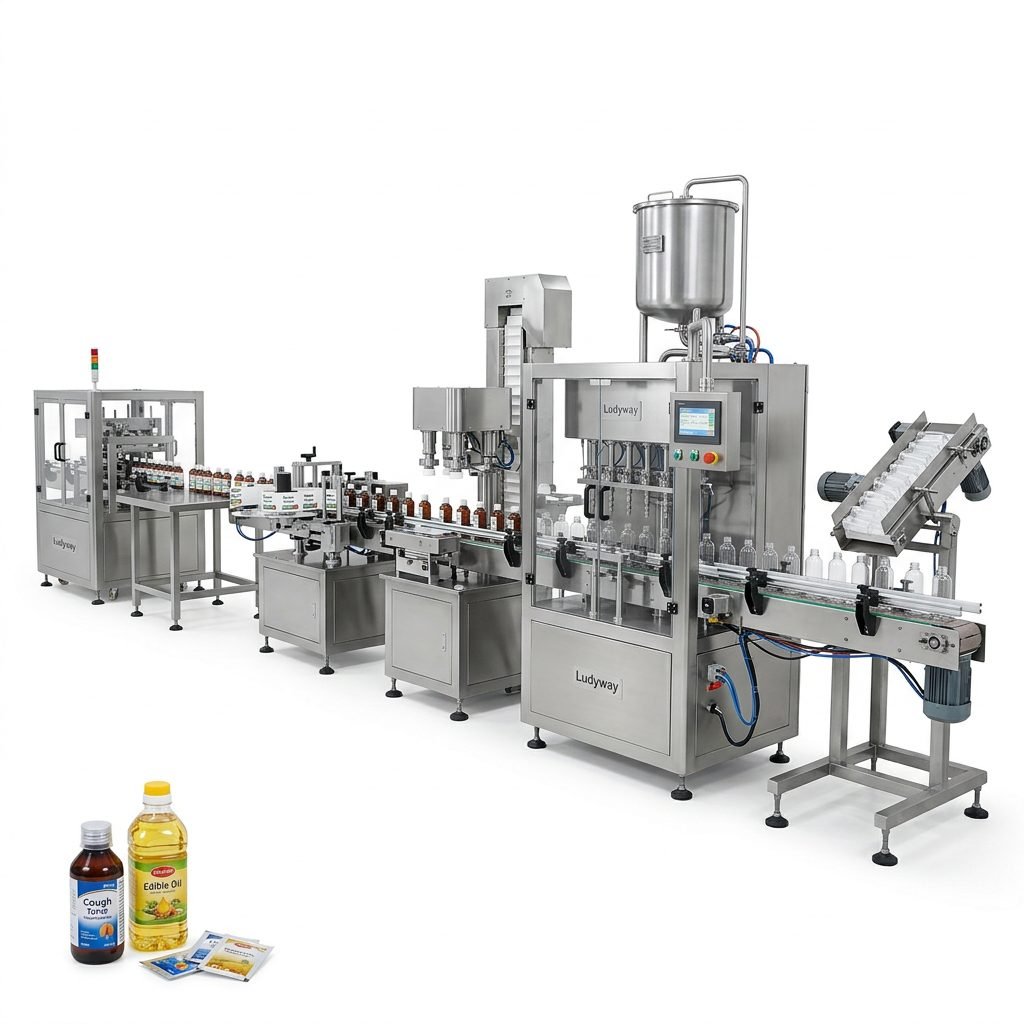
The highest demand is for versatile and automated systems. This includes vertical form-fill-seal (VFFS) machines for pouches and bags, liquid filling and capping lines, stick pack and sachet packaging machines for single-serve portions, and automatic cartoning machines. The specific demand varies by industry, with food and pharma leading investment.
How important is sustainability in new packaging machinery purchases?
Extremely important. It is now a primary decision-making factor alongside cost and speed. Buyers actively seek machinery that can work with mono-materials, recycled content, and reduces overall material usage through precision engineering. Sustainability is no longer a niche feature but a core requirement for market relevance.
What should I look for when choosing a packaging machinery supplier?
Key criteria include: Proven industry experience and references, the ability to provide customized or tailored solutions (not just standard models), availability of comprehensive after-sales service and spare parts support, and a clear roadmap for technology integration (IoT, data capabilities). A supplier’s commitment to R&D is a strong indicator of their long-term viability as a partner.
Is robotic integration common in packaging lines now?
Yes, robotic integration is becoming increasingly common, especially for palletizing, case packing, and precise pick-and-place applications. Robots offer unmatched flexibility for handling diverse package shapes and sizes and excel in tasks that are repetitive or ergonomically challenging for human workers. They are a central component of fully automated, lights-out production facilities.
How can I reduce the total cost of ownership for packaging machinery?
Focus on energy-efficient designs (like servo motors), machinery with high reliability and low maintenance requirements, and equipment that minimizes material waste. Additionally, choosing a supplier with strong technical support can prevent costly downtime. Considering the lifecycle cost, rather than just the initial purchase price, leads to more economical long-term operations.