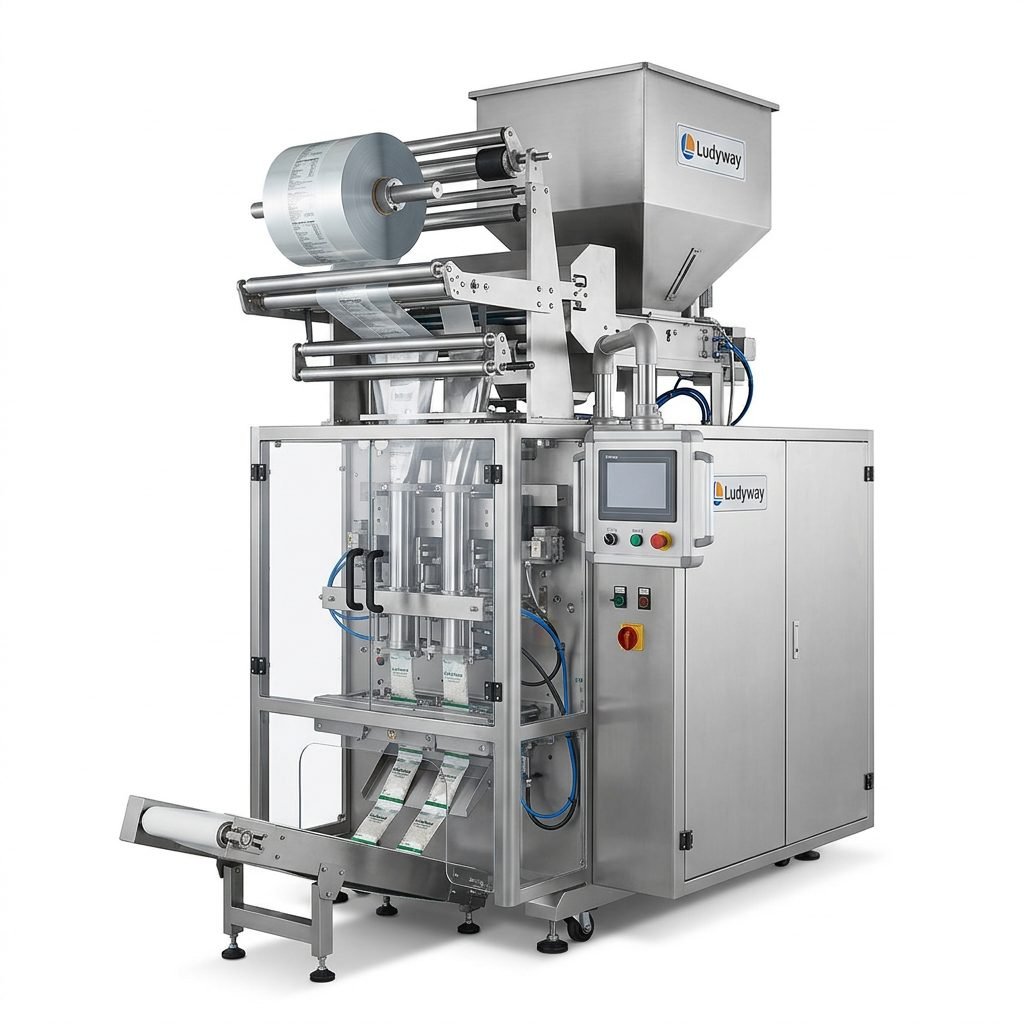
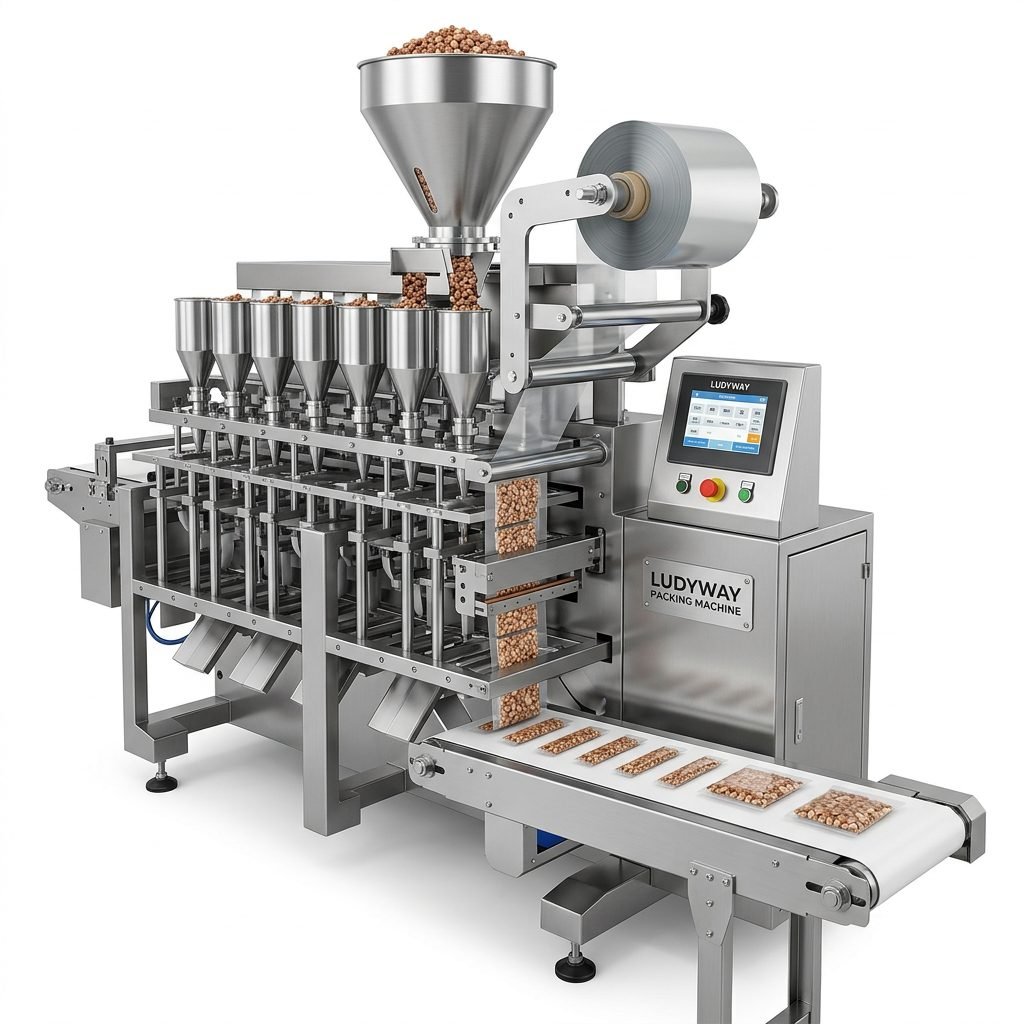
In the fast-paced world of consumer goods, from food and beverages to pharmaceuticals and cosmetics, efficient and reliable packaging is not just a final step—it’s a critical component of brand identity, product protection, and supply chain efficiency. Choosing the right packaging machinery is a strategic decision that impacts production speed, cost, and product quality. This guide explores the top types of packaging machinery, their key benefits, and provides a framework for selecting the perfect system for your operation.
Understanding Core Packaging Machinery Types
The landscape of packaging equipment is diverse, each type designed for specific product forms and production volumes. Here’s a breakdown of the primary systems.
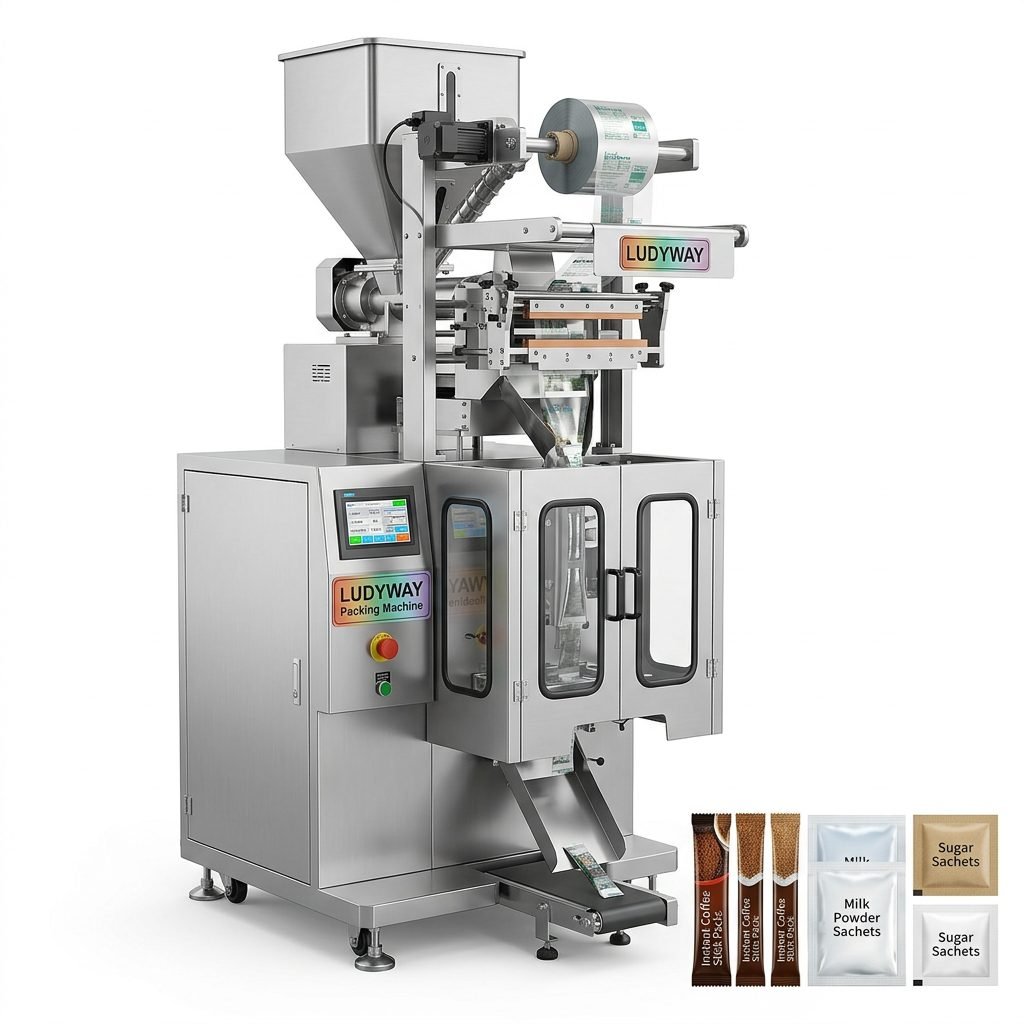
1. Vertical Form-Fill-Seal (VFFS) Machines
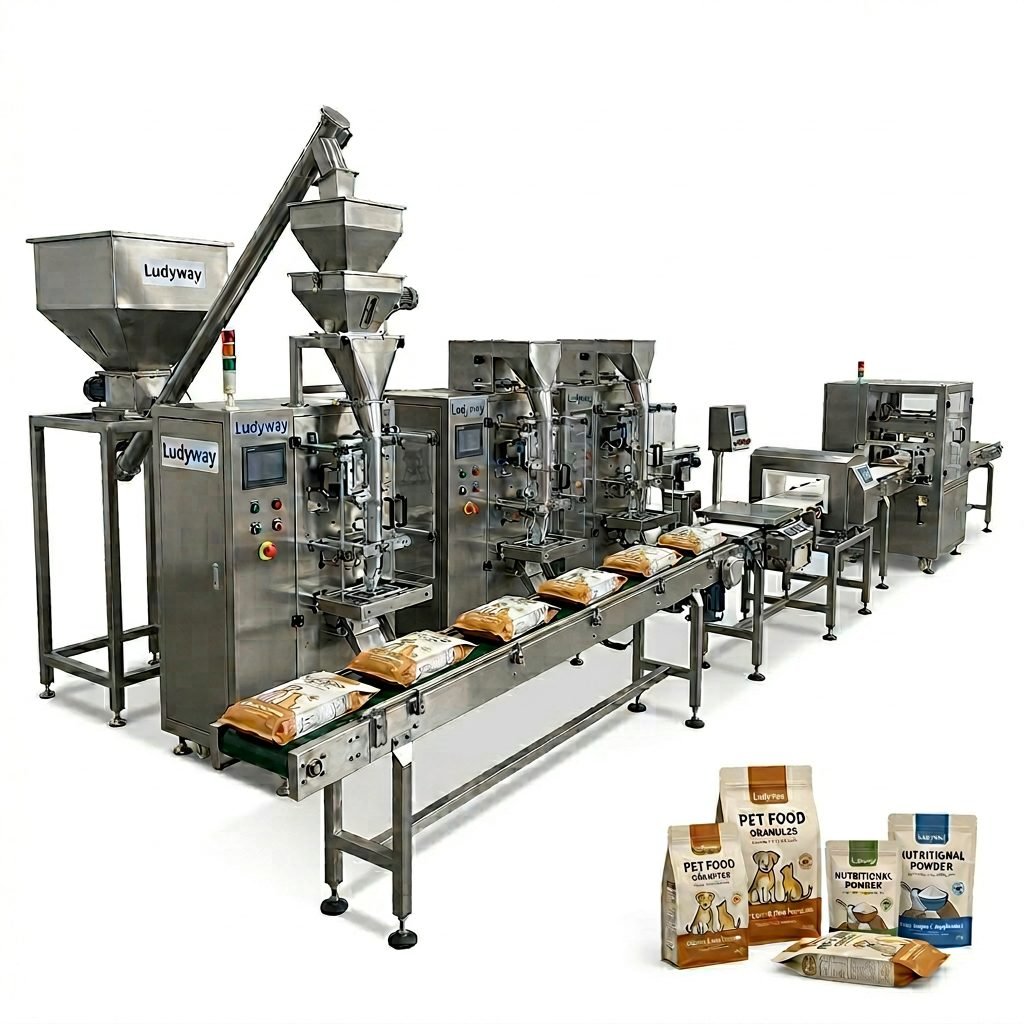
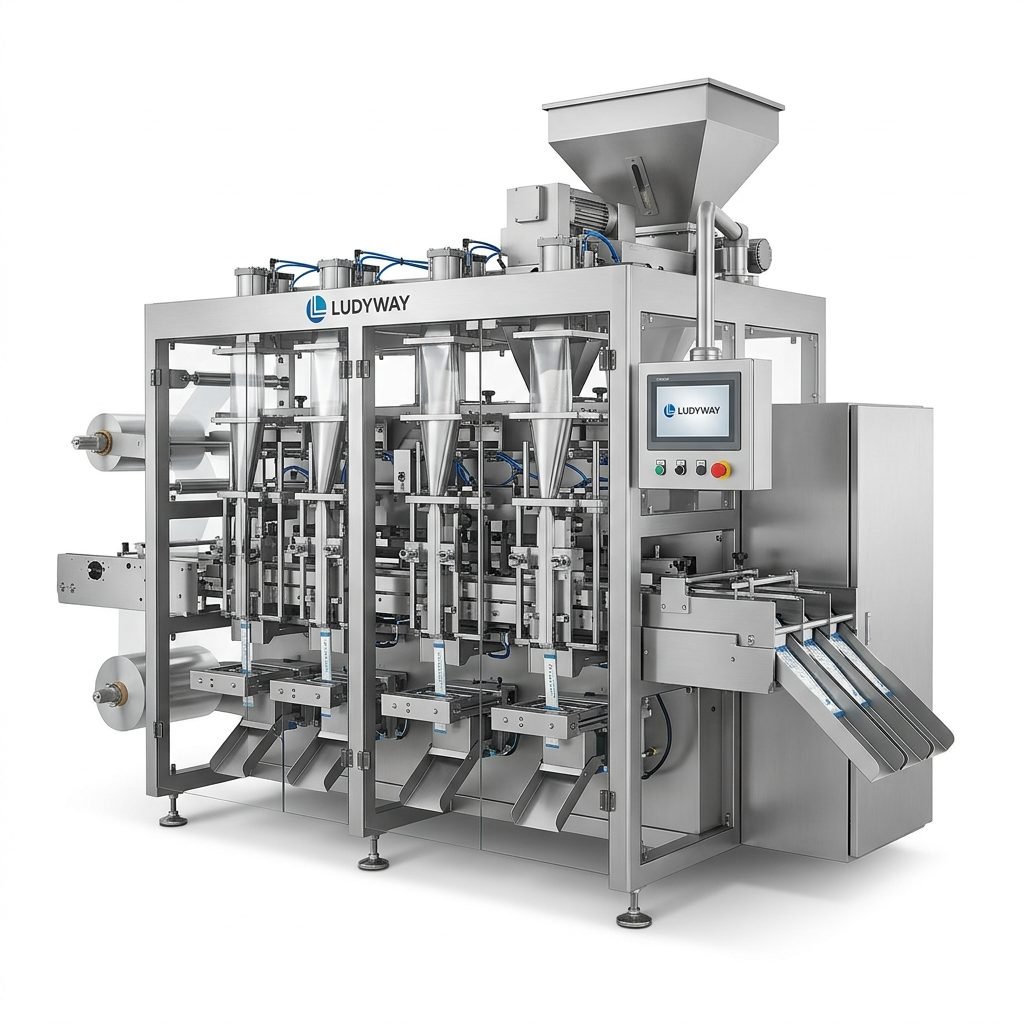
These are the workhorses of the packaging industry, ideal for granular, powdered, and liquid products like coffee, snacks, or shampoo sachets. They form a bag from a roll of film, fill it with the product, and seal it—all in one continuous, vertical motion. VFFS machines are renowned for their high speed and flexibility, allowing quick changeovers between different bag sizes and styles.
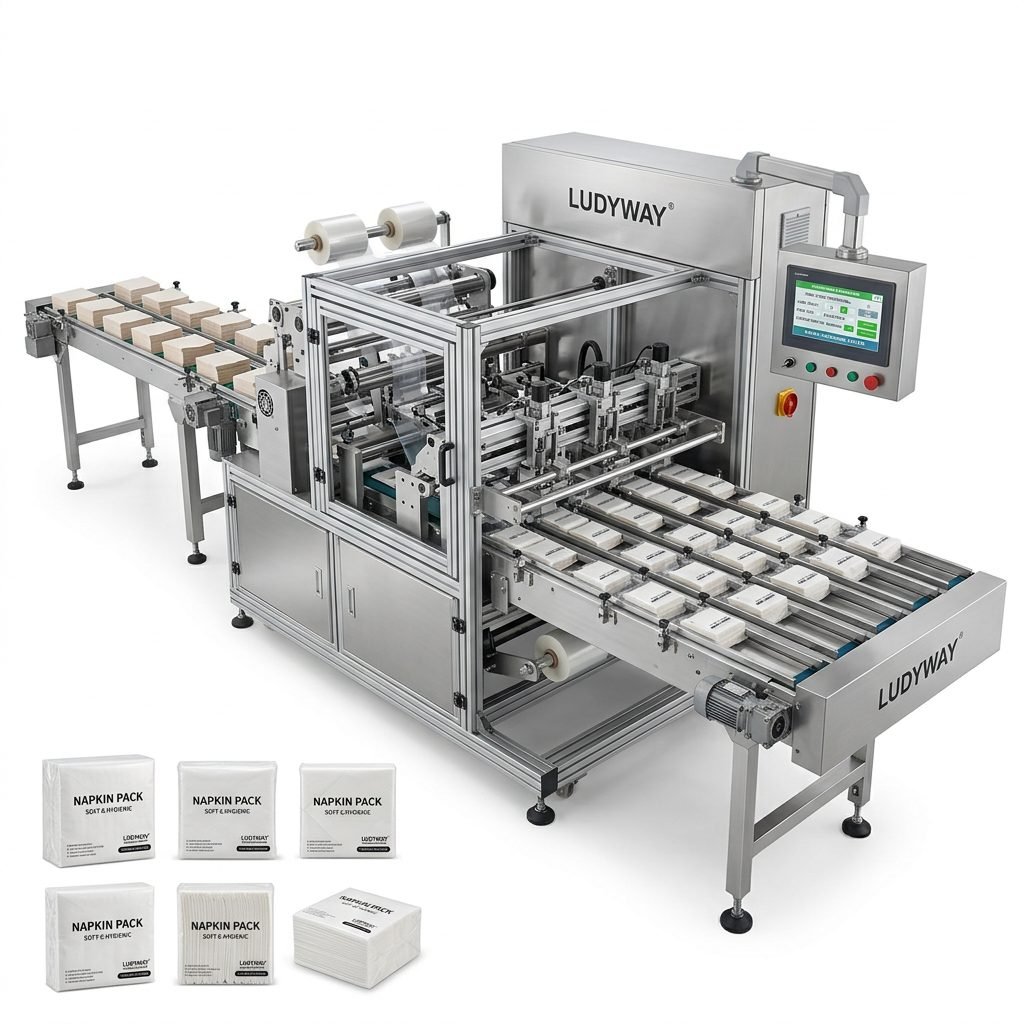
2. Horizontal Form-Fill-Seal (HFFS) Machines
Perfect for bundling multiple items (like candy bars or bottles), creating tray-and-lid packages, or flow-wrapping individual products. The film travels horizontally, forming a pouch around the product. HFFS systems are excellent for providing a sleek, retail-ready presentation and are commonly used in confectionery and medical device packaging.
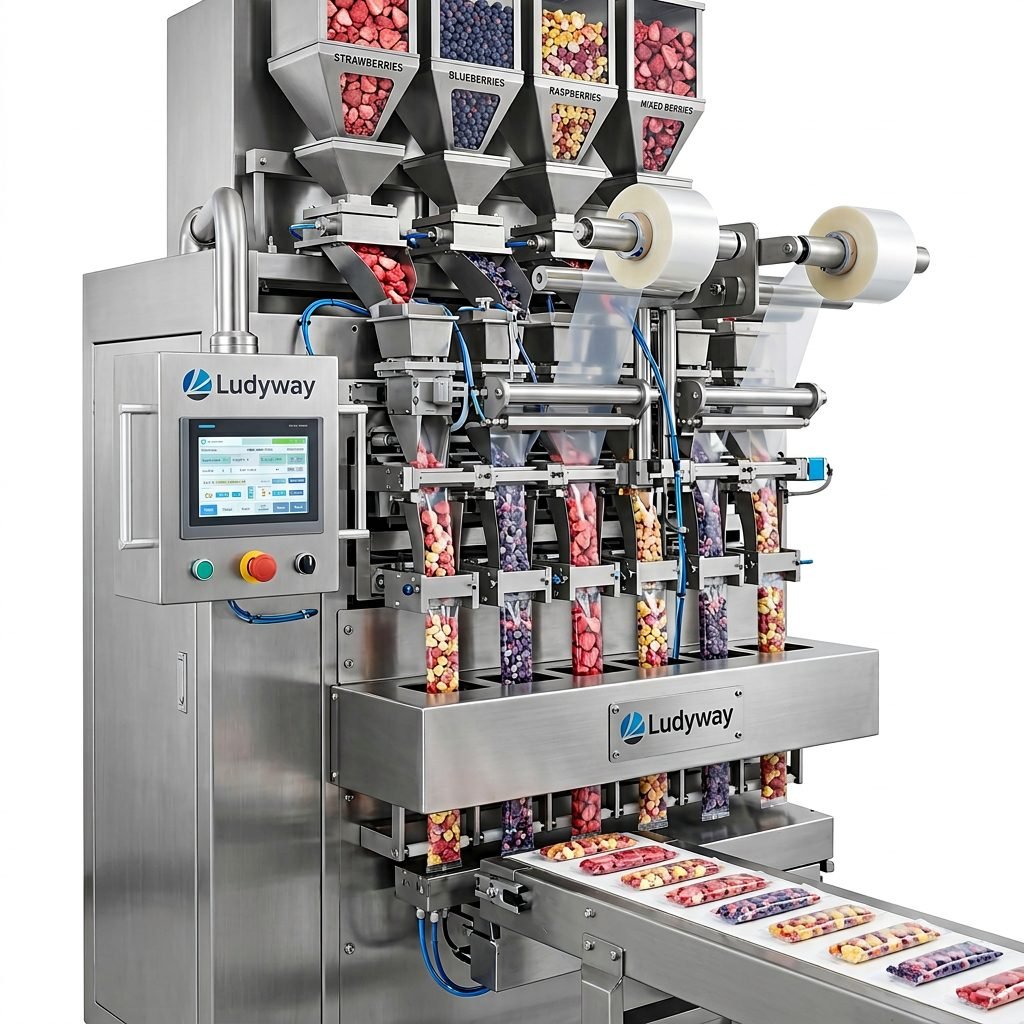
3. Stick Pack & Sachet Packaging Machines
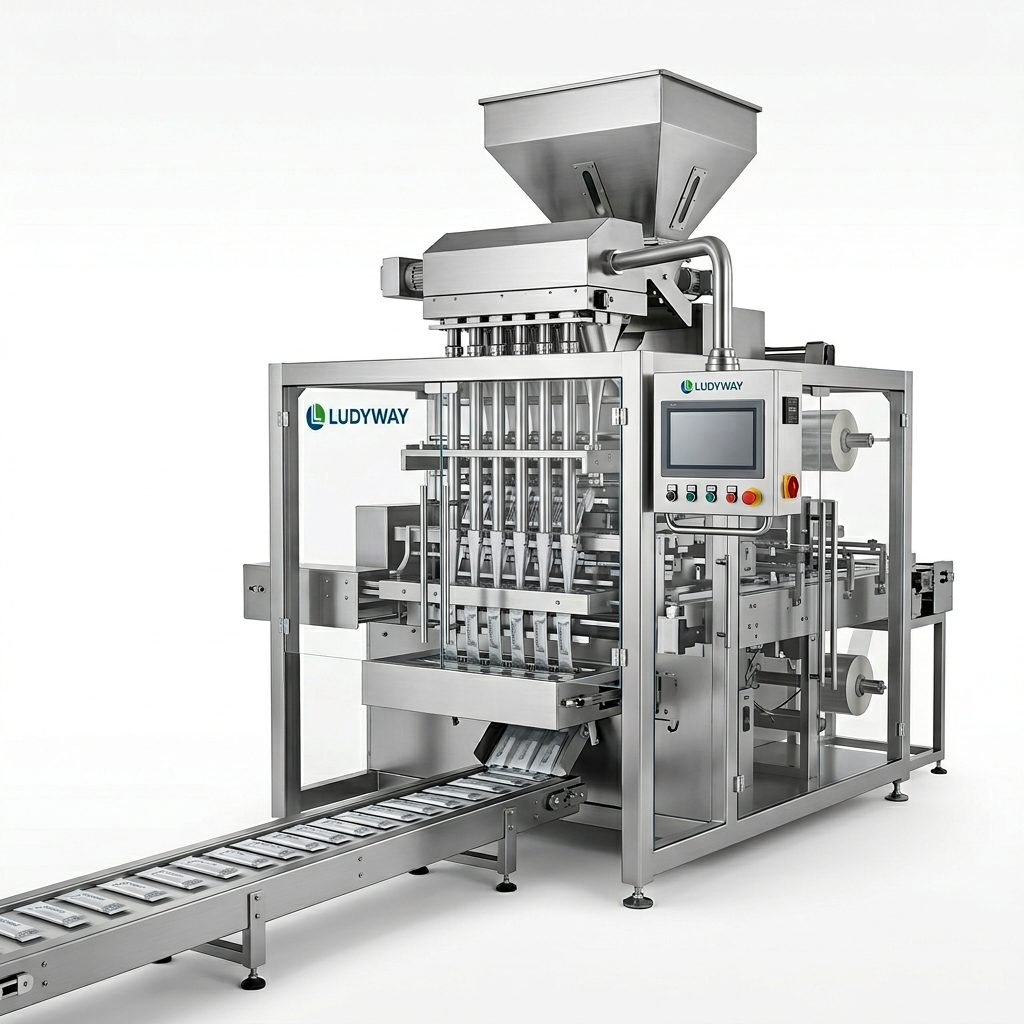
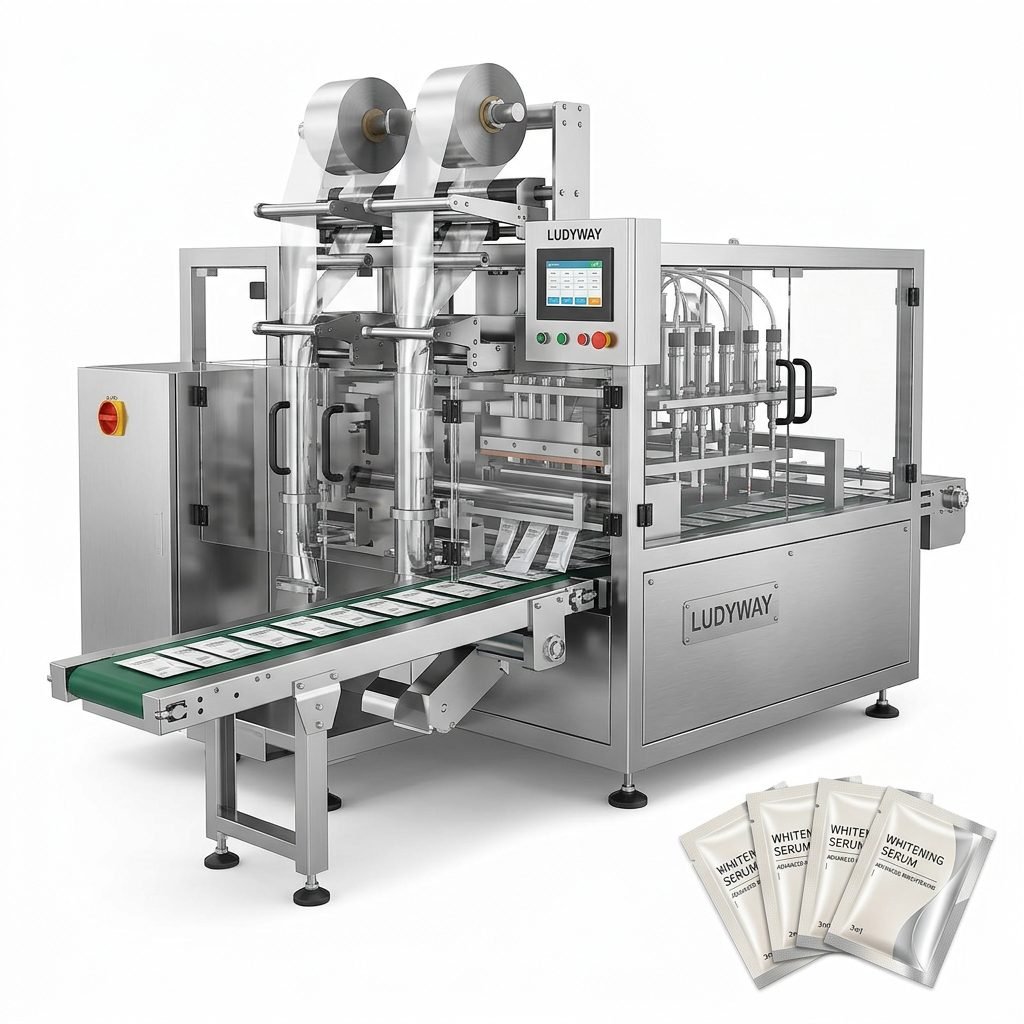
Specialized for creating small, single-serve packages for powders, liquids, or gels—think sugar, ketchup, or cosmetic samples. These machines, often multi-lane for high output, produce compact, portable packs that enhance convenience and reduce waste. They are a cornerstone for companies like Ludyway, which offers advanced multi-lane systems for demanding production environments.
4. Liquid & Paste Filling Machines
Designed for accurately dispensing viscous products like sauces, creams, or oils into bottles, jars, or pouches. Technologies range from piston fillers for thick pastes to gravity/pressure fillers for thin liquids. Precision is paramount here to ensure consistent fill levels and minimize costly product giveaway.
5. Capping, Labeling, and Cartoning Systems
These are secondary packaging machines that complete the process. Cappers secure closures on bottles, labelers apply brand and regulatory information, and cartoners erect, load, and seal boxes. Integrating these with primary packaging machines creates a seamless, automated production line.
Key Benefits of Modern Automated Packaging
Investing in advanced packaging machinery delivers tangible returns across your entire operation.
- ➤ Dramatically Increased Efficiency & Output: Automation speeds up the packaging process exponentially compared to manual labor, allowing you to meet high-volume demands and scale production easily.
- ➤ Enhanced Product Consistency & Quality: Machines provide precise, repeatable actions for filling, sealing, and labeling. This reduces human error, ensures every package meets quality standards, and protects product integrity.
- ➤ Significant Material & Cost Savings: Automated systems optimize material usage (like film and labels), drastically reducing waste. They also lower long-term labor costs and minimize product loss from spillage or incorrect packaging.
- ➤ Improved Hygiene & Safety: In industries like food and pharmaceuticals, automated systems limit direct human contact with the product, enhancing hygiene. They also perform repetitive tasks, reducing workplace strain and injury risks for employees.
- ➤ Greater Flexibility & Scalability: Many modern machines allow for quick changeovers between package sizes or products. This agility lets you respond faster to market trends. Furthermore, modular systems can be expanded as your business grows.
How to Choose the Right Packaging System: A Step-by-Step Guide
Selecting machinery is a significant investment. Follow this framework to make an informed decision that aligns with your business goals.
Step 1: Analyze Your Product & Materials
This is the foundational step. Define your product’s physical characteristics (granule, powder, liquid, solid), its abrasiveness, viscosity, and any special requirements (like nitrogen flushing for chips). Simultaneously, decide on your packaging materials—whether laminated film for bars, PET for bottles, or paperboard for cartons. The machine must be compatible with both.
Step 2: Define Your Production Requirements
Be clear about your current and future needs. Calculate your required output speed (packages per minute) and evaluate your available factory space and utilities (electrical, compressed air). Consider if you need a standalone machine or a fully integrated turnkey production line.
Step 3: Evaluate Machine Features & Technology
Look beyond the basic function. Prioritize user-friendly controls (like touchscreen HMIs), robust construction from stainless steel or other durable materials, and easy-access parts for cleaning and maintenance. Advanced features like servo motors offer superior precision and energy efficiency.
Step 4: Assess Supplier Credibility & Support
The machine is only as good as the company behind it. Choose a supplier with a proven track record and deep industry experience. Examine their company history and project portfolio. Crucially, ensure they offer comprehensive after-sales support, including installation, training, readily available spare parts, and responsive technical service.
Step 5: Consider Total Cost of Ownership (TCO)
Look at the complete financial picture, not just the purchase price. Factor in installation costs, ongoing maintenance, energy consumption, and the cost of changeover parts. A slightly higher initial investment in a reliable, efficient machine from a reputable supplier often leads to much lower long-term costs and higher uptime.
Conclusion
Selecting the optimal packaging machinery is a critical strategic move that directly influences your productivity, product quality, and bottom line. By thoroughly understanding the different machine types, recognizing the full spectrum of benefits automation brings, and methodically following a selection process centered on your specific product and production needs, you can invest with confidence. Partnering with an experienced and reliable supplier ensures you gain not just a machine, but a long-term solution that drives growth and efficiency in your consumer goods operation.
Frequently Asked Questions (FAQs)
Q1: What is the main difference between VFFS and HFFS machines?
A: The core difference is the direction of package formation. VFFS (Vertical Form-Fill-Seal) machines create bags vertically from a single roll of film, making them ideal for free-flowing products like granules and powders. HFFS (Horizontal Form-Fill-Seal) machines wrap products horizontally, making them better suited for arranging and bundling multiple items or placing products into pre-formed trays, often used for solid items or retail displays.
Q2: How important is after-sales service when buying packaging machinery?
A: It is critically important. Even the highest-quality machinery requires maintenance, occasional repairs, and operator training. A supplier with strong after-sales support ensures minimal downtime, provides genuine spare parts, and helps you maximize the machine’s lifespan and performance, protecting your investment over many years.
Q3: Can one packaging machine handle different products or package sizes?
A: Many modern machines are designed with flexibility in mind. Through quick-change parts like different forming tubes, filling nozzles, or sealing jaws, a single machine can often accommodate a range of similar product types and various package sizes. However, the feasibility and changeover speed depend on the machine’s design and the similarity between the products.
Q4: What are the key hygiene considerations for food or pharmaceutical packaging machines?
A: Hygiene is paramount. Key considerations include the use of food-grade stainless steel (like 304 or 316) for all product contact surfaces, designs that prevent material accumulation and allow for easy cleaning (CIP – Clean-in-Place features), and enclosures that protect the product zone from environmental contaminants.
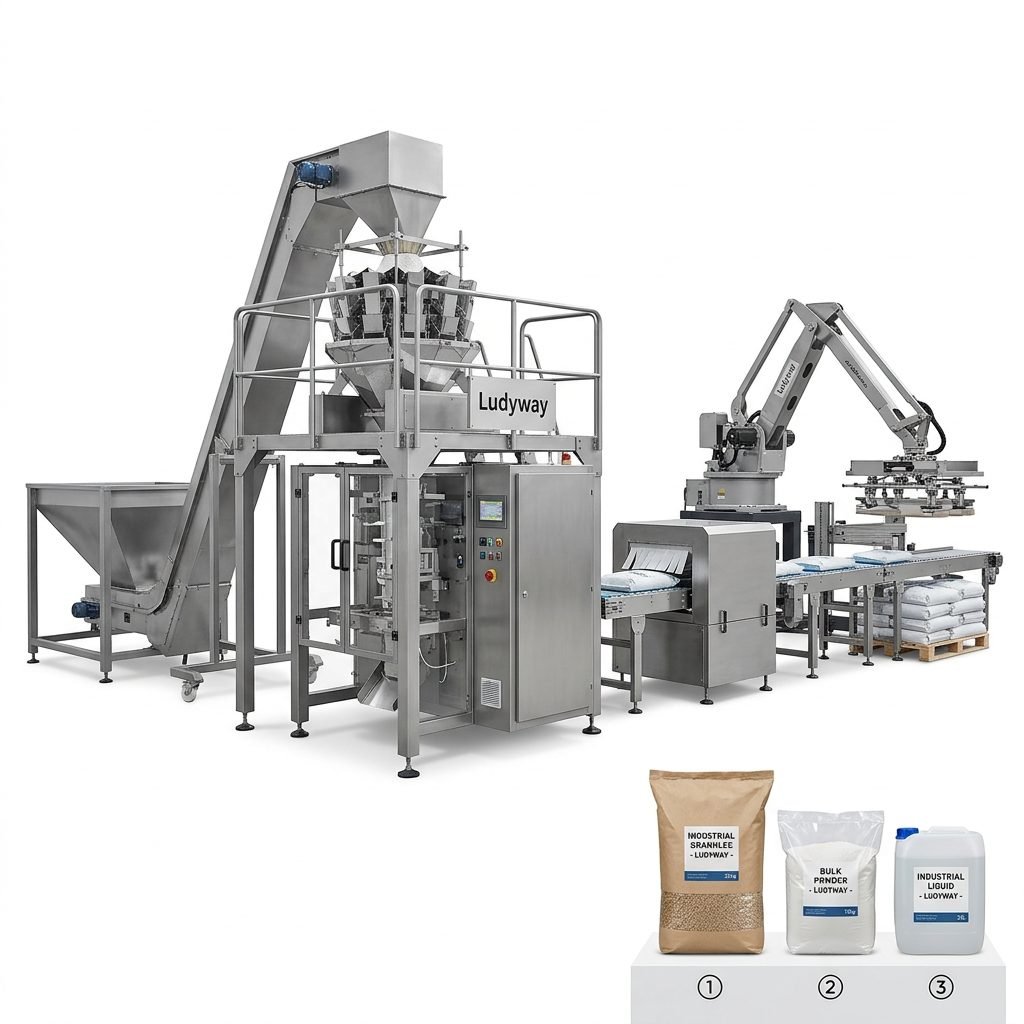
Q5: Is it better to buy a standalone machine or a fully integrated line?
A: The choice depends on your production scale and goals. A standalone machine (e.g., just a filler) is suitable for lower volumes or when integrating with existing equipment. A fully integrated, turnkey line (e.g., filler, capper, labeler, case packer) is ideal for new, high-volume production as it ensures seamless synchronization, maximizes efficiency, and reduces manual handling, though it requires a larger upfront investment.