Selecting the right sachet packaging machinery manufacturer is a critical decision that impacts your production efficiency, product quality, and overall business profitability. This guide provides a comprehensive framework to evaluate potential suppliers, ensuring you partner with a manufacturer that aligns with your specific operational needs and long-term goals.
Key Factors in Choosing a Sachet Packaging Machinery Manufacturer
Before initiating contact with suppliers, it’s essential to define your requirements clearly. Consider the type of product (granules, powder, liquid, paste), desired output speed, sachet size and material, and the level of automation needed. A clear brief will help manufacturers provide accurate proposals and demonstrate their capability to meet your specifications.
Core Evaluation Criteria
Technical Expertise & Experience: Prioritize manufacturers with proven experience in your specific industry, whether it’s food, pharmaceuticals, or chemicals. Their understanding of hygiene standards, material compatibility, and regulatory compliance is invaluable.
Machine Quality & Reliability: Investigate the build quality, core components (like servos and PLCs), and the robustness of the machine frame. Reliable machinery minimizes downtime and ensures consistent packaging quality.
Customization & Flexibility: Your production needs may evolve. A top manufacturer should offer adaptable machines that can handle different sachet sizes, shapes, and materials with quick changeover capabilities.
After-Sales Support: Comprehensive support, including installation, operator training, readily available spare parts, and responsive technical service, is non-negotiable for maintaining continuous production.
Analyzing Manufacturer Capabilities: Beyond the Brochure
A manufacturer’s promotional materials tell only part of the story. To make an informed choice, you must dig deeper into their operational and service capabilities.
Manufacturing Scale and Engineering Prowess
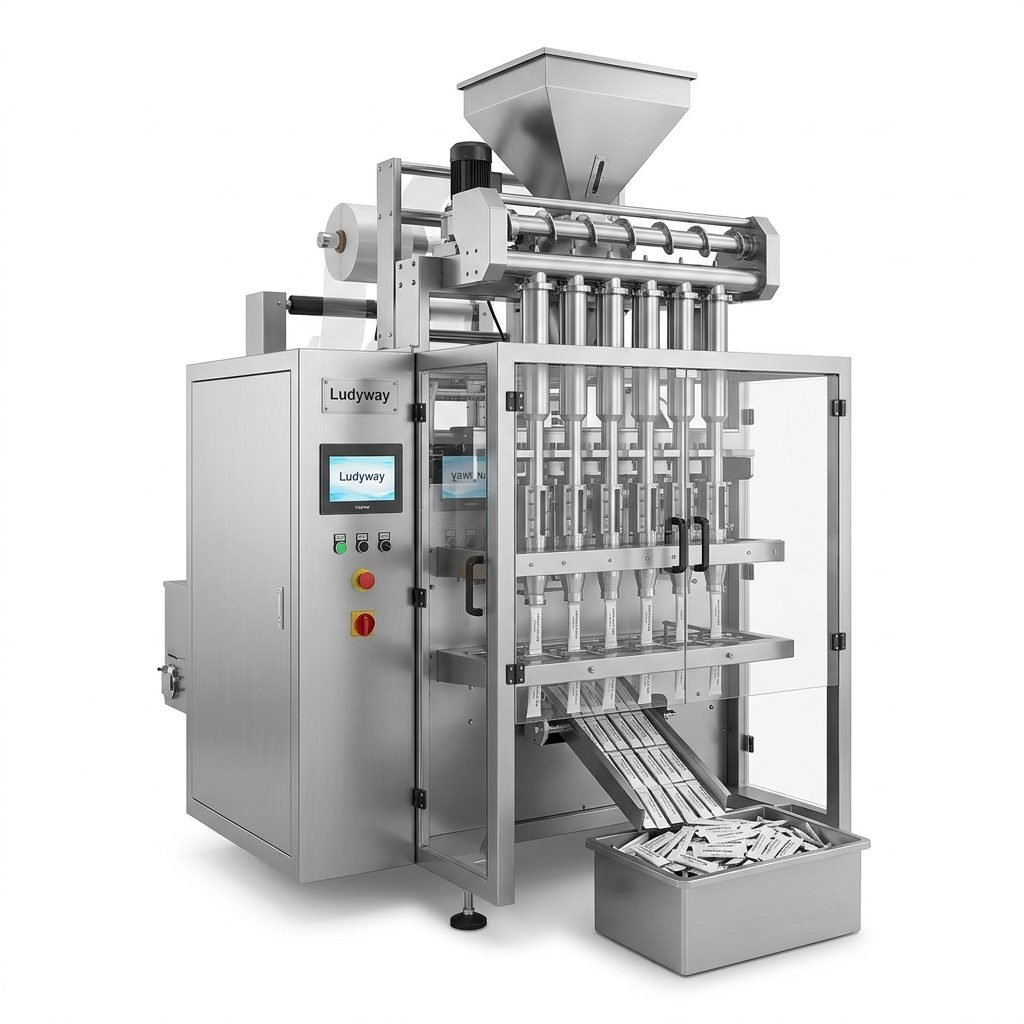
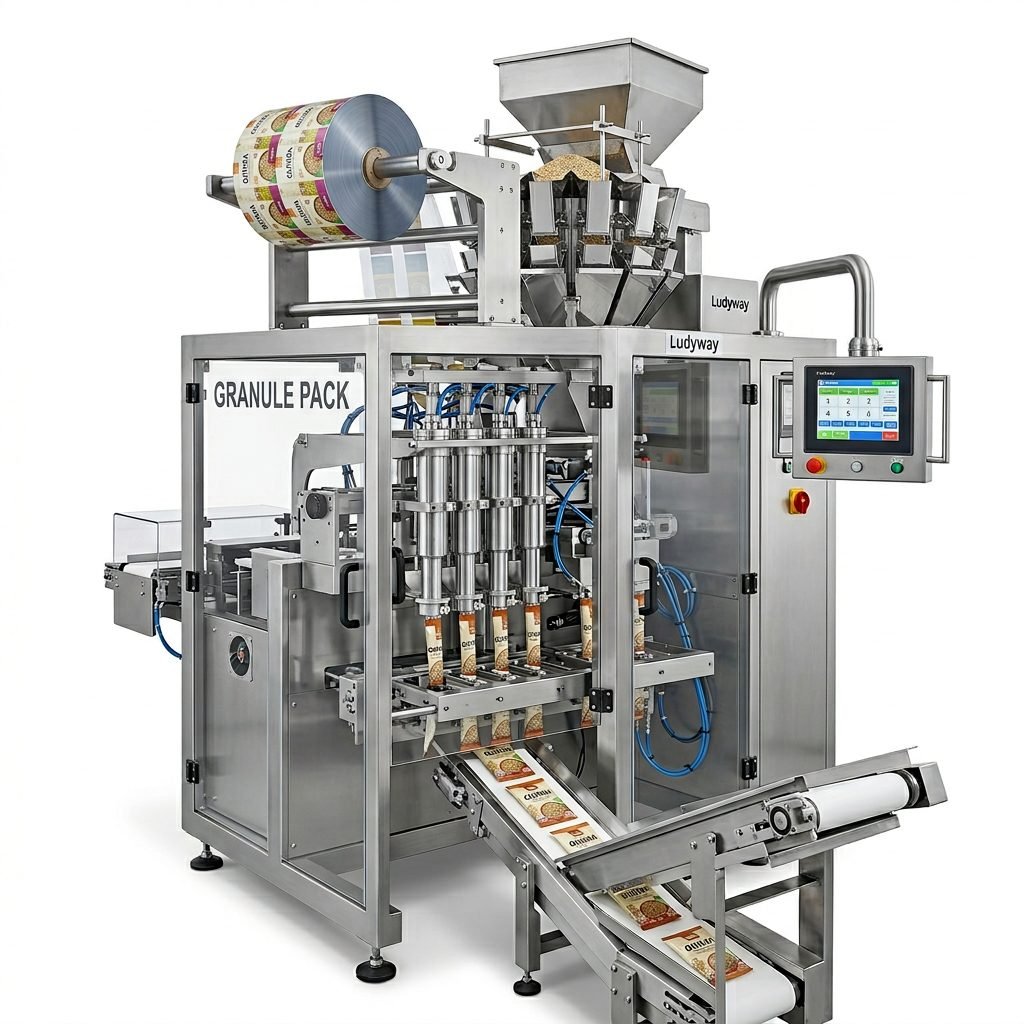
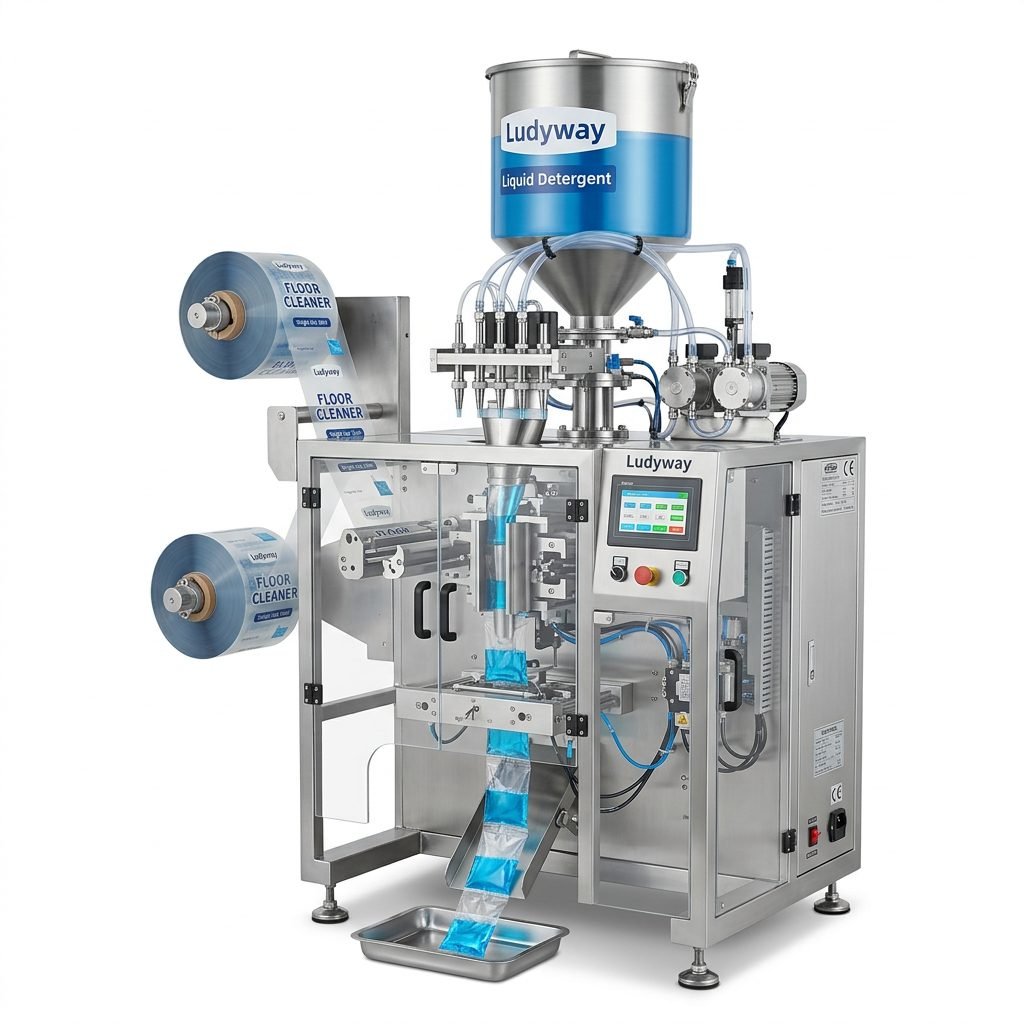
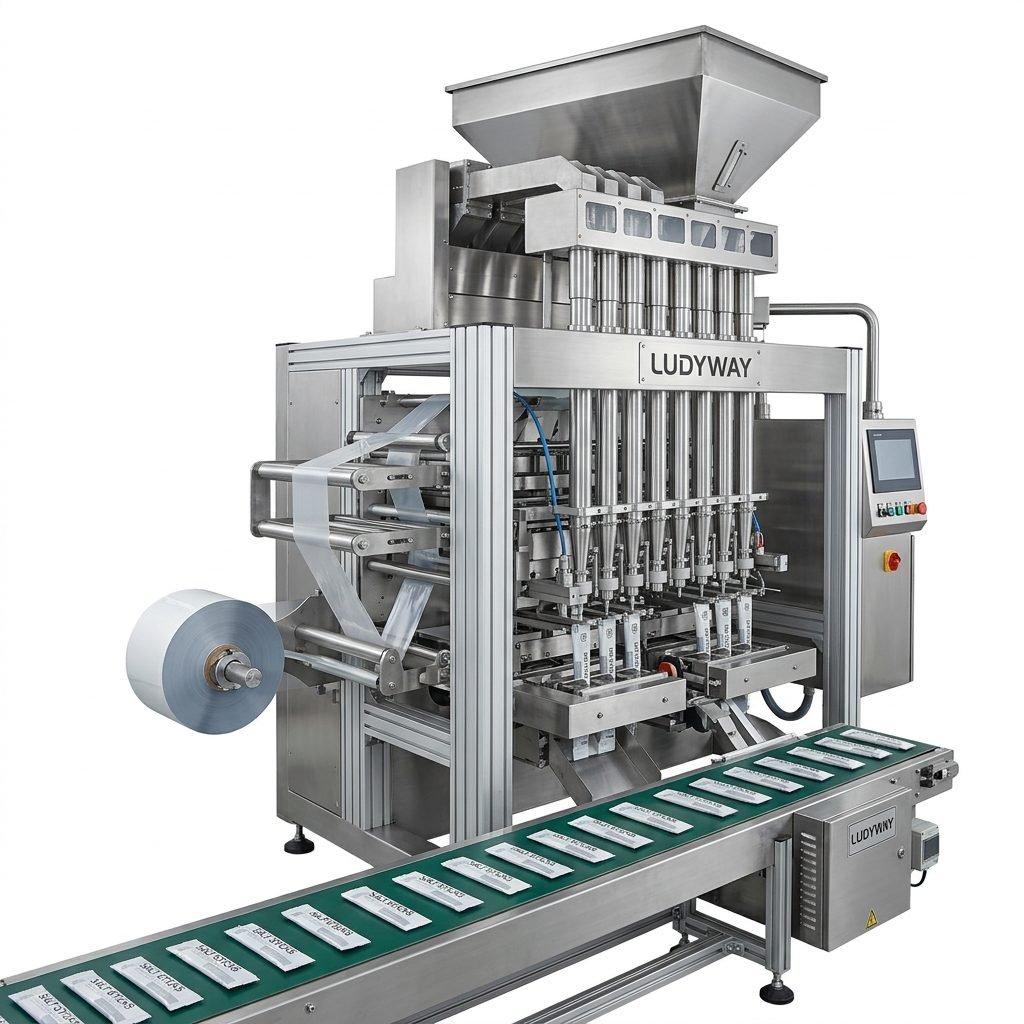
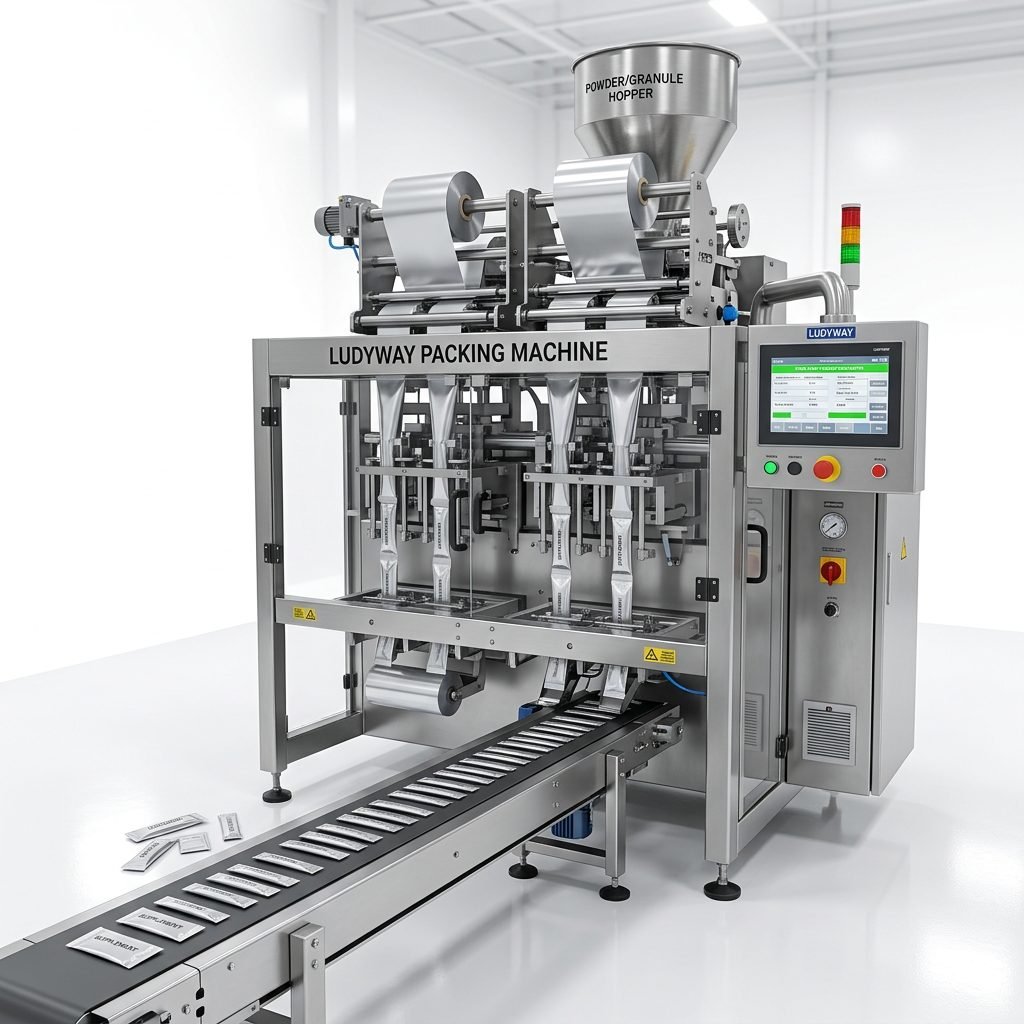
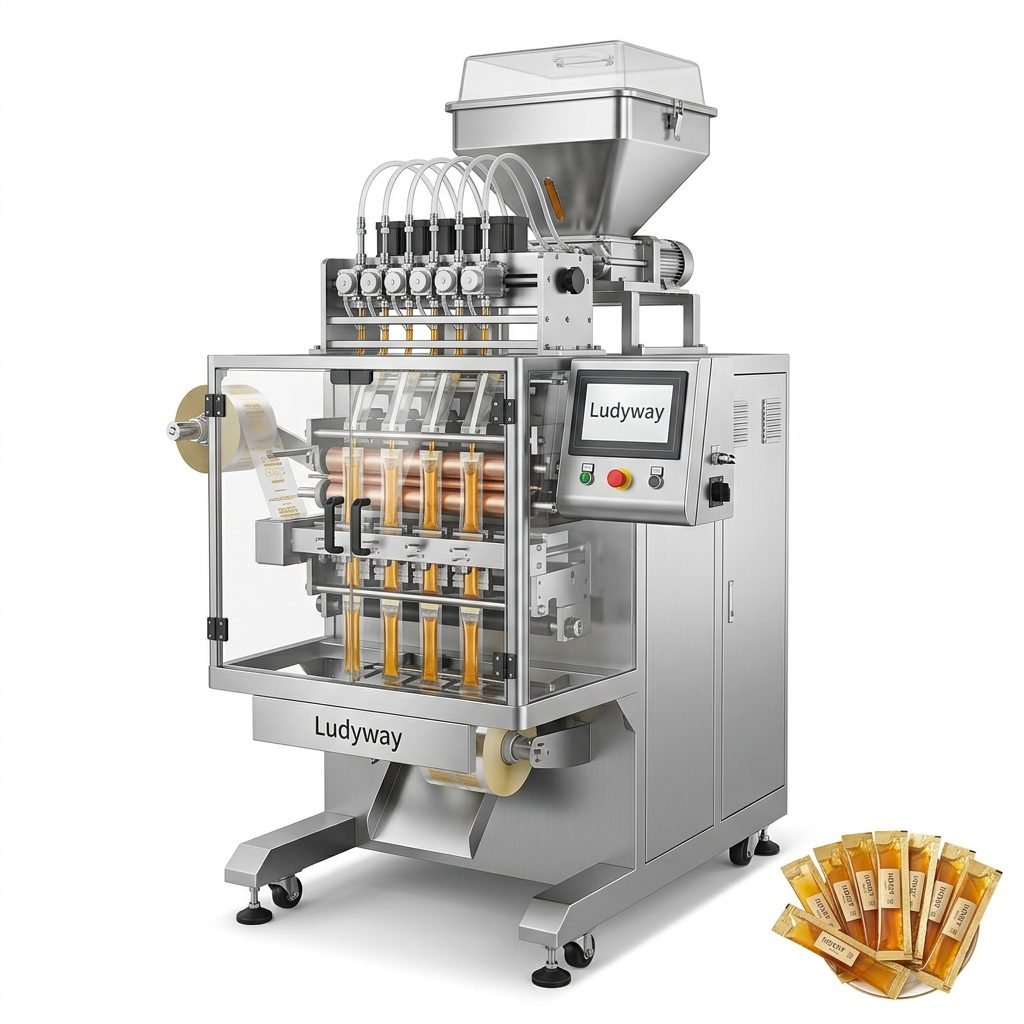
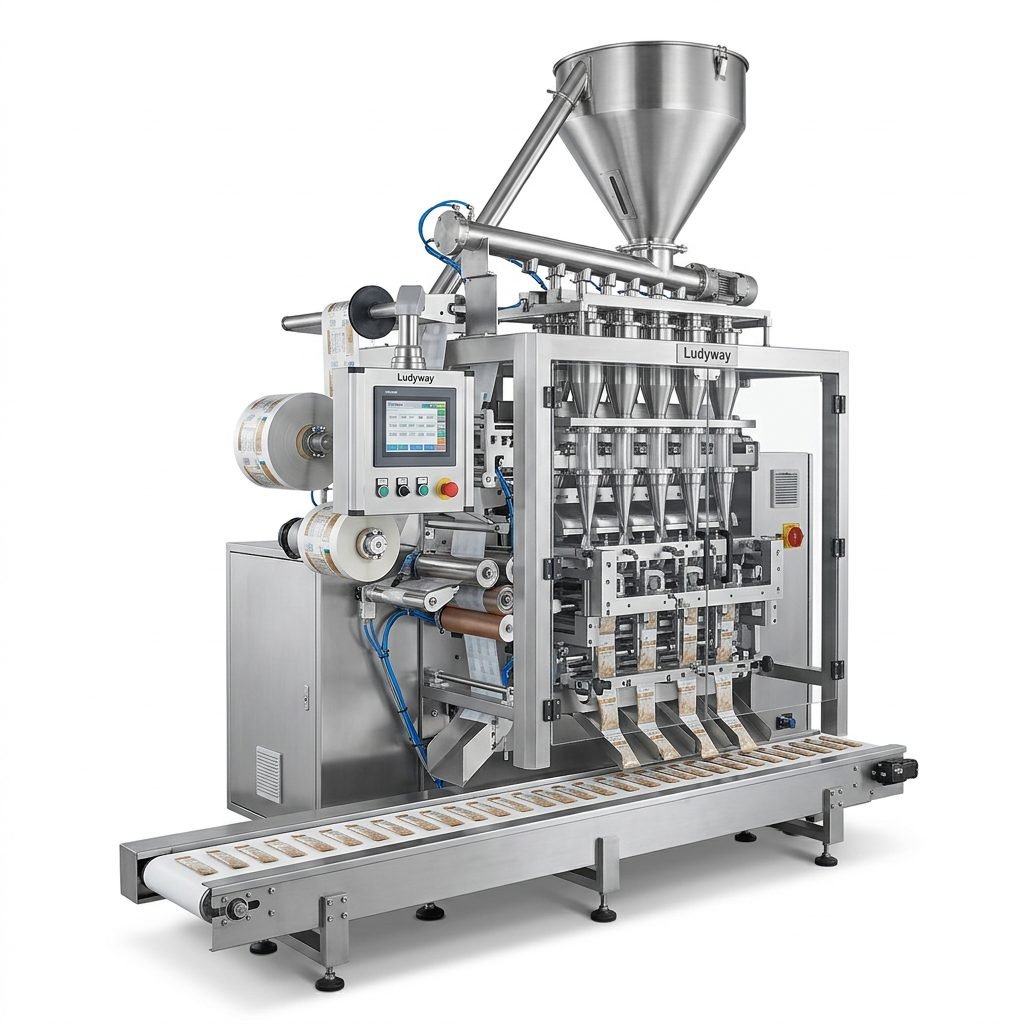
The scale of a manufacturer’s facility often correlates with its production capacity and stability. For instance, a company operating from a modern 20,000㎡ production facility typically has the space for systematic production lines, quality control stations, and R&D departments. This scale supports the manufacturing of over 50 intelligent packaging machine models, from single-lane to high-speed multi-lane sachet and stick pack systems. Such infrastructure indicates a commitment to volume, quality, and technological advancement.
The Value of Long-Term Industry Experience
Experience translates into practical problem-solving ability. A manufacturer with over 30 years of collective industry experience has likely encountered and resolved a vast array of packaging challenges. This depth of knowledge is crucial when designing solutions for complex products or high-speed applications. They understand the nuances that separate a machine that merely functions from one that optimizes your production line for efficiency and yield.
Why a Turnkey Solution Provider Matters
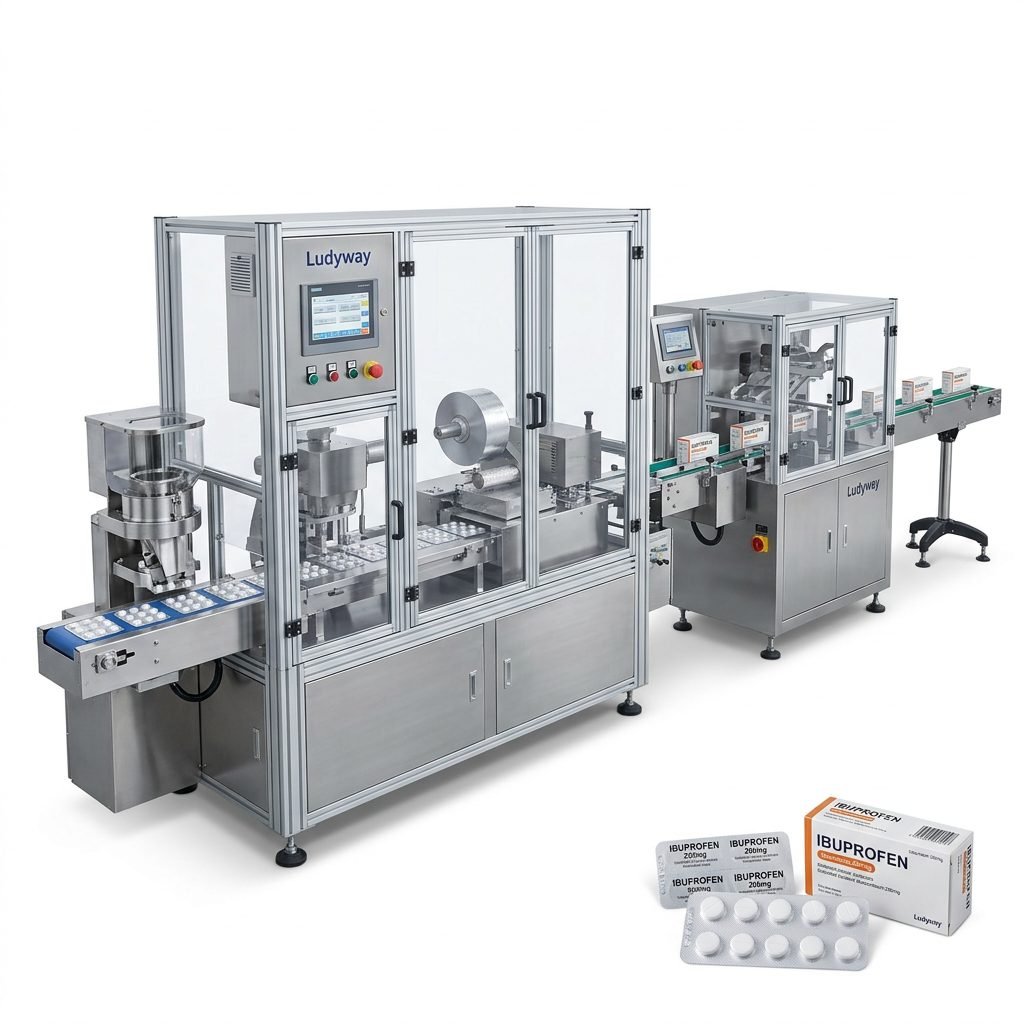
Partnering with a manufacturer that offers turnkey production solutions simplifies your project immensely. Instead of coordinating between multiple vendors for machinery, conveying, and integration, a single provider manages the entire process—from initial design and machinery supply to installation, commissioning, and training. This holistic approach, backed by strong engineering capabilities, ensures system compatibility, reduces project risk, and provides a single point of accountability for the entire packaging line’s performance.
Building a Partnership for Global Success
The best manufacturer relationships are strategic partnerships. Look for a supplier whose vision aligns with yours, particularly if you serve international markets.
Commitment to Innovation and Customization
The packaging landscape is constantly evolving with new materials, sustainability demands, and smart factory trends. A forward-thinking manufacturer invests in R&D to offer innovative and efficient automated packaging solutions. They should be proactive in discussing future trends and able to tailor machinery to your unique production needs, ensuring your investment remains relevant for years to come.
Understanding Global Production Needs
A manufacturer serving customers worldwide develops a broad perspective on different market requirements, electrical standards, and safety regulations. This global experience makes them adept at configuring machines for export and providing support across time zones. Their commitment to long-term cooperation is often reflected in detailed documentation, multilingual support, and a service network designed for international clients.
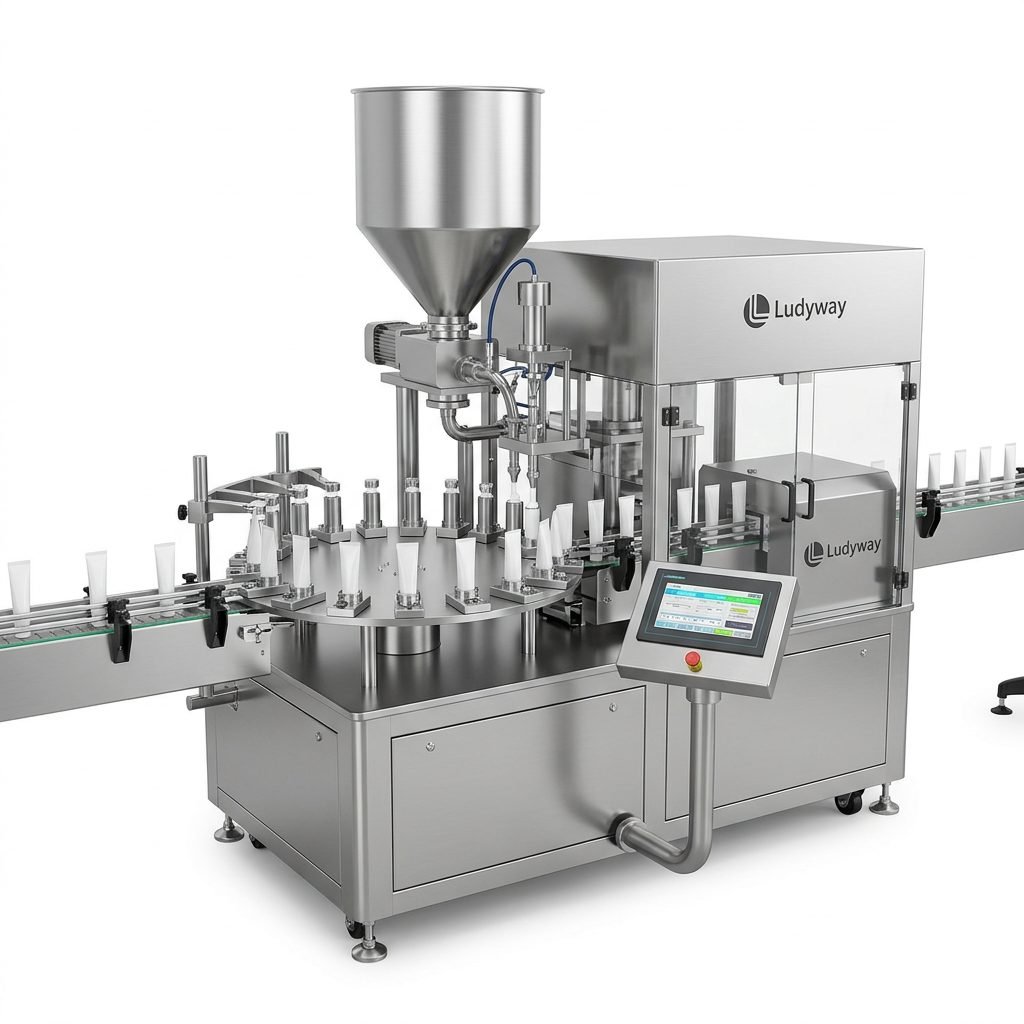
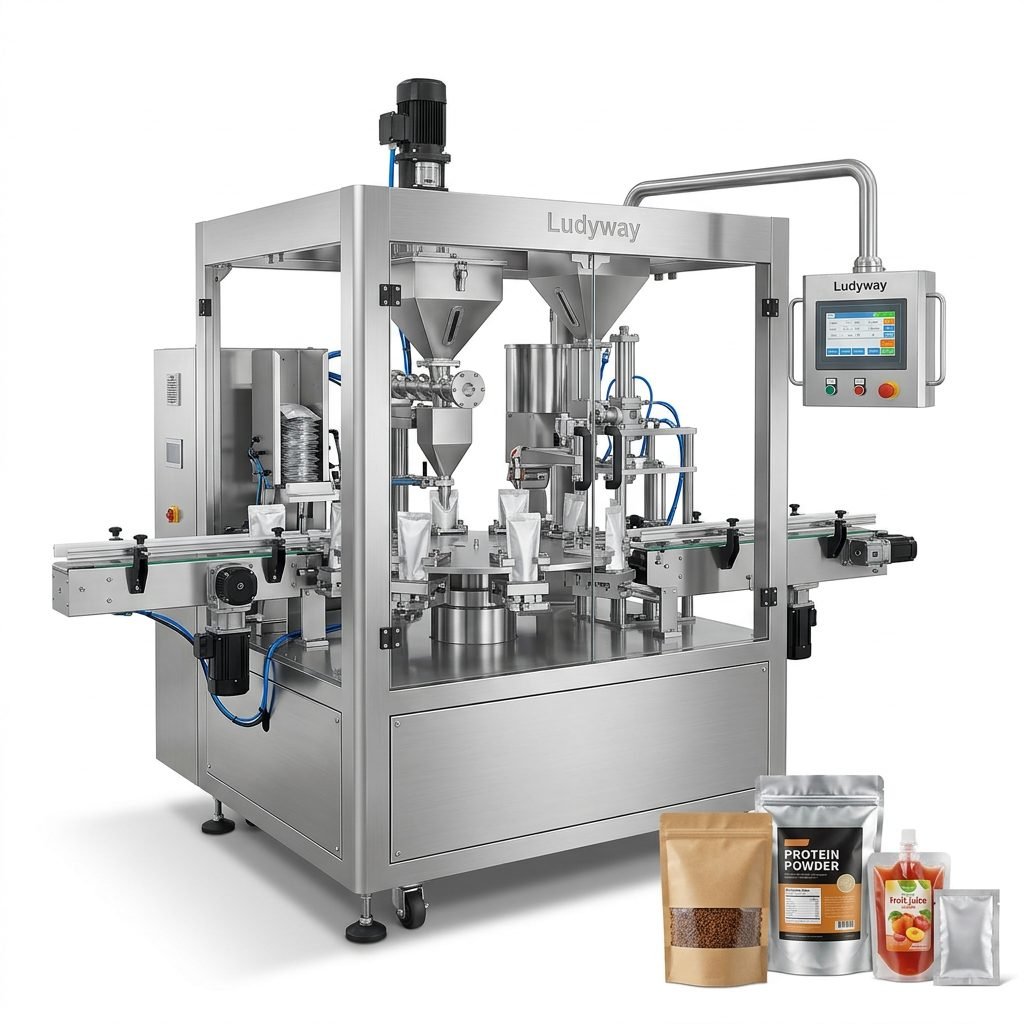
For businesses seeking a partner with this global, solution-oriented mindset, exploring established providers like Ludyway Packing Machine can be a strategic step. Their focus on delivering high-quality automated packaging solutions tailored to global production needs exemplifies the partnership approach crucial for scaling operations in diverse markets.
Final Steps: Due Diligence and Decision Making
Once you have shortlisted potential manufacturers, conduct thorough due diligence. Request detailed quotations, ask for a list of client references—preferably in your industry or region—and, if possible, arrange to visit their factory or see their machines running in a similar application. A factory visit reveals much about their quality control processes, workshop organization, and technical team’s expertise.
Checklist for Your Final Evaluation
- ✅ Review detailed machine specifications and performance guarantees.
- ✅ Clarify warranty terms, spare parts availability, and lead times.
- ✅ Verify installation, training, and after-sales service protocols.
- ✅ Assess communication responsiveness and technical support accessibility.
- ✅ Confirm compliance with relevant international standards (e.g., CE, FDA guidelines for food contact).
Frequently Asked Questions (FAQs)
1. What is the most important factor when choosing a sachet packaging machine supplier?
While machine price is important, the most critical factor is the total cost of ownership, which heavily depends on the machine’s reliability and the supplier’s after-sales support. A slightly more expensive machine from a manufacturer with excellent service and readily available parts will often be more cost-effective in the long run by minimizing costly production downtime.
2. How can I verify a manufacturer’s claimed experience and capabilities?
Always ask for specific client references in your industry and request to see case studies or video demonstrations of their machines running products similar to yours. A reputable manufacturer will be transparent. Additionally, a factory audit or visit is the best way to verify their manufacturing scale, quality control processes, and engineering team’s expertise firsthand.
3. What should I expect in terms of after-sales service?
A comprehensive service package should include professional installation and commissioning at your site, thorough training for your operators and maintenance staff, a clear warranty policy, and prompt technical support (often via phone, email, and remote access). Ensure they have a structured spare parts supply chain to avoid extended downtime.
4. Can a single machine handle different sachet sizes and materials?
Many modern sachet machines are designed with quick-changeover features for different sachet sizes. However, the ability to handle vastly different materials (e.g., switching from a laminated foil for powders to a breathable paper for tea) may require specific sealing jaws or feeding systems. Discuss your full range of needs with the supplier to ensure the machine configuration offers the flexibility you require.
5. Why should I consider a turnkey solution provider over buying individual machines?
A turnkey provider manages the integration of all line components (filler, sachet machine, conveyors, checkweigher, etc.), ensuring they work together seamlessly. This saves you significant project management effort, reduces compatibility risks, and provides a single point of contact for service and support, leading to a smoother ramp-up to full production. For more on integrated solutions, consider resources from packaging automation experts.